
Plants
Horned Poppy in Paganism and Witchcraft
The Horned Poppy (Glaucium flavum), with its striking golden-yellow flowers and long, curved seed pods that resemble horns, has long been admired by herbalists, mystics, and those who walk a nature-ba...
Hornbeam in Paganism and Witchcraft
Hornbeam (Carpinus betulus) is a tree that has long been admired for its remarkable strength, endurance, and resilience. Although it is often overshadowed by more famous sacred trees such as Oak, Ash,...
Horehound (Marrubium vulgare)
Horehound (Marrubium vulgare) is one of the oldest magical herbs found in European folk traditions. Although it is best known as a medicinal plant used for coughs and colds, many Pagans and practition...
Hop in Paganism and Witchcraft
Hop (Humulus lupulus) is best known for its use in brewing beer, but it has also held a quiet place in folk magic, Pagan traditions, and herbal witchcraft for centuries. Its twisting vines, fragrant f...
Honeysuckle in Paganism & Witchcraft
Honeysuckle (Lonicera) has long been treasured in Paganism and Witchcraft for its associations with love, happiness, abundance, and the gentle magic of attraction. With its sweet fragrance drifting th...
Honewort in Paganism and Witchcraft
Honewort (Trinia glauca) is a little-known wild plant that rarely appears in modern books of Paganism and Witchcraft. Unlike herbs such as sage, mugwort, or rosemary, Honewort has very few recorded ma...
Hollyhock in Paganism and Witchcraft
Hollyhock (Alcea rosea) is a tall, graceful plant that has long been admired for its colourful flowers and strong, upright stems. Although it is often grown as a cottage garden favourite, many Pagans ...
Holly Fern in Paganism and Witchcraft
Holly Fern (Cyrtomium falcatum) is an evergreen fern admired for its glossy, holly-like leaves and its ability to remain green throughout much of the year. Although it is not as widely known in tradit...
Holly in Paganism and Witchcraft
Holly (Ilex aquifolium) has long been regarded as one of the most sacred trees in European Pagan traditions. With its glossy evergreen leaves and bright red berries, it remains vibrant throughout the ...
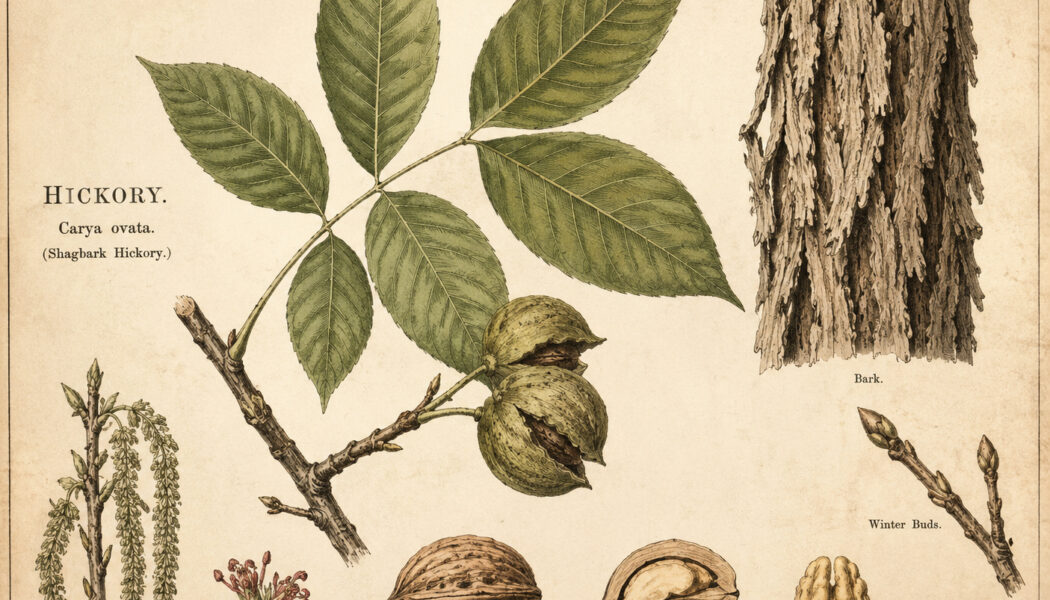

Hickory in Paganism and Witchcraft
Hickory is a tree that is often overlooked in modern Paganism and witchcraft, yet it possesses a long history of symbolism centred on strength, endurance, resilience, and wisdom. Found mainly in North...


Hibiscus in Paganism and Witchcraft: A Flower of Love, Passion and Spiritual Awakening
Hibiscus is one of the most striking flowering plants found in magical practice. With its large, vibrant blooms in shades of red, pink, yellow, orange and white, it has long been associated with beaut...
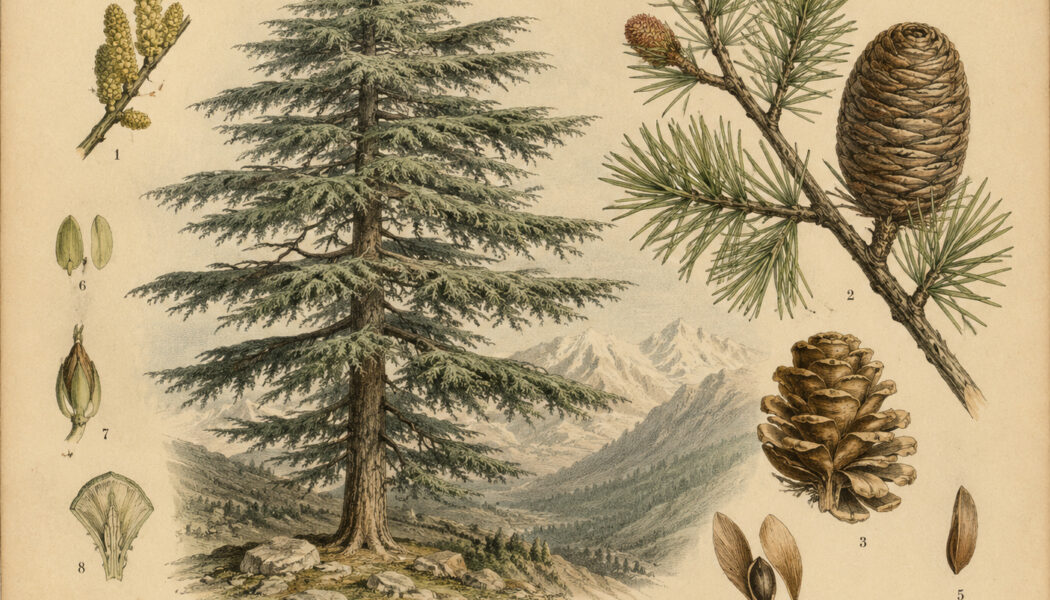

Himalayan Cedar in Paganism and Witchcraft
The Himalayan Cedar (Cedrus deodara), often known as the Tree of the Gods, has long been associated with spirituality, protection, wisdom, and sacred spaces. Native to the Himalayan mountains, this ma...
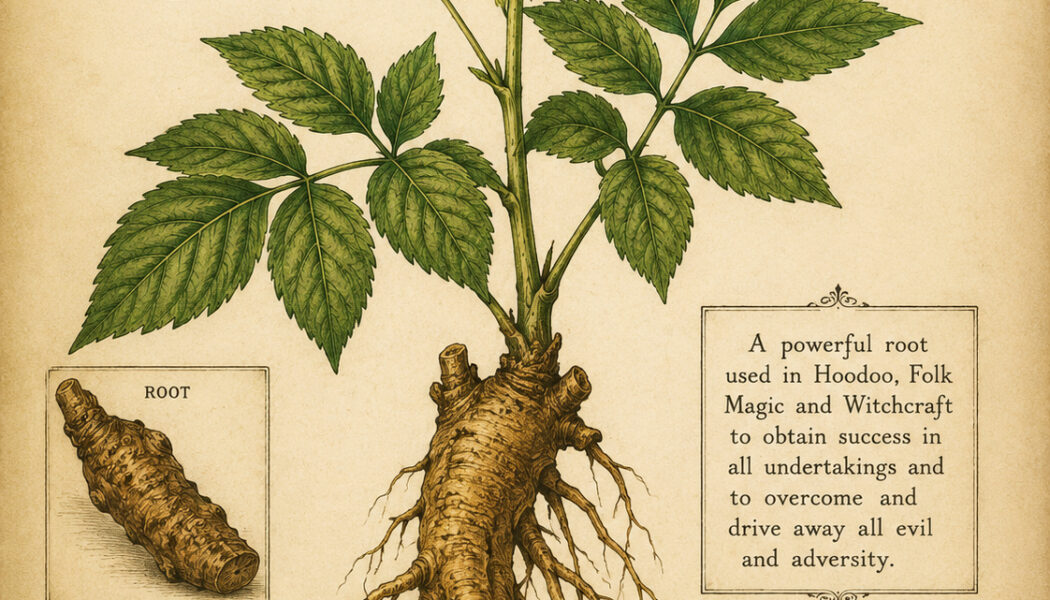

High John the Conqueror Root in Paganism and Witchcraft
High John the Conqueror Root is one of the most respected magical roots in modern folk magic and has long been associated with strength, courage, success, and overcoming adversity. Although its strong...


Hesperis in Paganism and Witchcraft: The Fragrant Flower of Twilight
Hesperis, more commonly known as Dame’s Rocket (Hesperis matronalis), is a graceful flowering plant that has long been associated with the quiet magic of dusk, beauty, love, and the mysteries th...


Herb Robert (Geranium robertianum) in Paganism and Witchcraft
Herb Robert (Geranium robertianum) is a small but remarkable wildflower that has quietly earned a place in the folklore and magical traditions of Europe. Often found growing along woodland edges, old ...
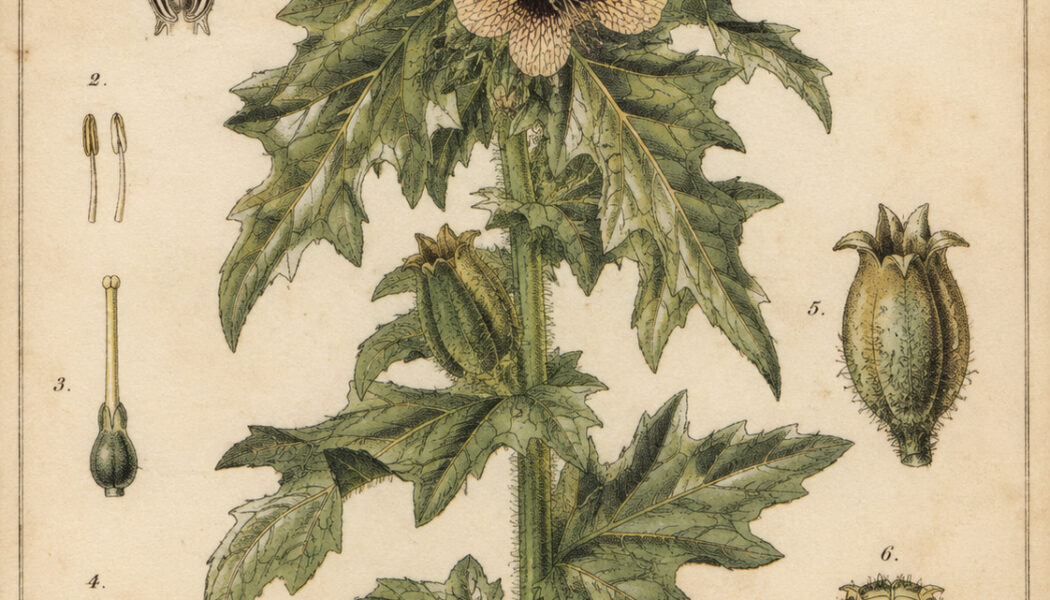

Henbane in Paganism and Witchcraft: A Plant of Mystery and Caution
Henbane (Hyoscyamus niger) has long held a place in the folklore, mythology, and magical traditions of Europe. With its pale yellow flowers veined in deep purple and its strange, unpleasant scent, it ...


Hemp in Paganism and Witchcraft: A Plant of Strength, Protection, and Connection
Hemp (Cannabis sativa) has been valued by many cultures for thousands of years, not only for its practical uses but also for its spiritual symbolism. It is important to distinguish industrial hemp, wh...
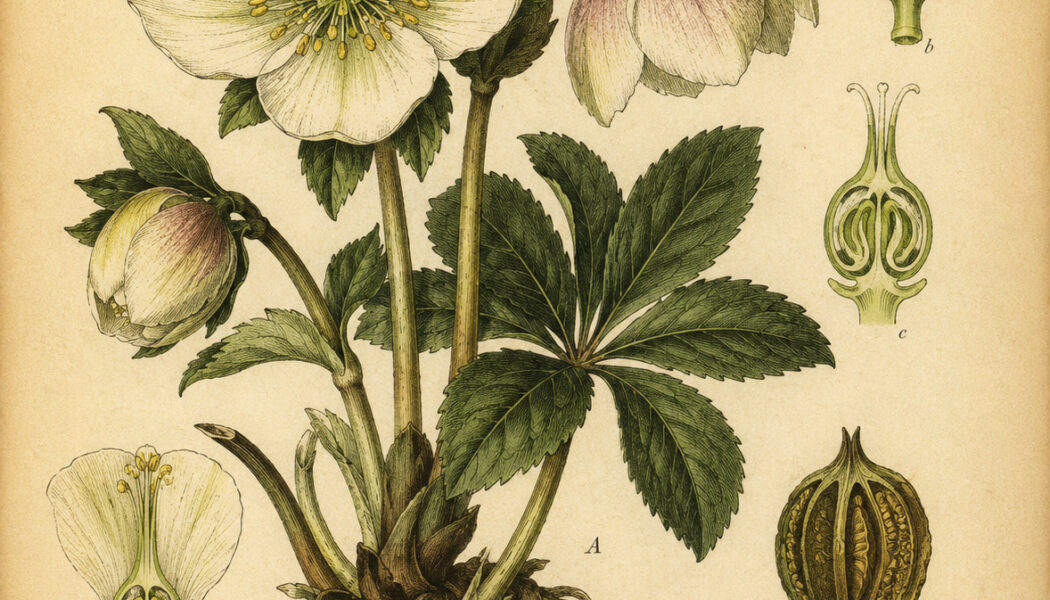

Hellebore in Paganism and Witchcraft: The Mysterious Winter Flower
Hellebore (Helleborus spp.), often called the Christmas Rose or Lenten Rose, has long been surrounded by mystery, folklore, and magical tradition. Blooming during the coldest months of the year when m...


Hedge Woundwort (Stachys sylvatica) in Paganism and Witchcraft
Hedge Woundwort (Stachys sylvatica) is a native woodland plant found throughout much of Britain and Europe. Recognisable by its tall stems, heart-shaped leaves, and deep purple flowers, it has long be...


Hedge Parsley in Paganism and Witchcraft
Hedge parsley (Torilis japonica and related Torilis species) is a modest wild plant that grows along hedgerows, woodland edges, old pathways, and forgotten corners of the countryside. Although it does...
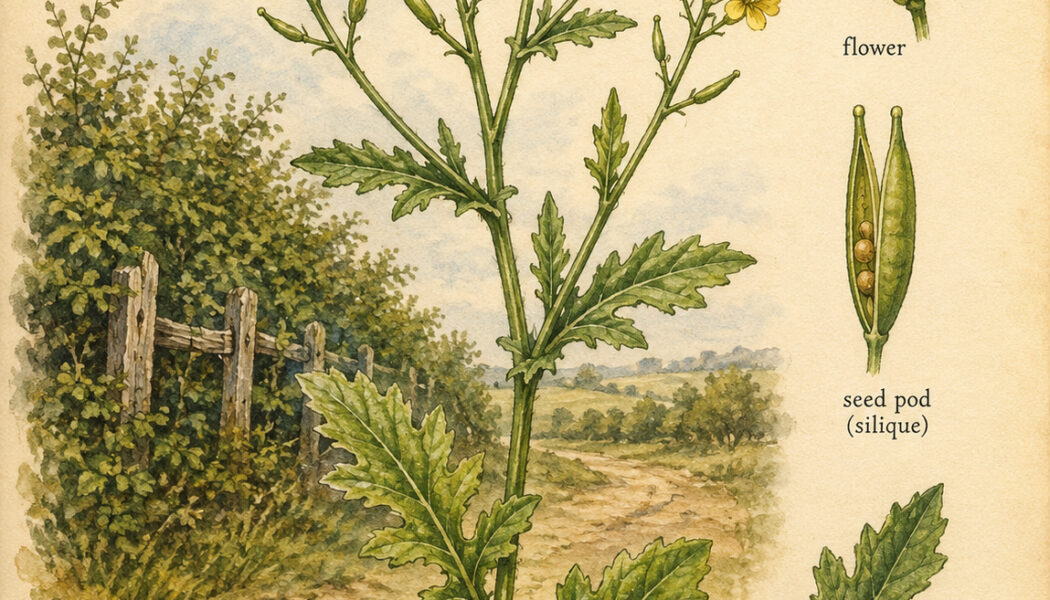

Hedge Mustard in Paganism and Witchcraft
Hedge Mustard (Sisymbrium officinale) is a humble wild herb that has quietly grown along hedgerows, roadsides, and forgotten corners of the countryside for centuries. Although it is better known in tr...


Hedge Bindweed in Paganism and Witchcraft
Hedge Bindweed (Calystegia sepium) is a familiar sight throughout hedgerows, woodland edges and country lanes. With its elegant white trumpet-shaped flowers and vigorous climbing stems, it has long at...


Heather in Paganism and Witchcraft: A Plant of Protection, Luck and the Wild Places
Heather (Calluna vulgaris) has long been treasured by Pagans and witches as one of the sacred plants of the moorland and heath. Covering hillsides in shades of purple, pink and white, it has become a ...
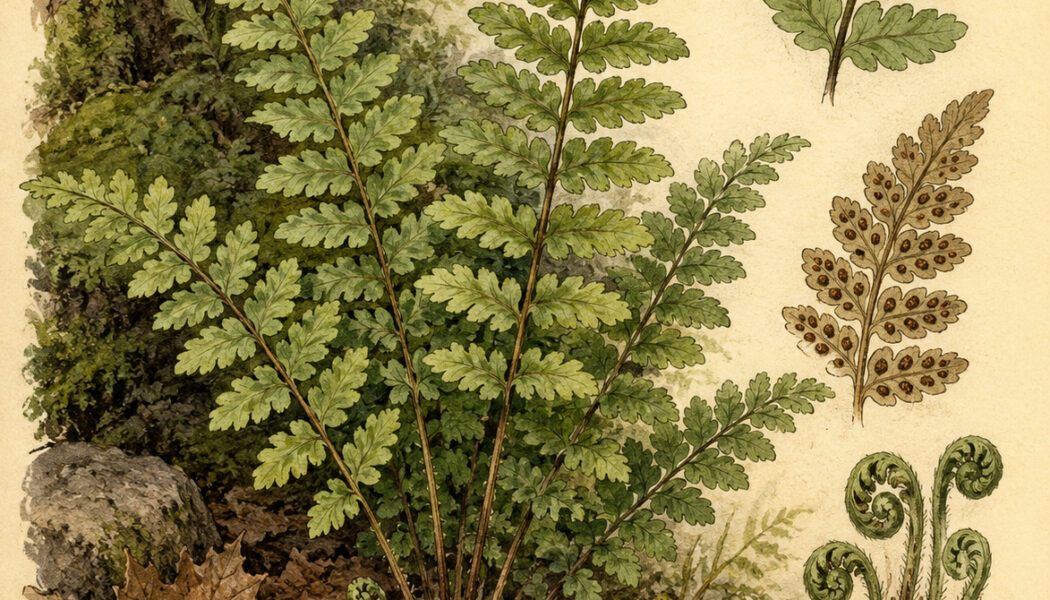

Hazel Fern in Paganism and Witchcraft: A Plant of Wisdom and Hidden Pathways
Hazel Fern is a woodland plant that quietly thrives in damp, shaded places where ancient trees have stood for generations. Although it is not as widely known in modern witchcraft as herbs such as mugw...
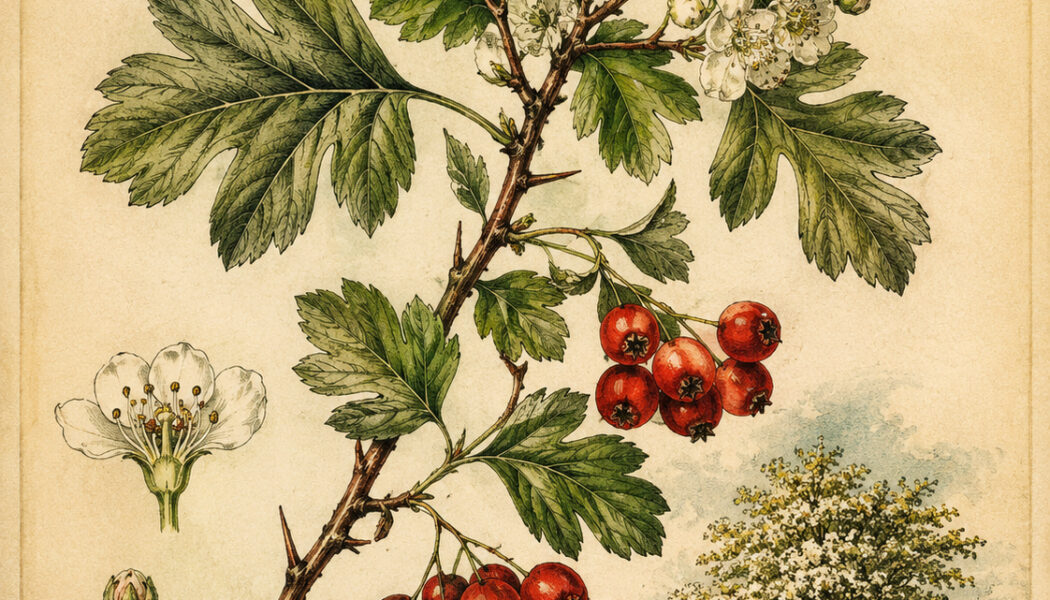

Hawthorn in Paganism and Witchcraft
Hawthorn (Crataegus spp.) has long been regarded as one of the most sacred trees in European folklore and Pagan tradition. Often called the May Tree or Fairy Tree, it has been associated with the limi...


Hart’s Tongue Fern in Paganism and Witchcraft: The Leaf of Hidden Wisdom
Hart’s Tongue Fern (Asplenium scolopendrium) is one of Britain’s most distinctive native ferns, instantly recognised by its long, smooth, tongue-shaped fronds. Unlike the delicate, feather...


Hare’s Ear in Paganism and Witchcraft
Hare’s Ear (Bupleurum species) is a modest-looking wildflower that has never achieved the fame of herbs such as mugwort, vervain, or yarrow. Yet among many modern Pagans and folk practitioners, ...
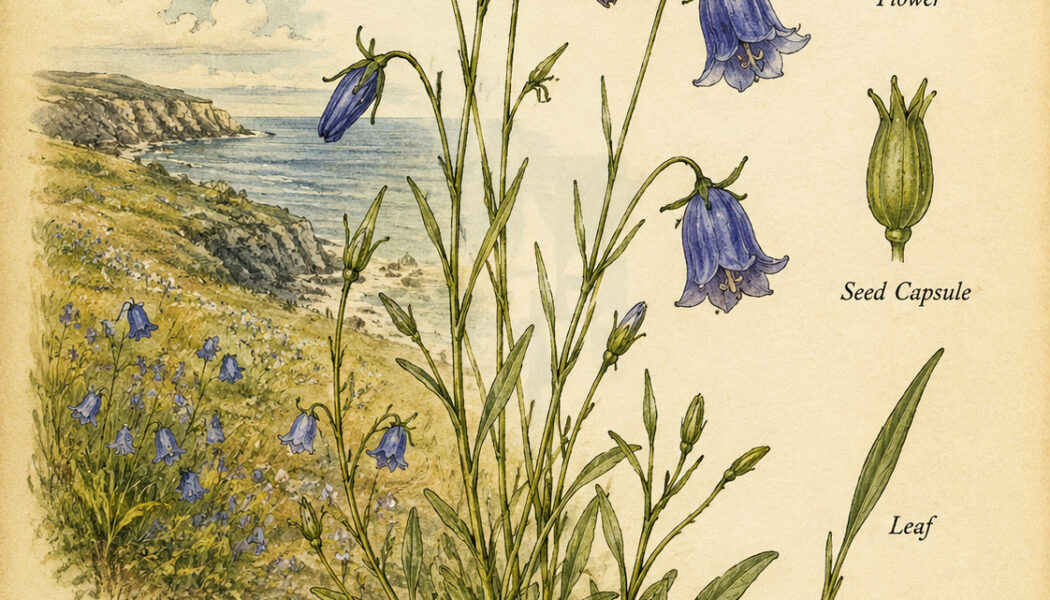

Harebell in Paganism and Witchcraft: The Fairy Flower of the Wild
Delicate, graceful, and often swaying gently in the summer breeze, the Harebell (Campanula rotundifolia) has long been associated with mystery, enchantment, and the hidden realms of nature. Found grow...
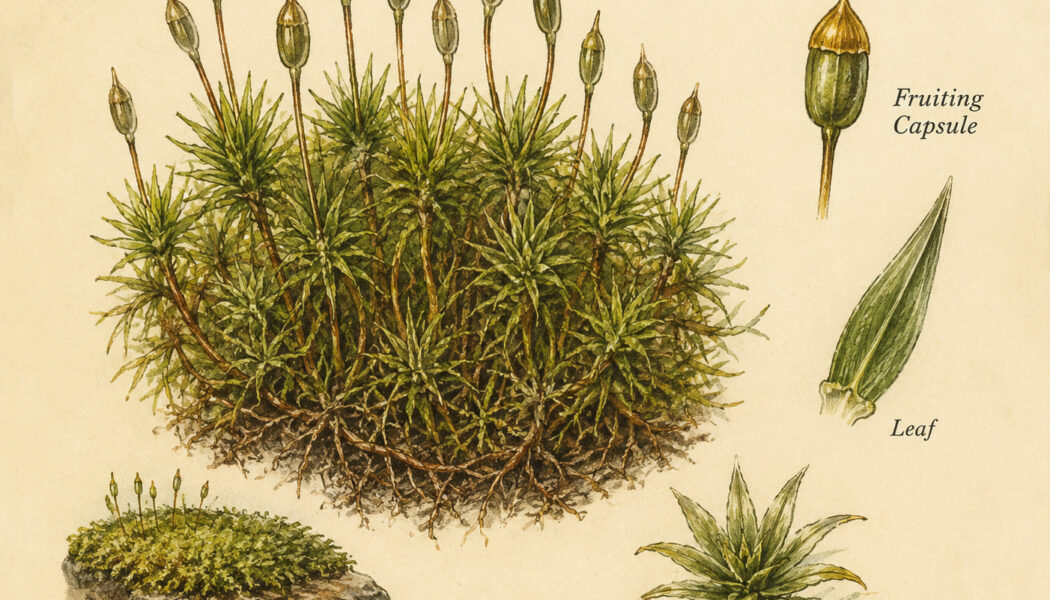

Haircap Moss in Paganism and Witchcraft: A Symbol of Endurance and Ancient Wisdom
Haircap Moss (Polytrichum commune) is one of the oldest and most resilient plants found in the woodlands, moorlands, and damp places of the world. Unlike flowering herbs, it has no colourful blooms or...
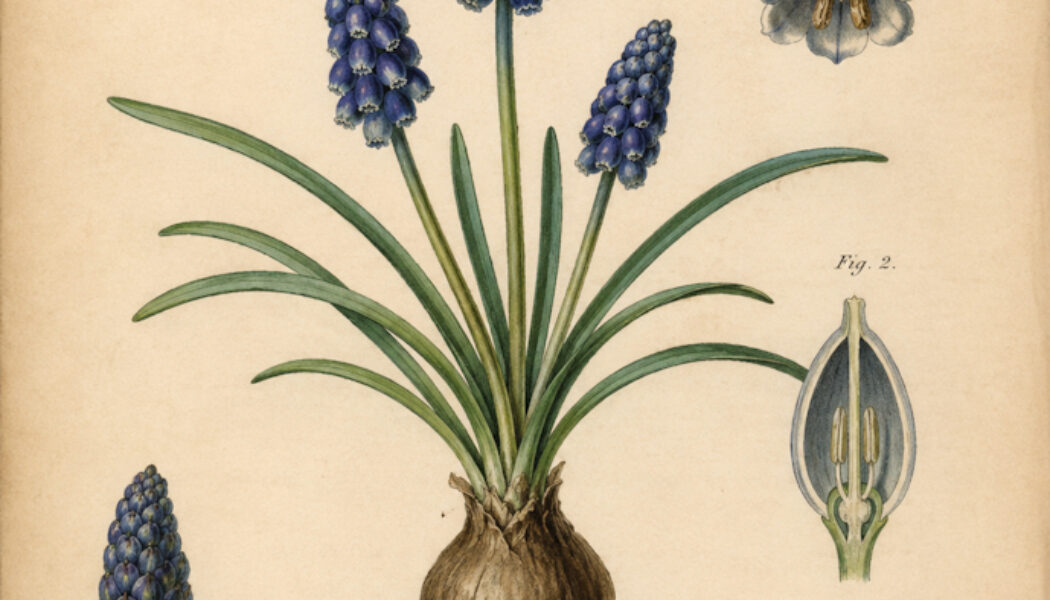

Grape Hyacinth in Paganism and Witchcraft
The grape hyacinth (Muscari spp.) is a charming spring flower known for its clusters of deep blue or purple bell-shaped blossoms that resemble tiny bunches of grapes. Although it is not as widely docu...
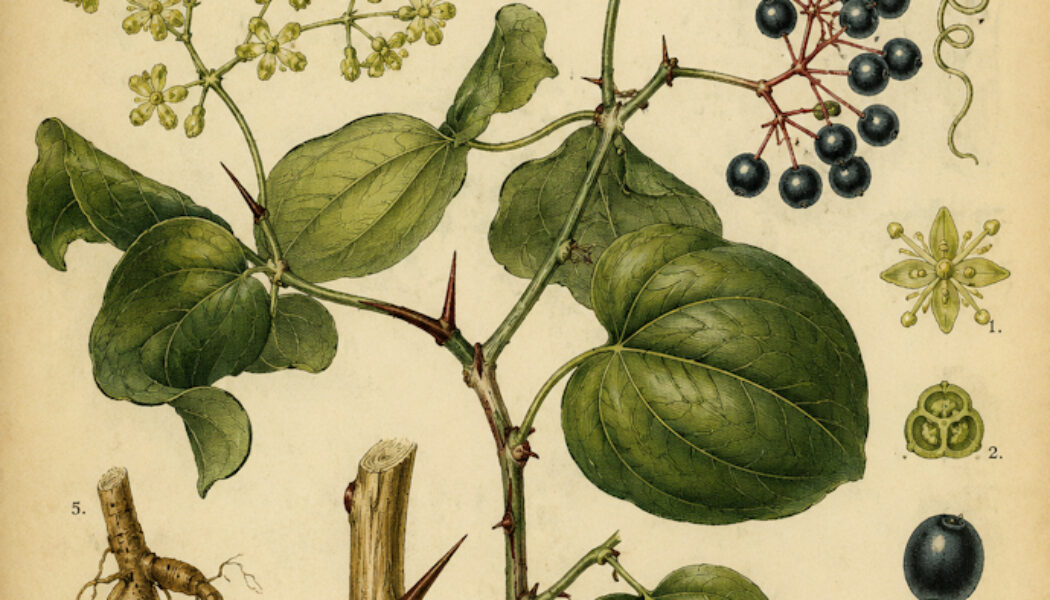

Greenbrier (Smilax) in Paganism and Witchcraft
Greenbrier (Smilax spp.) is a hardy, thorny vine found throughout many parts of the world, particularly in North America. While it is often regarded simply as a wild woodland plant, Greenbrier has als...
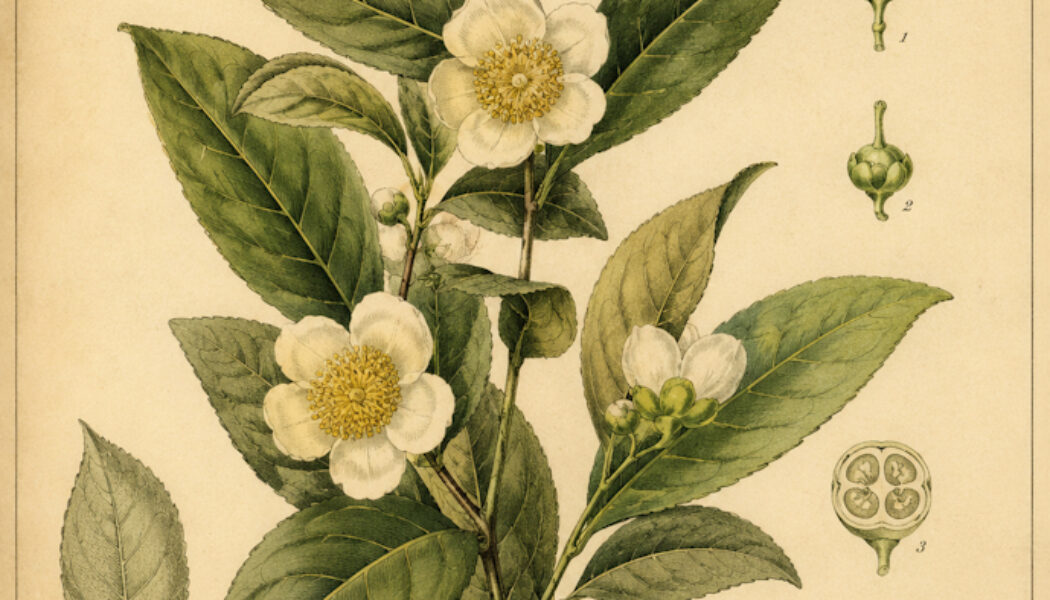

Green Tea in Paganism and Witchcraft
Green tea, derived from the leaves of the Camellia sinensis plant, is widely celebrated for its health benefits, but it also holds a meaningful place in modern pagan and witchcraft traditions. While g...
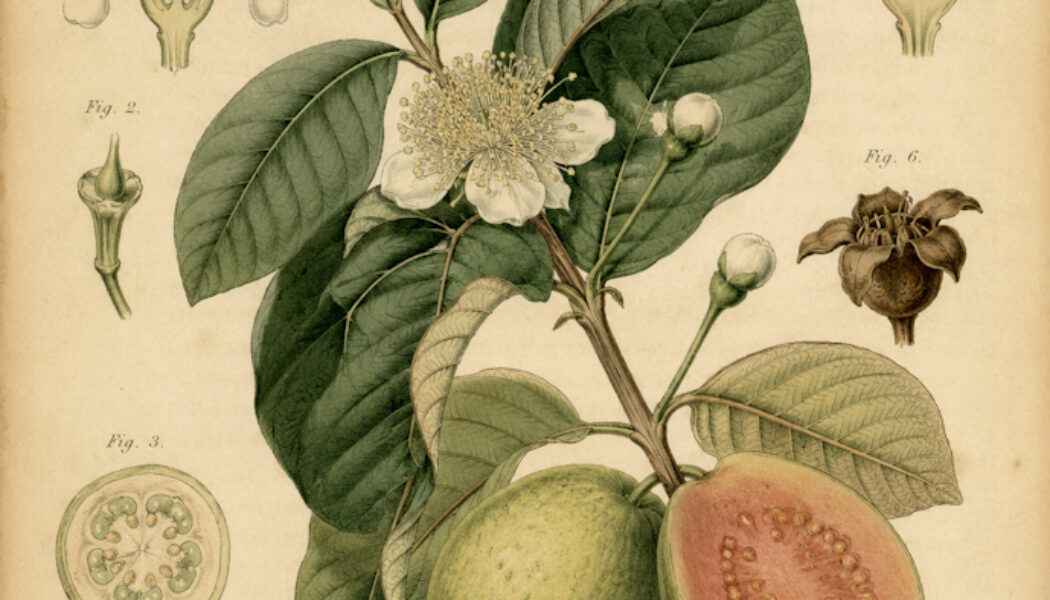

Guava in Paganism and Witchcraft
Guava (Psidium guajava) is best known as a tropical fruit tree valued for its nutritious fruit and medicinal leaves. Although it does not occupy the same prominent place in European pagan traditions a...
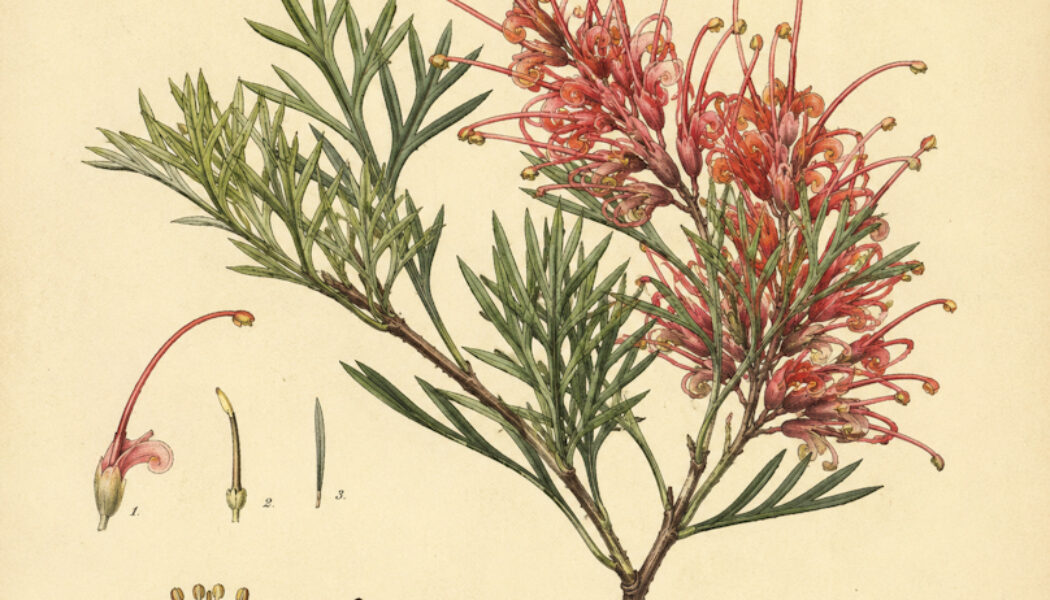

Grevillea in Paganism and Witchcraft
Grevillea is a diverse genus of flowering shrubs and trees native primarily to Australia. Known for its striking, nectar-rich blossoms and evergreen foliage, it is admired not only for its beauty but ...
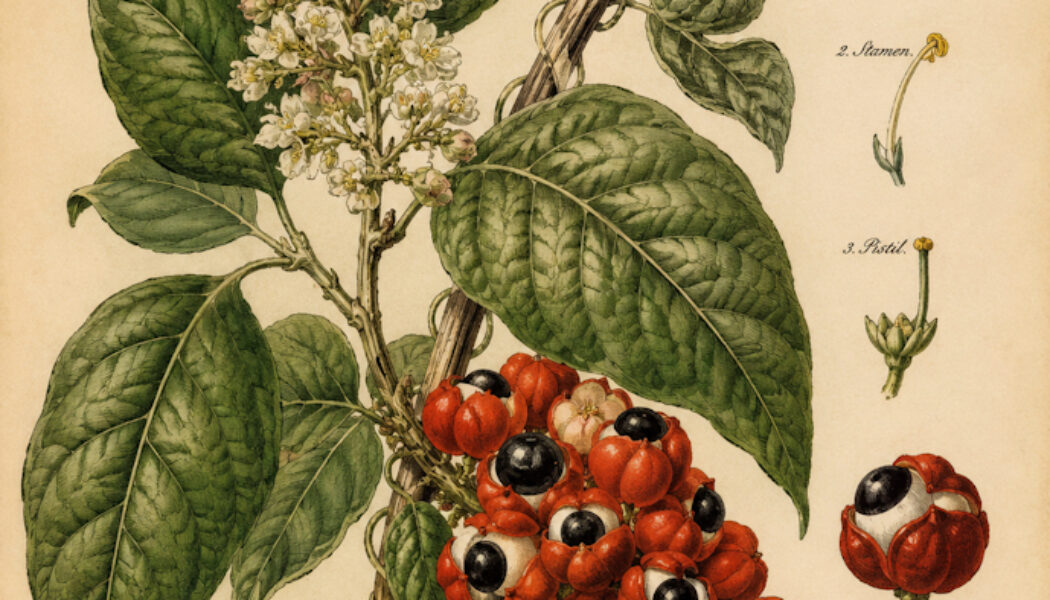

Guarana in Paganism and Witchcraft
Guarana (Paullinia cupana) is a climbing plant native to the Amazon rainforest, where it has been valued for centuries by Indigenous peoples for its stimulating and medicinal properties. Although guar...
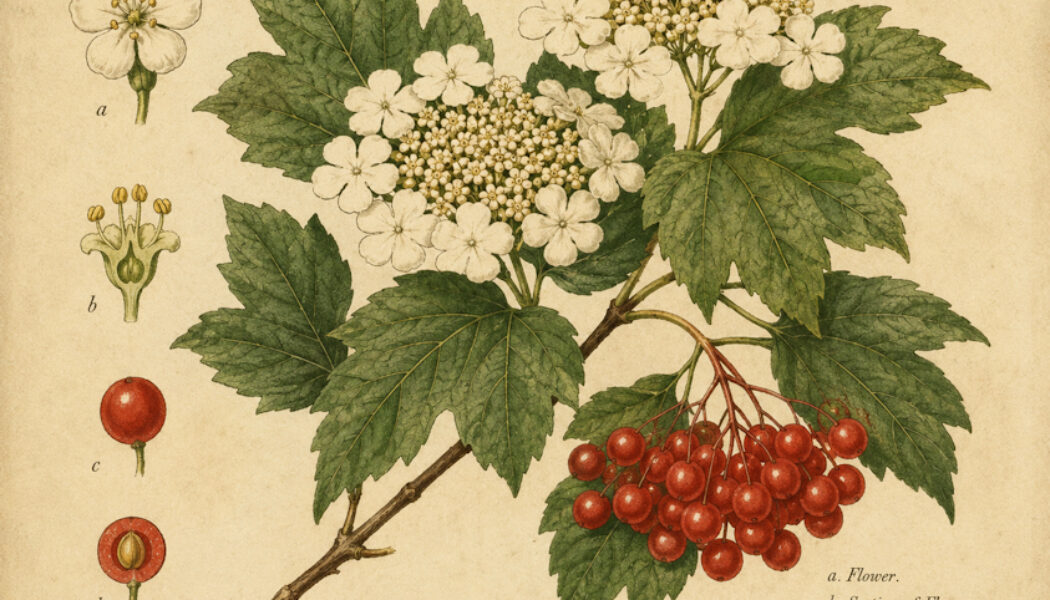

The Guelder Rose in Paganism and Witchcraft
The Guelder Rose (Viburnum opulus) has long been admired for its striking white blossoms, bright red berries, and rich symbolism. Although it is not as widely associated with magical traditions as pla...
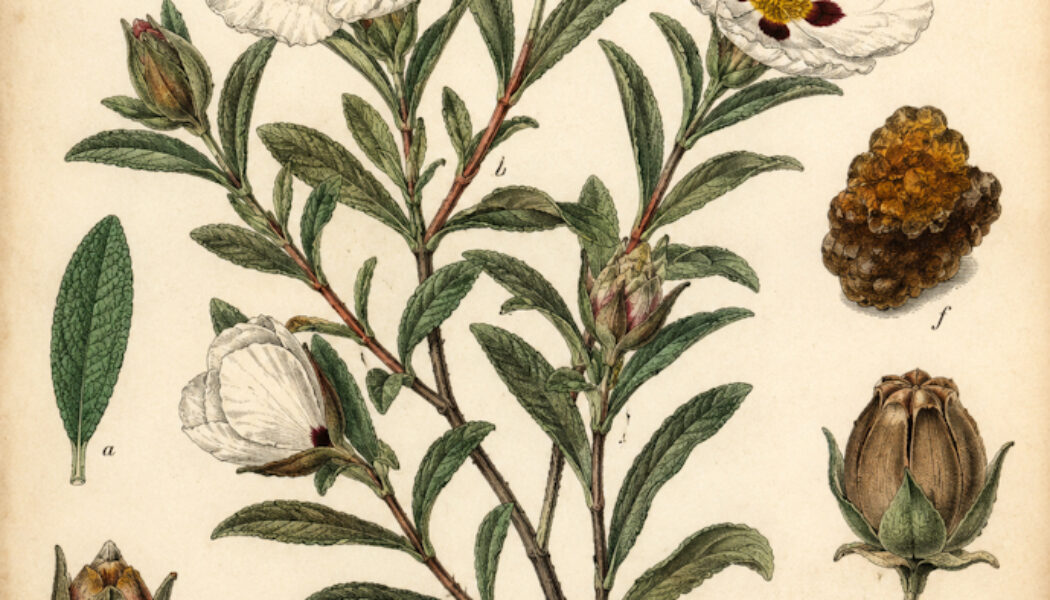

The Use of Gum Cistus in Paganism and Witchcraft
Gum Cistus, also known as labdanum, is a fragrant resin obtained from the leaves and stems of the Cistus shrub, commonly called the rockrose. Valued since ancient times for its rich, amber-like aroma,...
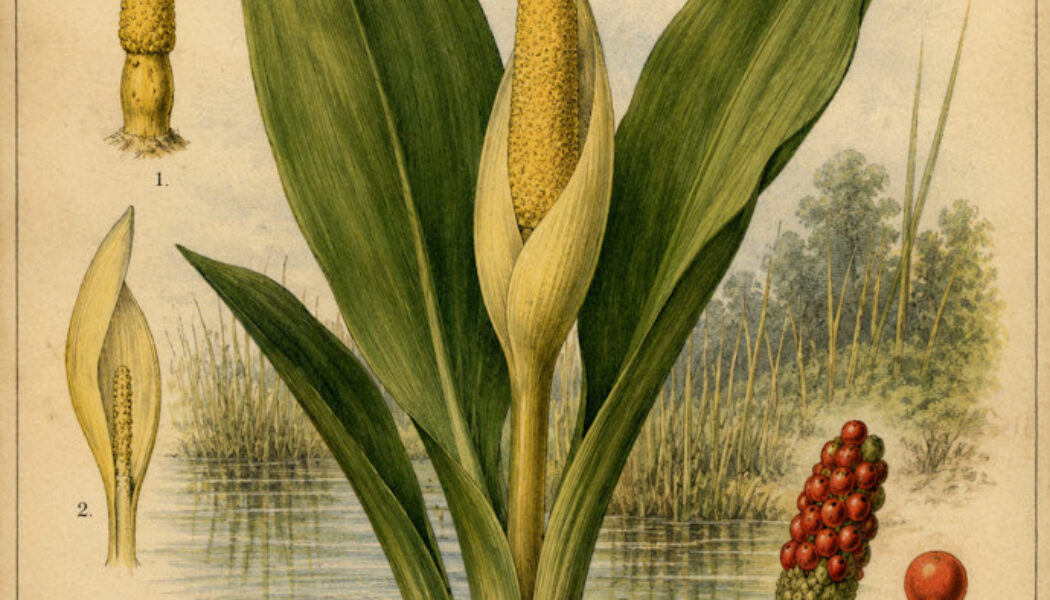

The Golden Club Plant in Paganism and Witchcraft
The Golden Club (Orontium aquaticum) is a distinctive aquatic plant native to wetlands in eastern North America. Recognized by its long, spear-shaped leaves and striking golden flowering spike, it has...
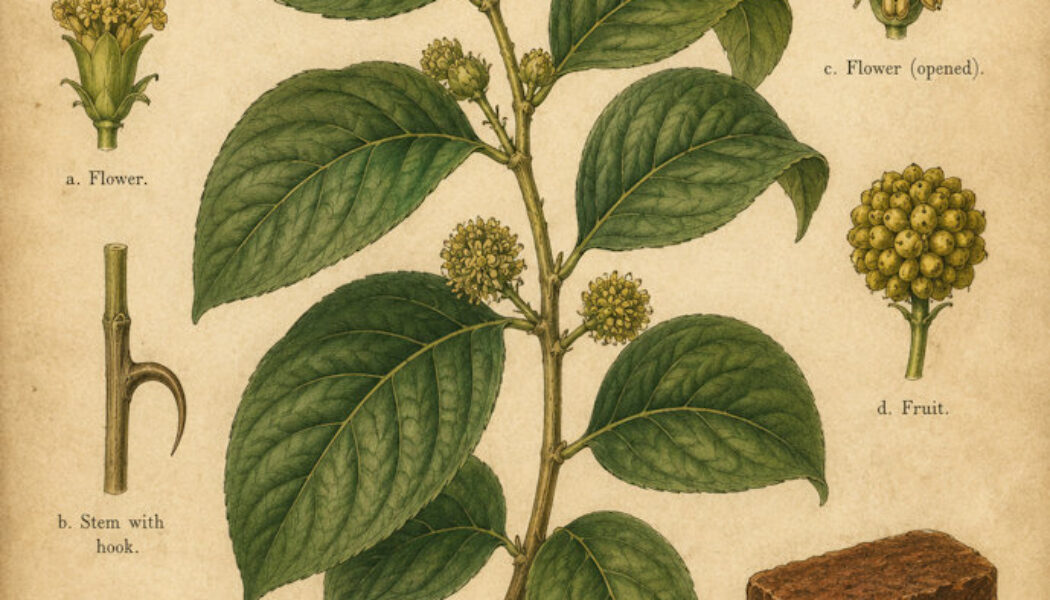

Gambir in Paganism and Witchcraft
Gambir, a plant derived primarily from Uncaria gambir, has long been valued throughout Southeast Asia for its medicinal, tanning, and dyeing properties. While its documented historical uses are largel...
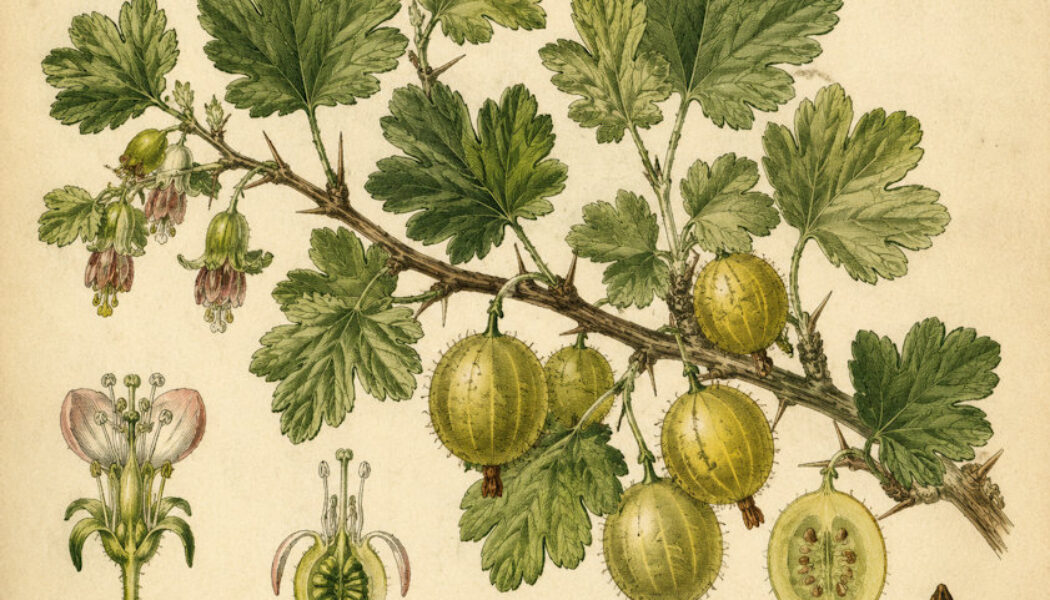

Gooseberry in Paganism and Witchcraft
The gooseberry (Ribes uva-crispa) is a hardy, thorny shrub that has long been valued for its nourishing fruit and protective qualities. Although it is not as commonly featured in magical traditions as...
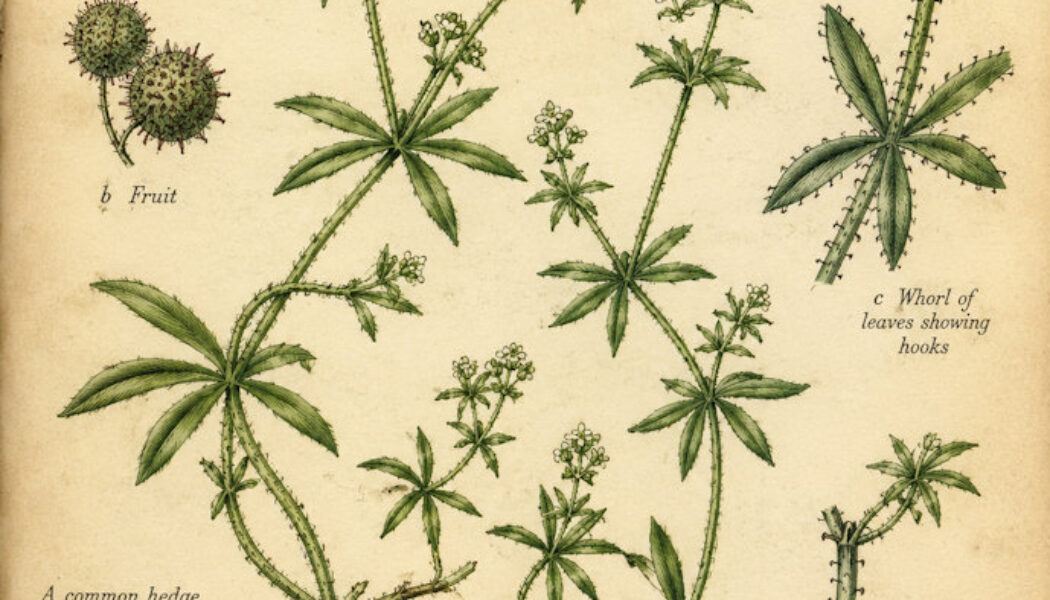

Goosegrass in Paganism and Witchcraft
Goosegrass (Galium aparine), also known as cleavers, sticky weed, or catchweed, is a common hedgerow plant that has long held a place in European folk traditions. While it is best known today as a med...
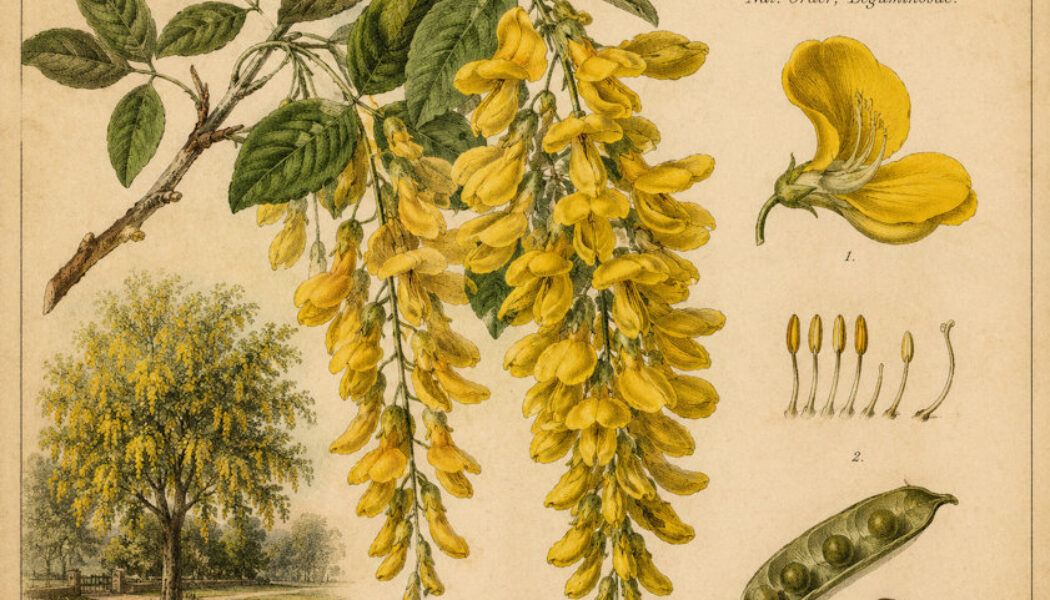

The Golden Chain Tree in Paganism and Witchcraft
The Golden Chain Tree (Laburnum anagyroides), admired for its cascading clusters of brilliant yellow flowers, has long captured the imagination of those who practice modern paganism and witchcraft. Al...
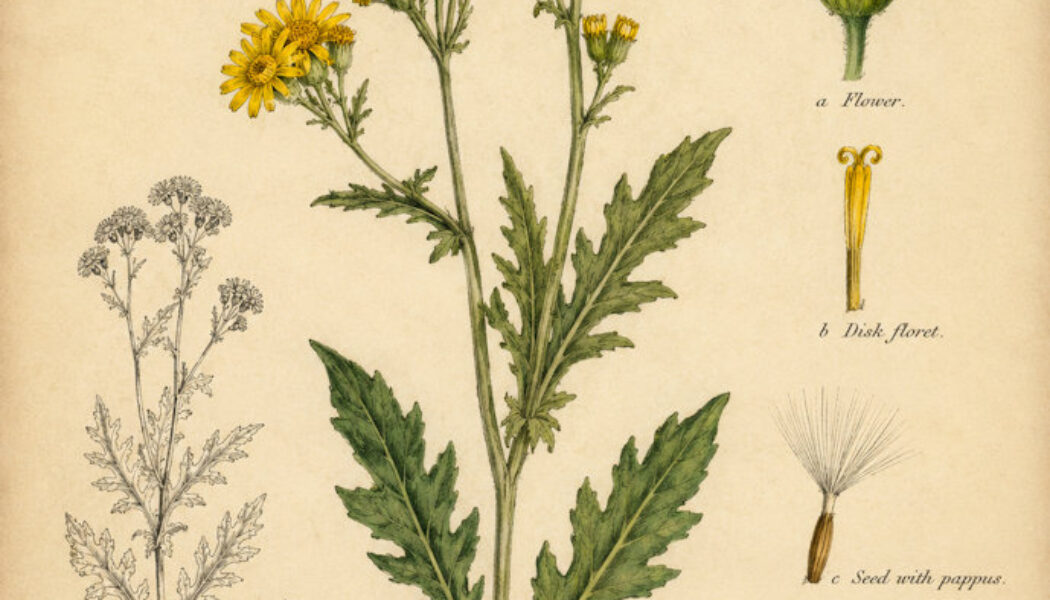

Golden Ragwort in Paganism and Witchcraft
Golden Ragwort (Packera aurea, formerly Senecio aureus) is a bright yellow wildflower that blooms in spring and has long been admired for its vibrant appearance and connection to the changing seasons....
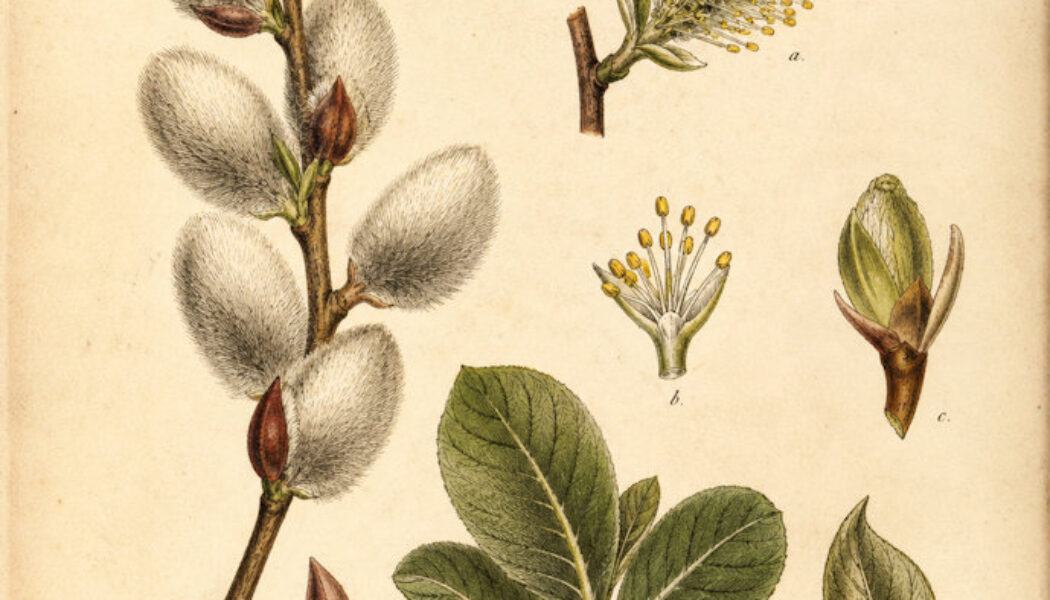

The Use of Goat Willow in Paganism and Witchcraft
Goat Willow (Salix caprea), sometimes known as pussy willow because of its soft spring catkins, has long held symbolic and spiritual significance in various pagan traditions and modern witchcraft. As ...
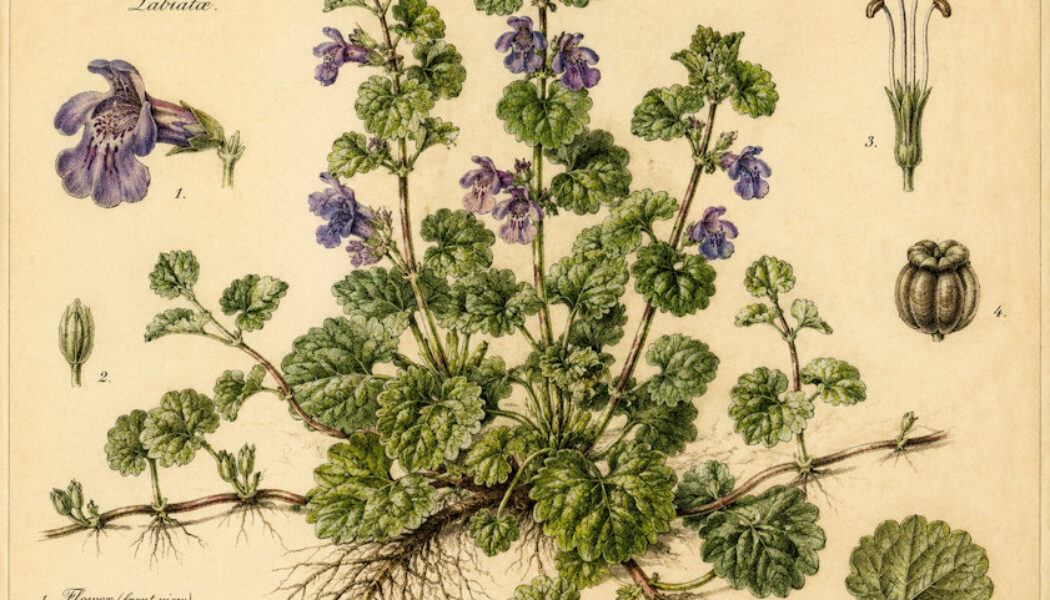

Gill-over-the-Ground (Glechoma hederacea) in Paganism and Witchcraft
Gill-over-the-ground (Glechoma hederacea), also known as ground ivy, creeping charlie, or alehoof, is a humble woodland herb that has long held a place in European folk magic, pagan traditions, and mo...
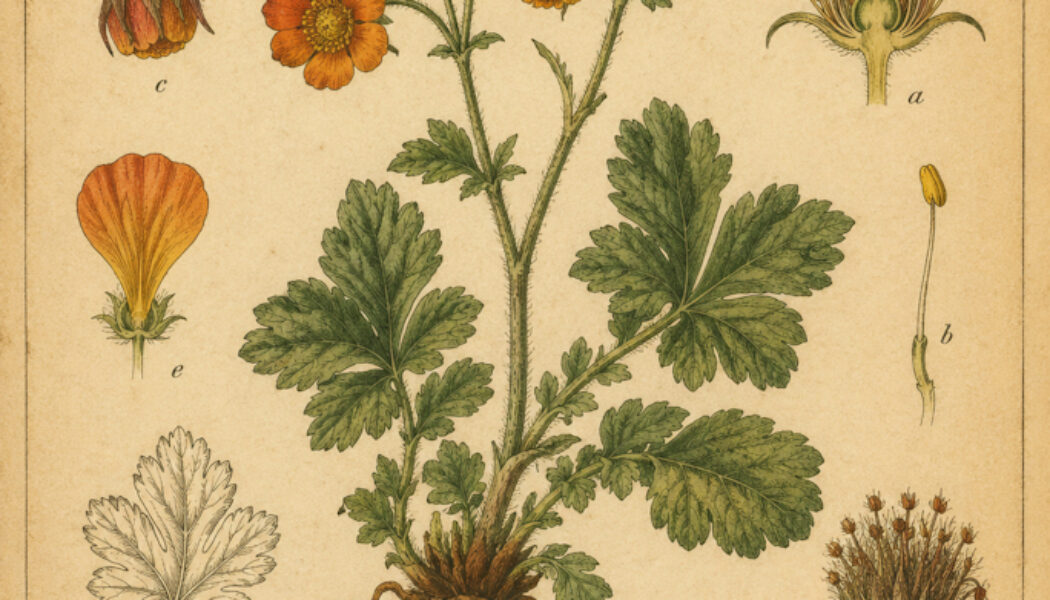

The Use of Geum in Paganism and Witchcraft
Geum is a flowering perennial herb belonging to the rose family (Rosaceae). Known for its bright yellow, orange, or red blossoms and clove-scented roots in some species, Geum has long been valued in E...
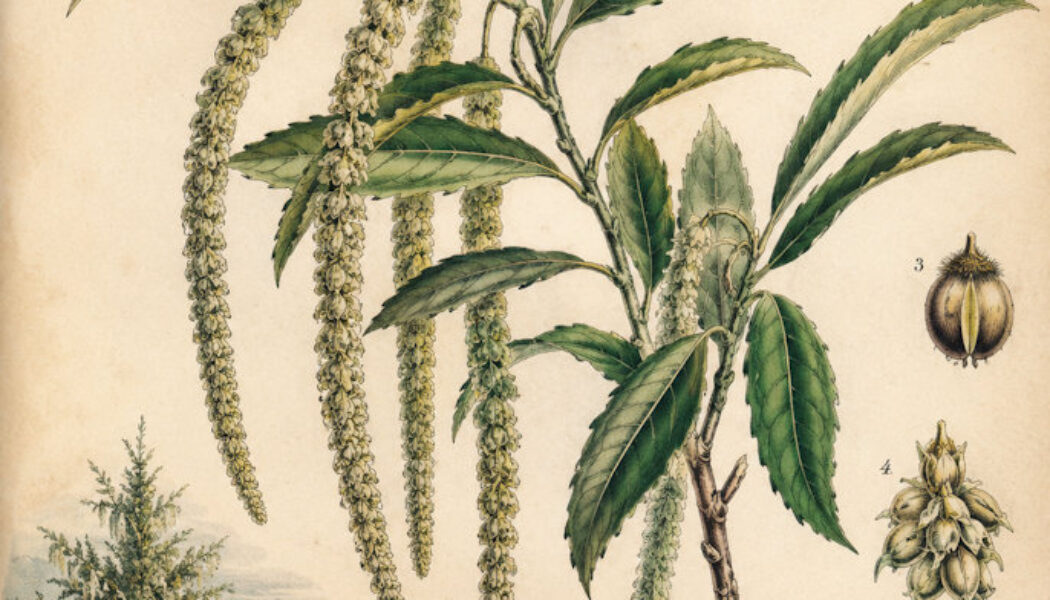

Garrya in Paganism and Witchcraft
Garrya is a genus of evergreen shrubs and small trees native to North and Central America. Known for its graceful, dangling catkins and hardy nature, it has become appreciated not only as an ornamenta...
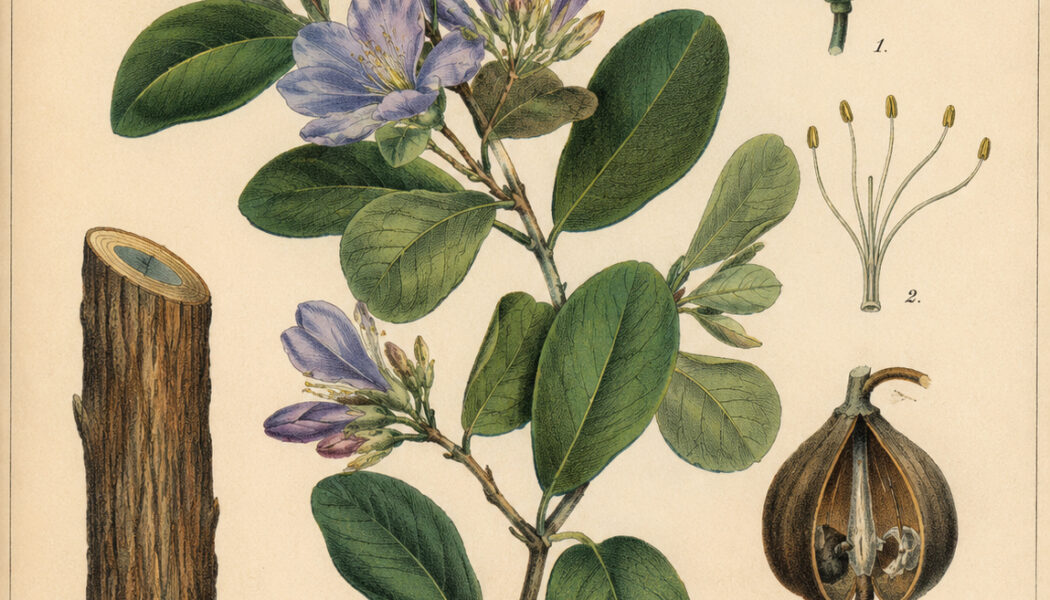

Guaiacum in Paganism and Witchcraft
Guaiacum, often called lignum vitae or the “wood of life,” is a slow-growing tree native to the Caribbean and parts of Central and South America. While it is best known for its exceptional...
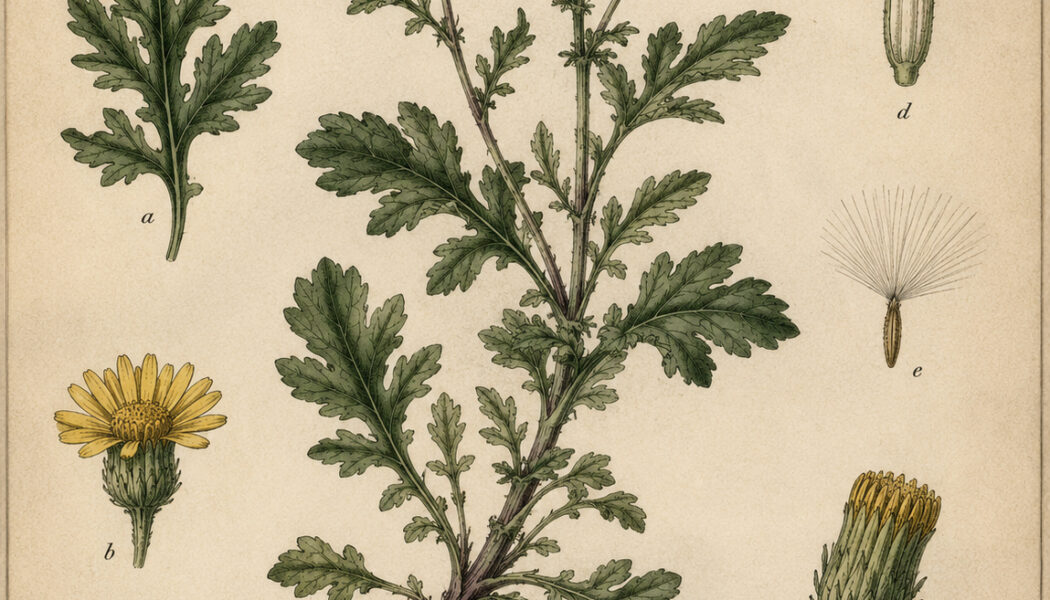

Groundsel in Paganism and Witchcraft
Groundsel (Senecio vulgaris) is a humble wild herb that has long been associated with folk magic, pagan traditions, and certain forms of modern witchcraft. Although often dismissed as a common weed, G...
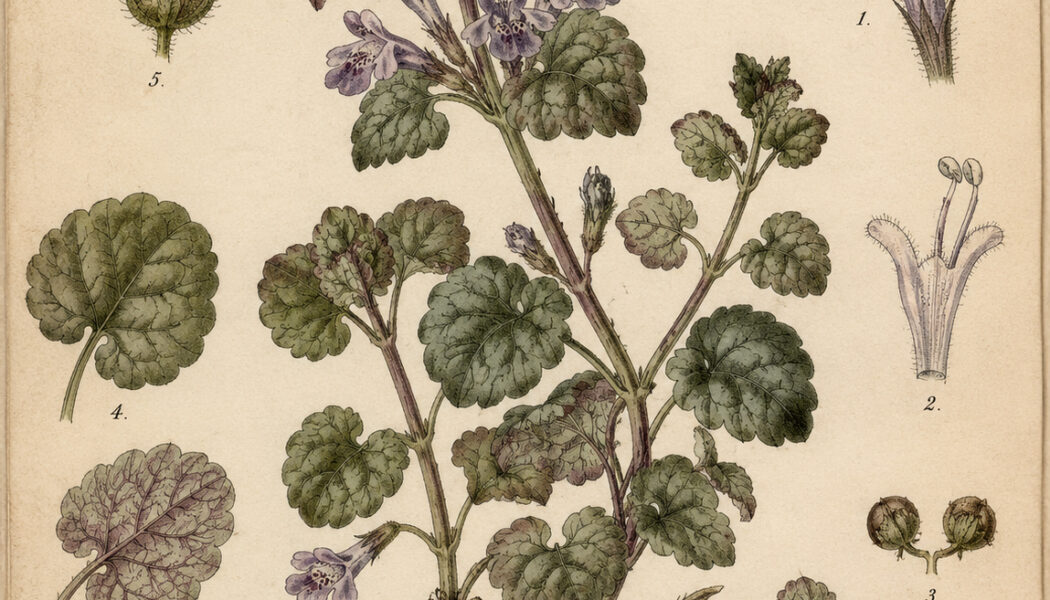

Ground Ivy in Paganism and Witchcraft
Ground ivy (Glechoma hederacea), also known as Creeping Charlie, Gill-over-the-Ground, and Alehoof, has long been valued in European folklore, traditional herbalism, and magical practice. Its ability ...
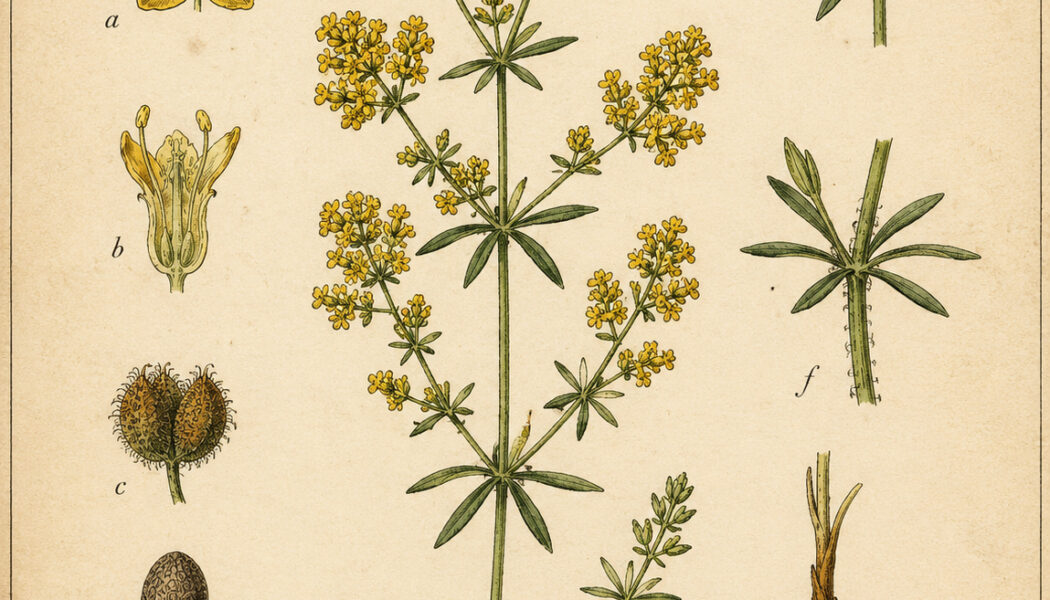

Galium in Paganism and Witchcraft
The plant Galium, commonly known as bedstraw or cleavers depending on the species, has long held a place in European folklore, pagan traditions, and magical practices. Valued for both its practical an...
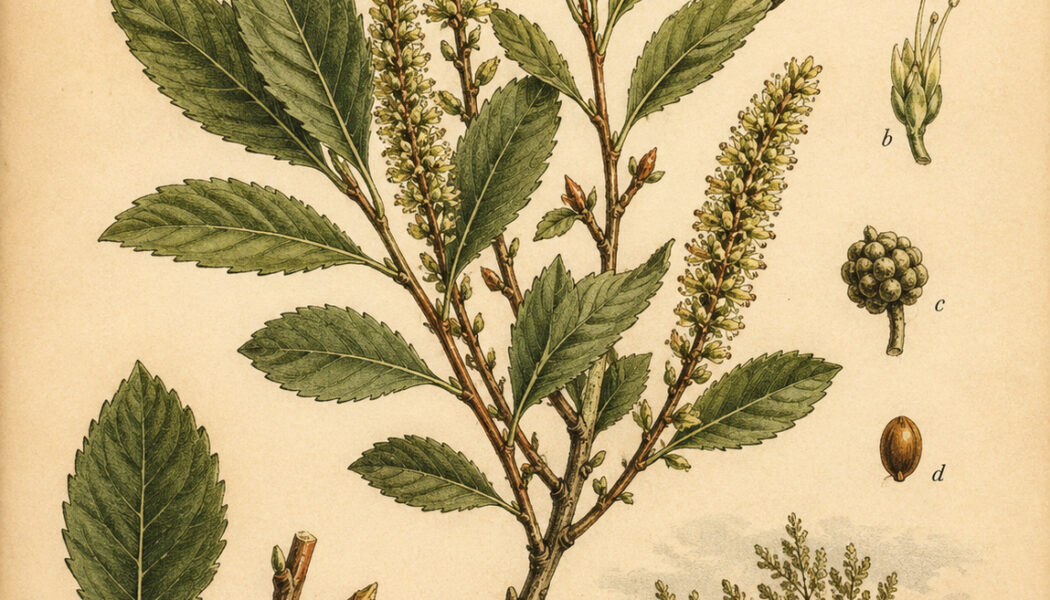

Sweet Gale in Paganism and Witchcraft
Sweet Gale (Myrica gale), sometimes called bog myrtle, is a fragrant shrub that has long been valued in European folklore, traditional herbalism, and magical practice. Growing naturally in wetlands an...
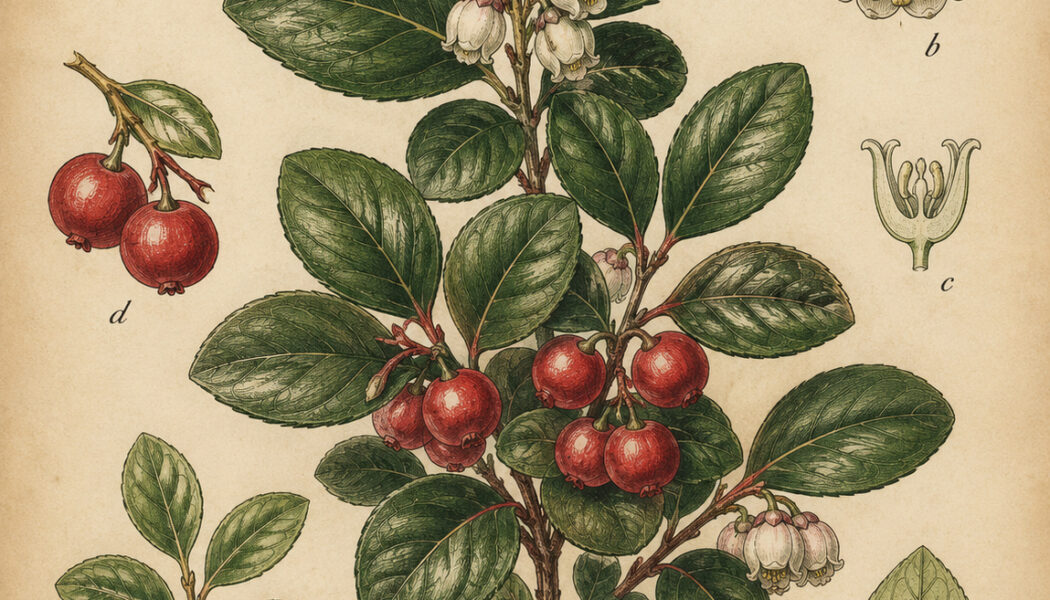

Gaultheria in Paganism and Witchcraft
Gaultheria, commonly known as wintergreen or teaberry, is a low-growing evergreen plant valued for its aromatic leaves and bright red berries. While it is widely recognized for its medicinal and culin...
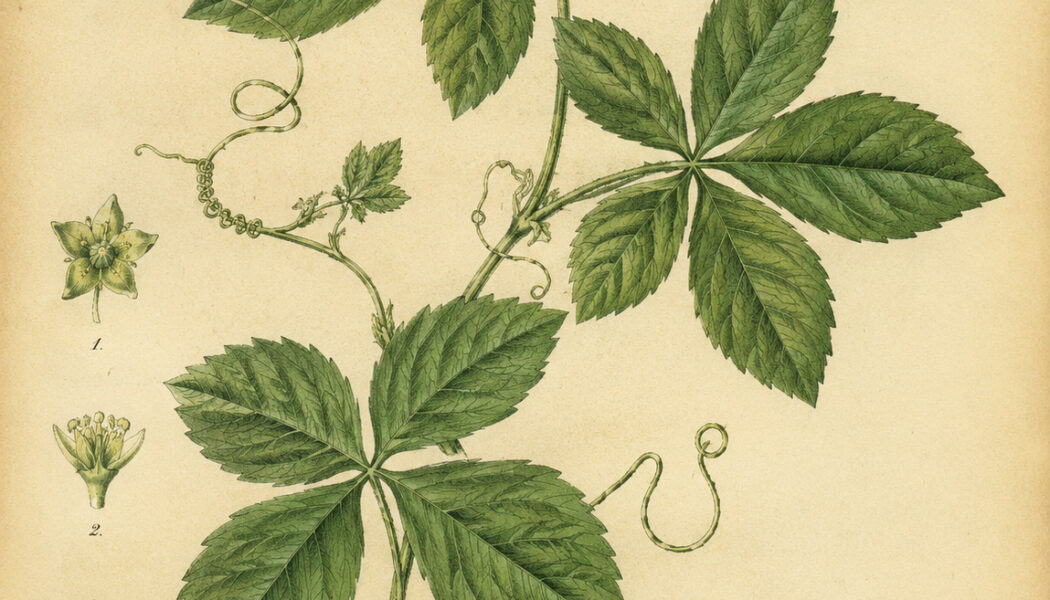

Gynostemma in Paganism and Witchcraft
Gynostemma (Gynostemma pentaphyllum), often called “Jiaogulan” or the “herb of immortality,” is primarily known in traditional Asian herbal practices for its reputed health-sup...
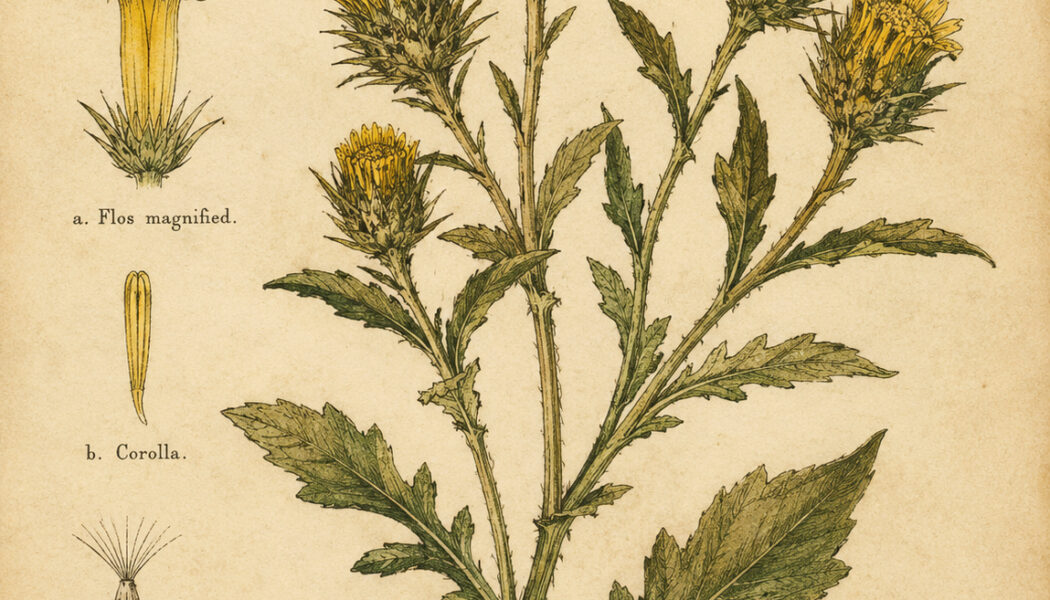

Gumweed in Paganism and Witchcraft
Gumweed (Grindelia spp.) is a hardy flowering plant native to North and South America, recognized by its bright yellow daisy-like blossoms and sticky, resin-coated buds. While it is best known in herb...
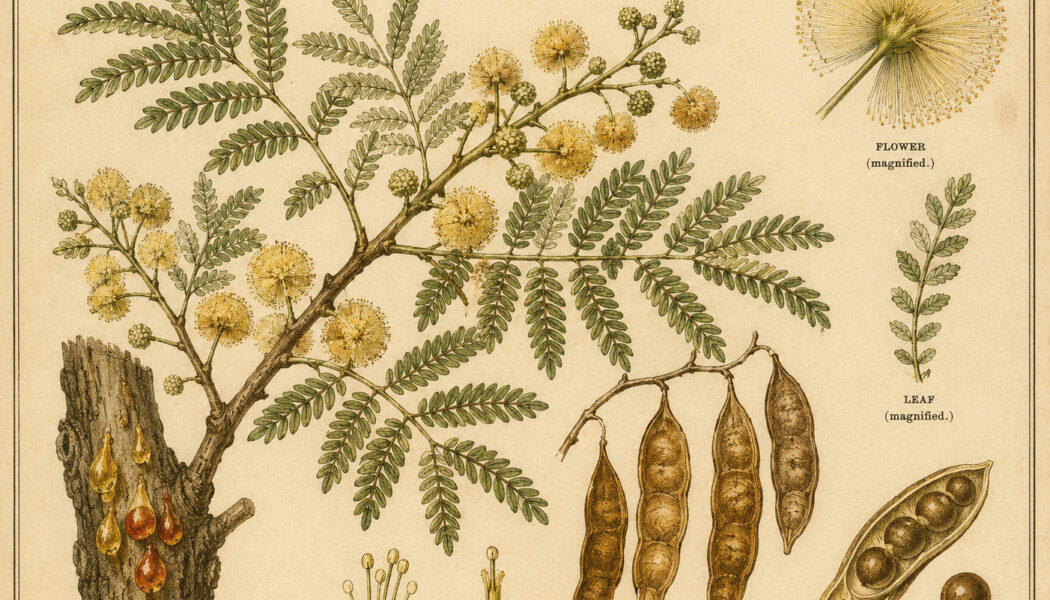

Gum Arabic in Paganism and Witchcraft
Gum Arabic is a natural resin obtained primarily from Acacia trees, especially Acacia senegal and Acacia seyal. For centuries it has been valued for its many practical uses in food, medicine, art, and...
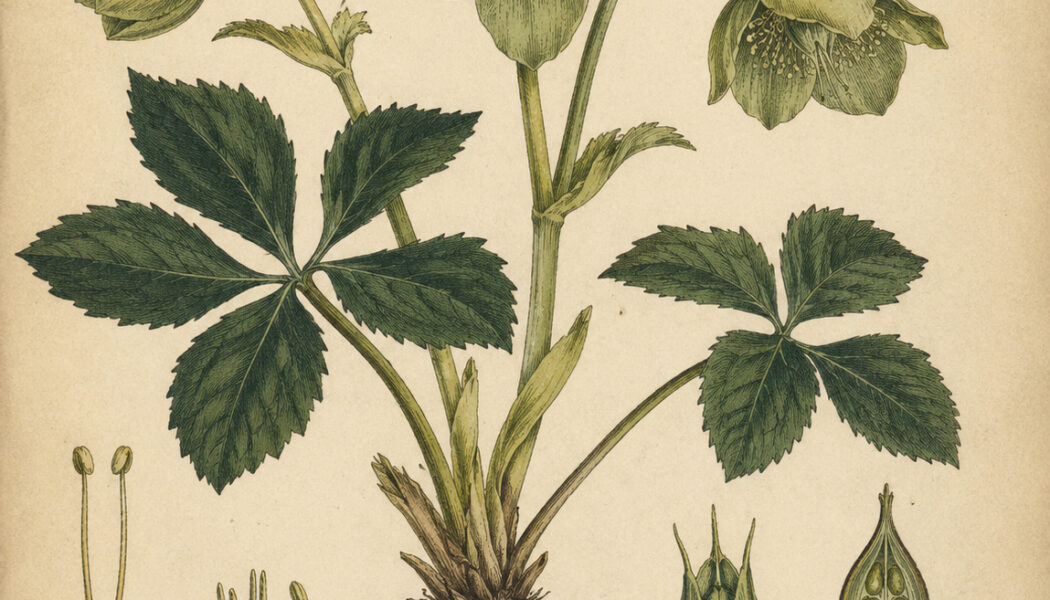

Green Hellebore in Paganism and Witchcraft
Green Hellebore (Helleborus viridis) is a perennial flowering plant that has long been associated with folklore, mystery, and magical traditions. Native to parts of Europe, it has attracted attention ...
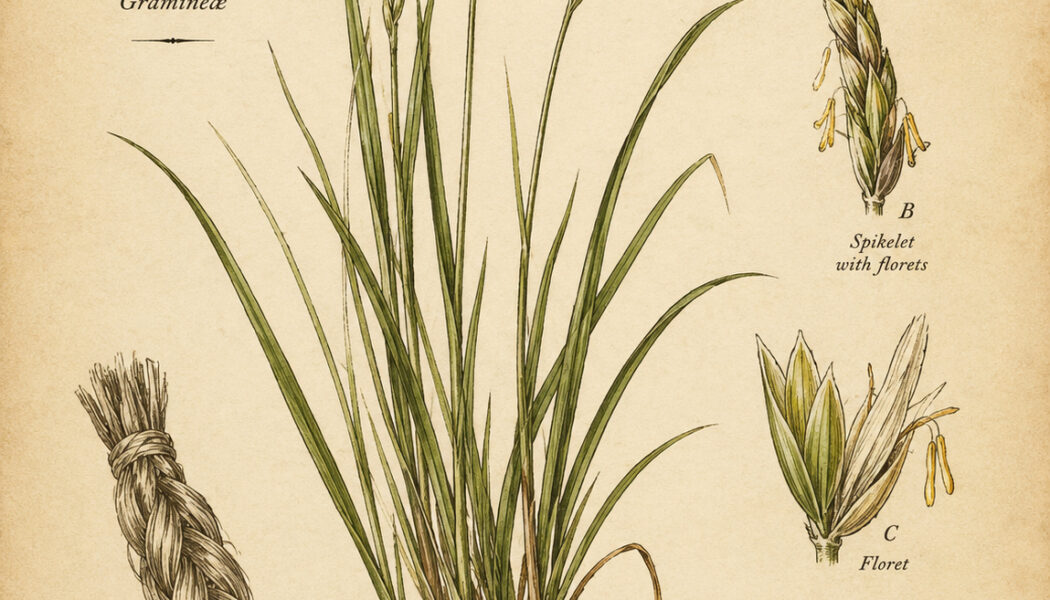

Sacred Grasses in Paganism and Witchcraft
Sacred grasses have held an important place in paganism and witchcraft for centuries, symbolizing life, protection, fertility, and the enduring connection between humanity and nature. Across many anci...
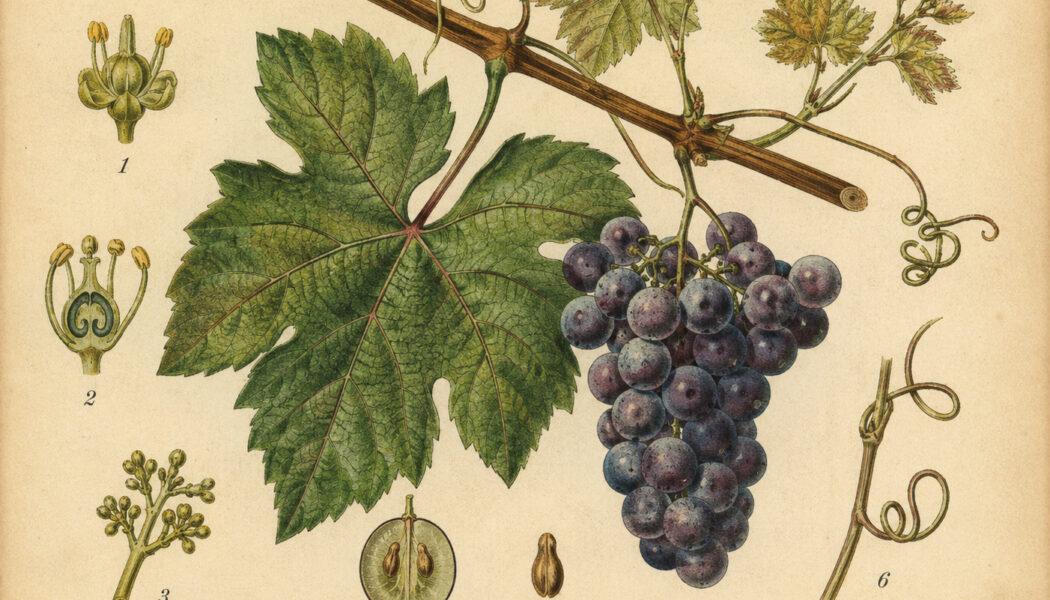

Grapevine in Paganism and Witchcraft
The grapevine (Vitis vinifera) has long been regarded as a sacred and magical plant in many pagan traditions and forms of modern witchcraft. Valued for its ability to produce abundant fruit while endu...
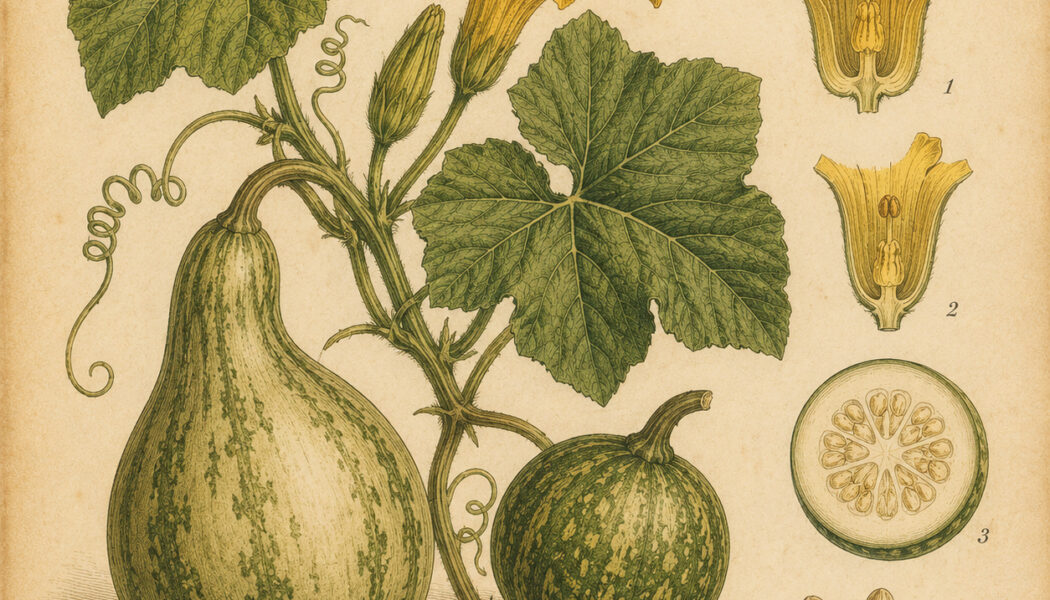

The Use of Gourd in Paganism and Witchcraft
Throughout history, the gourd has held symbolic and practical significance in many pagan traditions and forms of folk magic. While it is best known as a useful plant for food and crafting containers, ...
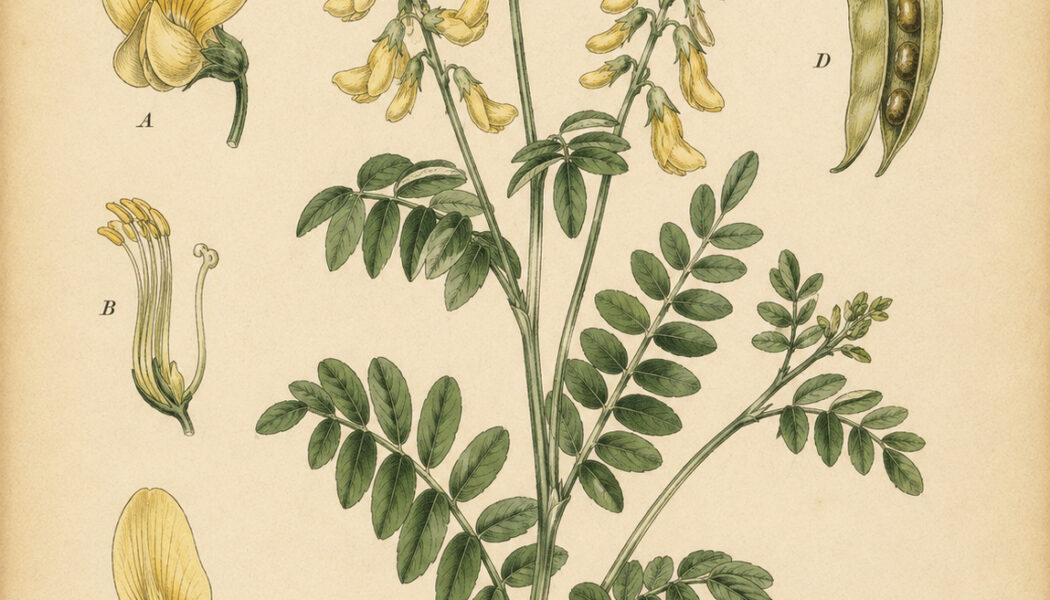

Goat’s Rue in Paganism and Witchcraft
Goat’s Rue (Galega officinalis) is a flowering herb with a long history in European folk traditions. Although it is best known for its historical use in herbal medicine and agriculture, some mod...
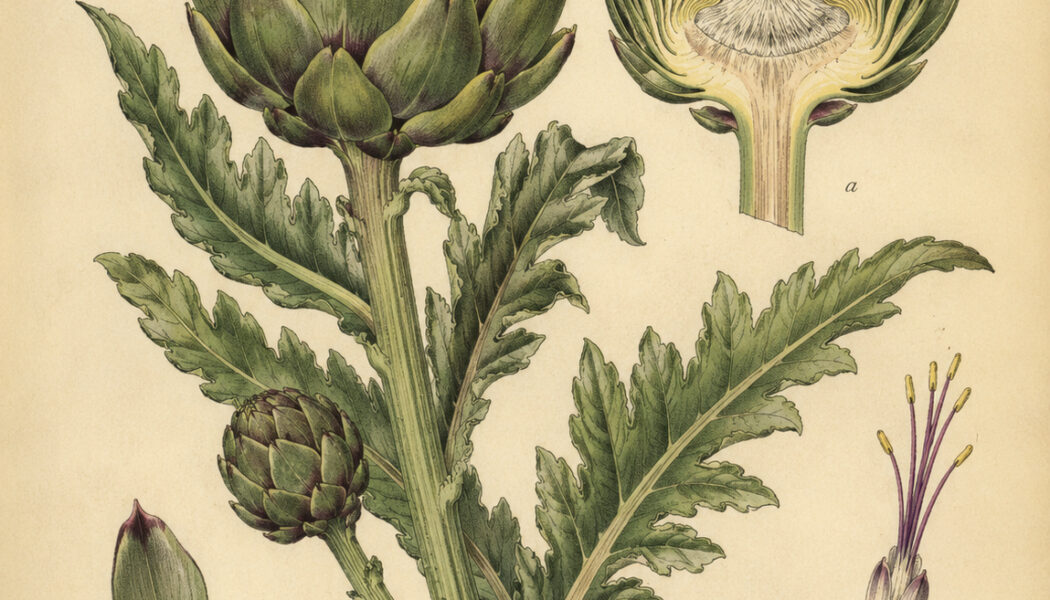

The Use of Globe Artichoke in Paganism and Witchcraft
The globe artichoke (Cynara scolymus) is best known as a nutritious vegetable, but it also holds symbolic significance in certain pagan and modern witchcraft traditions. Although it does not have as e...
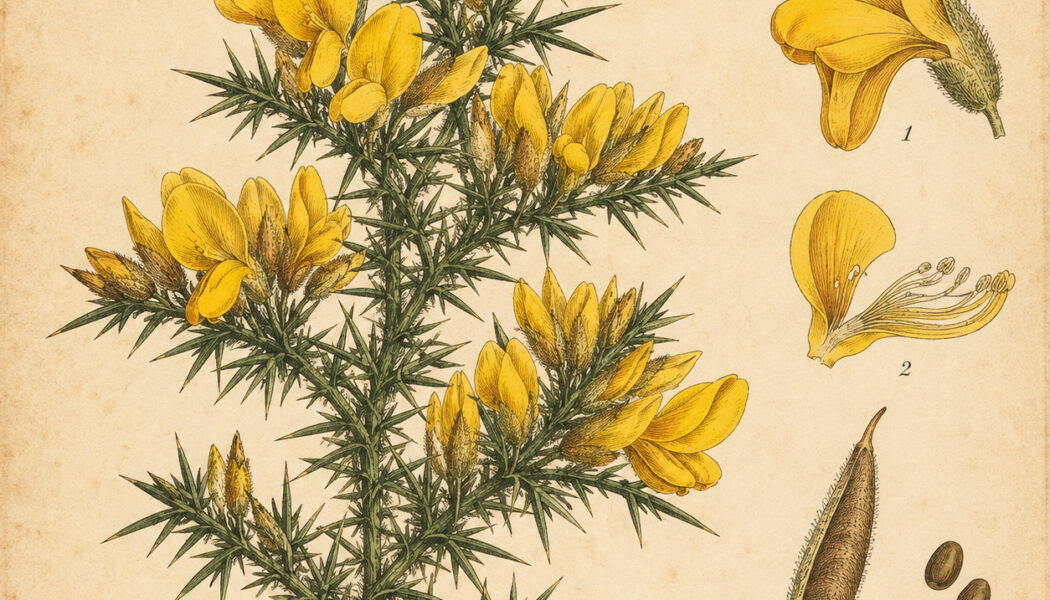

Gorse in Paganism and Witchcraft
Gorse (Ulex europaeus) is a hardy, evergreen shrub covered in brilliant golden-yellow flowers that bloom across much of the year. Found throughout Europe, particularly in coastal and heathland landsca...
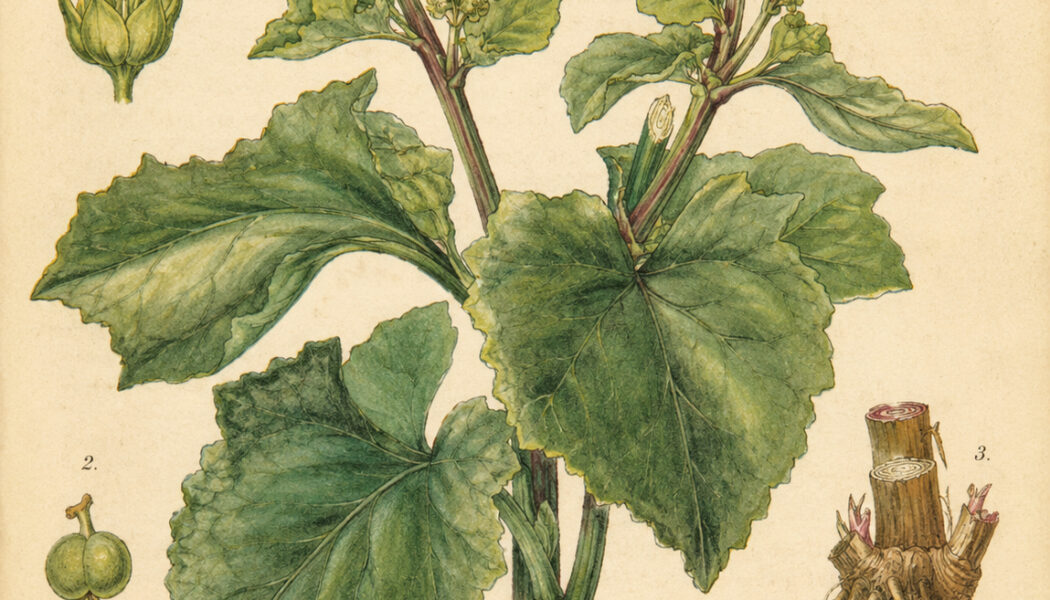

Good King Henry in Paganism and Witchcraft
Good King Henry (Blitum bonus-henricus), sometimes called Poor Man’s Asparagus or Lincolnshire Spinach, is a hardy perennial herb that has long been valued for both its practical and symbolic qu...
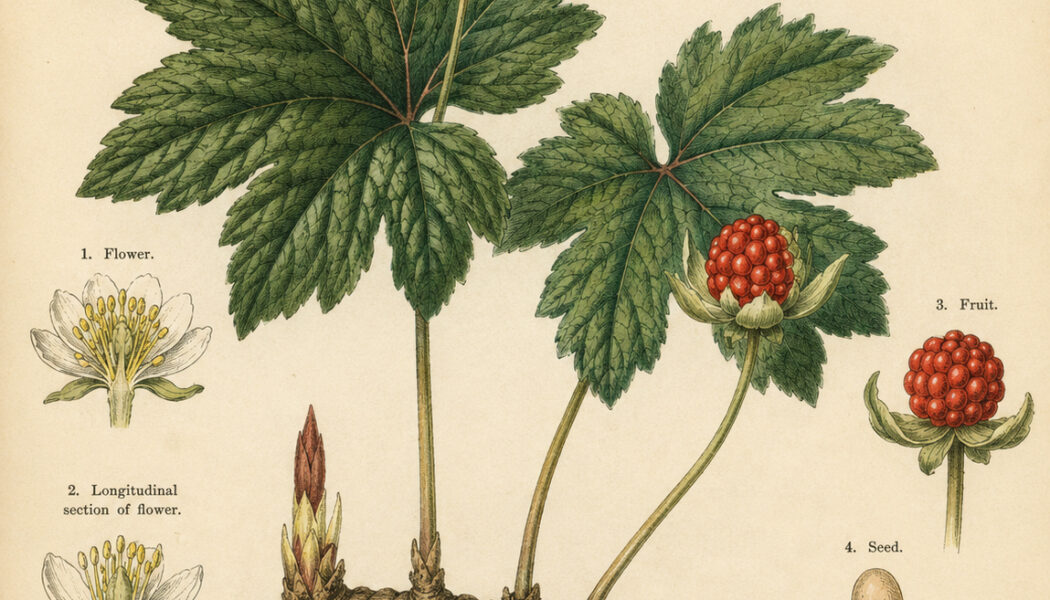

Goldenseal in Paganism and Witchcraft
Goldenseal (Hydrastis canadensis) is a perennial herb native to eastern North America. While it is best known for its traditional medicinal uses, it also holds a place in some modern pagan and witchcr...
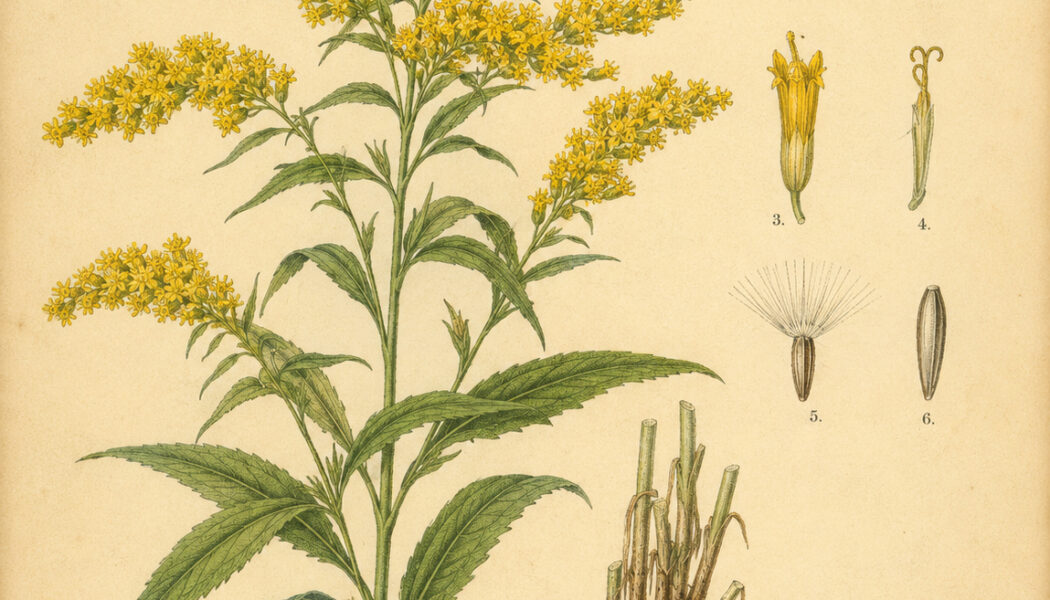

Goldenrod in Paganism and Witchcraft
Goldenrod (Solidago spp.) has long been valued in many modern pagan and witchcraft traditions for its bright golden flowers and symbolic associations with abundance, prosperity, protection, and positi...
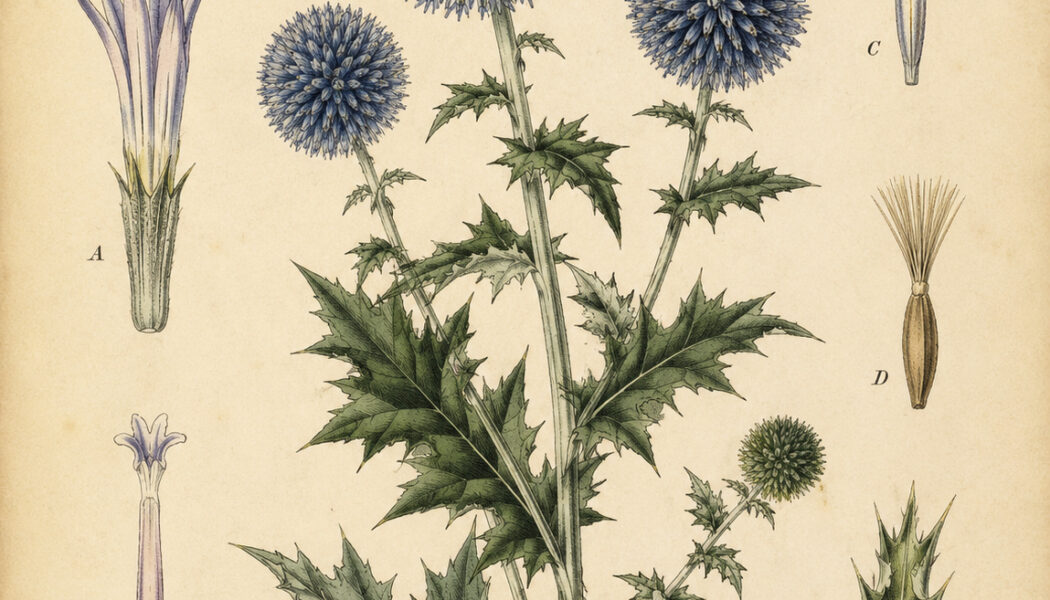

Globe Thistle in Paganism and Witchcraft
Globe thistle (Echinops spp.) is a striking plant recognized for its spherical blue or purple flower heads and spiny foliage. While it is better known as an ornamental garden plant, many modern Pagans...
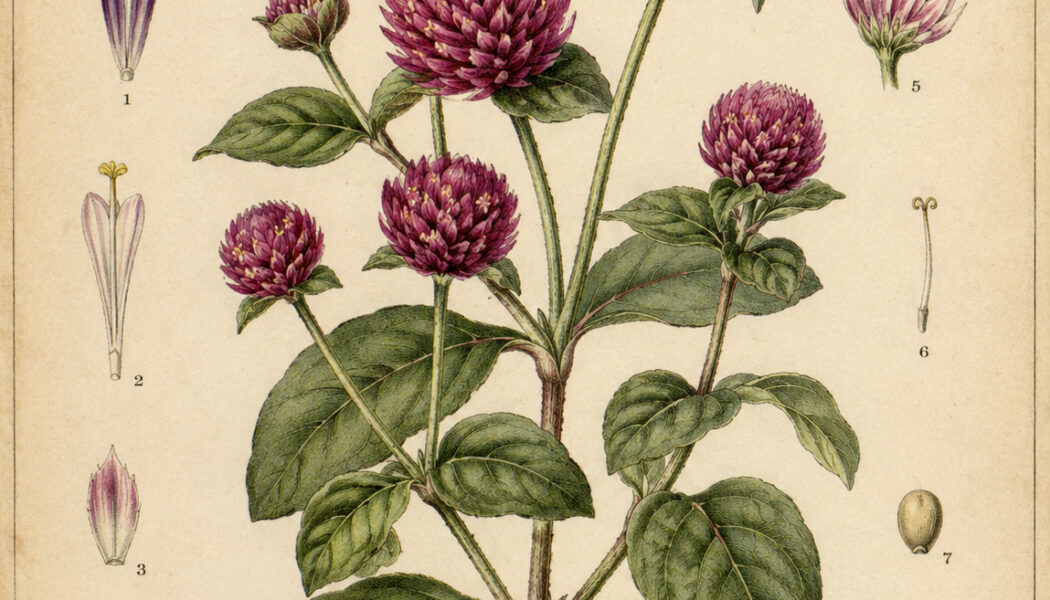

Globe Amaranth in Paganism and Witchcraft
Globe amaranth (Gomphrena globosa) is a vibrant flowering plant admired for its round, clover-like blooms that retain their color long after being harvested. While it is best known as an ornamental an...
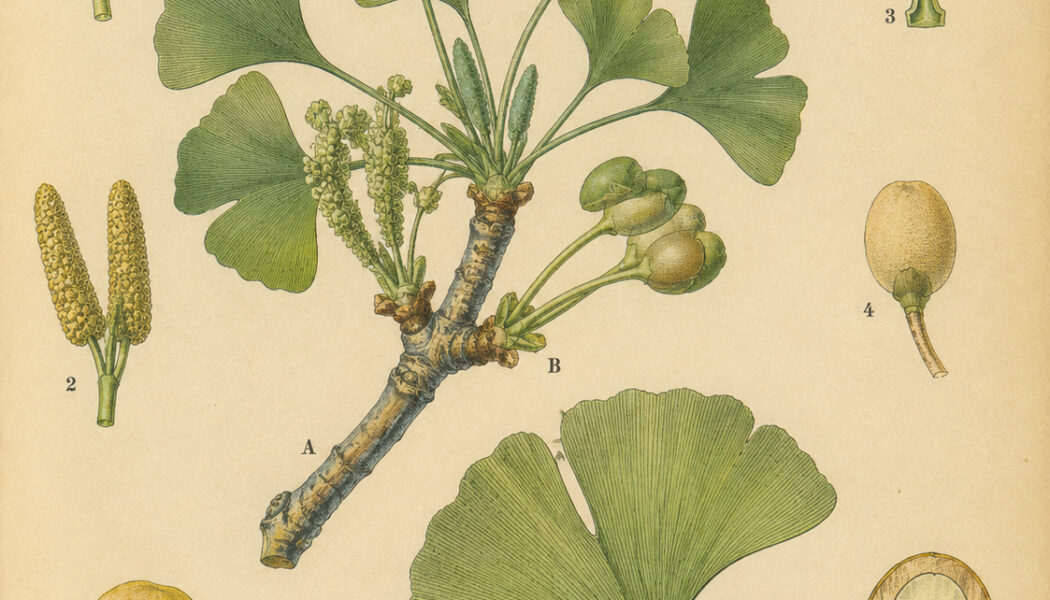

Ginkgo in Paganism and Witchcraft
Ginkgo (Ginkgo biloba), often called the maidenhair tree, is one of the oldest living tree species on Earth. Its remarkable resilience and long history have made it a powerful symbol in many spiritual...
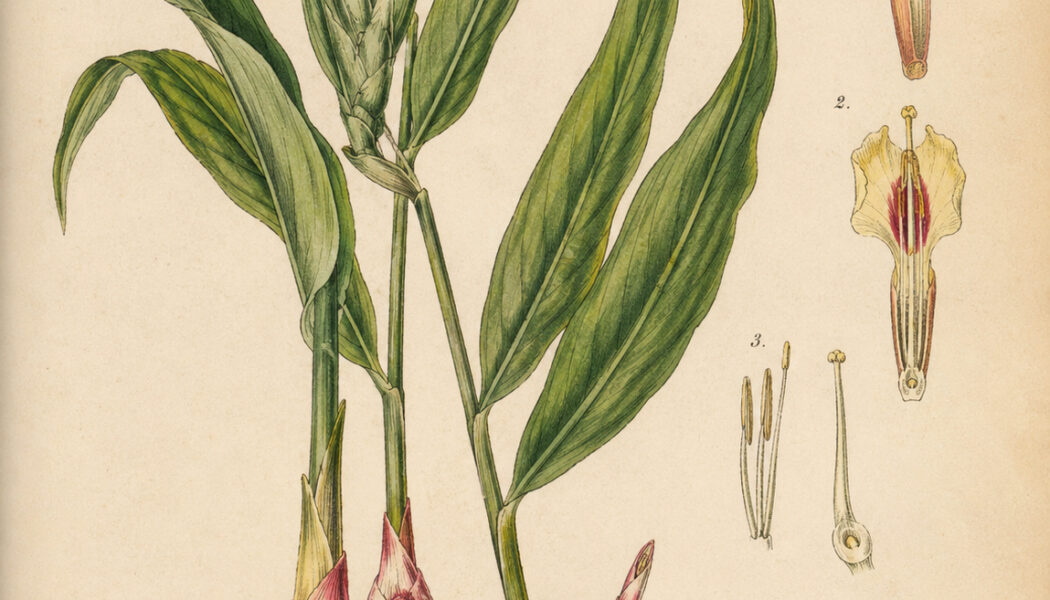

Ginger in Paganism and Witchcraft
Ginger has long been valued in many spiritual traditions for its warmth, vitality, and powerful symbolic associations. In modern paganism and various forms of witchcraft, it is often regarded as an he...
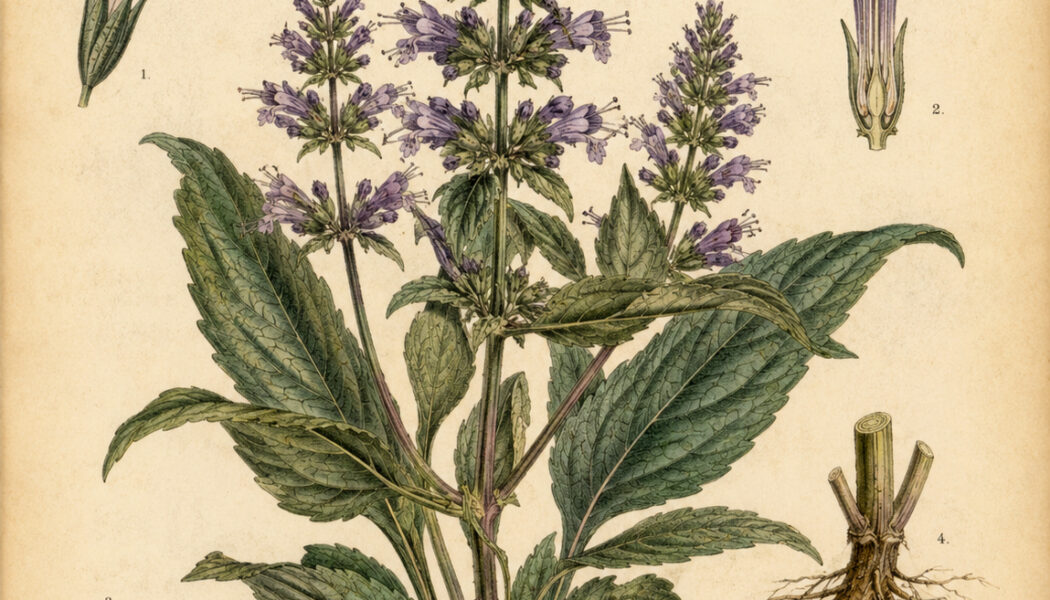

Giant Hyssop in Paganism and Witchcraft
Giant hyssop (Agastache species) is a fragrant flowering herb valued for its beauty, medicinal properties, and symbolic significance in many modern Pagan and witchcraft traditions. Although it is dist...
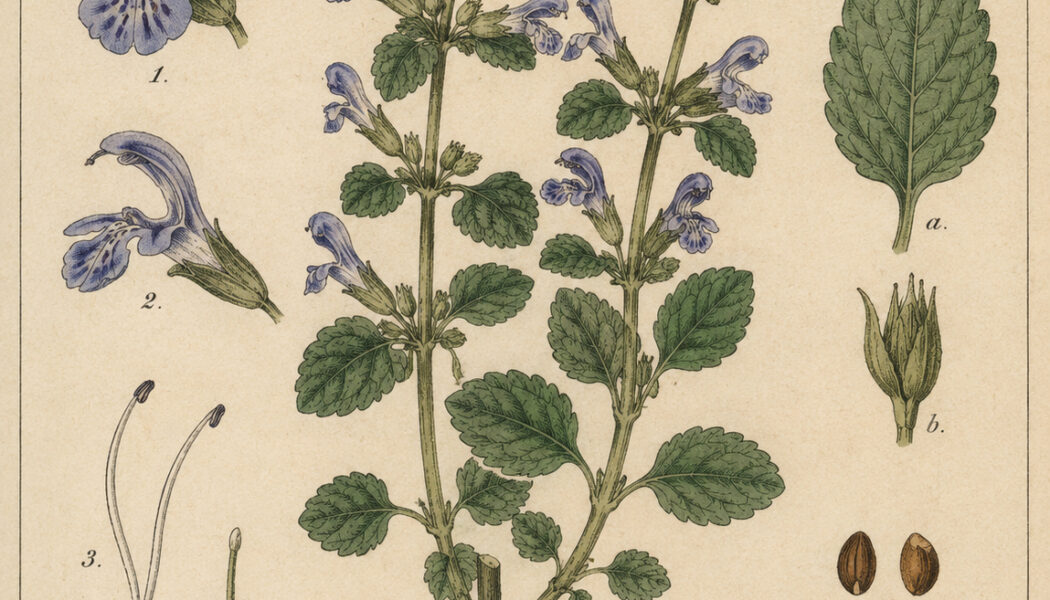

Germander in Paganism and Witchcraft
Germander (genus Teucrium) is a small flowering herb that has been valued for centuries in both traditional herbal practices and spiritual traditions. While it is not as widely known as herbs such as ...
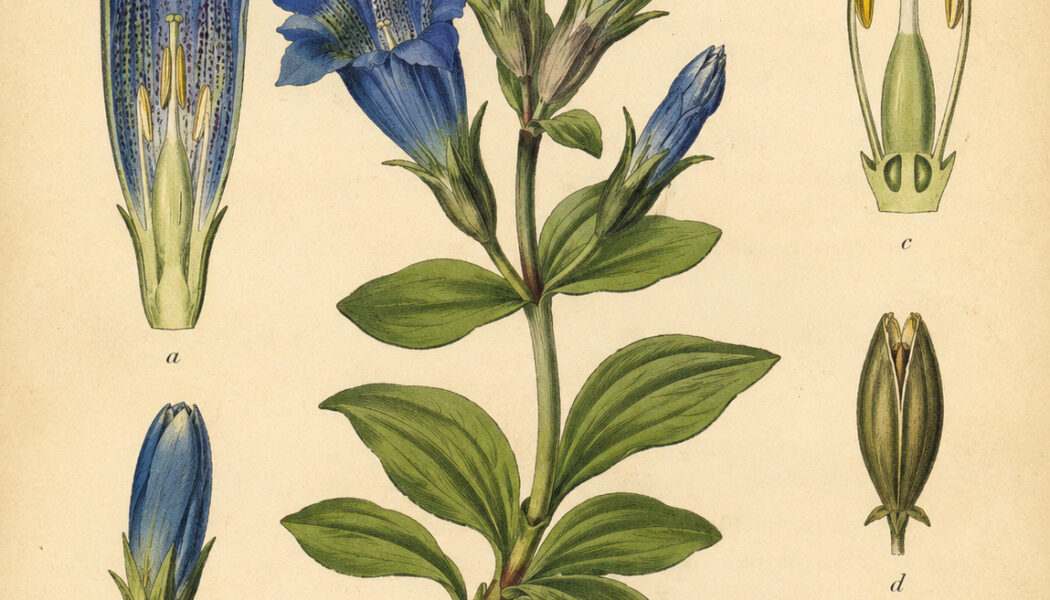

Gentian in Paganism and Witchcraft
Gentian is a striking mountain plant known for its vivid blue flowers and intensely bitter roots. Throughout European folklore, traditional herbalism, and modern Pagan practices, gentian has earned a ...
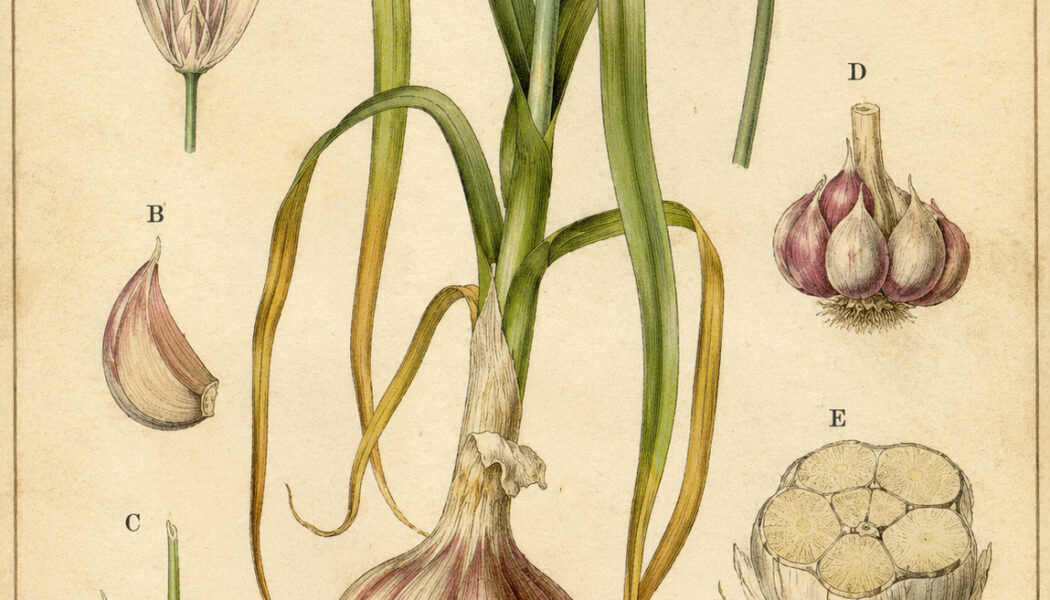

Garlic in Paganism and Witchcraft
Garlic has long been regarded as one of the most powerful magical herbs in paganism and witchcraft. Beyond its well-known culinary and medicinal uses, it has been valued for centuries as a symbol of p...
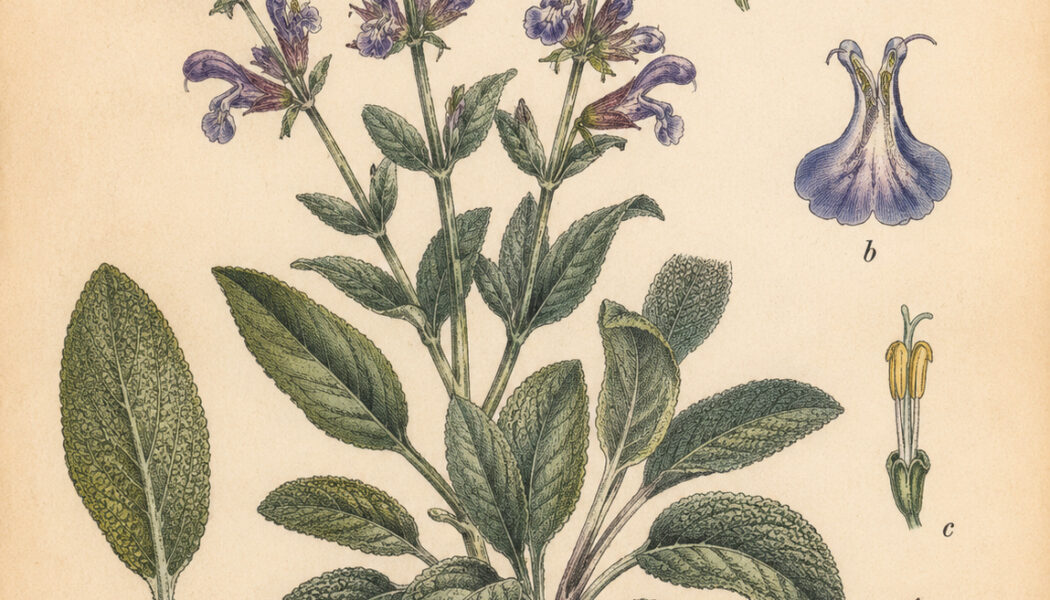

Garden Sage in Paganism and Witchcraft
Garden sage (Salvia officinalis) has long held a place of honor in many pagan and witchcraft traditions. Valued for its earthy aroma, healing properties, and symbolic associations, this common herb is...
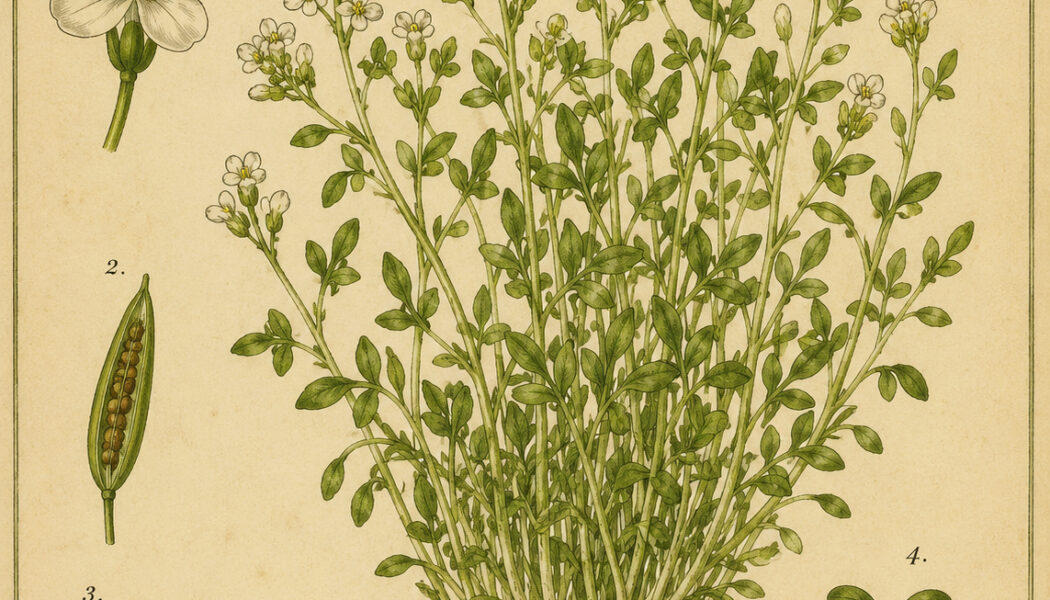

Garden Cress in Paganism and Witchcraft
Garden cress (Lepidium sativum) is a fast-growing herb that has long been appreciated for its culinary and medicinal qualities. In modern paganism and various forms of folk witchcraft, it is also valu...
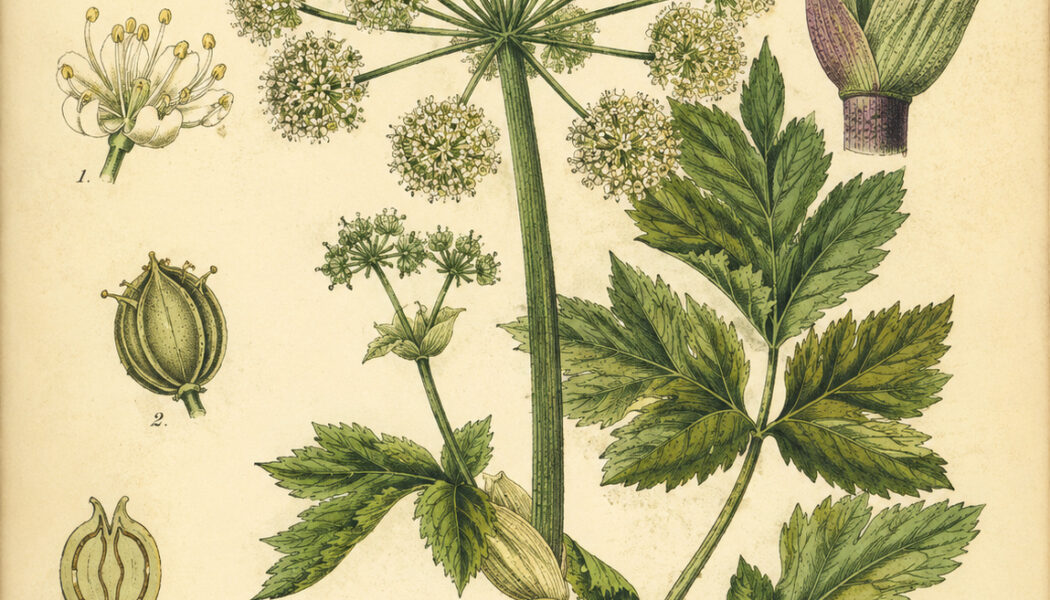

Garden Angelica in Paganism and Witchcraft
Garden Angelica (Angelica archangelica) has long held a special place in European folklore, pagan traditions, and modern witchcraft. Known for its tall stems, fragrant leaves, and umbrella-shaped clus...
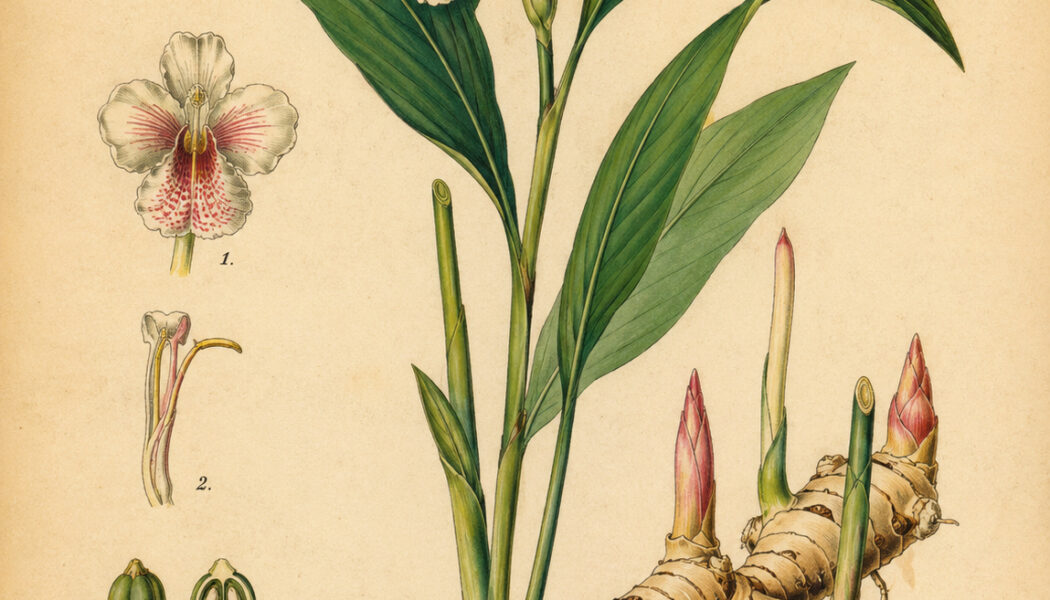

Galangal in Paganism and Witchcraft
Galangal, a fragrant root belonging to the ginger family, has long been valued not only for its culinary and medicinal qualities but also for its place in various folk magic traditions. In many modern...
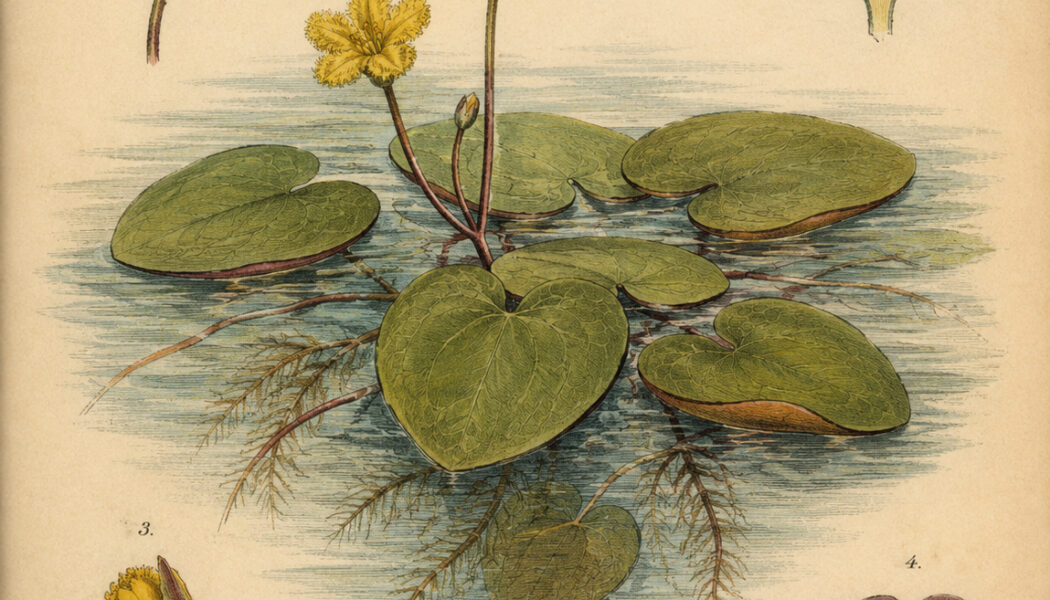

Floating Heart: A Sacred Water Plant in Paganism and Witchcraft
Floating Heart is a graceful aquatic plant known for its small, heart-shaped leaves that drift across the surface of ponds and slow-moving water. Belonging to the Nymphoides genus, it is often admired...
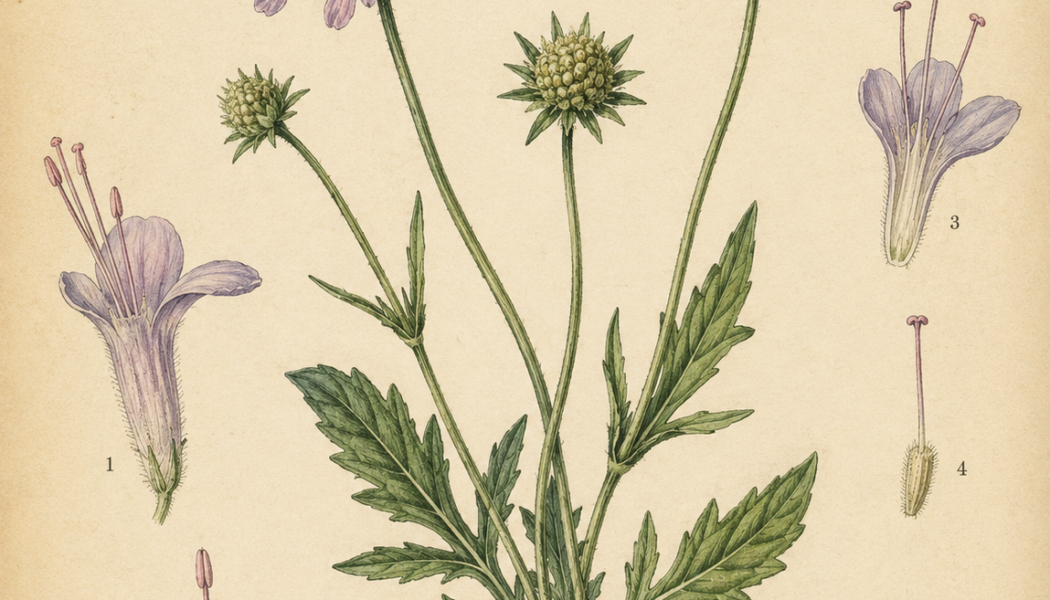

Field Scabious: A Wildflower of Healing, Protection, and Ancient Folk Magic
Field Scabious (Knautia arvensis) is a beautiful wildflower commonly found in meadows, grasslands, and roadside verges throughout Europe. Its soft lilac, pink, or violet flowers bloom from early summe...
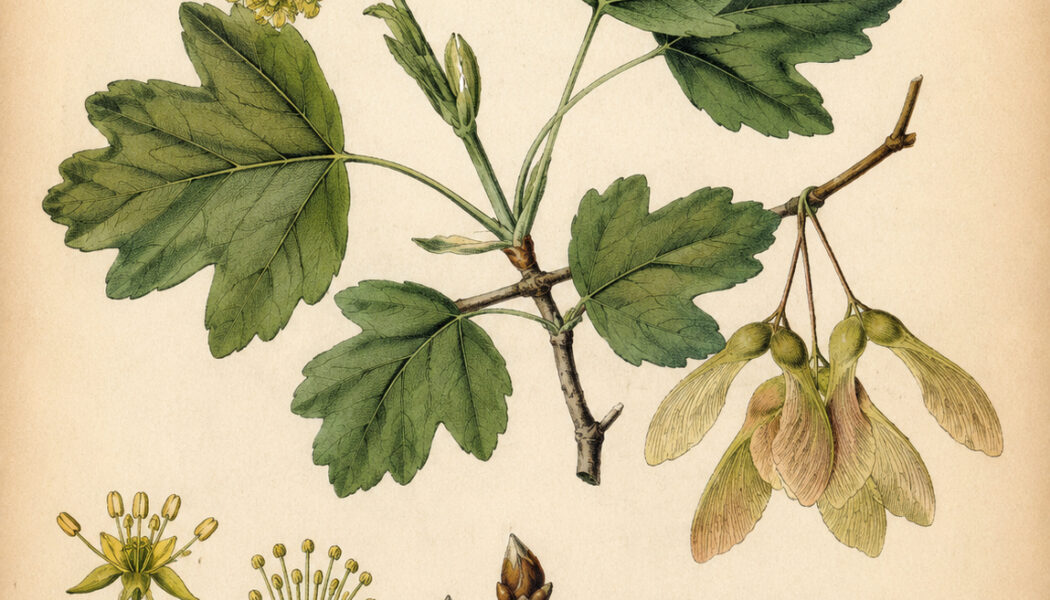

Field Maple: A Tree of Balance, Protection, and Quiet Magic
The Field Maple (Acer campestre) is a small, hardy deciduous tree native to much of Europe and parts of western Asia. It is commonly found in hedgerows, woodlands, and open countryside, where it provi...
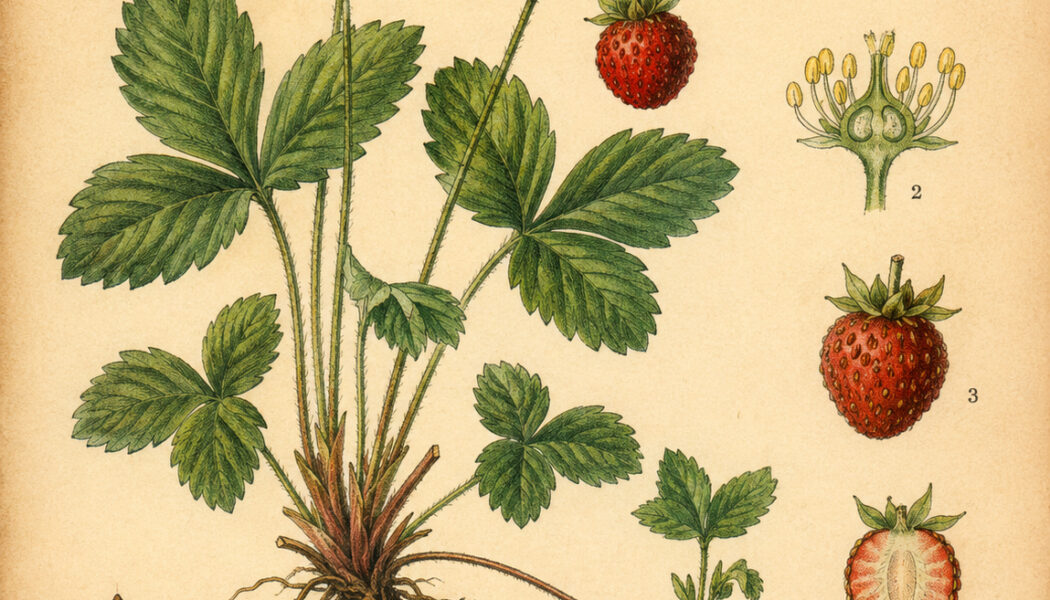

Forest Strawberry: A Sweet Symbol of Love, Protection, and Nature’s Magic
The Forest Strawberry (Fragaria vesca), also known as the wild strawberry, is a small perennial plant that grows naturally in woodlands, meadows, and hedgerows across Europe, Asia, and North America. ...
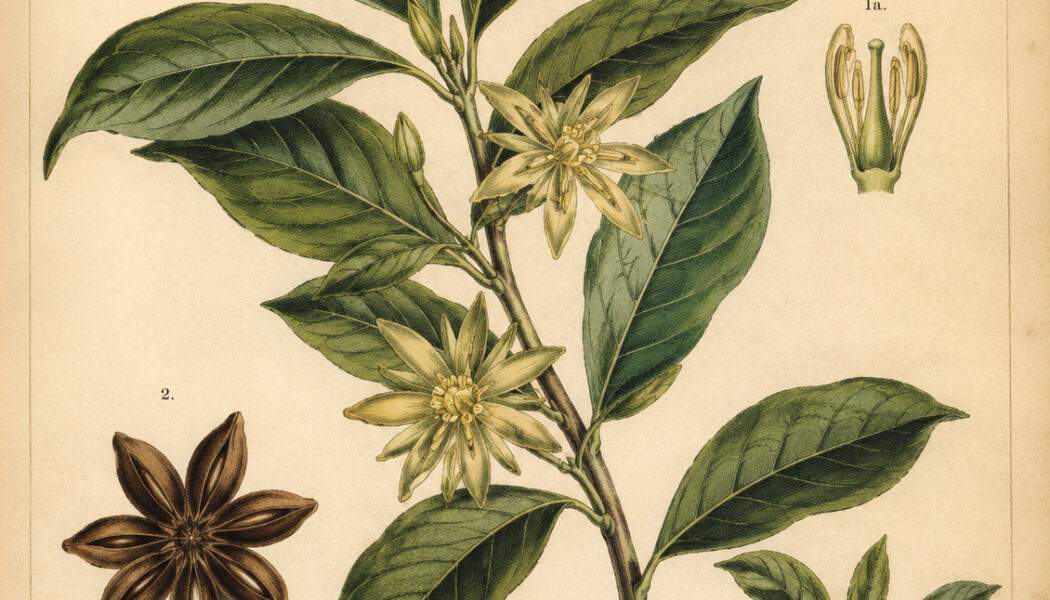

Florida Anise: A Fragrant Plant of Protection and Spiritual Strength
Florida anise (Illicium floridanum) is an evergreen shrub native to the southeastern United States, especially Florida, Georgia, Alabama, and Mississippi. It thrives in moist woodlands and shaded gard...
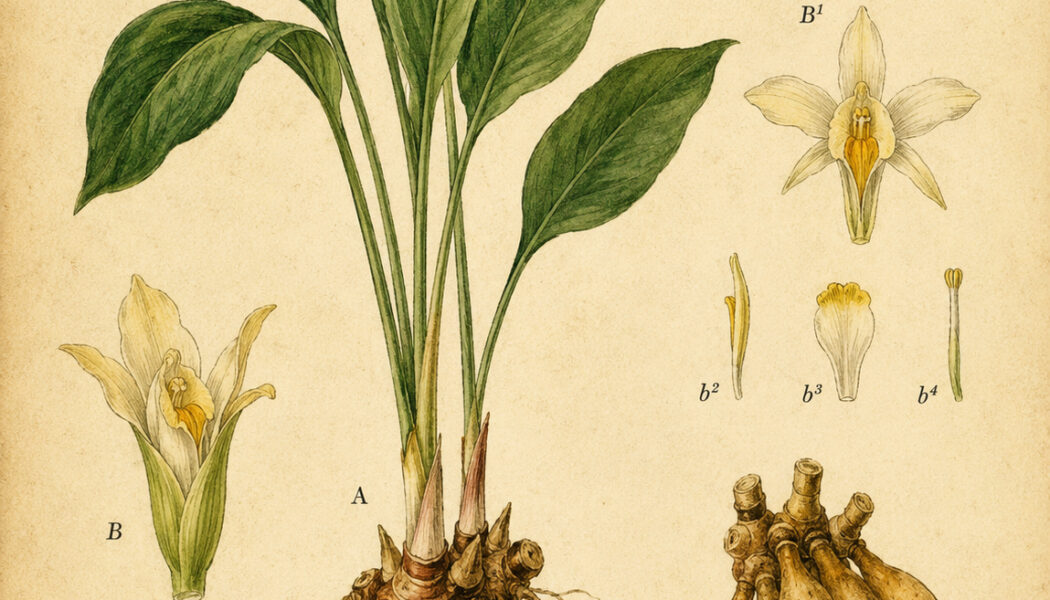

Fingerroot: A Sacred Herb in Paganism and Witchcraft
Fingerroot (Boesenbergia rotunda) is a tropical plant in the ginger family, native to Southeast Asia. It is easily recognized by its long, finger-like rhizomes, which give the plant its common name. F...
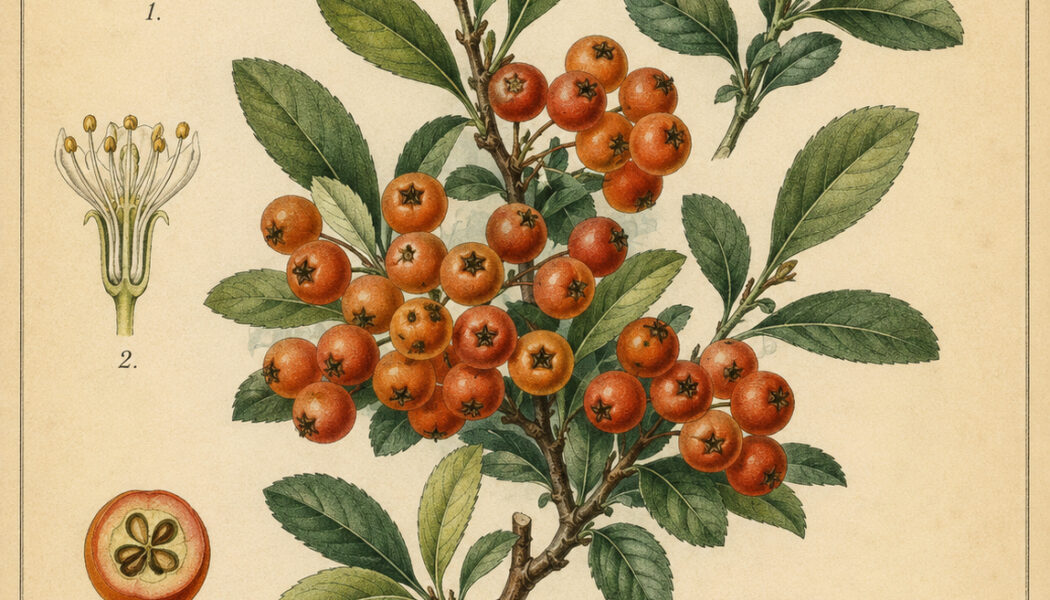

Firethorn: A Protective Plant in Nature, Paganism, and Witchcraft
Firethorn is a hardy evergreen shrub best known for its bright red, orange, or yellow berries and its sharp, protective thorns. Belonging to the genus Pyracantha, it is commonly grown in gardens and h...
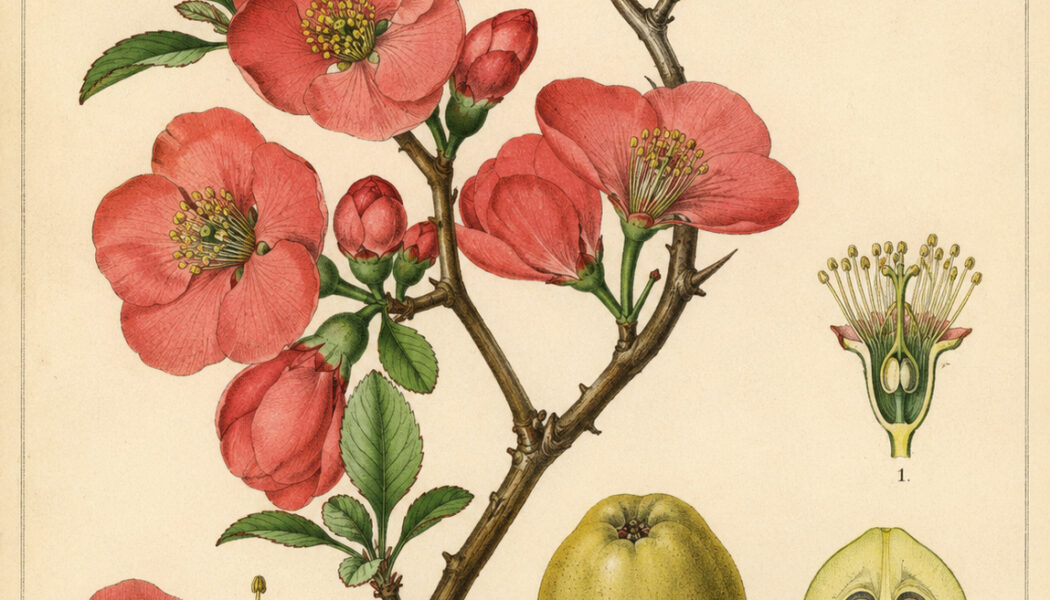

Flowering Quince: A Symbol of Protection, Renewal, and Resilience in Paganism and Witchcraft
Flowering Quince (Chaenomeles species) is a hardy deciduous shrub that brightens late winter and early spring with brilliant red, pink, orange, or white blossoms. Native to eastern Asia, it has become...
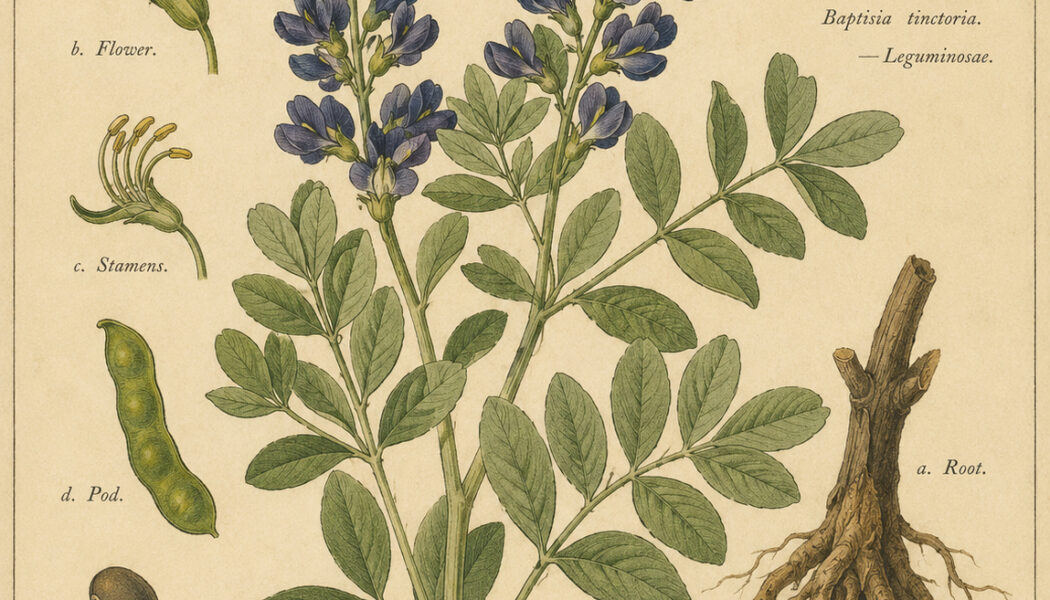

False Indigo: A Magical Plant of Protection, Strength, and Transformation
False Indigo is a hardy flowering plant known for its beautiful spikes of blue, purple, or white blossoms and its ability to thrive in poor soil. Several species belong to the genus Baptisia, which is...
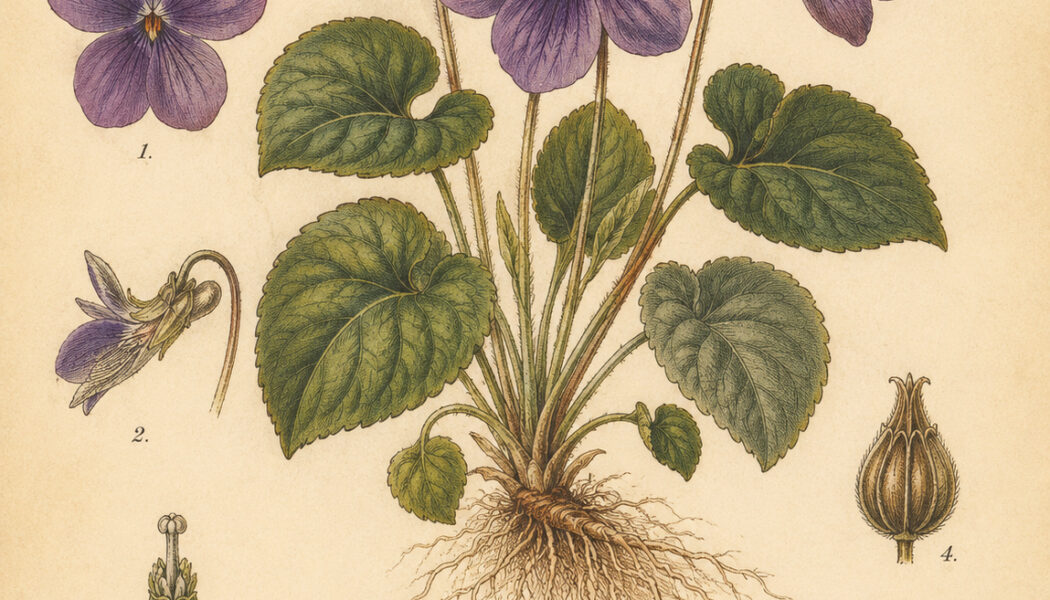

Fragrant Violet: A Sacred Flower of Love, Protection, and Spiritual Wisdom
The Fragrant Violet (Viola odorata) is a small woodland flower known for its delicate purple, blue, or white blossoms and its sweet, unmistakable scent. Blooming in early spring, it has long been admi...
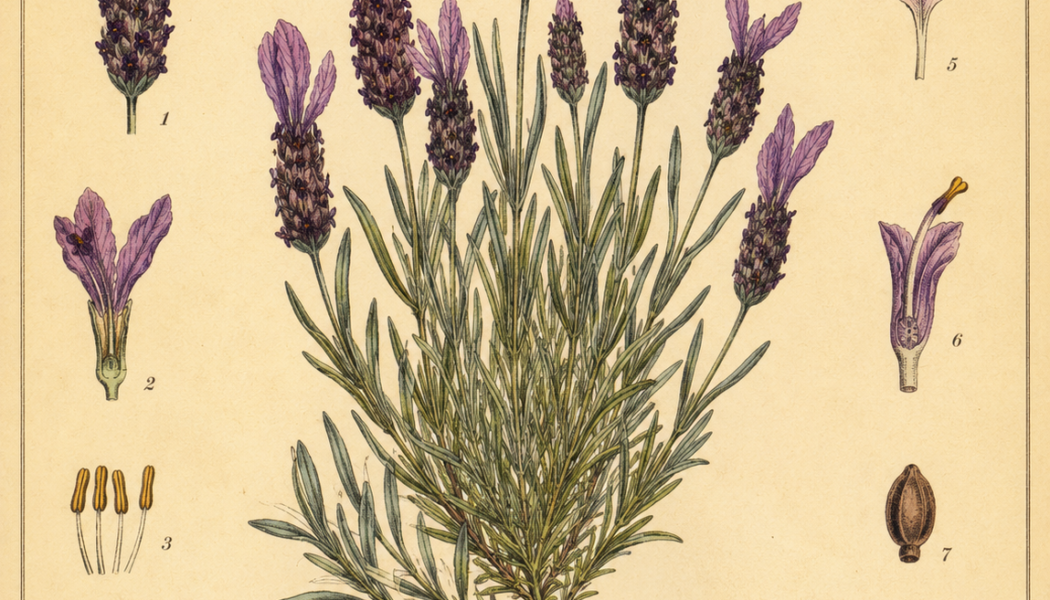

French Lavender: A Fragrant Herb of Protection, Peace, and Pagan Tradition
French Lavender (Lavandula dentata) is a beautiful evergreen shrub known for its silvery-green leaves, soft purple flowers, and calming fragrance. Native to the Mediterranean region, it thrives in war...
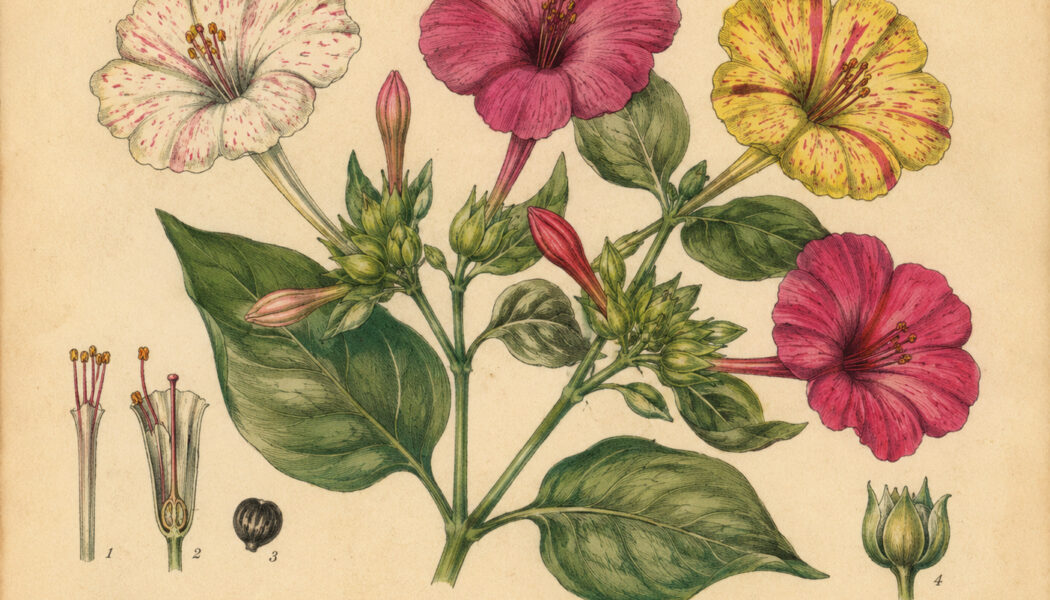

Four O’Clock: A Twilight Bloom with Magical Significance
The Four O’Clock (Mirabilis jalapa) is a beautiful flowering plant known for its unusual habit of opening its fragrant blooms in the late afternoon, usually around four o’clock, and remain...
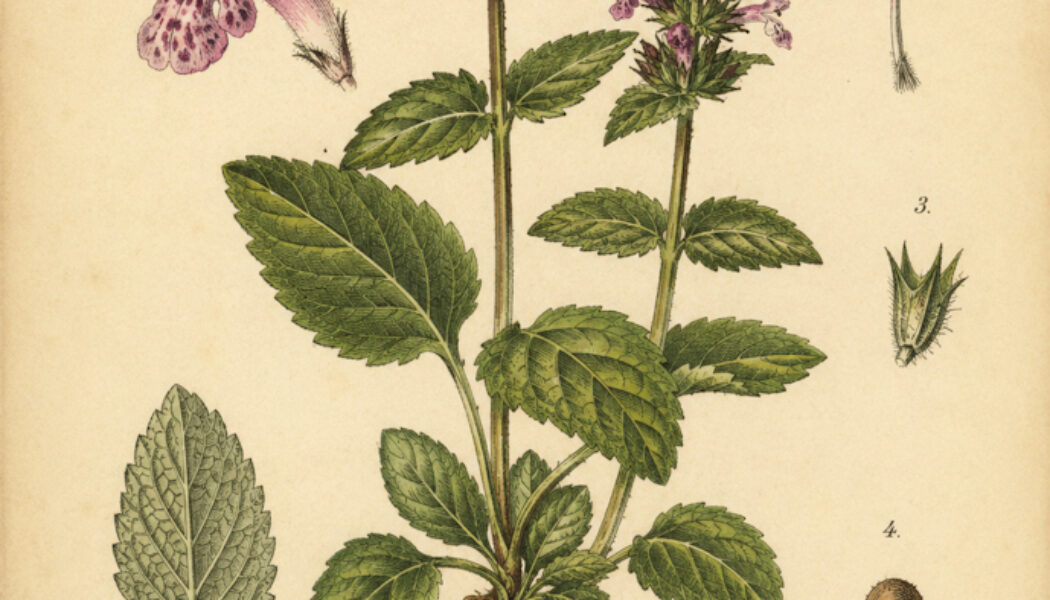

Forest Betony: A Woodland Herb of Protection and Ancient Magic
Forest Betony (Stachys sylvatica) is a hardy wildflower that grows in woodlands, hedgerows, and shaded meadows across Europe and parts of Asia. It is easily recognized by its tall stems, soft heart-sh...
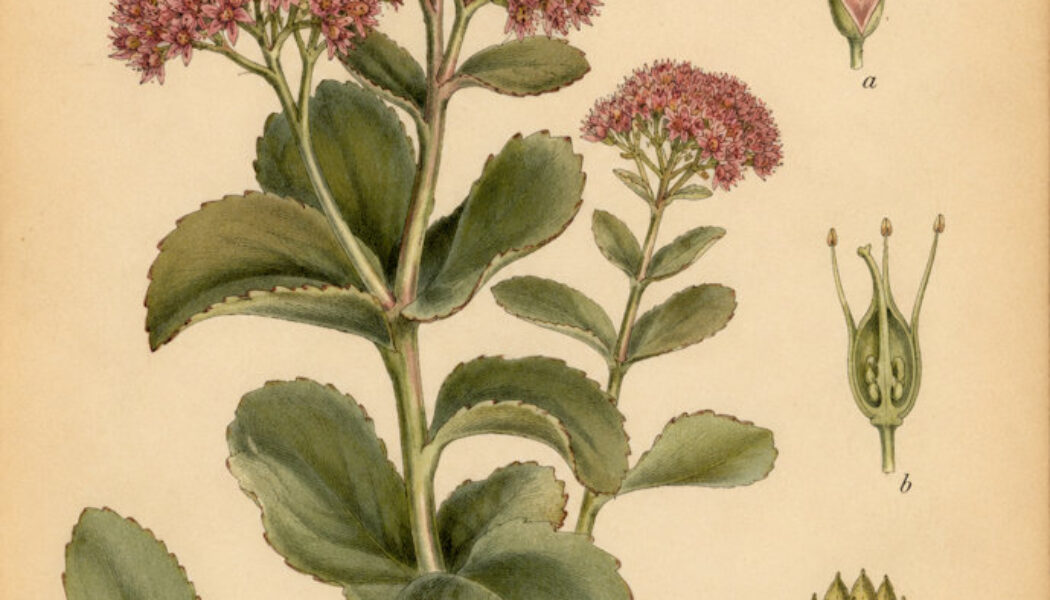

Fat Hen: The Ancient Wild Herb of Pagan Tradition and Folk Magic
Fat Hen (Chenopodium album), sometimes called lamb’s quarters or white goosefoot, is a common wild plant that has grown across Europe, Asia, and North America for thousands of years. Although ma...
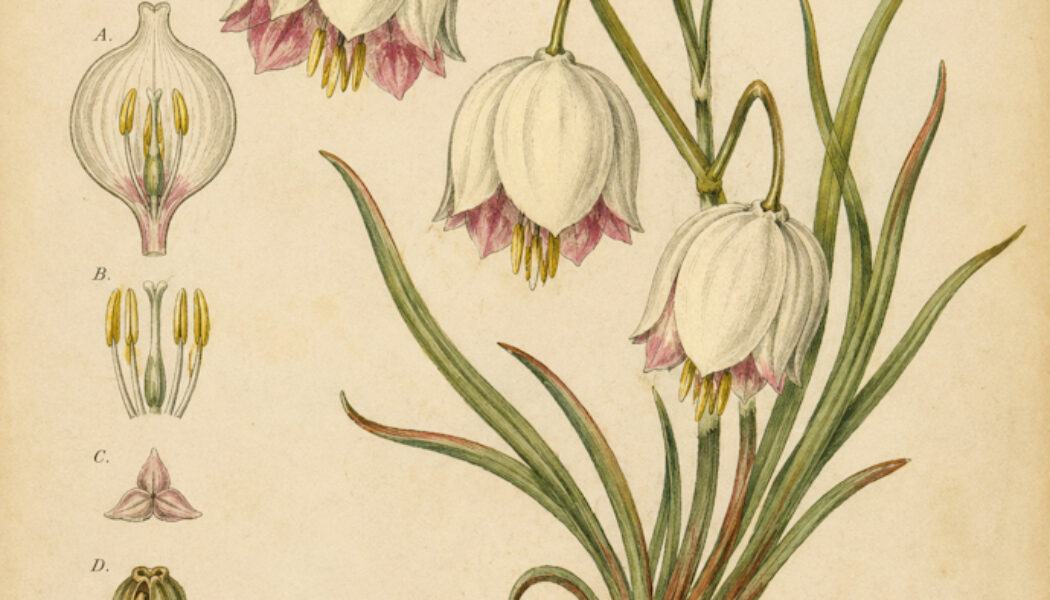

Fairy Lantern: A Magical Woodland Flower in Modern Paganism and Witchcraft
The Fairy Lantern is a delicate woodland flower best known for its hanging, lantern-shaped blossoms that seem to glow beneath the shade of forests. The name most commonly refers to Calochortus albus, ...
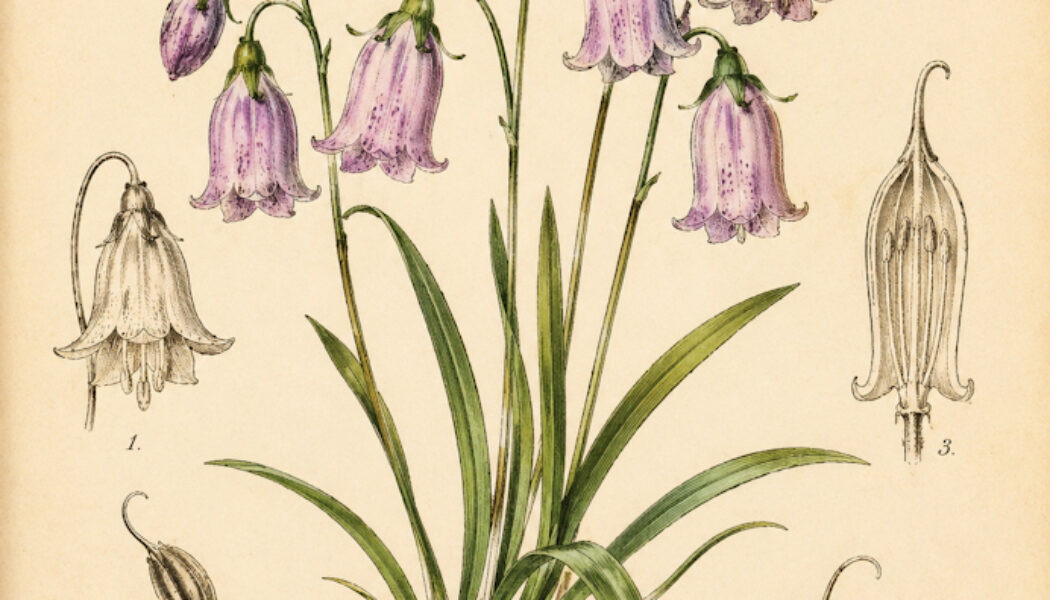

Fairy Bells: A Magical Woodland Flower in Paganism and Witchcraft
Fairy Bells are delicate woodland plants admired for their graceful, hanging, bell-shaped flowers. Several species share the common name “Fairy Bells,” including those in the Prosartes and...
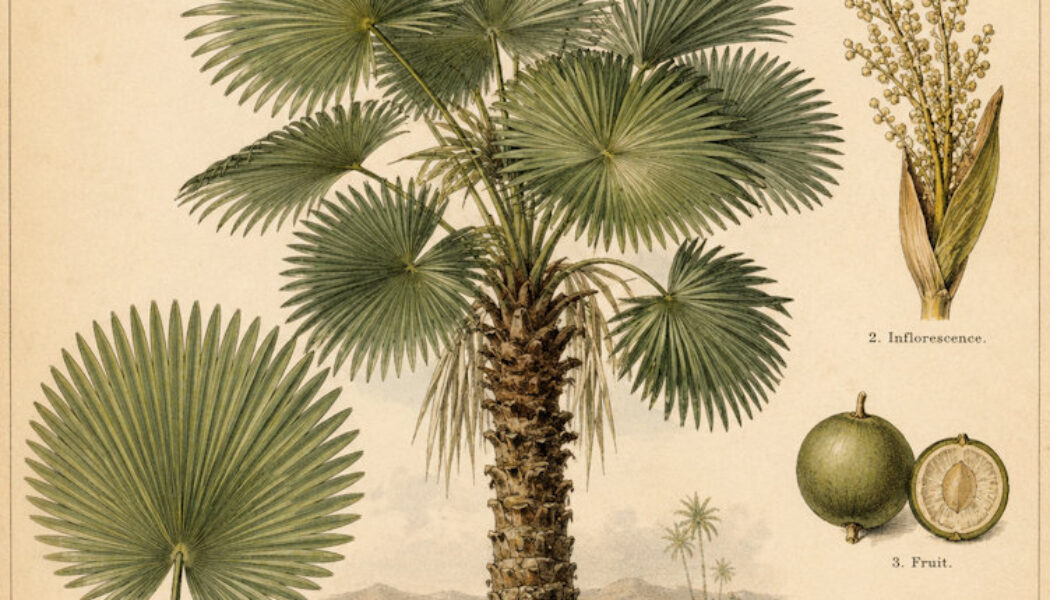

Fan Palm: A Symbol of Protection, Victory, and Spiritual Strength in Paganism and Witchcraft
The Fan Palm is a striking plant known for its large, fan-shaped leaves and its ability to thrive in warm climates around the world. Belonging to several species within the palm family, fan palms have...
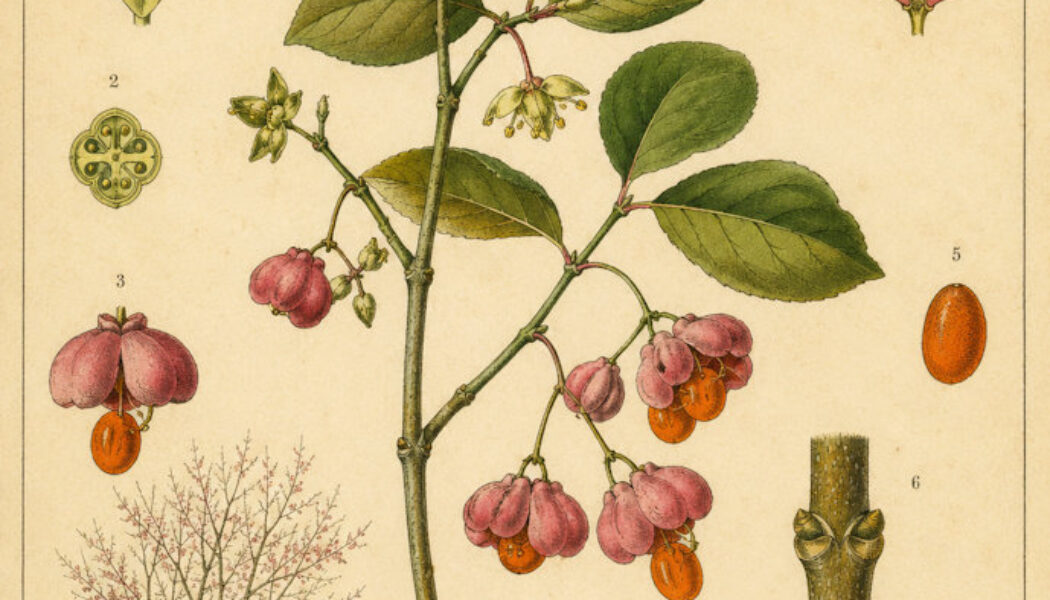

Fusain: The Spindle Tree in Paganism and Witchcraft
Fusain, commonly known as the European spindle tree (Euonymus europaeus), is a deciduous shrub or small tree native to Europe and parts of western Asia. It is easily recognised by its bright pink seed...
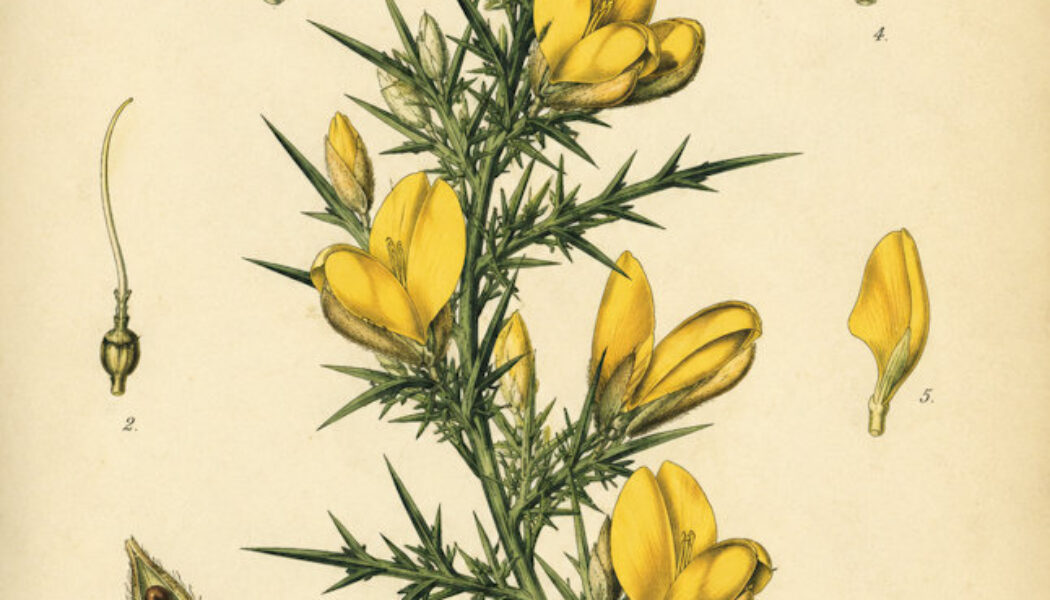

Furze: A Sacred Plant of Protection, Fire, and Renewal in Paganism and Witchcraft
Furze, also known as gorse (Ulex europaeus), is a hardy evergreen shrub recognized by its bright golden-yellow flowers, sharp spines, and sweet coconut-like fragrance. Growing across heathlands, moors...
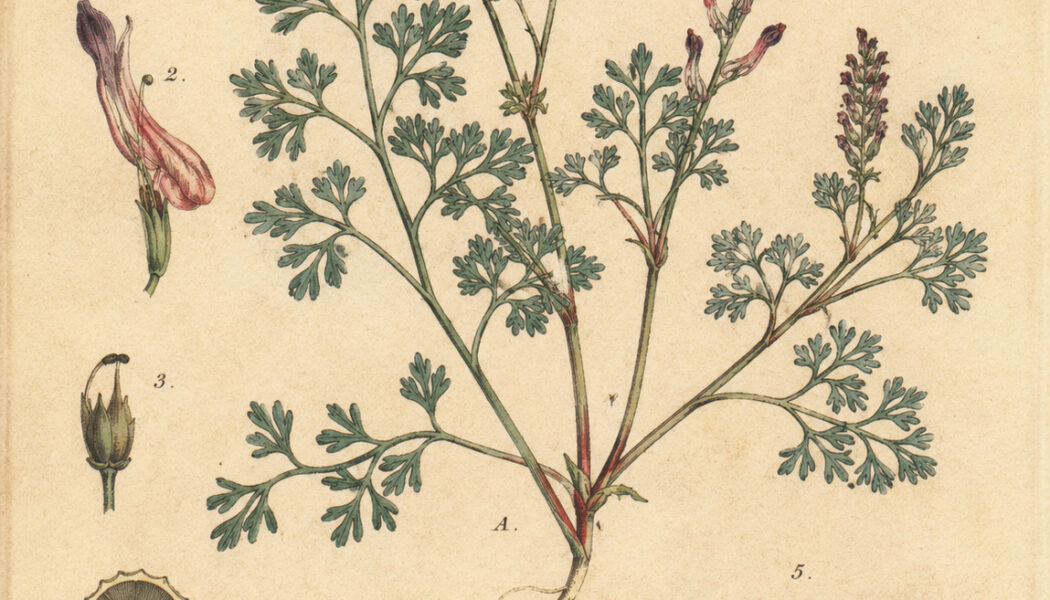

Fumitory: The Witch’s Herb of Purification and Hidden Power
Fumitory (Fumaria officinalis) is a delicate wildflower with soft, fern-like leaves and small pink-purple blossoms that has been valued for centuries in both traditional herbalism and magical practice...
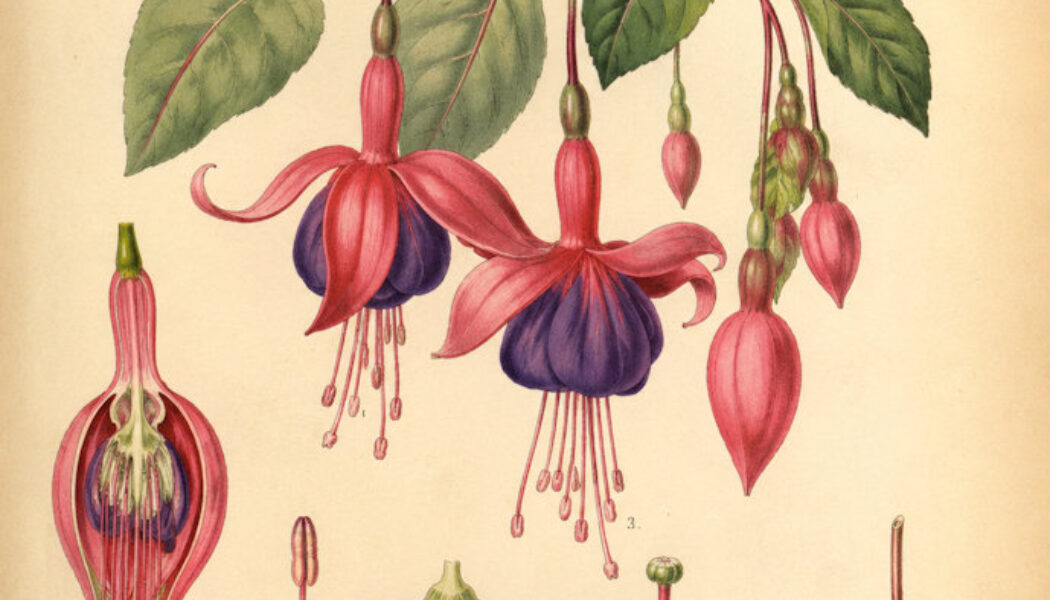

Fuchsia: A Magical Flower of Beauty, Protection, and Intuition
Fuchsia is a beautiful flowering plant admired for its graceful, bell-shaped blossoms that hang like tiny lanterns. Native to Central and South America, as well as New Zealand, it grows well in cool, ...
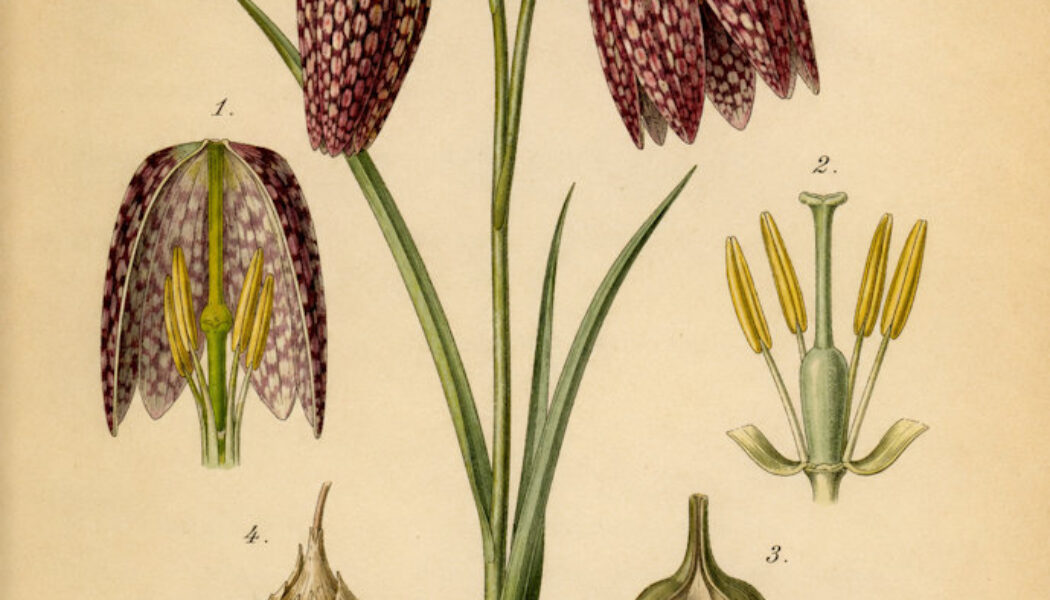

Fritillary: A Graceful Wildflower in Paganism and Witchcraft
The fritillary is a striking spring-flowering plant admired for its unusual, bell-shaped blooms and distinctive chequered or spotted petals. Belonging to the lily family, fritillaries grow in woodland...
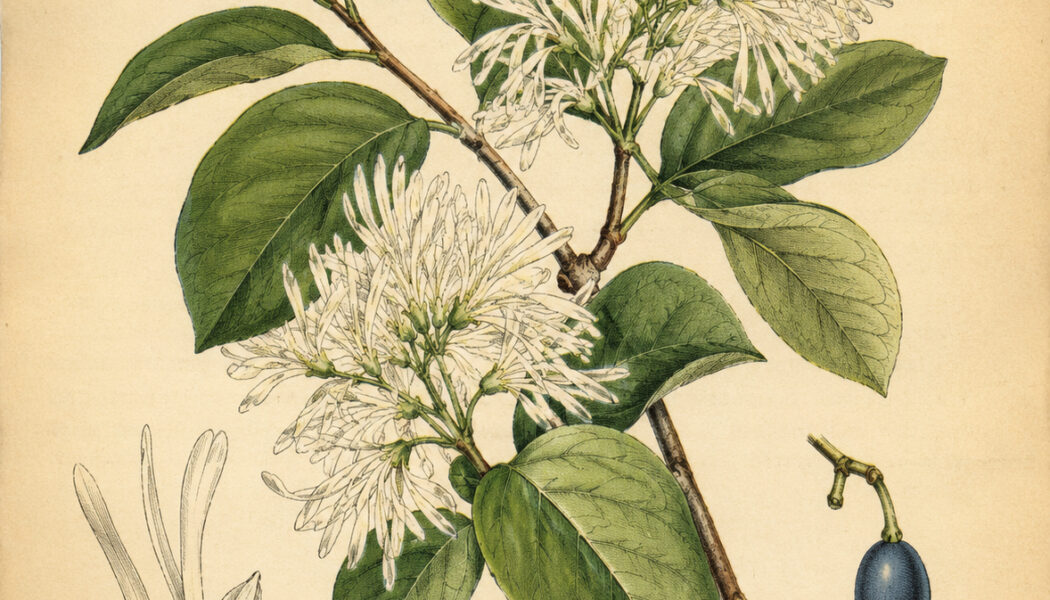

Fringe Tree: A Sacred Tree of Purity, Protection, and Gentle Magic
The Fringe Tree (Chionanthus virginicus), sometimes called Old Man’s Beard, is a small deciduous tree native to eastern North America. It is admired for its beautiful clusters of delicate, white...
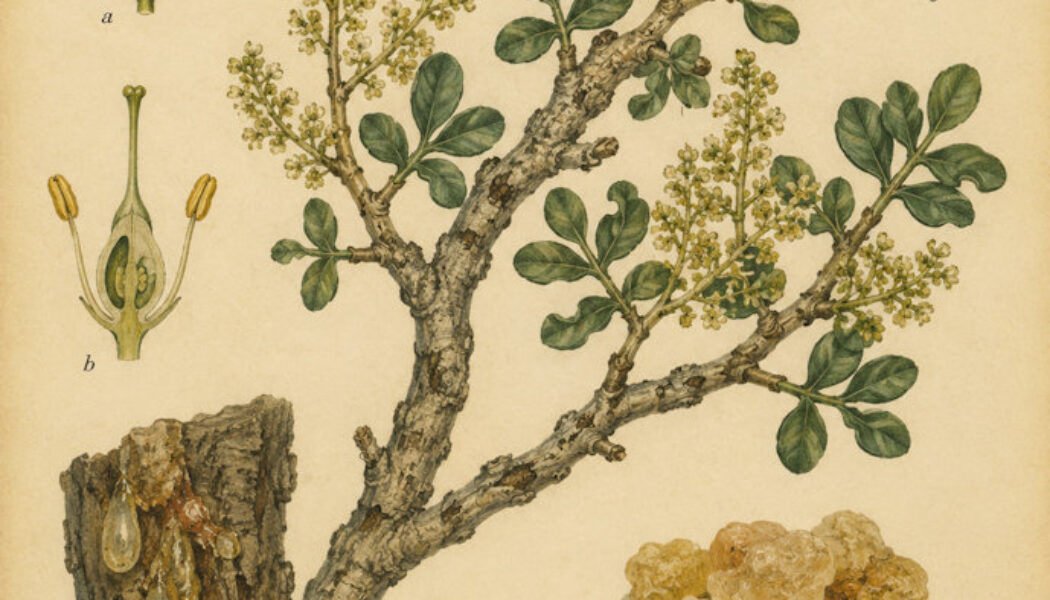

Frankincense: A Sacred Resin in Paganism and Witchcraft
Frankincense is a fragrant resin collected from trees of the Boswellia genus, which grow mainly in parts of northeastern Africa and the Arabian Peninsula. For thousands of years, this aromatic resin h...
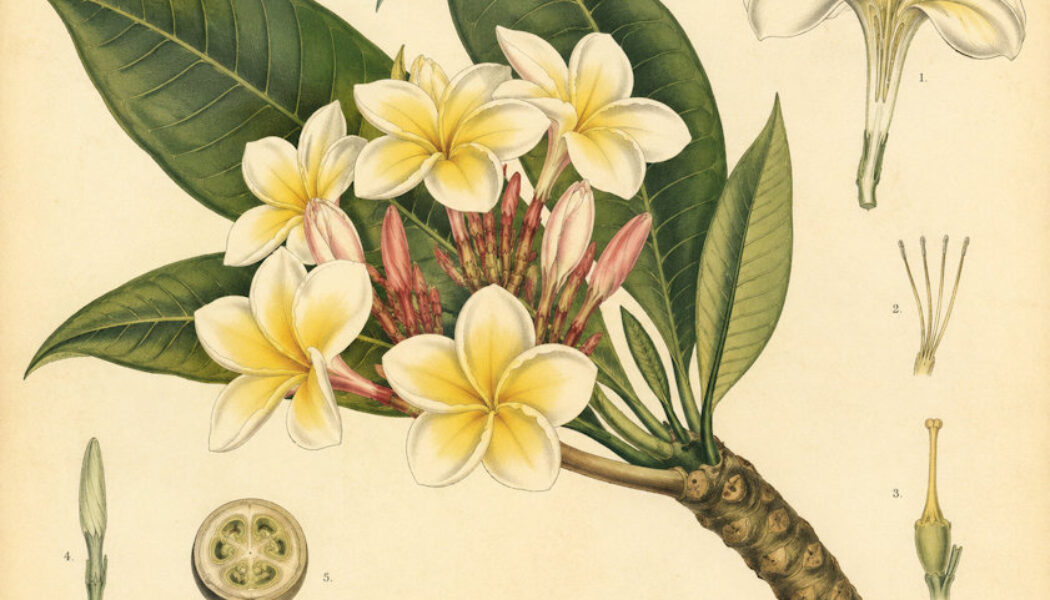

Frangipani: A Sacred Flower in Paganism and Witchcraft
Frangipani, also known as Plumeria, is a beautiful flowering tree admired for its fragrant blossoms and tropical beauty. Native to the Americas but now found in warm climates around the world, the pla...
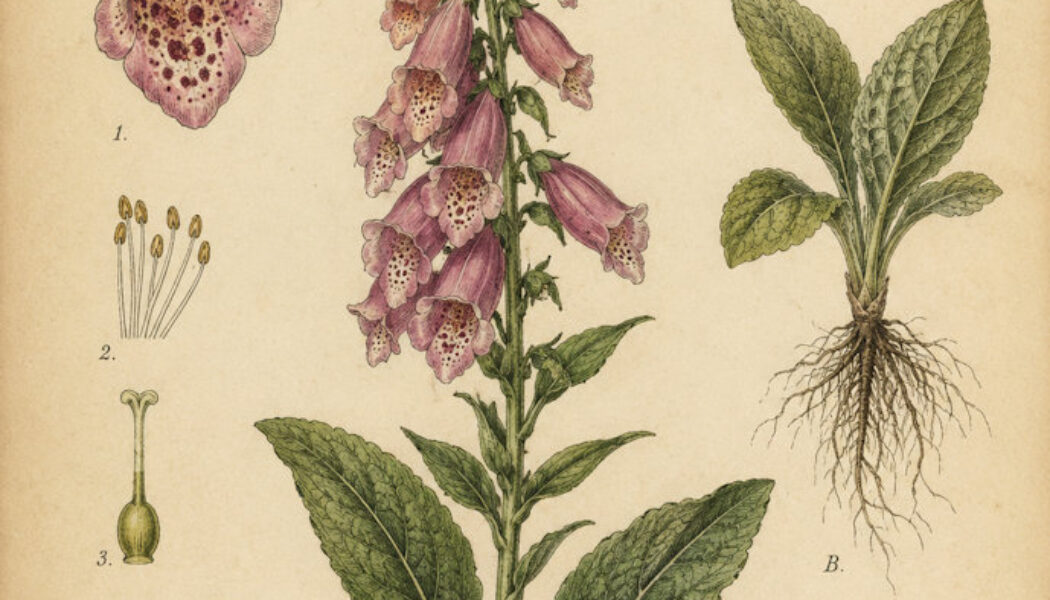

Foxglove: A Magical Plant of Mystery, Healing, and Folklore
Foxglove (Digitalis purpurea) is a striking flowering plant known for its tall stems covered in bell-shaped blossoms that bloom in shades of purple, pink, white, and cream. Native to Europe but now fo...
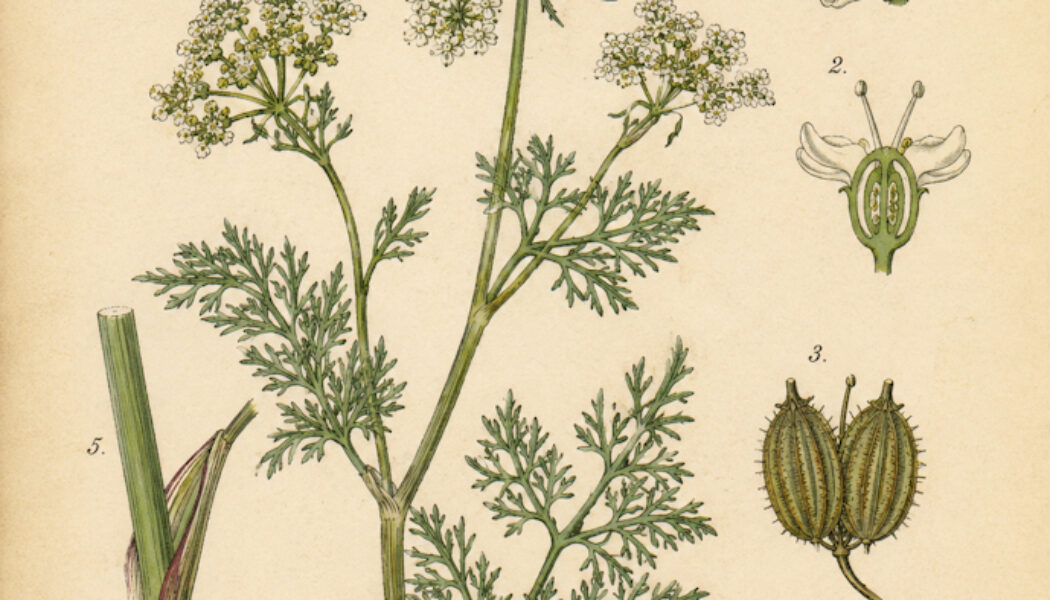

Fool’s Parsley: A Mysterious Plant in Paganism and Witchcraft
Fool’s Parsley (Aethusa cynapium) is a small flowering plant that belongs to the carrot family. It closely resembles garden parsley, which has earned it the name “Fool’s Parsley.R...
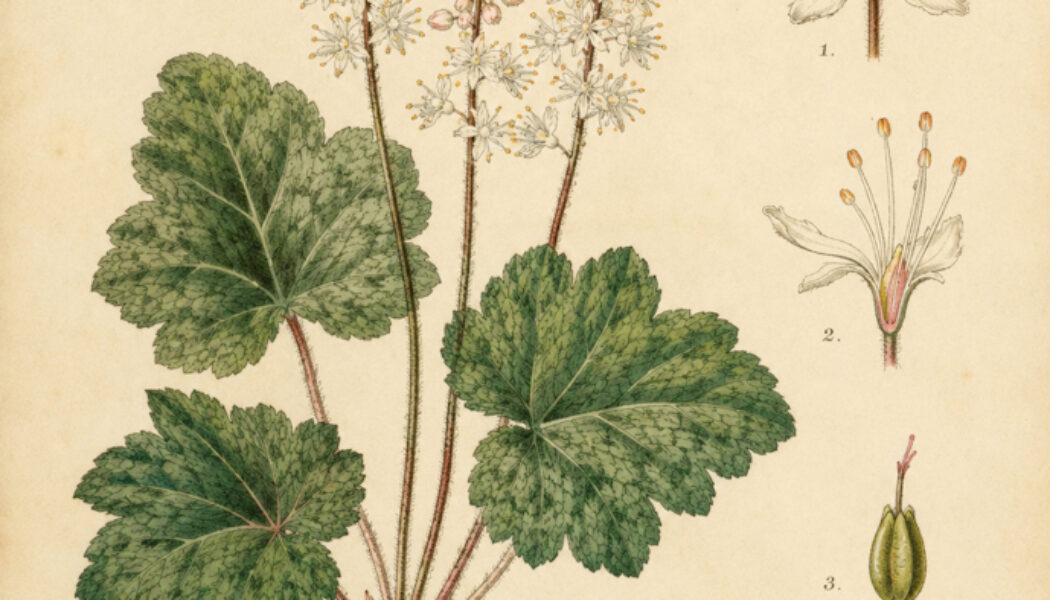

Foamflower: A Woodland Plant in Paganism and Witchcraft
Foamflower (Tiarella cordifolia) is a charming woodland perennial native to eastern North America. It is admired for its delicate spikes of tiny white or pale pink flowers, which resemble soft foam ri...
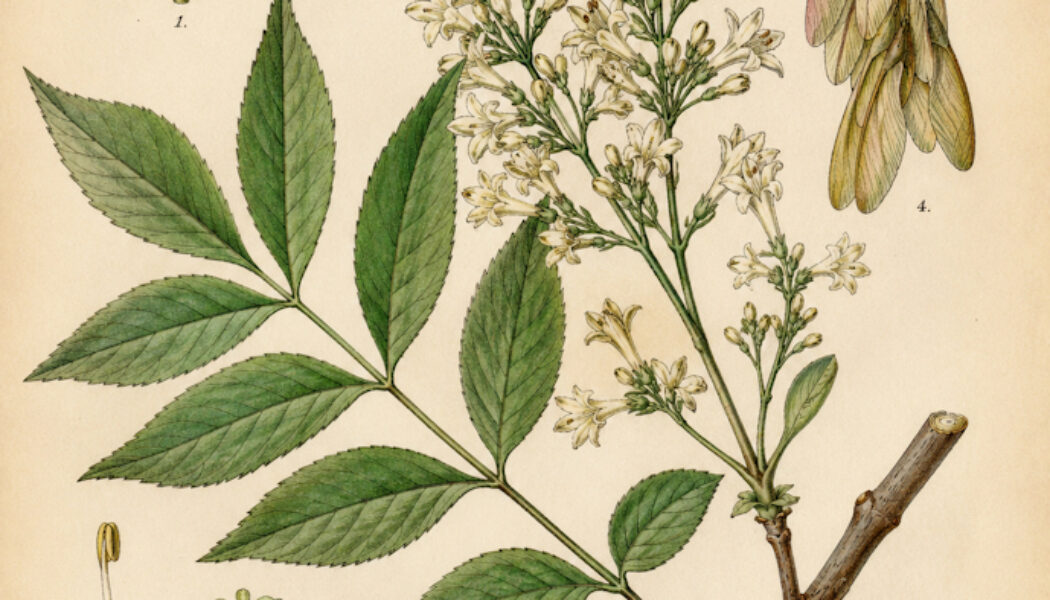

Flowering Ash: A Tree of Beauty, Protection, and Pagan Tradition
The Flowering Ash (Fraxinus ornus) is a graceful deciduous tree native to southern Europe and parts of western Asia. It is admired for its fragrant clusters of creamy-white flowers that bloom in late ...
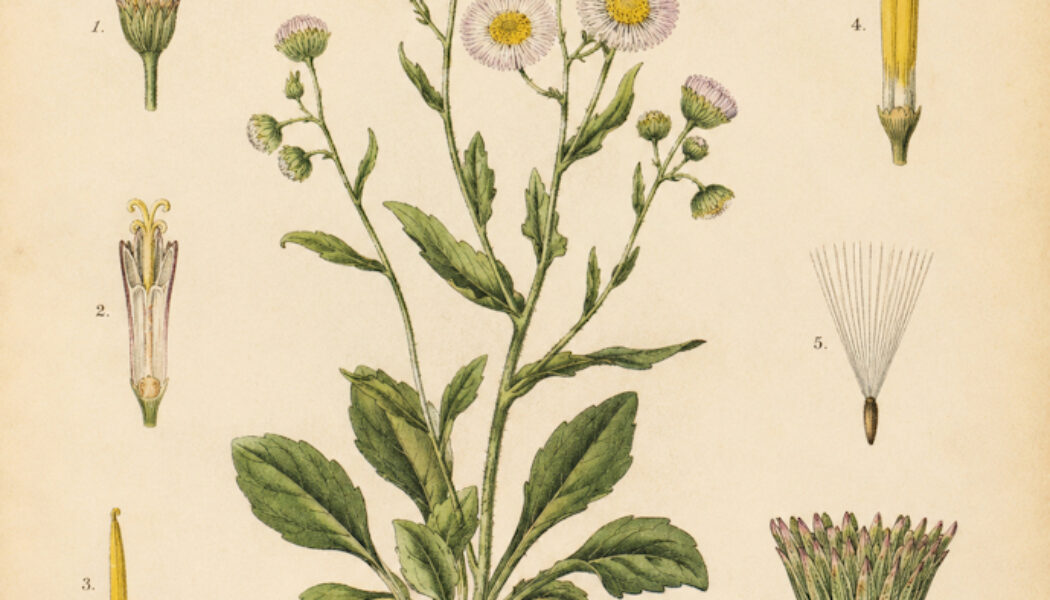

Fleabane: A Humble Wildflower in Paganism and Witchcraft
Fleabane is a hardy wildflower belonging to the daisy family, known for its small, delicate blossoms with thin petals that are usually white, pink, or pale purple surrounding a bright yellow center. F...
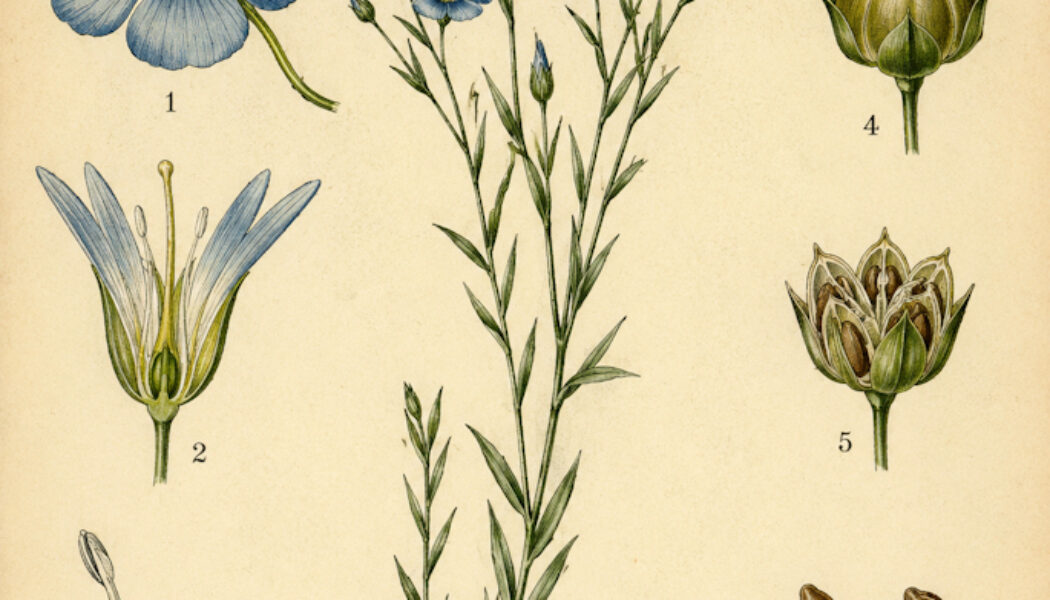

Flax: A Sacred Plant of Protection, Craft, and Tradition
Flax (Linum usitatissimum) is one of the oldest cultivated plants in the world, valued for thousands of years for its strong fibers, nutritious seeds, and healing properties. Its slender stems produce...
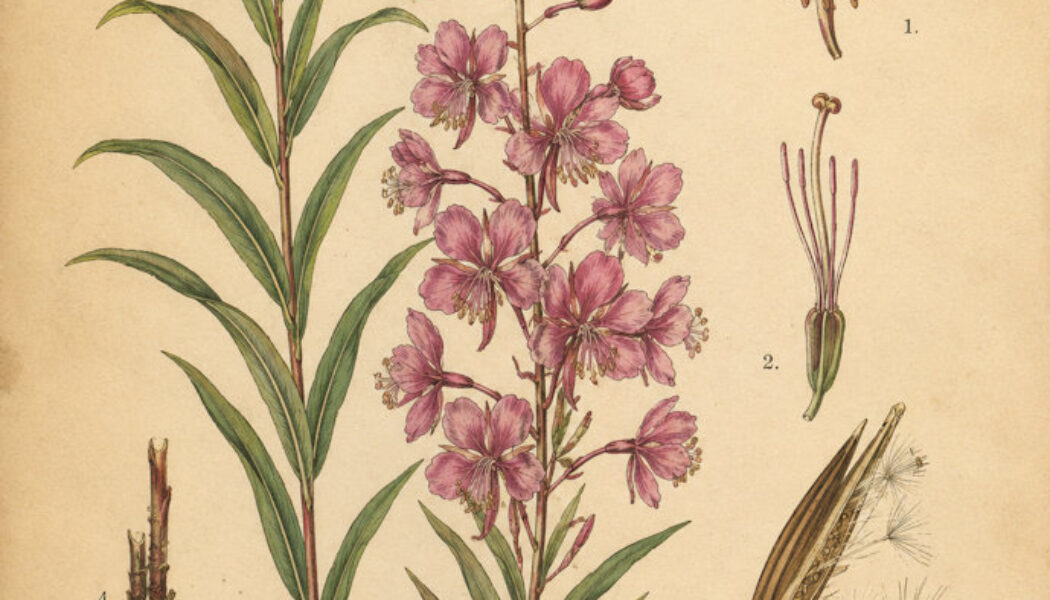

Fireweed: A Symbol of Renewal in Nature, Paganism, and Witchcraft
Fireweed (Chamerion angustifolium) is a tall, graceful wildflower known for its vibrant pink-purple blossoms that brighten fields, woodland clearings, and hillsides during summer. It is often one of t...
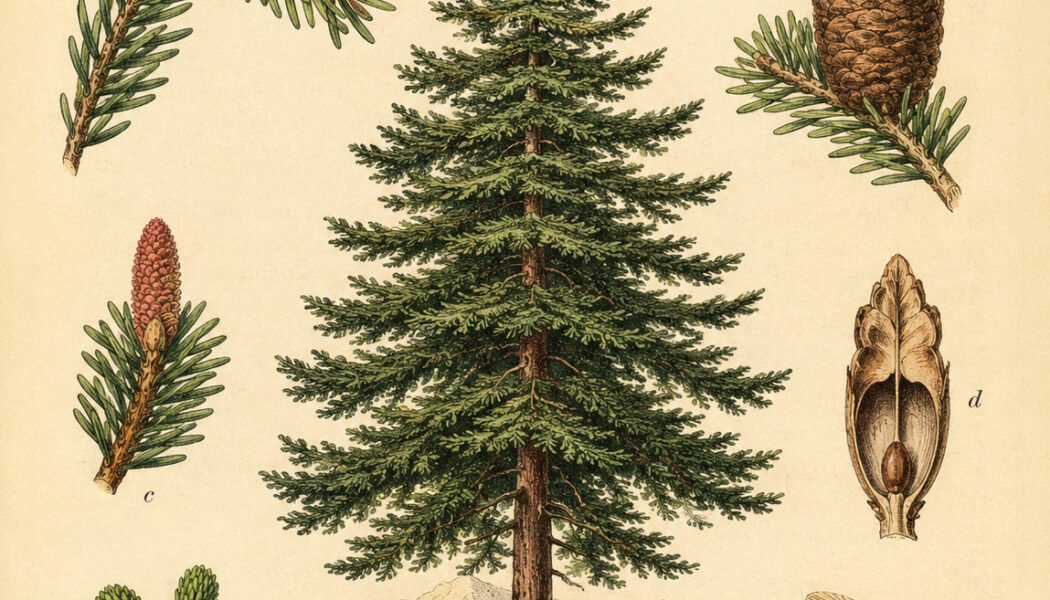

Fir Tree: A Sacred Evergreen in Paganism and Witchcraft
The fir tree is a tall evergreen conifer that has long been admired for its strength, beauty, and ability to remain green throughout the cold winter months. Found across Europe, Asia, and North Americ...
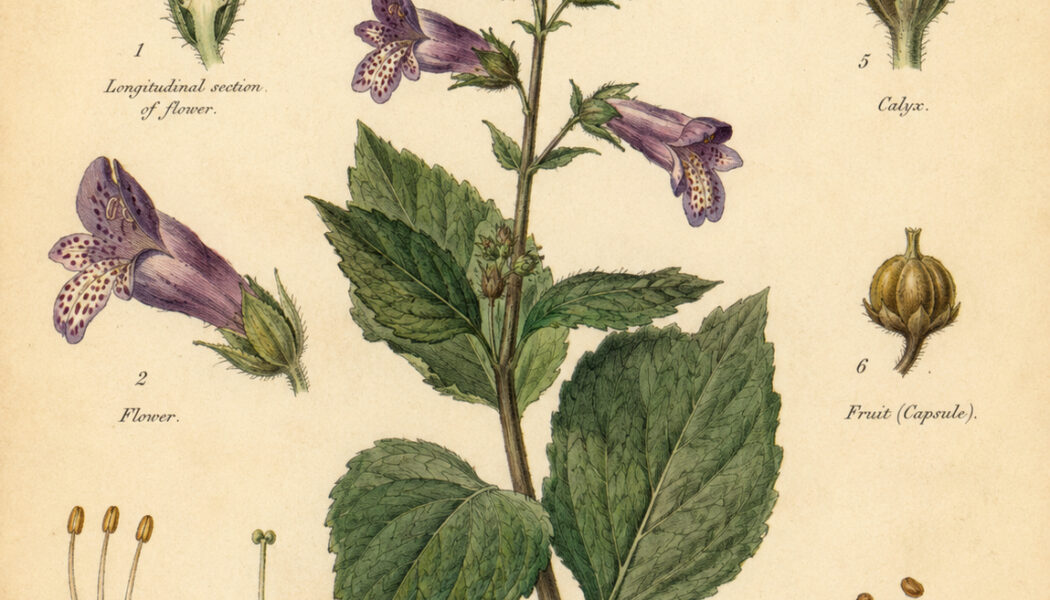

Figwort: The Hidden Healing Herb in Paganism and Witchcraft
Figwort (Scrophularia nodosa) is a hardy wild plant that grows in woodlands, hedgerows, and damp meadows throughout Europe and parts of Asia. Although it is often overlooked because of its small green...
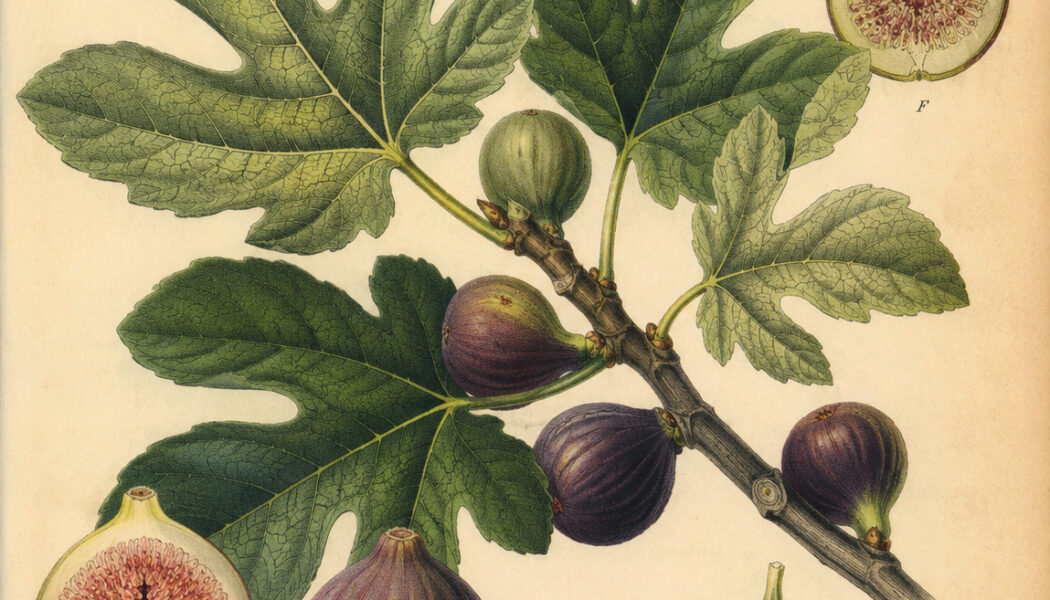

The Fig Tree: A Sacred Plant in Paganism and Witchcraft
The fig tree is one of the oldest cultivated plants in the world, valued for its sweet fruit, broad leaves, and long lifespan. Found throughout the Mediterranean, the Middle East, and many warm region...
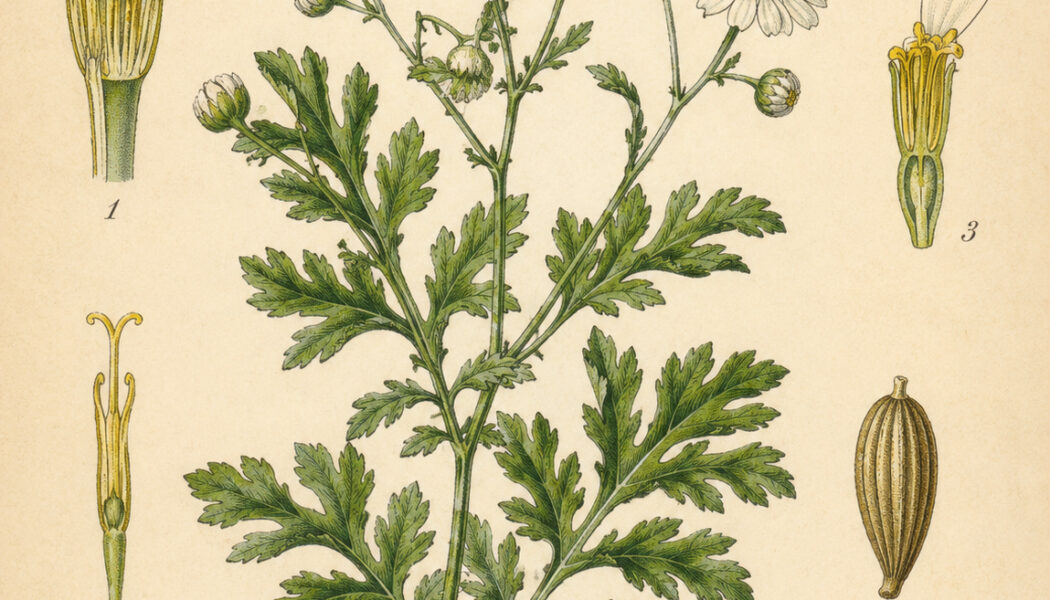

Feverfew: A Protective Herb in Paganism and Witchcraft
Feverfew (Tanacetum parthenium) is a small flowering herb with bright white petals and yellow centers that resemble tiny daisies. Native to southeastern Europe but now grown throughout many parts of t...
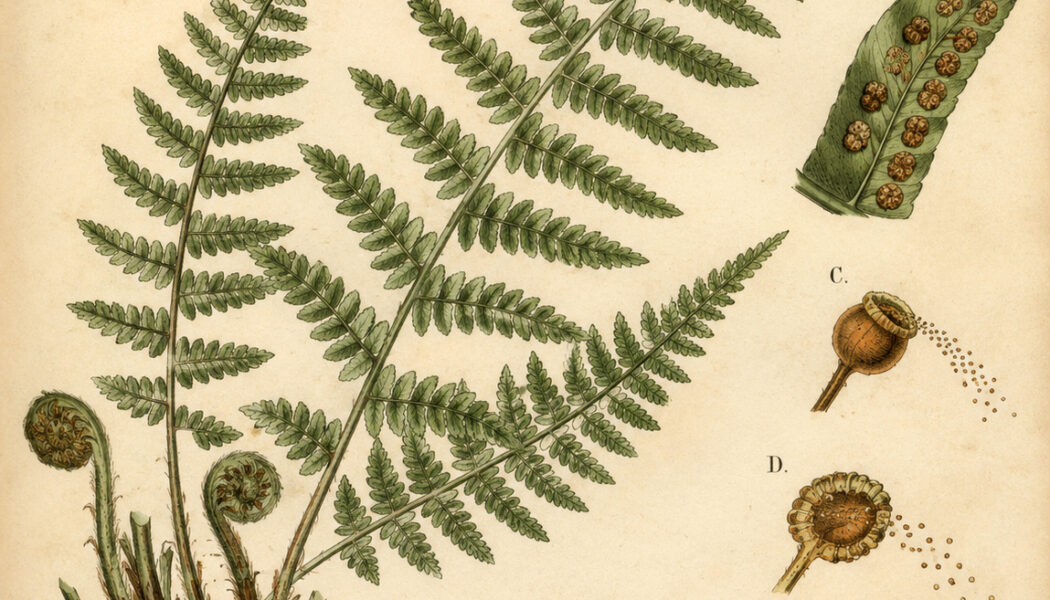

Fern: A Sacred Plant in Paganism and Witchcraft
The fern is one of the oldest plants on Earth, growing in forests, woodlands, and damp places for millions of years. Unlike flowering plants, ferns reproduce through tiny spores instead of seeds, givi...
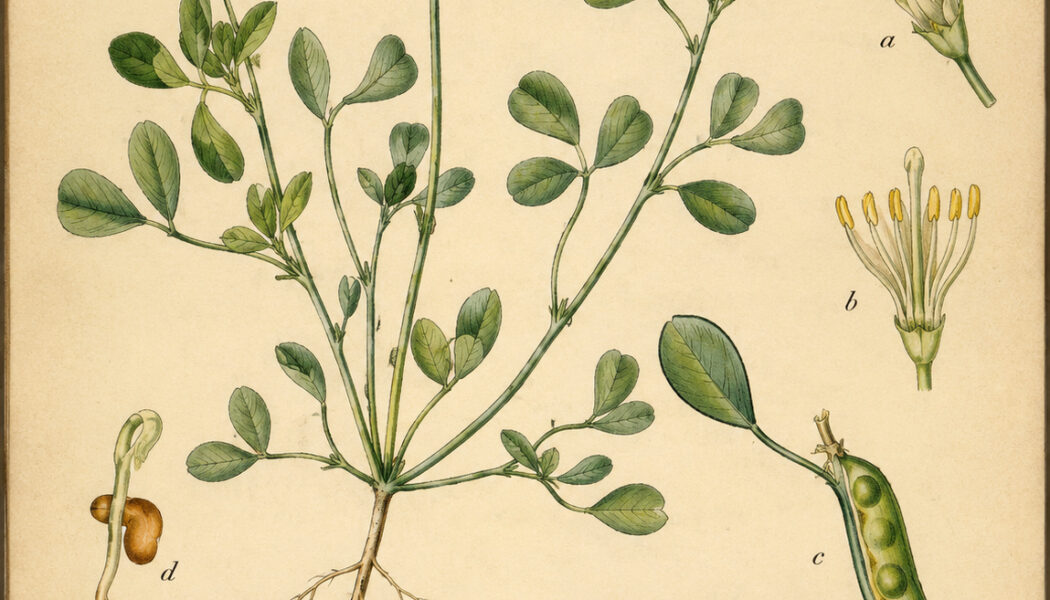

Fenugreek: A Sacred Herb of Prosperity, Protection, and Ancient Magic
Fenugreek (Trigonella foenum-graecum) is a fragrant herb that has been valued for thousands of years. Native to the Mediterranean region, western Asia, and parts of North Africa, it is grown for both ...
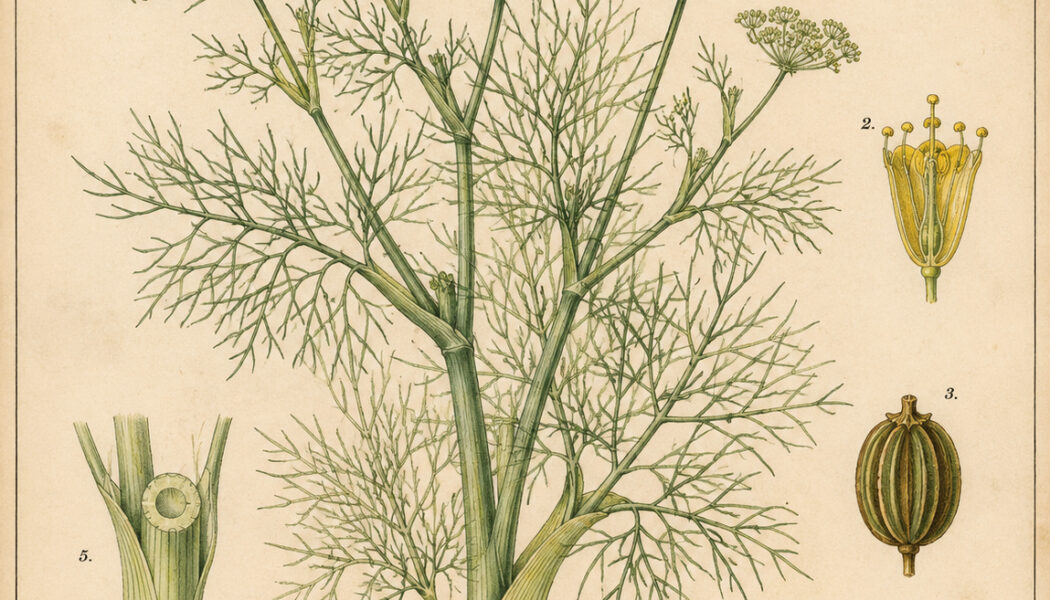

Fennel: A Sacred Herb of Protection, Wisdom, and Magic
Fennel (Foeniculum vulgare) is a fragrant herb with feathery green leaves, bright yellow flowers, and aromatic seeds. Native to the Mediterranean region, it has been valued for thousands of years as b...
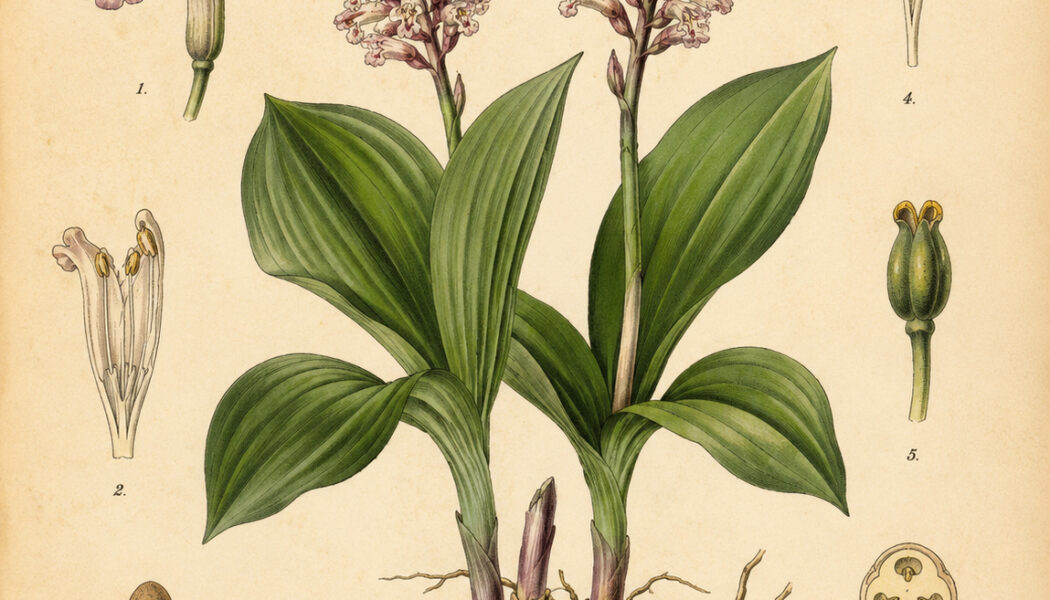

False Unicorn Root: A Sacred Herb of Fertility, Intuition, and Women’s Wisdom
False Unicorn Root (Chamaelirium luteum) is a woodland wildflower native to eastern North America. Despite its enchanting name, it is not related to true unicorns of folklore but earned its title beca...
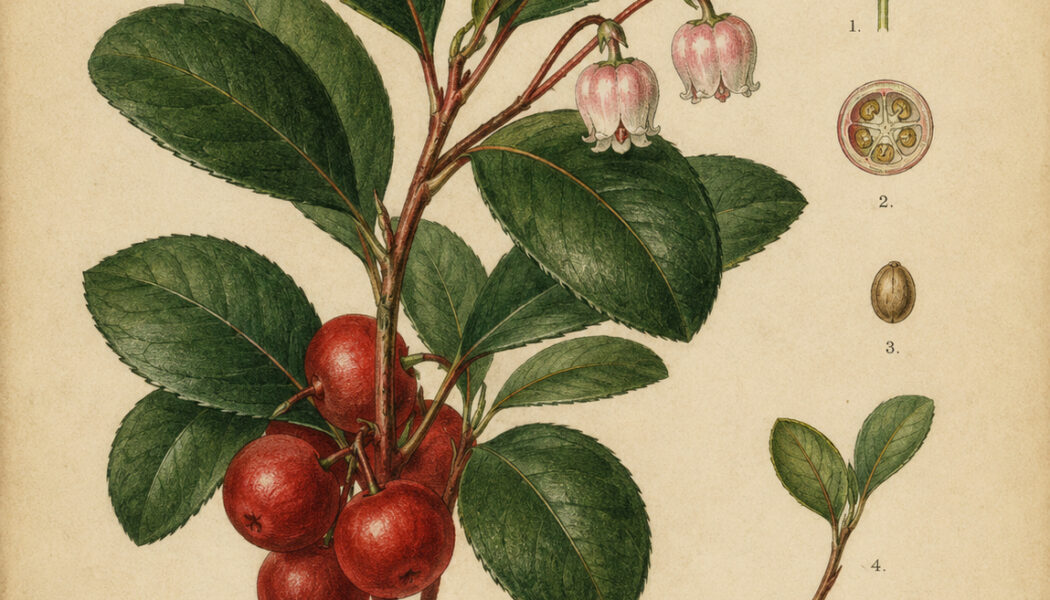

Evergreen Wintergreen: A Sacred Plant in Paganism and Witchcraft
Evergreen wintergreen is a low-growing woodland plant known for its glossy green leaves, bright red berries, and refreshing mint-like scent. Found in forests across North America, it remains green thr...
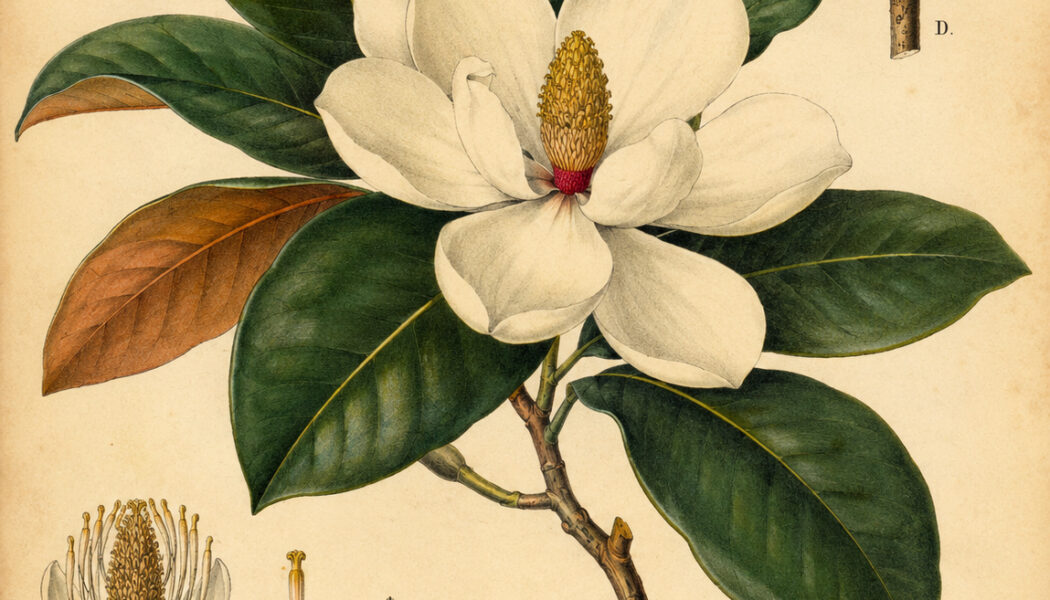

Evergreen Magnolia: A Sacred Tree of Beauty, Strength, and Spiritual Renewal
The Evergreen Magnolia is a striking tree admired for its glossy green leaves, large fragrant white flowers, and year-round foliage. Native to the southeastern United States, particularly the species ...
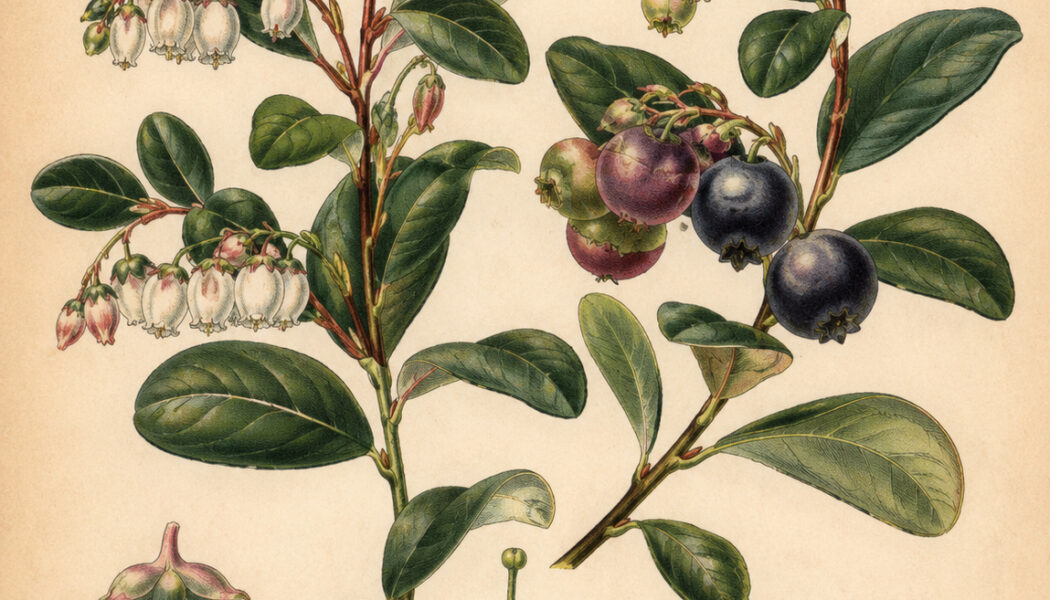

Evergreen Huckleberry: A Sacred Woodland Plant in Paganism and Witchcraft
Evergreen Huckleberry (Vaccinium ovatum) is a beautiful evergreen shrub native to the Pacific Northwest of North America. It grows in forests, coastal woodlands, and mountain slopes, producing glossy ...
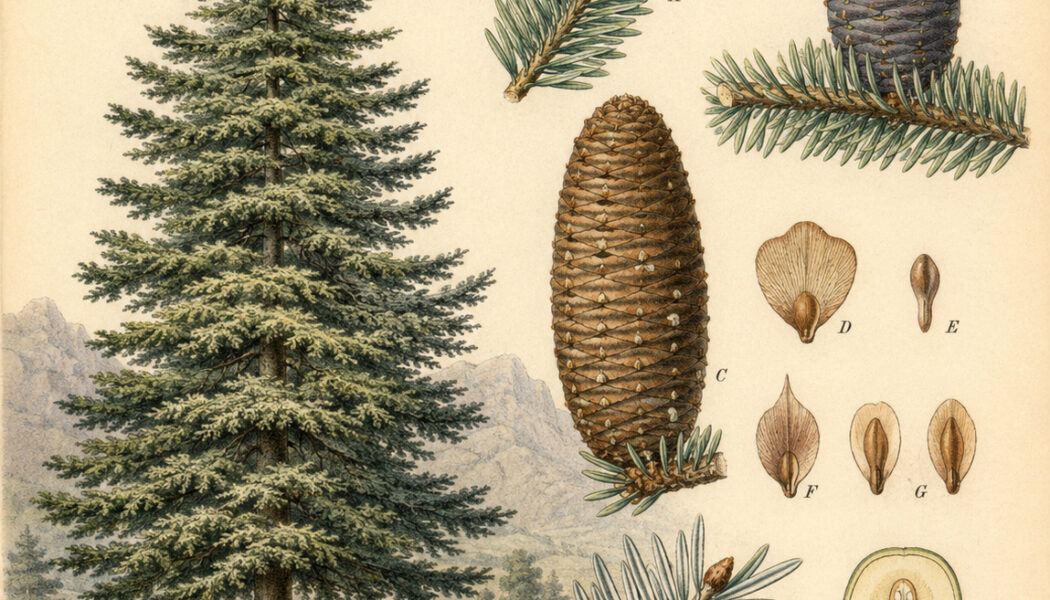

European Silver Fir: A Sacred Evergreen in Paganism and Witchcraft
The European Silver Fir (Abies alba) is a majestic evergreen tree native to the mountainous forests of central and southern Europe. It is easily recognized by its tall, straight trunk, smooth silvery-...
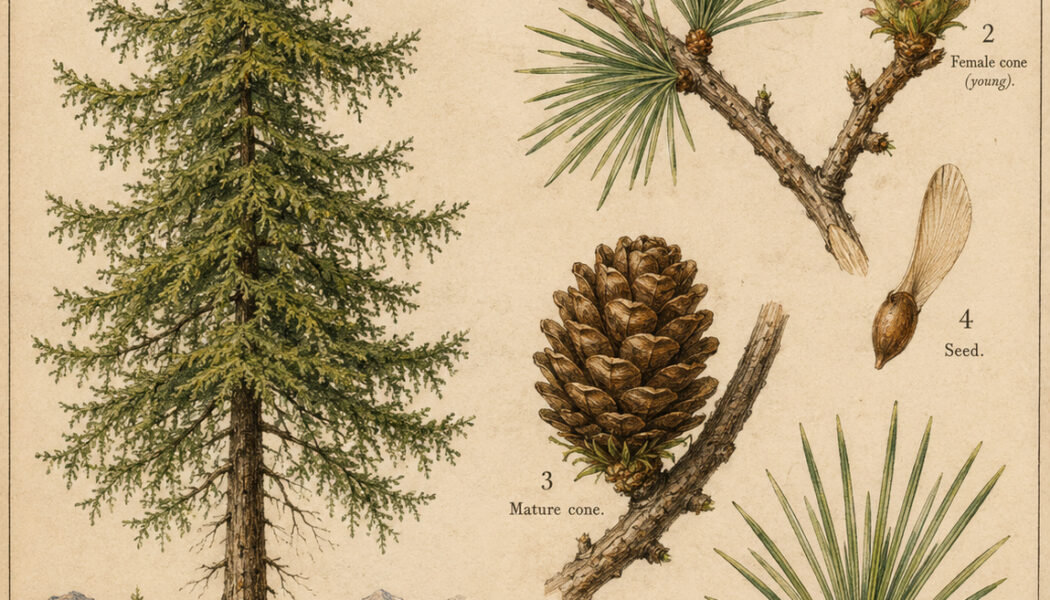

European Larch: A Tree of Renewal and Protective Magic
The European Larch (Larix decidua) is a unique conifer native to the mountainous regions of central Europe. Unlike most conifer trees, it is deciduous, meaning it sheds its soft, bright green needles ...
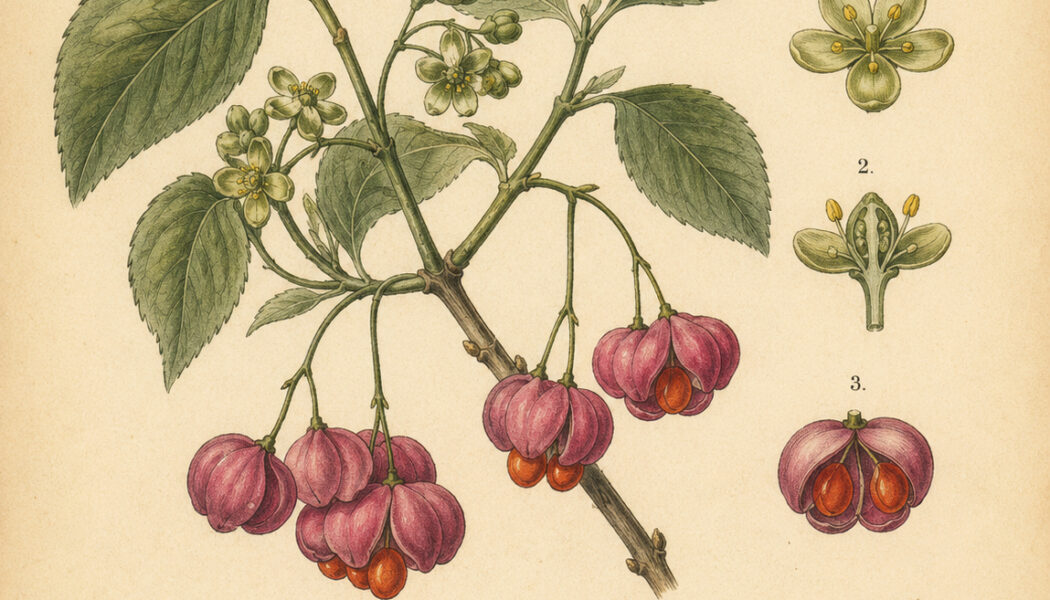

European Spindle: A Magical Shrub of Folklore and Pagan Tradition
The European Spindle (Euonymus europaeus) is a deciduous shrub or small tree native to much of Europe and parts of western Asia. It is easily recognized by its bright pink seed capsules, which split o...
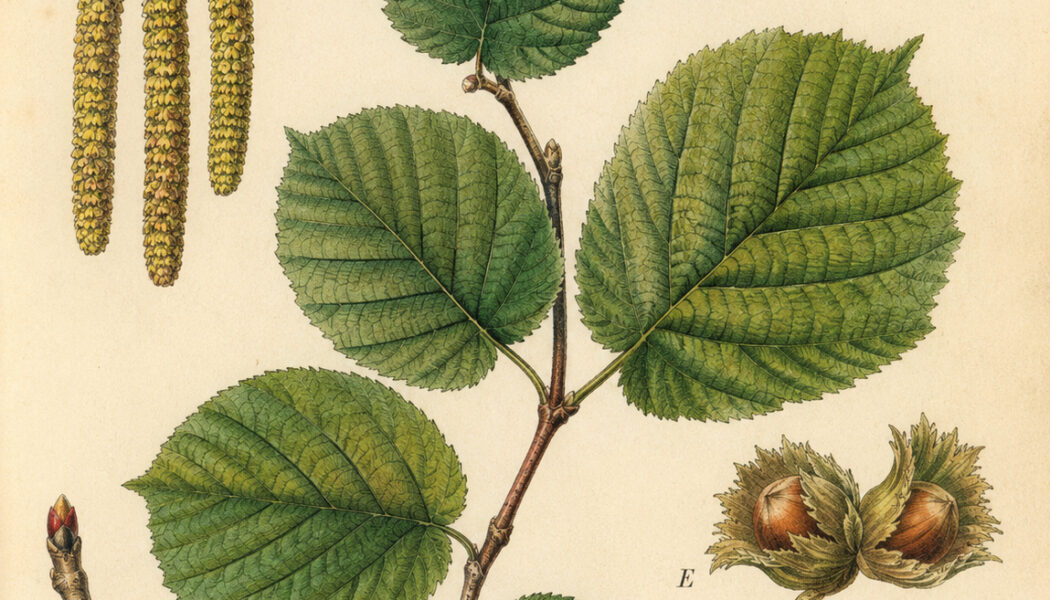

European Hazel: The Tree of Wisdom, Protection, and Magic
The European Hazel (Corylus avellana) is a small deciduous tree or large shrub native to Europe and parts of western Asia. It is well known for producing edible hazelnuts and for its smooth grey bark,...
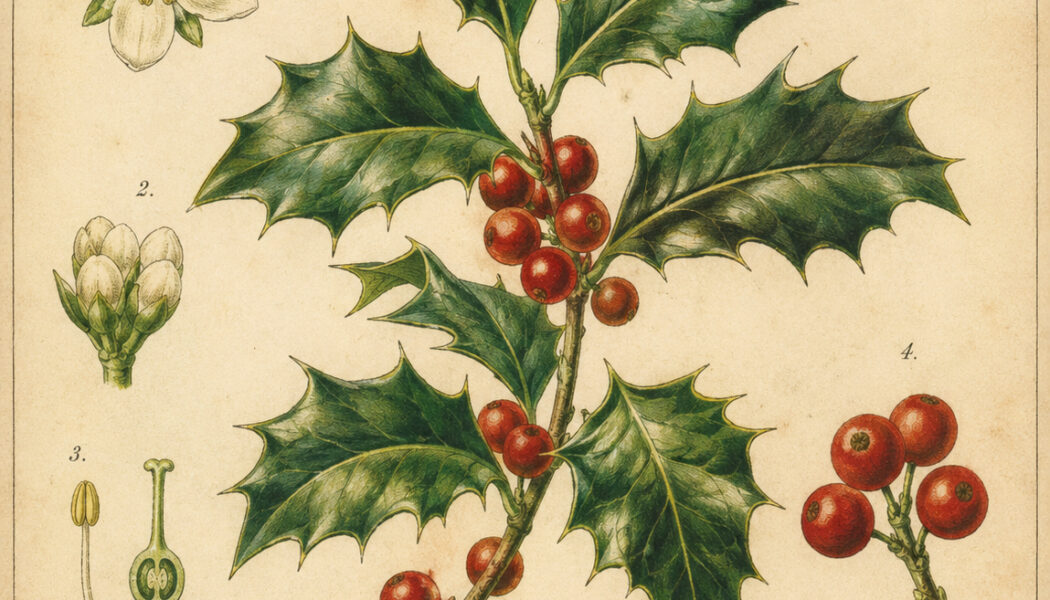

European Holly: A Sacred Evergreen in Paganism and Witchcraft
European Holly (Ilex aquifolium) is a striking evergreen tree or shrub native to much of Europe, western Asia, and North Africa. It is easily recognized by its glossy, dark green leaves with sharp, sp...
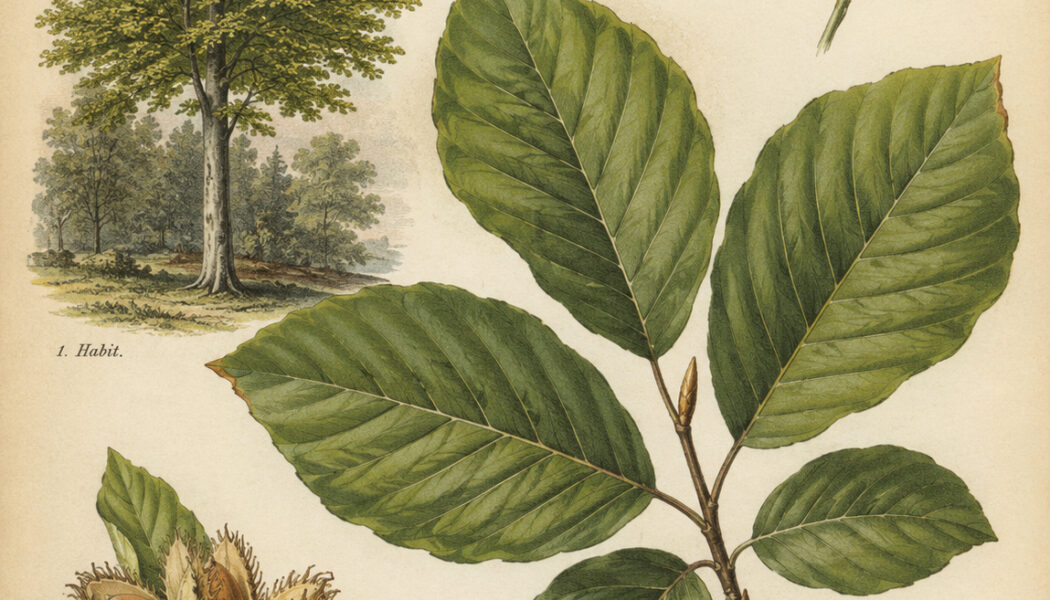

European Beech: Wisdom, Memory, and Magic in Pagan Tradition
The European Beech (Fagus sylvatica) is a majestic deciduous tree native to much of Europe. It is easily recognized by its smooth grey bark, broad spreading canopy, and glossy green leaves that turn r...
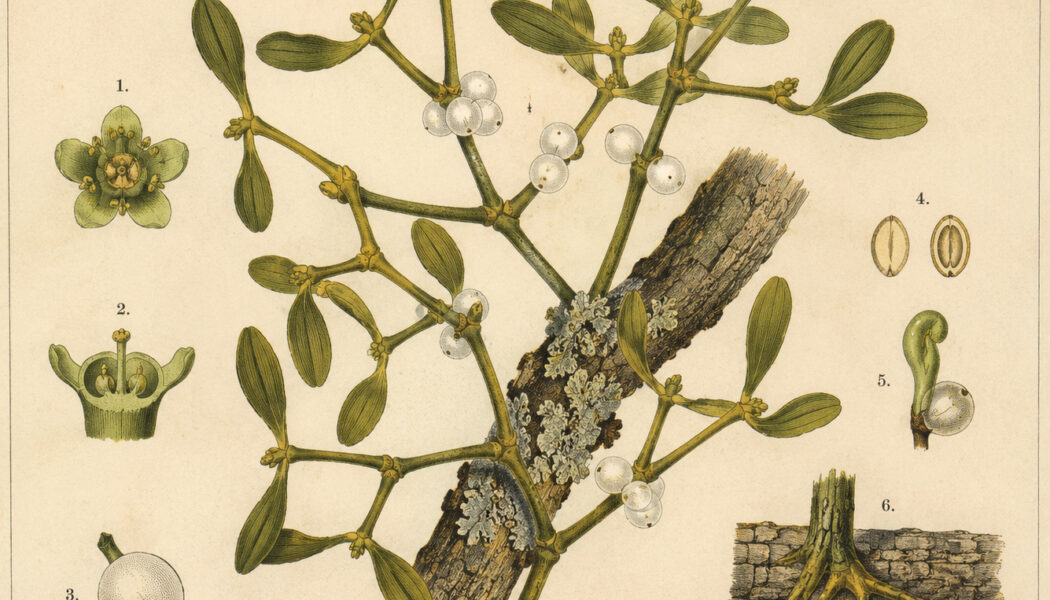

European Mistletoe: A Sacred Plant of Paganism and Witchcraft
European mistletoe (Viscum album) is a unique evergreen plant that grows on the branches of trees such as oak, apple, poplar, and hawthorn. Unlike most plants, it is a semi-parasite, drawing water and...
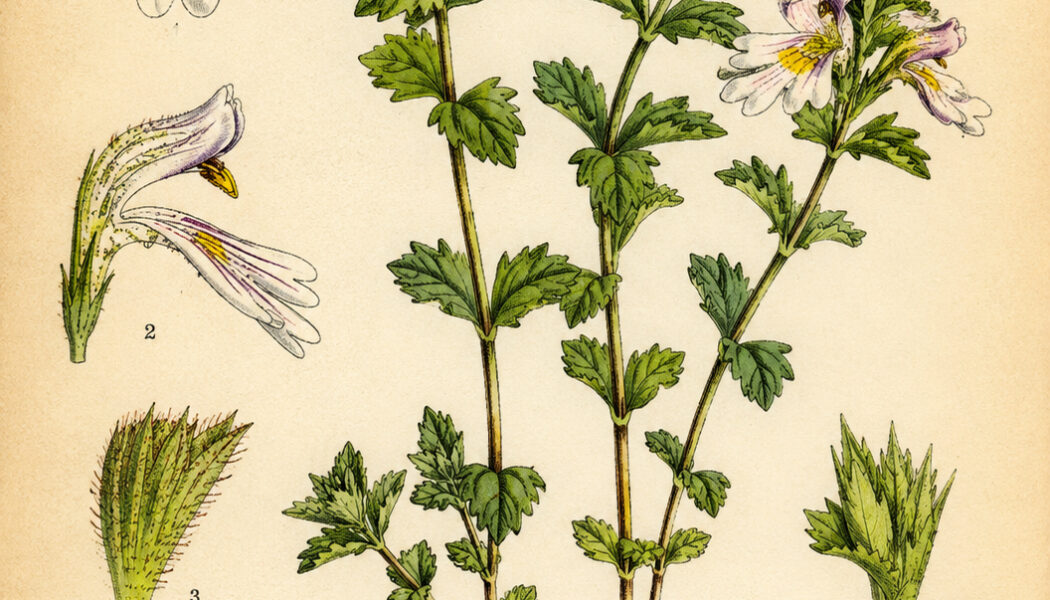

Euphrasia (Eyebright): A Sacred Herb of Healing and Insight
Euphrasia, commonly known as eyebright, is a small flowering plant found growing in meadows and grasslands across Europe and parts of Asia. Recognizable by its delicate white or pale purple flowers ma...
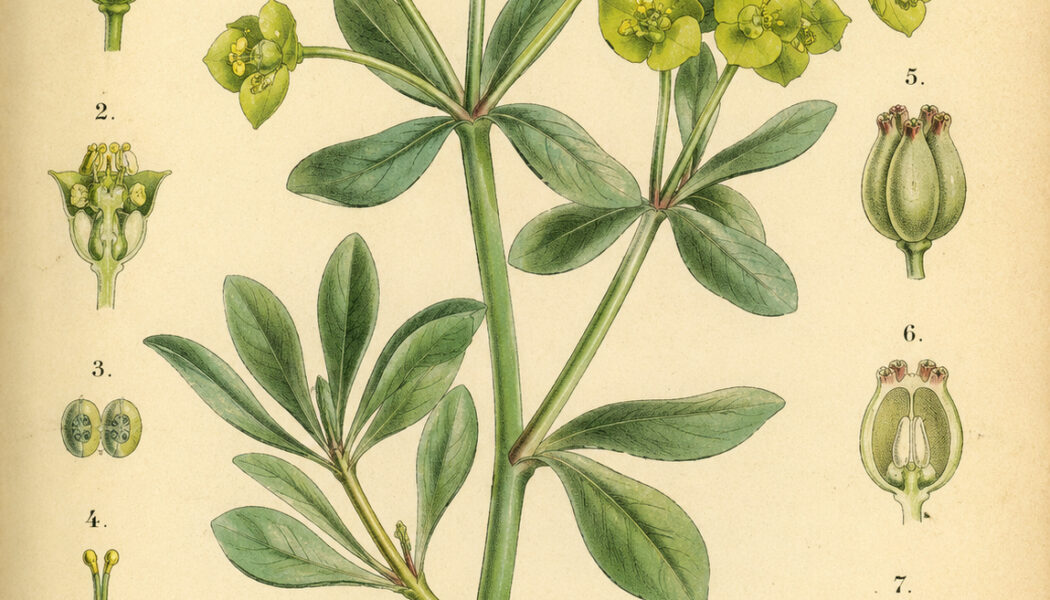

Euphorbia: A Powerful Plant in Nature, Paganism, and Witchcraft
Euphorbia is a large group of flowering plants found in many parts of the world, ranging from tiny ground plants to large shrubs and cactus-like succulents. Although some species resemble cacti, they ...
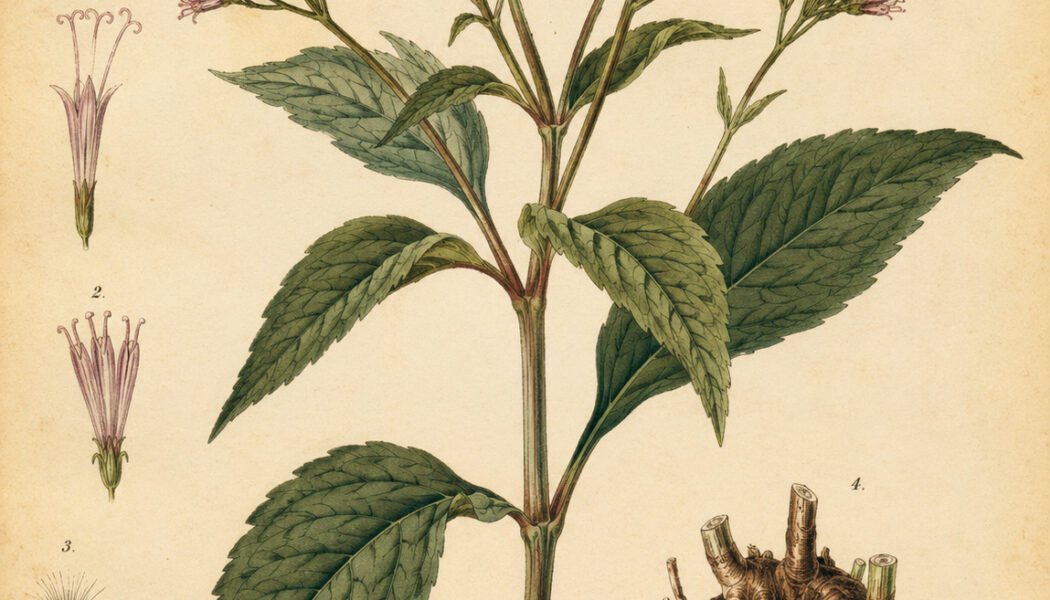

Eupatorium: A Protective Herb in Nature, Paganism, and Witchcraft
Eupatorium is a group of flowering plants belonging to the daisy family (Asteraceae). Common species include boneset (Eupatorium perfoliatum) and hemp agrimony (Eupatorium cannabinum). These hardy per...
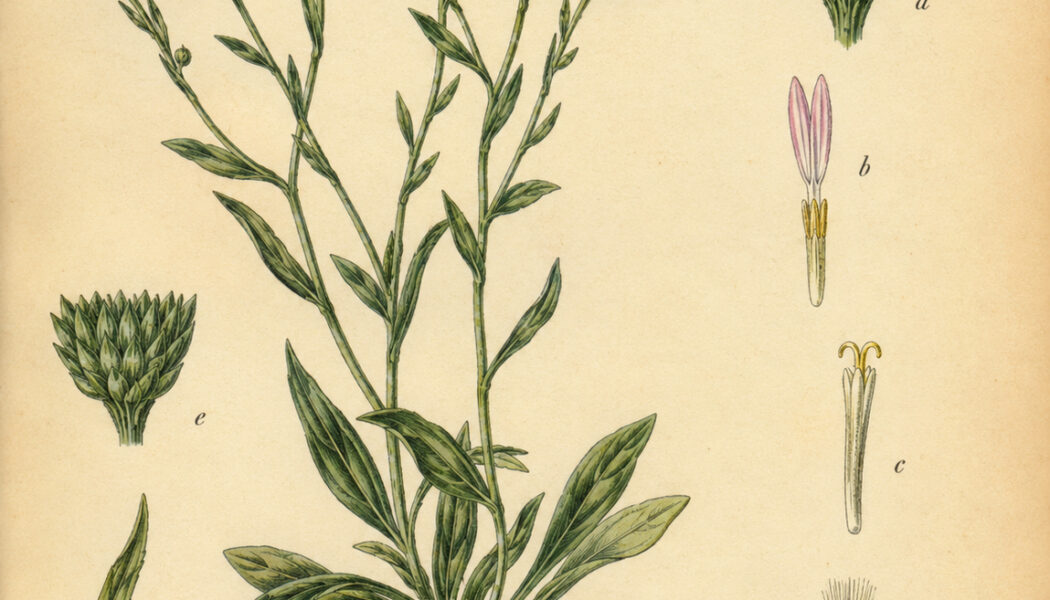

Erigeron: A Humble Wildflower in Paganism and Witchcraft
Erigeron, commonly known as fleabane, is a genus of flowering plants in the daisy family (Asteraceae). Found across Europe, North America, and parts of Asia, these hardy wildflowers are recognized by ...
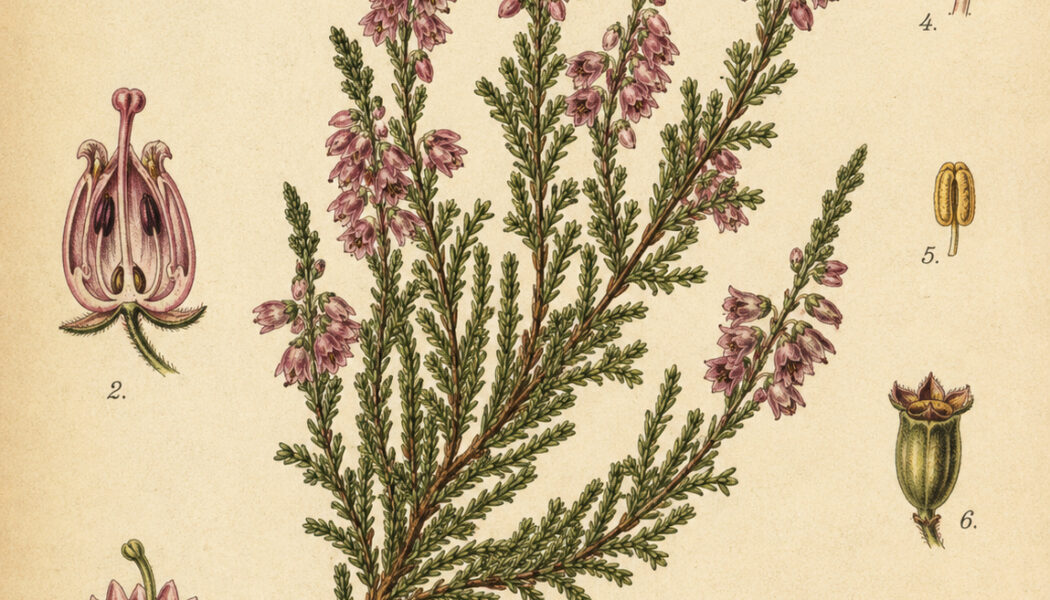

Erica: Heather’s Sacred Place in Paganism and Witchcraft
Erica is the scientific name for a large group of flowering plants commonly known as heather. These evergreen shrubs are native to Europe, Africa, and parts of the Middle East, with many species thriv...
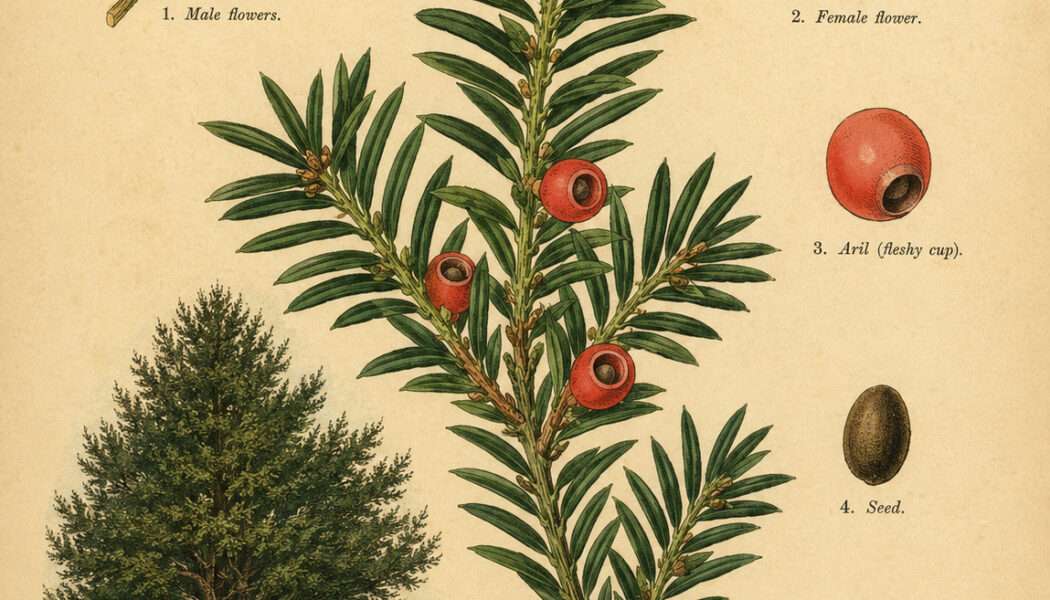

English Yew: The Sacred Tree of Mystery and Transformation
The English Yew (Taxus baccata) is one of Europe’s oldest and most revered trees. Known for its dark green needles, reddish-brown bark, and bright red berry-like arils, it can live for hundreds ...
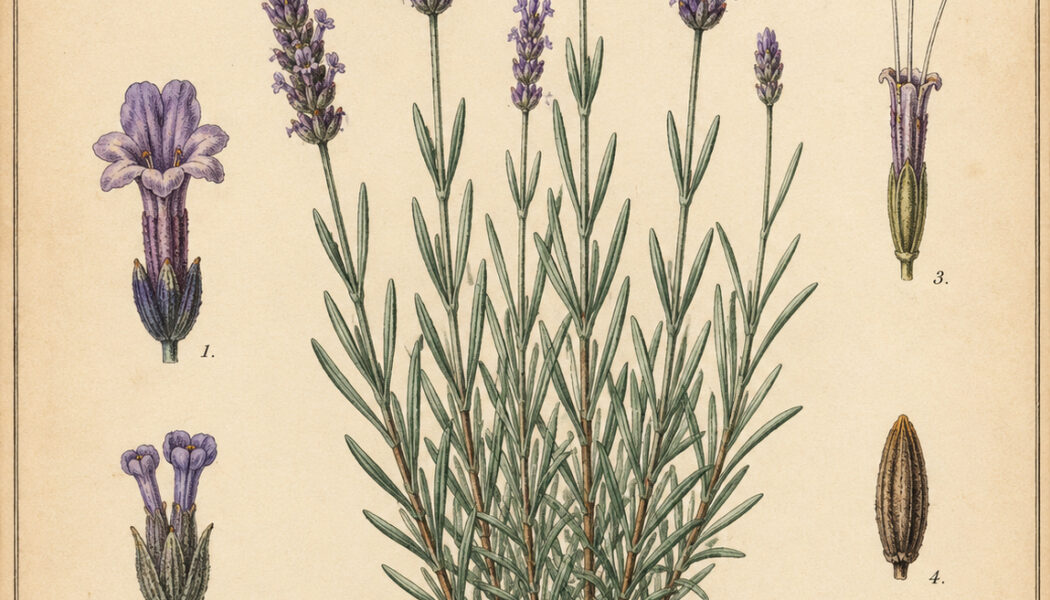

English Lavender: A Sacred Herb of Peace, Protection, and Magic
English Lavender (Lavandula angustifolia) is a fragrant flowering plant native to the Mediterranean region but widely grown in gardens around the world. Known for its slender green stems, silvery leav...
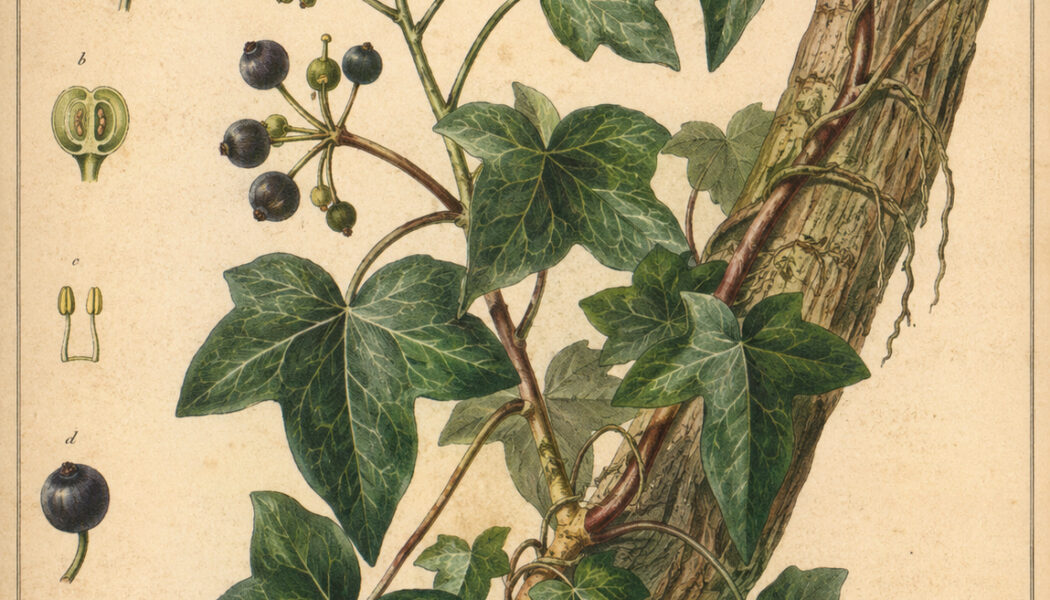

English Ivy: A Sacred Vine in Nature, Paganism, and Witchcraft
English Ivy (Hedera helix) is a hardy evergreen climbing plant native to Europe and western Asia. It is well known for its glossy, dark green leaves and its ability to climb walls, trees, and fences u...
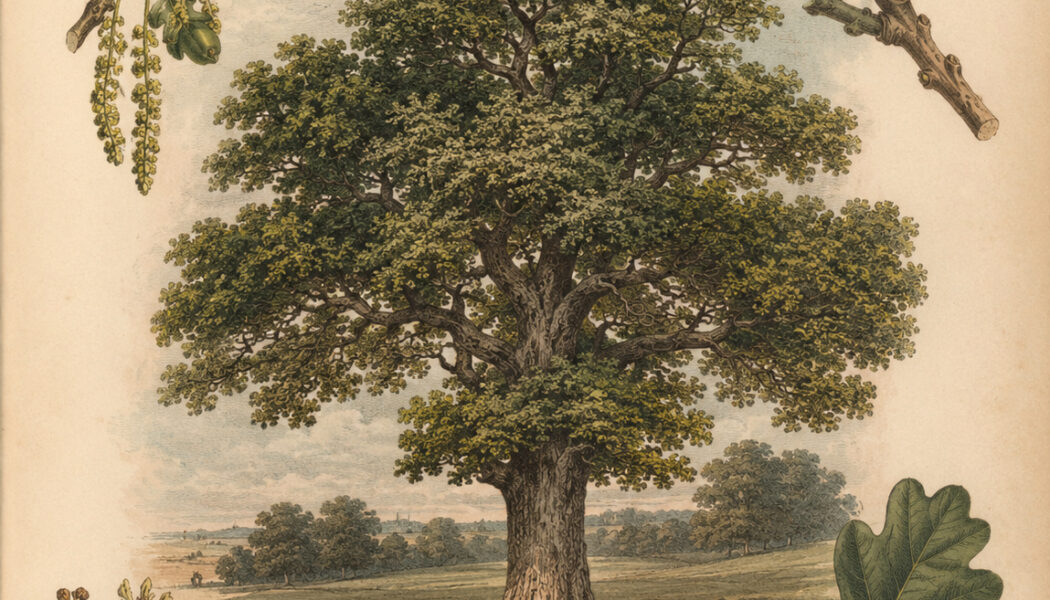

The English Oak: A Sacred Tree of Strength and Magic
The English Oak (Quercus robur) is one of Britain’s most well-known and respected native trees. It can live for hundreds of years, with some ancient specimens surviving for over a thousand years...
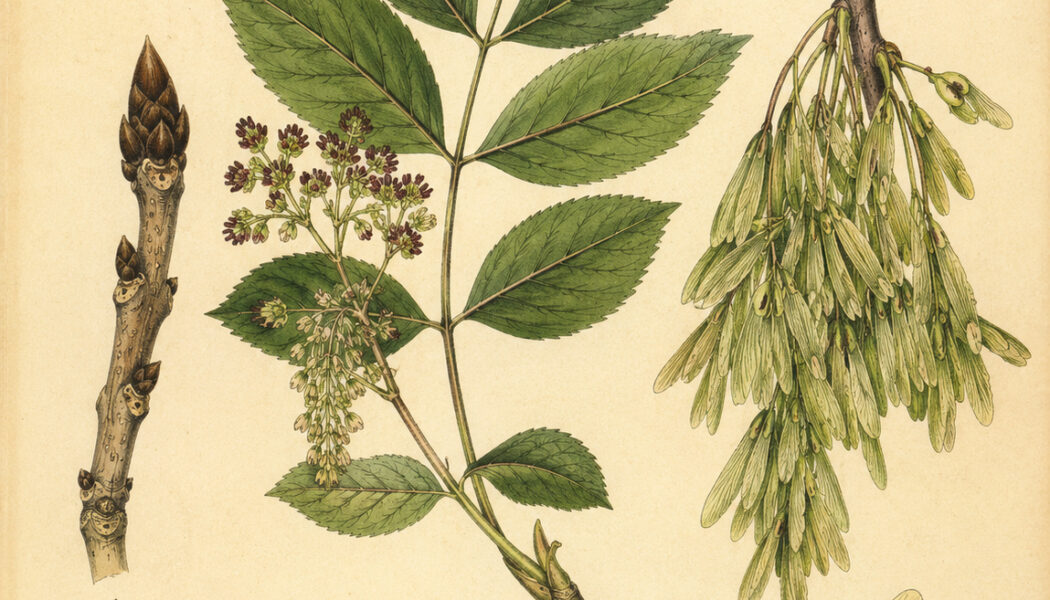

European Ash: The Sacred Tree of Wisdom and Protection
The European Ash (Fraxinus excelsior) is a tall, graceful deciduous tree native to much of Europe and parts of western Asia. It can grow up to 40 metres (130 feet) in height and is easily recognised b...
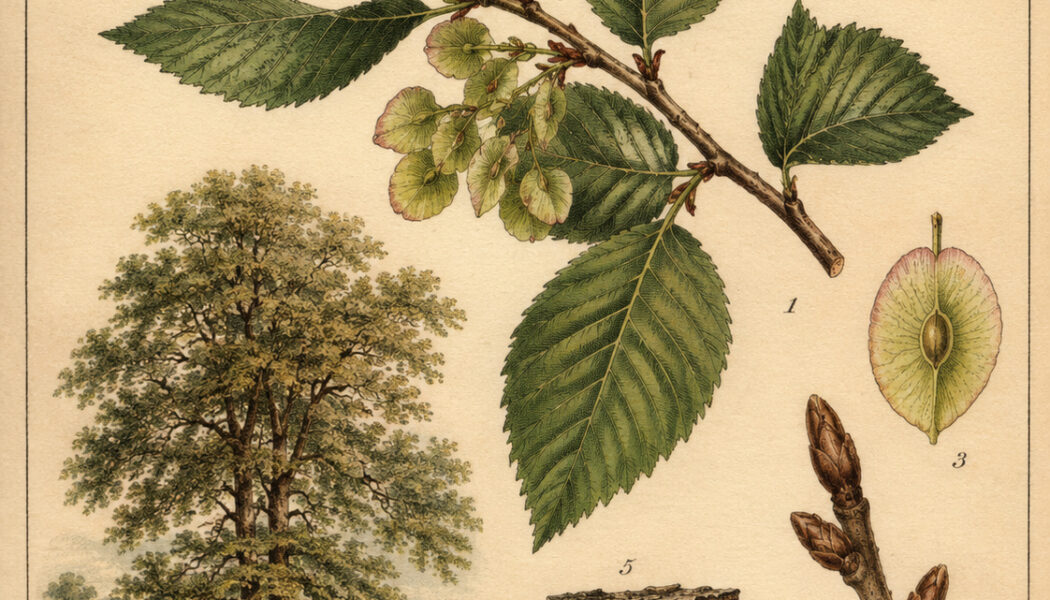

Elm: The Tree of Strength, Wisdom, and Magical Protection
The elm is a tall, graceful tree that has been valued for centuries because of its beauty, strength, and usefulness. Found across Europe, Asia, and North America, elm trees are known for their broad c...
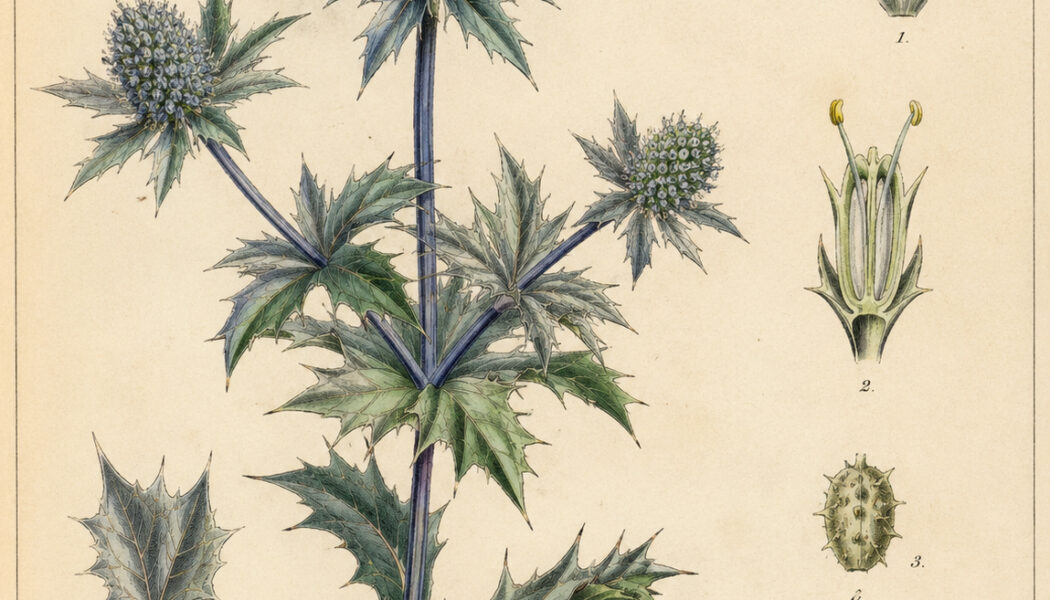

Eryngo: The Protective Thistle of Paganism and Witchcraft
Eryngo (Eryngium species), often called sea holly or eryngo, is a striking plant known for its spiky blue or silver flower heads and thorny leaves. Although it resembles a thistle, it belongs to the p...
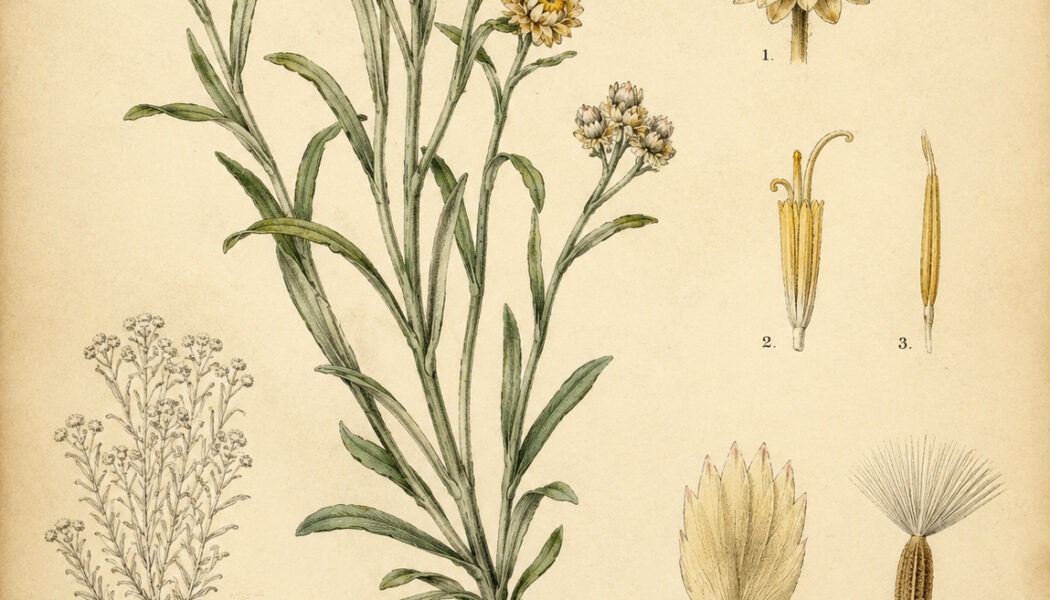

Everlasting: A Sacred Flower of Memory and Protection
Everlasting is the common name for several plants with flowers that keep their shape and color long after they have dried, including species of Helichrysum and Anaphalis. Their papery blossoms have ma...
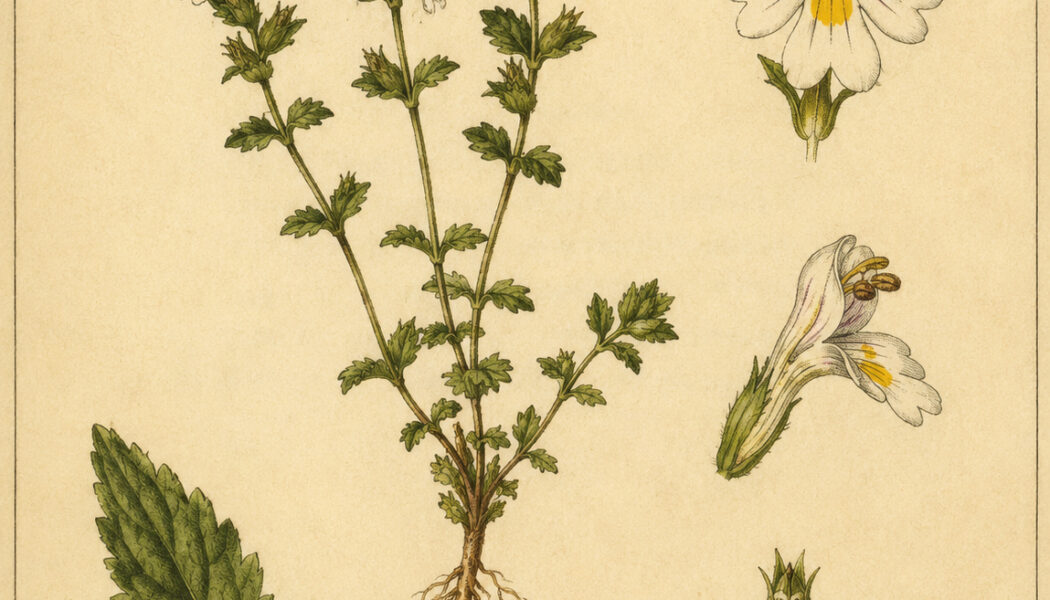

Eyebright: A Magical Herb of Clarity and Vision
Eyebright (Euphrasia officinalis) is a small flowering herb that grows in meadows, grasslands, and open countryside across Europe and parts of Asia. It is easily recognized by its delicate white or pa...
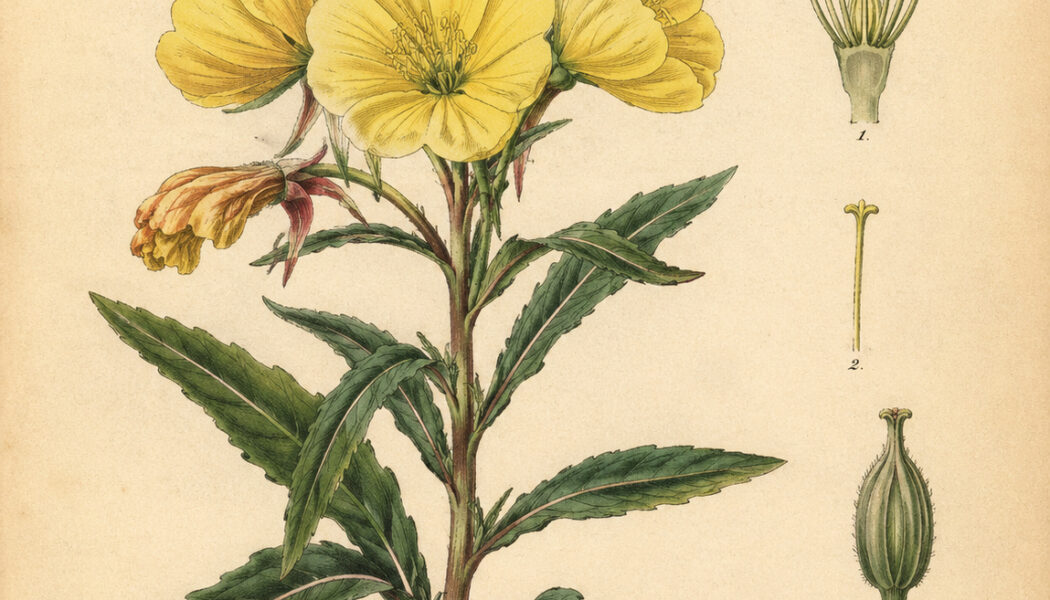

Evening Primrose: A Moonlit Flower in Nature, Paganism, and Witchcraft
Evening Primrose (Oenothera biennis) is a beautiful wildflower best known for its bright yellow blossoms that open at dusk and remain visible through the night. Native to North America, it has spread ...
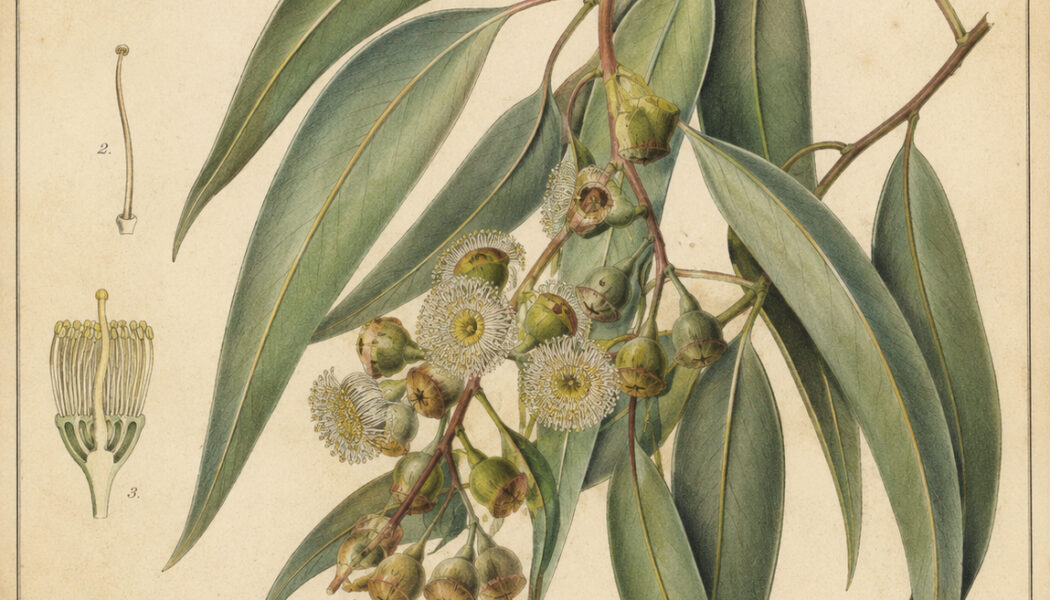

Eucalyptus: A Tree of Healing, Protection, and Spiritual Renewal
Eucalyptus is a group of evergreen trees and shrubs native to Australia, although it is now grown in many parts of the world. Known for its smooth bark, long, narrow leaves, and fresh, invigorating sc...
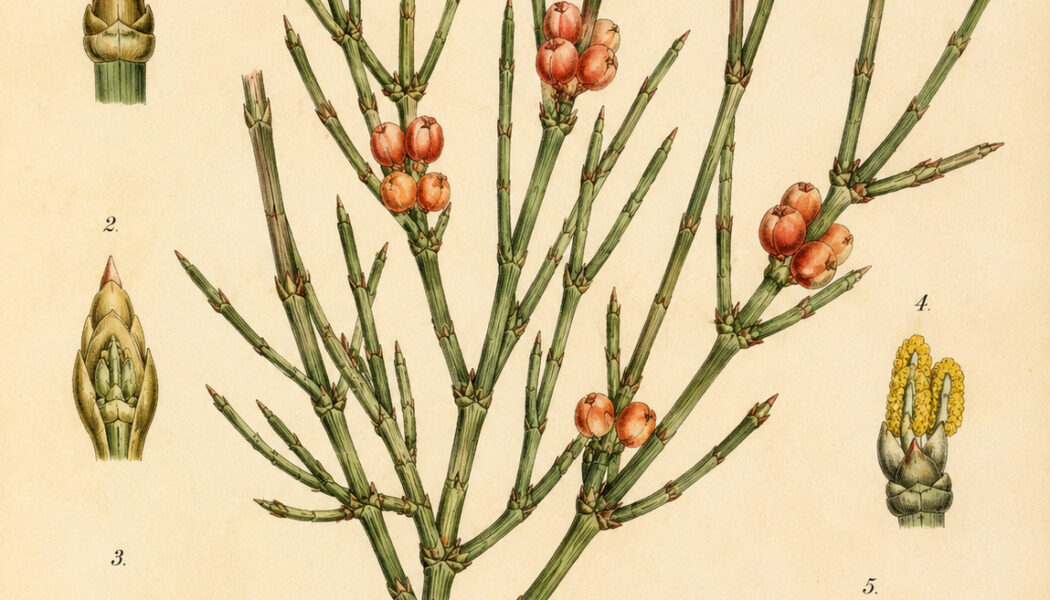

Ephedra: An Ancient Desert Plant in Paganism and Witchcraft
Ephedra is a hardy, shrub-like plant that grows naturally in dry deserts and mountainous regions across Asia, Europe, North America, and parts of Africa. Sometimes called “Mormon tea” or &...
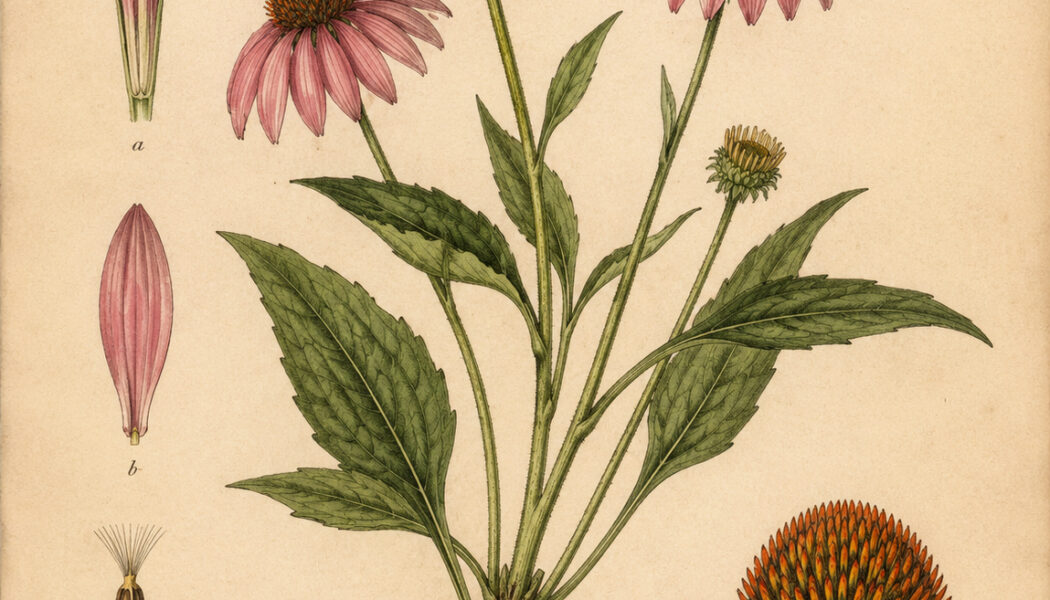

Echinacea: A Sacred Healing Herb in Paganism and Witchcraft
Echinacea is a hardy flowering plant native to North America, best known for its striking purple-pink petals and spiky central cone. Belonging to the daisy family, it blooms throughout the summer and ...
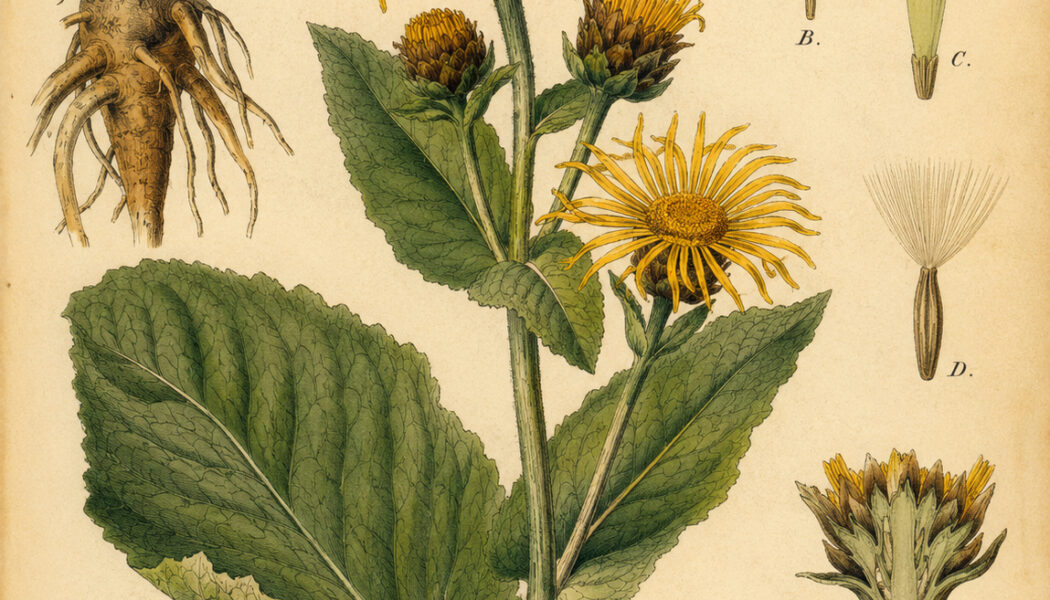

Elecampane: The Healing Herb of Sunlight, Spirit, and Sacred Magic
Elecampane (Inula helenium) is a tall, striking perennial herb with bright yellow, daisy-like flowers and large, textured leaves. Native to Europe and parts of Asia, it has been valued for thousands o...
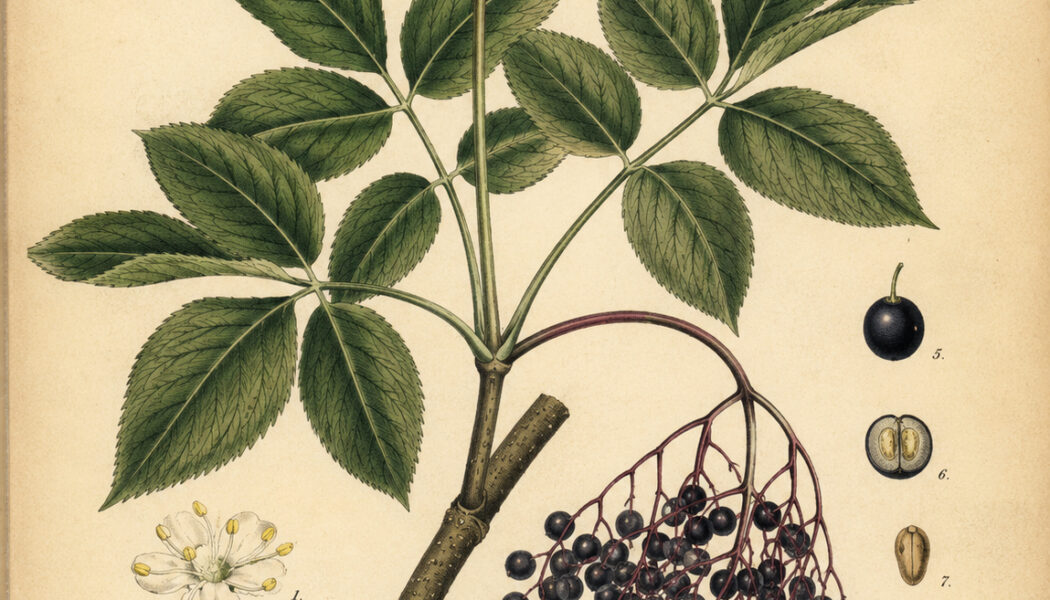

Elder: The Sacred Tree of Protection and Transformation
The Elder (commonly known as elder or elderberry) is a small tree or large shrub that has been valued for centuries for both its practical uses and its spiritual significance. Recognized by its creamy...
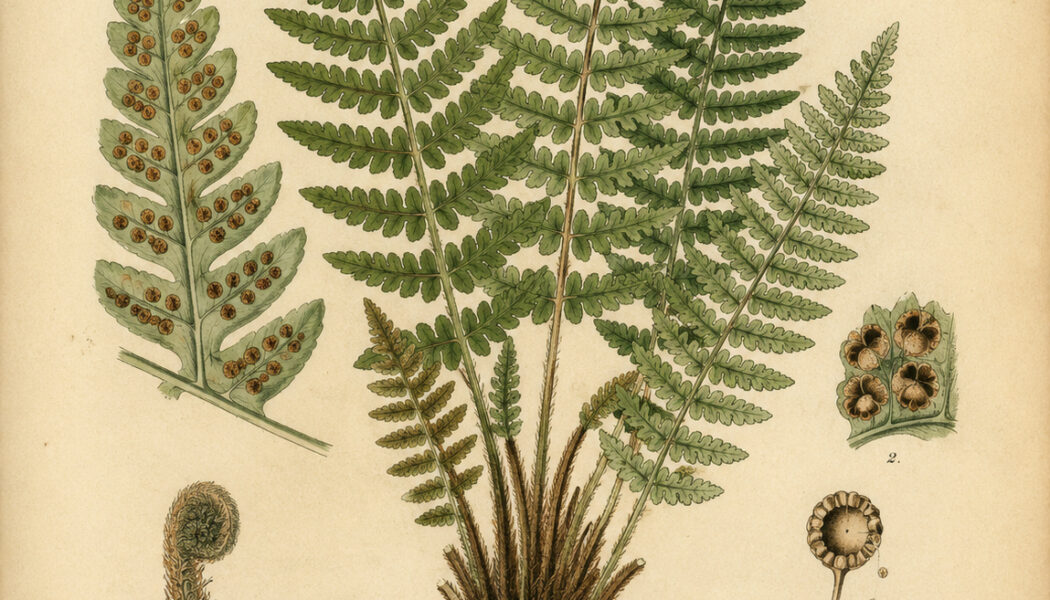

Dryopteris: The Woodland Fern in Paganism and Witchcraft
Dryopteris, commonly known as the wood fern, is a genus of hardy ferns that thrives in shaded forests and damp woodland habitats across Europe, Asia, North America, and parts of Africa. Unlike floweri...
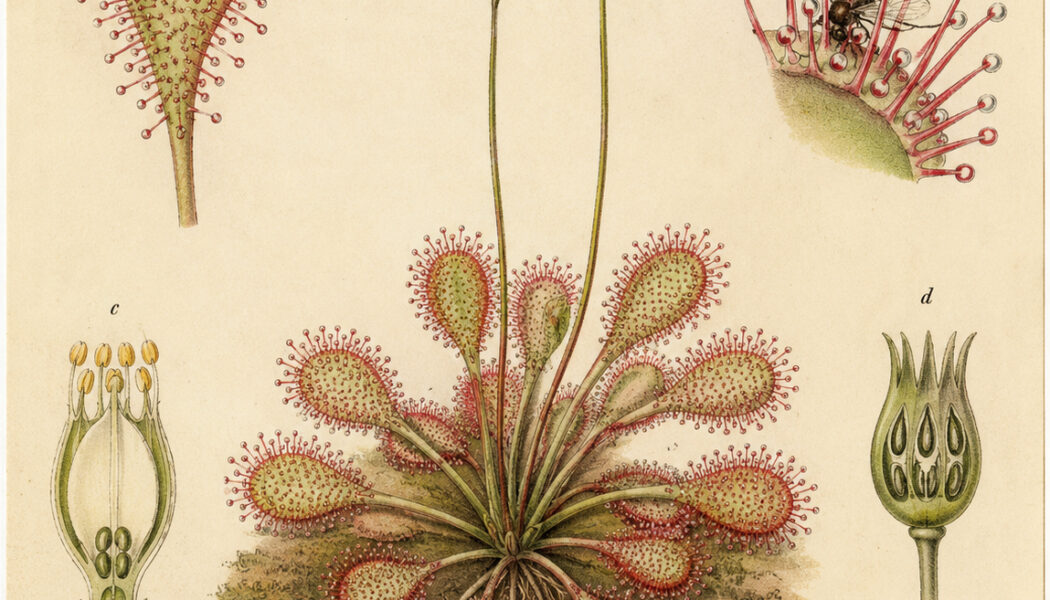

Drosera: The Enchanting Sundew in Nature, Paganism, and Witchcraft
Drosera, commonly known as sundew, is a fascinating group of carnivorous plants found across Europe, North America, Australia, Asia, and Africa. Named after the Greek word drosos, meaning “dew,&...
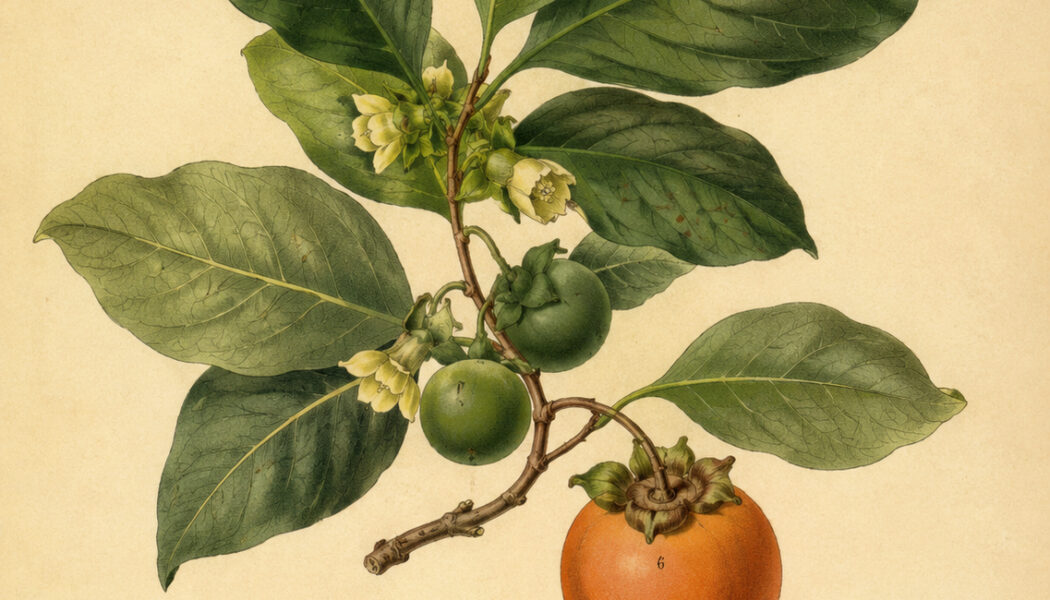

Diospyros: The Sacred Ebony Tree in Paganism and Witchcraft
The genus Diospyros includes more than 700 species of trees and shrubs, most famously the persimmon and ebony trees. Native to tropical and temperate regions around the world, these plants have long b...
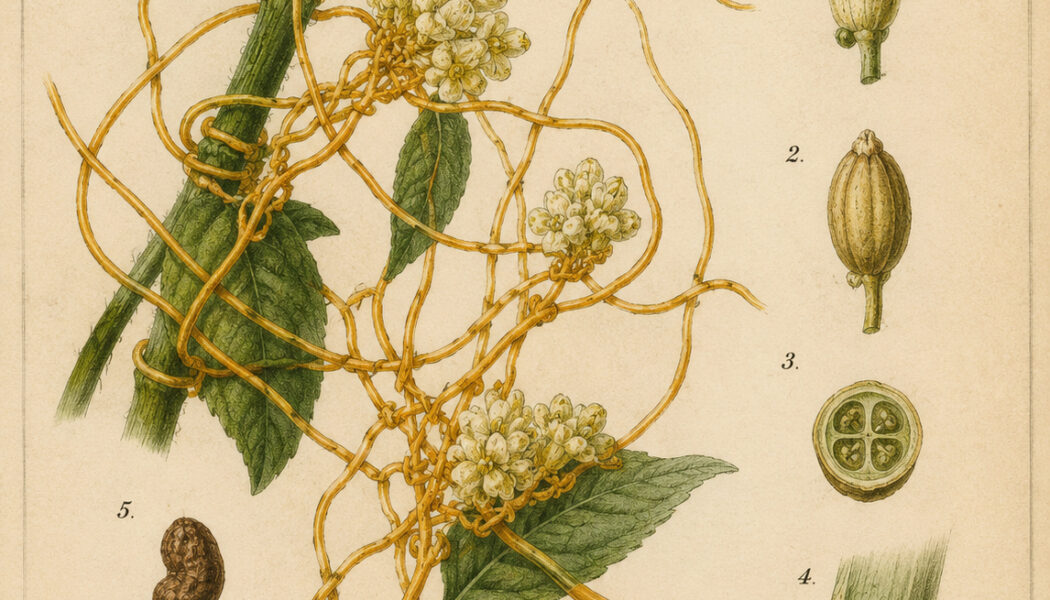

Dodder: The Tangled Vine of Binding Magic
Dodder (Cuscuta species) is one of the world’s most unusual plants. Unlike most plants, it has little or no chlorophyll, meaning it cannot produce enough of its own food through photosynthesis. ...
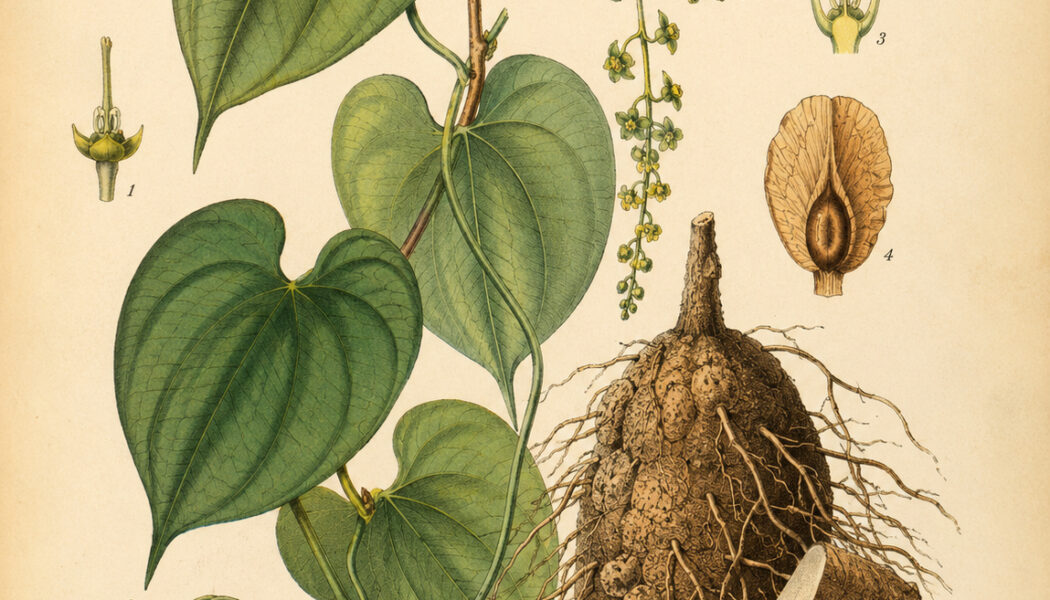

Dioscorea: The Sacred Yam in Paganism and Witchcraft
Dioscorea, commonly known as wild yam or yam, is a genus of climbing vines that produces underground tubers. Found throughout Africa, Asia, and the Americas, many species have long been valued as impo...
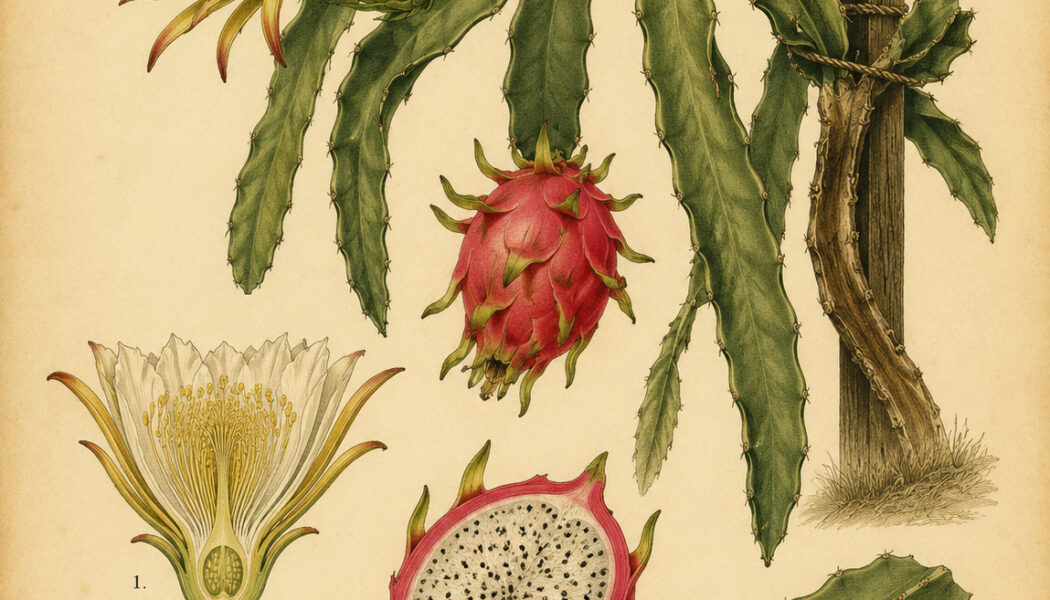

Dragon Fruit Cactus: A Symbol of Resilience, Abundance, and Magical Growth
The Dragon Fruit Cactus (Selenicereus undatus, formerly Hylocereus undatus) is a climbing cactus native to Central and South America that is now grown throughout tropical and subtropical regions aroun...
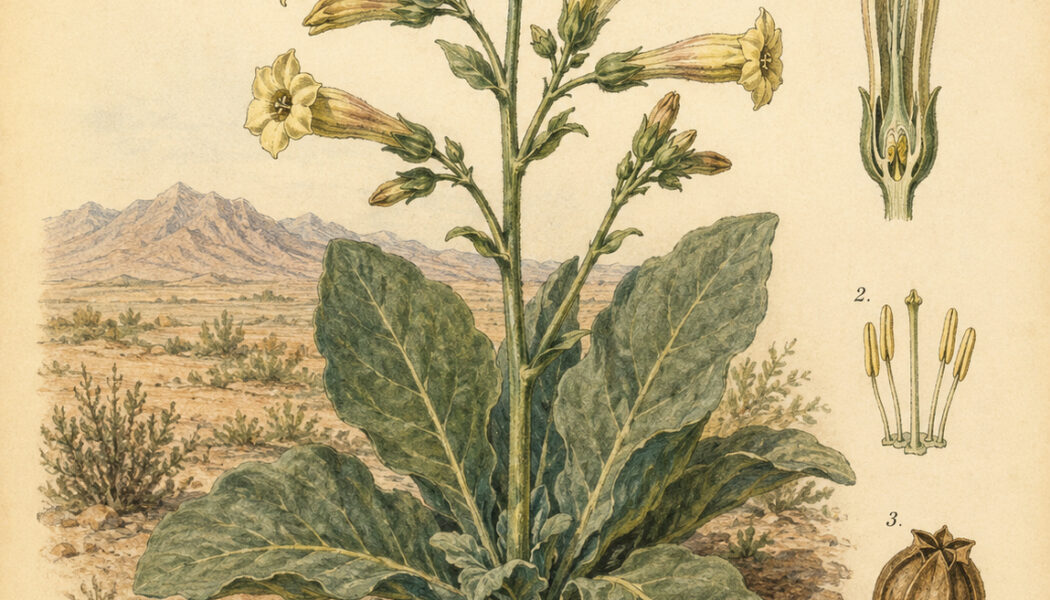

Desert Tobacco: A Sacred Plant in Paganism and Witchcraft
Desert Tobacco (Nicotiana attenuata) is a hardy flowering plant native to the arid regions of North America. Closely related to cultivated tobacco, it thrives in dry soils and is known for its pale gr...
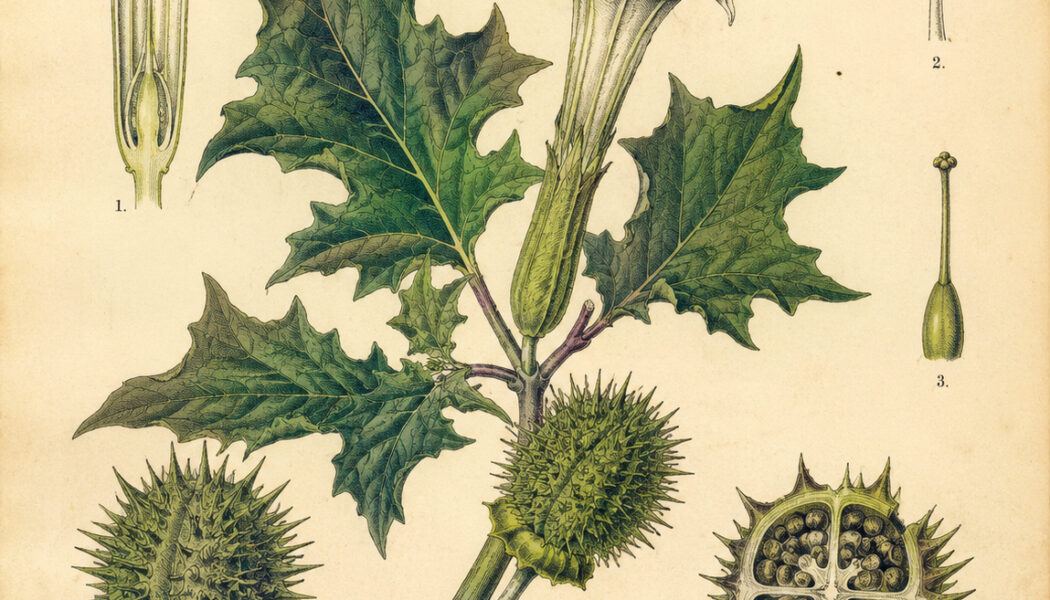

Devil’s Apple: The Mysterious Plant of Magic and Myth
Devil’s Apple is one of the common names for Datura, a group of flowering plants belonging to the nightshade family. Recognizable by its large trumpet-shaped flowers and spiky seed pods, the pla...
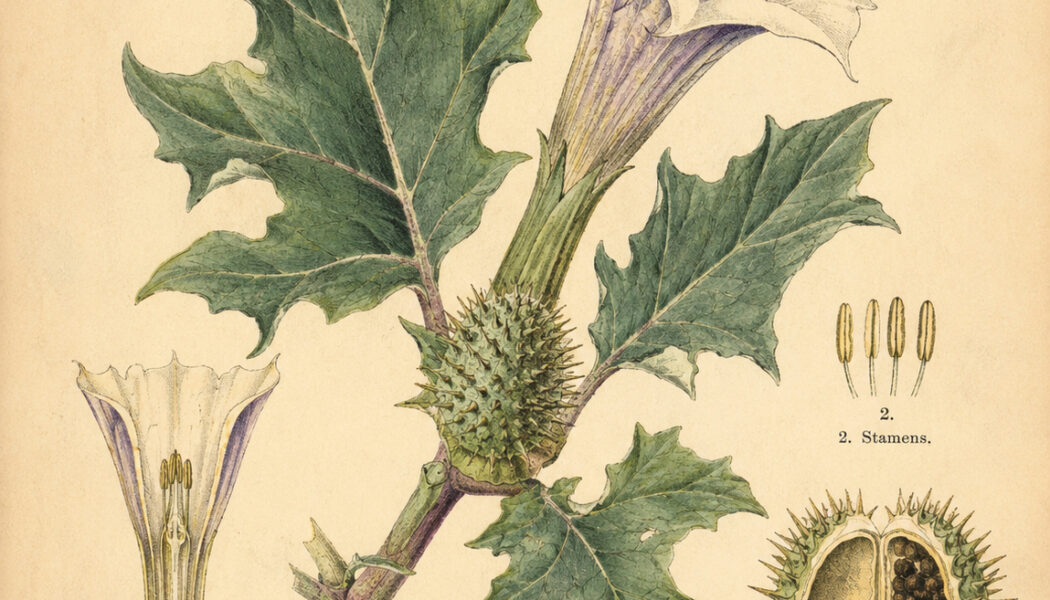

Downy Thorn Apple: A Powerful and Mysterious Plant in Paganism and Witchcraft
Downy Thorn Apple (Datura inoxia), also known as Moonflower, Sacred Datura, or Toloache, is a striking plant recognized by its large white trumpet-shaped flowers, soft grey-green leaves, and spiny see...
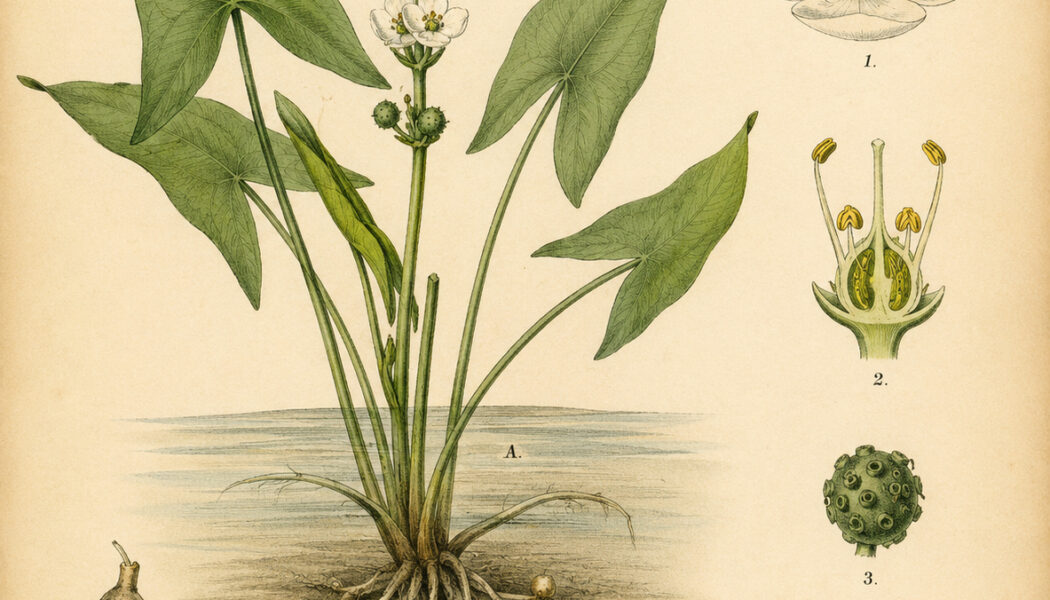

Duck Potato: A Plant of Nourishment, Adaptability, and Quiet Magic
Duck Potato (Sagittaria latifolia), also known as Broadleaf Arrowhead or Wapato, is a perennial aquatic plant that grows in shallow ponds, marshes, wetlands, and slow-moving streams throughout North A...
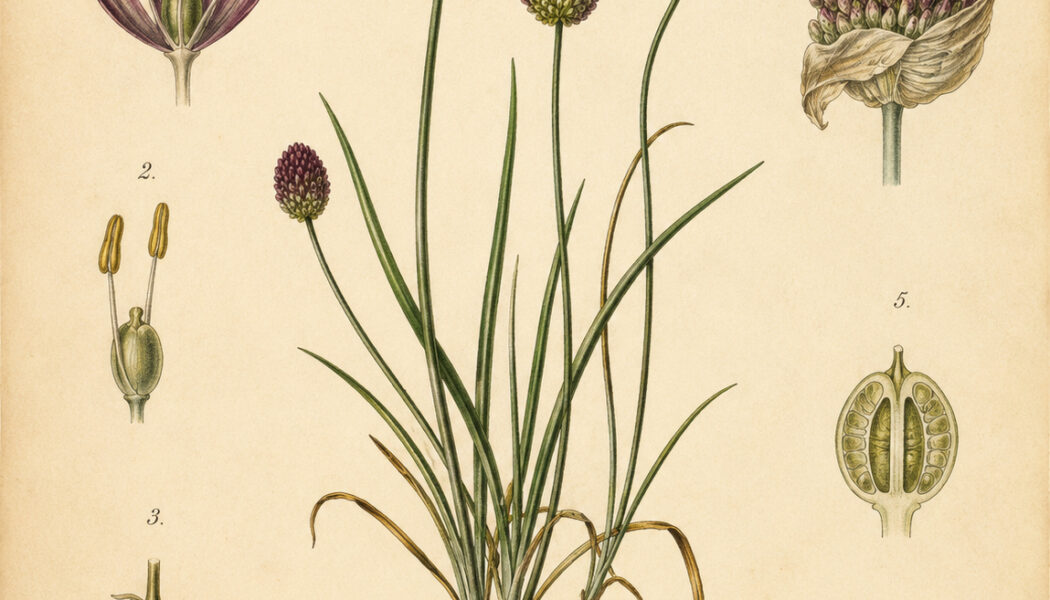

Drumstick Allium: A Magical Bloom of Protection and Prosperity
Drumstick Allium (Allium sphaerocephalon) is a striking flowering plant known for its tall stems and small, egg-shaped flower heads that change from green to rich burgundy-purple as they mature. Bloom...
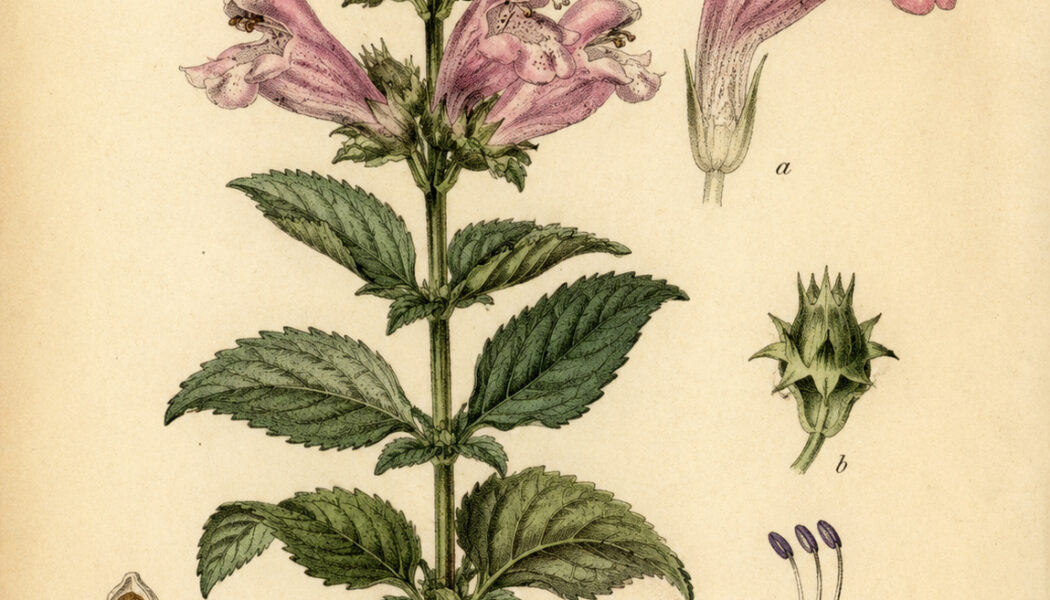

Dragonhead: A Mystical Herb of Protection, Wisdom, and Spiritual Connection
Dragonhead (Dracocephalum moldavica), sometimes called Moldavian balm, is a fragrant flowering herb belonging to the mint family. Native to parts of Eastern Europe and Central Asia, it is admired for ...
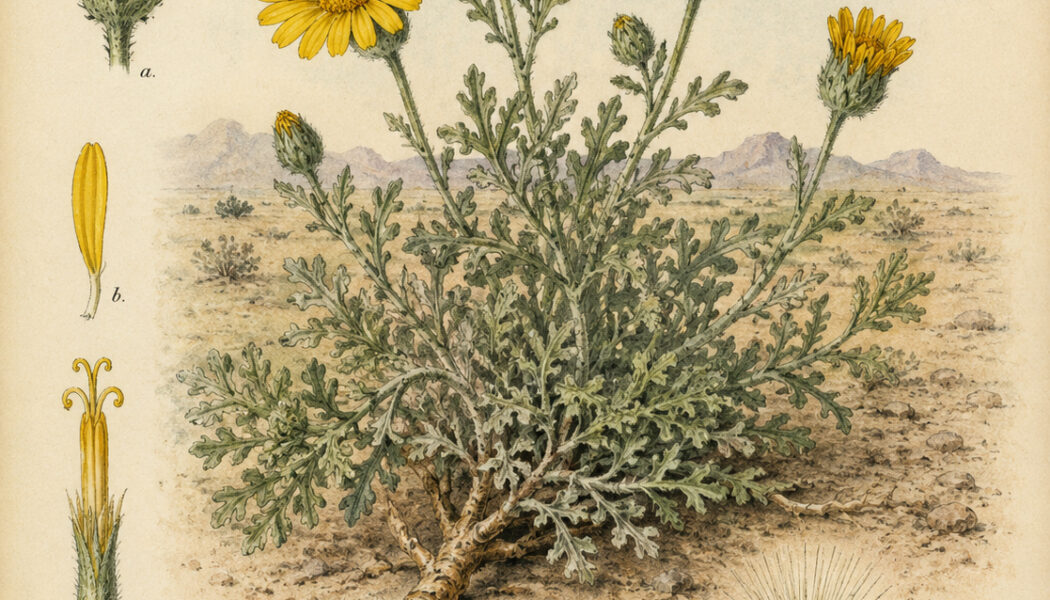

Desert Marigold: A Sunlit Flower of Protection, Resilience, and Sacred Renewal
Desert Marigold (Baileya multiradiata) is a hardy wildflower native to the deserts of the southwestern United States and northern Mexico. Recognizable by its bright golden-yellow, daisy-like flowers a...
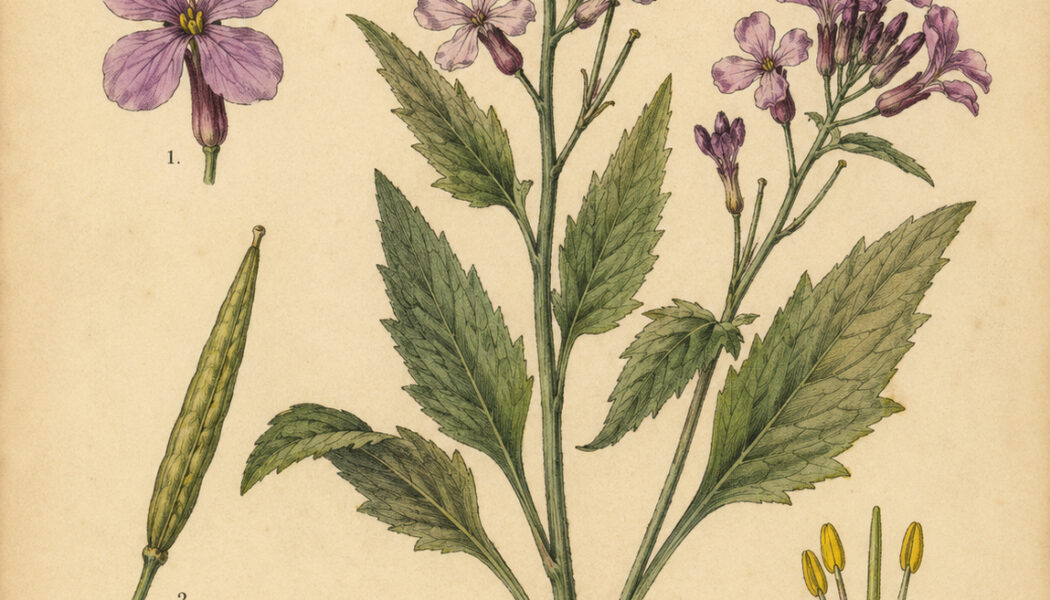

Dyer’s Rocket: A Plant of Colour, Transformation, and Magical Tradition
Dyer’s Rocket (Reseda luteola), also known as Weld, is a tall flowering plant that has been valued for thousands of years as one of the finest natural sources of bright yellow dye. Native to Eur...
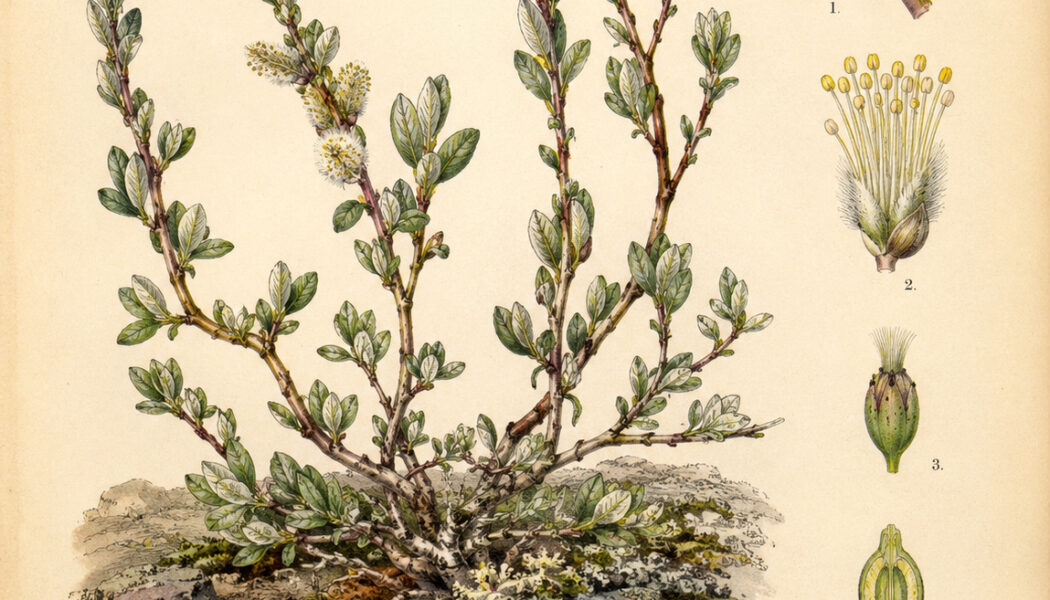

Dwarf Willow: A Symbol of Resilience in Paganism and Witchcraft
The Dwarf Willow (Salix herbacea) is one of the world’s smallest woody plants, growing only a few centimetres tall. Found in cold, mountainous regions across Europe, Asia, and North America, it ...
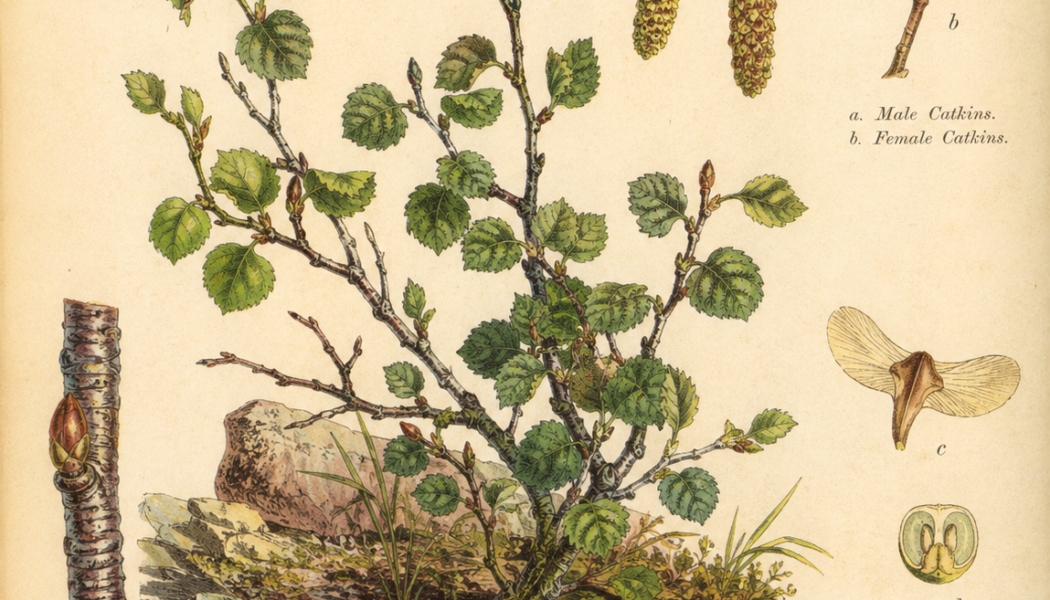

Dwarf Birch: A Hardy Symbol of Resilience in Paganism and Witchcraft
The Dwarf Birch (Betula nana) is a small, hardy shrub that thrives in cold northern regions, including the Arctic, Scandinavia, Scotland, and other mountainous landscapes. Unlike its tall birch relati...
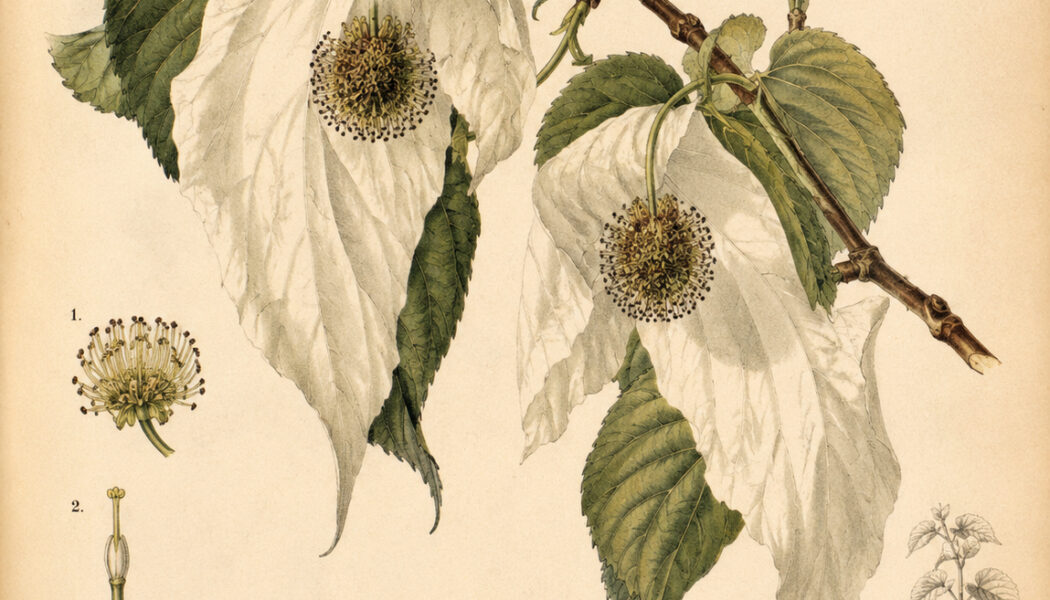

The Dove Tree: A Symbol of Peace, Mystery, and Spiritual Renewal
The Dove Tree (Davidia involucrata), also known as the Handkerchief Tree or Ghost Tree, is a rare deciduous tree native to the mountain forests of central China. It is best known for its spectacular s...
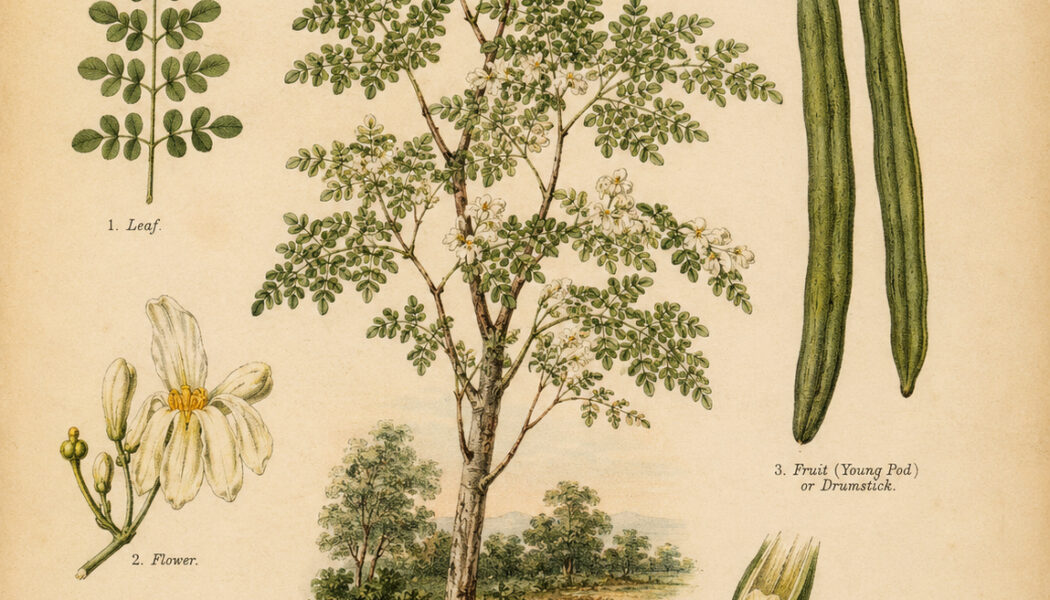

The Drumstick Tree: A Sacred Plant of Healing, Protection, and Spiritual Strength
The Drumstick Tree (Moringa oleifera), often called the “Miracle Tree,” is a fast-growing plant native to the Indian subcontinent but now cultivated throughout tropical and subtropical reg...
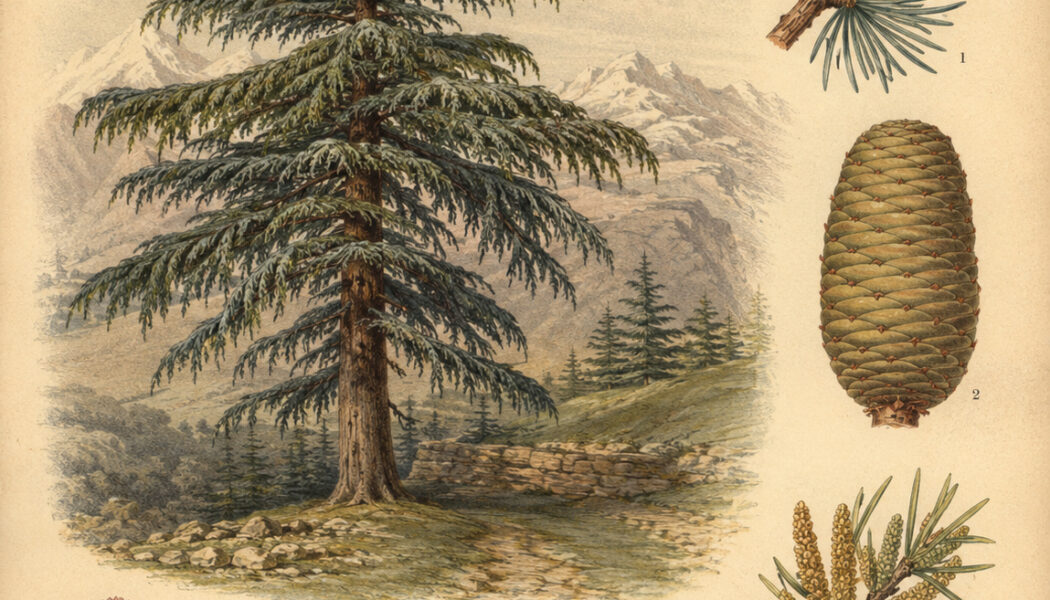

Deodar Cedar: The Sacred Tree of Strength, Protection, and Spiritual Wisdom
The Deodar Cedar (Cedrus deodara) is a majestic evergreen tree native to the Himalayan Mountains, where it can grow over 60 metres (200 feet) tall and live for hundreds of years. Its name comes from t...
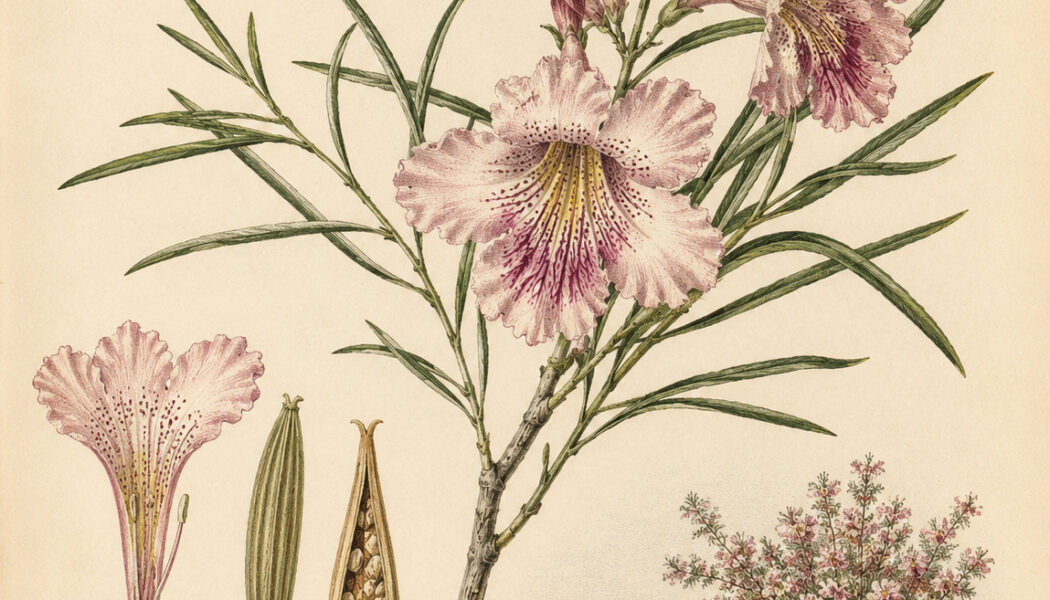

Desert Willow: A Tree of Resilience, Transformation, and Spiritual Growth
Despite its name, the Desert Willow (Chilopsis linearis) is not a true willow but a flowering tree native to the deserts and dry riverbeds of the southwestern United States and northern Mexico. Known ...
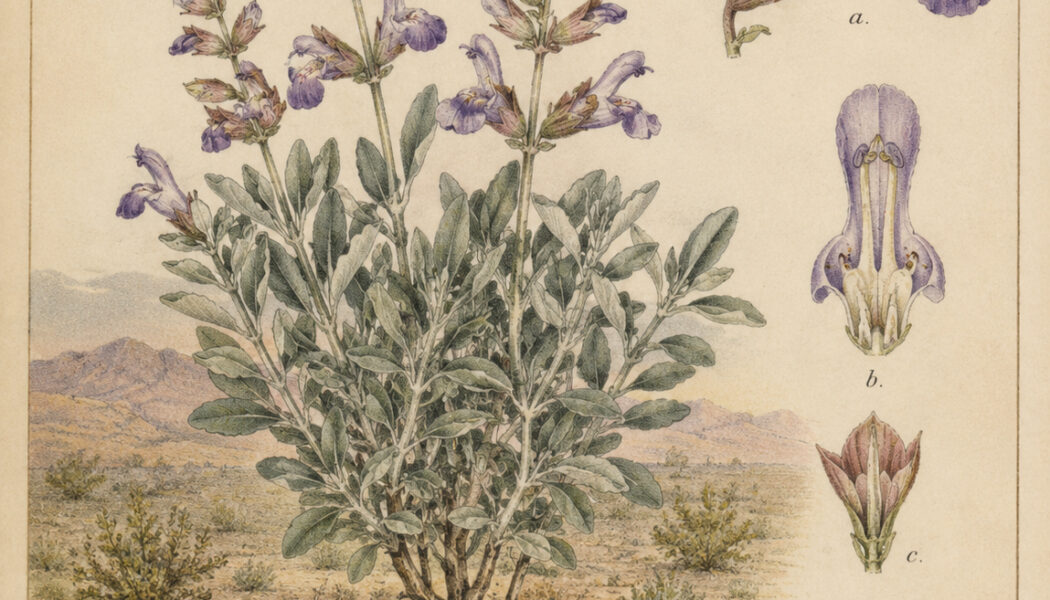

Desert Sage: A Sacred Plant in Paganism and Witchcraft
Desert Sage is a hardy, aromatic plant that grows naturally in dry regions of North America. Despite its common name, Desert Sage is not a true culinary sage (Salvia) but is usually a species of Artem...
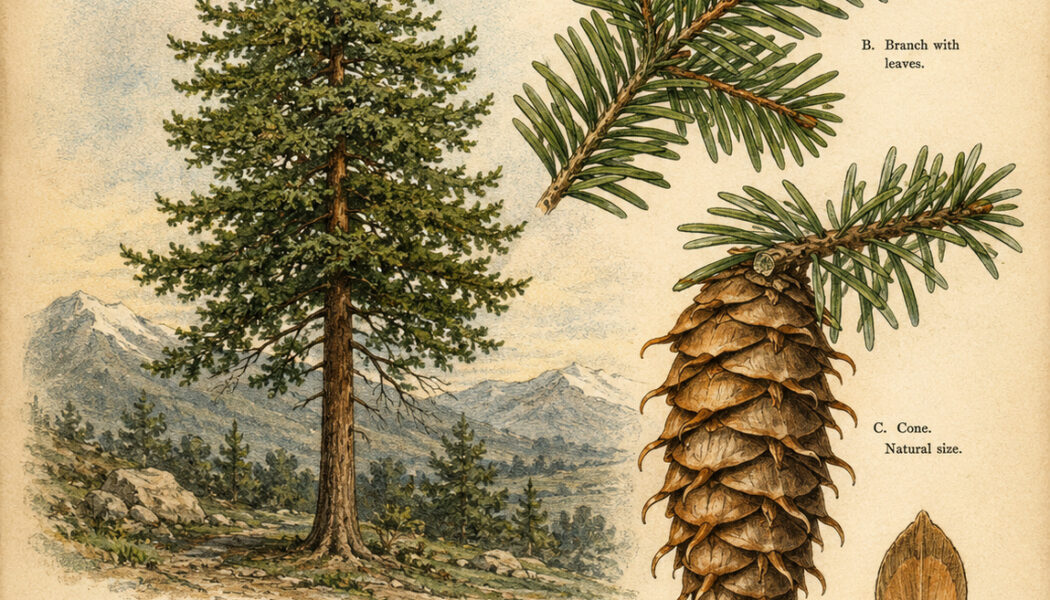

Douglas Fir: A Tree of Strength, Protection, and Spiritual Renewal
The Douglas fir (Pseudotsuga menziesii) is a majestic evergreen tree native to western North America. Despite its common name, it is not a true fir but belongs to its own unique group of conifers. Kno...
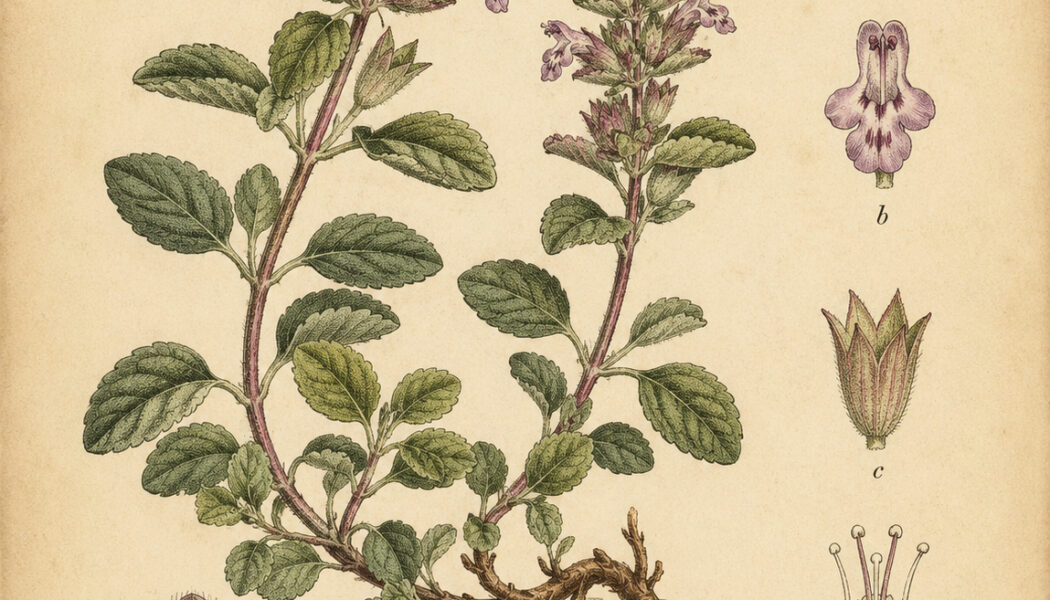

Dittany: The Magical Herb of Protection and Healing
Dittany is a small, aromatic herb that has been treasured for centuries for both its medicinal properties and its rich place in folklore, paganism, and witchcraft. The name “dittany” most ...
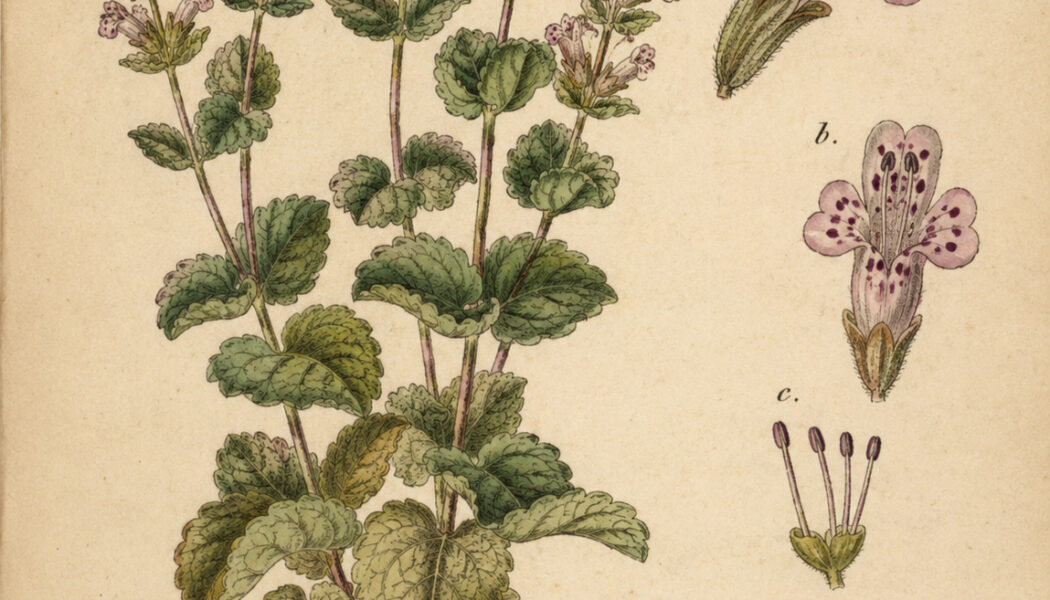

Dittany of Crete: The Sacred Herb of Healing, Paganism, and Witchcraft
Dittany of Crete (Origanum dictamnus) is a rare and aromatic herb that grows naturally on the rocky cliffs of the Greek island of Crete. With its soft, silvery-green leaves and delicate pink flowers, ...
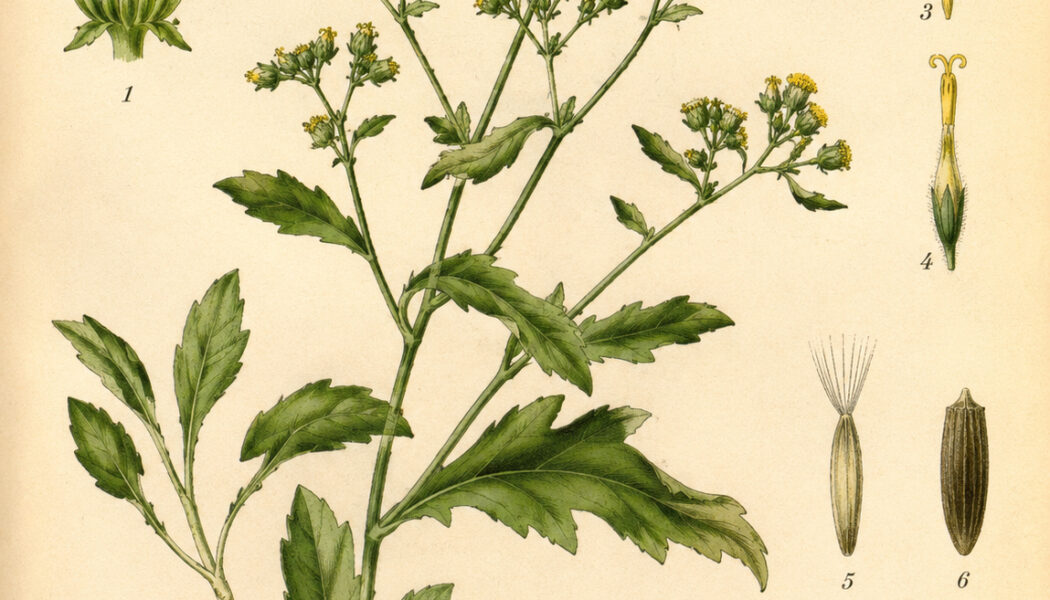

Dyer’s Greenweed: A Bright Plant of Colour, Protection, and Folk Magic
Dyer’s Greenweed (Genista tinctoria) is a hardy flowering shrub native to Europe and parts of western Asia. Known for its clusters of vivid yellow flowers that bloom throughout the summer, this ...
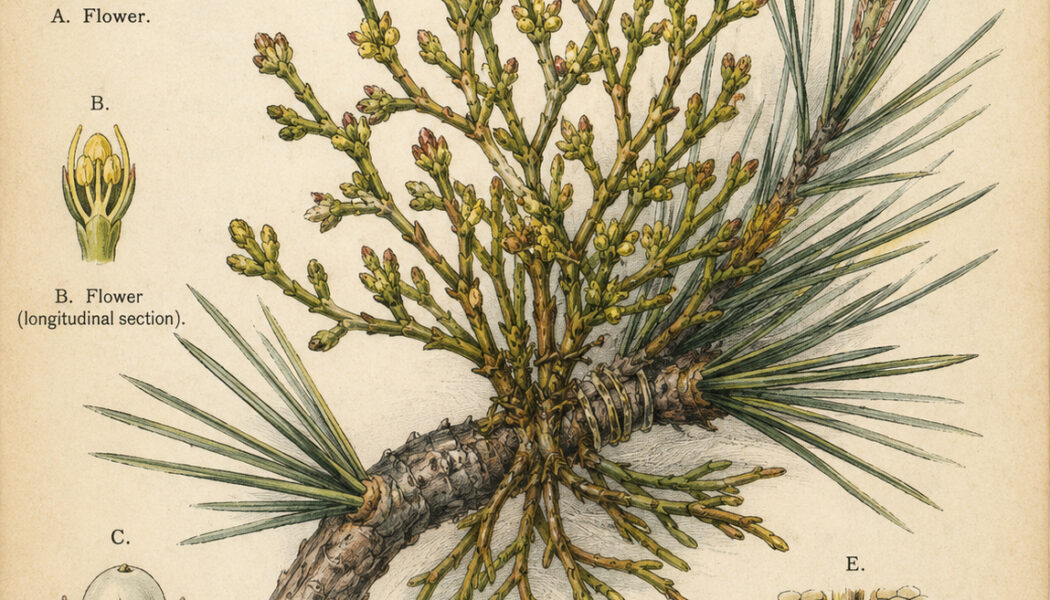

Dwarf Mistletoe: A Tiny Plant with Powerful Symbolism
Dwarf mistletoe (Arceuthobium species) is a small parasitic plant that grows on conifer trees such as pines, firs, and spruces. Unlike the familiar Christmas mistletoe with its green leaves and white ...
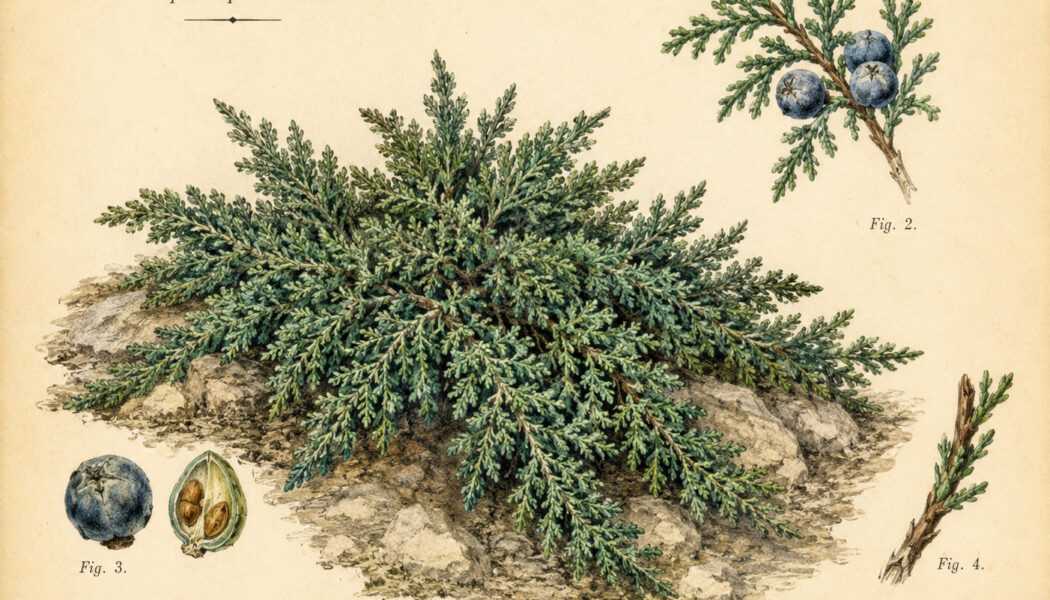

Dwarf Juniper: A Sacred Evergreen of Protection and Endurance
Dwarf Juniper is a small, hardy evergreen shrub belonging to the Juniperus genus. Found growing across cold mountains, rocky hillsides, and windswept landscapes, it is admired for its dense, needle-li...
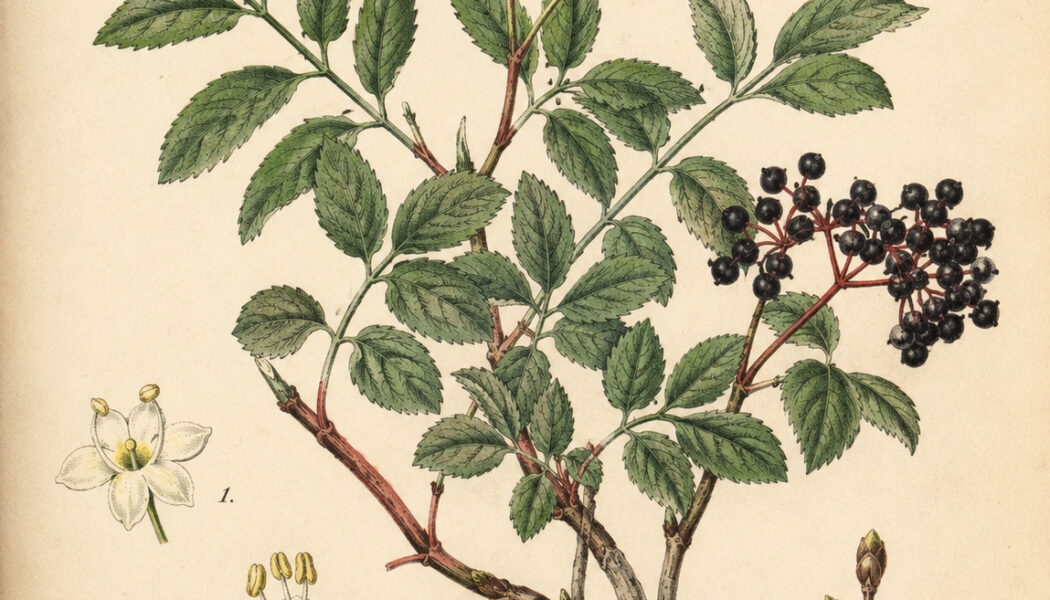

Dwarf Elder: A Mysterious Plant of Protection and Folklore
Dwarf Elder (Sambucus ebulus), sometimes known as Danewort, is a hardy perennial plant native to much of Europe and western Asia. Unlike the familiar elder tree, Dwarf Elder grows as a herbaceous plan...
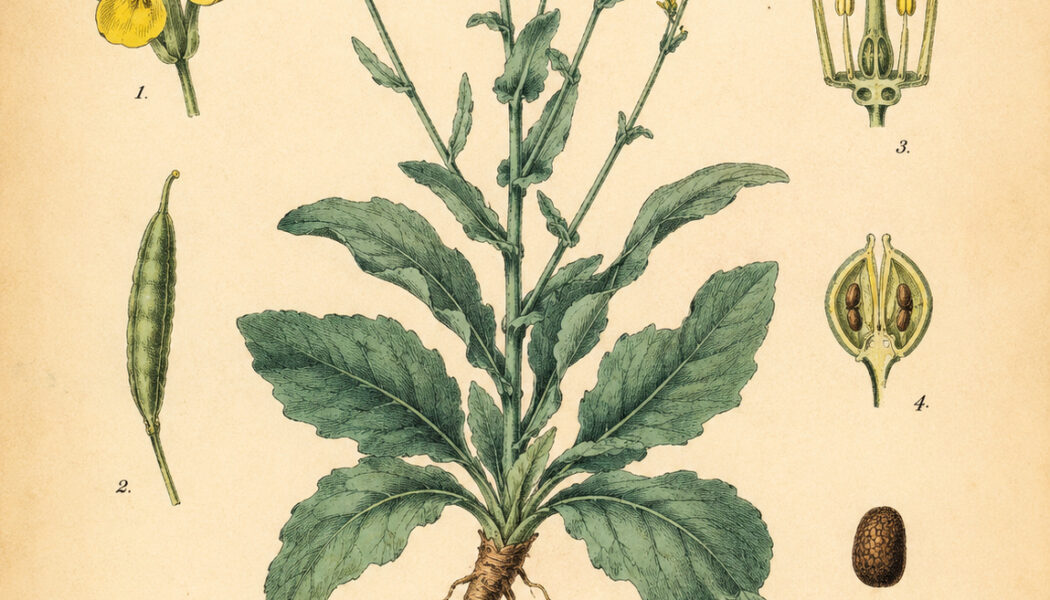

Dyer’s Woad: The Ancient Blue Plant of Magic and Transformation
Dyer’s Woad (Isatis tinctoria) is a hardy flowering plant best known for producing a rich blue dye that has been valued for thousands of years. Native to parts of Europe and Asia, it grows tall ...
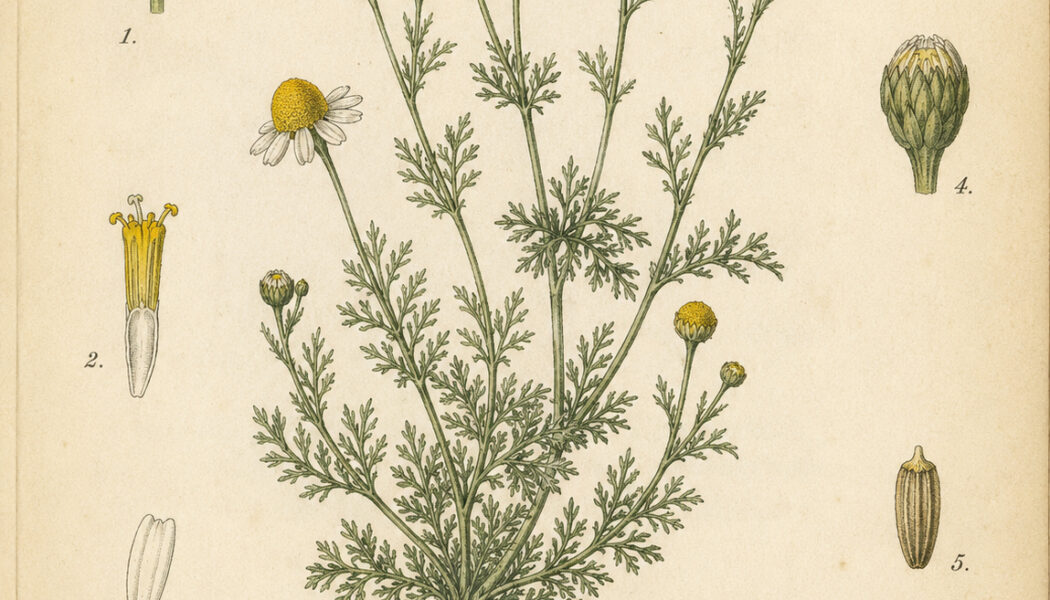

Dyer’s Chamomile: The Golden Herb of Colour, Sun Magic, and Prosperity
Dyer’s Chamomile (Cota tinctoria), formerly known as Anthemis tinctoria, is a cheerful perennial herb recognized for its bright golden-yellow, daisy-like flowers. Native to Europe and western As...
Dutchman’s Pipe: A Mysterious Vine in Nature, Paganism, and Witchcraft
Dutchman’s Pipe (Aristolochia macrophylla) is a striking climbing vine known for its large, heart-shaped leaves and unusual pipe-shaped flowers, which resemble the curved smoking pipes once popu...
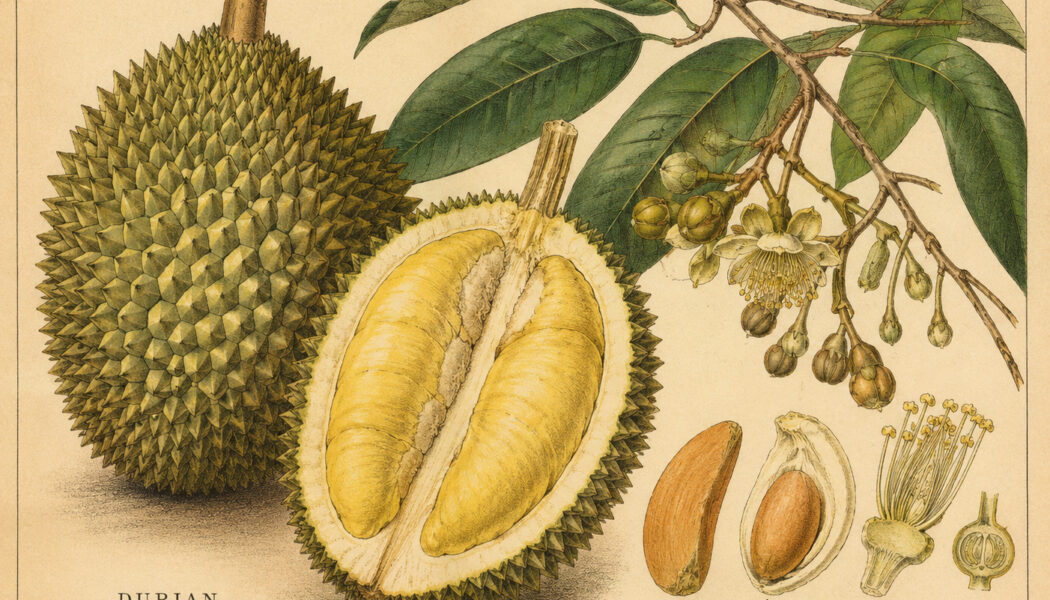

Durian: The King of Fruits in Folklore, Paganism, and Witchcraft
Durian (Durio zibethinus) is a large tropical fruit native to Southeast Asia, where it is often called the “King of Fruits.” It is famous for its thick, spiky shell and creamy flesh, as we...
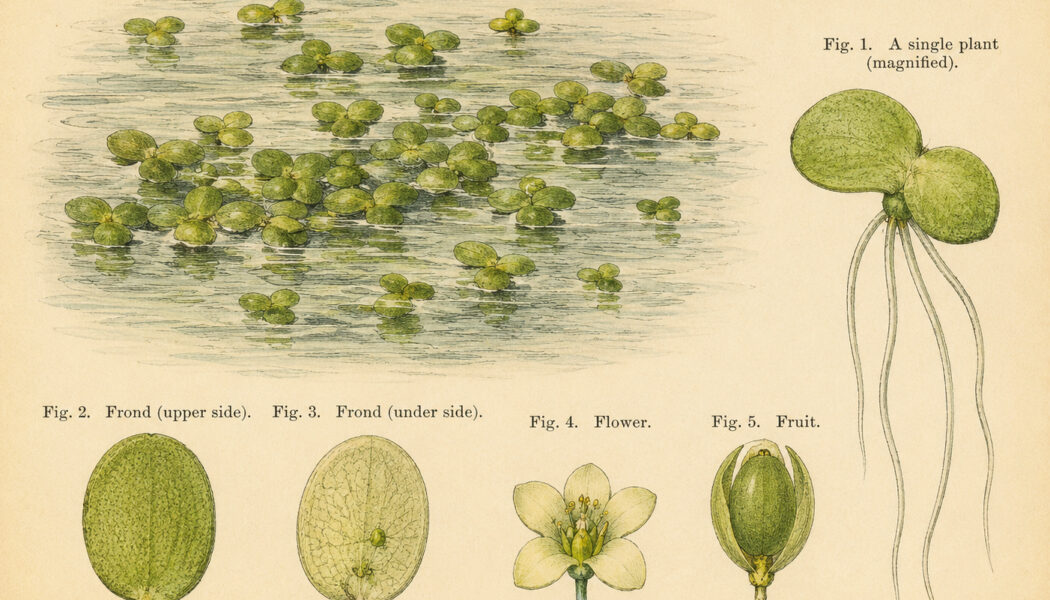

Duckweed: The Tiny Plant of Still Waters and Quiet Magic
Duckweed (Lemna species) is one of the world’s smallest flowering plants, floating peacefully on the surface of ponds, lakes, marshes, and slow-moving streams. Despite its tiny size, it plays an...
Dragon Tree: A Sacred Plant of Strength, Protection, and Magical Power
The Dragon Tree is an unusual and ancient-looking plant that has fascinated people for centuries. Best known for its thick trunk, sword-shaped leaves, and striking appearance, several species belong t...
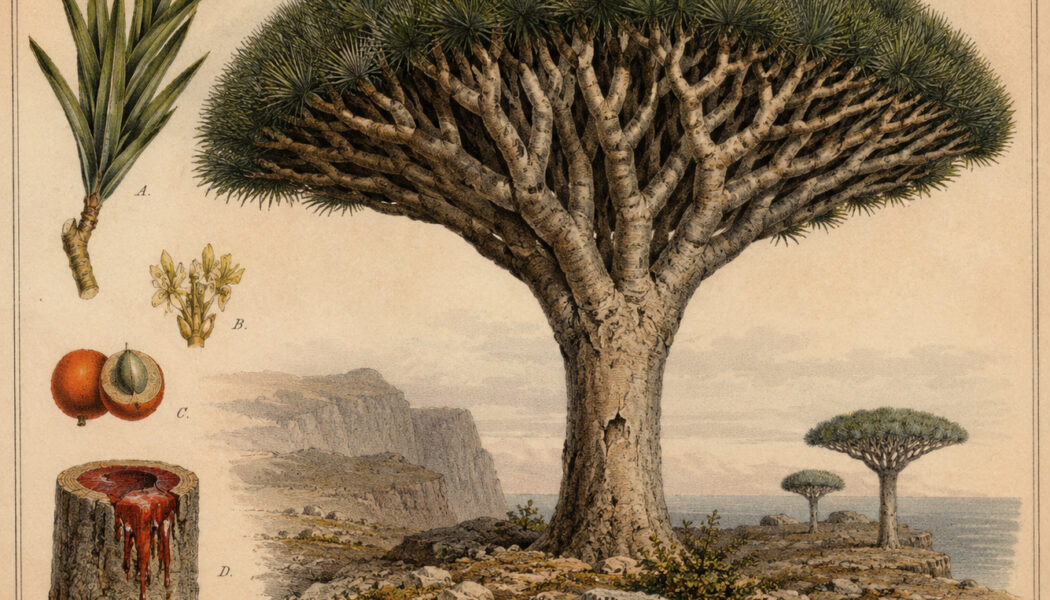

The Dragon’s Blood Tree: A Sacred Symbol in Nature, Paganism, and Witchcraft
The Dragon’s Blood Tree (Dracaena cinnabari) is one of the world’s most unusual and fascinating trees. Native to the island of Socotra, off the coast of Yemen, it is easily recognized by i...
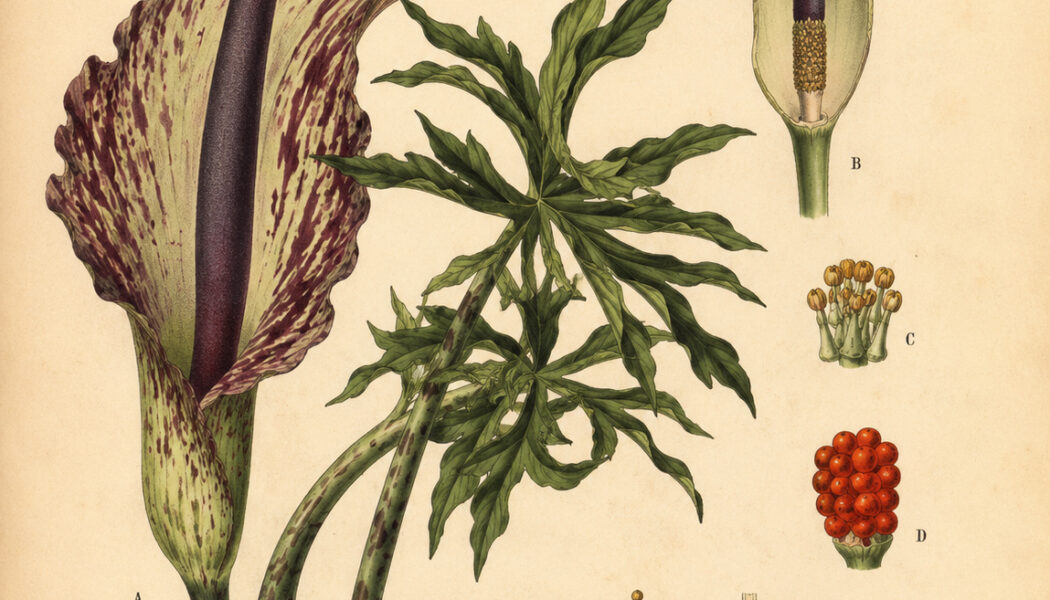

Dragon Arum: The Mysterious Flower of Magic and Transformation
The Dragon Arum (Dracunculus vulgaris) is one of the most unusual and striking plants in the natural world. Native to the Mediterranean region, it is instantly recognizable by its dramatic deep purple...
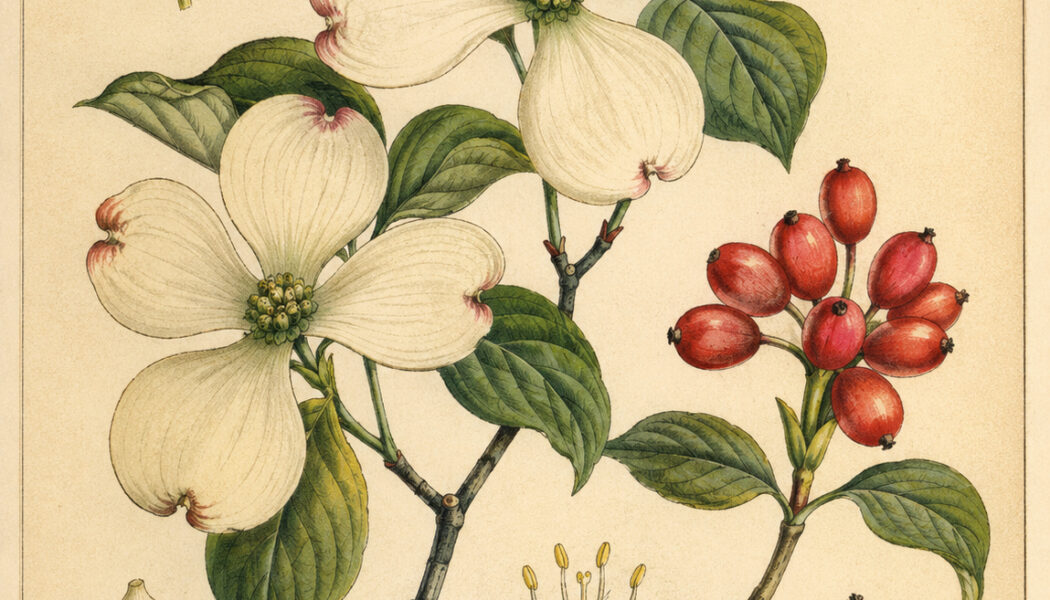

Dogwood: A Symbol of Renewal, Protection, and Quiet Magic
The dogwood is a beautiful flowering tree admired for its delicate blossoms, graceful branches, and vibrant autumn berries. Found across Europe, Asia, and North America, different species of dogwood h...
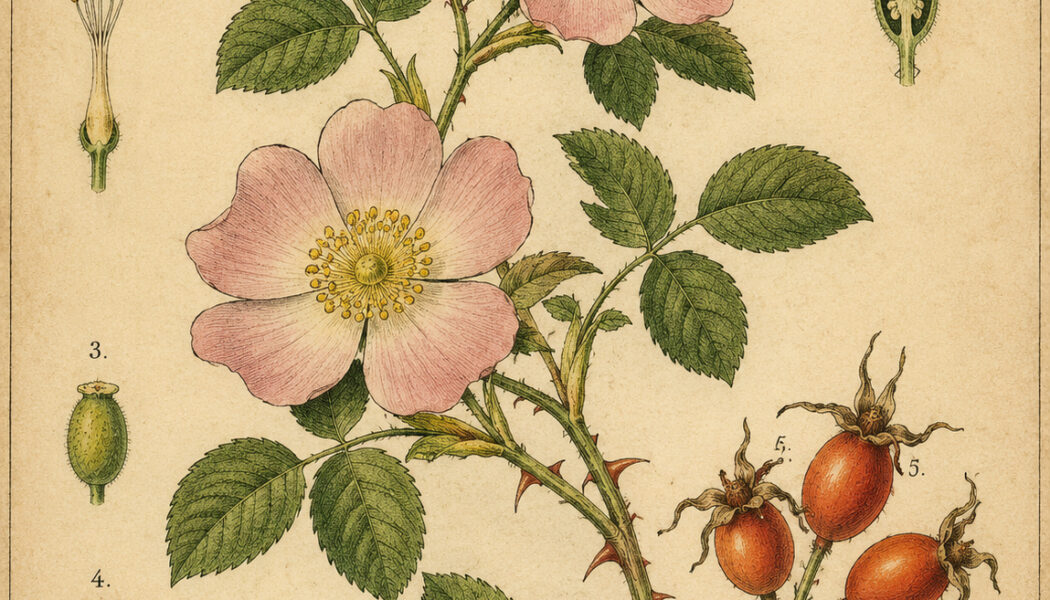

Dog Rose: A Wild Flower of Protection, Love, and Ancient Magic
The Dog Rose (Rosa canina) is a hardy, climbing wild rose native to Europe, North Africa, and parts of Western Asia. Easily recognised by its pale pink or white five-petalled flowers and bright red ro...
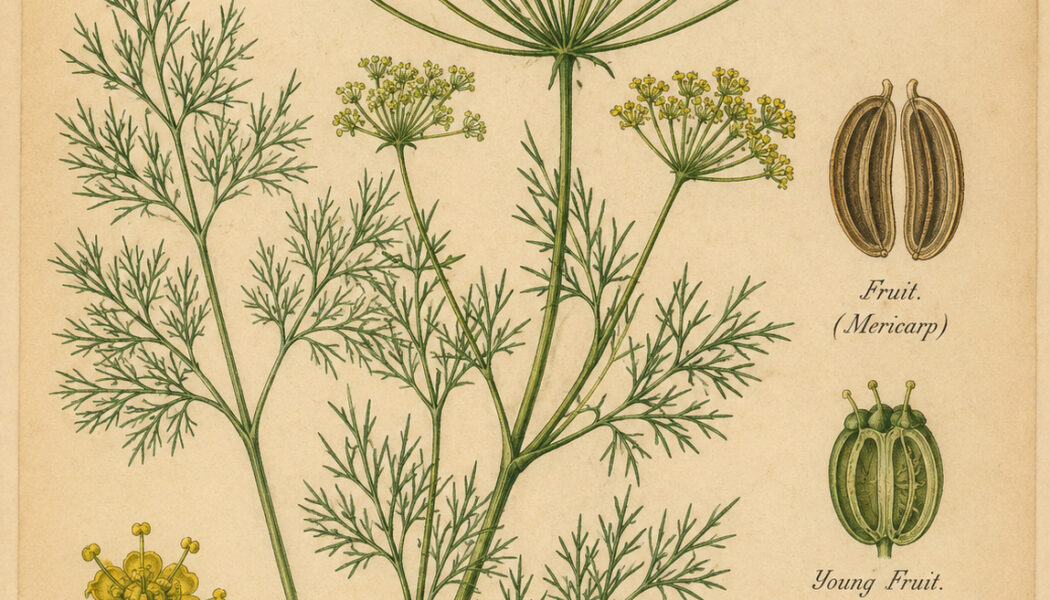

Dill: The Protective Herb of Paganism and Witchcraft
Dill (Anethum graveolens) is a fragrant annual herb known for its delicate feathery leaves, bright yellow flowers, and distinctive fresh, slightly sweet aroma. Native to the Mediterranean region and w...
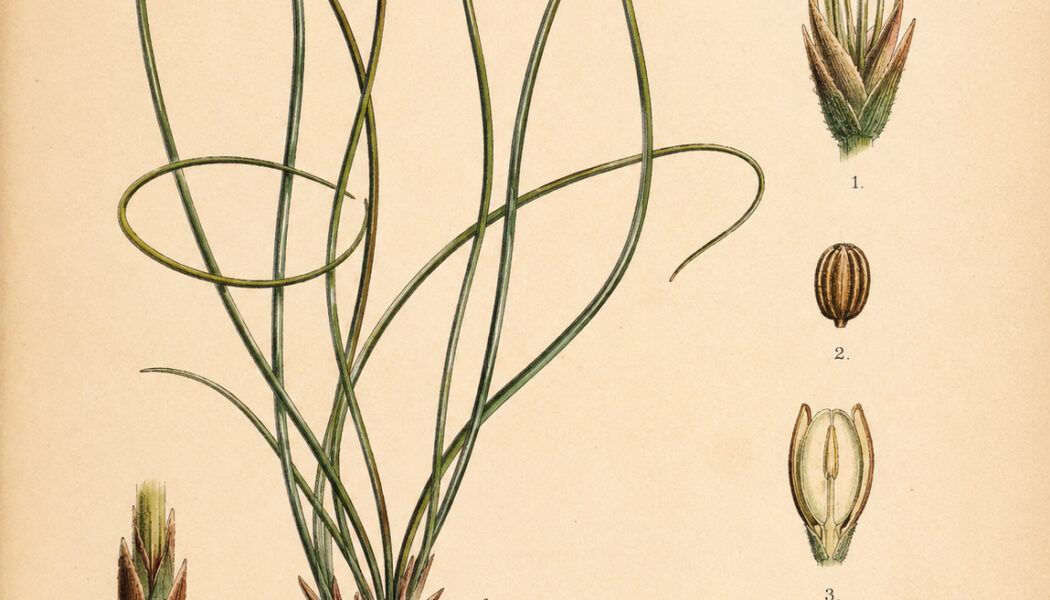

Devil’s Shoestring: A Powerful Root in Folk Magic and Pagan Tradition
Devil’s Shoestring is the common name for the fibrous roots of several plants in the Viburnum family, most commonly Viburnum alnifolium (also known as hobblebush). The long, tough roots resemble...
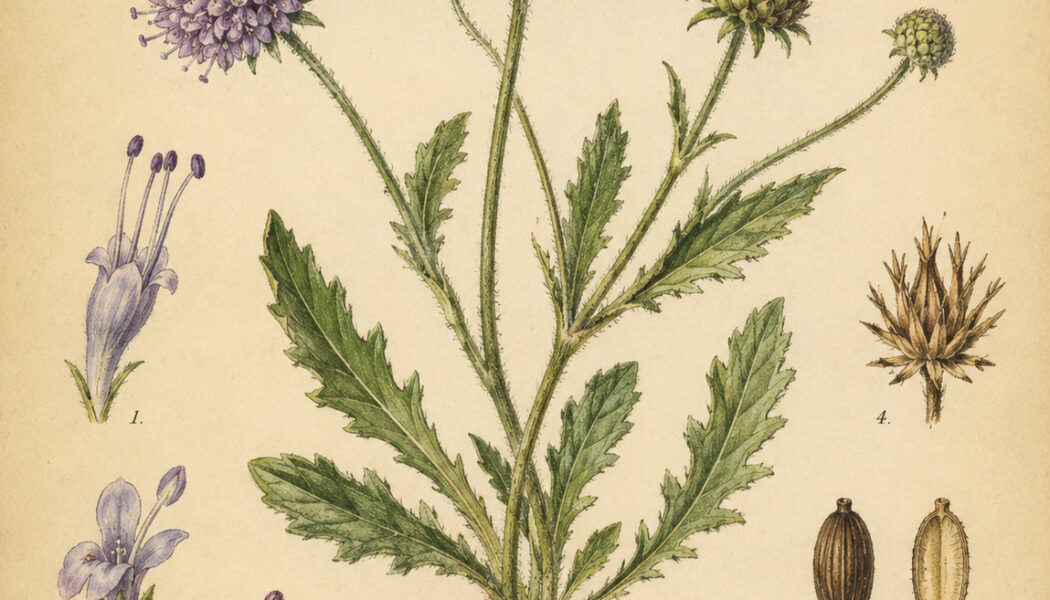

Devil’s-Bit Scabious: A Magical Wildflower of Protection and Mystery
Devil’s-bit scabious (Succisa pratensis) is a beautiful wildflower found in meadows, grasslands, and wetlands across much of Europe, including Britain. It produces rounded, violet-blue flowers t...
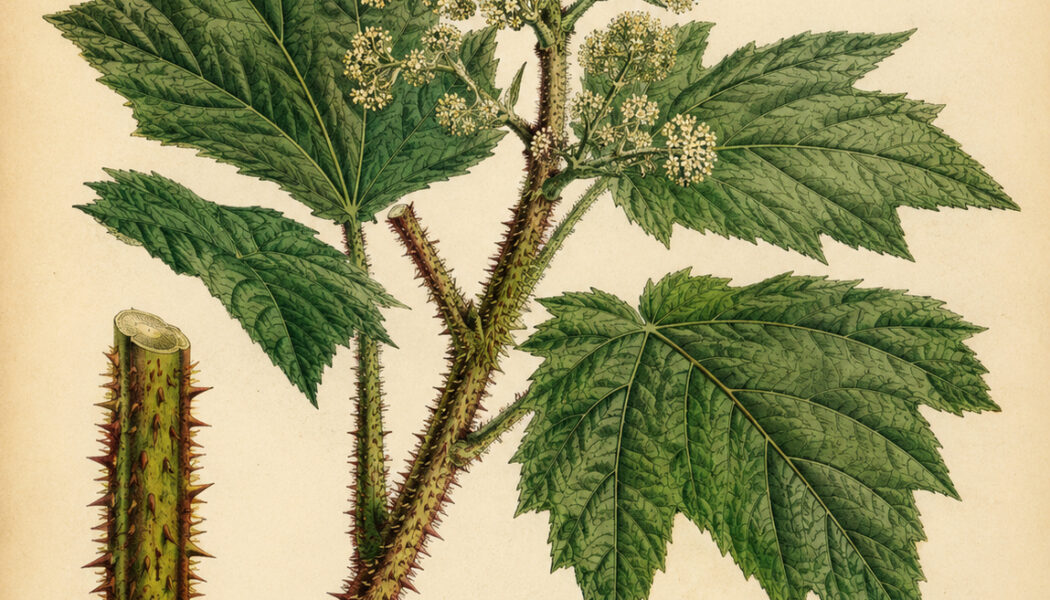

Devil’s Club: A Powerful Plant in Nature, Paganism, and Witchcraft
Devil’s Club (Oplopanax horridus) is a striking medicinal shrub native to the damp forests of the Pacific Northwest, including parts of Alaska, western Canada, and the northwestern United States...
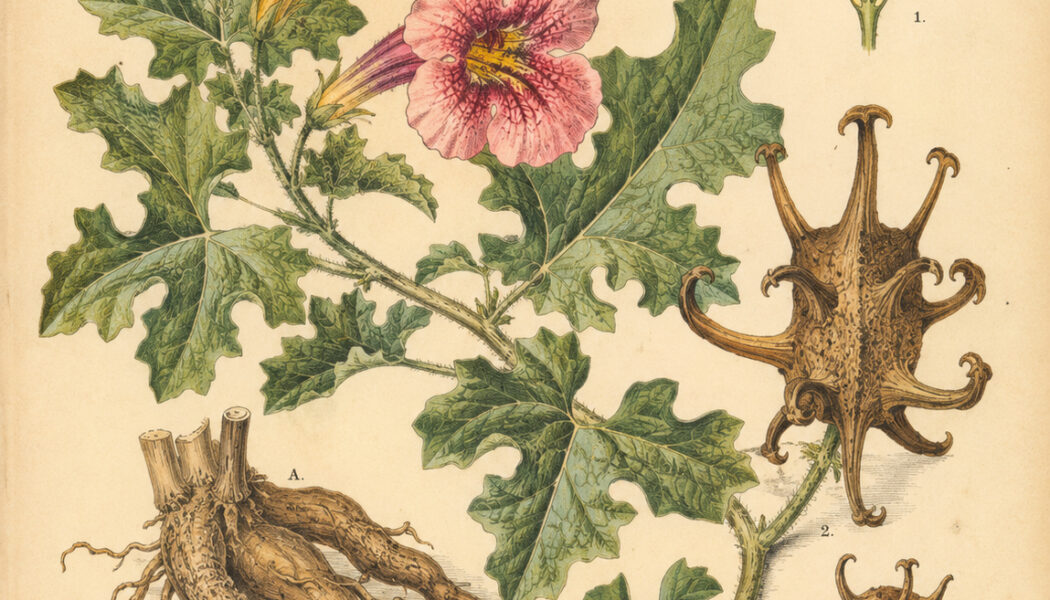

Devil’s Claw: A Protective Root in Paganism and Witchcraft
Devil’s Claw is a plant best known for its unusual, hooked seed pods, which resemble sharp claws. Several plants share this common name, but in magical traditions it most often refers to the see...
Deadly Nightshade: The Enigmatic Plant of Poison, Paganism, and Witchcraft
Deadly Nightshade (Atropa belladonna) is one of the world’s most famous poisonous plants. Native to Europe, North Africa, and parts of Western Asia, it is easily recognised by its dark purple, b...
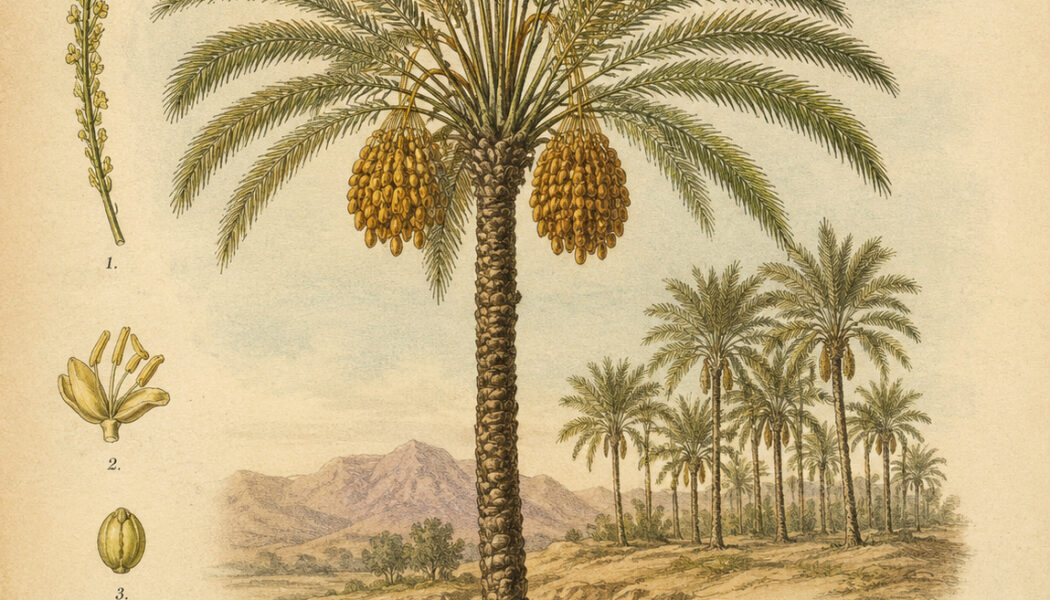

Date Palm: A Sacred Tree of Life in Paganism and Witchcraft
The Date Palm (Phoenix dactylifera) is one of the world’s oldest cultivated trees, prized for thousands of years for its sweet, nutritious fruit and its ability to thrive in harsh desert environ...
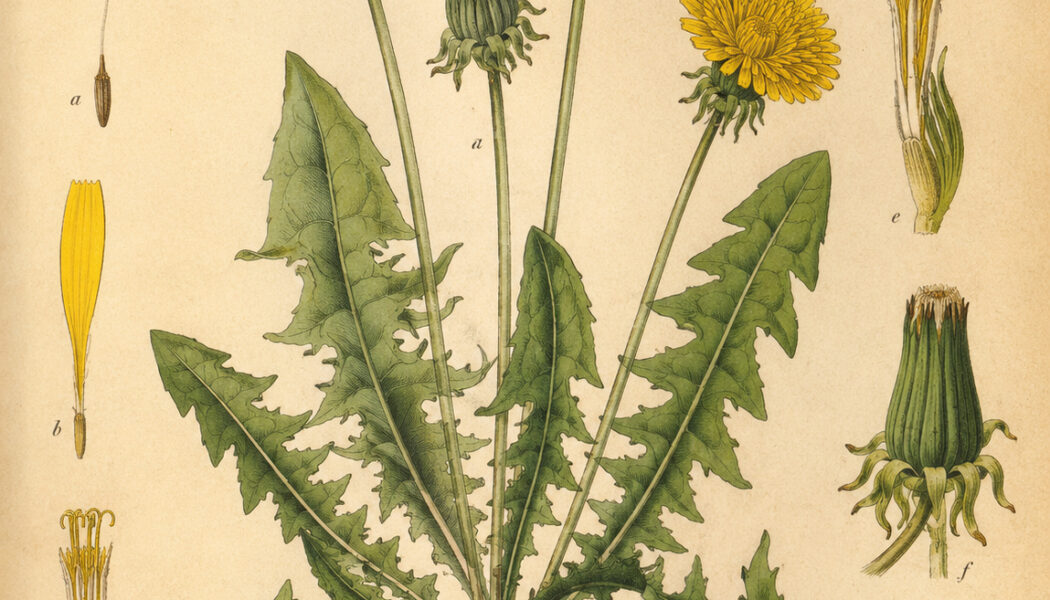

Dandelion: A Humble Plant of Healing, Magic, and Spiritual Wisdom
The dandelion (Taraxacum officinale) is one of the world’s most familiar wild plants, growing in gardens, fields, roadsides, and meadows. Although often dismissed as a common weed, it has been v...
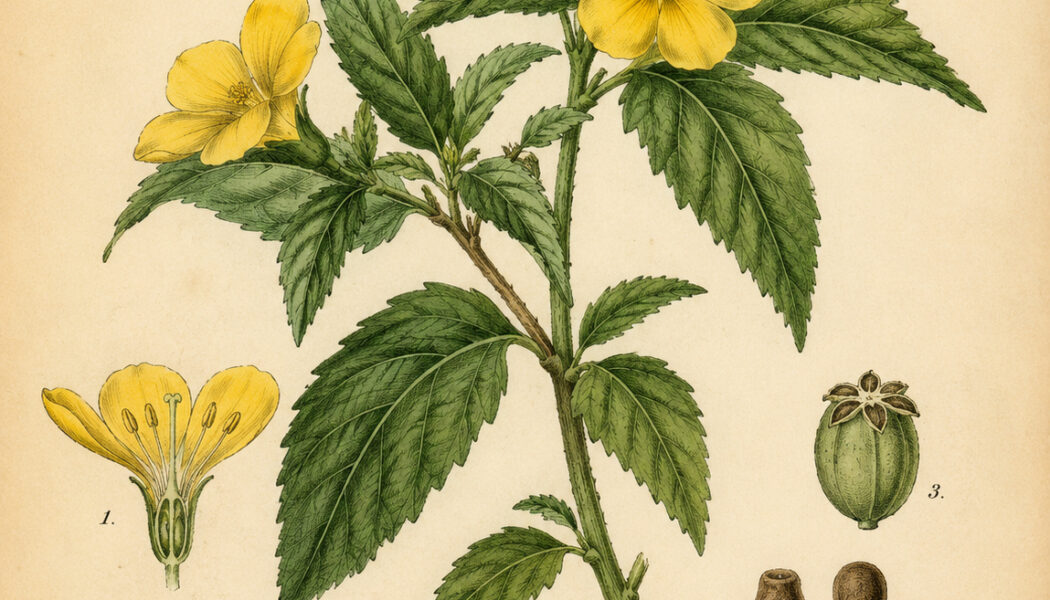

Damiana: A Magical Herb of Passion, Protection, and Spiritual Connection
Damiana (Turnera diffusa) is a small flowering shrub native to Mexico, Central America, the Caribbean, and parts of the southern United States. Known for its fragrant leaves and bright yellow flowers,...
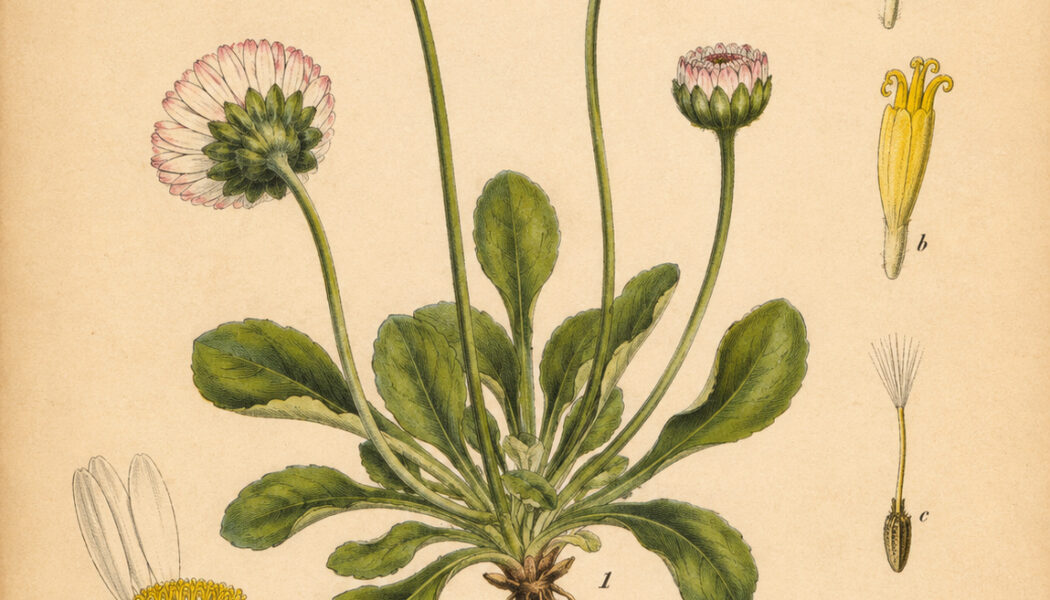

Daisy: A Symbol of Innocence, Protection, and Renewal in Paganism and Witchcraft
The daisy (Bellis perennis) is one of the most familiar wildflowers, recognised by its bright white petals and sunny yellow centre. Growing across meadows, lawns, and woodland edges, this hardy perenn...
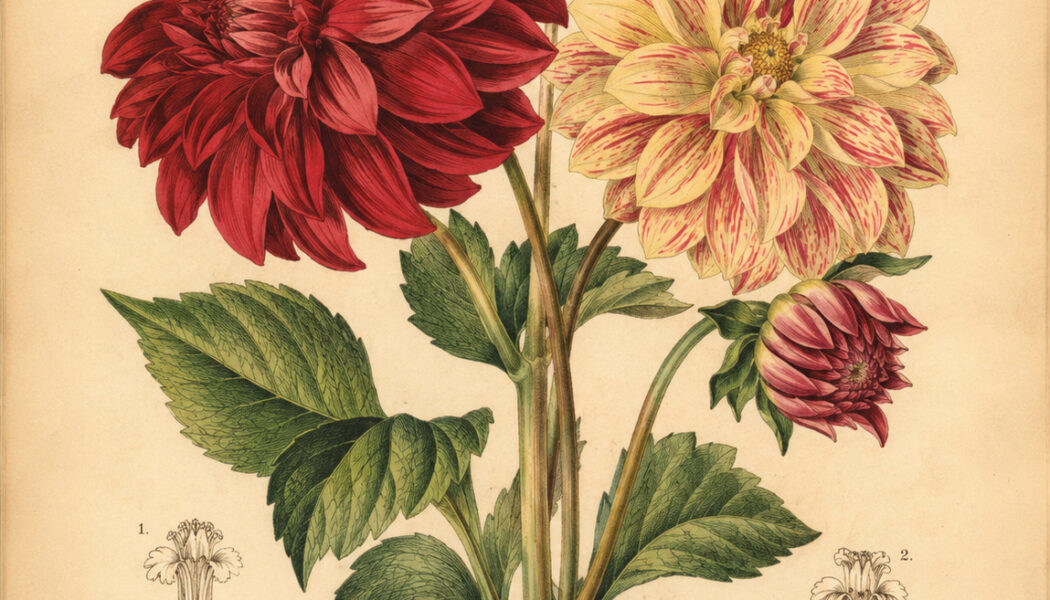

Dahlia: A Symbol of Beauty, Strength, and Modern Magical Practice
The dahlia (Dahlia spp.) is a colourful flowering plant native to Mexico and Central America. Belonging to the daisy family, it is admired for its stunning blooms, which range from tiny pompom-shaped ...
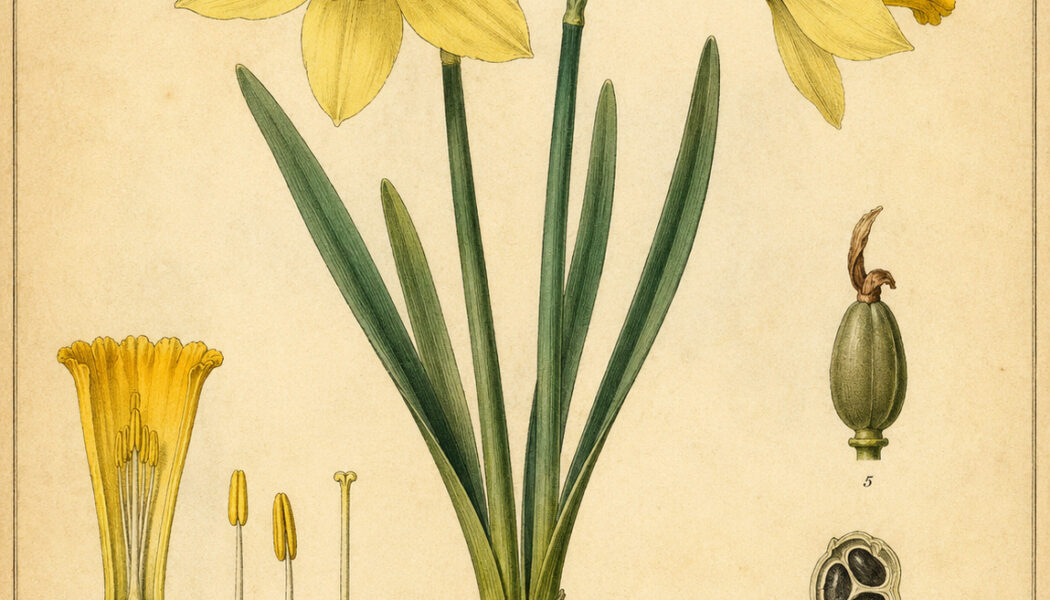

Daffodil: A Flower of Renewal in Nature, Paganism, and Witchcraft
The daffodil (Narcissus spp.) is one of the first flowers to bloom in late winter and early spring, making it a powerful symbol of hope, renewal, and new beginnings. Native to Europe and North Africa,...
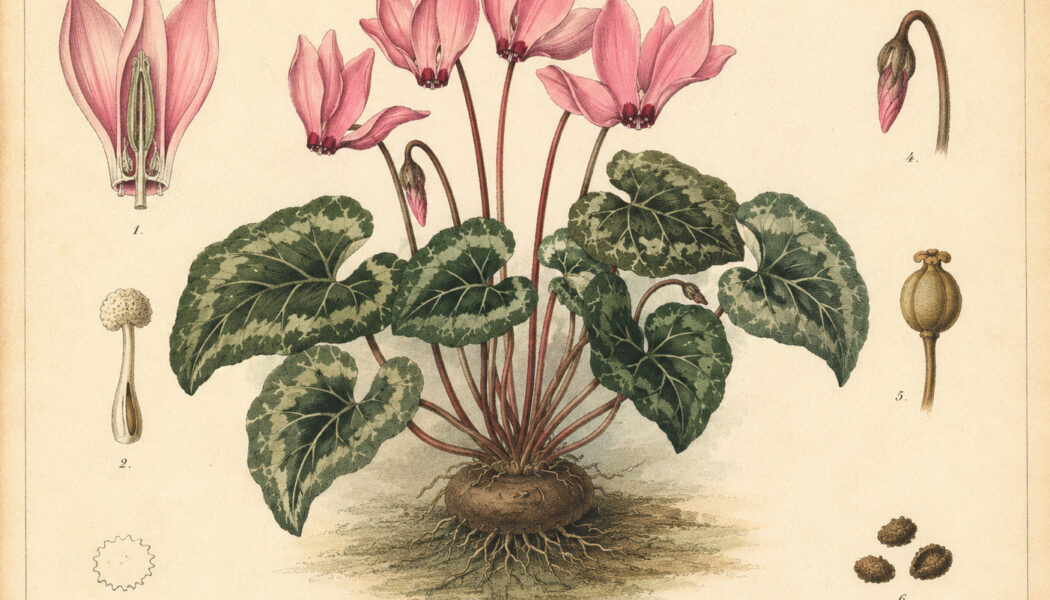

Cyclamen: A Delicate Flower in Nature, Paganism, and Witchcraft
Cyclamen is a beautiful flowering plant known for its delicate, upswept petals and heart-shaped leaves. Native to parts of Europe, the Mediterranean, and the Middle East, cyclamen thrives in woodland ...
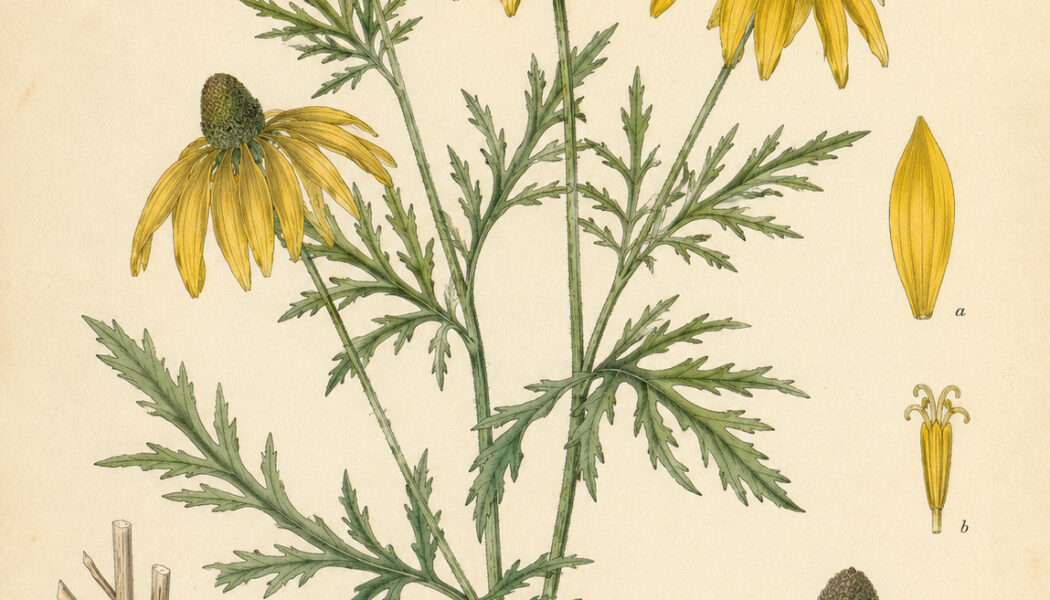

Cutleaf Coneflower: A Bright Wildflower in Nature, Paganism, and Witchcraft
Cutleaf Coneflower (Rudbeckia laciniata) is a tall, striking wildflower native to North America. It belongs to the daisy family and is recognized by its drooping yellow petals and greenish-yellow cent...
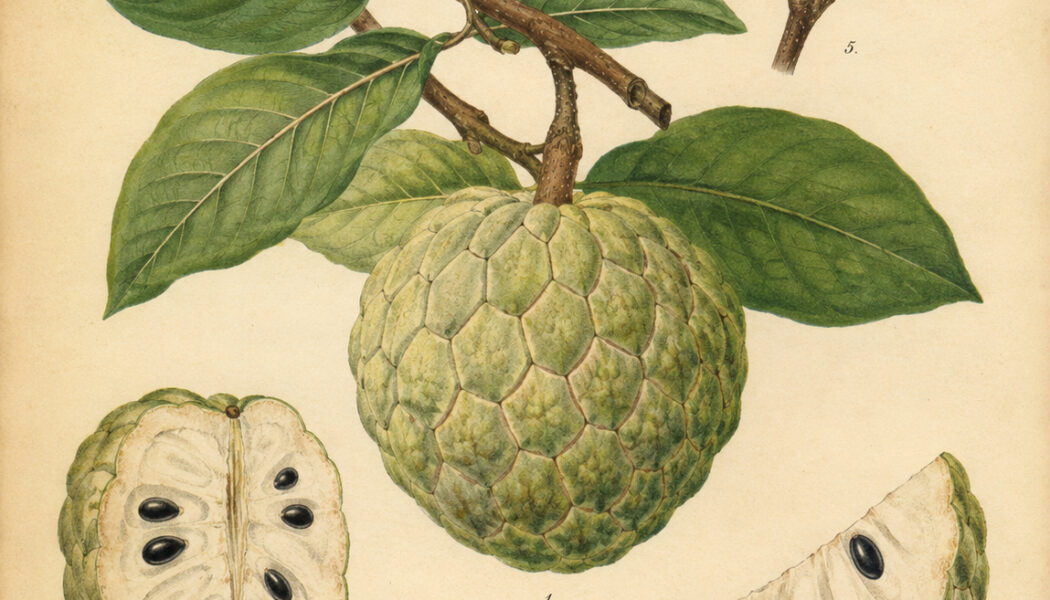

Custard Apple: A Sweet Fruit in Folklore, Paganism, and Witchcraft
The custard apple (Annona squamosa) is a small tropical fruit-bearing tree native to the Americas and now cultivated throughout Asia, Africa, and other warm regions of the world. Known for its green, ...
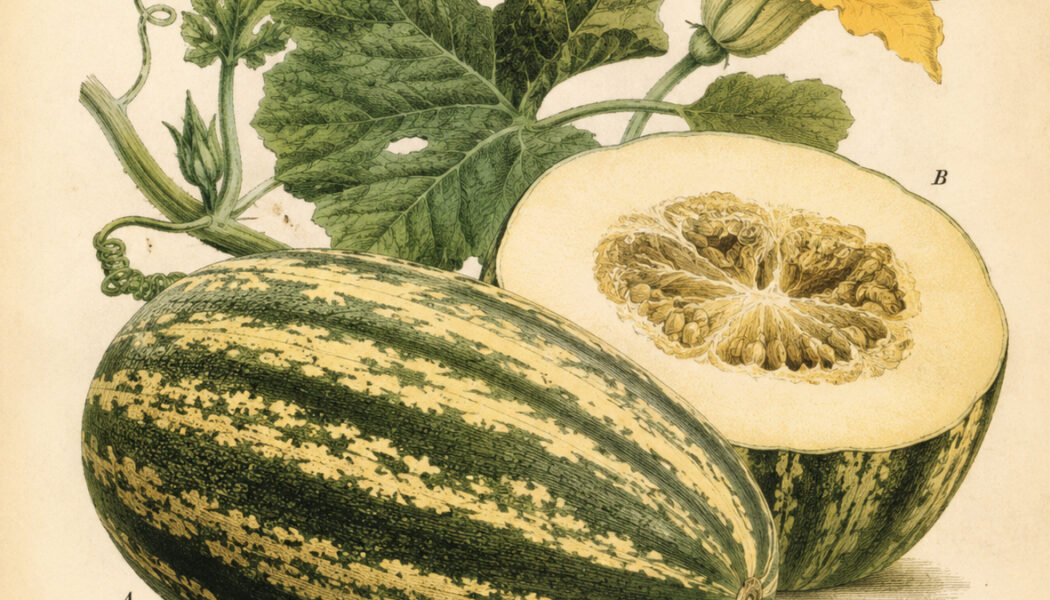

Cushaw: The Golden Gourd in Paganism and Witchcraft
Cushaw is a distinctive variety of winter squash known for its curved neck, pale green stripes, and sweet, golden flesh. Native to the Americas, this hardy plant has been cultivated for centuries by I...
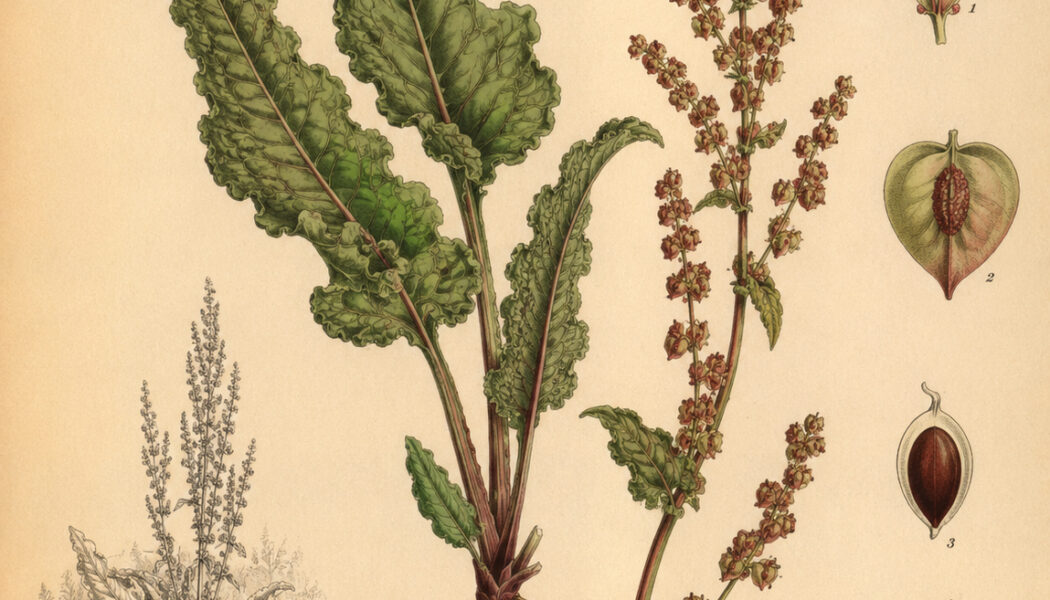

Curly Dock: A Resilient Plant in Paganism and Witchcraft
Curly Dock (Rumex crispus) is a hardy perennial plant found throughout Europe, Asia, and North America. Easily recognized by its long, wavy-edged leaves and tall stalks of reddish-brown seeds, it ofte...
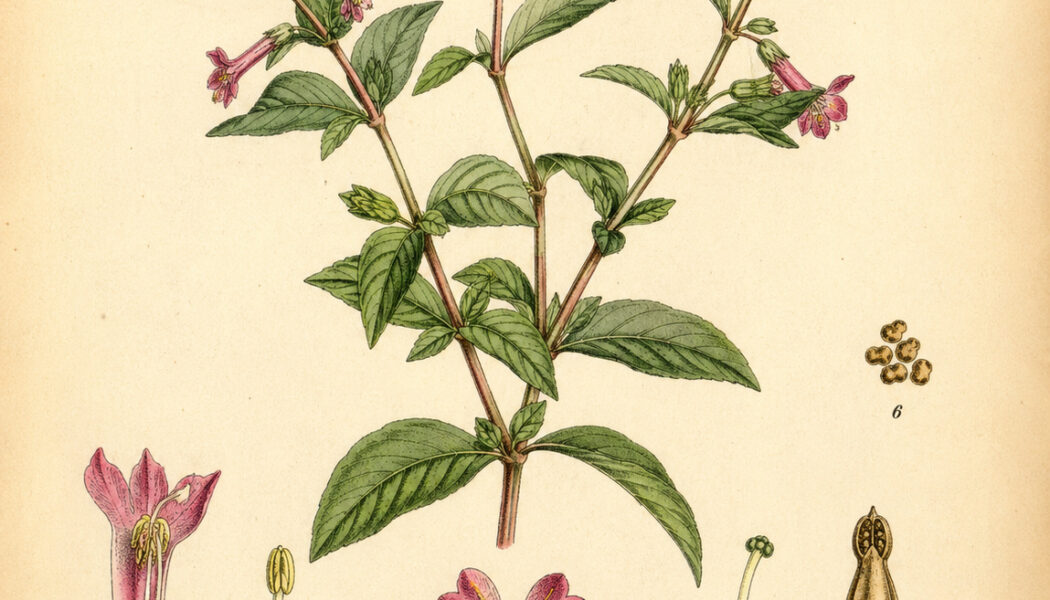

Cuphea: A Vibrant Plant in Nature, Paganism, and Witchcraft
Cuphea is a genus of flowering plants that belongs to the loosestrife family, Lythraceae. Native to the Americas, particularly Mexico, Central America, and parts of South America, Cuphea includes more...
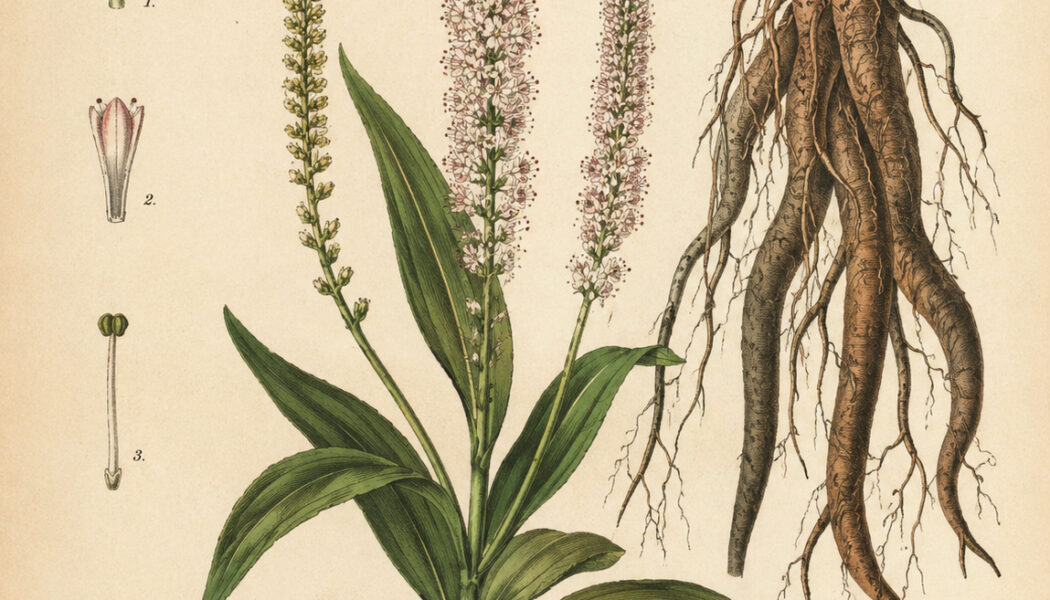

Culver’s Root: A Sacred Herb in Paganism and Witchcraft
Culver’s Root (Veronicastrum virginicum) is a tall, elegant perennial plant native to North America. Recognized by its slender spikes of white, pink, or pale lavender flowers, it grows naturally in me...
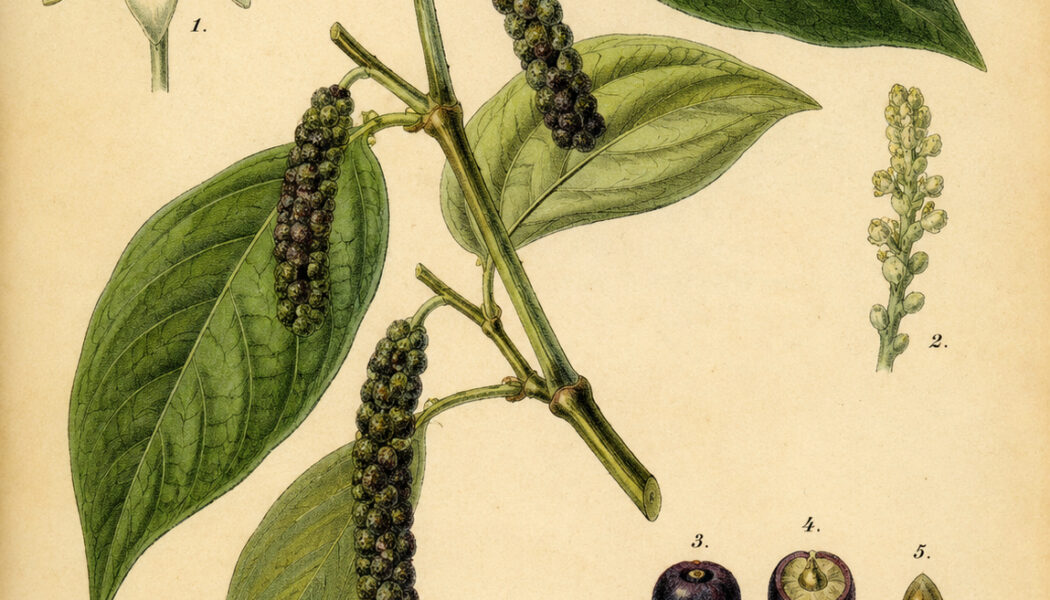

Cubeb: A Magical Spice in Paganism and Witchcraft
Cubeb (Piper cubeba), sometimes called tailed pepper or Java pepper, is a climbing plant native to Indonesia and other parts of Southeast Asia. Its small, dark berries resemble black peppercorns but a...
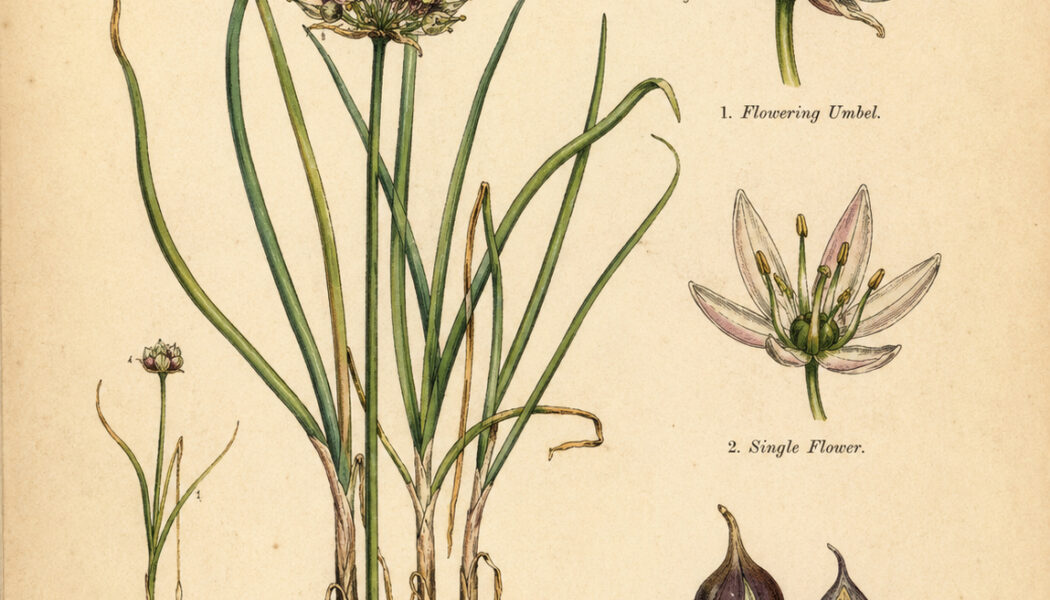

Crow Garlic: A Wild Plant of Protection and Purification
Crow Garlic (Allium vineale), also known as wild garlic, field garlic, or vineale garlic, is a hardy perennial plant that belongs to the onion family. Native to Europe, Asia, and parts of North Africa...
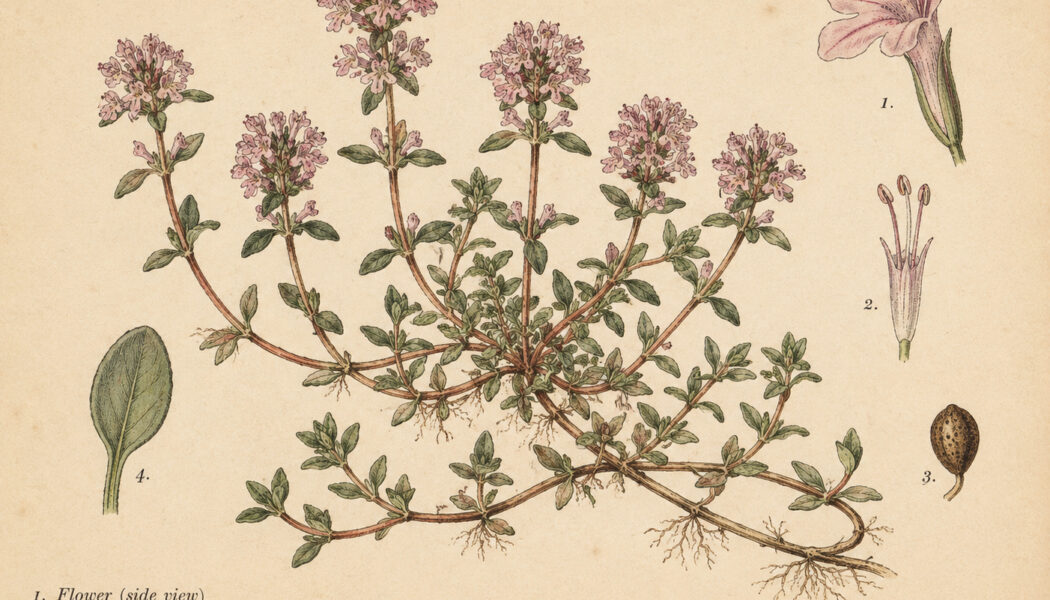

Creeping Thyme: A Fragrant Herb in Nature, Paganism, and Witchcraft
Creeping Thyme (Thymus serpyllum) is a low-growing, perennial herb known for its tiny aromatic leaves and delicate pink to purple flowers. Native to Europe and parts of Asia, it spreads across the gro...
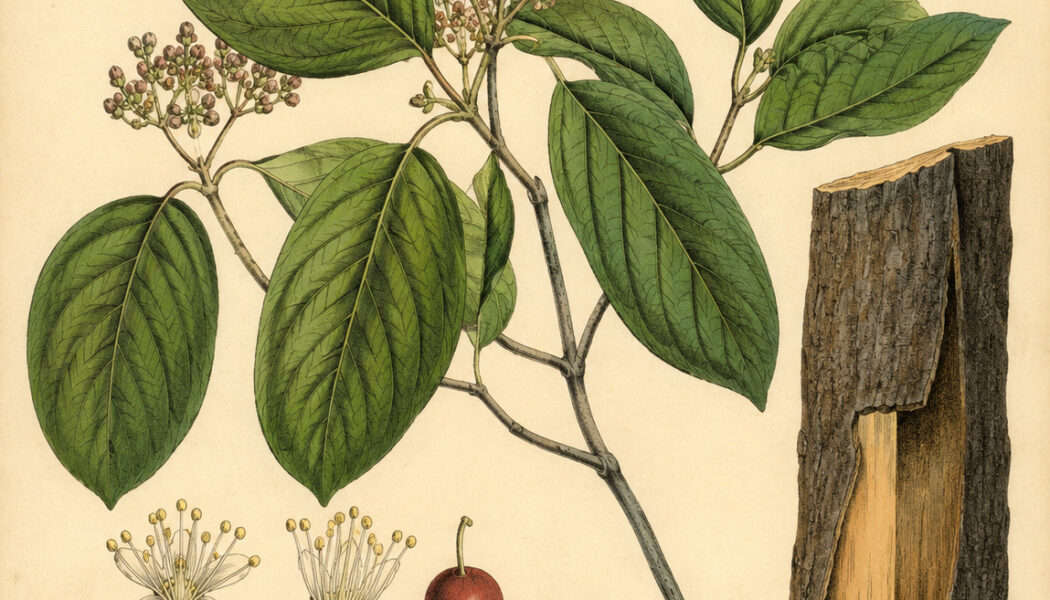

Cramp Bark: A Protective and Healing Plant in Paganism and Witchcraft
Cramp Bark (Viburnum opulus) is a deciduous shrub native to Europe, North Africa, and parts of Asia. Known for its clusters of white flowers and bright red berries, it has long been valued in traditio...
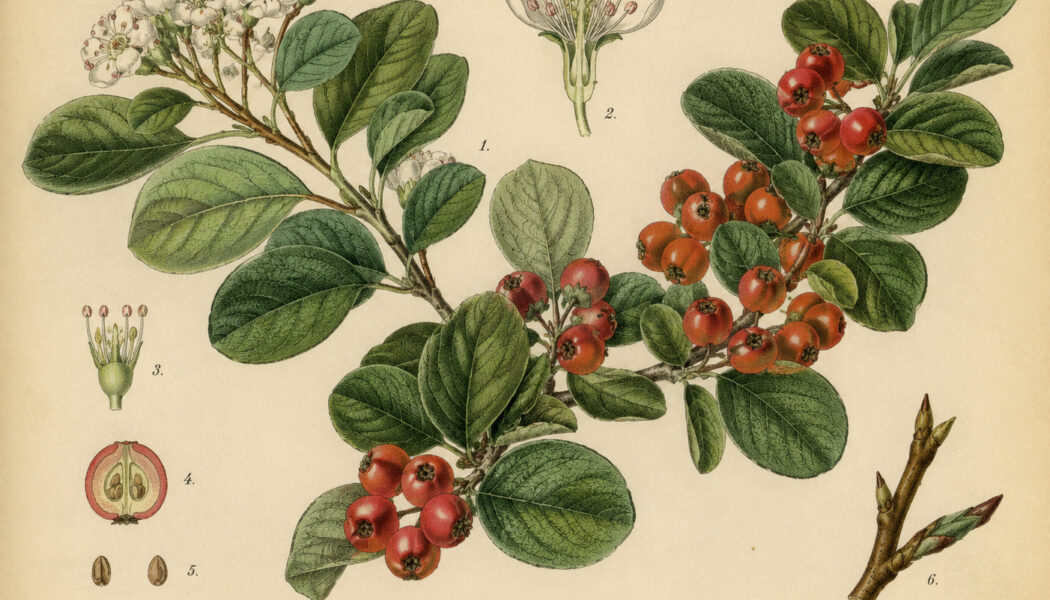

Cotoneaster: A Hardy Shrub in Nature, Paganism, and Witchcraft
Cotoneaster is a genus of flowering shrubs and small trees belonging to the rose family (Rosaceae). Native to parts of Europe, Asia, and North Africa, these plants are admired for their dense branches...
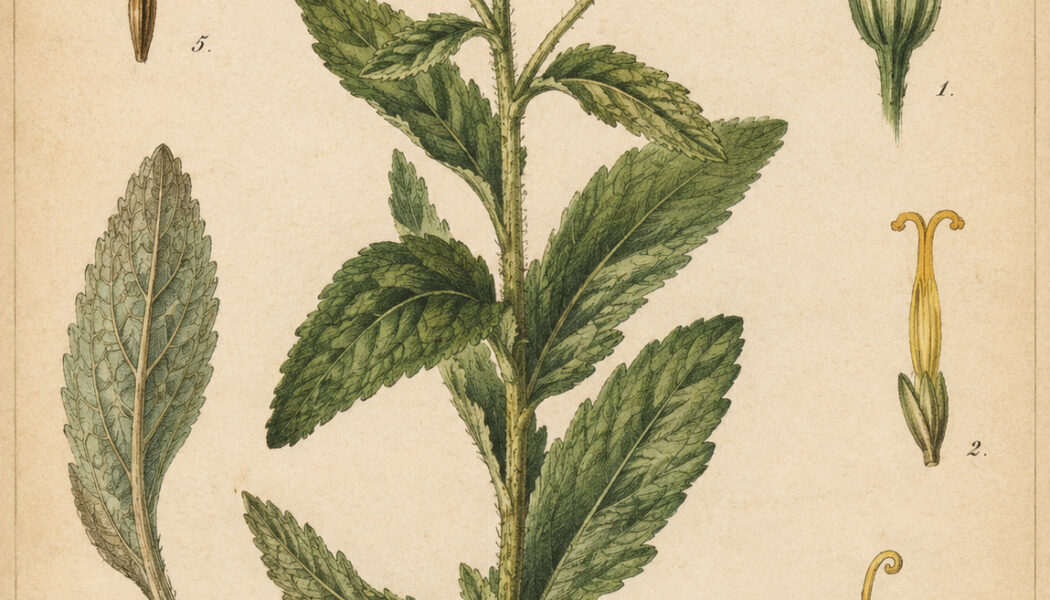

Costmary: The Fragrant Herb of Tradition, Paganism, and Witchcraft
Costmary (Tanacetum balsamita), sometimes known as alecost or Bible leaf, is a perennial herb belonging to the daisy family. Native to parts of Asia and widely cultivated throughout Europe and North A...
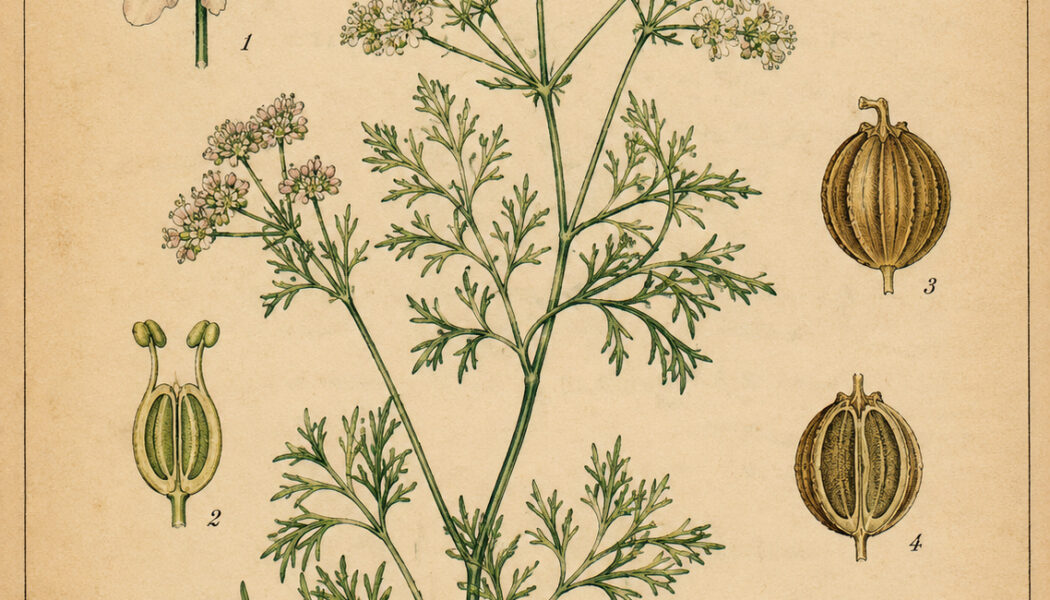

Coriander Seed: A Fragrant Herb of Magic, Protection, and Prosperity
Coriander seed comes from the coriander plant, scientifically known as Coriandrum sativum. This aromatic annual herb belongs to the parsley family and has been cultivated for thousands of years across...
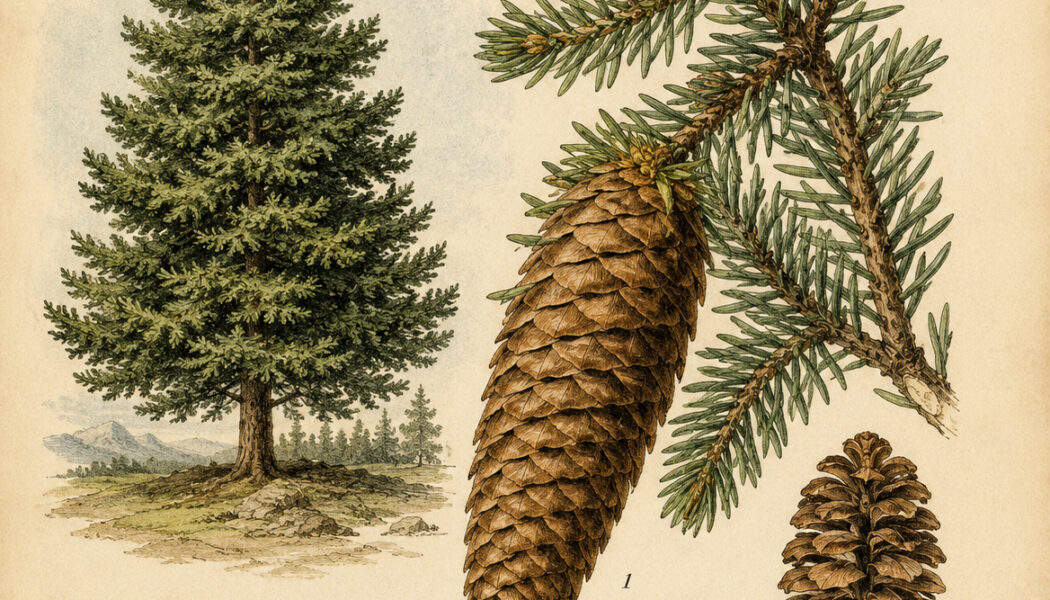

Cone Spruce: An Evergreen Symbol in Paganism and Witchcraft
Cone Spruce is a common name used for spruce trees that produce the familiar hanging cones associated with evergreen forests. Members of the spruce family belong to the genus Picea and are valued for ...
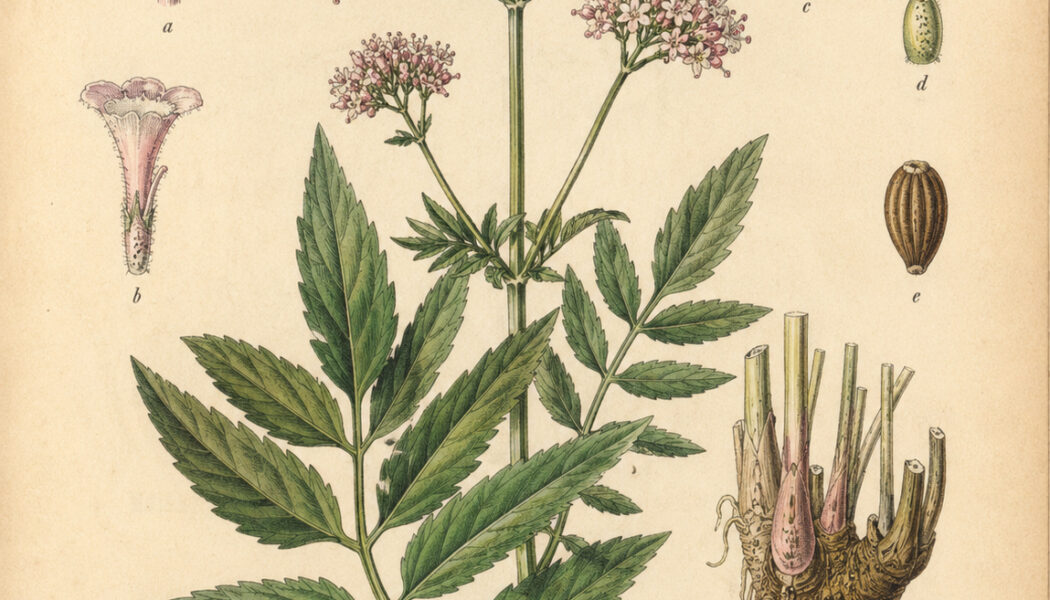

Valerian: A Sacred Herb in Paganism and Witchcraft
Valerian (Valeriana officinalis) is a flowering perennial plant known for its sweet-scented blossoms and strong-smelling roots. Native to Europe and parts of Asia, it has been used for centuries as bo...
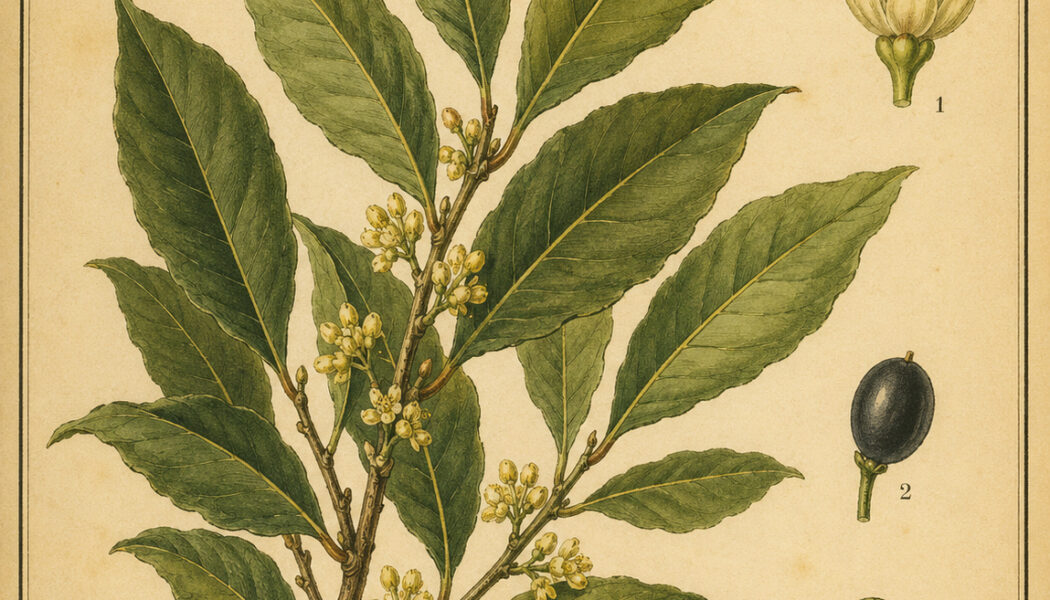

Bay Leaf: A Sacred Herb in Paganism and Witchcraft
The bay leaf, harvested from the bay laurel tree (Laurus nobilis), has been valued for thousands of years for its culinary, medicinal, and spiritual uses. In pagan traditions and modern witchcraft, th...
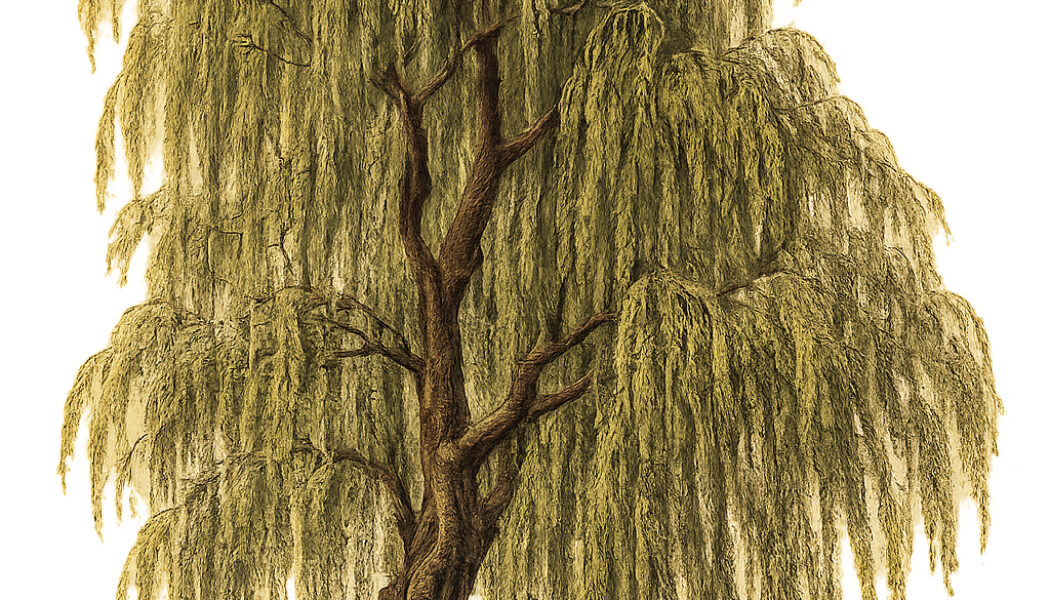

The Willow Tree: Its Place in Paganism and Witchcraft
The willow tree has long held a special place in pagan traditions and magical practices. Known for its graceful, drooping branches and ability to thrive near water, the willow is often associated with...
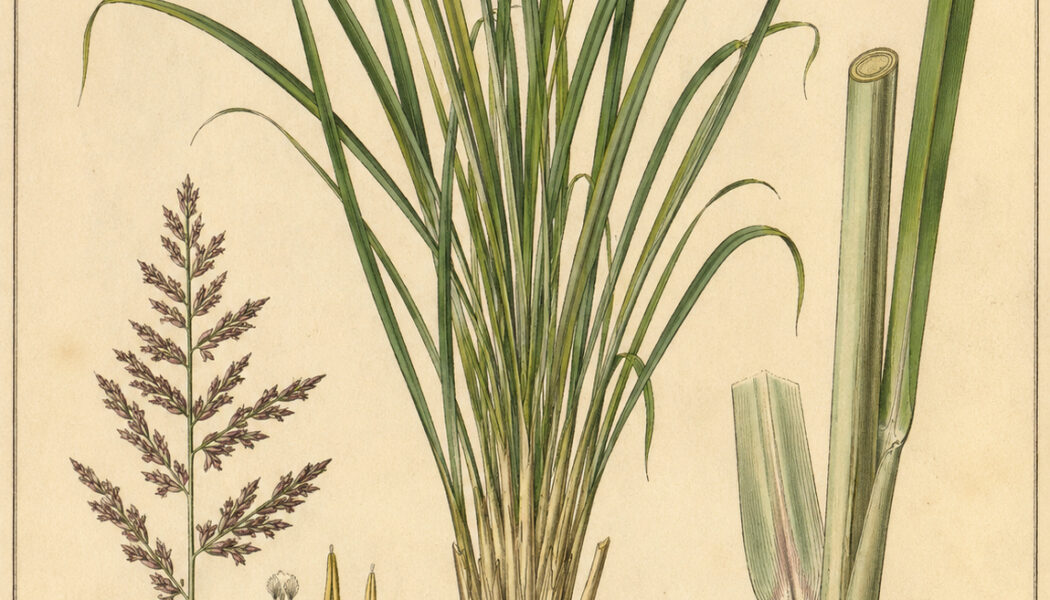

Lemongrass: A Sacred Herb in Paganism and Witchcraft
Lemongrass (Cymbopogon citratus) is a fragrant tropical plant known for its citrus scent, culinary uses, and medicinal properties. Beyond the kitchen and herbal medicine cabinet, lemongrass has long h...
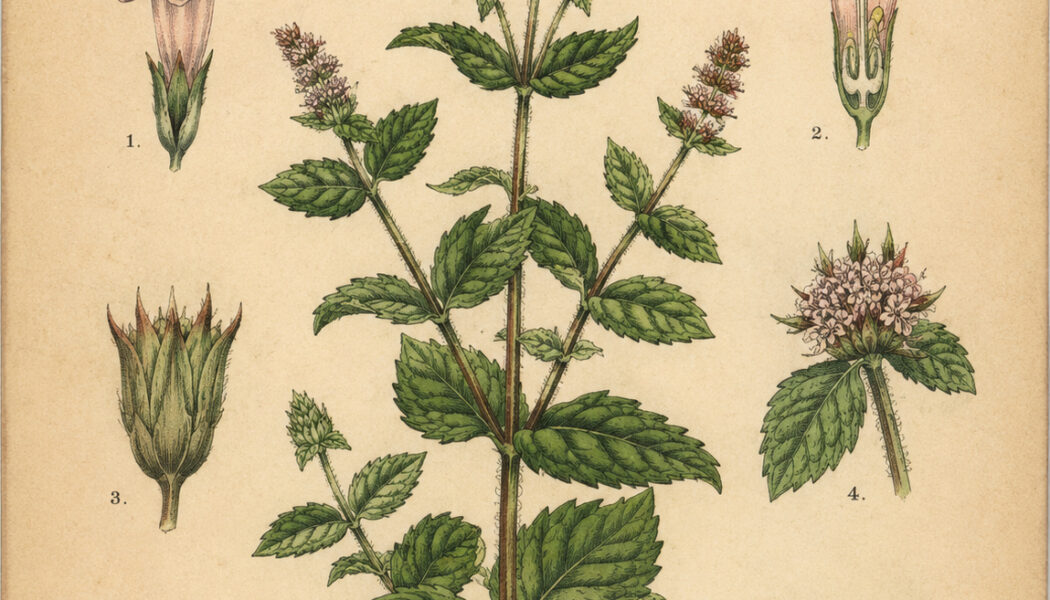

Mint: A Sacred Herb in Paganism and Witchcraft
Mint is one of the most widely recognized herbs in the world, valued for its refreshing scent, healing properties, and culinary uses. Beyond the kitchen and garden, mint has held an important place in...
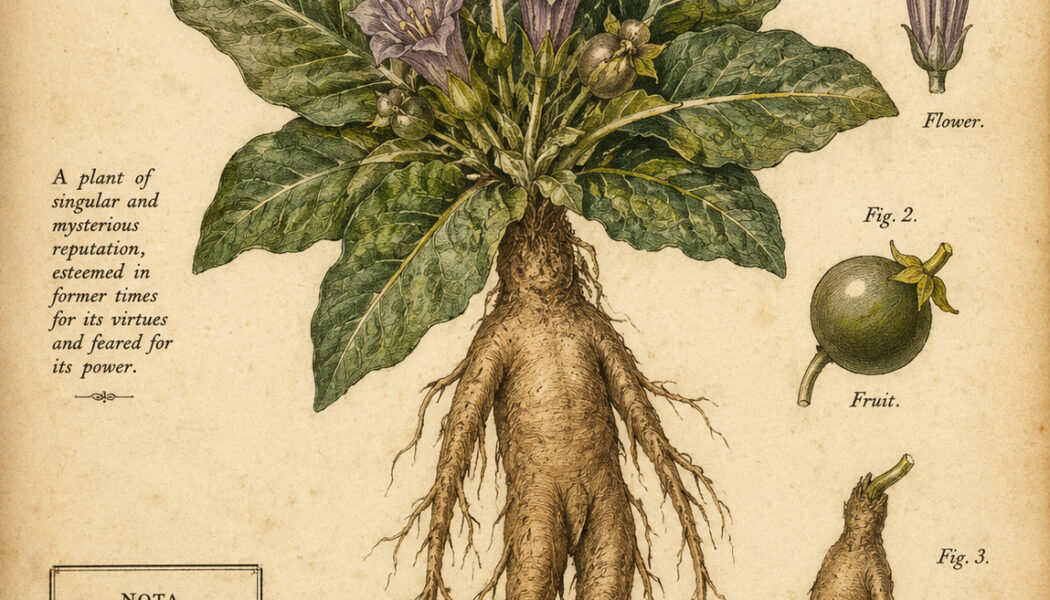

The Mandrake Plant: Its Mystical Role in Paganism and Witchcraft
The mandrake plant (Mandragora officinarum) is one of the most famous magical plants in history. Native to parts of the Mediterranean and the Middle East, it has long been surrounded by myths, legends...
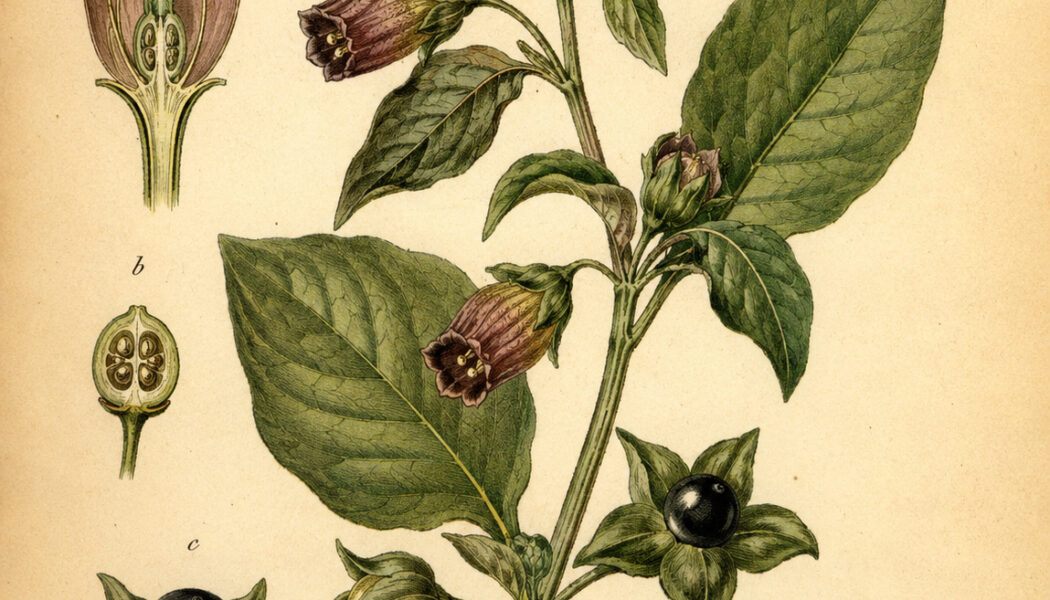

Belladonna: The Mysterious Plant of Paganism and Witchcraft
Belladonna (Atropa belladonna), also known as Deadly Nightshade, is one of the most famous and feared plants in folklore, magic, and herbal history. Native to parts of Europe, North Africa, and Wester...
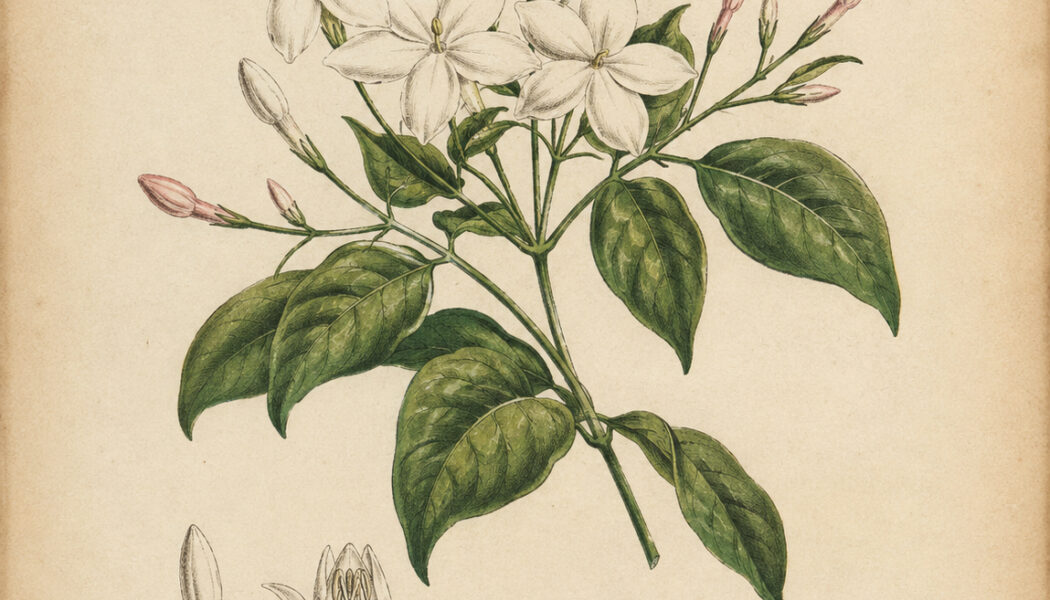

Jasmine: A Sacred Flower in Paganism and Witchcraft
Jasmine is one of the most beloved and magical plants in the world. Known for its delicate white flowers and sweet fragrance, it has been valued for centuries in spiritual traditions, folklore, and ma...
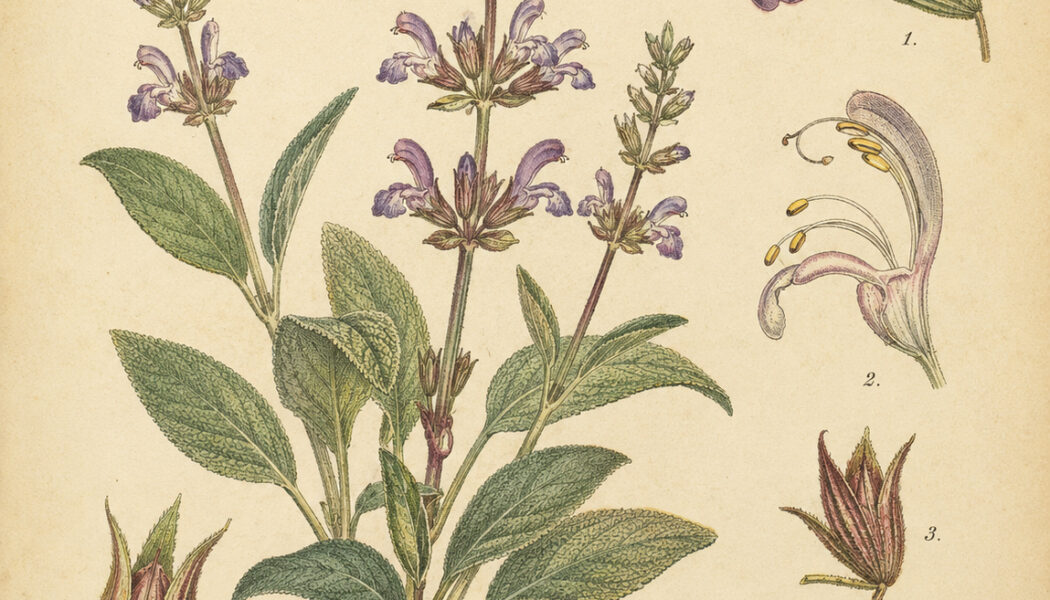

Sage & Its Place in Paganism & Witchcraft
Sage is one of the most well-known and widely used herbs in paganism and witchcraft. For centuries, it has been valued for its spiritual, medicinal, and symbolic properties. Many practitioners believe...
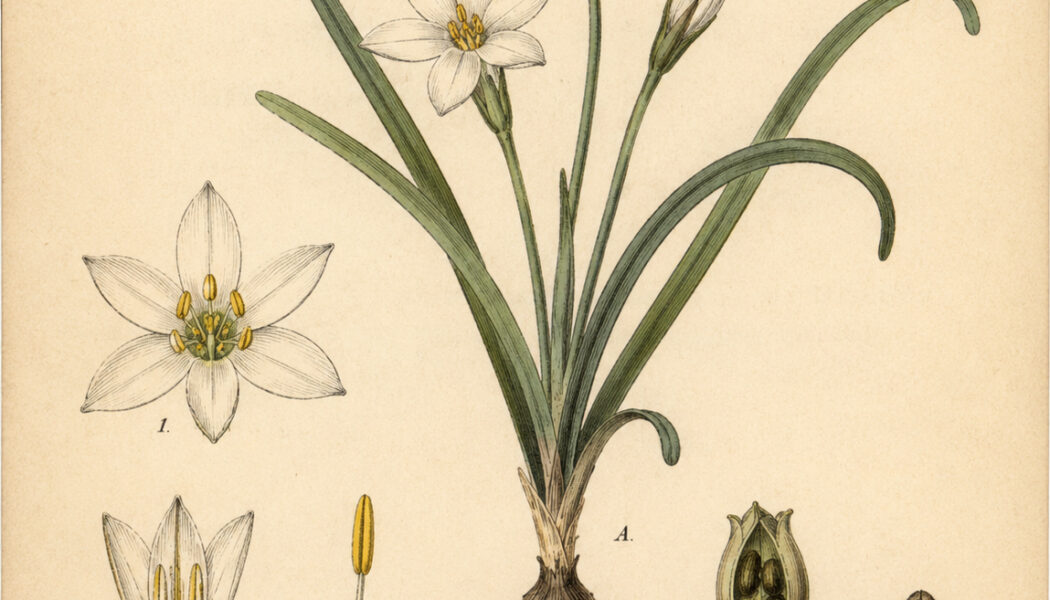

Spring Starflower: A Symbol of Renewal in Paganism and Witchcraft
The Spring Starflower, often admired for its delicate star-shaped blossoms and early spring appearance, has long been associated with themes of renewal, hope, and spiritual awakening. Emerging as wint...
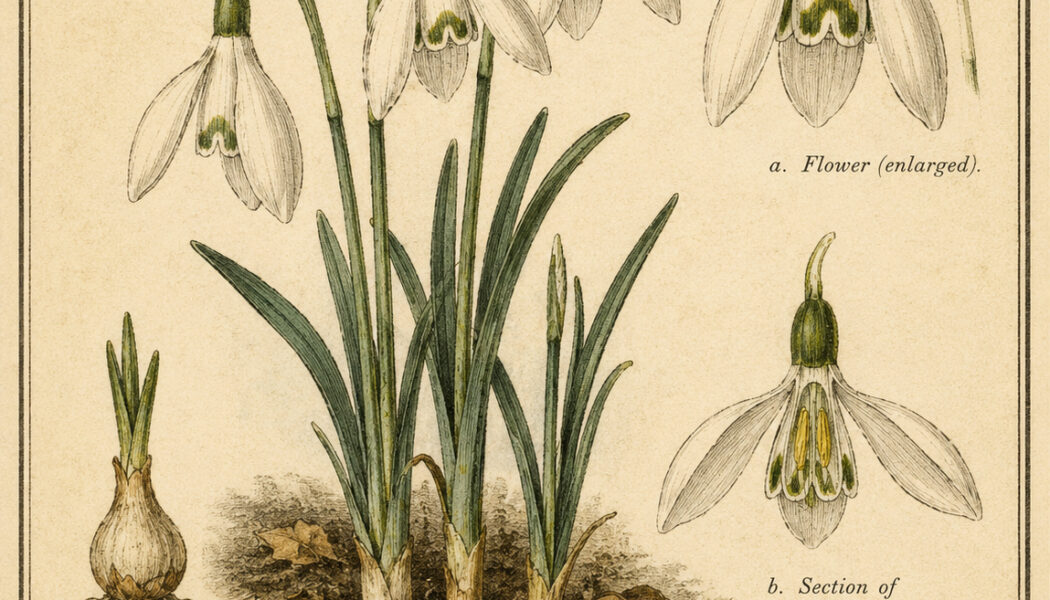

Snowdrops: Sacred Messengers of Hope in Paganism and Witchcraft
The snowdrop (Galanthus nivalis) is one of the earliest flowers to emerge at the end of winter, often pushing through frozen ground and snow to announce the arrival of spring. Its delicate white bloom...
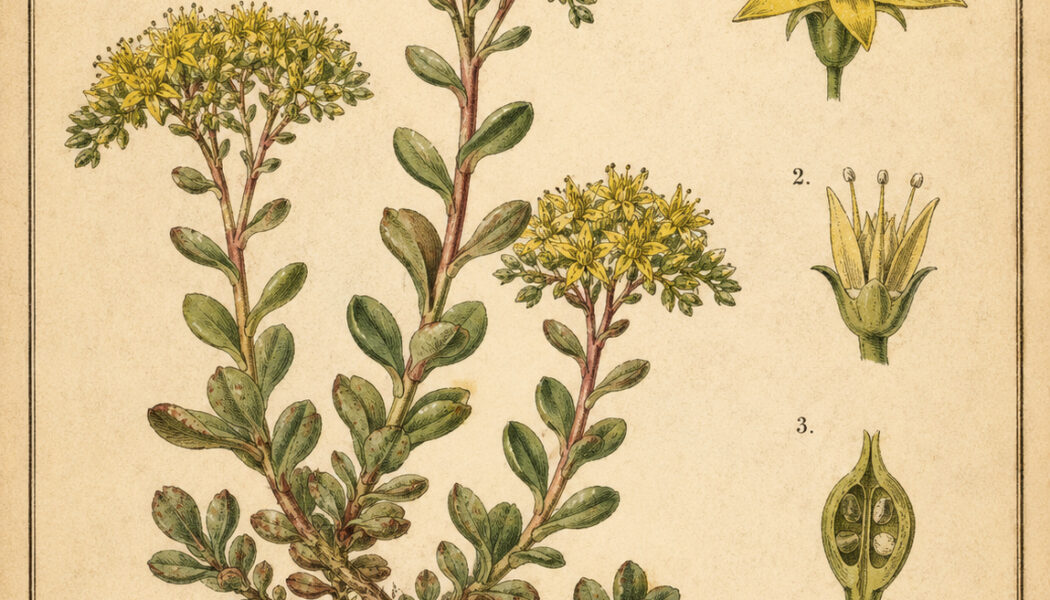

Sedum: The Sacred Stonecrop in Paganism and Witchcraft
Sedum, commonly known as stonecrop, is a hardy succulent plant valued for its resilience, beauty, and long history of spiritual symbolism. Found growing on rocky ground, rooftops, and dry landscapes, ...
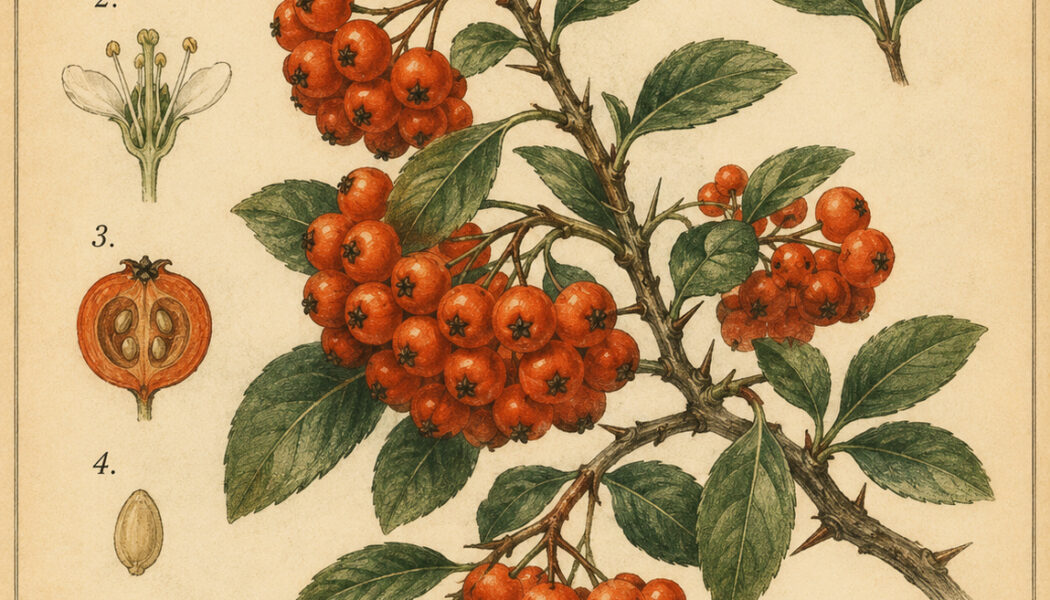

Pyracantha: The Fiery Guardian of Pagan and Witchcraft Traditions
Pyracantha, commonly known as Firethorn, is a striking evergreen shrub recognized for its dense thorny branches and clusters of vibrant red, orange, or yellow berries. Beyond its ornamental appeal, Py...
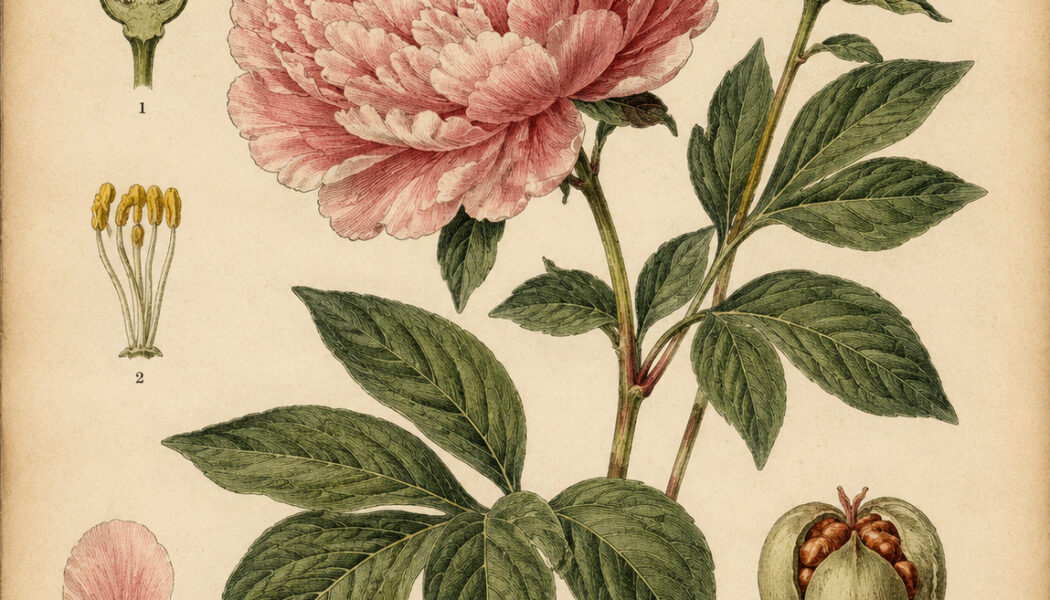

Peony: A Sacred Flower in Paganism and Witchcraft
The peony is a beautiful flowering plant admired for its large, fragrant blooms and rich symbolism. Found in shades of pink, red, white, yellow, and purple, peonies have been cultivated for thousands ...
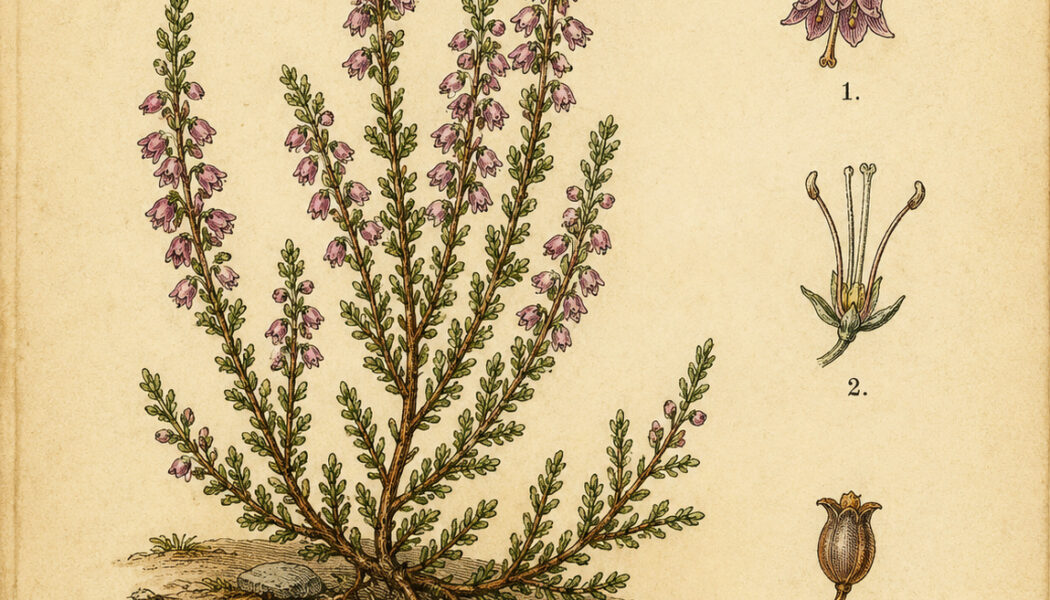

Heather: A Sacred Plant in Paganism and Witchcraft
Heather (Calluna vulgaris) is a hardy flowering plant that carpets moorlands and hillsides with shades of purple, pink, and white. Native to many parts of Europe, particularly Scotland, Ireland, and n...
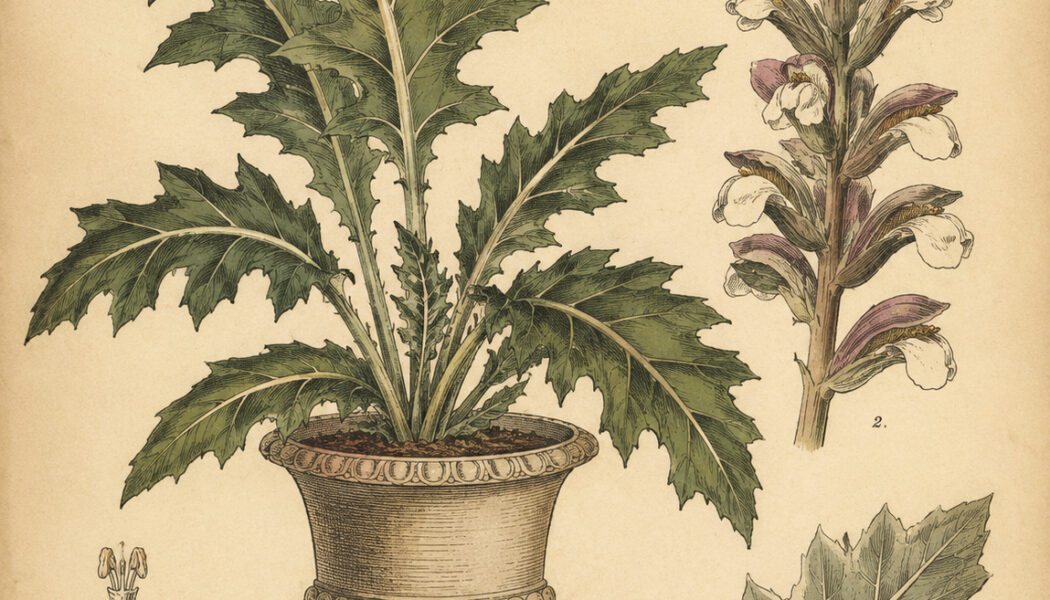

Grecian Plant: Its Importance in Paganism and Witchcraft
The Grecian plant, often associated with herbs and flowers native to ancient Greece, holds a special place in pagan traditions and the practice of witchcraft. Among the plants commonly linked to Greci...
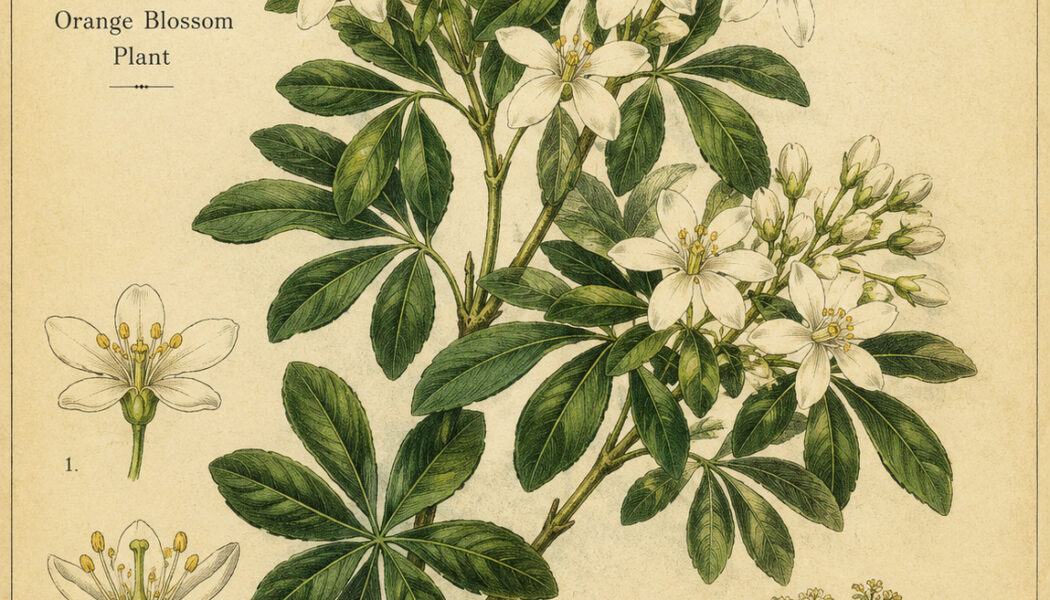

Choisya: The Mexican Orange Blossom in Paganism and Witchcraft
Choisya, commonly known as Mexican Orange Blossom, is an evergreen shrub admired for its glossy green leaves and clusters of fragrant white flowers. Native to Mexico and parts of the southwestern Unit...
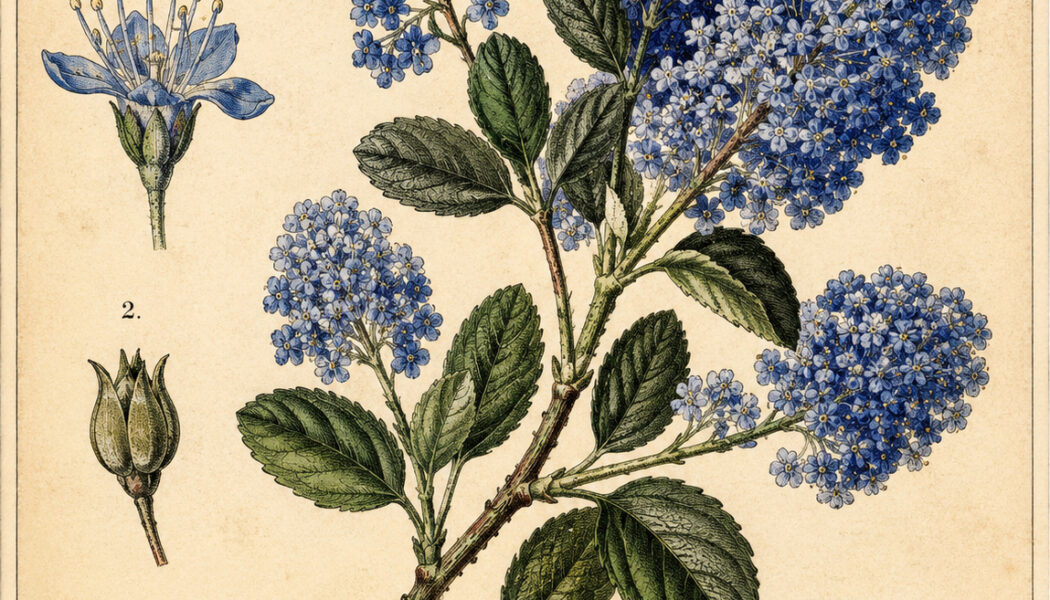

Ceanothus: The Sacred Blue Blossom in Paganism and Witchcraft
Ceanothus, commonly known as California lilac or wild lilac, is a beautiful flowering shrub prized for its clusters of delicate blue, purple, or white blossoms. Native primarily to North America, this...


The Purpose of Motherwort and Its Place in Paganism & Witchcraft
Motherwort (Leonurus cardiaca) is a revered medicinal herb known for its calming, protective, and heart-centered qualities. Native to parts of Europe and Asia, it has been used for centuries in tradit...
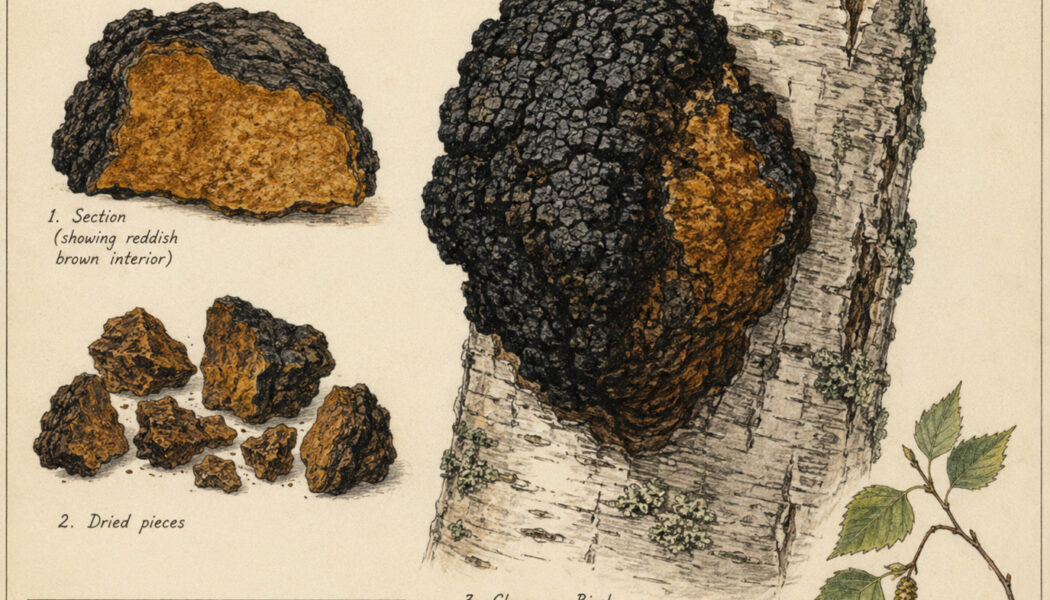

Chaga and Its Place in Paganism & Witchcraft
Chaga (Inonotus obliquus) is a medicinal fungus that grows primarily on birch trees in the cold forests of Northern Europe, Siberia, Scandinavia, and parts of North America. Recognizable by its dark, ...
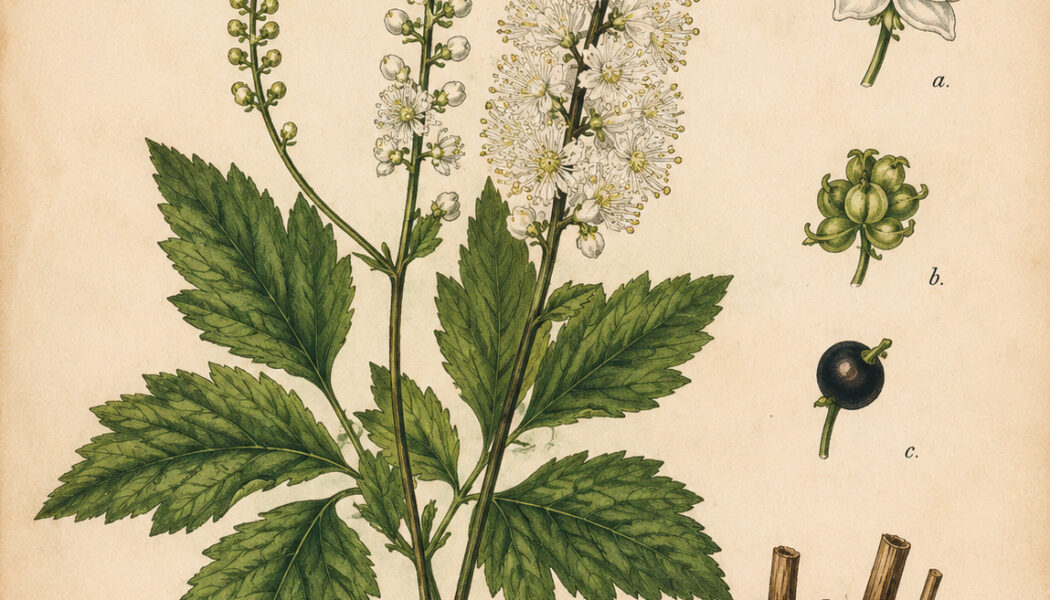

Cohosh and Its Place in Paganism & Witchcraft
Cohosh is a perennial woodland plant most commonly known in two varieties: black cohosh (Actaea racemosa) and blue cohosh (Caulophyllum thalictroides). Native to North America, these plants have long ...
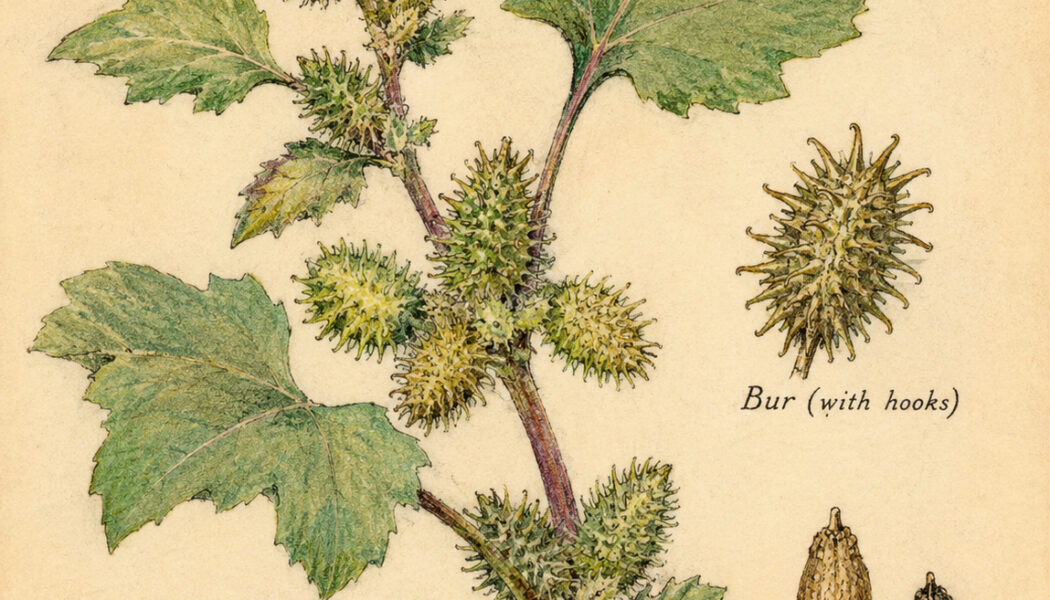

Cocklebur: A Thorny Plant of Protection and Persistence in Paganism and Witchcraft
Cocklebur (Xanthium spp.) is a hardy annual plant known for its rough leaves and distinctive burr-covered seed pods that cling stubbornly to fur, clothing, and passing travelers. Often regarded as a c...
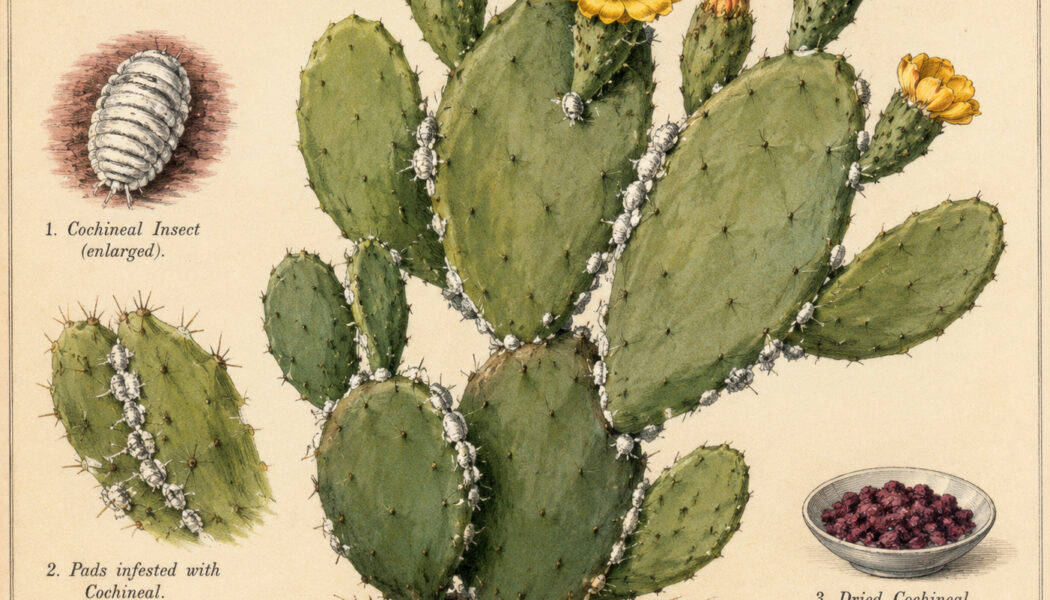

The Cochineal Cactus and Its Place in Paganism & Witchcraft
The Cochineal Cactus, most commonly associated with the prickly pear cactus (Opuntia species), holds a unique place in both natural history and magical practice. Named for its relationship with the co...
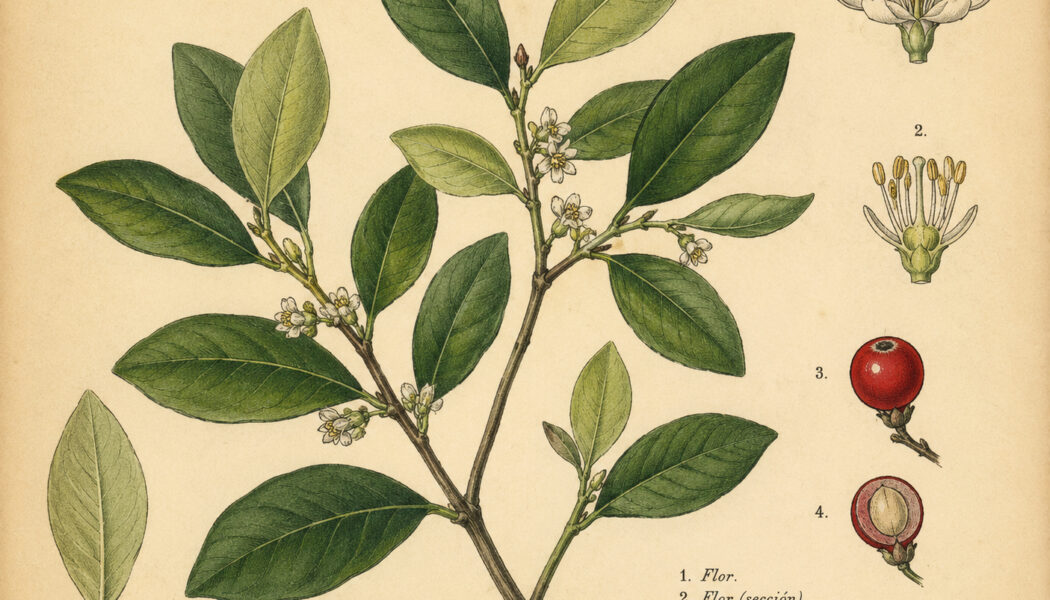

Coca and Its Place in Paganism and Witchcraft
The coca plant (Erythroxylum coca) is a sacred shrub native to the Andes Mountains of South America. For thousands of years, Indigenous peoples in regions such as Peru, Bolivia, Colombia, and Ecuador ...
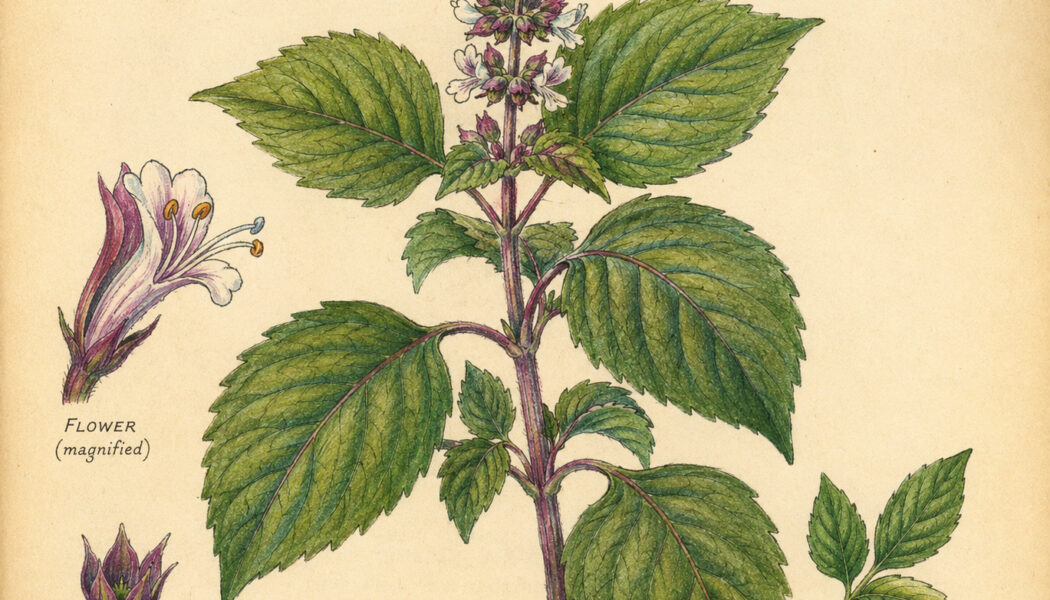

Clove Basil: A Sacred Herb in Paganism and Witchcraft
Clove Basil (Ocimum gratissimum), sometimes called African Basil or Tree Basil, is a fragrant herb known for its warm, spicy aroma that closely resembles cloves. Native to tropical regions of Africa a...
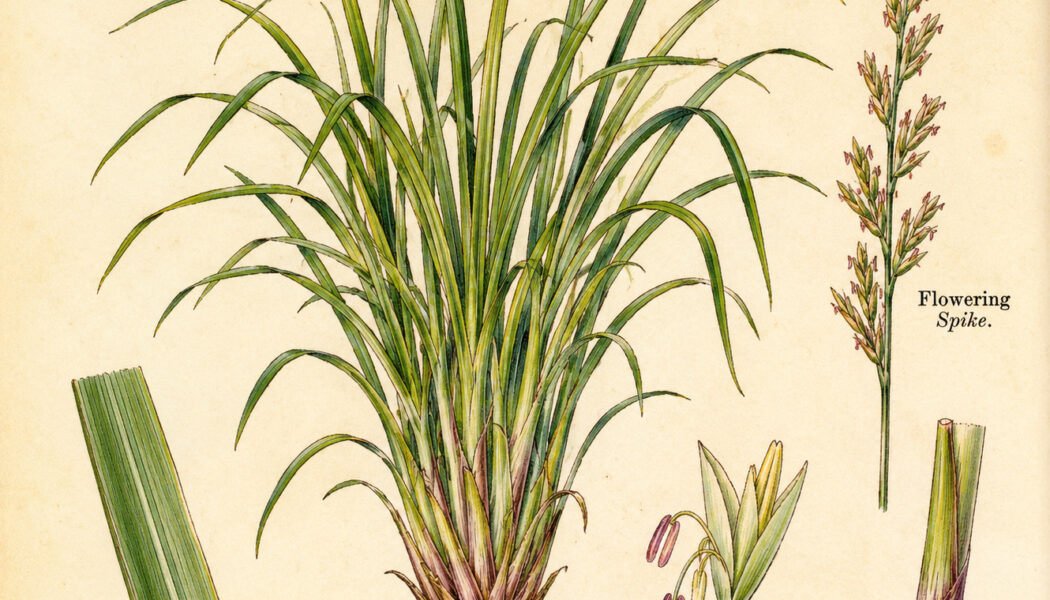

Citronella and Its Place in Paganism & Witchcraft
Citronella is a fragrant grass belonging to the Cymbopogon family, native to tropical regions of Asia. Known for its fresh, lemony scent, it is widely used in perfumes, candles, essential oils, and na...
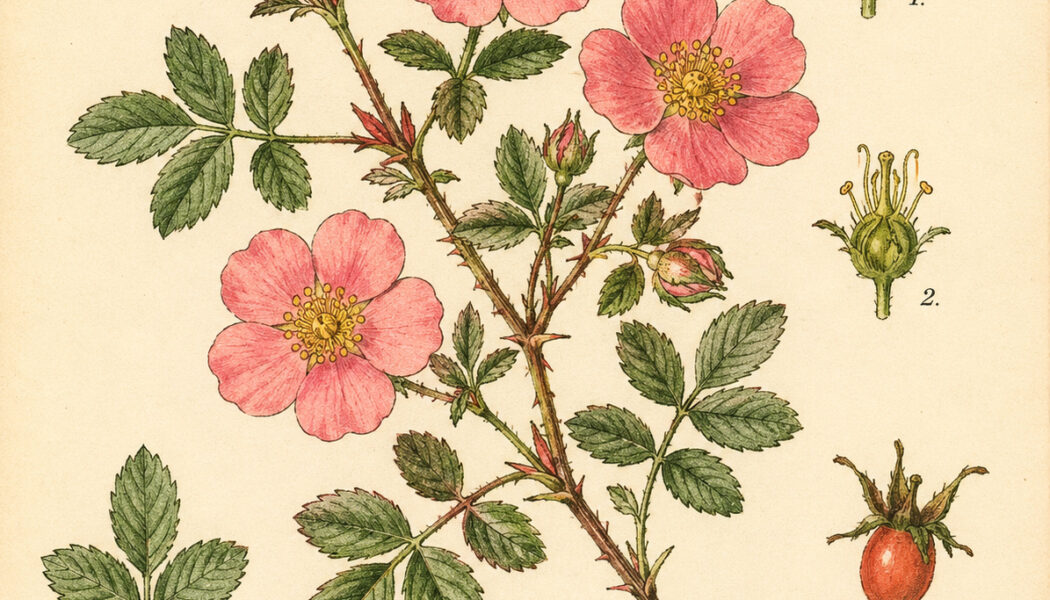

Cinquefoil Rose: A Sacred Plant in Paganism and Witchcraft
The Cinquefoil Rose, often known simply as Cinquefoil (Potentilla species), is a small flowering plant revered in folk magic, pagan traditions, and witchcraft for centuries. Its name derives from the ...
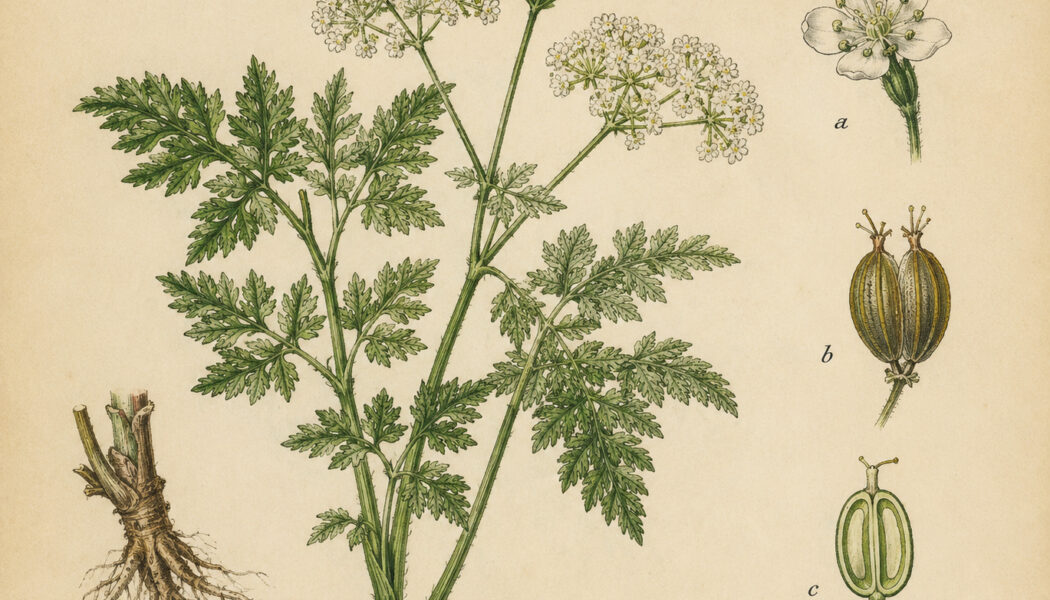

Cicely: A Sweet Herb of Magic and Tradition
Cicely (Myrrhis odorata), often known as Sweet Cicely, is a fragrant herb native to parts of Europe and long valued for both its culinary and medicinal properties. With its delicate fern-like leaves, ...
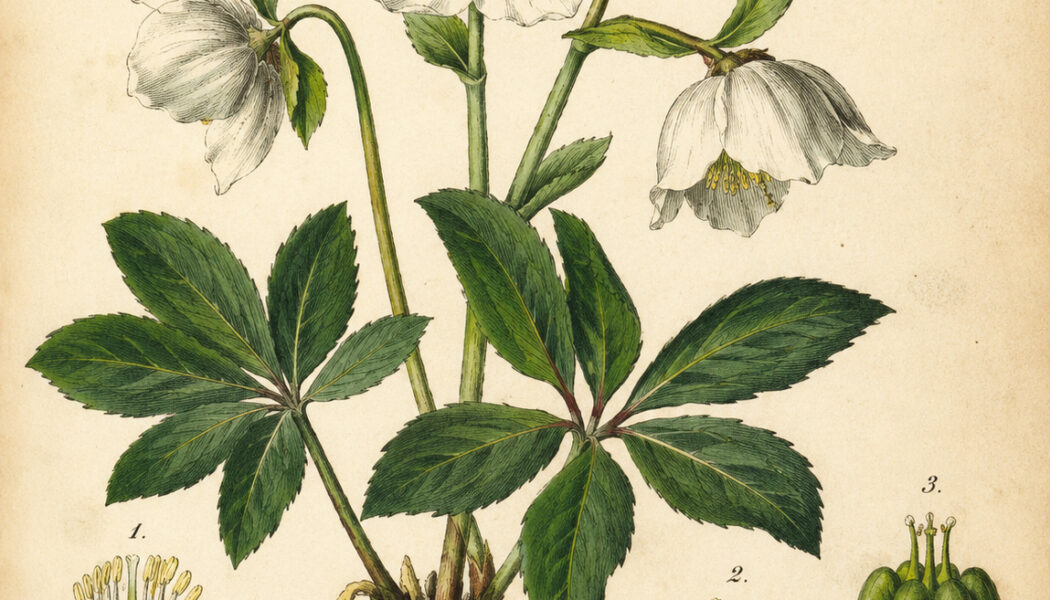

The Christmas Rose: A Winter Bloom in Paganism and Witchcraft
The Christmas Rose (Helleborus niger) is a striking evergreen perennial that blooms during the darkest months of winter. Despite its name, it is not a true rose but a member of the buttercup family. I...
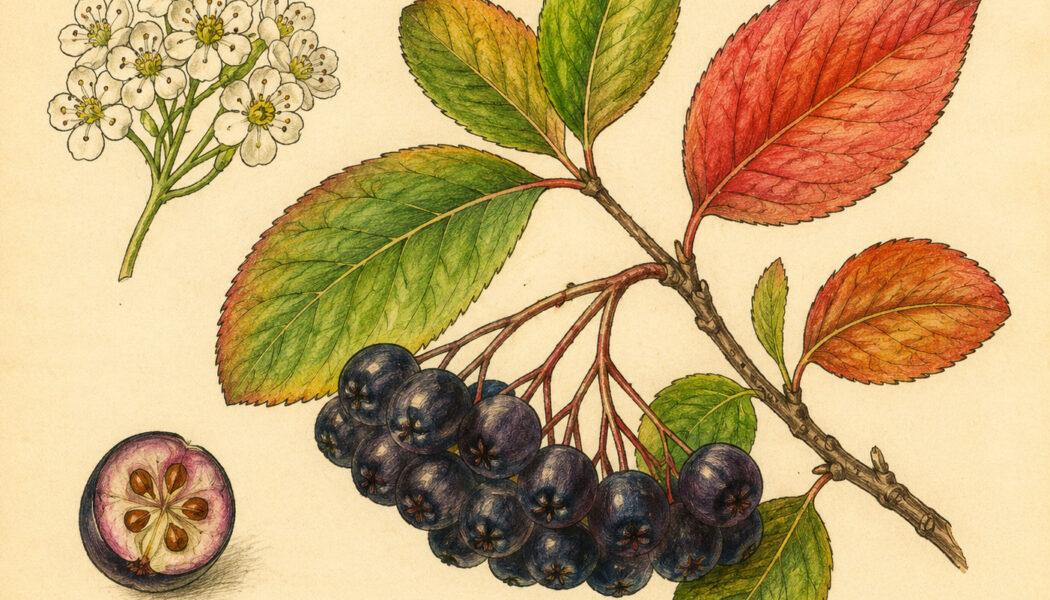

Chokeberry and Its Place in Paganism & Witchcraft
Chokeberry (Aronia spp.) is a hardy deciduous shrub native to eastern North America, valued for its clusters of dark purple-black or red berries and its brilliant autumn foliage. Although it is best k...
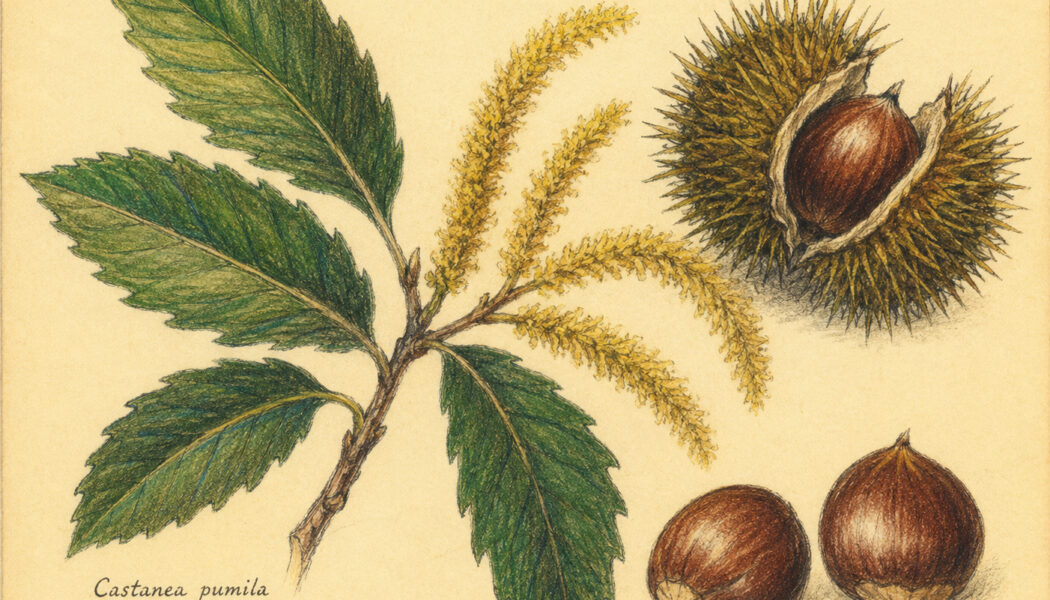

Chinquapin and Its Place in Paganism & Witchcraft
The Chinquapin (Castanea pumila), sometimes called the Allegheny Chinkapin, is a small tree or shrub native to the southeastern and eastern regions of North America. A close relative of the American c...
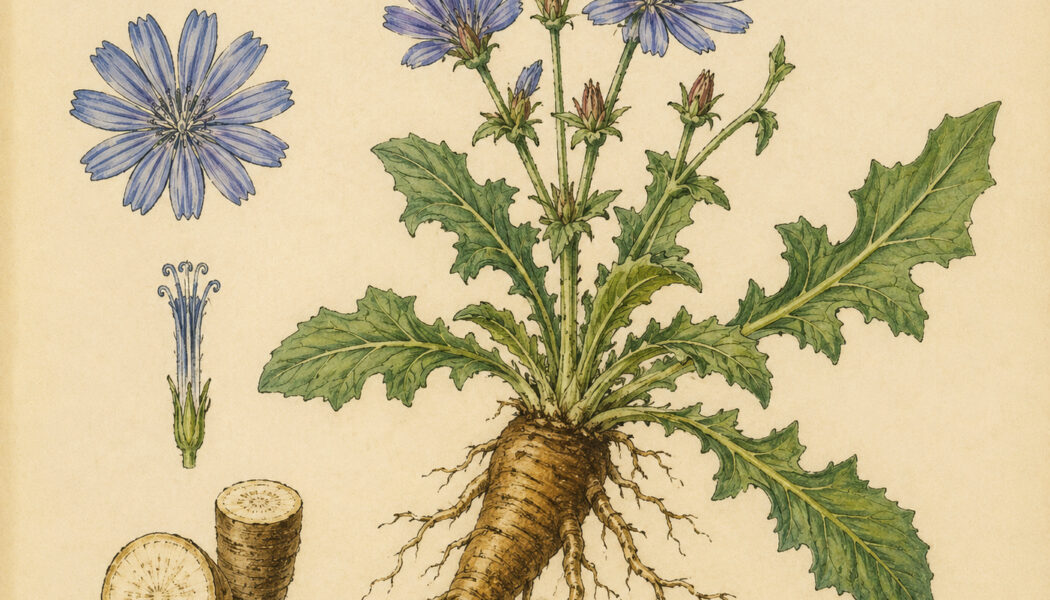

Chicory Root in Paganism and Witchcraft
Chicory root (Cichorium intybus) is a hardy perennial plant known for its bright blue flowers and deep taproot. While today it is commonly used as a coffee substitute and herbal remedy, chicory has a ...
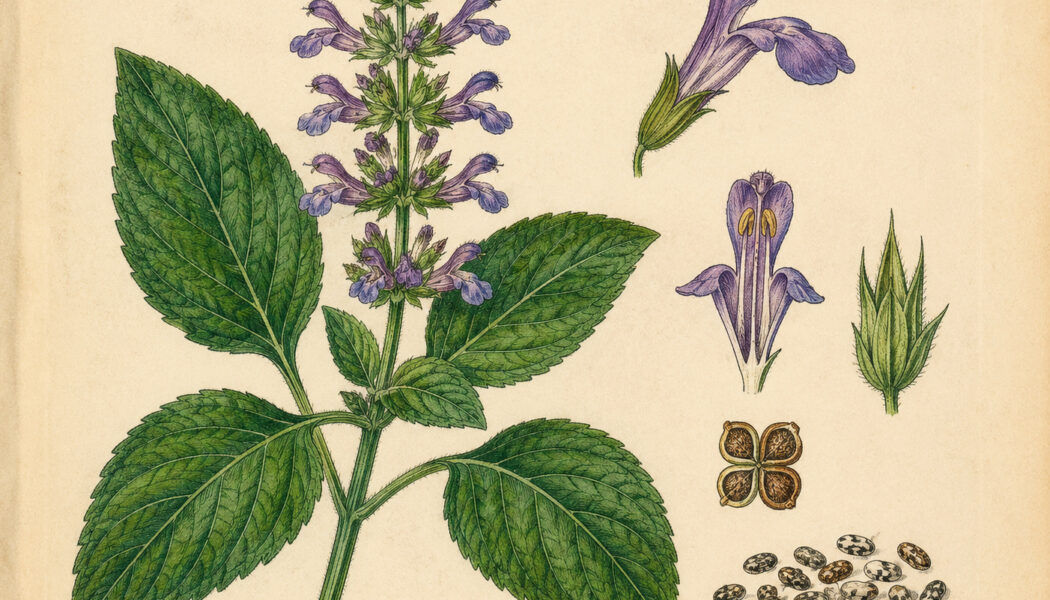

Chia: A Sacred Seed in Paganism and Witchcraft
Chia (Salvia hispanica) is a flowering plant native to Central America, best known today for its nutrient-rich seeds. Revered by ancient civilizations such as the Aztecs and Maya, chia was valued not ...
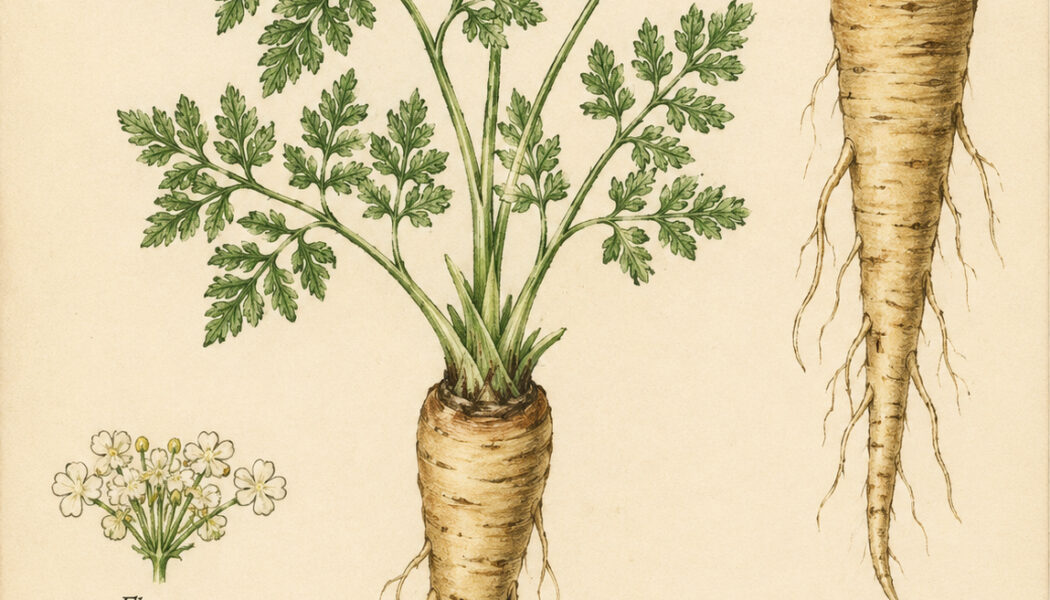

Chervil Root and Its Place in Paganism & Witchcraft
Chervil Root, derived from the plant Chaerophyllum bulbosum, is a lesser-known member of the carrot family that has long been valued for both its culinary and symbolic qualities. While its sweet, ches...
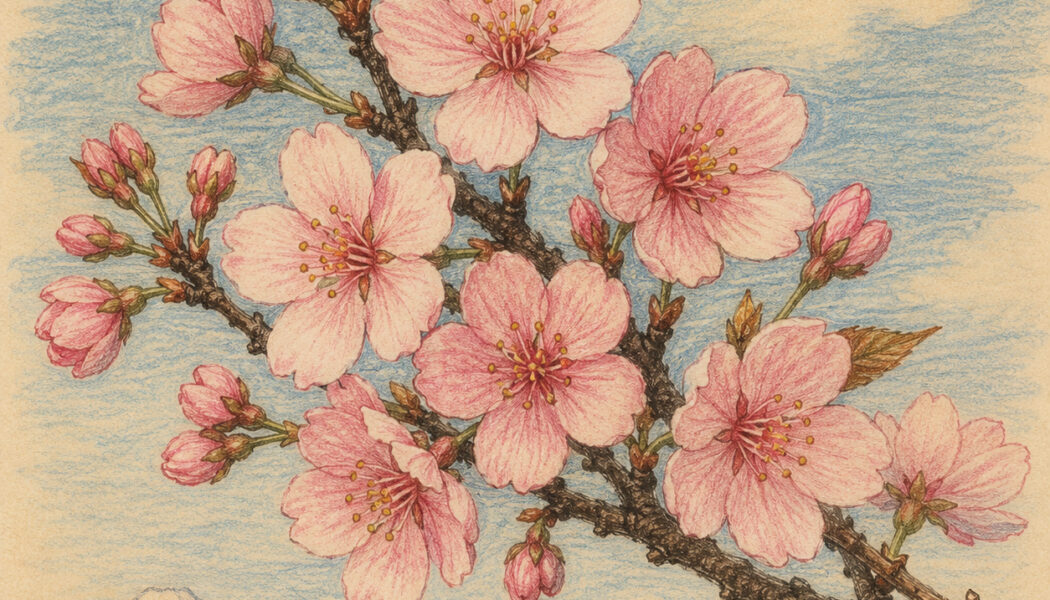

Cherry Blossom and Its Place in Paganism & Witchcraft
The cherry blossom, the delicate flower of the cherry tree, is celebrated around the world for its beauty and symbolic meaning. Blooming briefly in spring before its petals drift away on the wind, the...
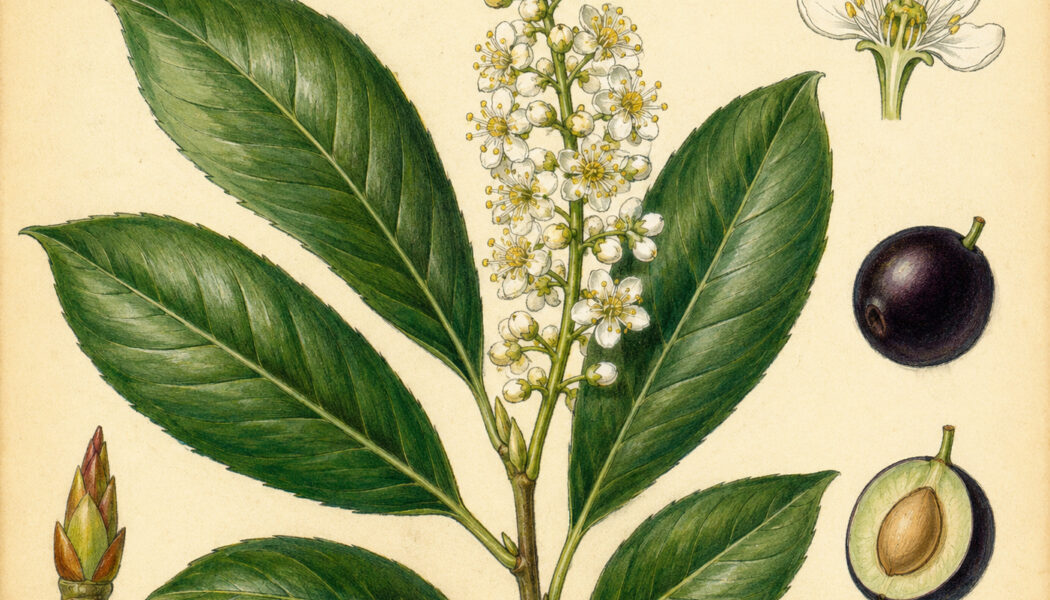

Cherry Laurel in Paganism and Witchcraft
Cherry Laurel (Prunus laurocerasus) is an evergreen shrub known for its glossy leaves, fragrant white flowers, and dark berries. Native to regions around the Black Sea and widely cultivated throughout...
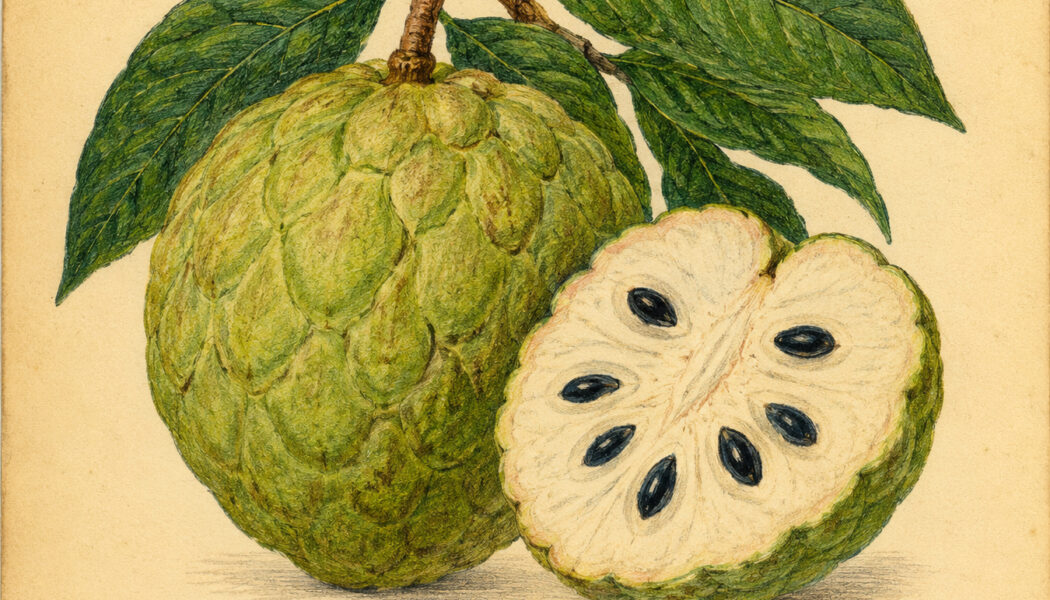

Cherimoya: A Sacred Fruit in Paganism and Witchcraft
Cherimoya (Annona cherimola), often called the “custard apple,” is a tropical fruit-bearing tree native to the highlands of South America. Renowned for its sweet, creamy flesh and heart-sh...
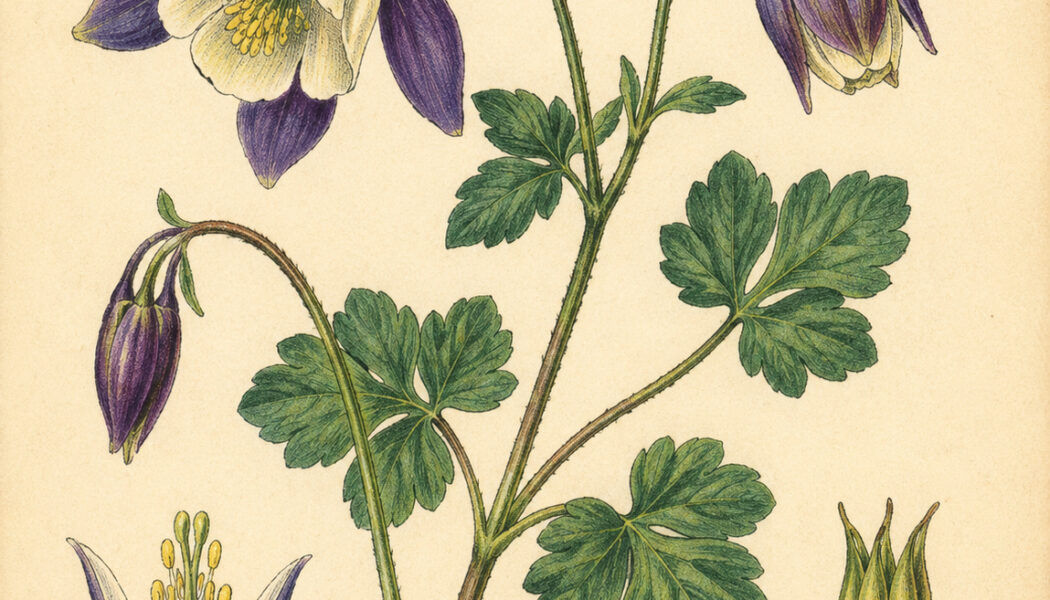

Columbine and Its Place in Paganism & Witchcraft
Columbine (Aquilegia) is a graceful flowering plant known for its delicate, bell-shaped blooms and distinctive spurred petals. Found in a variety of colors including purple, blue, pink, white, and yel...
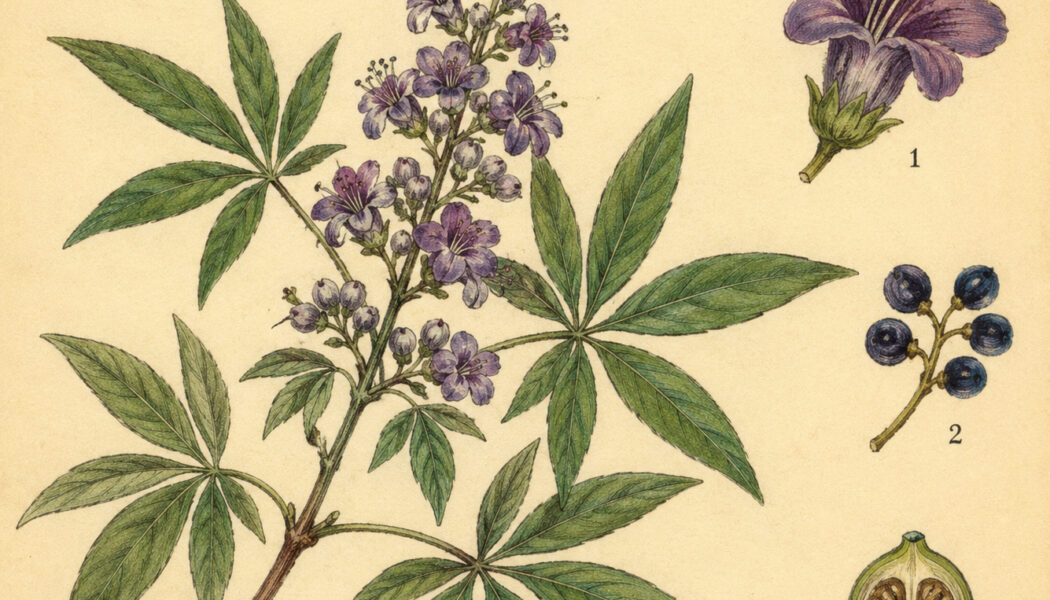

The Chaste Tree and Its Place in Paganism & Witchcraft
The Chaste Tree (Vitex agnus-castus), also known as Chasteberry or Monk’s Pepper, is a fragrant shrub native to the Mediterranean region. Recognized by its spikes of purple-blue flowers and aromatic l...
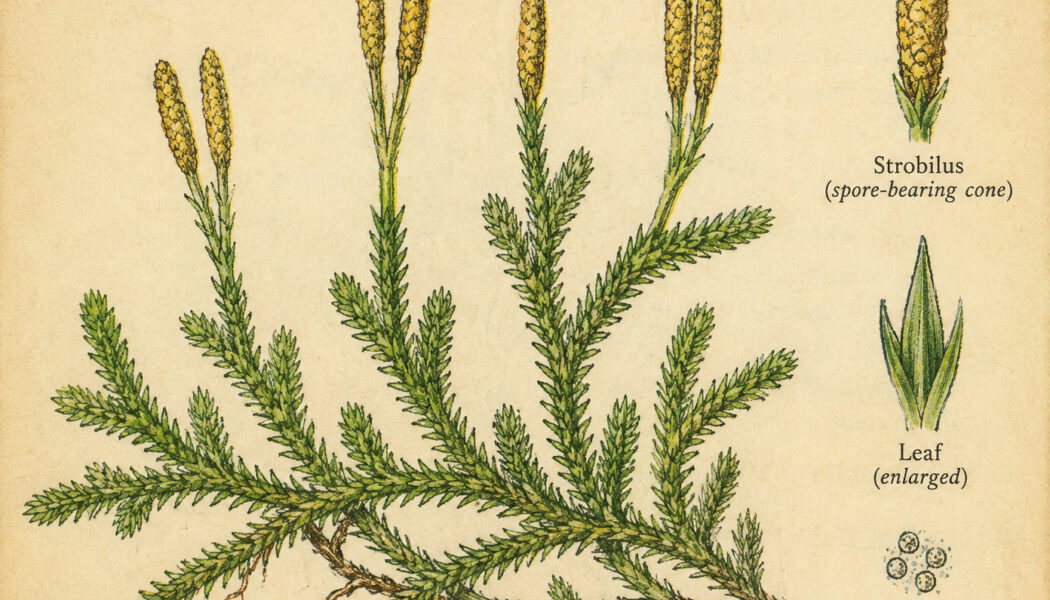

Club Moss and Its Place in Paganism & Witchcraft
Club Moss (Lycopodium spp.) is an ancient and fascinating plant that has existed on Earth for more than 300 million years. Despite its name, it is not a true moss but belongs to a group of primitive v...
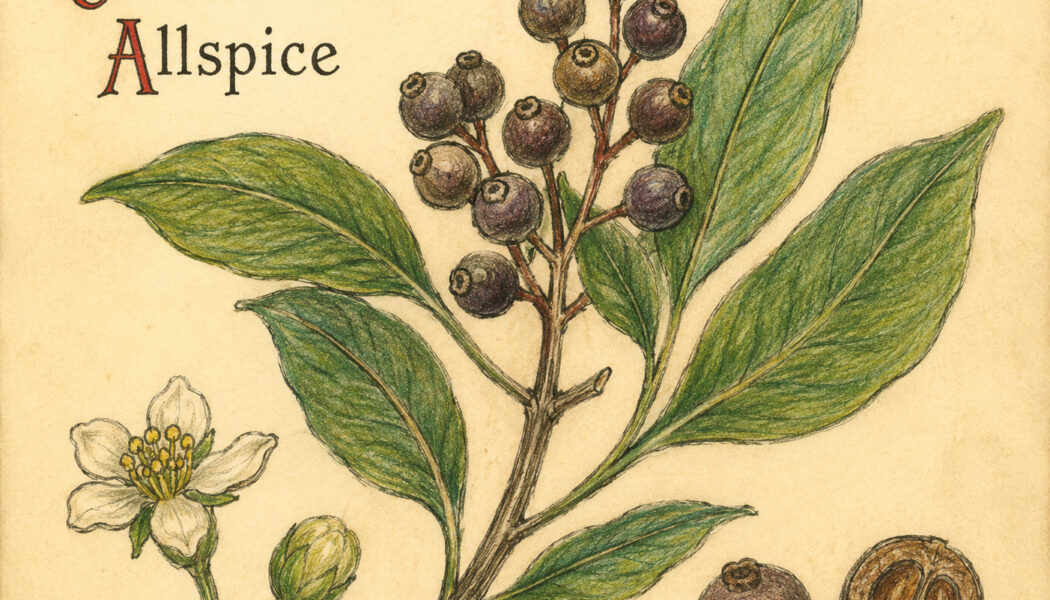

Carolina Allspice: A Fragrant Ally in Paganism and Witchcraft
Carolina Allspice (Calycanthus floridus), also known as Sweetshrub or Spicebush, is a deciduous flowering shrub native to the southeastern United States. Renowned for its deep burgundy flowers and spi...
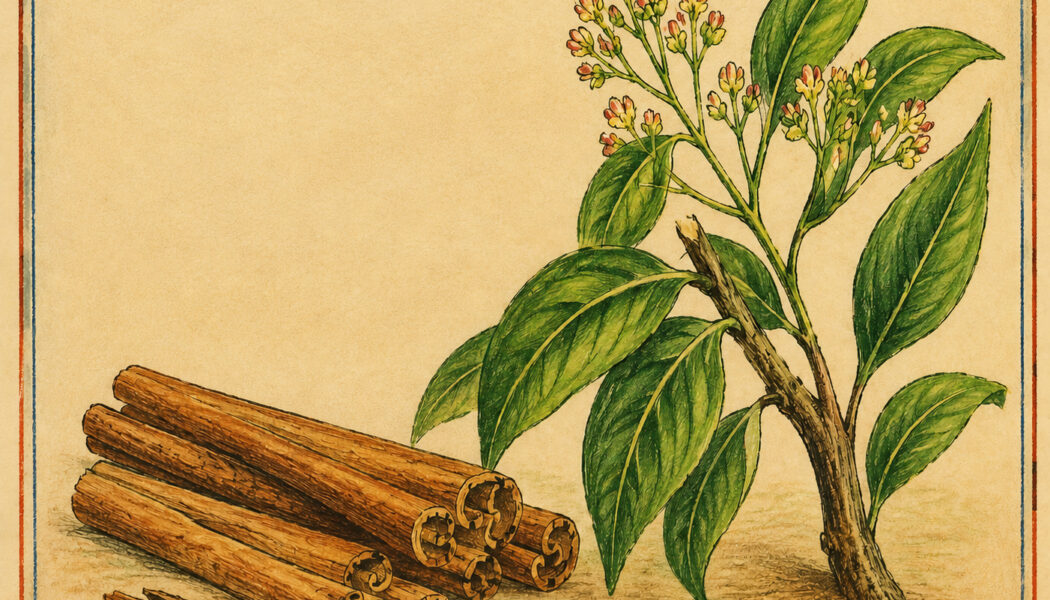

Ceylon Cinnamon: A Sacred Spice in Paganism and Witchcraft
Ceylon Cinnamon (Cinnamomum verum), often called “true cinnamon,” is a fragrant evergreen tree native to Sri Lanka and parts of South Asia. Renowned for its sweet aroma and delicate flavor, this treas...
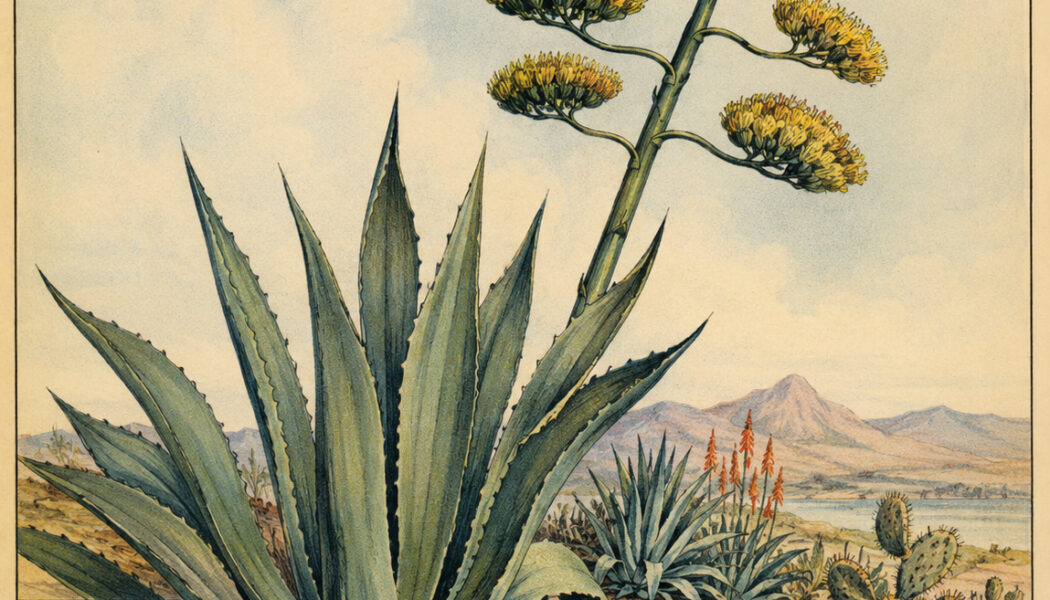

The Century Plant and Its Place in Paganism & Witchcraft
The Century Plant, commonly known as agave, is a striking succulent native to the arid regions of the Americas. Despite its name, it does not live for a century; most species flower after ten to thirt...
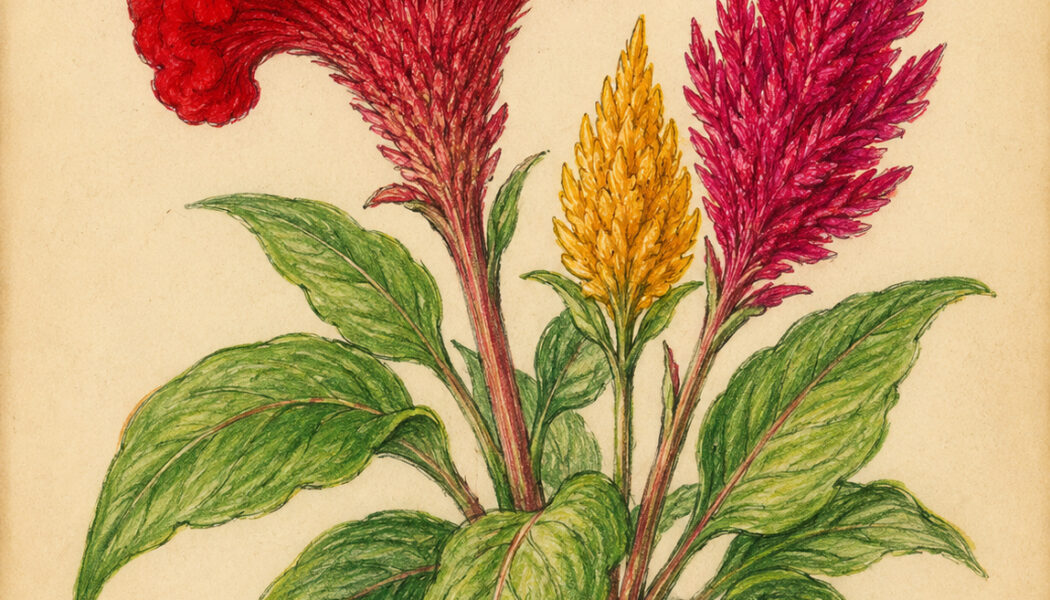

Celosia: A Sacred Flame in Paganism and Witchcraft
Celosia, often recognized by its vibrant, flame-like blooms, is a striking plant that has found a place in modern Pagan and witchcraft traditions. Its name derives from the Greek word kelos, meaning &...
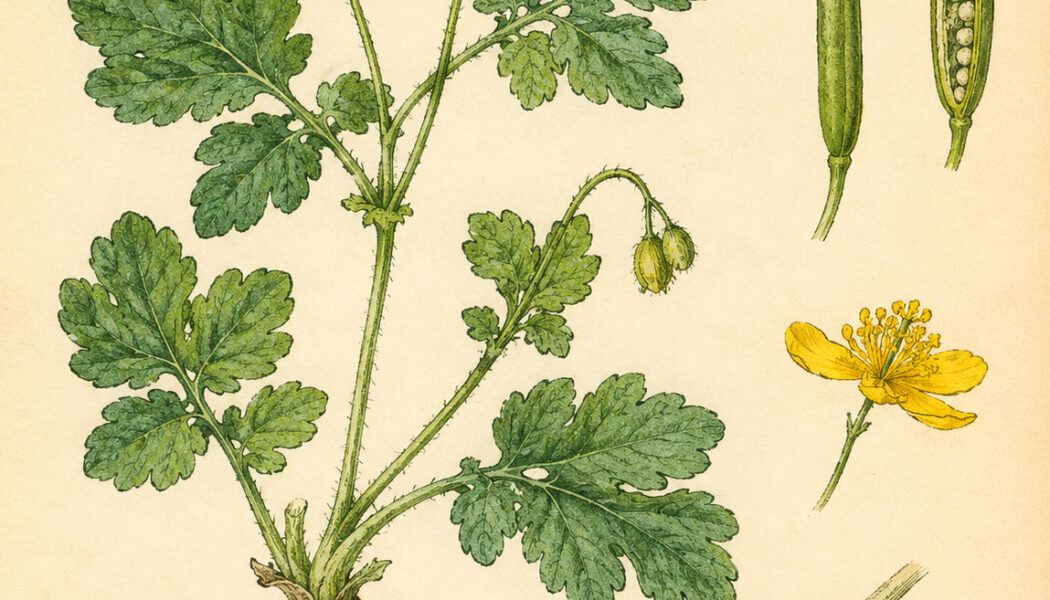

Celandine and Its Place in Paganism and Witchcraft
Celandine is a bright and cheerful wildflower that has long held a place in folklore, pagan traditions, and witchcraft. The name “celandine” is commonly applied to two plants: Greater Celandine (Cheli...
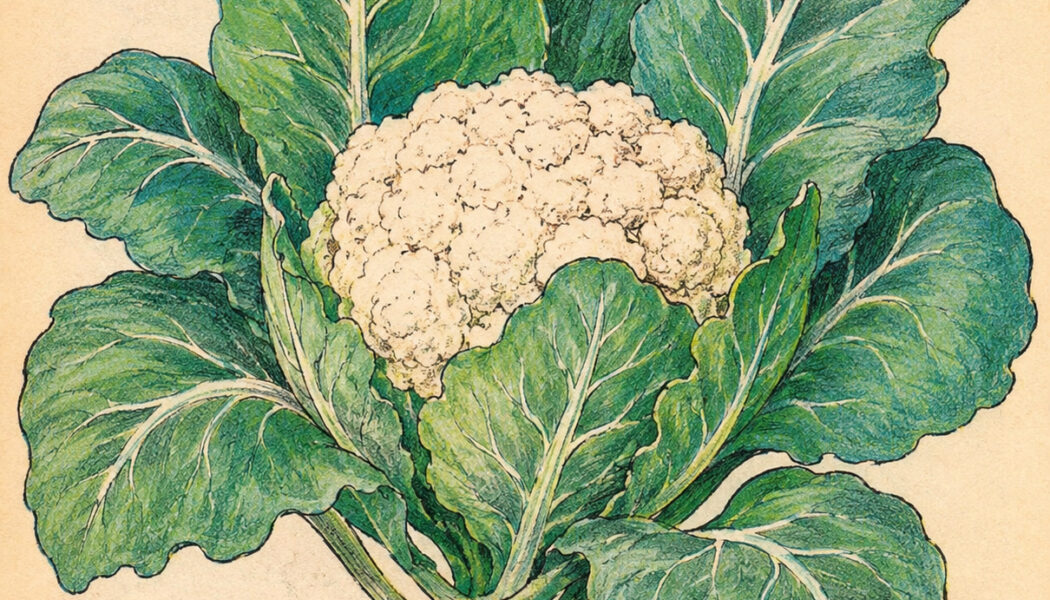

Cauliflower and Its Place in Paganism & Witchcraft
Cauliflower (Brassica oleracea var. botrytis) is a nutritious vegetable belonging to the cabbage family. Known for its dense white head, often called a “curd,” cauliflower has been cultiva...
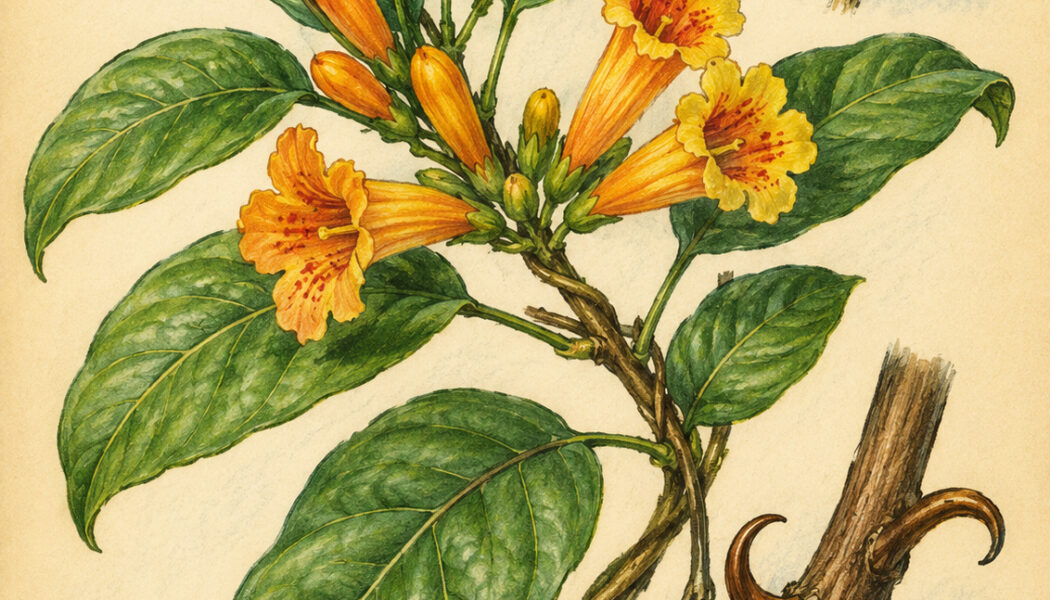

Cat’s Claw: A Sacred Vine in Paganism and Witchcraft
Cat’s Claw (Uncaria tomentosa) is a woody vine native to the Amazon rainforest and parts of Central and South America. Named for its distinctive curved thorns that resemble the claws of a cat, this re...
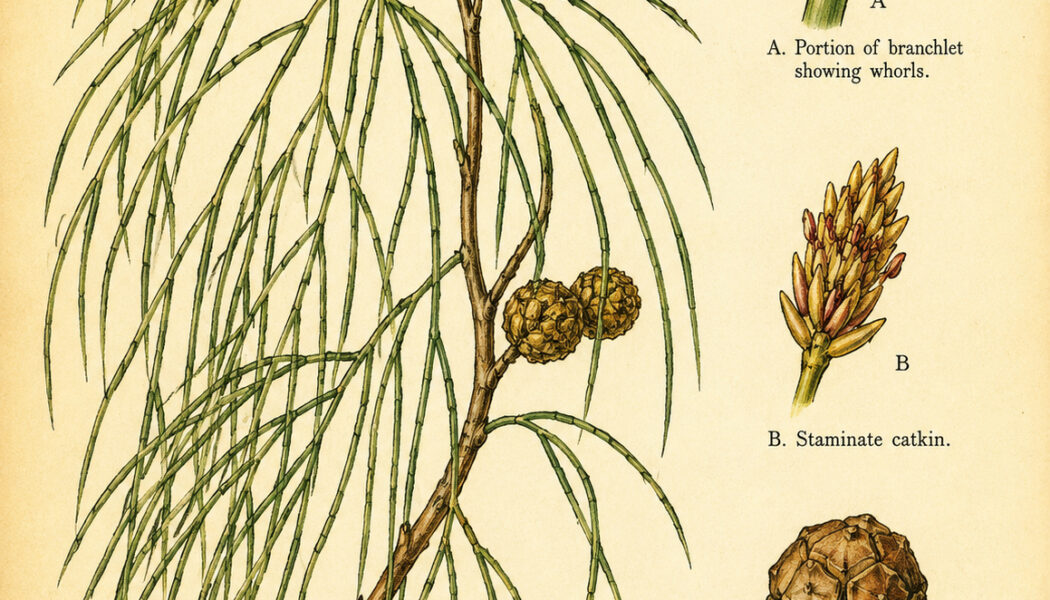

Casuarina and Its Place in Paganism & Witchcraft
The Casuarina, often called the “she-oak” or “Australian pine,” is an evergreen tree known for its slender, needle-like branchlets and distinctive whispering sound when stirred...
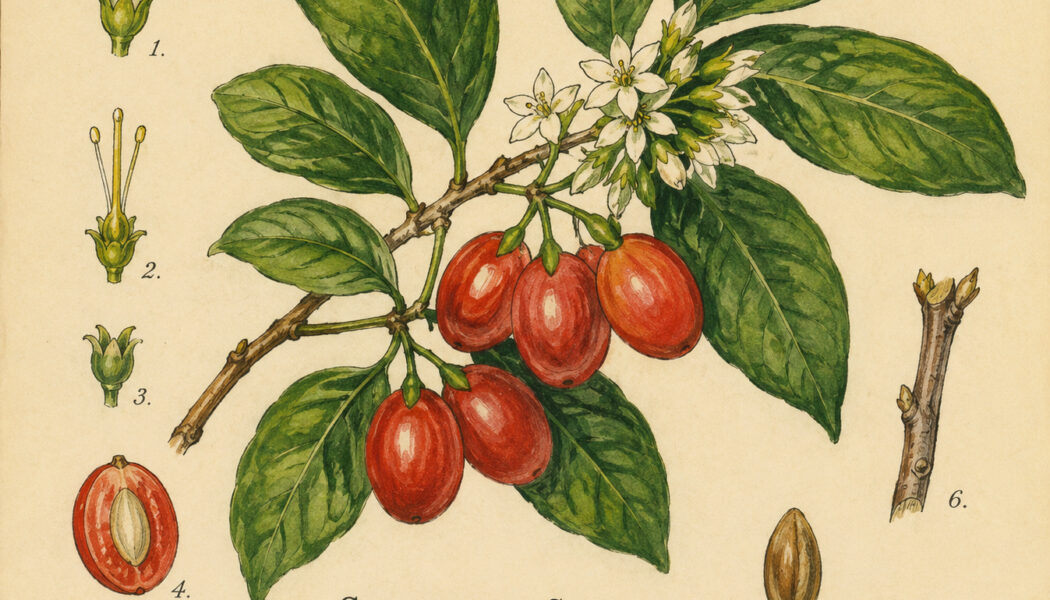

Carnelian Cherry: A Sacred Plant in Paganism and Witchcraft
The Carnelian Cherry (Cornus mas) is a small tree or large shrub native to parts of Europe and Western Asia. Known for its bright yellow blossoms that appear in late winter and its deep red, cherry-li...
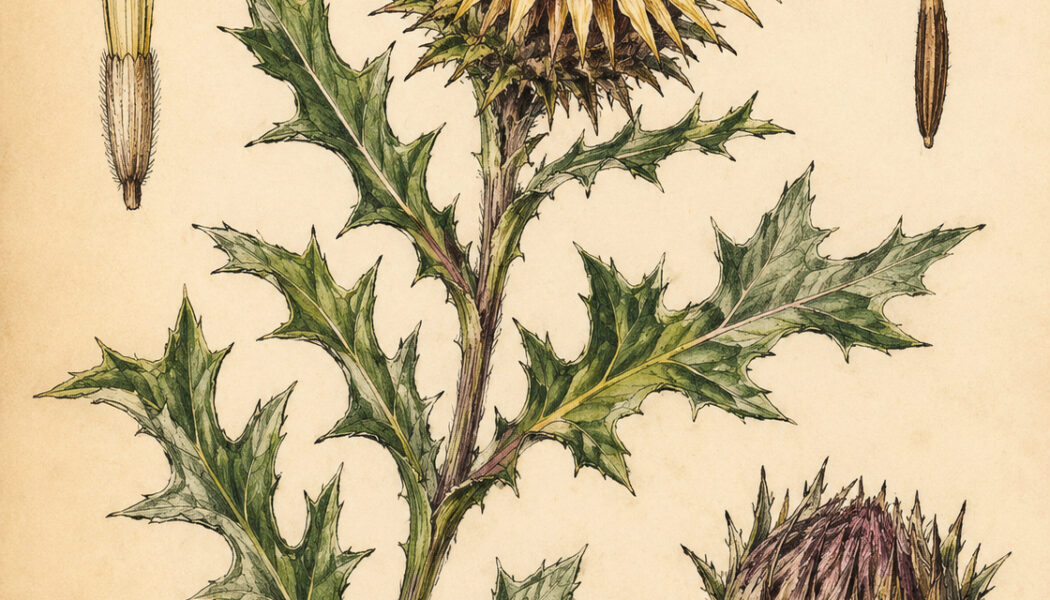

Carline Thistle: A Protective Plant in Paganism and Witchcraft
The Carline Thistle (Carlina vulgaris and related species) is a striking wild plant known for its spiny leaves and golden, star-like flower heads. Found throughout much of Europe, it has long been val...
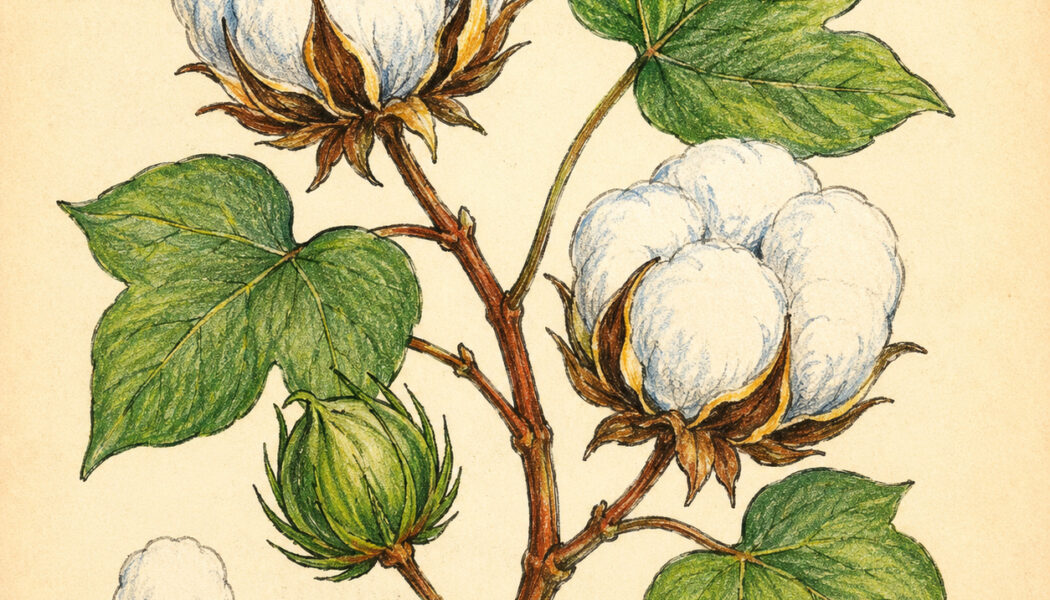

Cotton and Its Place in Witchcraft
Cotton is one of the world’s most important plants, valued for thousands of years for its soft fibers and many practical uses. Belonging to the genus Gossypium, cotton grows in warm climates and produ...
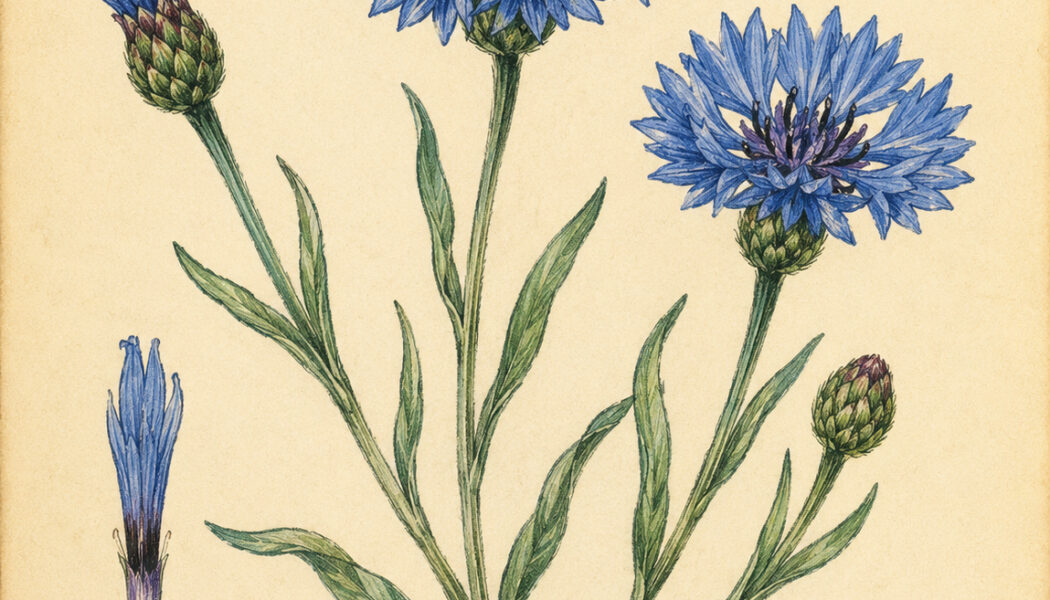

Cornflower and Its Place in Witchcraft
The cornflower, also known as bachelor’s button, is a delicate blue wildflower that has long carried symbolic and magical meaning throughout European folklore and witchcraft traditions. Known scientif...
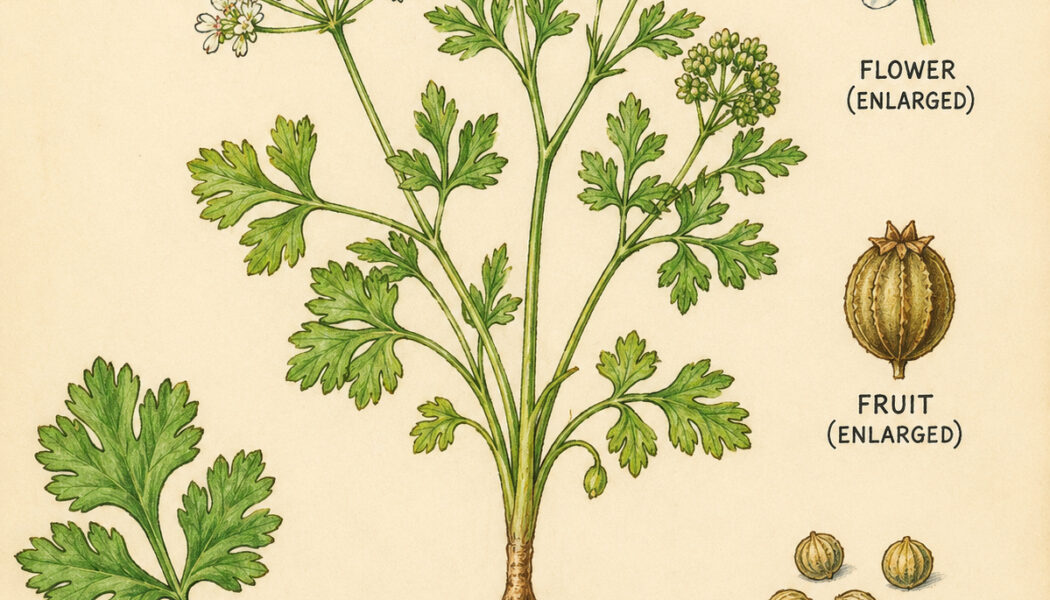

Coriander and Its Place in Witchcraft
Coriander, known scientifically as Coriandrum sativum, is a fragrant herb that has been valued for centuries in cooking, medicine, and spiritual traditions. Native to regions of Southern Europe, North...
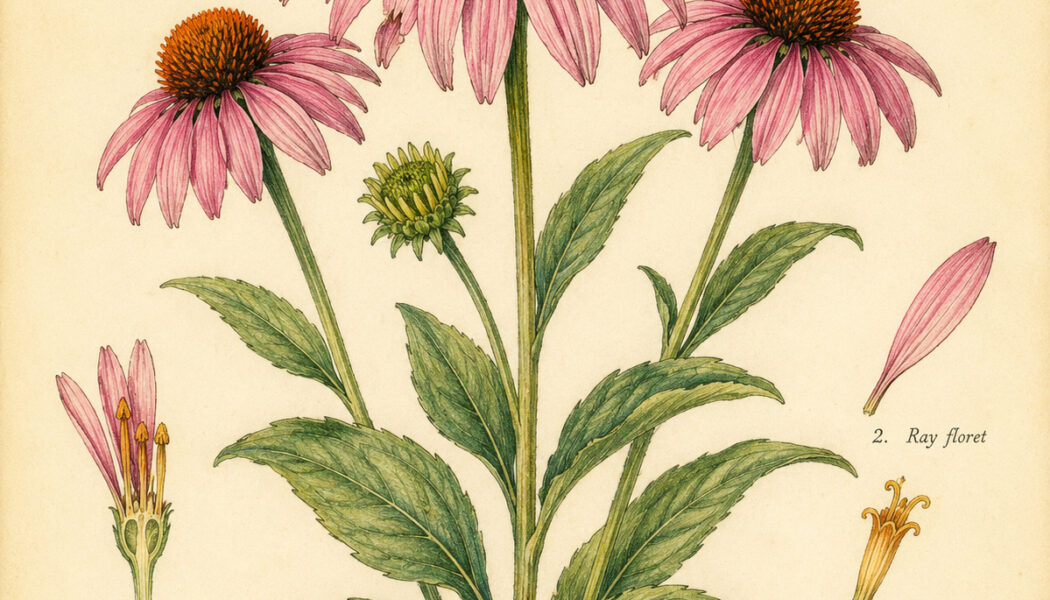

Coneflower and Its Place in Witchcraft
Coneflower, commonly known as Echinacea, is a striking flowering plant recognized by its vibrant purple petals and raised central cone. Native to North America, it has long been valued for both medici...
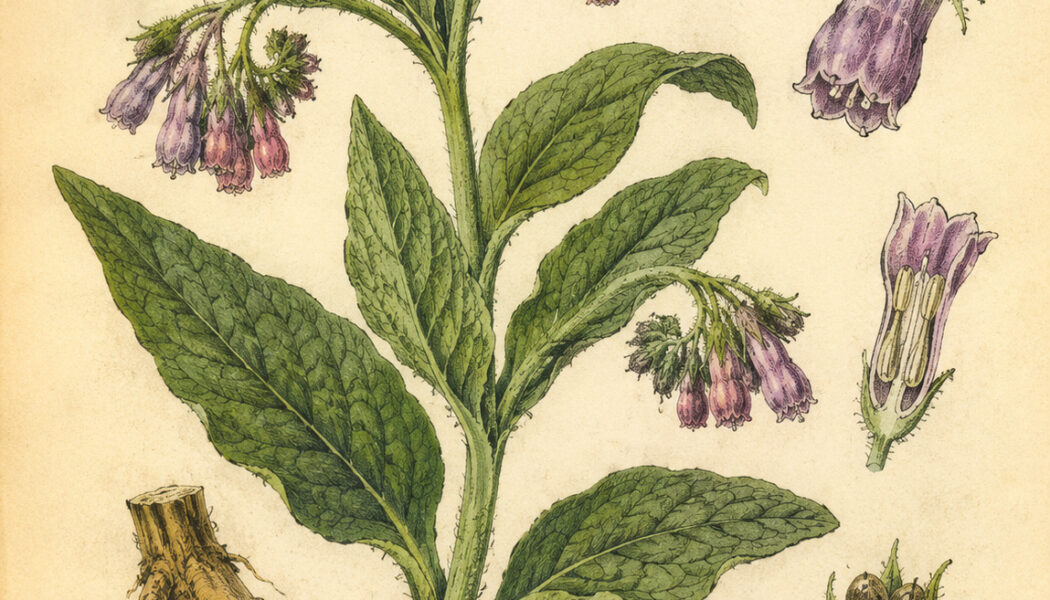

Comfrey and Its Place in Witchcraft
Comfrey (Symphytum officinale) is a hardy perennial herb long valued for both its medicinal qualities and its mystical associations. With broad, hairy leaves and bell-shaped purple flowers, the plant ...
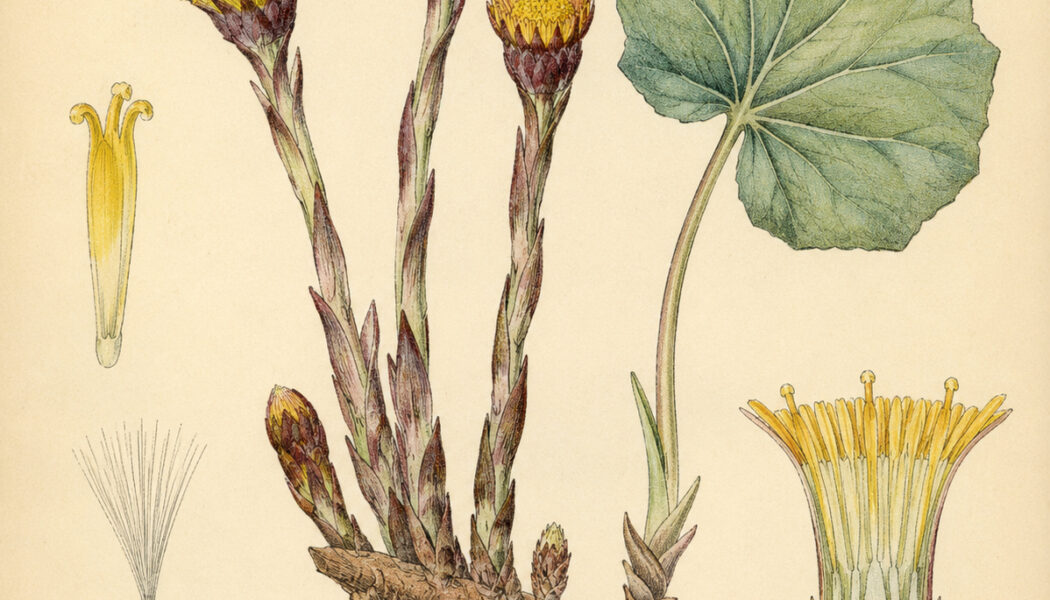

Coltsfoot and Its Place in Witchcraft
Coltsfoot (Tussilago farfara) is a small flowering plant that has long held a place in folklore, herbal medicine, and witchcraft traditions. Easily recognized by its bright yellow flowers and broad, h...
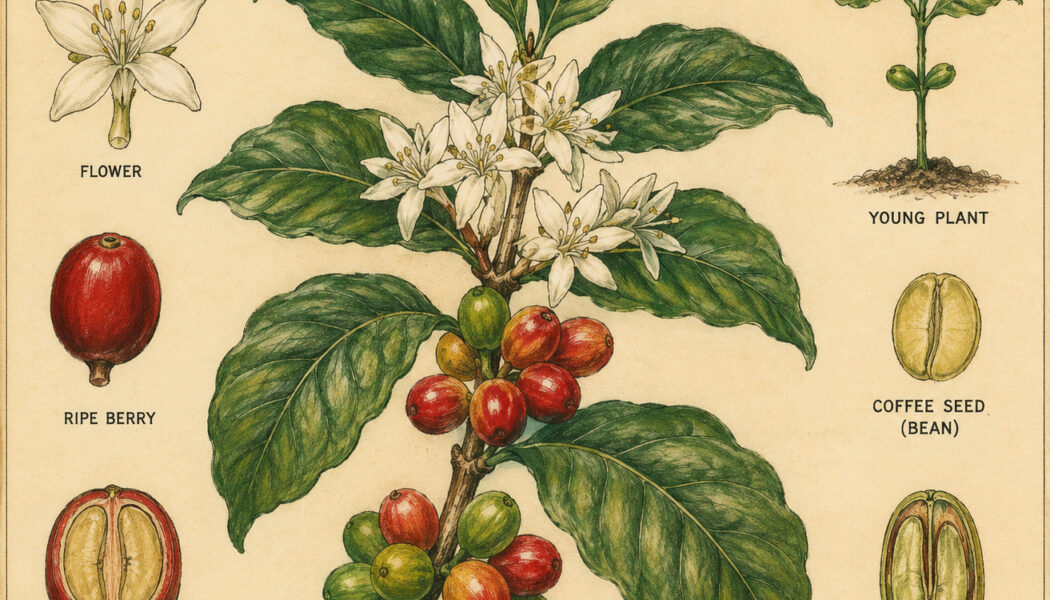

Coffee and Its Place in Witchcraft
Coffee is one of the most widely consumed plants in the world, valued for its rich aroma, stimulating properties, and cultural importance. Derived mainly from the species Coffea arabica and Coffea can...
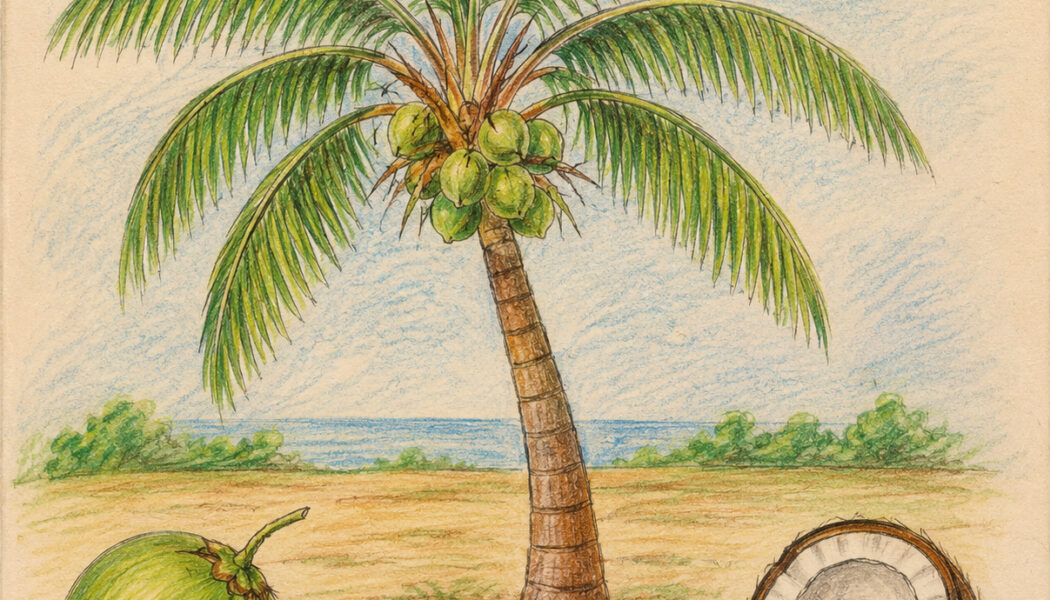

Coconut and Its Place in Witchcraft
The coconut tree, often called the “Tree of Life,” has long held spiritual and magical significance in many cultures around the world. Found mainly in tropical regions, the coconut provides food, oil,...
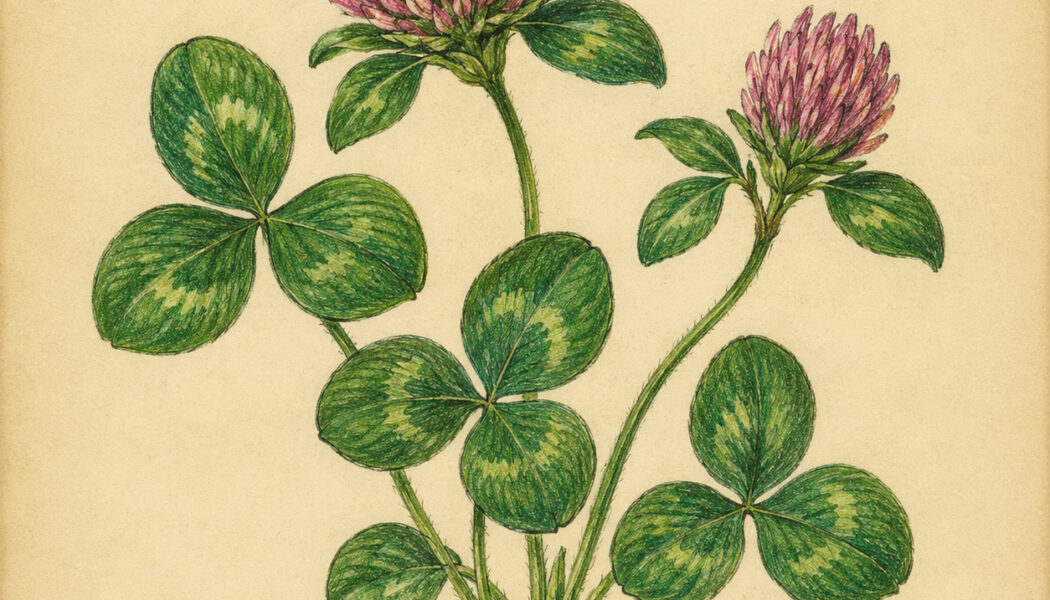

Clover and Its Place in Witchcraft
Clover is a small but meaningful plant that has held symbolic and magical importance for centuries. Known for its delicate green leaves and tiny blossoms, clover grows abundantly in fields and meadows...
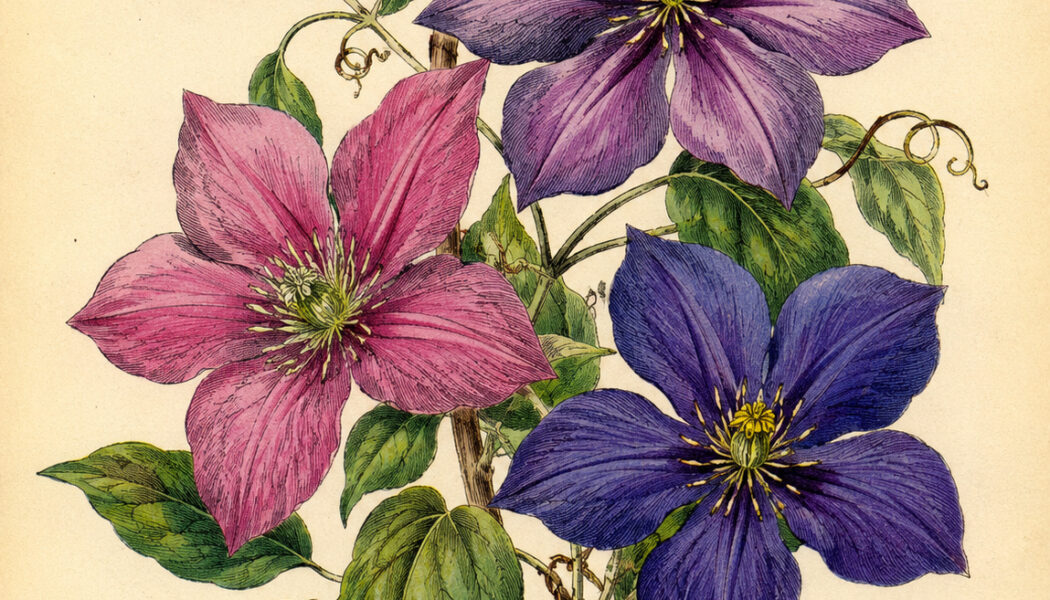

Clematis and Its Place in Witchcraft
Clematis, often called the “queen of climbers,” is a flowering vine admired for its delicate petals and vigorous growth. Found in gardens throughout Europe and Asia, this enchanting plant has also hel...
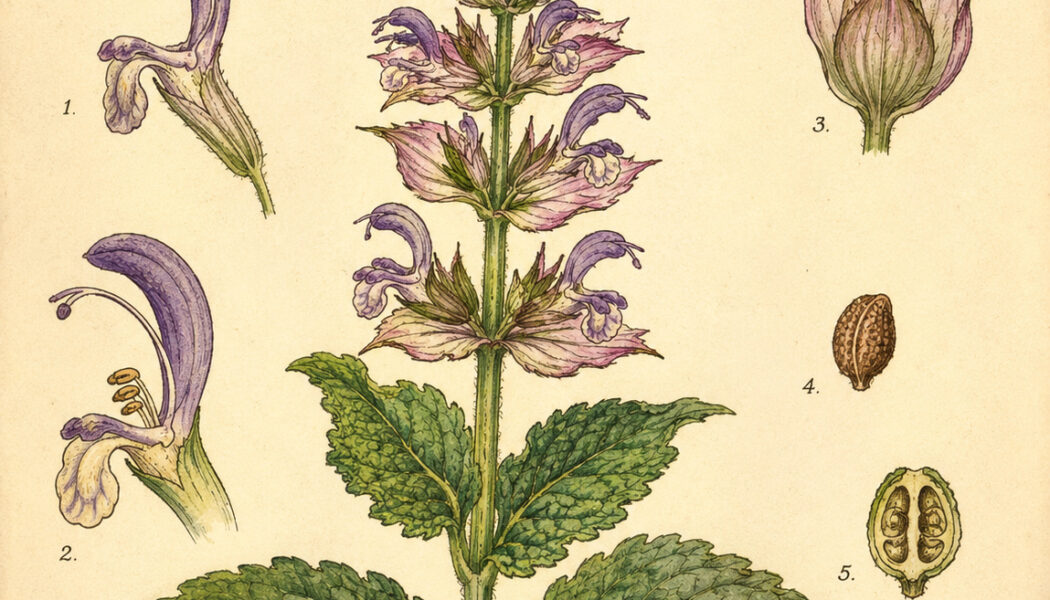

Clary Sage and Its Place in Witchcraft
Clary Sage (Salvia sclarea) is a fragrant herb long associated with healing, wisdom, and spiritual insight. Native to the Mediterranean region, this silvery-green plant produces delicate purple and pi...
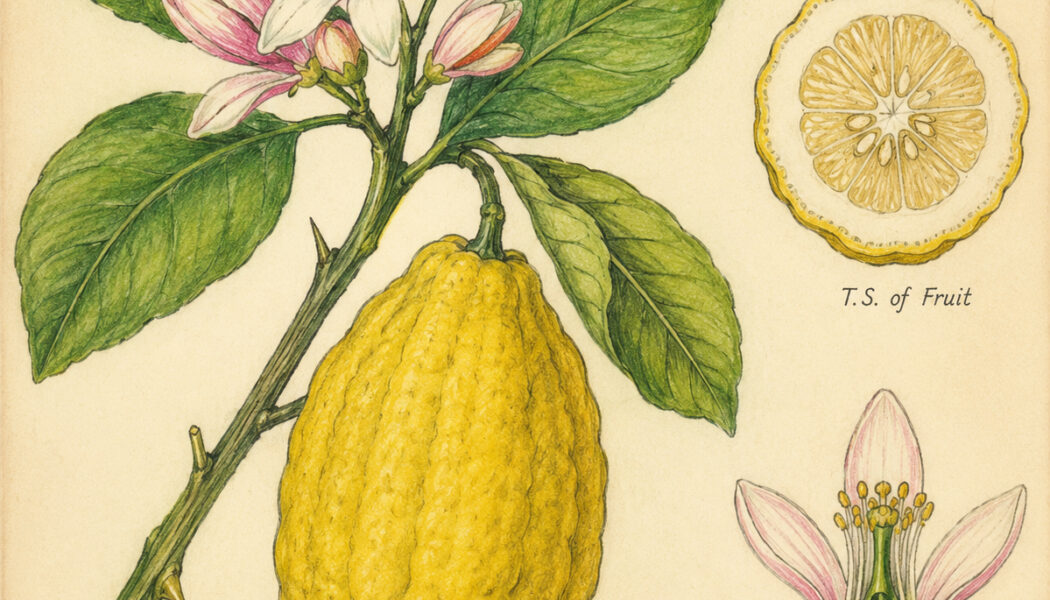

Citron and Its Place in Witchcraft
The citron is one of the oldest cultivated citrus fruits in the world, prized for its thick fragrant rind and powerful symbolic associations. Known scientifically as Citrus medica, the citron has appe...
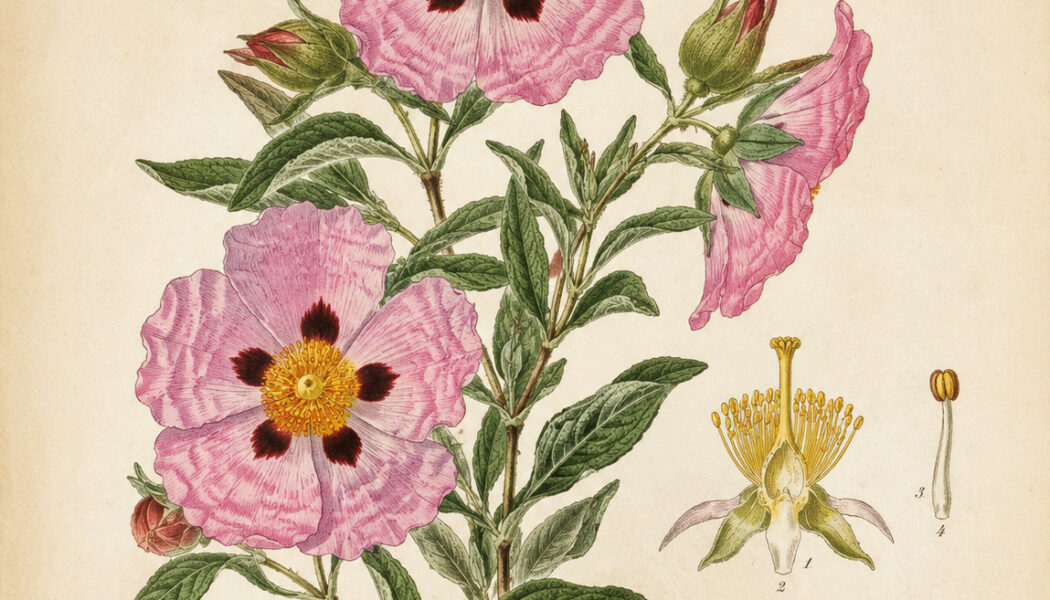

Cistus and Its Place in Witchcraft
Cistus, commonly known as rockrose, is a flowering shrub native to the Mediterranean region. Recognized for its delicate pink or white blossoms and resinous leaves, the plant has long been valued in h...
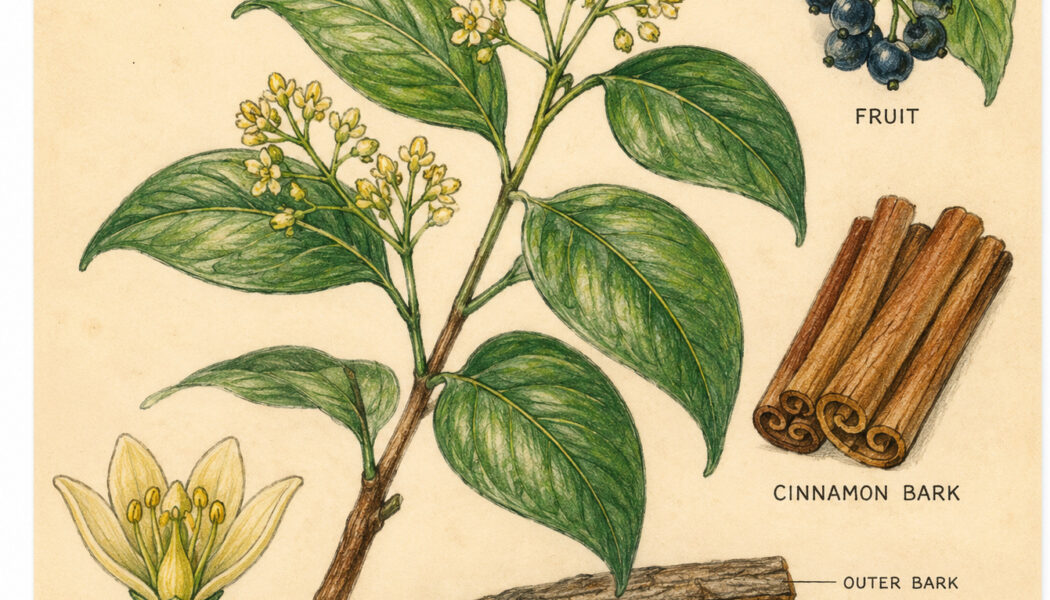

Cinnamon and Its Place in Witchcraft
Cinnamon is one of the oldest and most treasured spices in human history. Derived from the bark of trees belonging to the Cinnamomum family, it has been used for thousands of years in cooking, medicin...
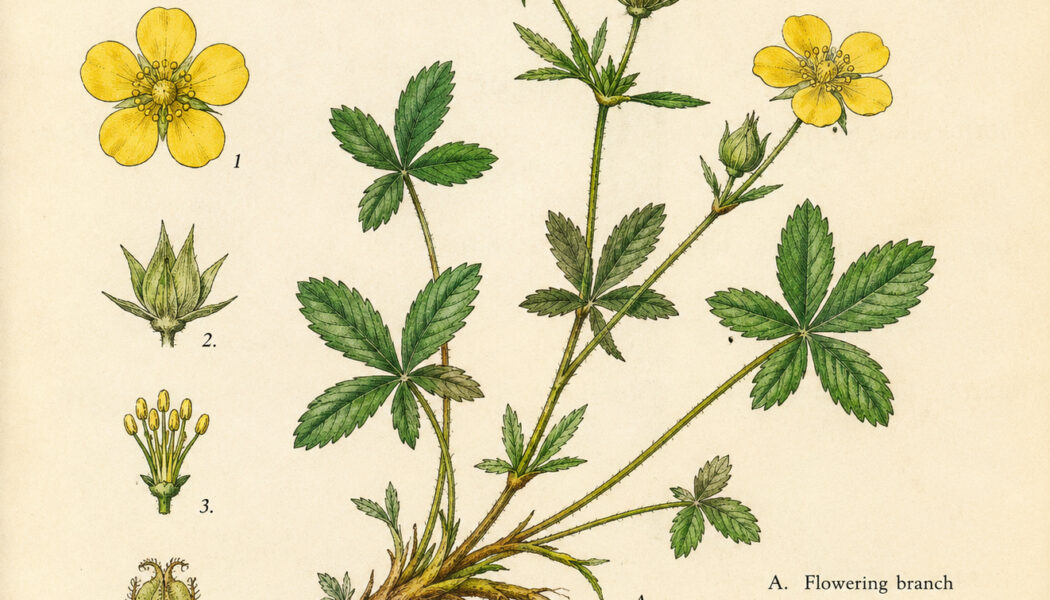

Cinquefoil and Its Place in Witchcraft
Cinquefoil, a small flowering plant belonging to the genus Potentilla, has long held a respected place in folklore, herbalism, and witchcraft traditions. Its name comes from the French words cinq feui...
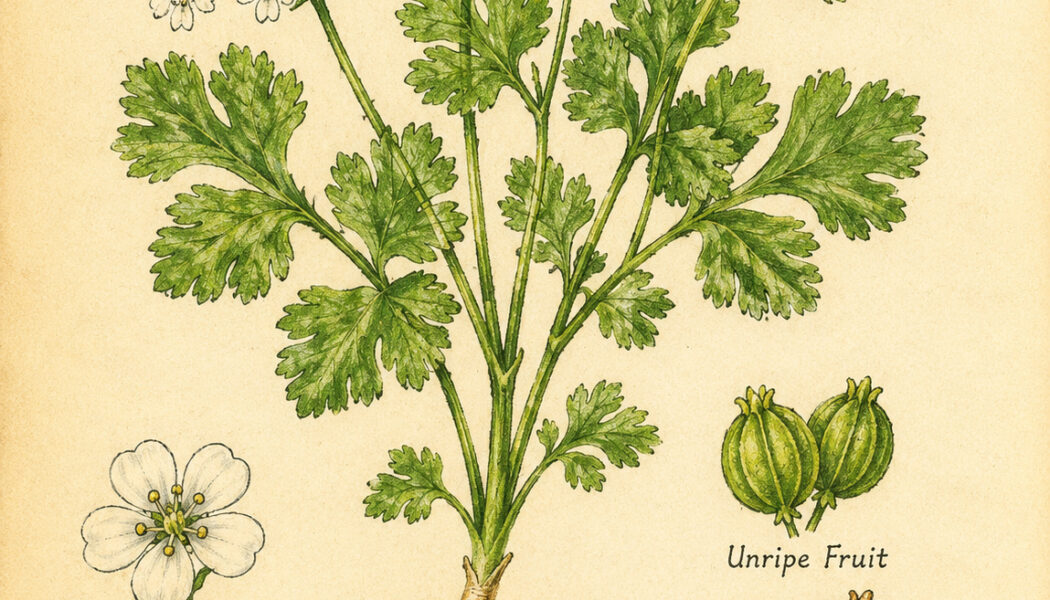

Cilantro and Its Place in Witchcraft
Cilantro, also known as coriander, is a fragrant herb that has been valued for centuries in cooking, medicine, and spiritual practices. Scientifically known as Coriandrum sativum, the plant is native ...
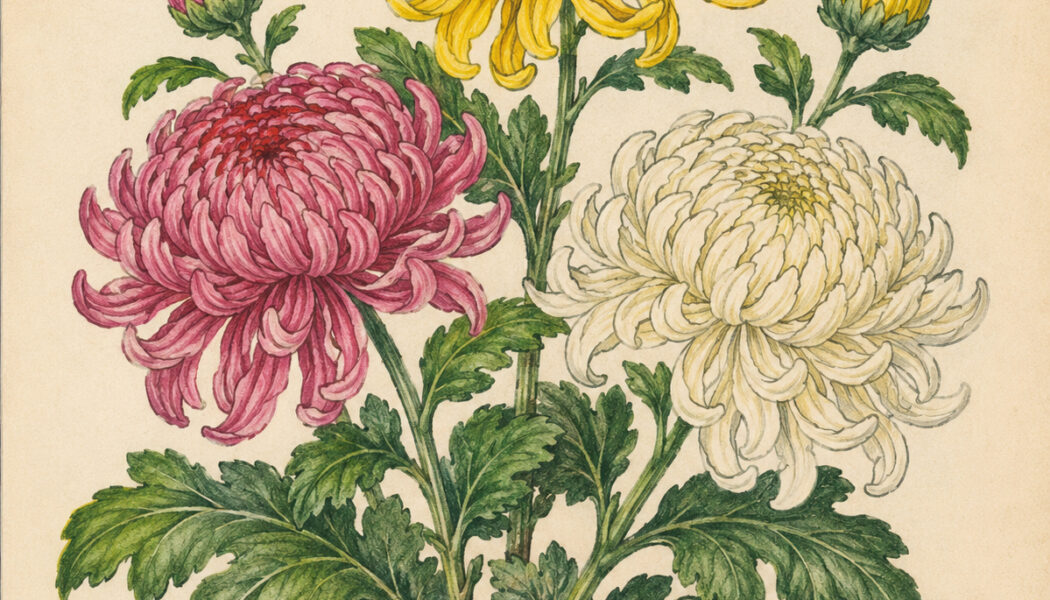

Chrysanthemum and Its Place in Witchcraft
The chrysanthemum is a flower admired across the world for its beauty, symbolism, and spiritual associations. Originating in Asia, especially China and Japan, chrysanthemums have long been connected t...
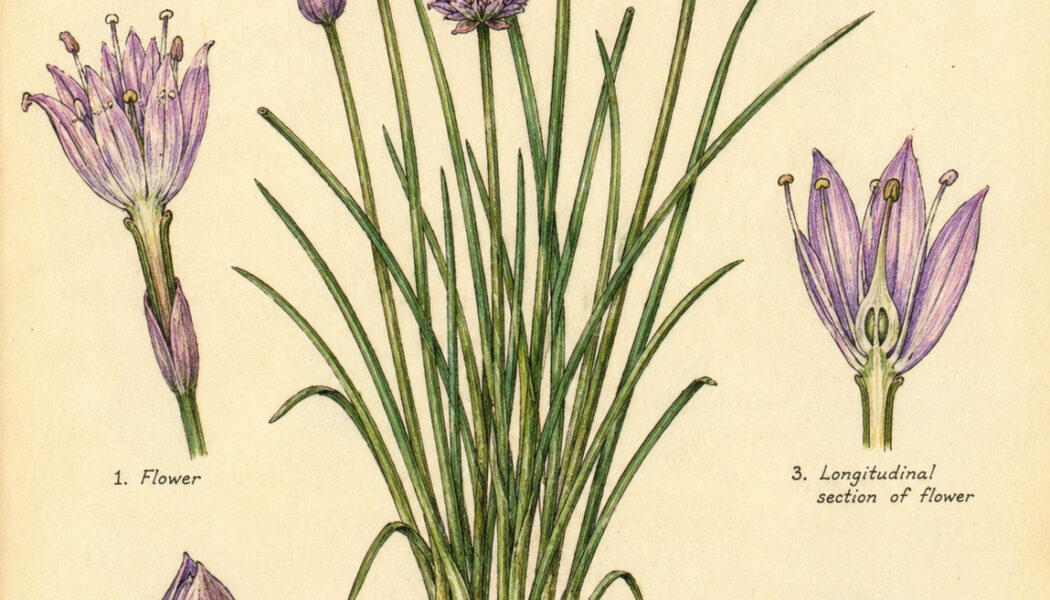

Chive and Its Place in Witchcraft
Chive, a small herb from the onion family, has long held a valued place in both cooking and folklore. Known scientifically as Allium schoenoprasum, chives are recognized by their thin green stalks and...
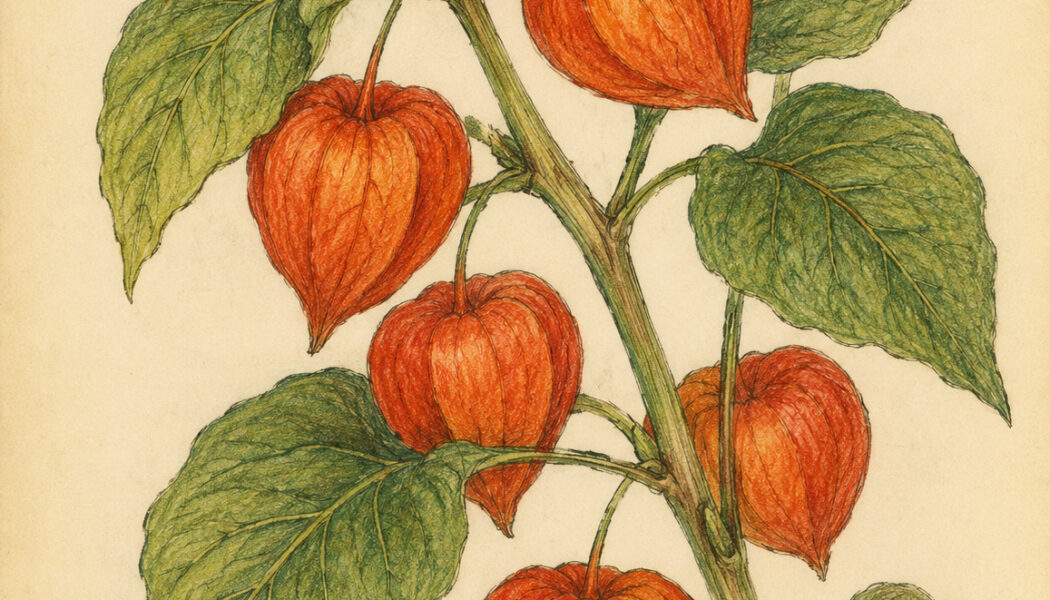

Chinese Lantern and Its Place in Witchcraft
The Chinese Lantern plant, scientifically known as Physalis alkekengi, is a striking perennial recognized for its bright orange, papery husks that resemble glowing lanterns. Native to parts of Asia an...
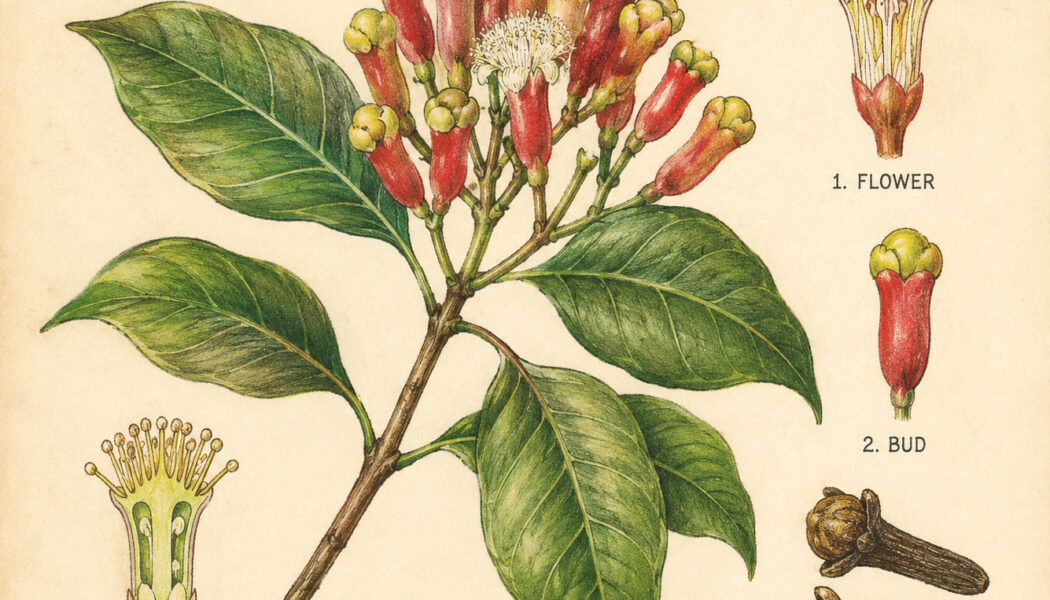

Clove and Its Place in Witchcraft
Clove, derived from the dried flower buds of the clove tree (Syzygium aromaticum), has long held an important place in both traditional medicine and magical practice. Native to the Spice Islands of In...
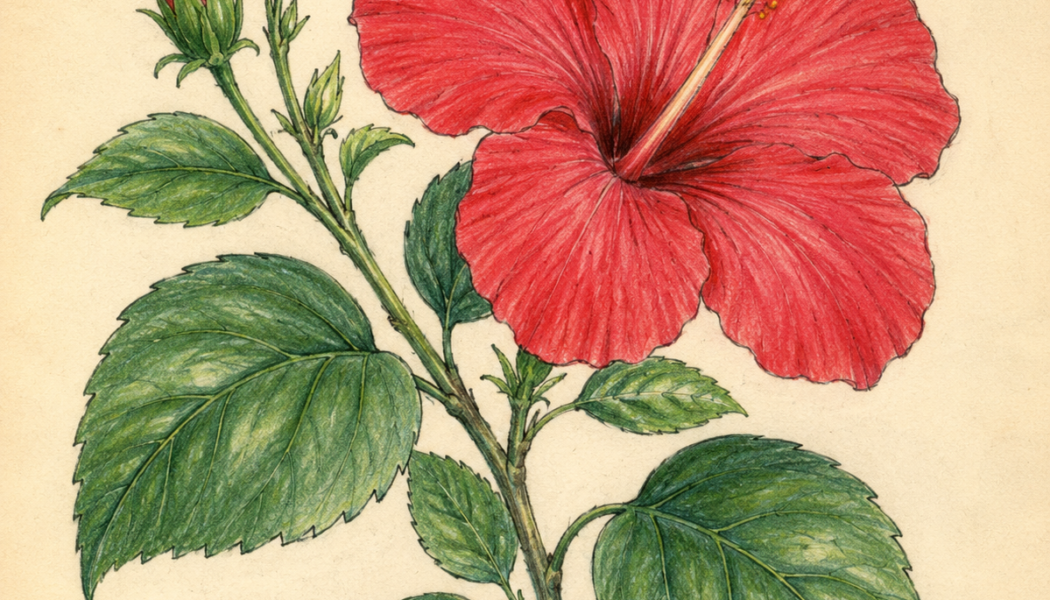

China Rose and Its Place in Witchcraft
The China Rose, scientifically known as Hibiscus rosa-sinensis, is a bright and beautiful flowering plant admired across many cultures. Known for its large petals and striking red, pink, yellow, or wh...
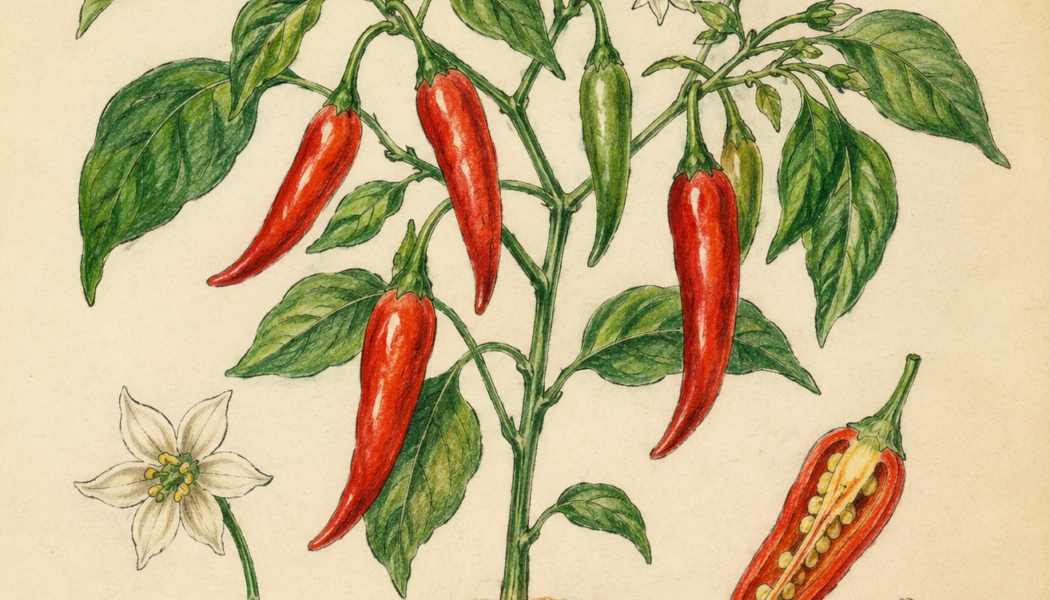

Chili Pepper and Its Place in Witchcraft
The chili pepper has long held a powerful place in folklore, herbal traditions, and magical practices across many cultures. Known for its fiery heat and vivid red color, the plant symbolizes strength,...
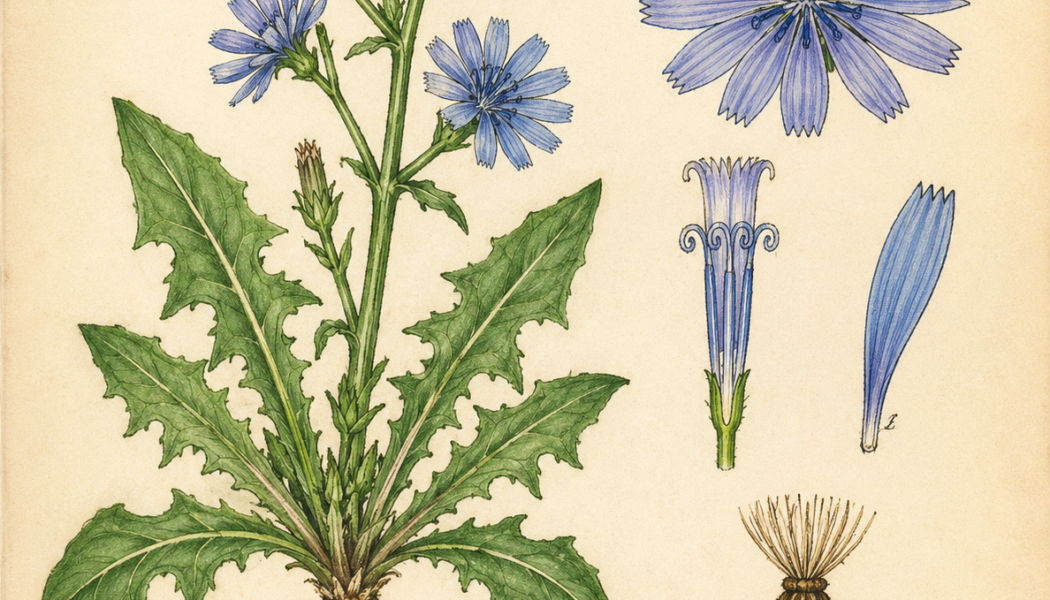

Chicory and Its Place in Witchcraft
Chicory is a hardy blue-flowered plant that has long captured the attention of herbalists, healers, and practitioners of folk magic. Known scientifically as Cichorium intybus, chicory grows along road...
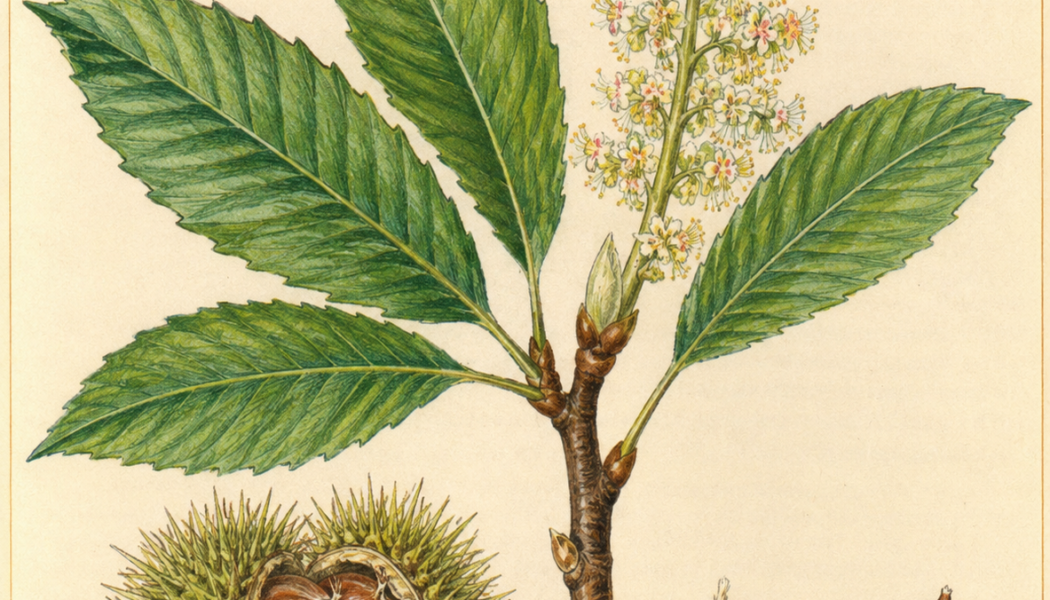

Chestnut and Its Place in Witchcraft
The chestnut tree has long held a place of mystery, nourishment, and spiritual symbolism in folklore and witchcraft traditions. Found across Europe, Asia, and North America, the chestnut is admired no...
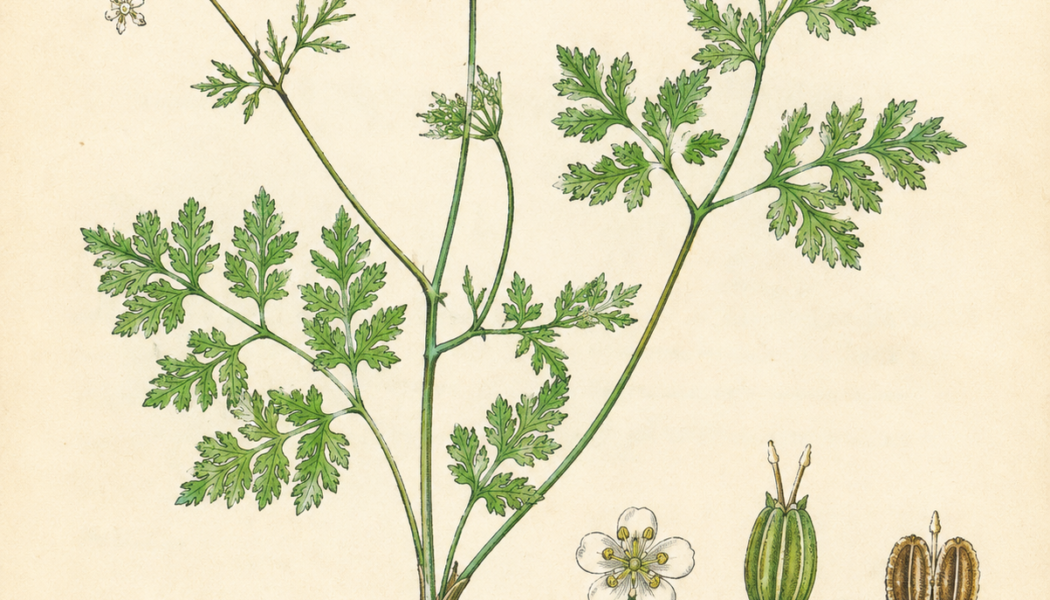

Chervil and Its Place in Witchcraft
Chervil (Anthriscus cerefolium) is a delicate herb from the parsley family, known for its feathery green leaves and mild flavor that resembles anise or licorice. While it is most often associated with...
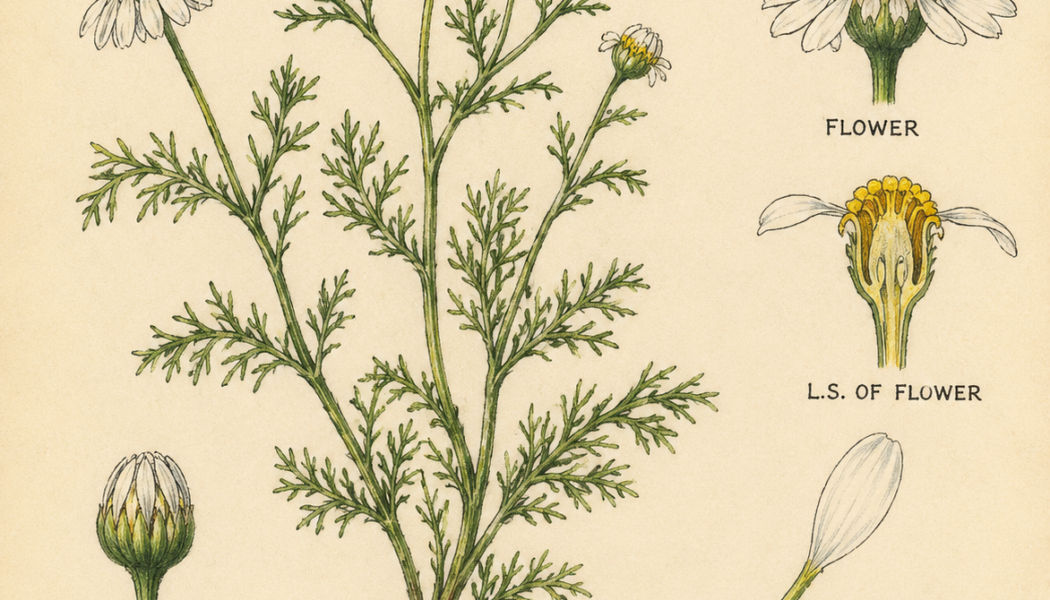

Chamomile and Its Place in Witchcraft
Chamomile is a delicate flowering plant best known for its calming scent and healing properties. Belonging to the daisy family, chamomile has been used for centuries in medicine, spiritual rituals, an...
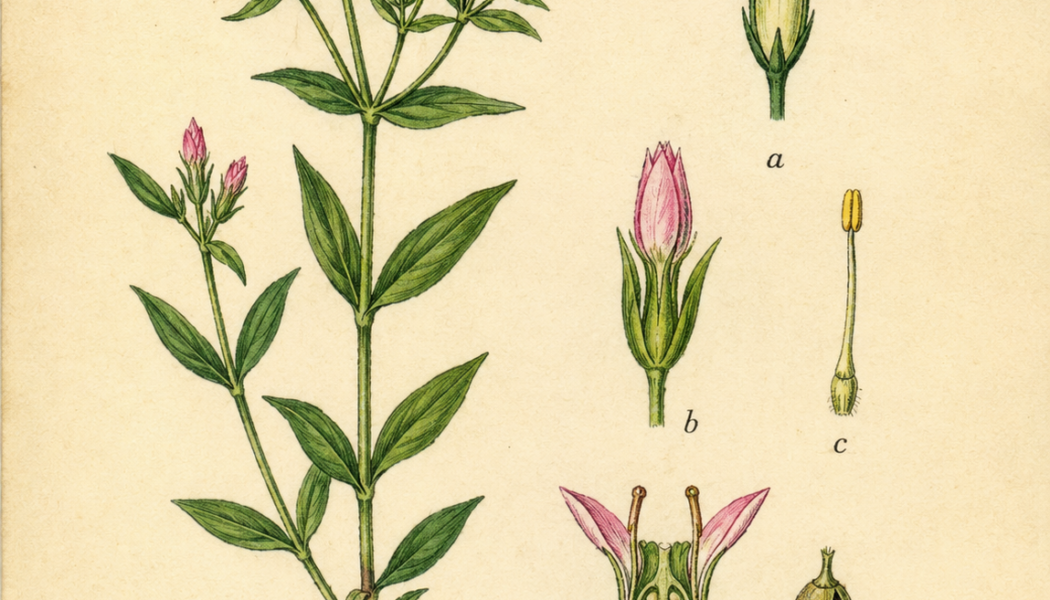

Centaury and Its Place in Witchcraft
Centaury is a delicate flowering herb that has long held a place in folklore, herbal medicine, and magical traditions. Belonging to the gentian family, the plant is recognized by its small pink or red...
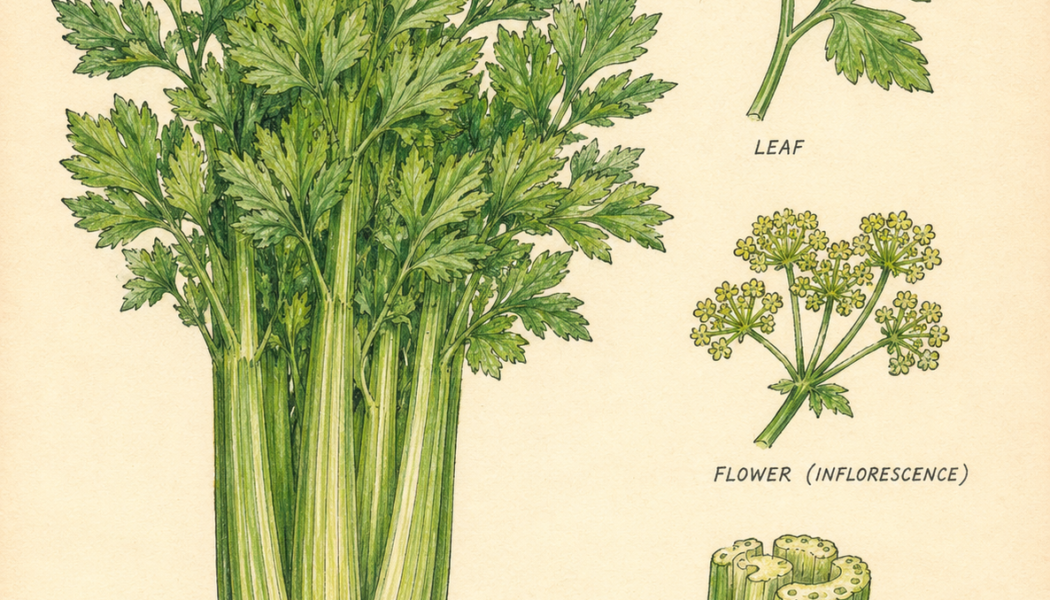

Celery and Its Place in Witchcraft
Celery is commonly known as a crisp green vegetable used in soups, salads, and healthy snacks, but throughout history it has also carried spiritual and magical significance. In many ancient cultures, ...
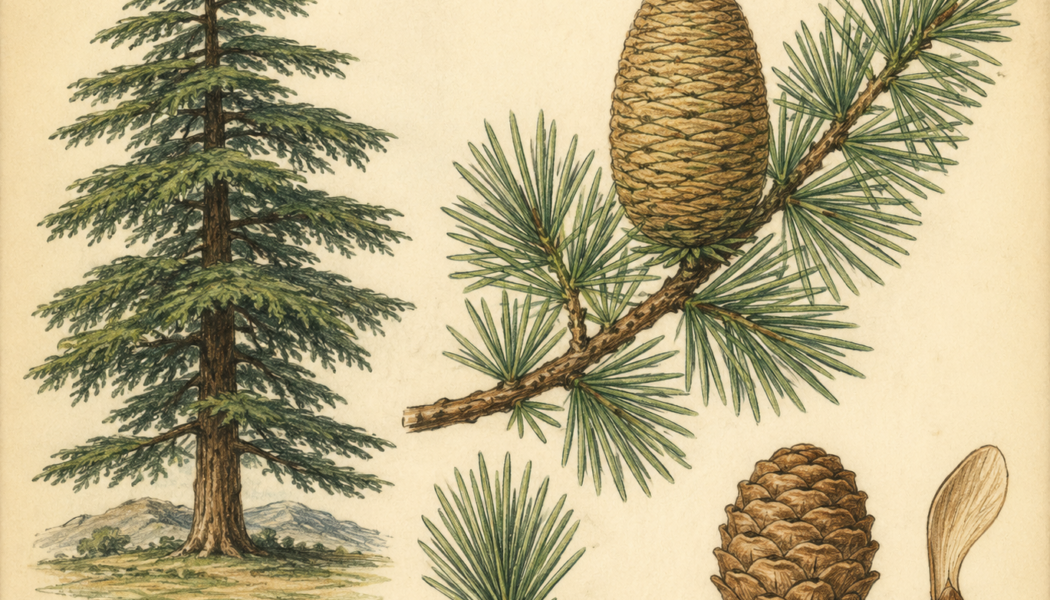

Cedar and Its Place in Witchcraft
Cedar is a strong and fragrant evergreen tree that has held spiritual importance in many cultures for centuries. Known for its durability, pleasant aroma, and healing qualities, cedar has become close...
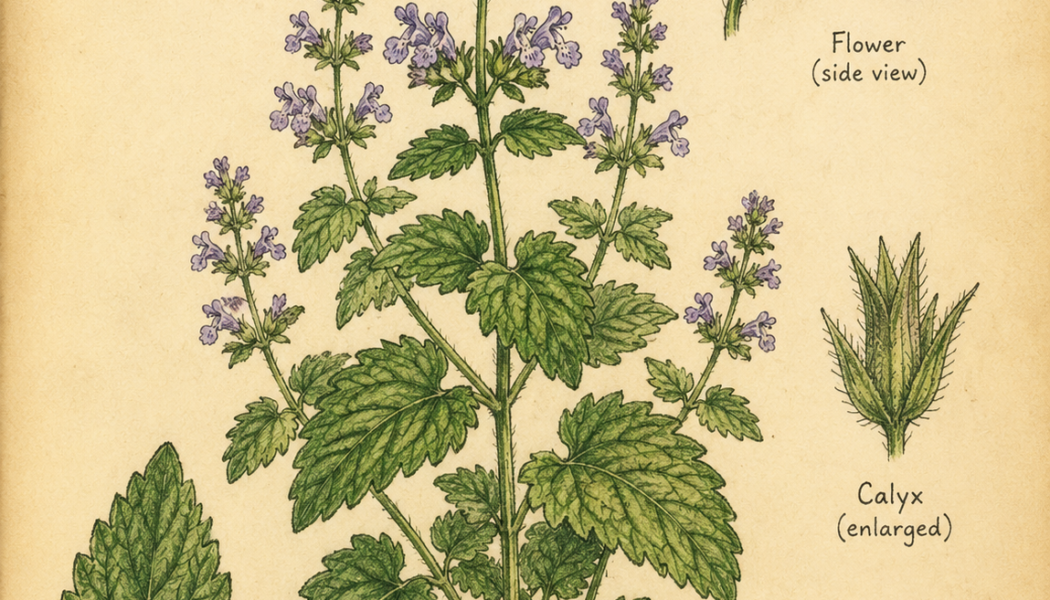

Catnip and Its Place in Witchcraft
Catnip, scientifically known as Nepeta cataria, is a fragrant herb belonging to the mint family. While many people recognize it for its unusual effect on cats, catnip also has a long and fascinating h...
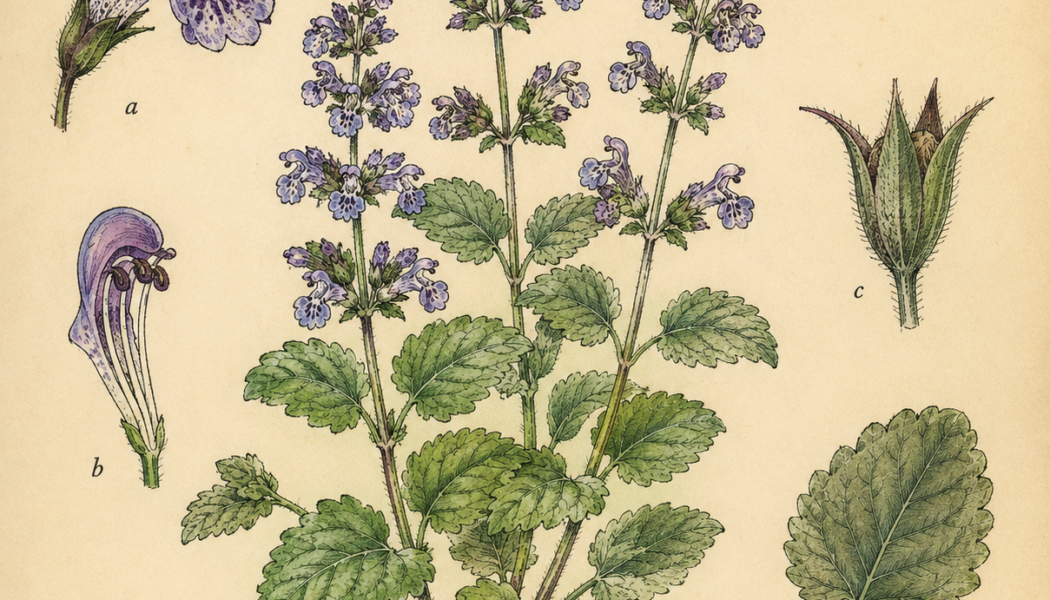

Catmint and Its Place in Witchcraft
Catmint, also known as nepeta, is a fragrant herb belonging to the mint family. Recognized for its soft green leaves and clusters of lavender-blue flowers, catmint has long been valued for both its me...
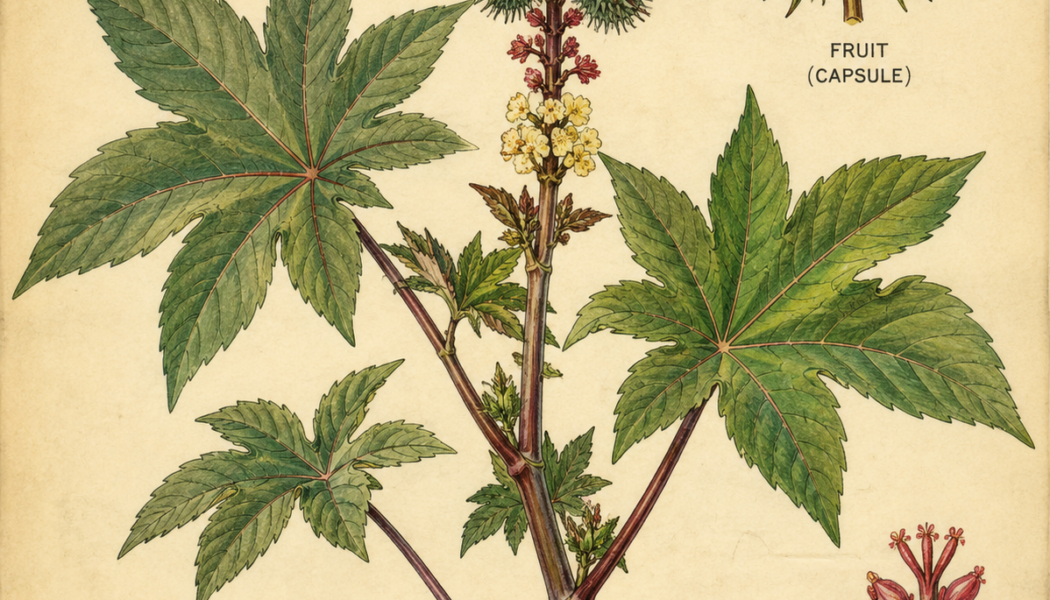

Castor Bean and Its Place in Witchcraft
The Castor Bean plant has long occupied a mysterious place in folklore, medicine, and witchcraft. Native to parts of Africa and India, this striking plant is recognized by its broad star-shaped leaves...
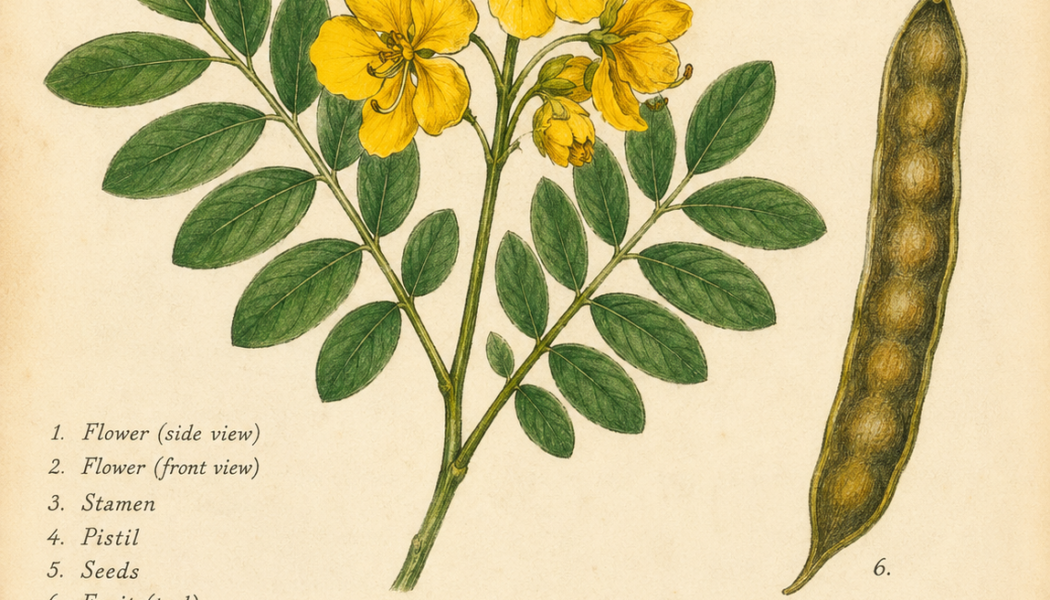

Cassia and Its Place in Witchcraft
Cassia is a fragrant plant belonging to the same botanical family as cinnamon and is best known for its warm, spicy bark and sweet aroma. Native to parts of Asia, especially China and Southeast Asia, ...
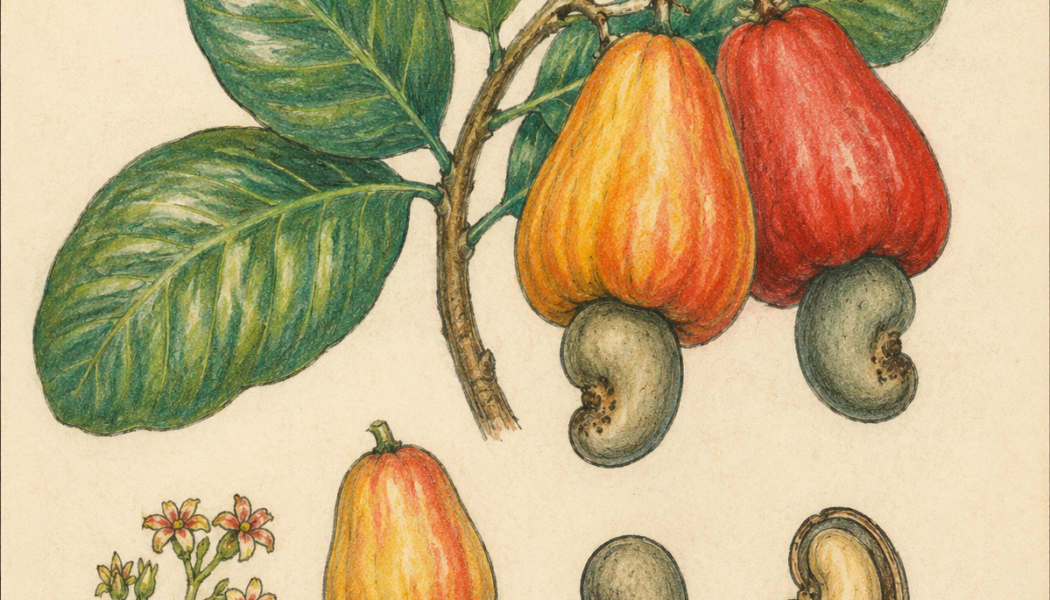

Cashew and Its Place in Witchcraft
The cashew plant, scientifically known as Anacardium occidentale, is a tropical evergreen tree native to Brazil and now cultivated in many warm regions of the world, including Africa, India, and South...
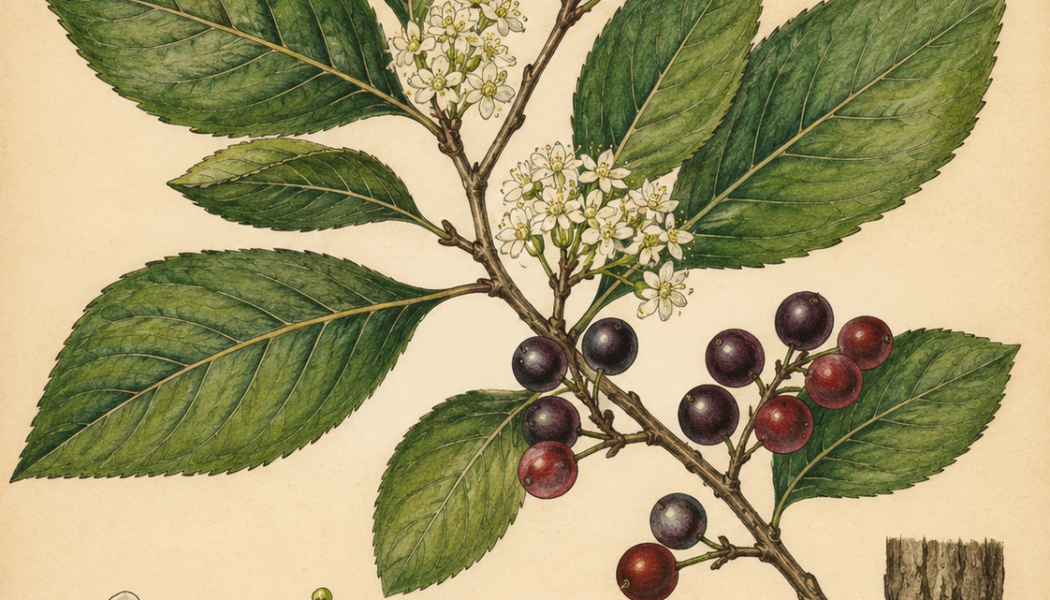

Cascara and Its Place in Witchcraft
Cascara, often referring to the dried bark of the cascara sagrada tree (Rhamnus purshiana), has long been valued for both medicinal and spiritual purposes. Native to the Pacific Northwest of North Ame...
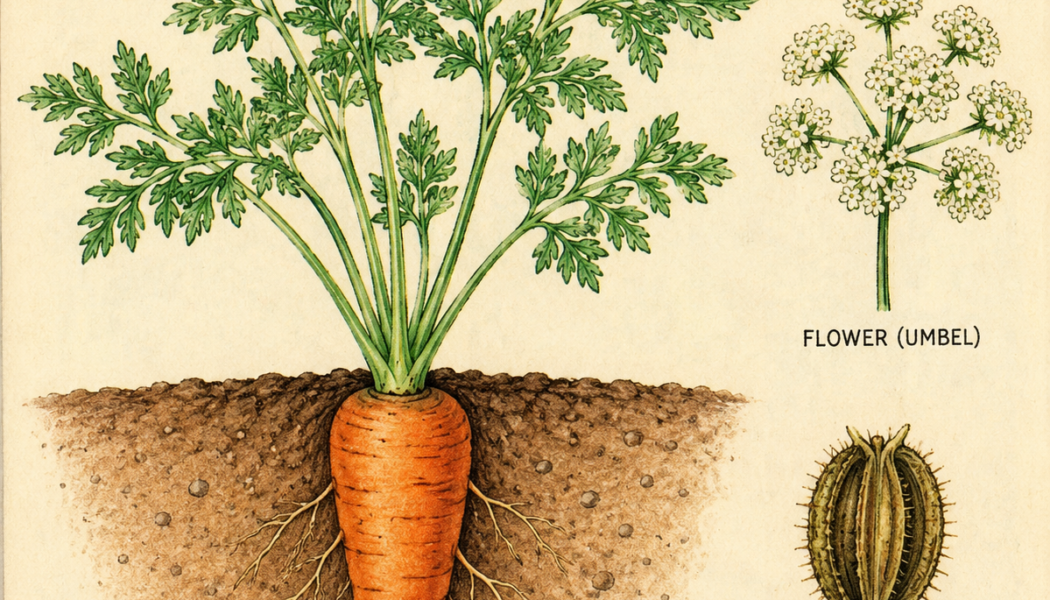

Carrot and Its Place in Witchcraft
The carrot, scientifically known as Daucus carota, is one of the world’s most familiar root vegetables, valued for its bright orange color, sweet flavor, and nutritional benefits. However, beyond the ...
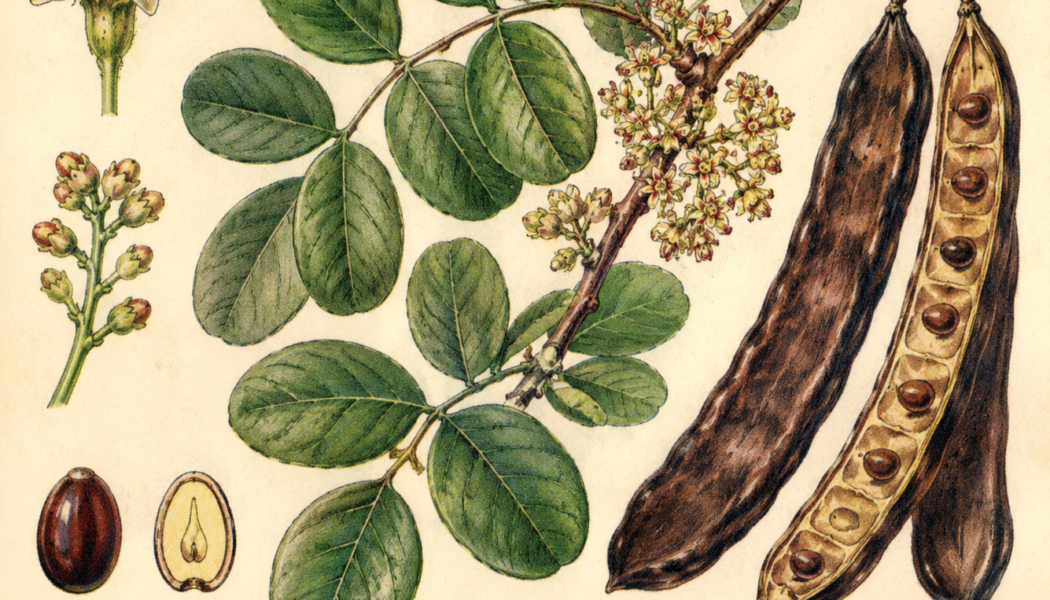

Carob and Its Place in Witchcraft
Carob, a tree native to the Mediterranean region, has long been valued for both its practical uses and its mystical associations. Known scientifically as Ceratonia siliqua, the carob tree produces dar...
- 1
- 2