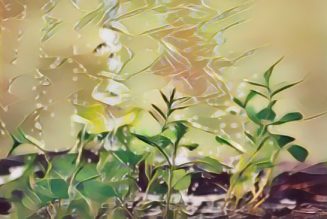
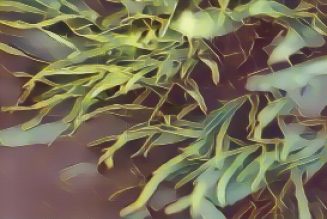
The Dwarf Willow (Salix herbacea) is one of the world’s smallest woody plants, growing only a few centimetres tall. Found in cold, mountainous regions across Europe, Asia, and North America, it thrives in harsh environments where few other plants can survive. Despite its tiny size, the Dwarf Willow shares many of the symbolic and magical qualities associated with larger willow trees, making it a meaningful plant in modern paganism and witchcraft.
In nature, the Dwarf Willow is admired for its resilience. It spreads close to the ground, protecting itself from strong winds and freezing temperatures. This ability to endure difficult conditions has made it a symbol of perseverance, adaptability, and quiet strength. Many pagans see the plant as a reminder that true power does not always come from size or appearance, but from the ability to survive and flourish despite adversity.
In magical traditions, willow trees are strongly connected to the Moon, water, intuition, dreams, and emotional healing. Although the Dwarf Willow is rarely mentioned specifically in historical folklore, practitioners often extend these traditional willow associations to it. It is believed to support inner reflection, encourage spiritual growth, and strengthen intuitive abilities during meditation or ritual work.
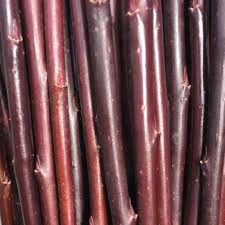
The Dwarf Willow may be used in spells or charms focused on emotional recovery, resilience, personal transformation, and protection during times of change. Small twigs or fallen leaves can be placed on an altar, carried in a charm pouch, or incorporated into seasonal rituals celebrating the cycles of nature. Because the plant grows in fragile alpine habitats, ethical practitioners avoid harvesting it from the wild, choosing instead to observe it respectfully or use sustainably sourced willow from cultivated trees.
Within pagan spirituality, the Dwarf Willow represents the quiet wisdom of the natural world. Its determination to survive in some of Earth’s harshest climates reminds practitioners that endurance, patience, and flexibility are valuable spiritual qualities. Though modest in appearance, this remarkable little plant serves as a powerful symbol of hope, renewal, and the enduring connection between humanity and nature, reflecting the belief that even the smallest living things possess profound spiritual significance.