
Plant Magick
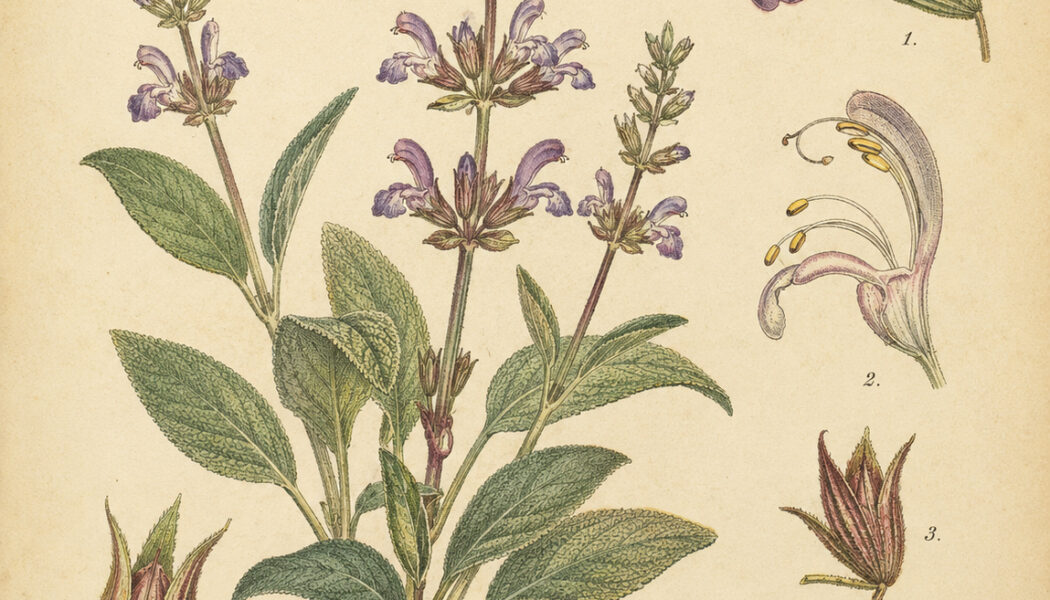

Sage & Its Place in Paganism & Witchcraft
Sage is one of the most well-known and widely used herbs in paganism and witchcraft. For centuries, it has been valued for its spiritual, medicinal, and symbolic properties. Many practitioners believe...
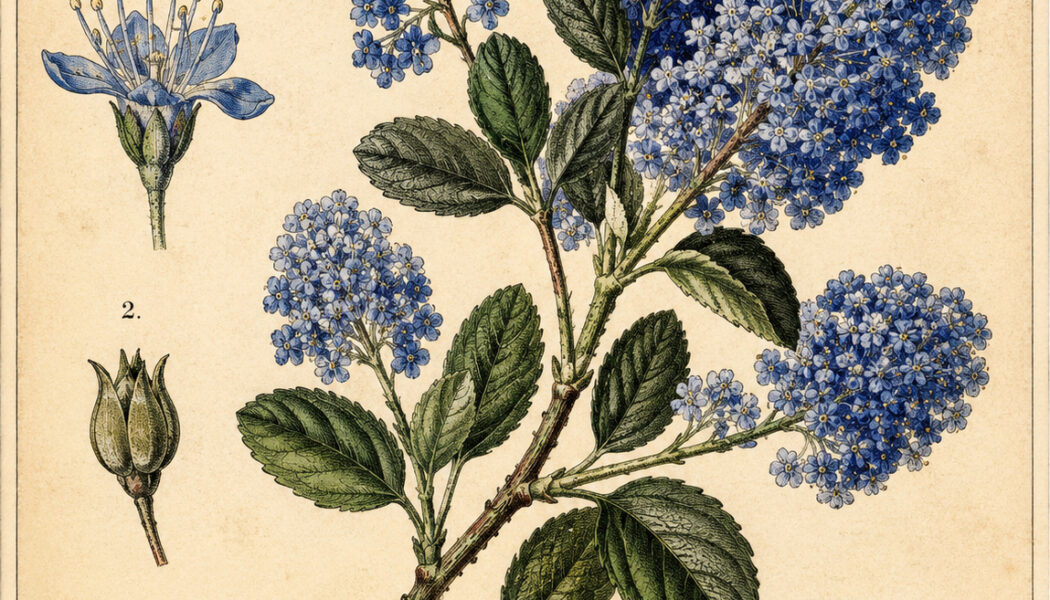

Ceanothus: The Sacred Blue Blossom in Paganism and Witchcraft
Ceanothus, commonly known as California lilac or wild lilac, is a beautiful flowering shrub prized for its clusters of delicate blue, purple, or white blossoms. Native primarily to North America, this...
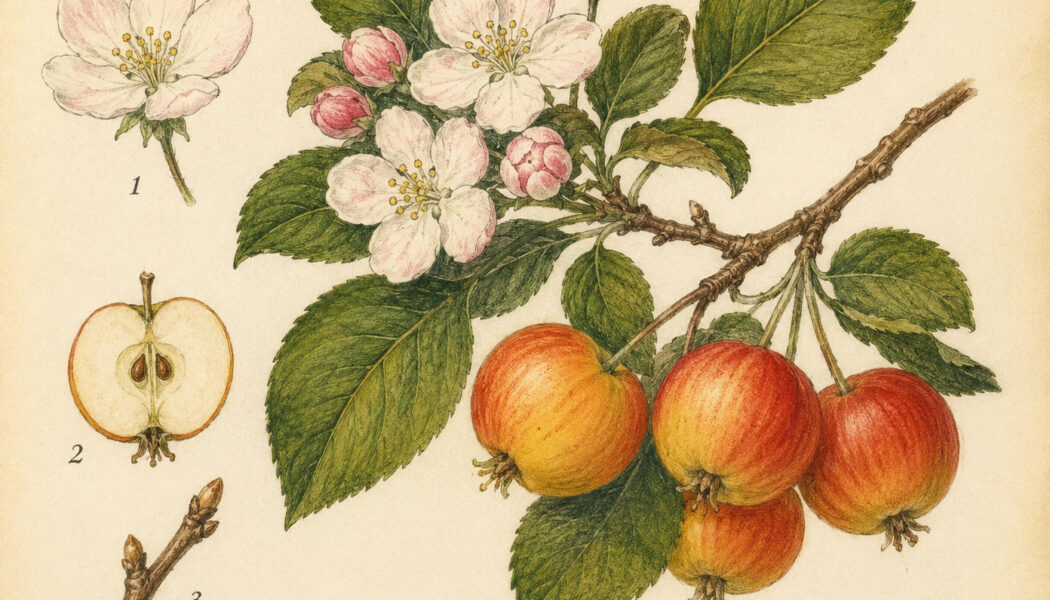

Crab Apple and Its Place in Witchcraft
The Crab Apple is a small, hardy tree belonging to the genus Malus. Known for its beautiful spring blossoms and small tart fruits, it has long held a place in folklore, mythology, and magical traditio...
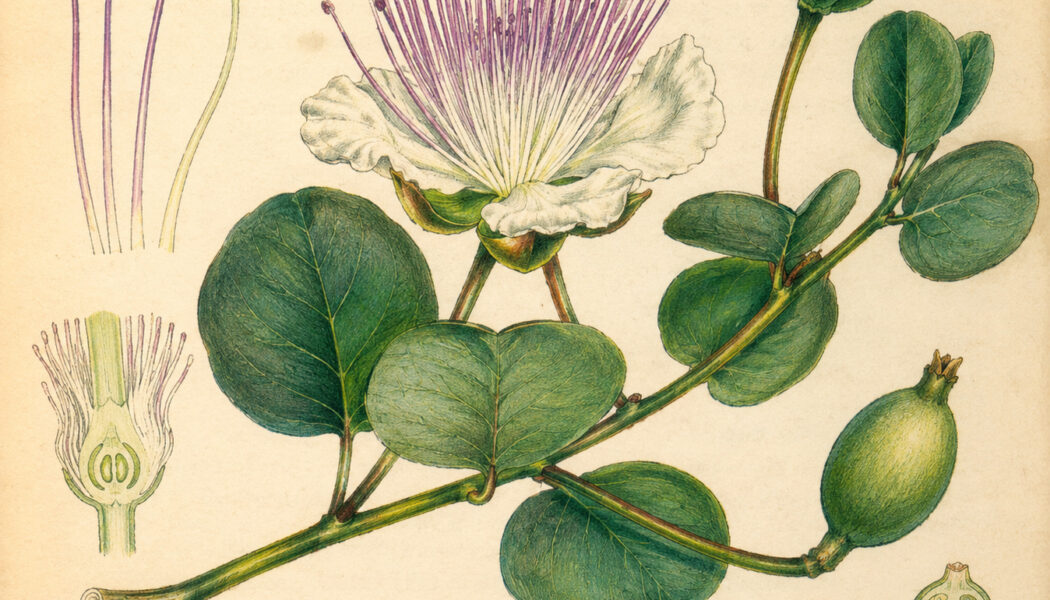

Caper and Its Place in Witchcraft
The caper plant (Capparis spinosa) is a hardy perennial shrub best known for its edible flower buds, commonly called capers. Native to the Mediterranean region and parts of Asia, the plant thrives in ...

Canola and Its Place in Witchcraft
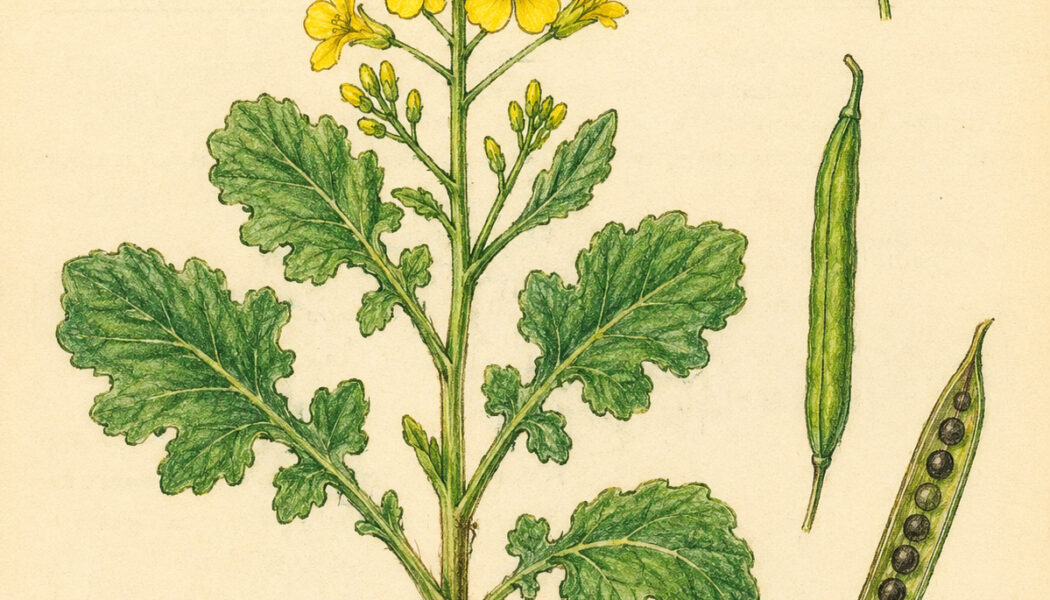
Canola (Brassica napus) is a bright yellow flowering plant best known for producing canola oil, one of the world’s most widely used cooking oils. Developed from rapeseed through selective breedi...

Camu Camu and Its Place in Witchcraft
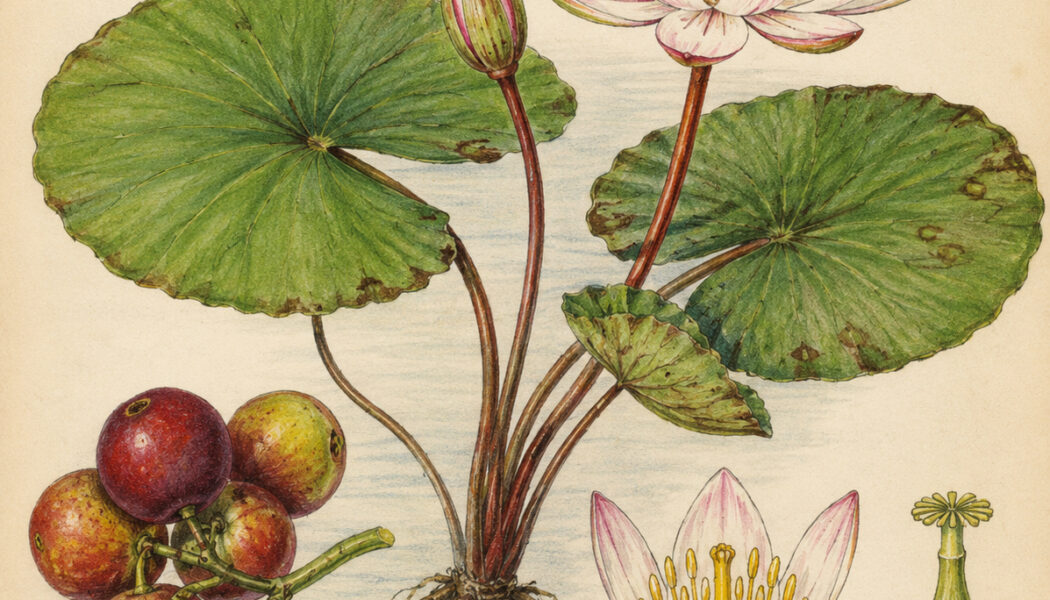
Camu camu (Myrciaria dubia) is a small shrub native to the flooded regions of the Amazon rainforest in Peru, Brazil, Colombia, and Venezuela. The plant is best known for its bright red-purple fruit, w...

Camas and Its Place in Witchcraft
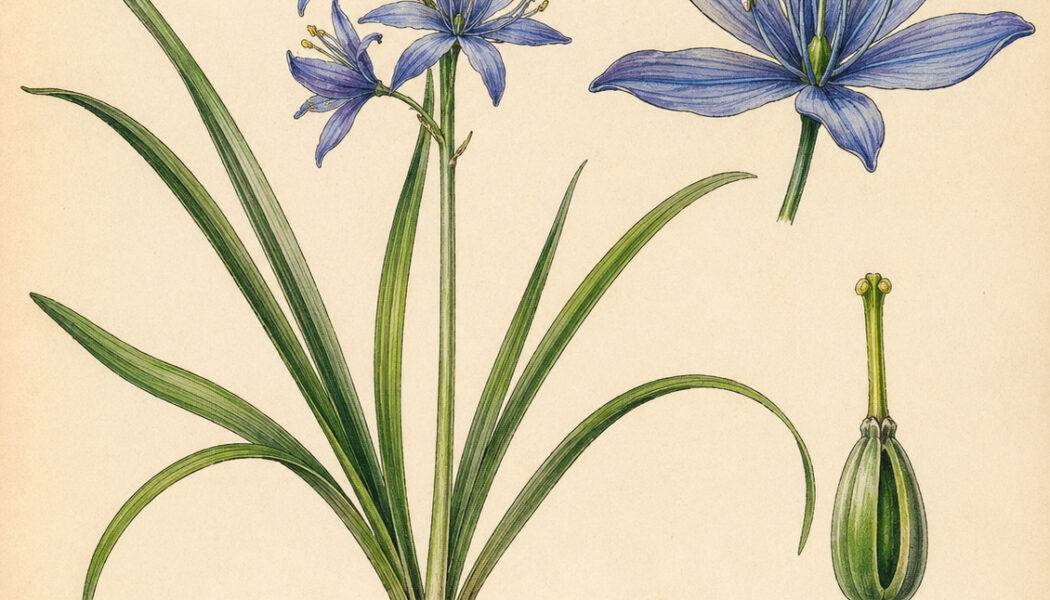
Camas is a flowering plant native to North America, known for its striking blue-purple blossoms and deep cultural significance. Belonging to the genus Camassia, it has long been valued by Indigenous p...

Calla Lily and Its Place in Witchcraft
Calamint (Calamintha spp.) is a fragrant herb belonging to the mint family, known for its small flowers and refreshing aroma. Native to parts of Europe, Asia, and the Mediterranean region, it has long...

Calamint and Its Place in Witchcraft
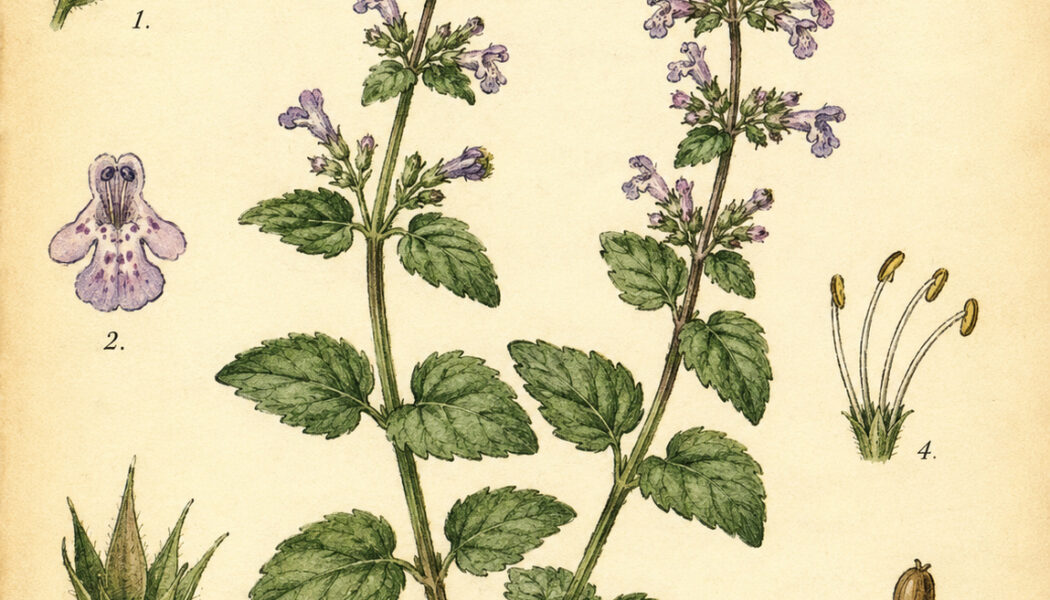
Calamint (Calamintha spp.) is a fragrant herb belonging to the mint family, known for its delicate flowers and refreshing aroma. Native to parts of Europe, Asia, and the Mediterranean region, it has l...

Calabash and Its Place in Witchcraft
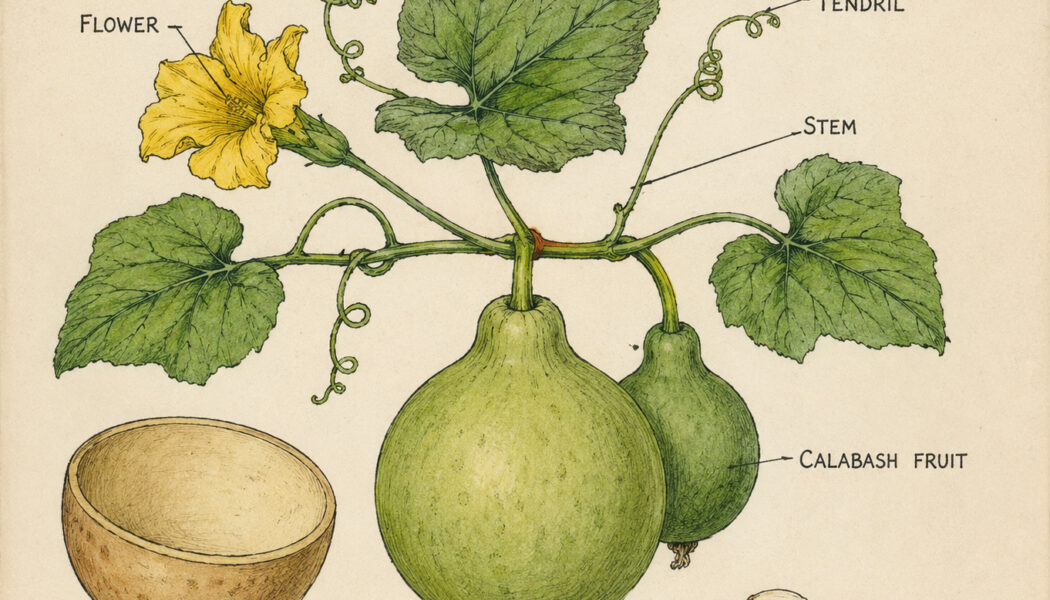
The calabash is a versatile plant that has held cultural, spiritual, and magical significance in many societies around the world. Commonly referring to the fruit of the calabash tree (Crescentia cujet...

Cajeput and Its Place in Witchcraft
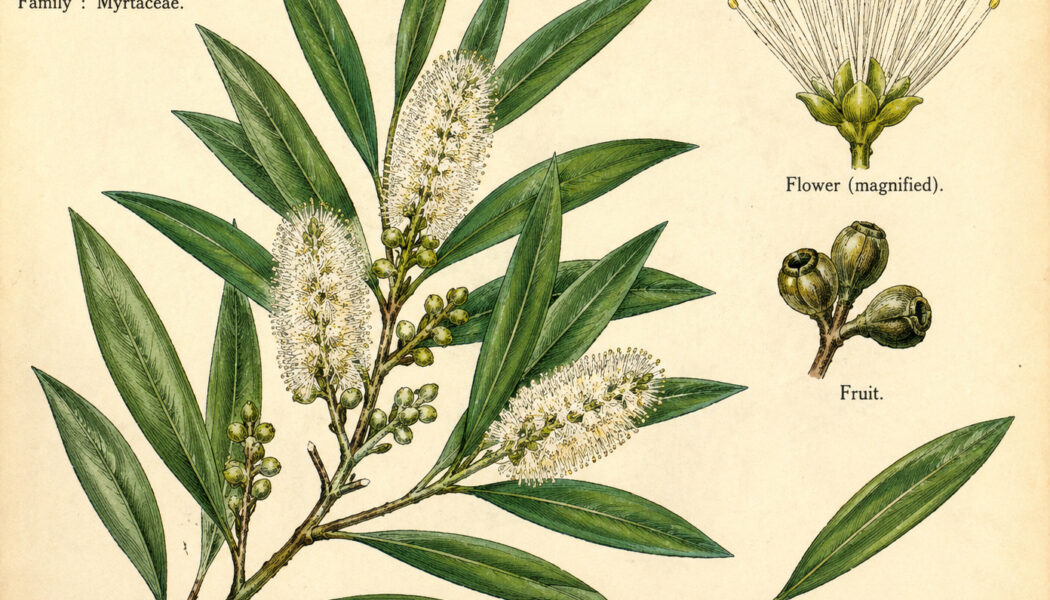
Cajeput (Melaleuca cajuputi) is an evergreen tree native to Southeast Asia and northern Australia. Closely related to tea tree and eucalyptus, it is best known for its aromatic leaves and the essentia...

Cactus and Its Place in Witchcraft
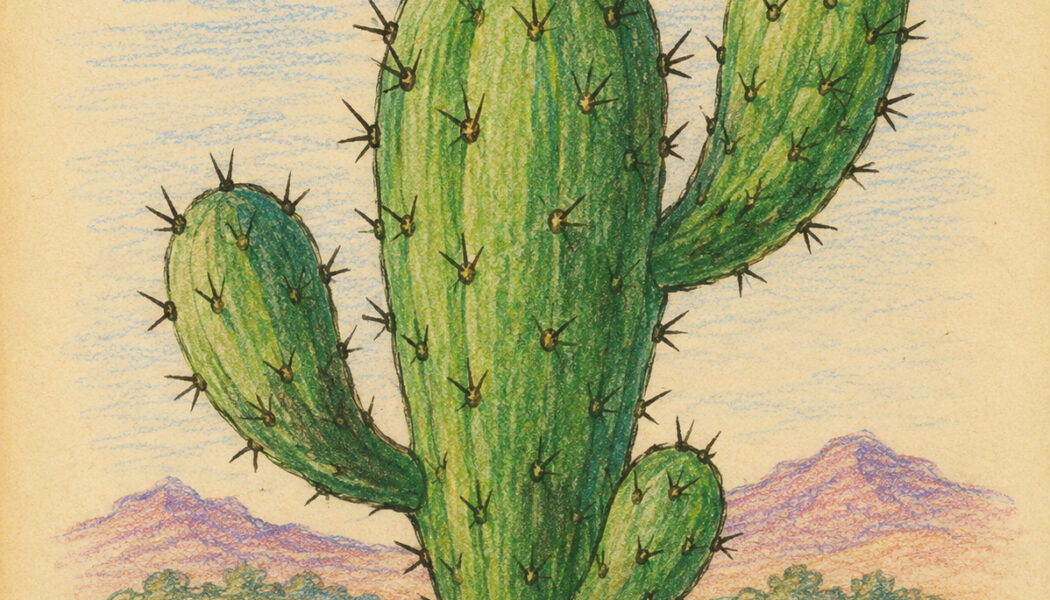
The cactus is one of the most distinctive plants in the world, known for its thick, water-storing stems and protective spines. Native primarily to the deserts of the Americas, cacti have adapted to su...
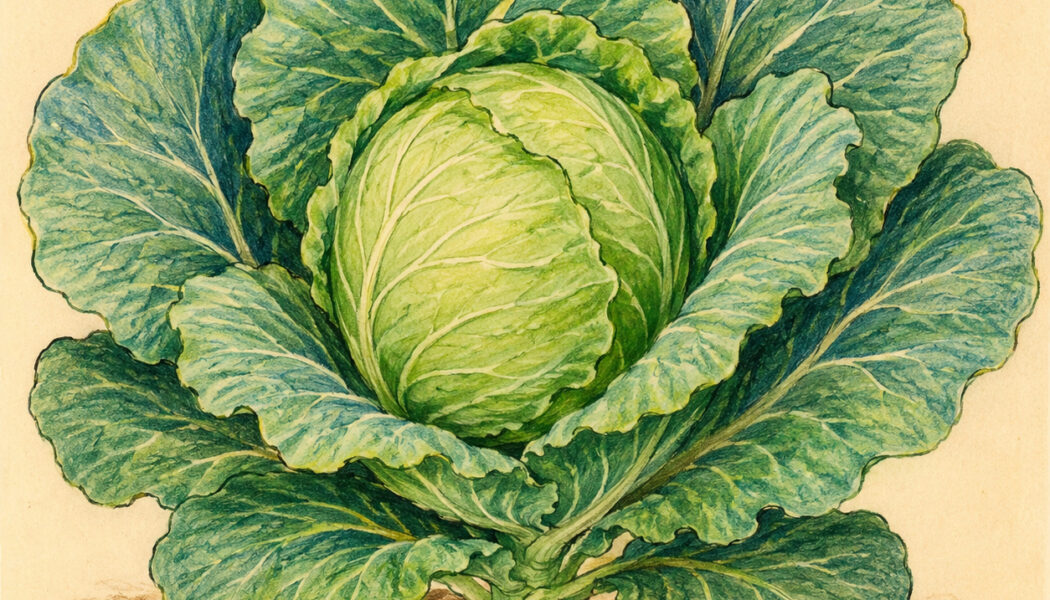

Cabbage and Its Place in Witchcraft
Cabbage (Brassica oleracea) is a humble garden vegetable that has nourished people for centuries, but beyond its culinary value, it also holds a place in folklore, magic, and witchcraft traditions. Th...
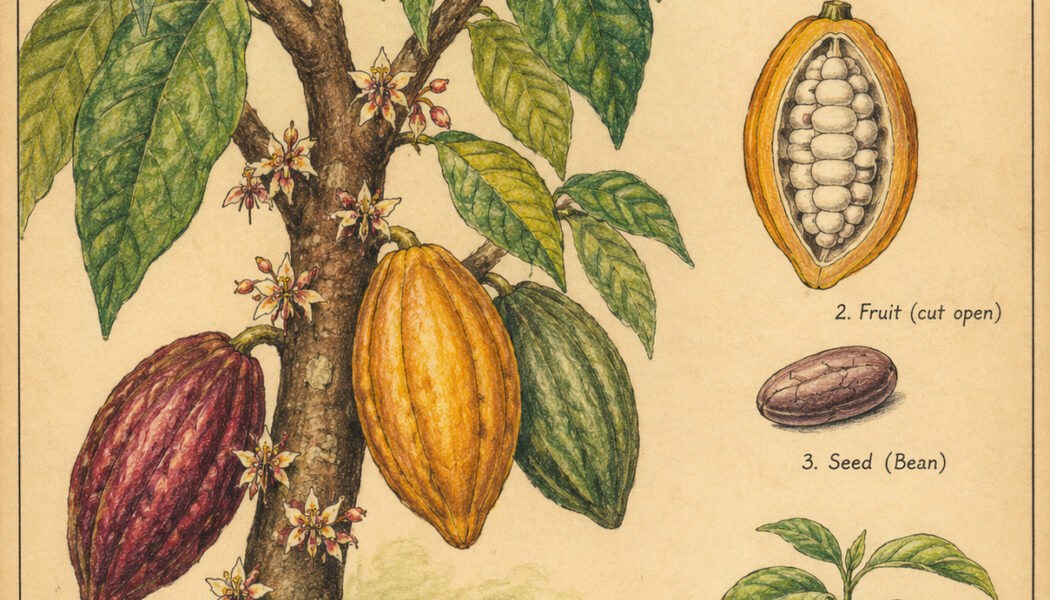

Cacao and Its Place in Witchcraft
Cacao (Theobroma cacao), the tropical plant from which chocolate is made, has long been valued for both its physical and spiritual significance. Native to Central and South America, cacao was revered ...
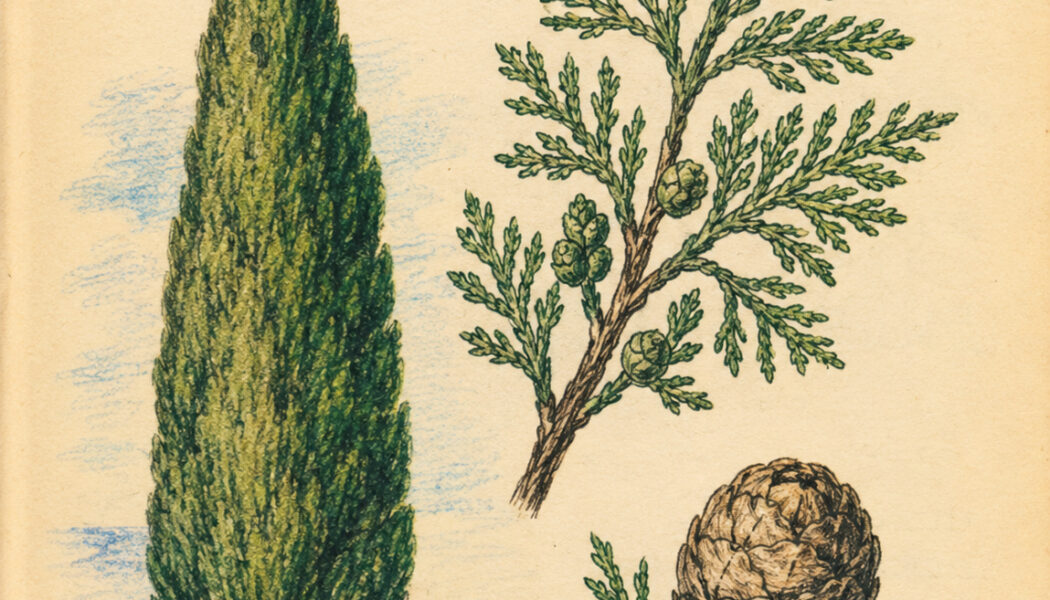

Cypress and Its Place in Witchcraft
The cypress tree (Cupressus spp.) is an evergreen conifer that has long held a place of importance in folklore, spirituality, and magical traditions. Recognized for its tall, slender form and dark gre...
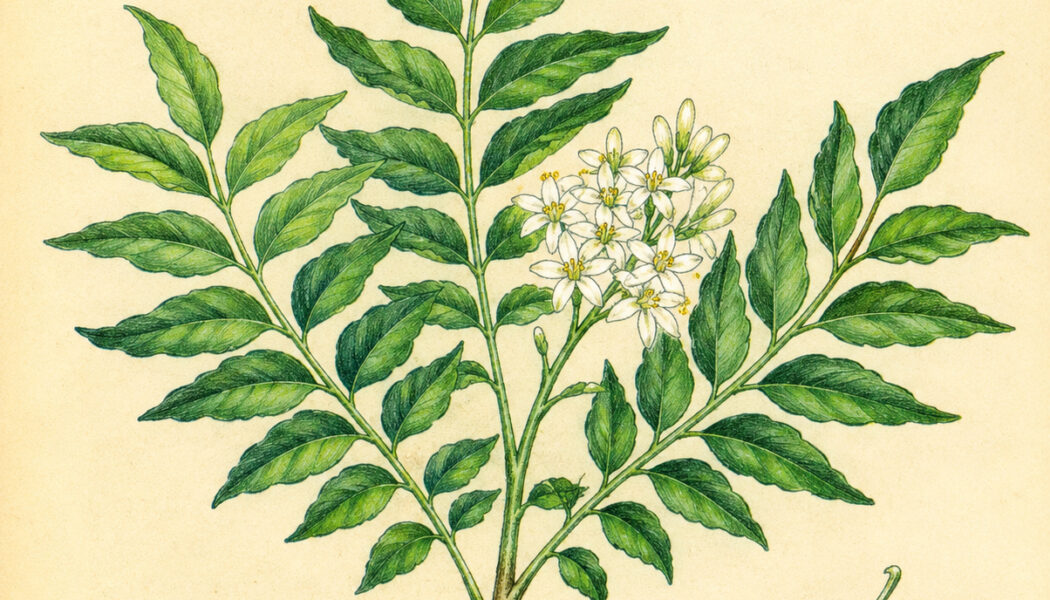

Curry Leaf and Its Place in Witchcraft
The curry leaf plant (Murraya koenigii) is a small tropical tree native to India and Sri Lanka. Best known for its fragrant leaves, which are widely used in South Asian cuisine, the plant has also hel...
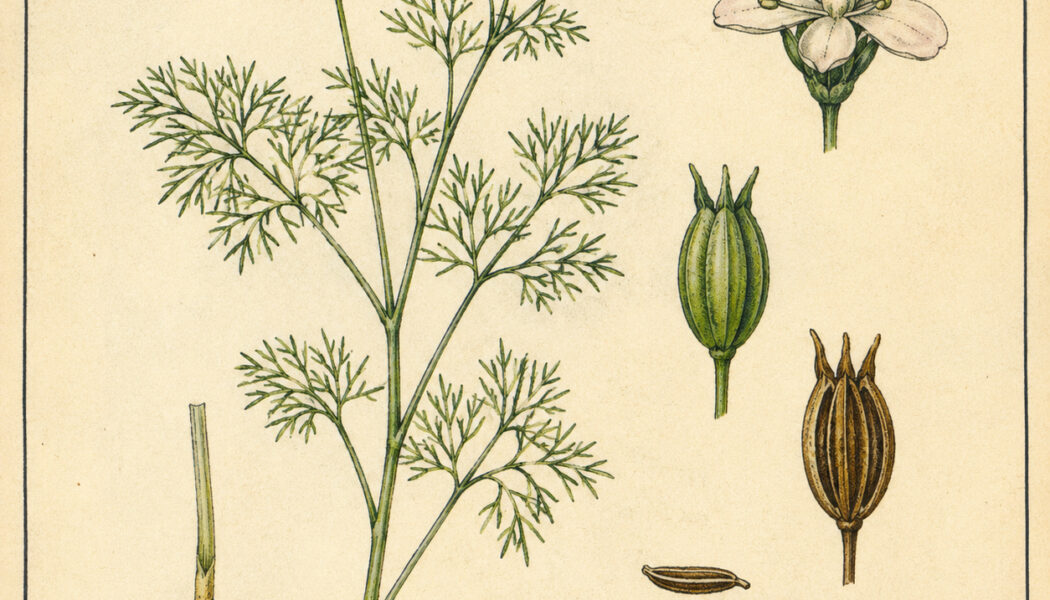

Cumin and Its Place in Witchcraft
The cumin plant (Cuminum cyminum) is a flowering herb belonging to the parsley family, Apiaceae. Native to the eastern Mediterranean region and parts of South Asia, cumin is widely cultivated for its ...
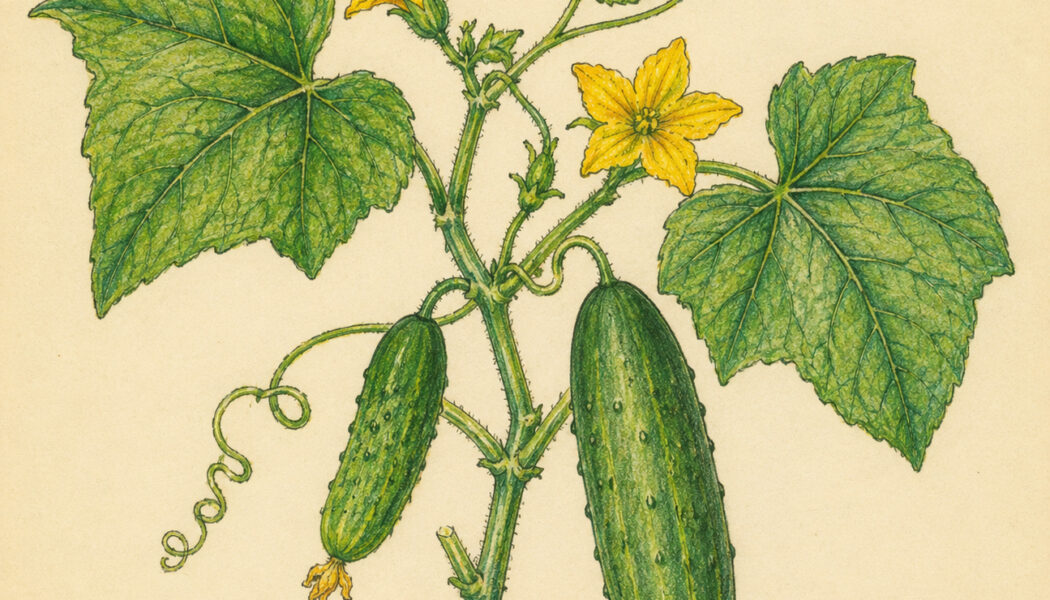

Cucumber and Its Place in Witchcraft
The cucumber (Cucumis sativus) is a widely cultivated plant known for its refreshing fruit and high water content. Native to South Asia, it has been grown for thousands of years and is valued in cuisi...
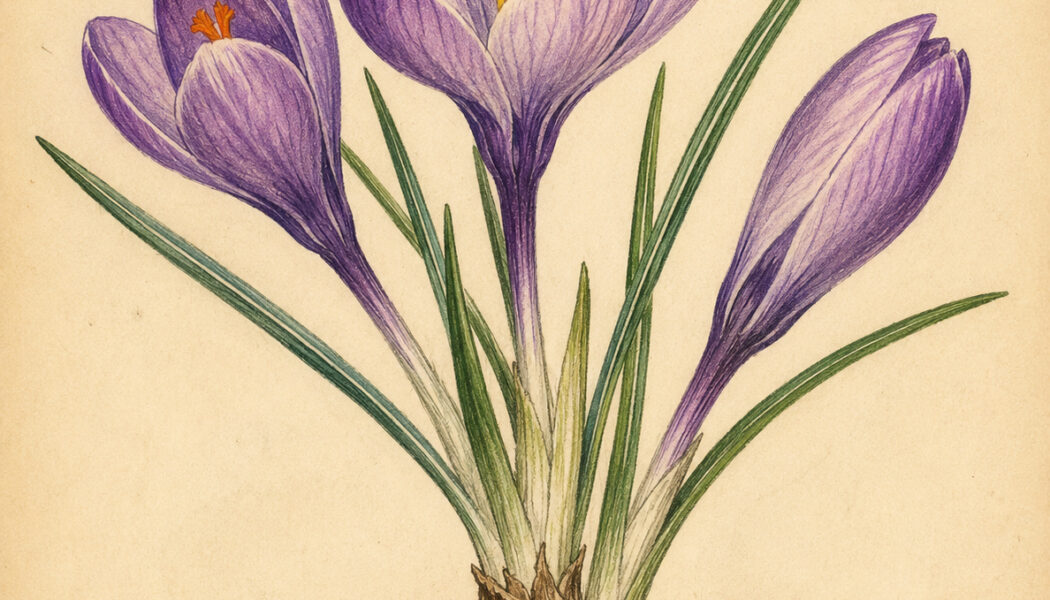

Crocus and Its Place in Witchcraft
The crocus is a delicate flowering plant that has captivated people for centuries with its vibrant colors and early spring blooms. Belonging to the iris family, crocuses are among the first flowers to...
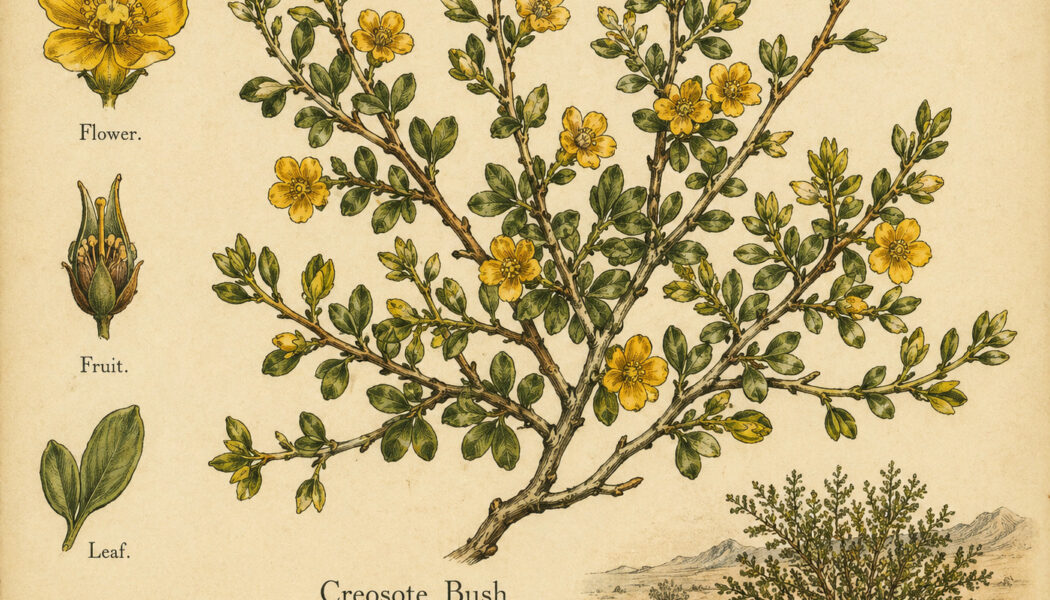

Creosote and Its Place in Witchcraft
Creosote (Larrea tridentata), commonly known as the creosote bush, is one of the most iconic plants of the deserts of the southwestern United States and northern Mexico. Recognizable by its small waxy...
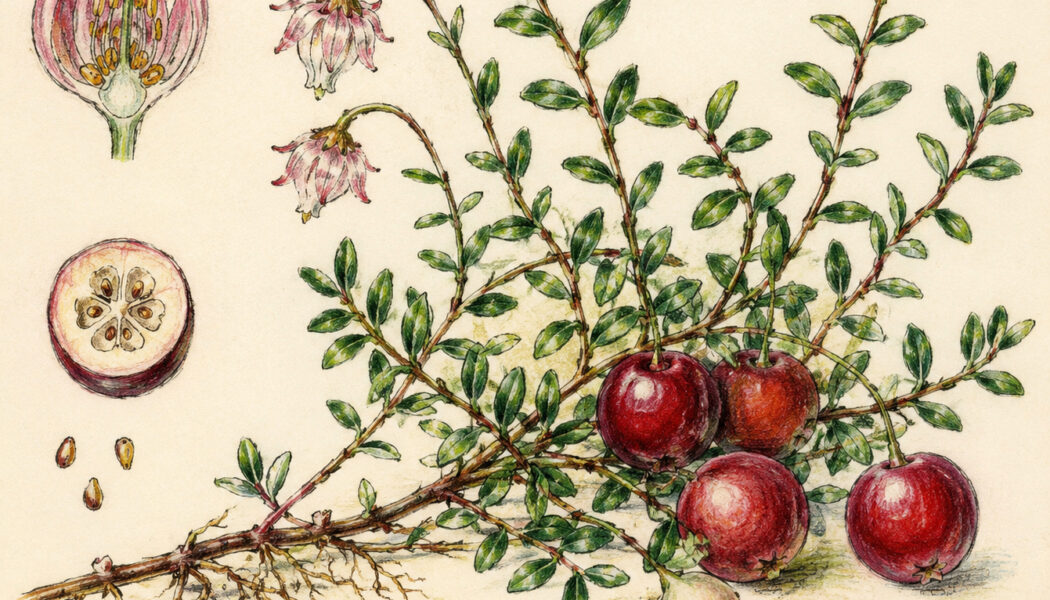

Cranberry and Its Place in Witchcraft
The cranberry (Vaccinium macrocarpon) is a small, tart red berry native to North America. Known for its medicinal properties, nutritional value, and vibrant color, the cranberry has also found a place...
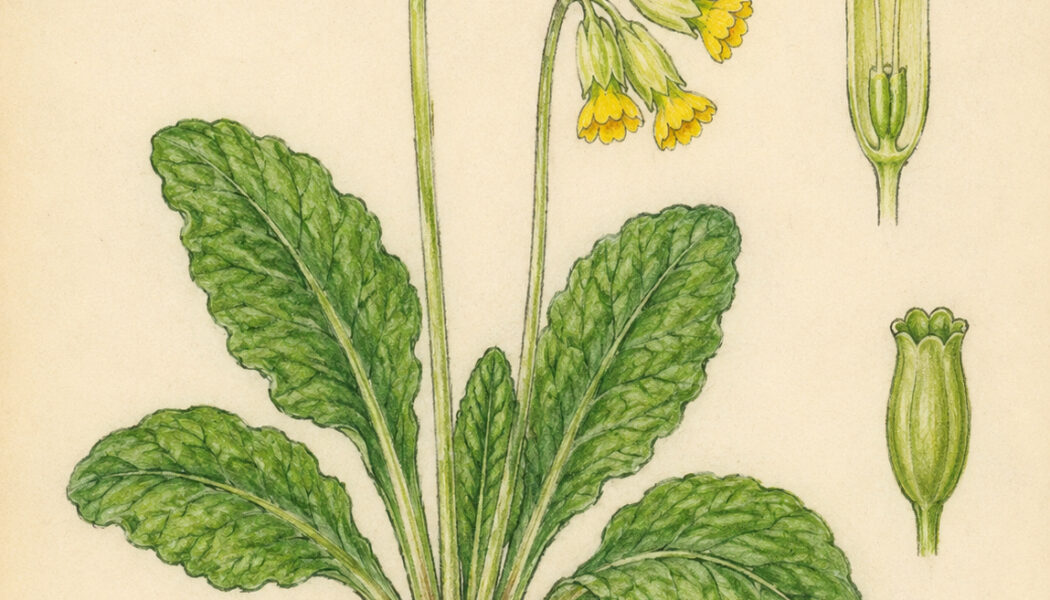

Cowslip and Its Place in Witchcraft
The cowslip (Primula veris) is a charming wildflower native to much of Europe and parts of Asia. Recognized by its clusters of drooping, golden-yellow flowers and sweet fragrance, it has long been ass...
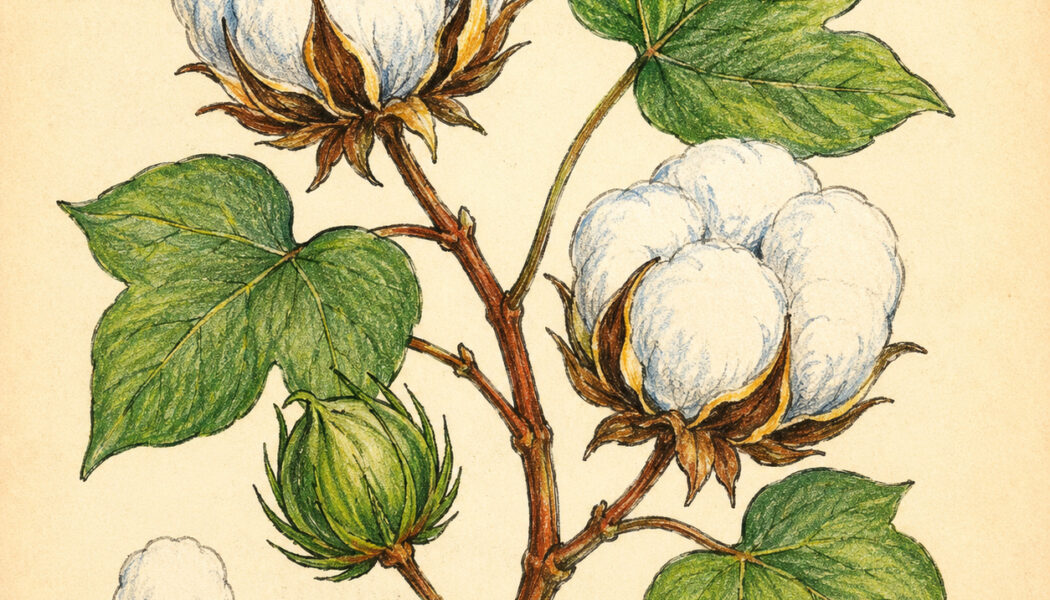

Cotton and Its Place in Witchcraft
Cotton is one of the world’s most important plants, valued for thousands of years for its soft fibers and many practical uses. Belonging to the genus Gossypium, cotton grows in warm climates and produ...
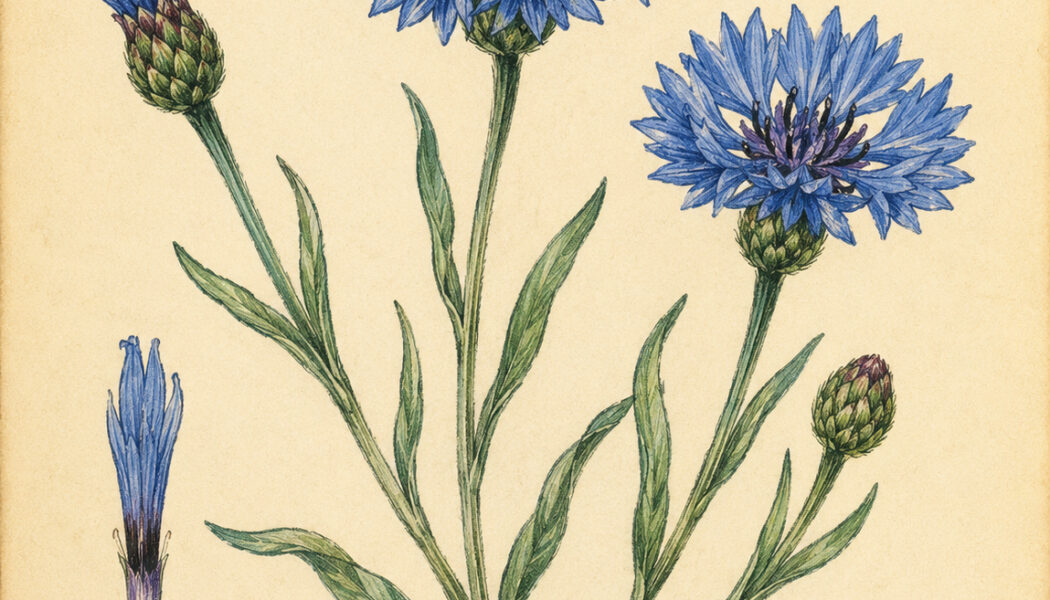

Cornflower and Its Place in Witchcraft
The cornflower, also known as bachelor’s button, is a delicate blue wildflower that has long carried symbolic and magical meaning throughout European folklore and witchcraft traditions. Known scientif...
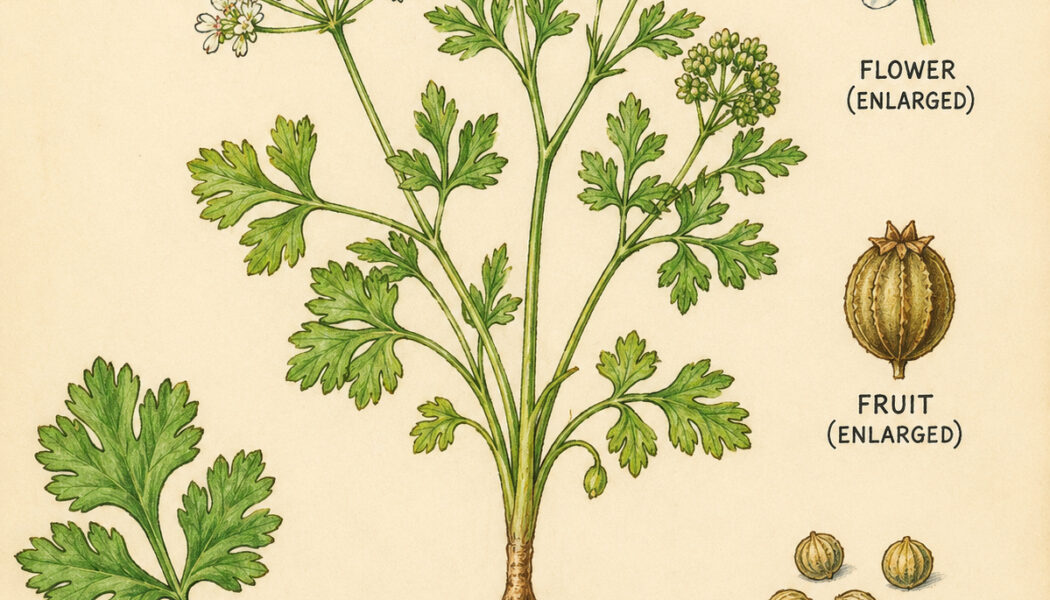

Coriander and Its Place in Witchcraft
Coriander, known scientifically as Coriandrum sativum, is a fragrant herb that has been valued for centuries in cooking, medicine, and spiritual traditions. Native to regions of Southern Europe, North...
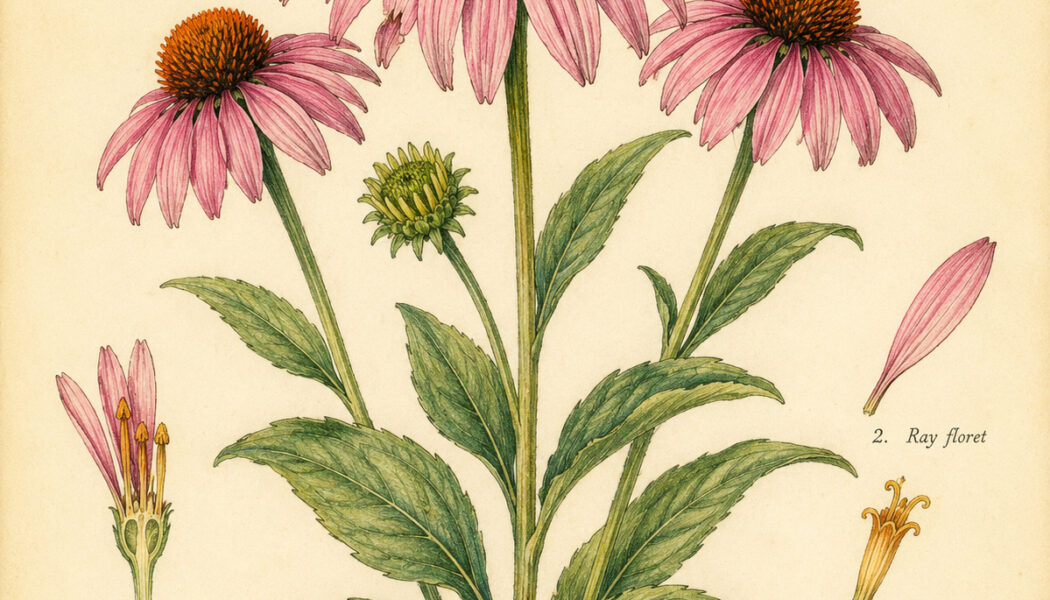

Coneflower and Its Place in Witchcraft
Coneflower, commonly known as Echinacea, is a striking flowering plant recognized by its vibrant purple petals and raised central cone. Native to North America, it has long been valued for both medici...
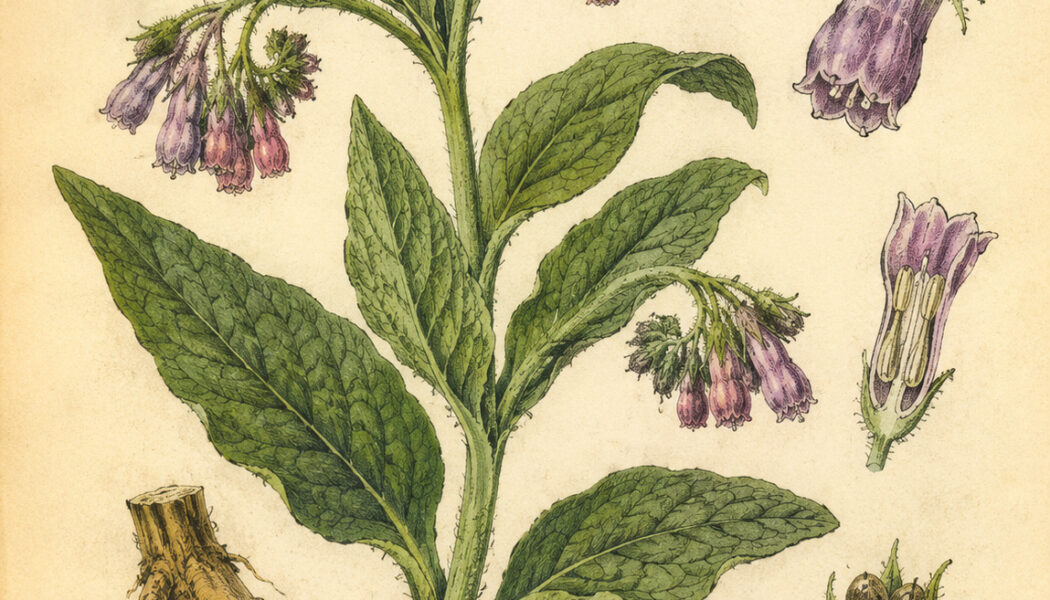

Comfrey and Its Place in Witchcraft
Comfrey (Symphytum officinale) is a hardy perennial herb long valued for both its medicinal qualities and its mystical associations. With broad, hairy leaves and bell-shaped purple flowers, the plant ...
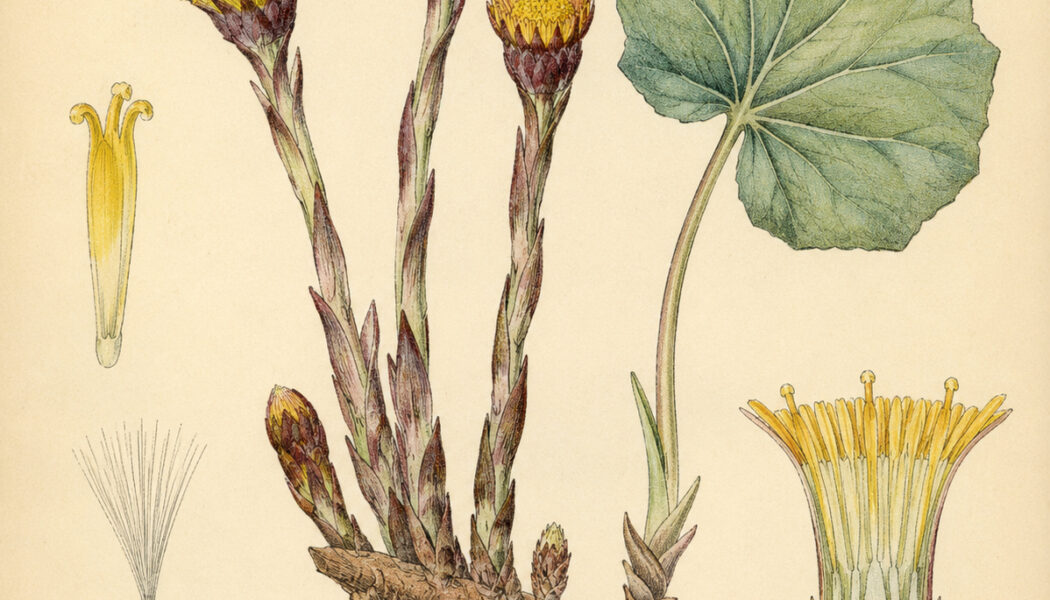

Coltsfoot and Its Place in Witchcraft
Coltsfoot (Tussilago farfara) is a small flowering plant that has long held a place in folklore, herbal medicine, and witchcraft traditions. Easily recognized by its bright yellow flowers and broad, h...
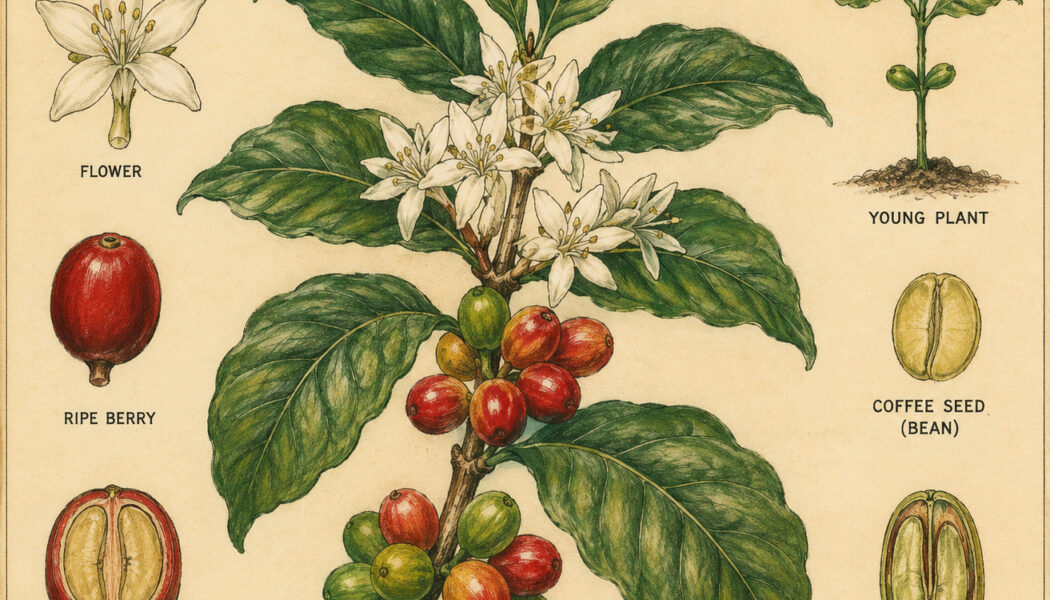

Coffee and Its Place in Witchcraft
Coffee is one of the most widely consumed plants in the world, valued for its rich aroma, stimulating properties, and cultural importance. Derived mainly from the species Coffea arabica and Coffea can...
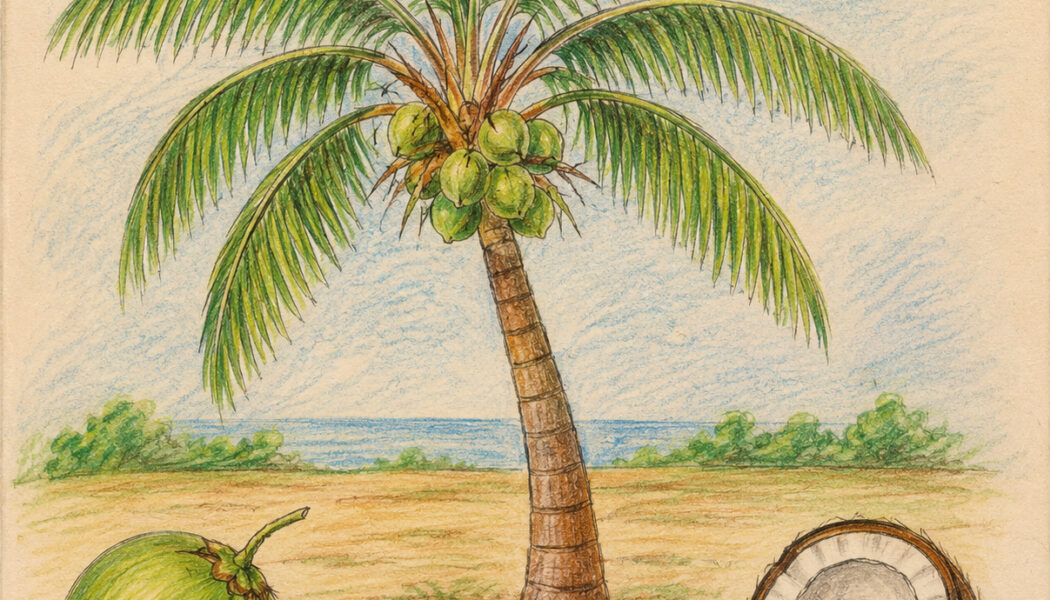

Coconut and Its Place in Witchcraft
The coconut tree, often called the “Tree of Life,” has long held spiritual and magical significance in many cultures around the world. Found mainly in tropical regions, the coconut provides food, oil,...
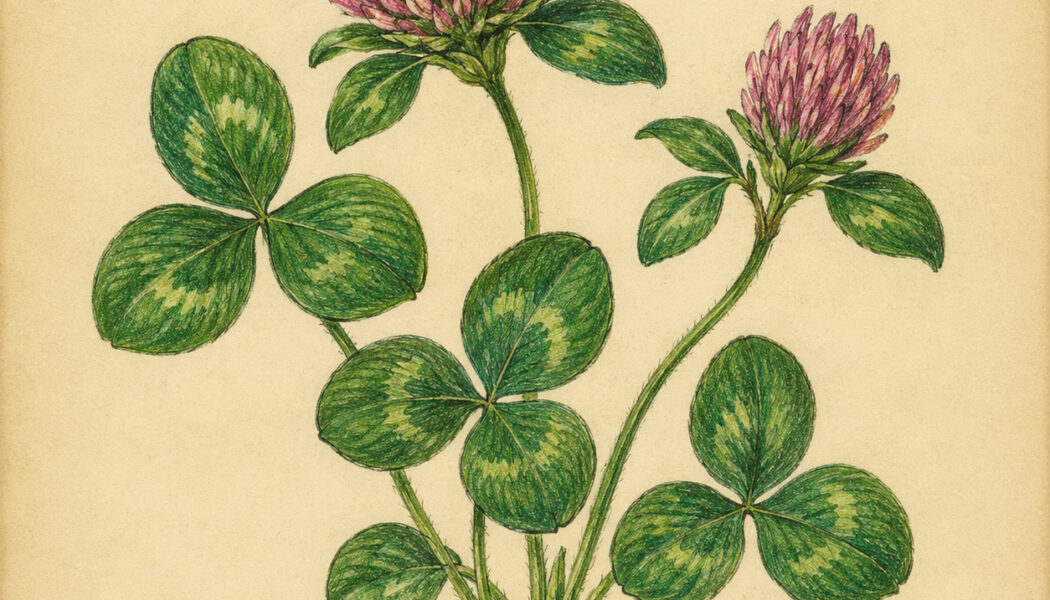

Clover and Its Place in Witchcraft
Clover is a small but meaningful plant that has held symbolic and magical importance for centuries. Known for its delicate green leaves and tiny blossoms, clover grows abundantly in fields and meadows...
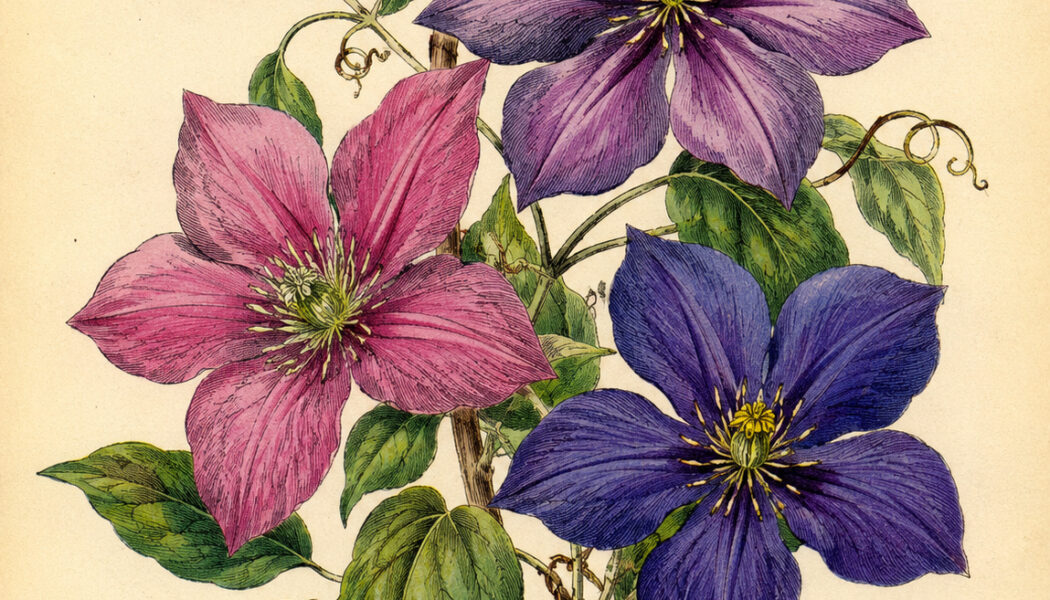

Clematis and Its Place in Witchcraft
Clematis, often called the “queen of climbers,” is a flowering vine admired for its delicate petals and vigorous growth. Found in gardens throughout Europe and Asia, this enchanting plant has also hel...
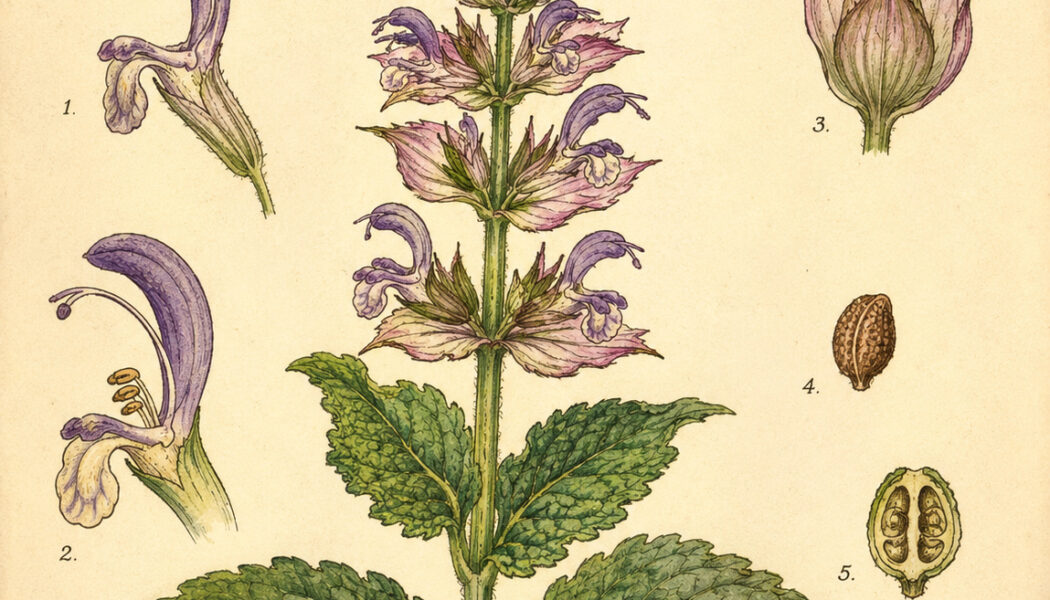

Clary Sage and Its Place in Witchcraft
Clary Sage (Salvia sclarea) is a fragrant herb long associated with healing, wisdom, and spiritual insight. Native to the Mediterranean region, this silvery-green plant produces delicate purple and pi...
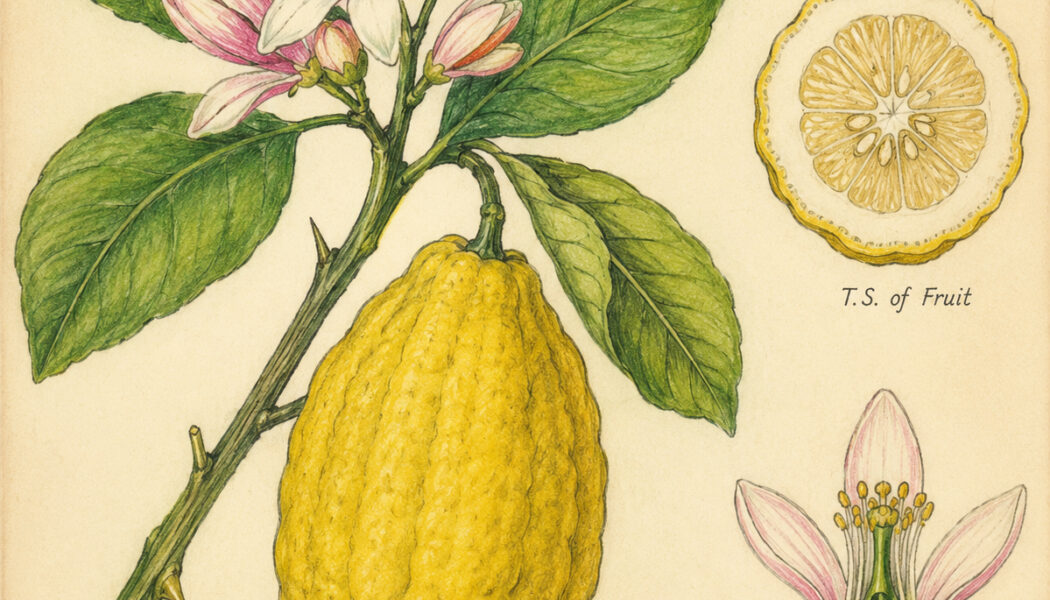

Citron and Its Place in Witchcraft
The citron is one of the oldest cultivated citrus fruits in the world, prized for its thick fragrant rind and powerful symbolic associations. Known scientifically as Citrus medica, the citron has appe...
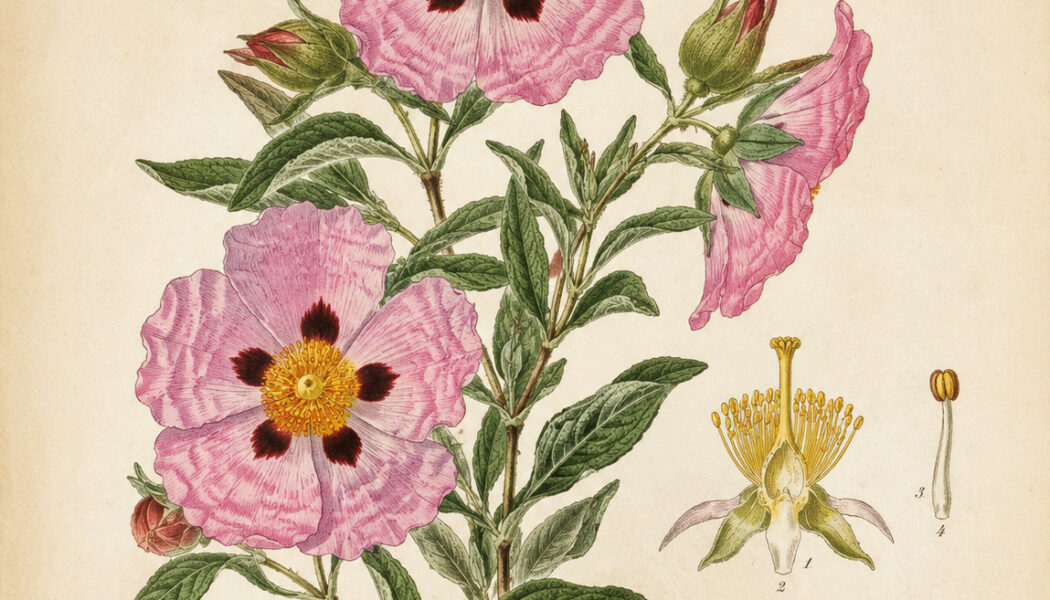

Cistus and Its Place in Witchcraft
Cistus, commonly known as rockrose, is a flowering shrub native to the Mediterranean region. Recognized for its delicate pink or white blossoms and resinous leaves, the plant has long been valued in h...
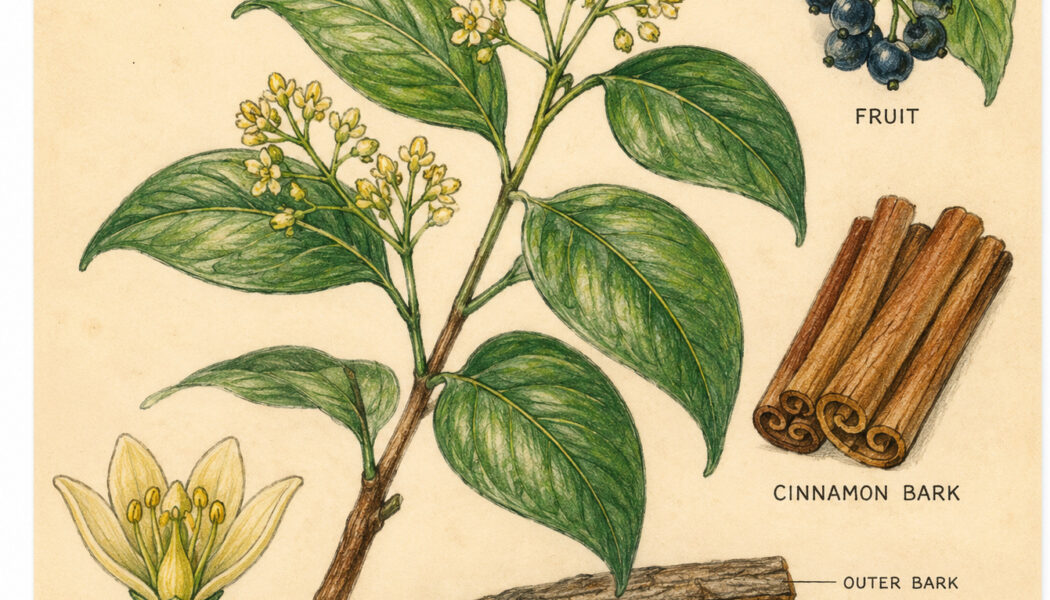

Cinnamon and Its Place in Witchcraft
Cinnamon is one of the oldest and most treasured spices in human history. Derived from the bark of trees belonging to the Cinnamomum family, it has been used for thousands of years in cooking, medicin...
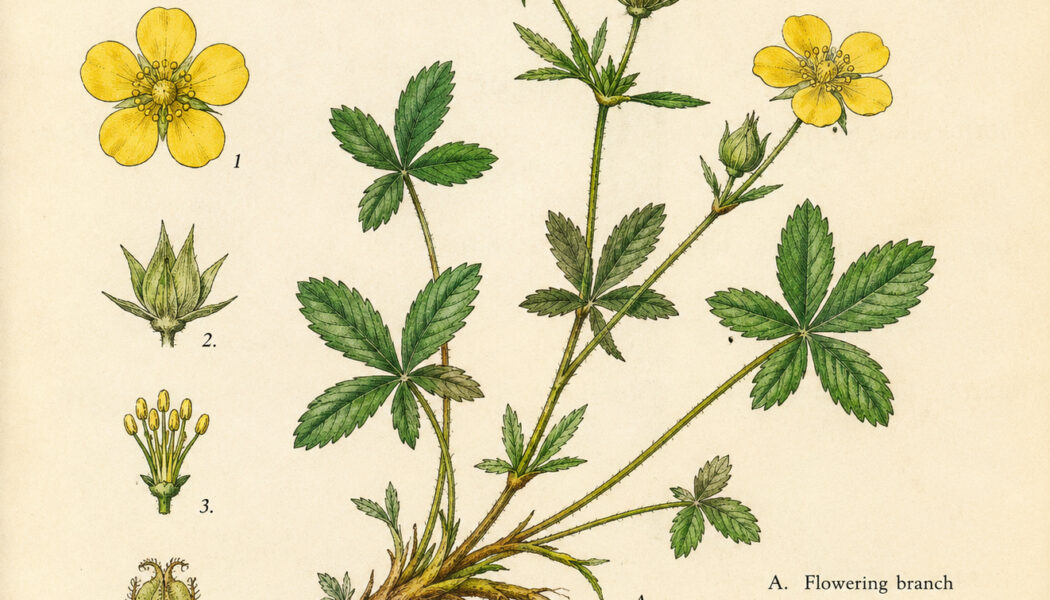

Cinquefoil and Its Place in Witchcraft
Cinquefoil, a small flowering plant belonging to the genus Potentilla, has long held a respected place in folklore, herbalism, and witchcraft traditions. Its name comes from the French words cinq feui...
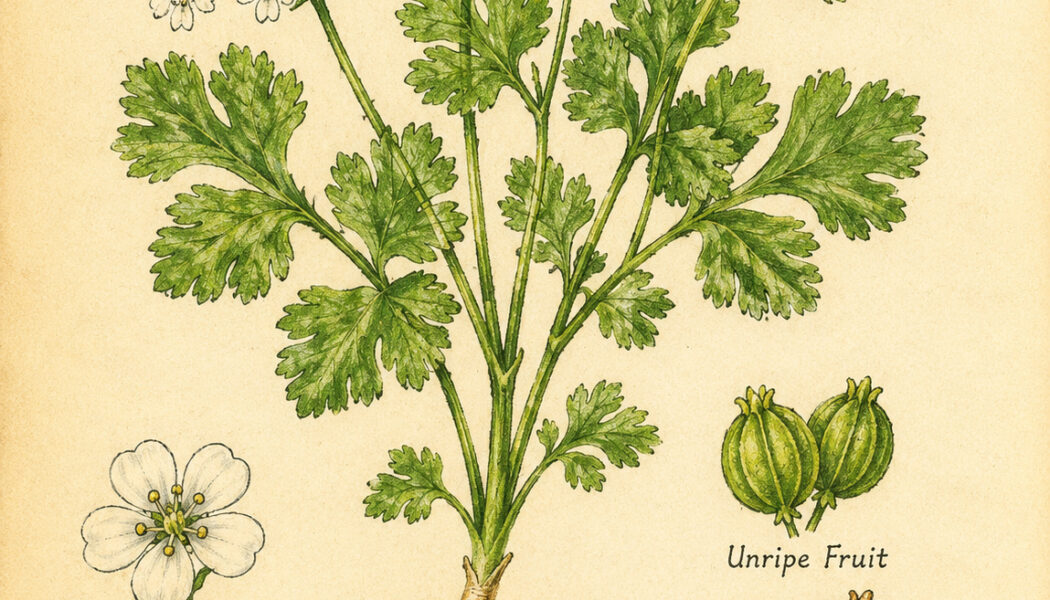

Cilantro and Its Place in Witchcraft
Cilantro, also known as coriander, is a fragrant herb that has been valued for centuries in cooking, medicine, and spiritual practices. Scientifically known as Coriandrum sativum, the plant is native ...
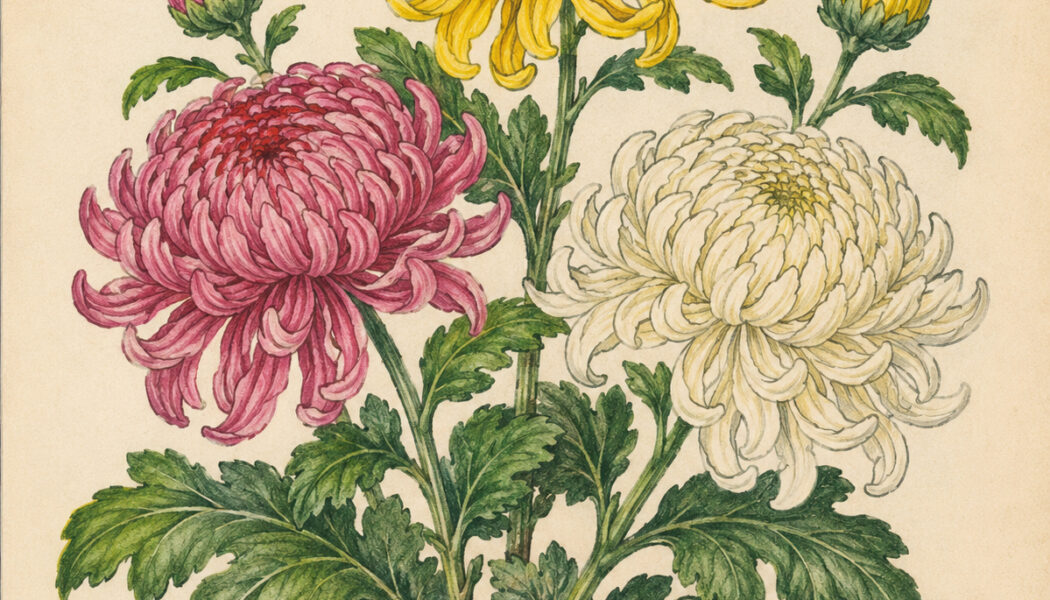

Chrysanthemum and Its Place in Witchcraft
The chrysanthemum is a flower admired across the world for its beauty, symbolism, and spiritual associations. Originating in Asia, especially China and Japan, chrysanthemums have long been connected t...
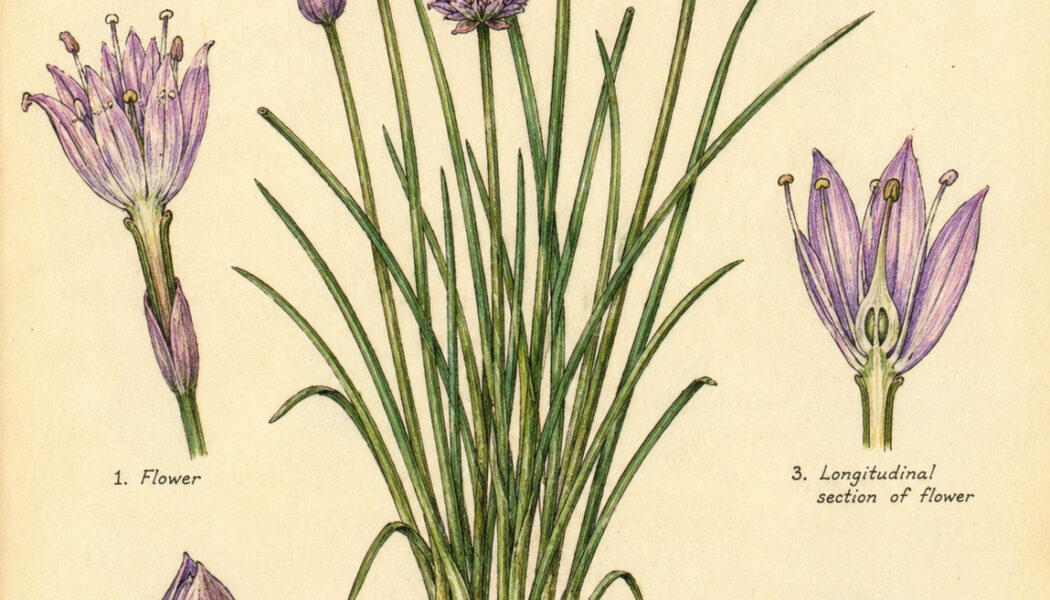

Chive and Its Place in Witchcraft
Chive, a small herb from the onion family, has long held a valued place in both cooking and folklore. Known scientifically as Allium schoenoprasum, chives are recognized by their thin green stalks and...
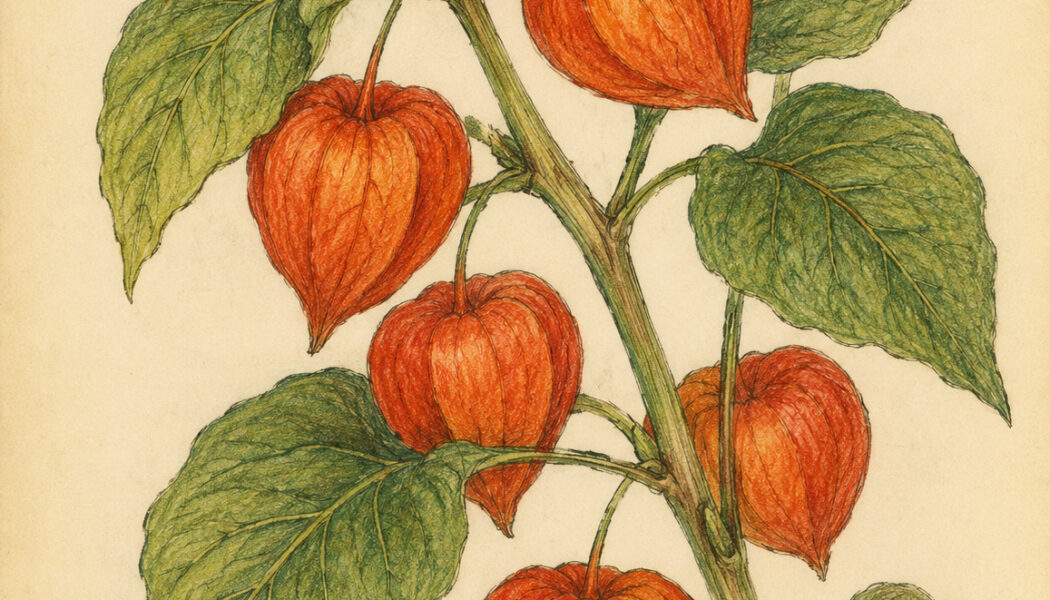

Chinese Lantern and Its Place in Witchcraft
The Chinese Lantern plant, scientifically known as Physalis alkekengi, is a striking perennial recognized for its bright orange, papery husks that resemble glowing lanterns. Native to parts of Asia an...
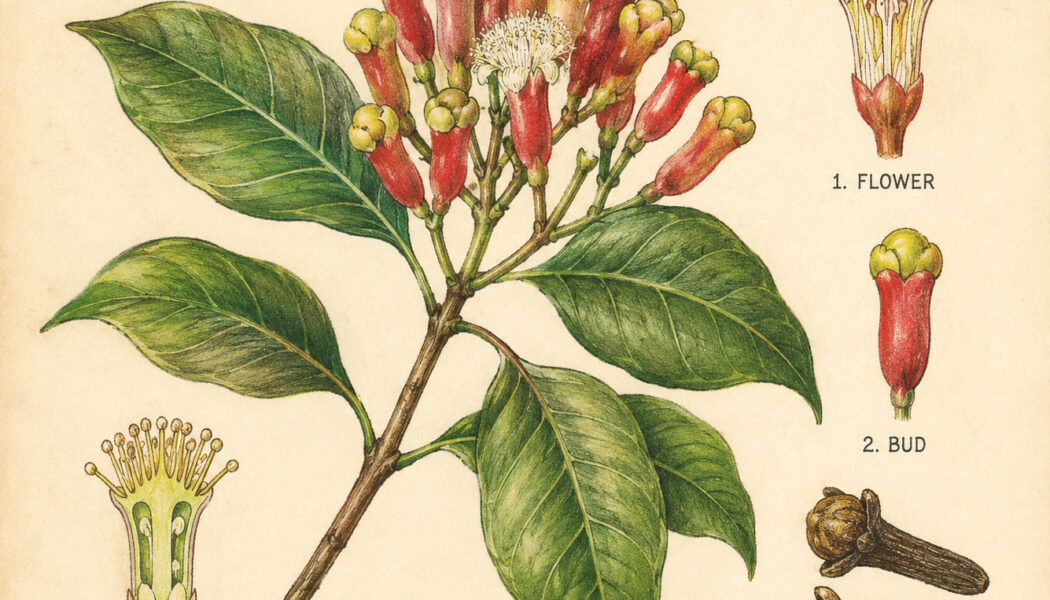

Clove and Its Place in Witchcraft
Clove, derived from the dried flower buds of the clove tree (Syzygium aromaticum), has long held an important place in both traditional medicine and magical practice. Native to the Spice Islands of In...
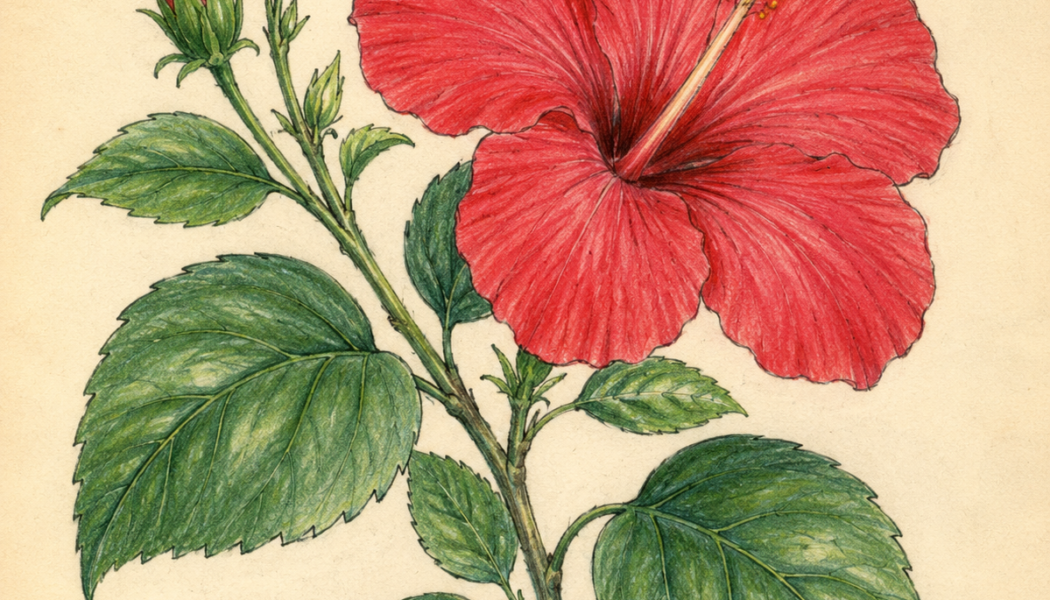

China Rose and Its Place in Witchcraft
The China Rose, scientifically known as Hibiscus rosa-sinensis, is a bright and beautiful flowering plant admired across many cultures. Known for its large petals and striking red, pink, yellow, or wh...
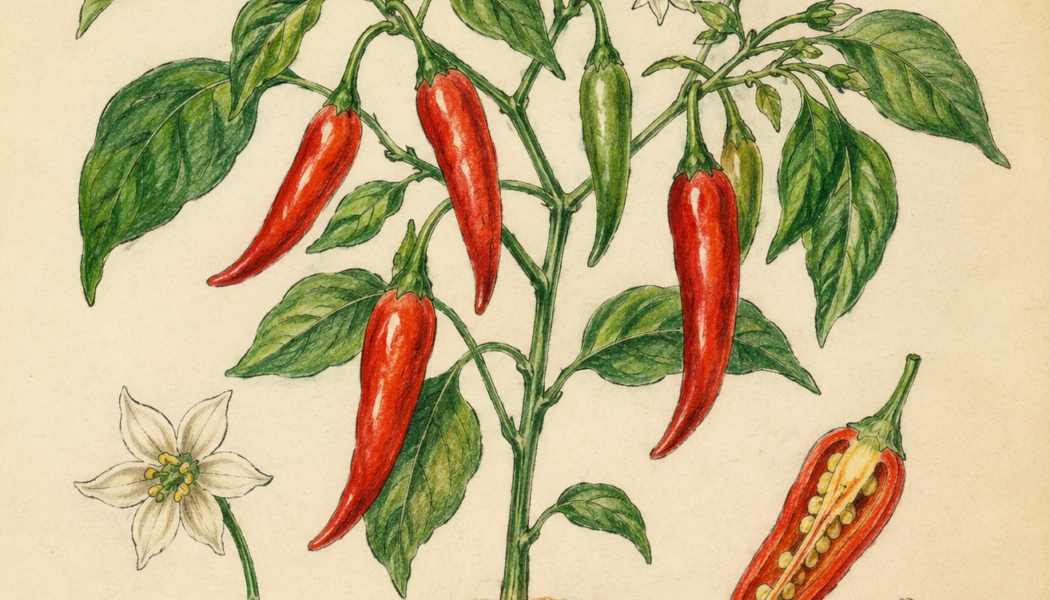

Chili Pepper and Its Place in Witchcraft
The chili pepper has long held a powerful place in folklore, herbal traditions, and magical practices across many cultures. Known for its fiery heat and vivid red color, the plant symbolizes strength,...
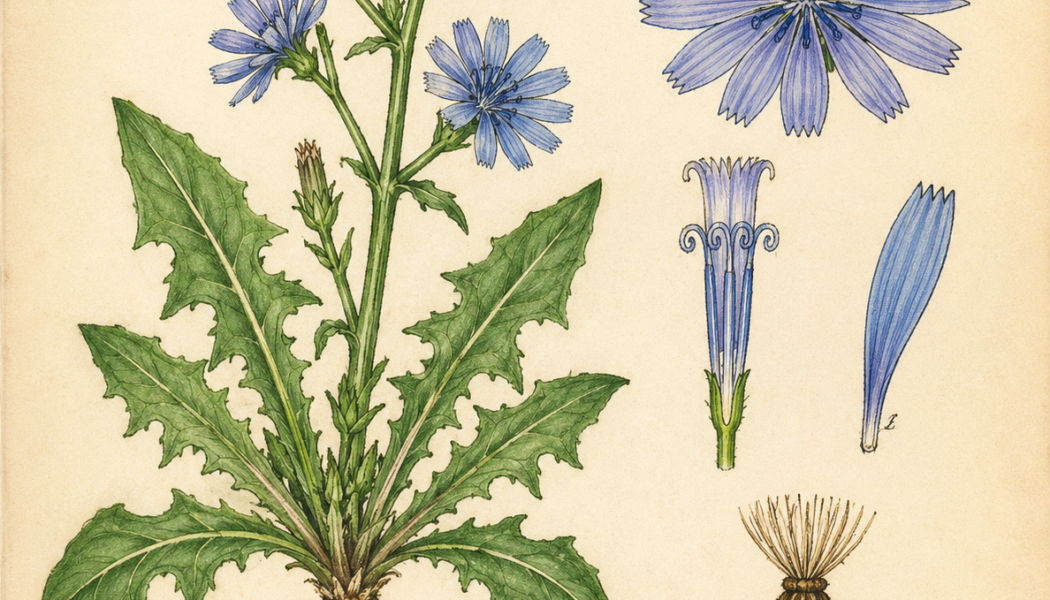

Chicory and Its Place in Witchcraft
Chicory is a hardy blue-flowered plant that has long captured the attention of herbalists, healers, and practitioners of folk magic. Known scientifically as Cichorium intybus, chicory grows along road...
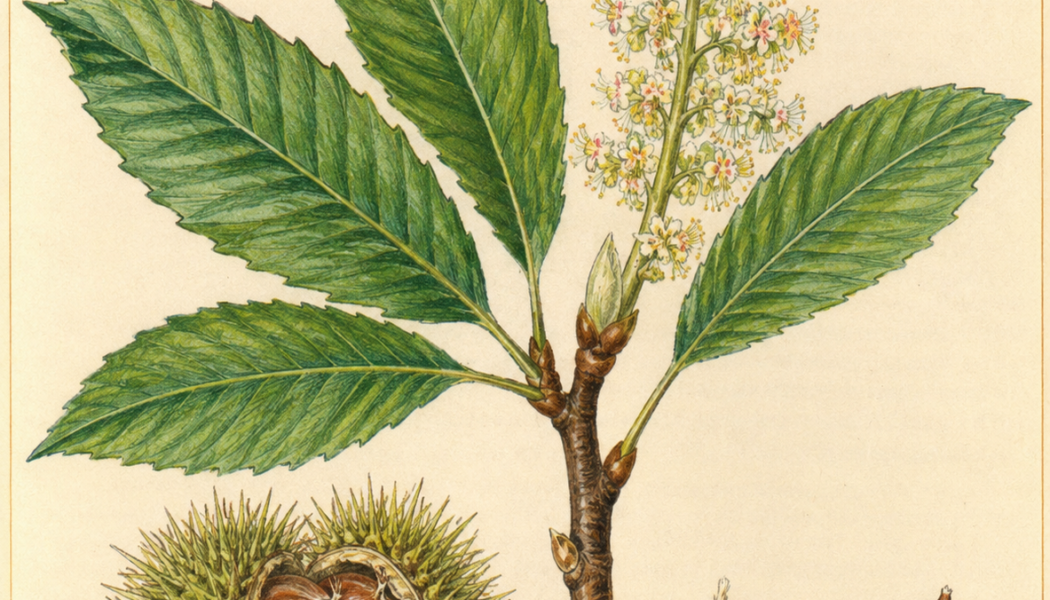

Chestnut and Its Place in Witchcraft
The chestnut tree has long held a place of mystery, nourishment, and spiritual symbolism in folklore and witchcraft traditions. Found across Europe, Asia, and North America, the chestnut is admired no...
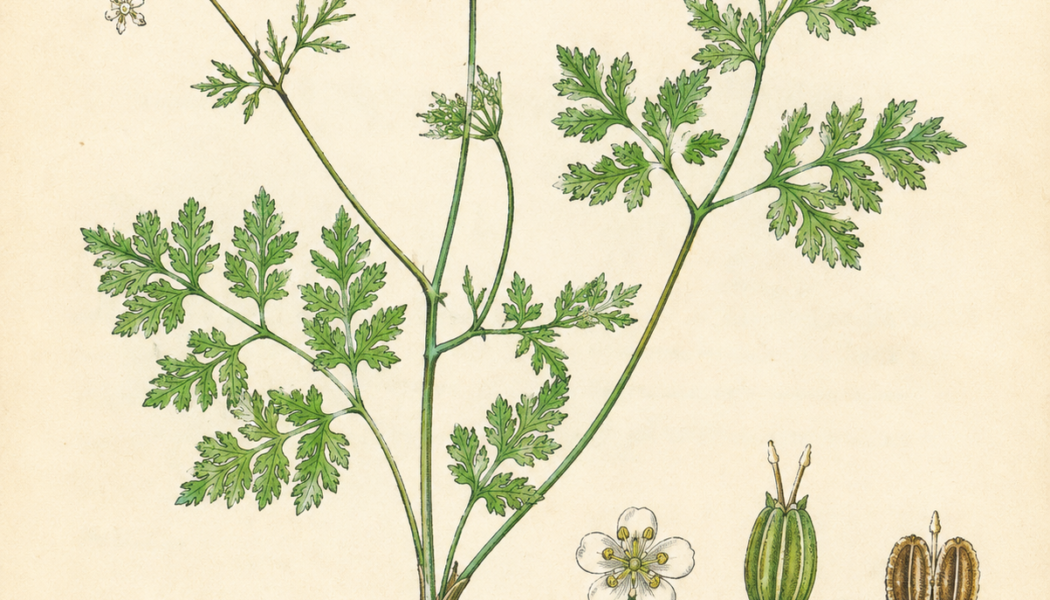

Chervil and Its Place in Witchcraft
Chervil (Anthriscus cerefolium) is a delicate herb from the parsley family, known for its feathery green leaves and mild flavor that resembles anise or licorice. While it is most often associated with...
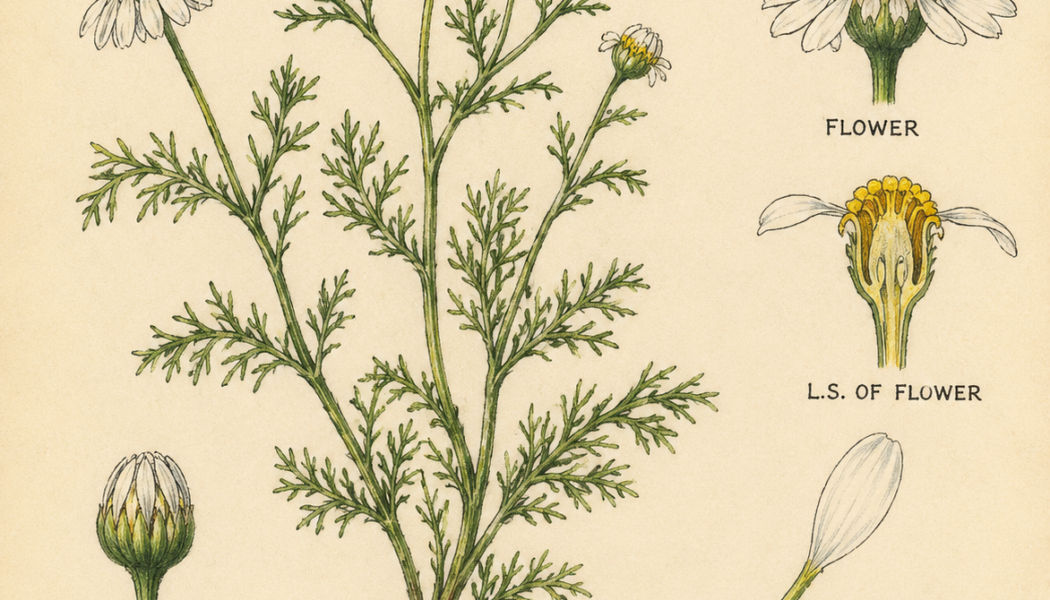

Chamomile and Its Place in Witchcraft
Chamomile is a delicate flowering plant best known for its calming scent and healing properties. Belonging to the daisy family, chamomile has been used for centuries in medicine, spiritual rituals, an...
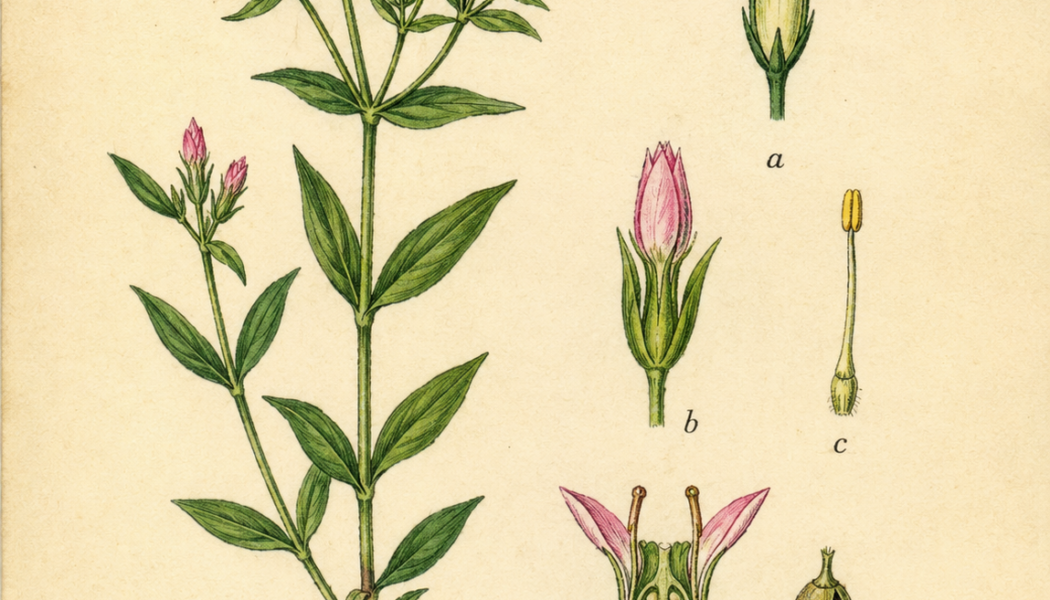

Centaury and Its Place in Witchcraft
Centaury is a delicate flowering herb that has long held a place in folklore, herbal medicine, and magical traditions. Belonging to the gentian family, the plant is recognized by its small pink or red...
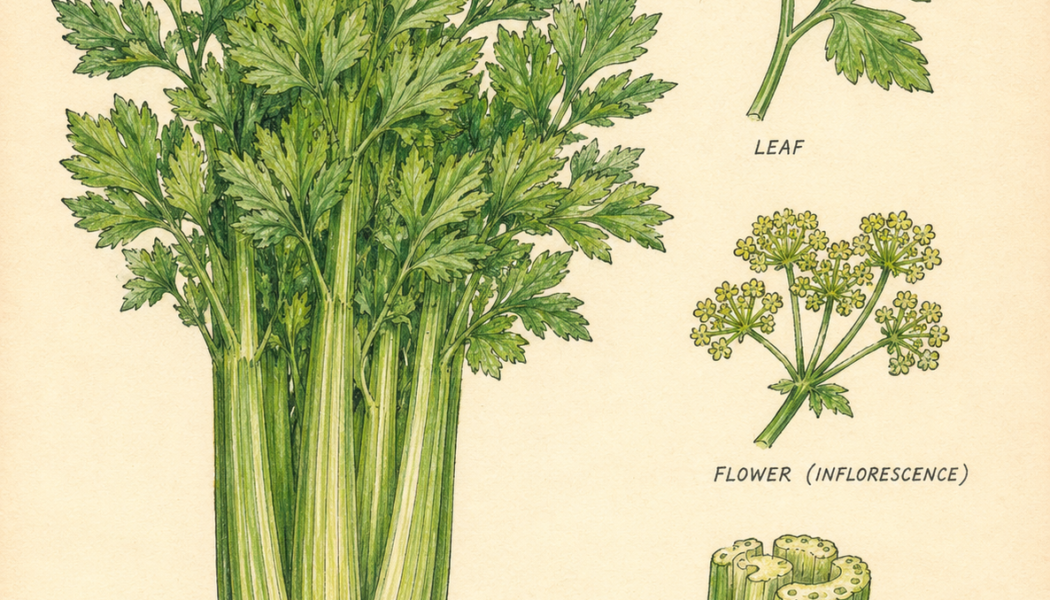

Celery and Its Place in Witchcraft
Celery is commonly known as a crisp green vegetable used in soups, salads, and healthy snacks, but throughout history it has also carried spiritual and magical significance. In many ancient cultures, ...
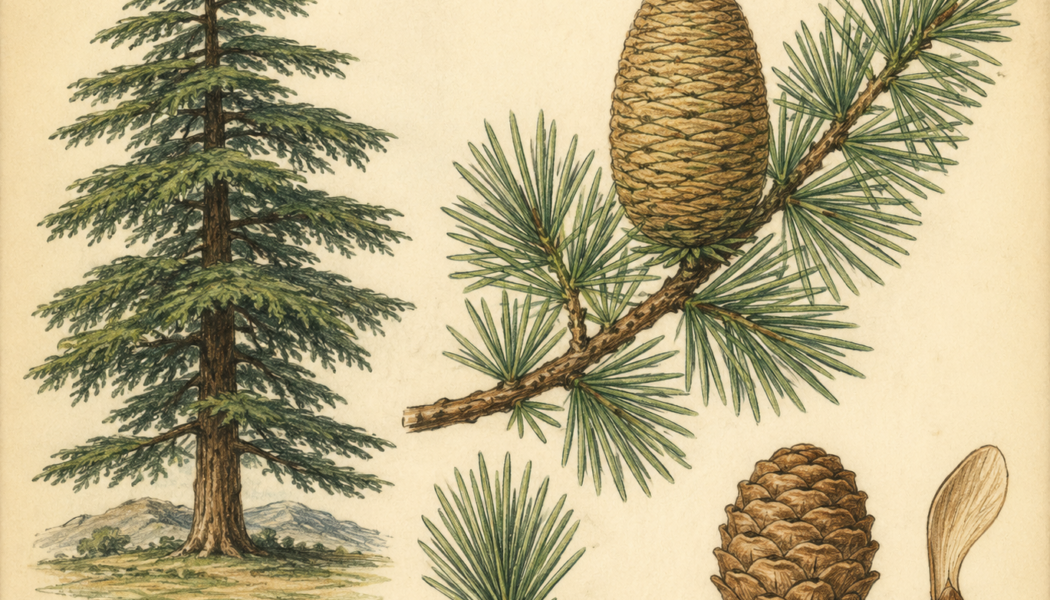

Cedar and Its Place in Witchcraft
Cedar is a strong and fragrant evergreen tree that has held spiritual importance in many cultures for centuries. Known for its durability, pleasant aroma, and healing qualities, cedar has become close...
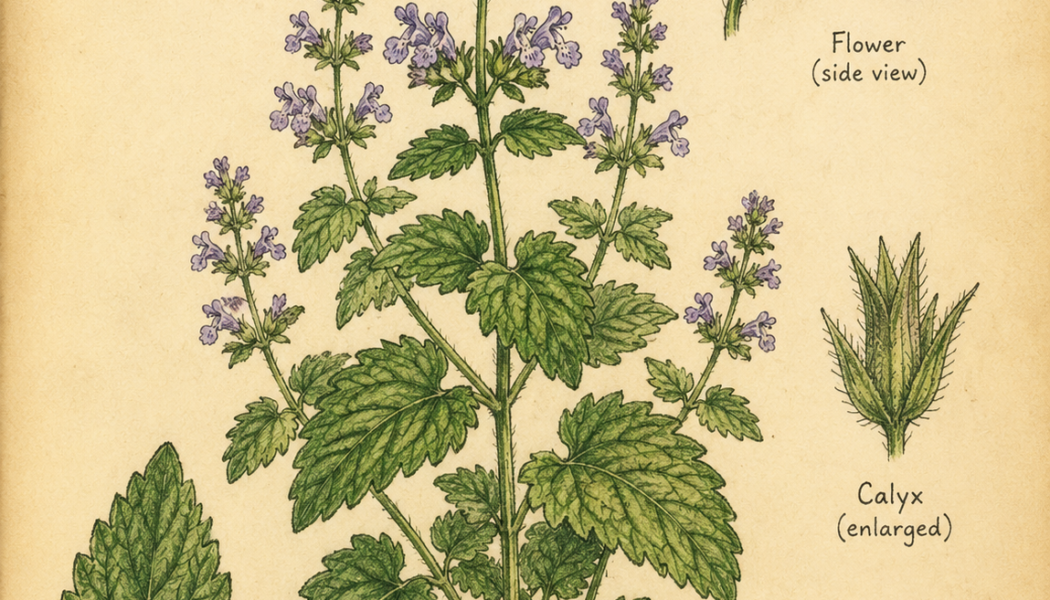

Catnip and Its Place in Witchcraft
Catnip, scientifically known as Nepeta cataria, is a fragrant herb belonging to the mint family. While many people recognize it for its unusual effect on cats, catnip also has a long and fascinating h...
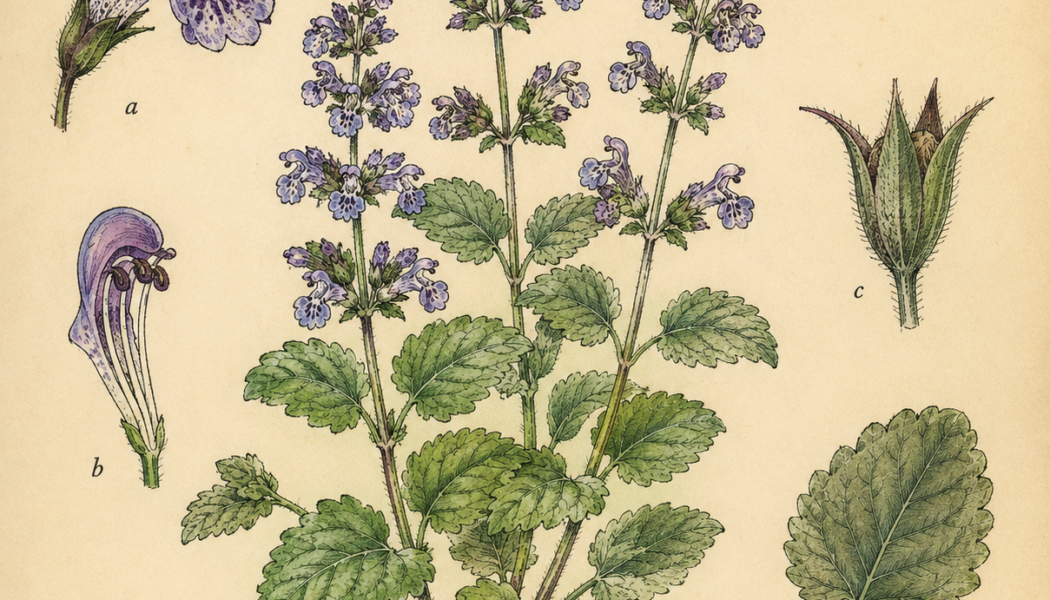

Catmint and Its Place in Witchcraft
Catmint, also known as nepeta, is a fragrant herb belonging to the mint family. Recognized for its soft green leaves and clusters of lavender-blue flowers, catmint has long been valued for both its me...
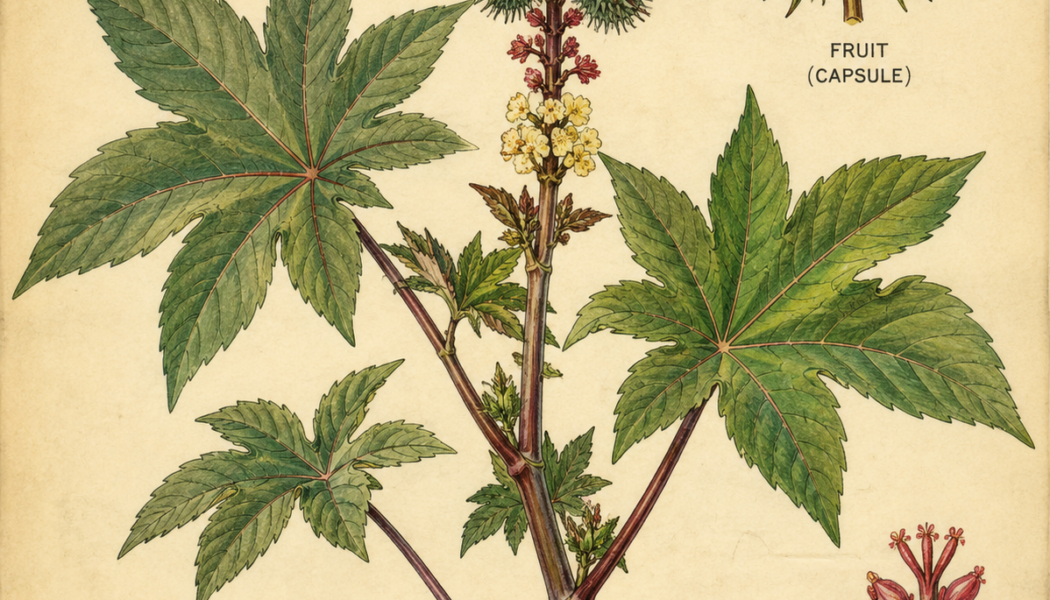

Castor Bean and Its Place in Witchcraft
The Castor Bean plant has long occupied a mysterious place in folklore, medicine, and witchcraft. Native to parts of Africa and India, this striking plant is recognized by its broad star-shaped leaves...
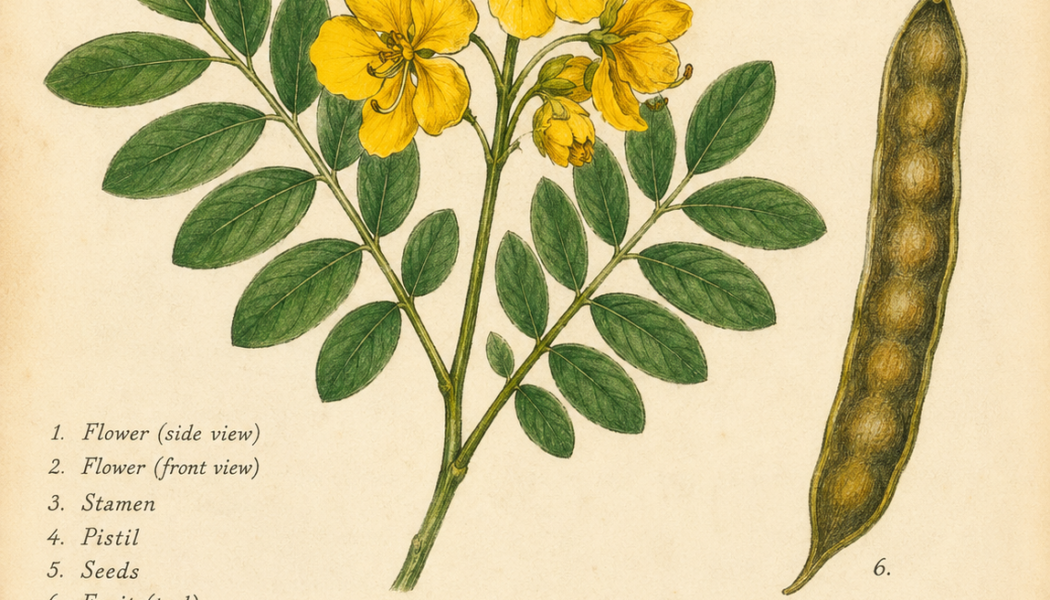

Cassia and Its Place in Witchcraft
Cassia is a fragrant plant belonging to the same botanical family as cinnamon and is best known for its warm, spicy bark and sweet aroma. Native to parts of Asia, especially China and Southeast Asia, ...
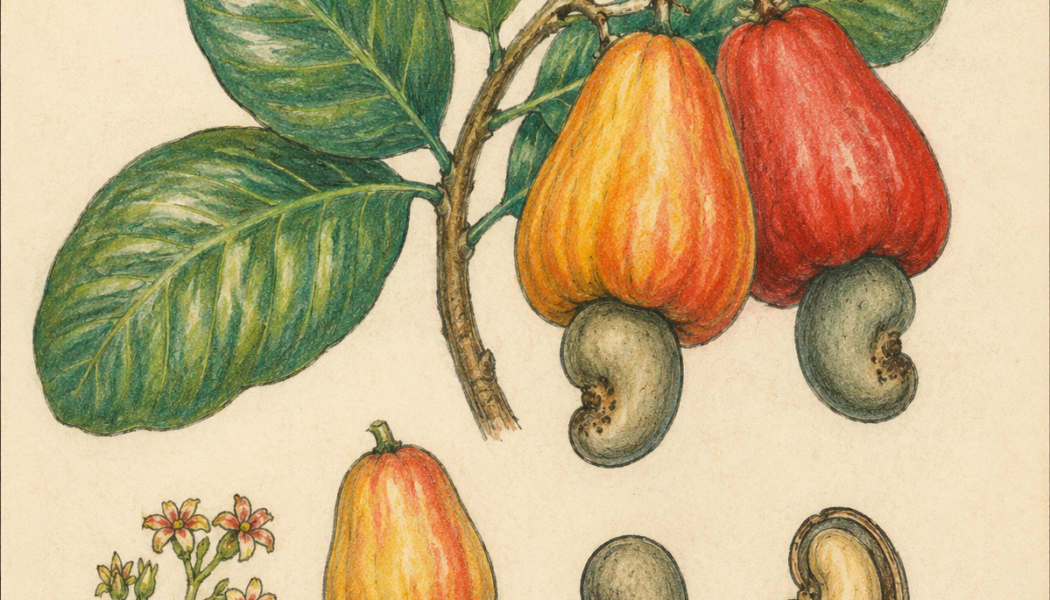

Cashew and Its Place in Witchcraft
The cashew plant, scientifically known as Anacardium occidentale, is a tropical evergreen tree native to Brazil and now cultivated in many warm regions of the world, including Africa, India, and South...
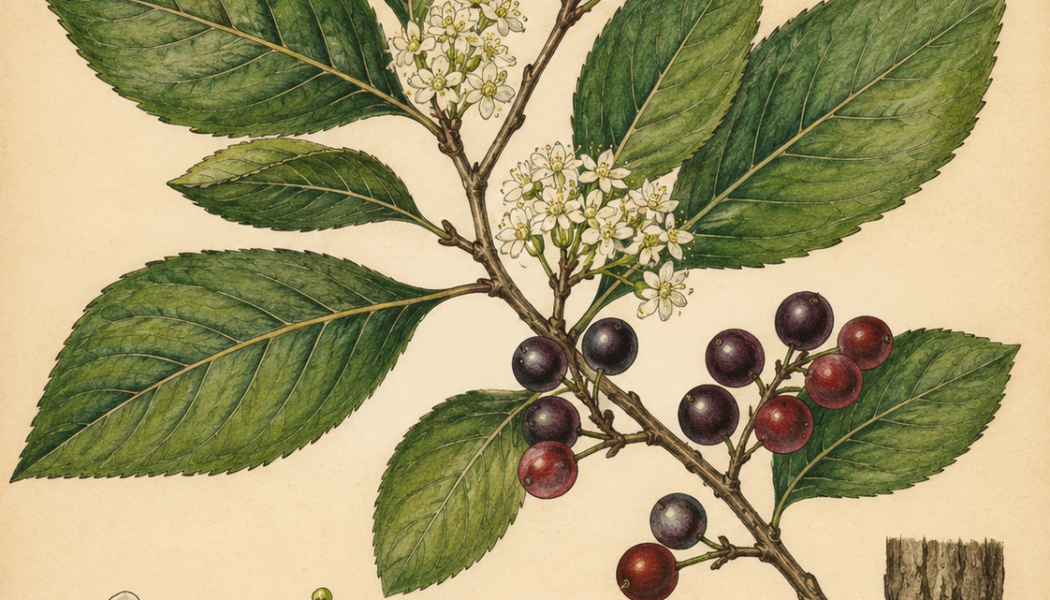

Cascara and Its Place in Witchcraft
Cascara, often referring to the dried bark of the cascara sagrada tree (Rhamnus purshiana), has long been valued for both medicinal and spiritual purposes. Native to the Pacific Northwest of North Ame...
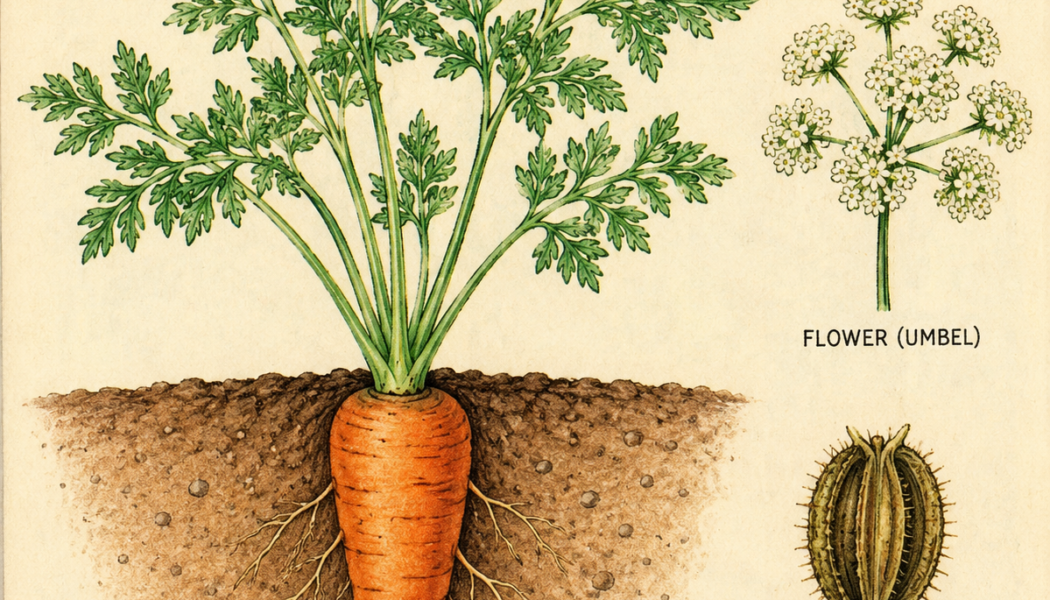

Carrot and Its Place in Witchcraft
The carrot, scientifically known as Daucus carota, is one of the world’s most familiar root vegetables, valued for its bright orange color, sweet flavor, and nutritional benefits. However, beyond the ...
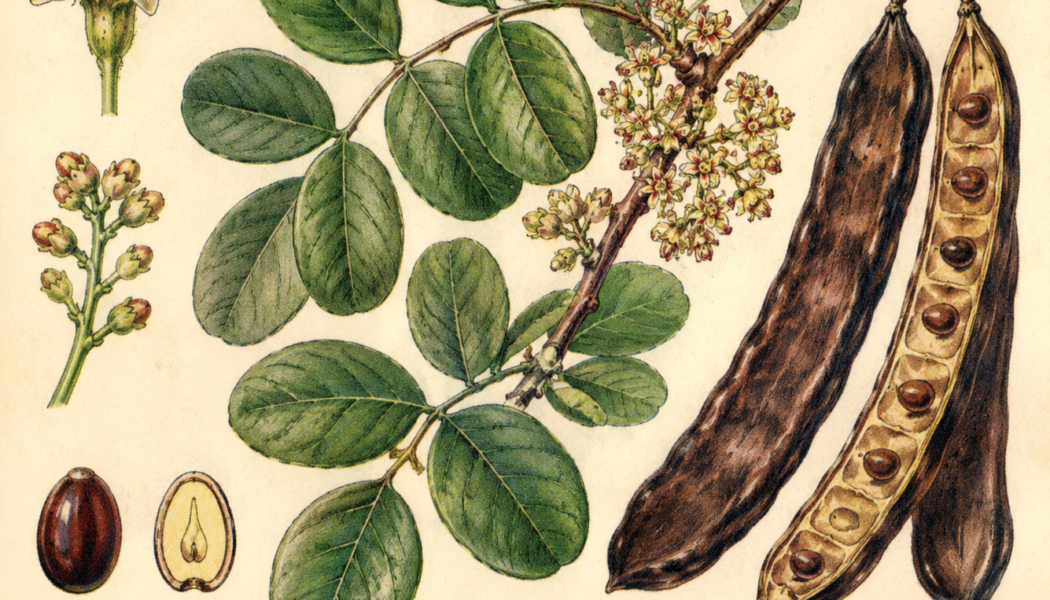

Carob and Its Place in Witchcraft
Carob, a tree native to the Mediterranean region, has long been valued for both its practical uses and its mystical associations. Known scientifically as Ceratonia siliqua, the carob tree produces dar...
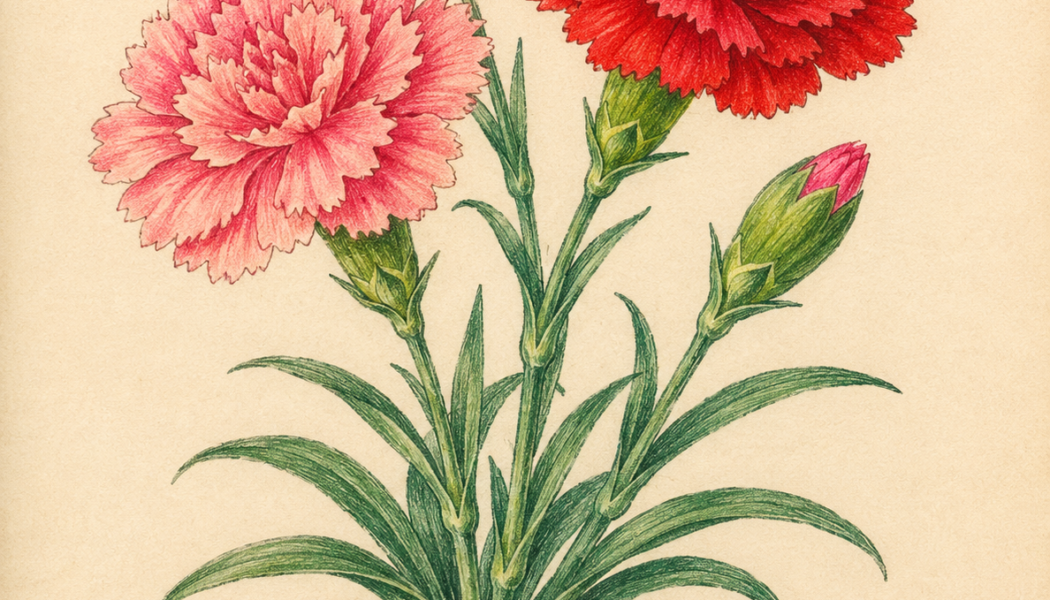

Carnation and Its Place in Witchcraft
The carnation is a beautiful flowering plant known for its ruffled petals, spicy fragrance, and wide range of colors. Scientifically called Dianthus caryophyllus, the carnation has been admired for ce...
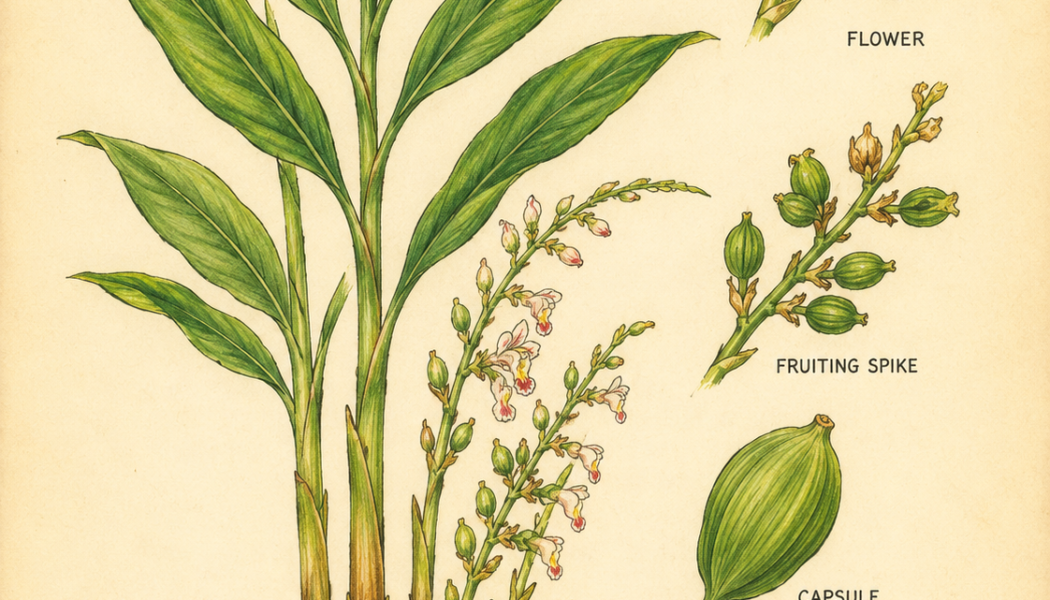

Cardamom and Its Place in Witchcraft
Cardamom is a fragrant spice derived from the seeds of plants in the ginger family, primarily native to India and parts of Southeast Asia. Known for its sweet, spicy aroma and warm flavor, cardamom ha...
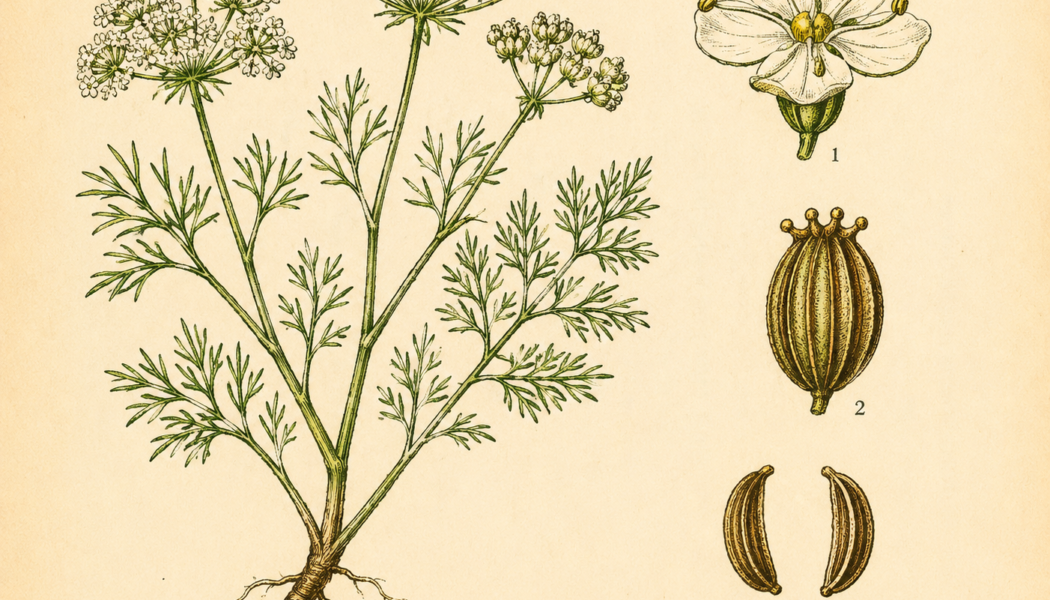

Caraway and Its Place in Witchcraft
Caraway is a fragrant herb that has long held a place in folklore, healing traditions, and witchcraft. Known scientifically as Carum carvi, the plant produces crescent-shaped seeds with a warm, slight...
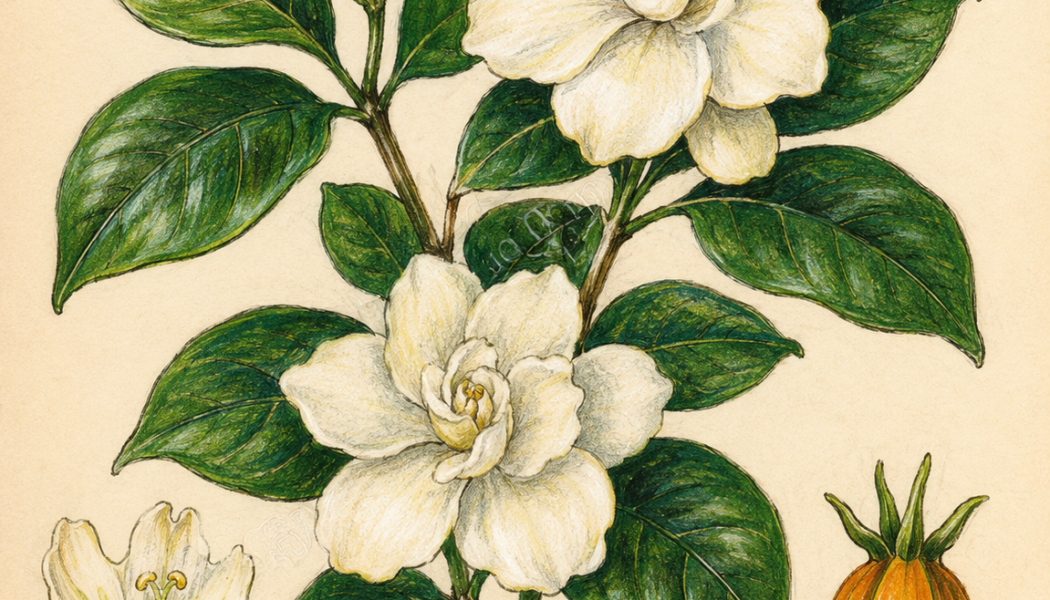

Cape Jasmine and Its Place in Witchcraft
Cape Jasmine, more commonly known as gardenia, is a fragrant flowering plant admired for its creamy white blossoms and glossy evergreen leaves. Native to parts of Asia, especially China and Japan, Cap...
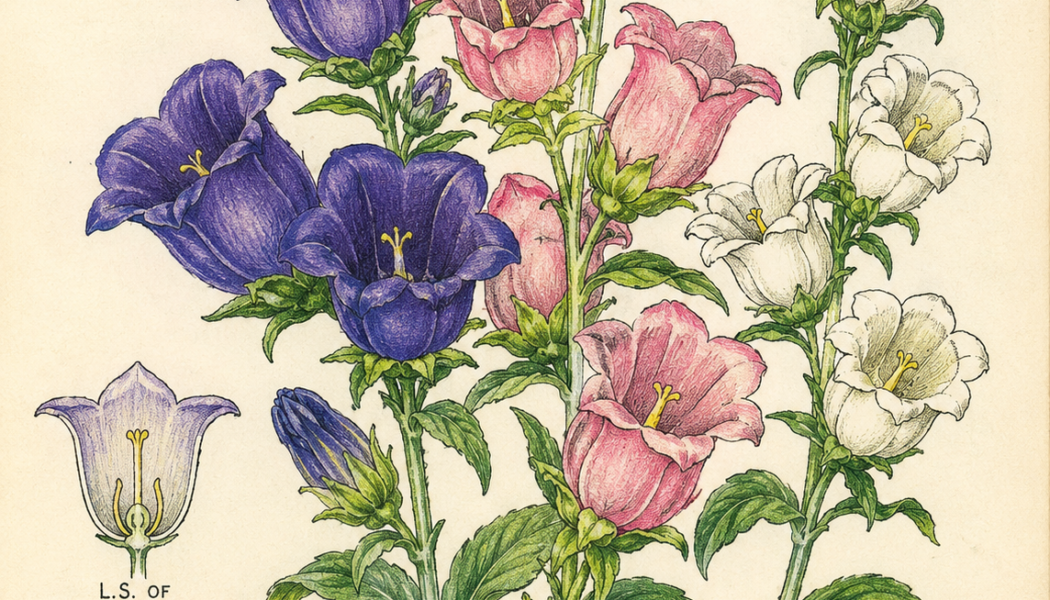

Canterbury Bells and Its Place in Witchcraft
Canterbury Bells, known scientifically as Campanula medium, are charming biennial flowers admired for their bell-shaped blooms in shades of purple, pink, blue, and white. Native to southern Europe, th...
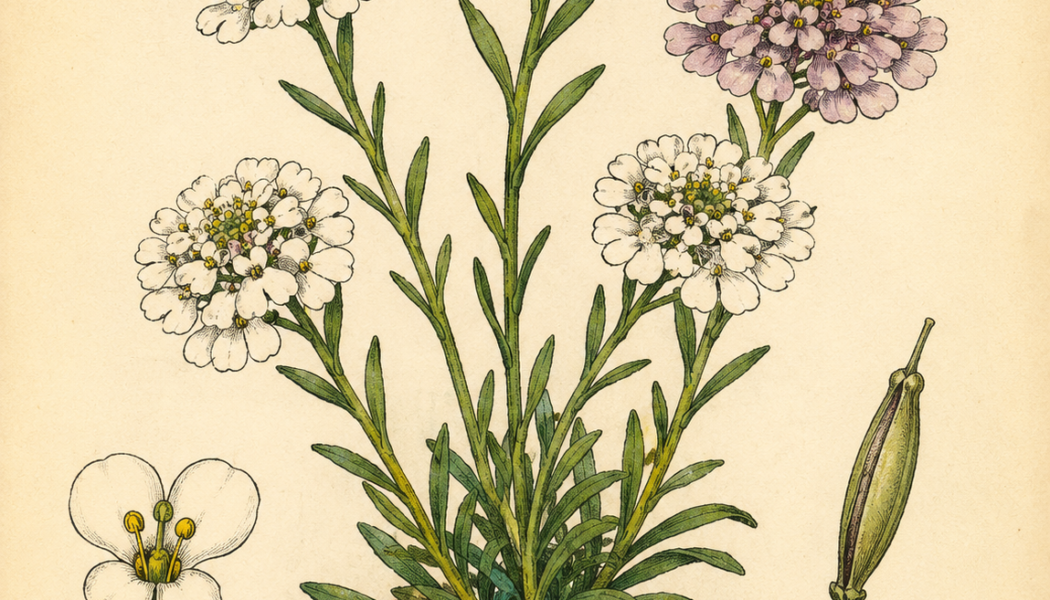

Candytuft and Its Place in Witchcraft
Candytuft is a delicate flowering plant known for its clusters of white, pink, or lavender blossoms that spread like a soft carpet across gardens and rocky hillsides. Belonging to the genus Iberis, ca...
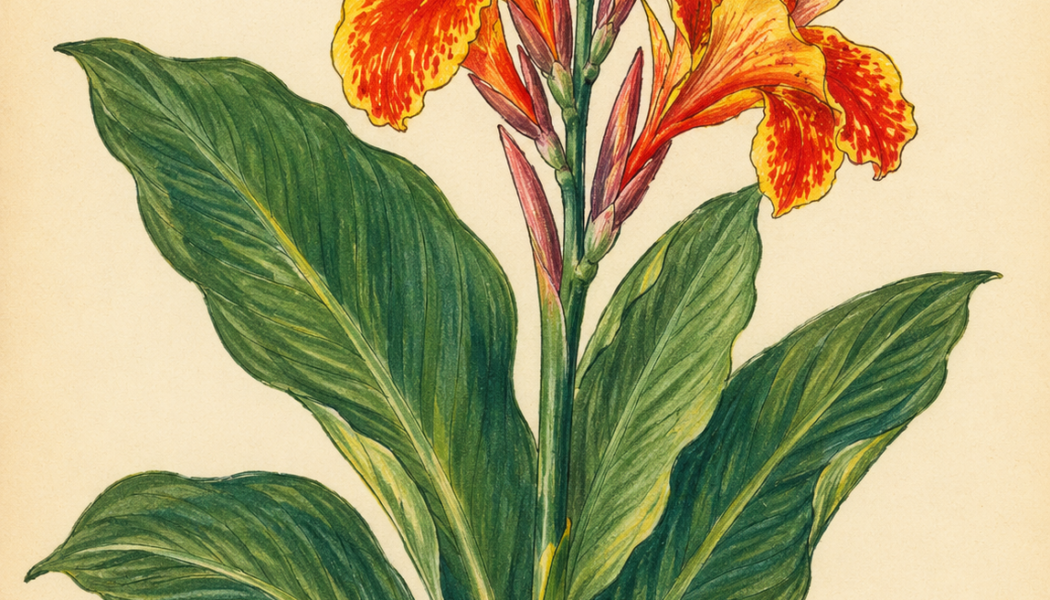

Canna Lily and Its Place in Witchcraft
The Canna Lily is a striking tropical plant known for its broad green leaves and brilliant flowers in shades of red, orange, yellow, and pink. Though often grown for ornamental beauty, the plant has a...
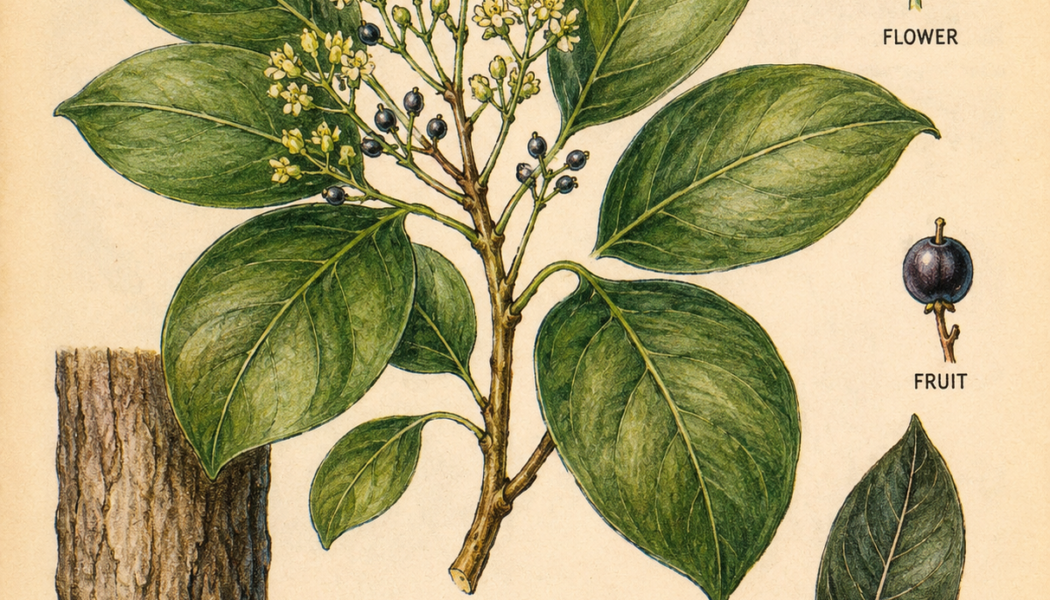

Camphor and Its Place in Witchcraft
Camphor is a strong-smelling white substance taken from the wood of the camphor tree, most commonly the species Cinnamomum camphora. For centuries, it has been valued in medicine, religion, and spirit...
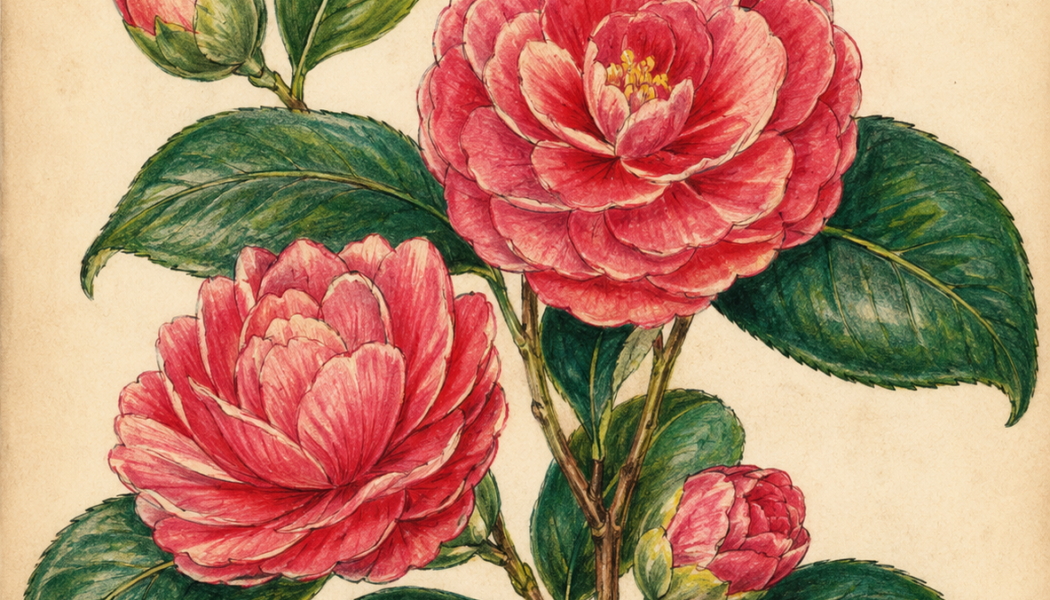

Camellia and Its Place in Witchcraft
The camellia is a beautiful flowering plant admired for its glossy green leaves and elegant blossoms that bloom in shades of white, pink, and red. Native to eastern and southern Asia, especially China...
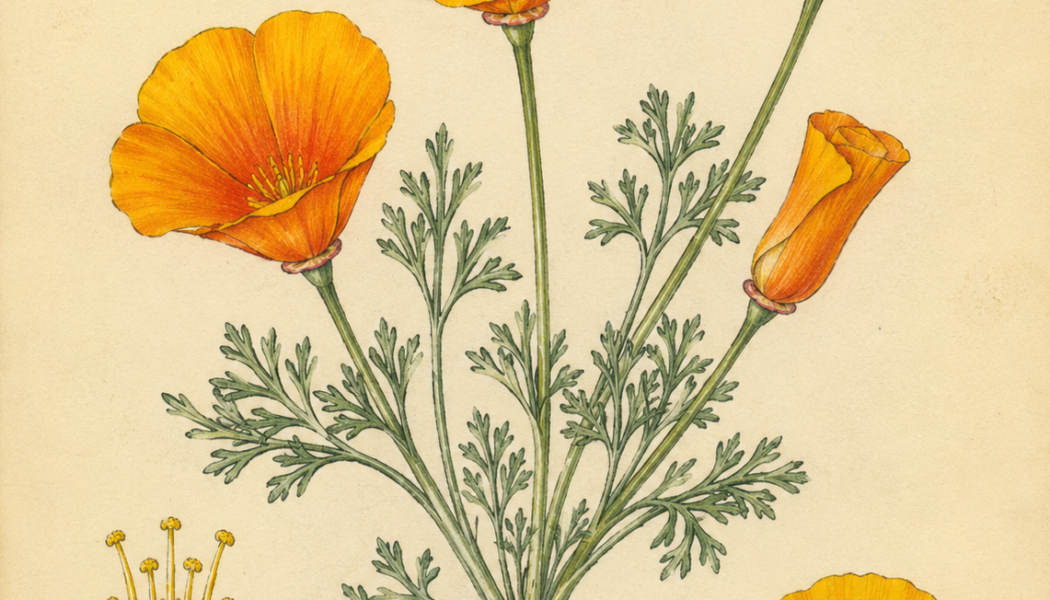

California Poppy and Its Place in Witchcraft
The California poppy, scientifically known as Eschscholzia californica, is a vibrant orange wildflower native to the western United States. Recognized as the state flower of California, it is admired ...
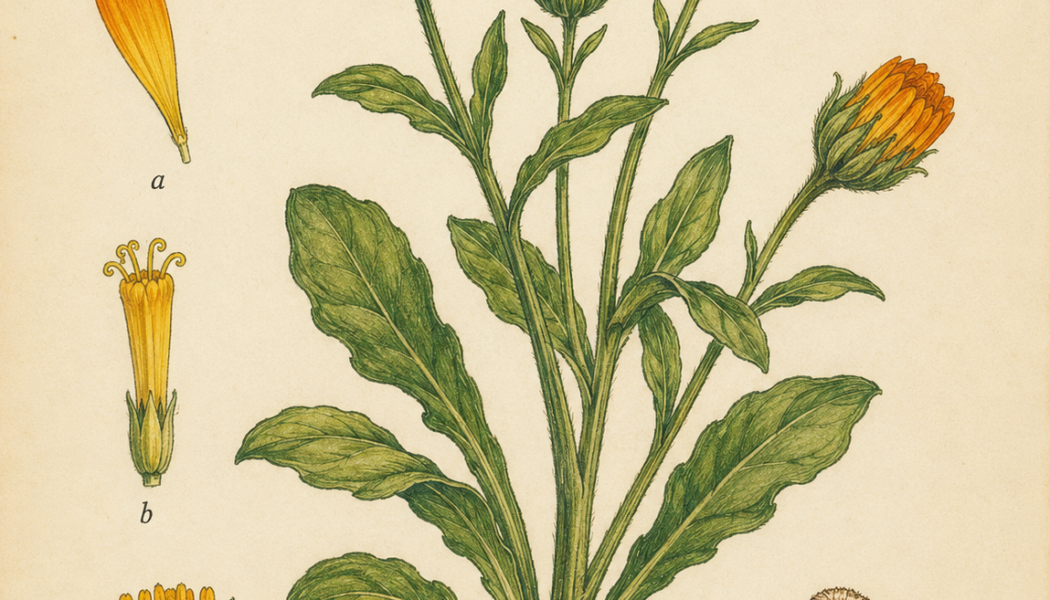

Calendula and Its Place in Witchcraft
Calendula, often called “pot marigold,” is a vibrant golden-orange flower long associated with healing, protection, and spiritual power. Native to the Mediterranean region, this cheerful plant has bee...
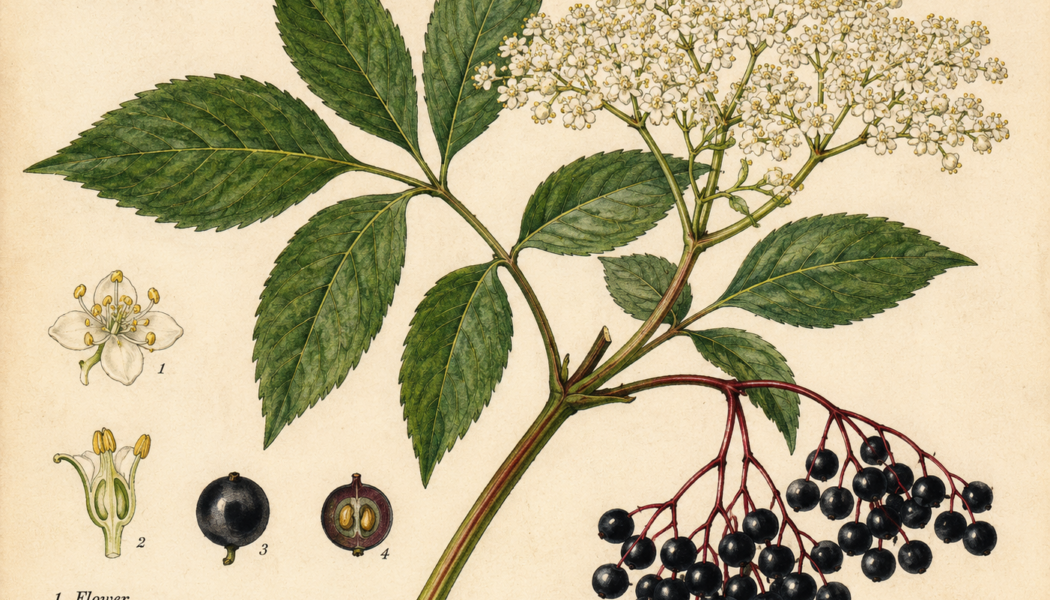

Black Elder and Its Place in Witchcraft
Black Elder, scientifically known as Sambucus nigra, has long occupied a mysterious and respected place in folklore, herbalism, and witchcraft traditions across Europe. This ancient tree, often recogn...
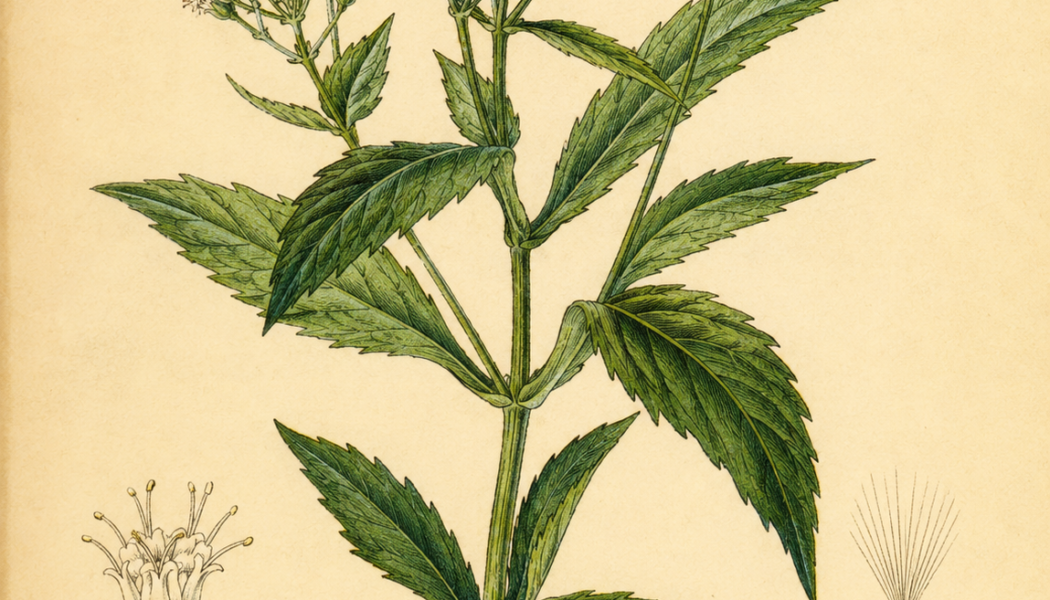

Boneset and Its Place in Witchcraft
Boneset (Eupatorium perfoliatum) is a perennial herb native to North America that has long occupied a place in both folk medicine and magical practice. Recognizable by its clusters of small white flow...
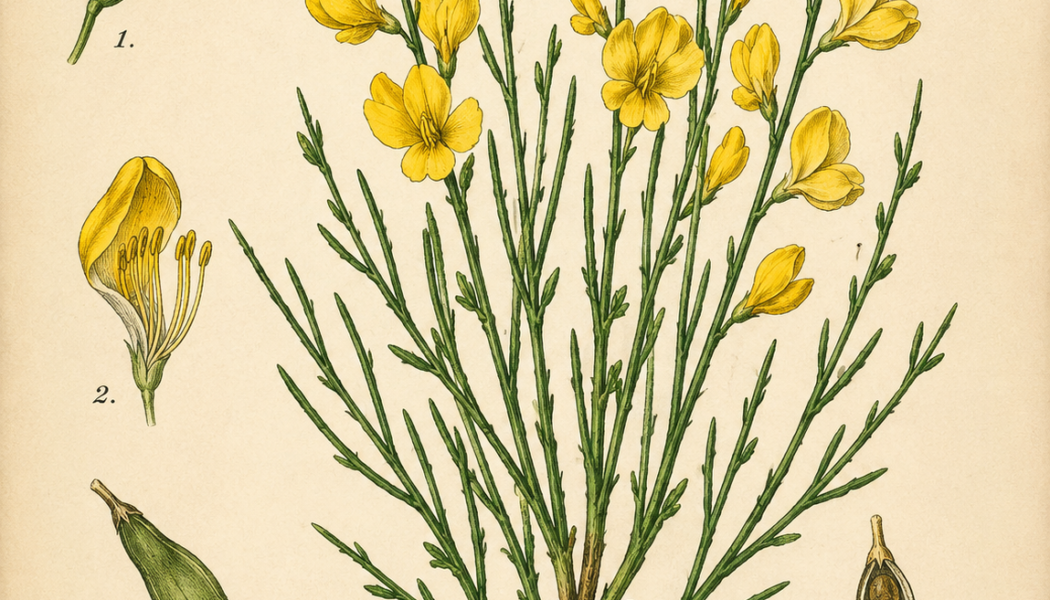

Broom (Scotch Broom) and Its Place in Witchcraft
Broom, commonly known as Scotch Broom, is a flowering shrub recognized by its bright yellow blossoms and hardy nature. Native to parts of Europe, the plant has spread widely across the world and has l...
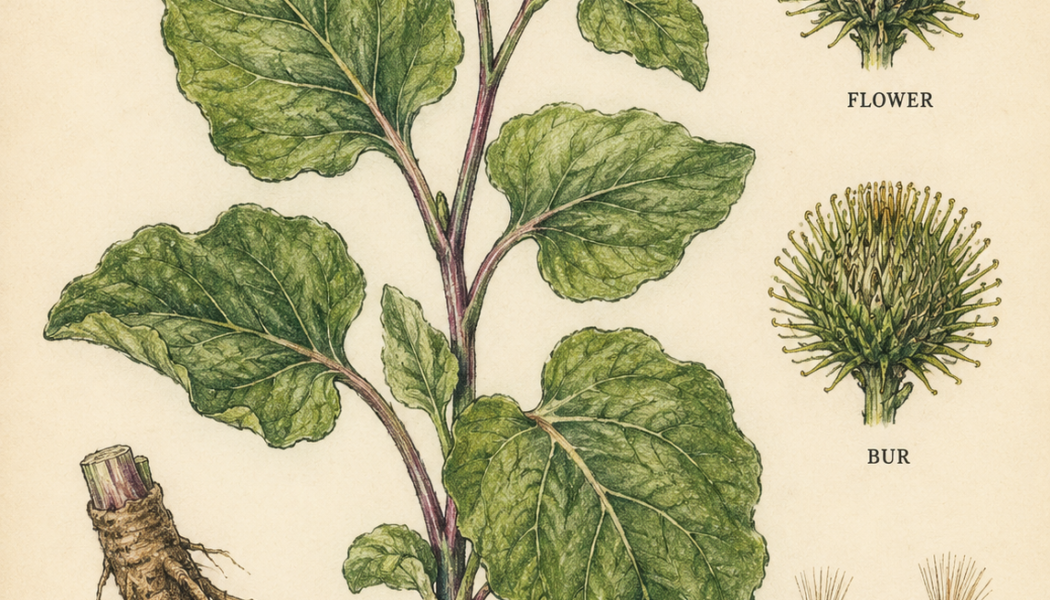

Burdock and Its Place in Witchcraft
Burdock is a hardy plant recognized by its broad leaves and prickly burrs that cling stubbornly to clothing and animal fur. Found growing wild across Europe, Asia, and North America, burdock has long ...
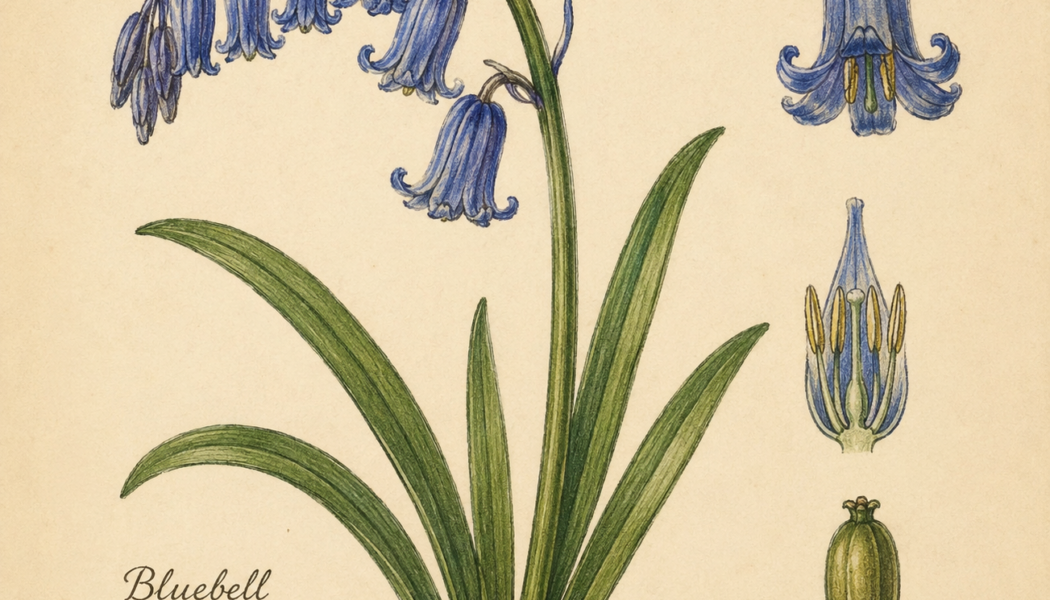

Bluebell and Its Place in Witchcraft
The bluebell is one of the most enchanting wildflowers found in the woodlands of Europe, especially in Britain. Known for its delicate bell-shaped blossoms and sweet fragrance, the bluebell has long b...
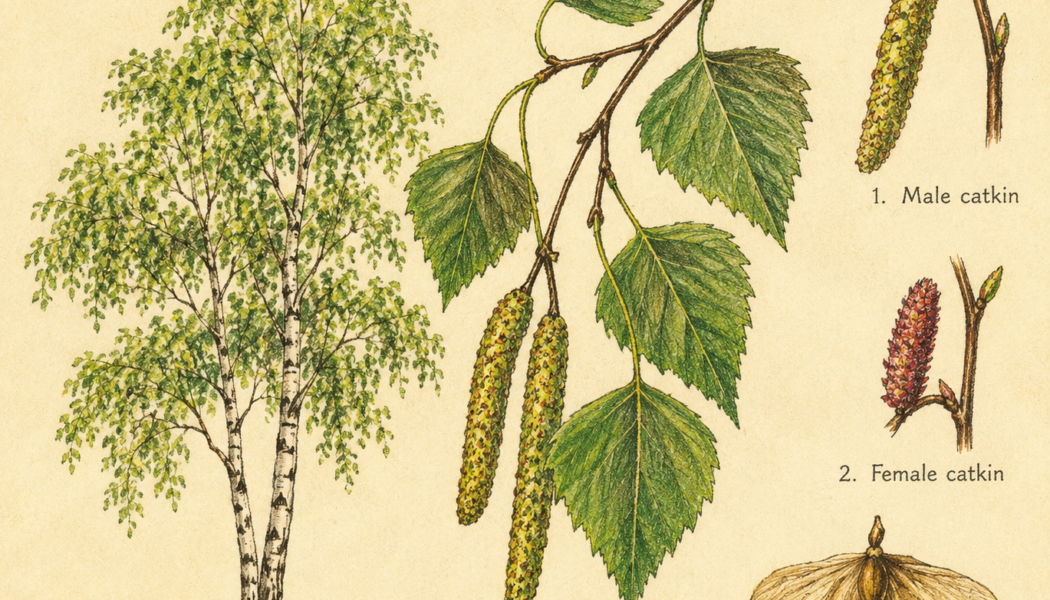

Birch and Its Place in Witchcraft
The birch tree has long held a sacred and mystical place in folklore, spirituality, and witchcraft traditions across Europe and parts of Asia. Recognized for its white bark and graceful appearance, bi...
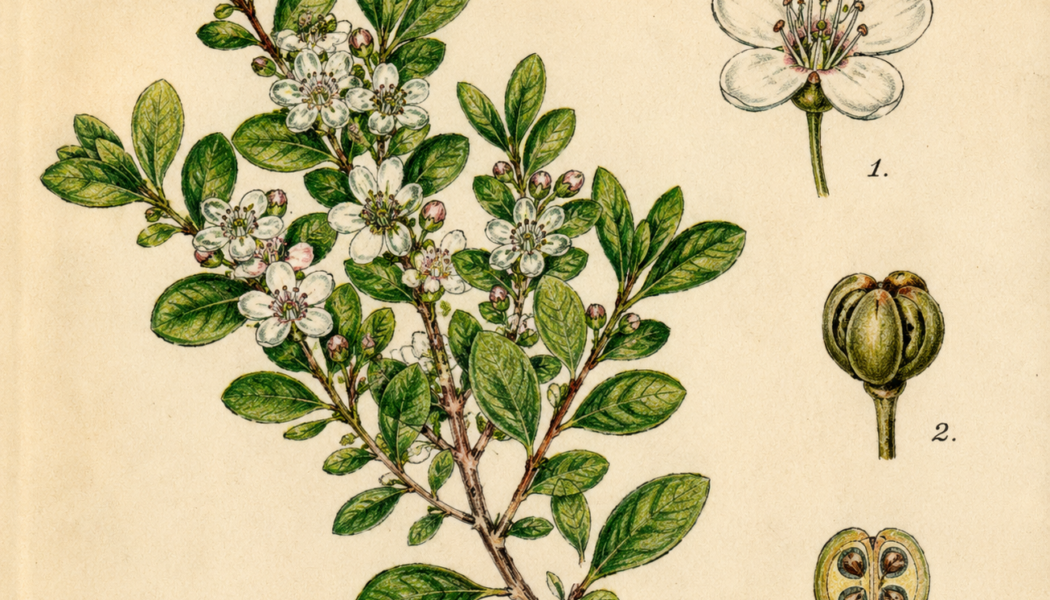

Buchu and Its Place in Witchcraft
Buchu is a fragrant shrub native to the mountainous regions of South Africa, particularly the Western Cape. Belonging to the Rutaceae family, the plant has long been valued for both medicinal and spir...
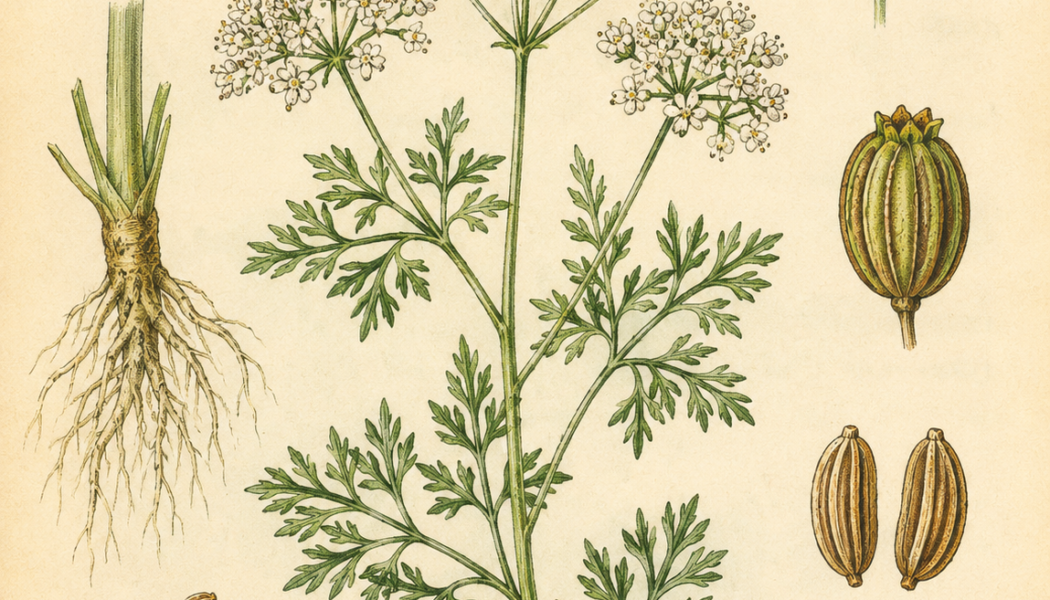

Anise and Its Place in Witchcraft
Anise, a fragrant herb known for its sweet licorice-like aroma, has long held a respected place in folklore, herbal medicine, and magical traditions. Derived from the plant Pimpinella anisum, anise se...
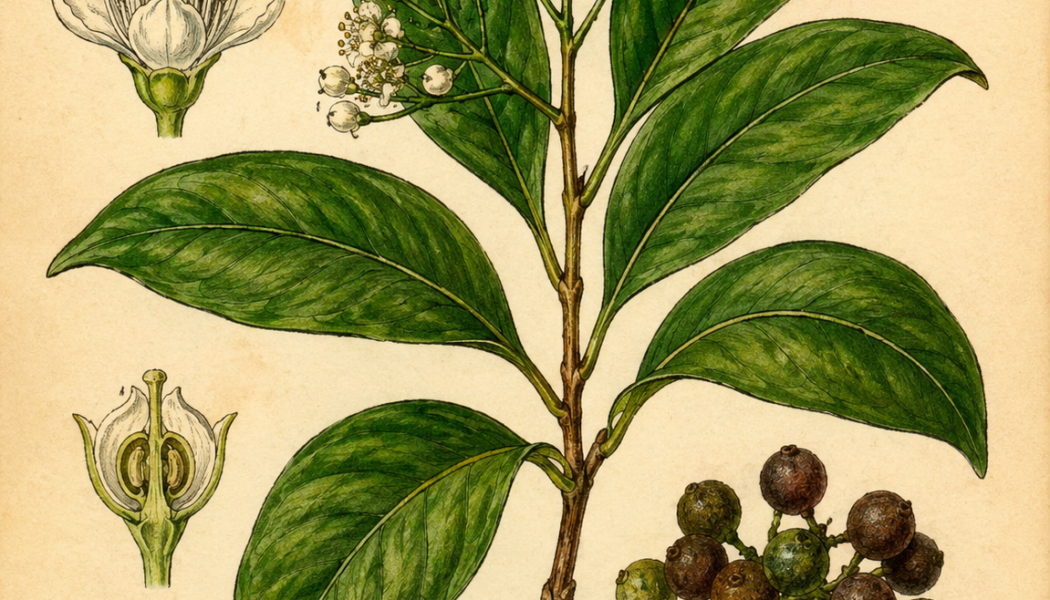

Allspice and Its Place in Witchcraft
The allspice plant, known scientifically as Pimenta dioica, is an evergreen tree native to the Caribbean, Central America, and parts of Mexico. Its berries, harvested before ripening and dried in the ...
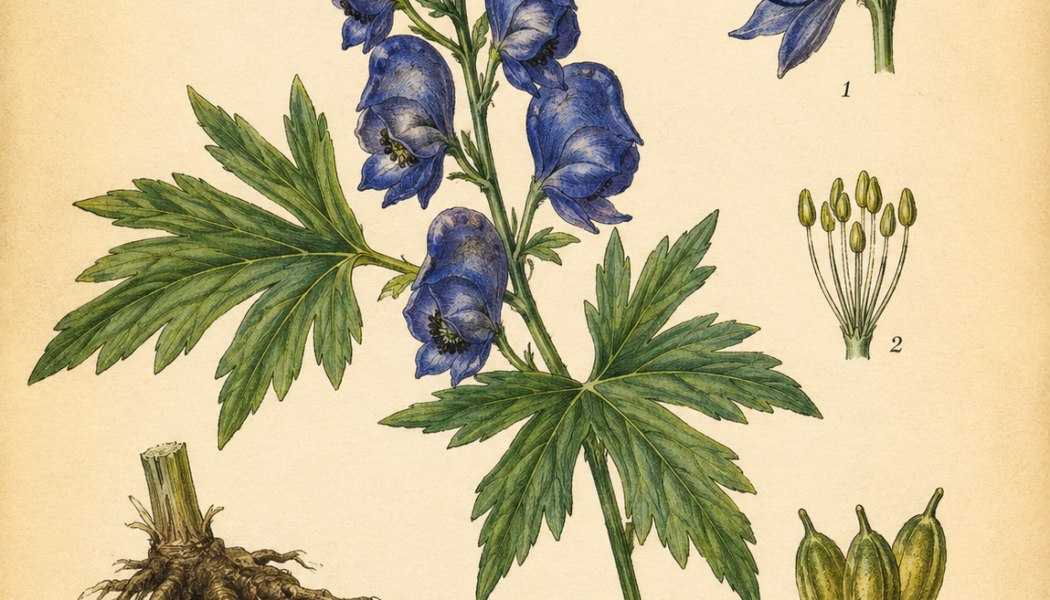

Aconite and Its Place in Witchcraft
Aconite, also known as wolfsbane or monkshood, is one of the most mysterious and feared plants in history. Recognized by its deep purple-blue flowers and hood-shaped petals, aconite has long been asso...
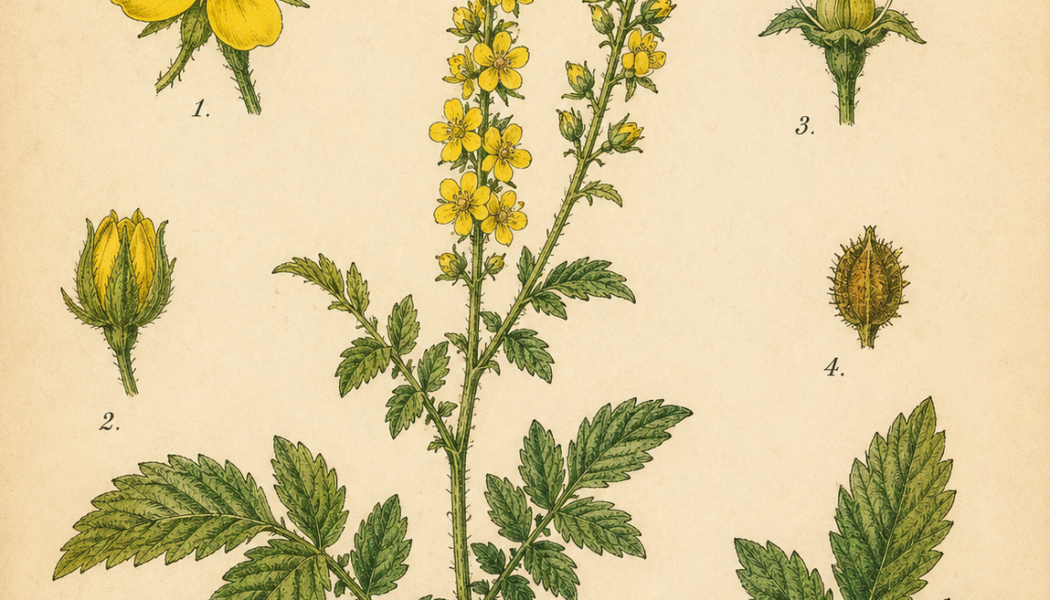

Agrimony and Its Place in Witchcraft
Agrimony is a perennial herb known for its bright yellow flowers, pleasant scent, and long history in herbal medicine and magical traditions. Belonging to the rose family, agrimony grows widely across...
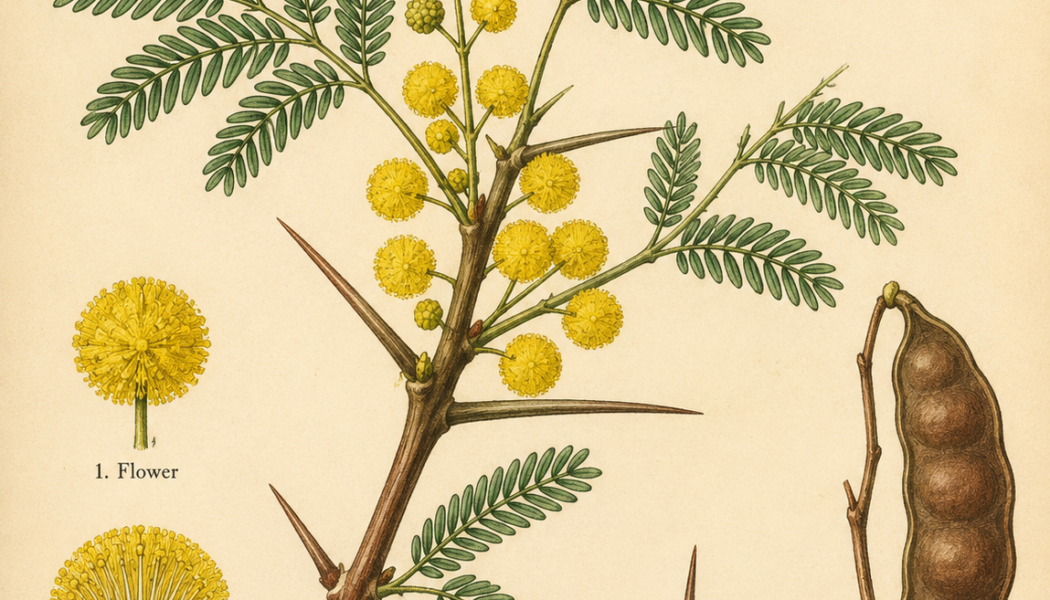

Acacia and Its Place in Witchcraft
The Acacia plant has long held a sacred and mystical reputation in many cultures around the world. Known for its hardy nature, fragrant blossoms, and protective thorns, Acacia is more than just a dese...
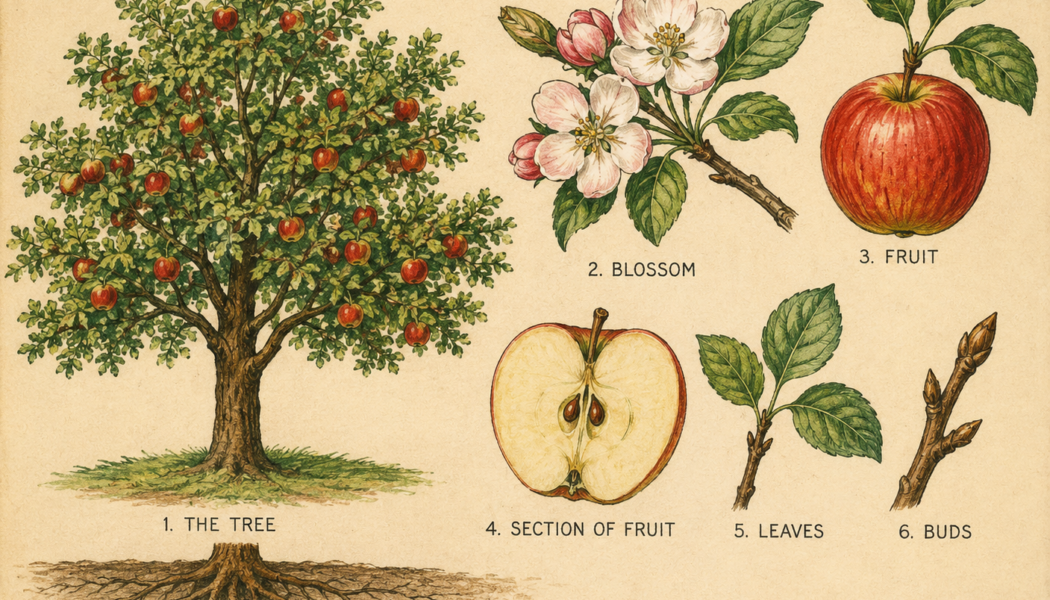

Apple Tree and Its Place in Witchcraft
The Acacia plant has long held a sacred and mystical reputation in many cultures around the world. Known for its hardy nature, fragrant blossoms, and protective thorns, Acacia is more than just a dese...
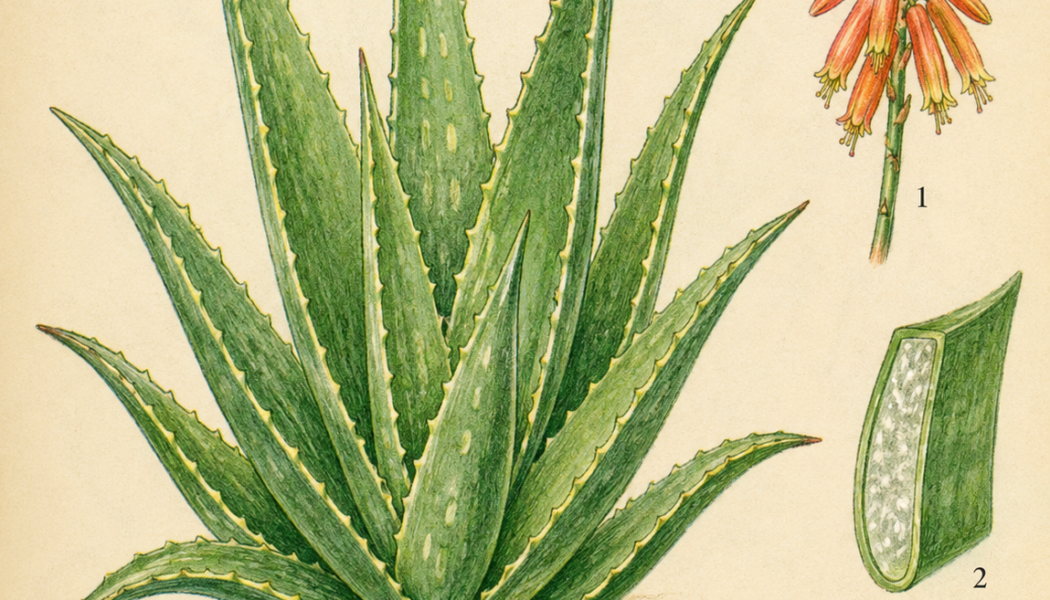

Aloe Vera and Its Place in Witchcraft
Aloe Vera is a well-known succulent plant valued for its healing, protective, and spiritual qualities. Recognized by its thick green leaves filled with soothing gel, the plant has been used for thousa...
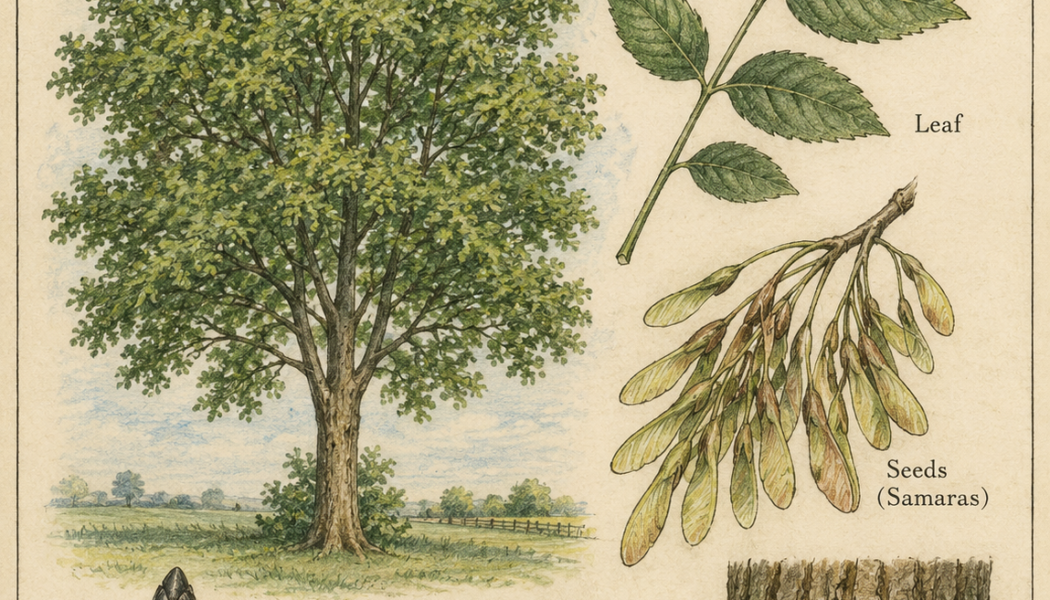

Ash Tree and Its Place in Witchcraft
The ash tree has long held a sacred and mysterious place in folklore, mythology, and witchcraft traditions across Europe. Known for its strength, flexibility, and towering presence, the ash was often ...
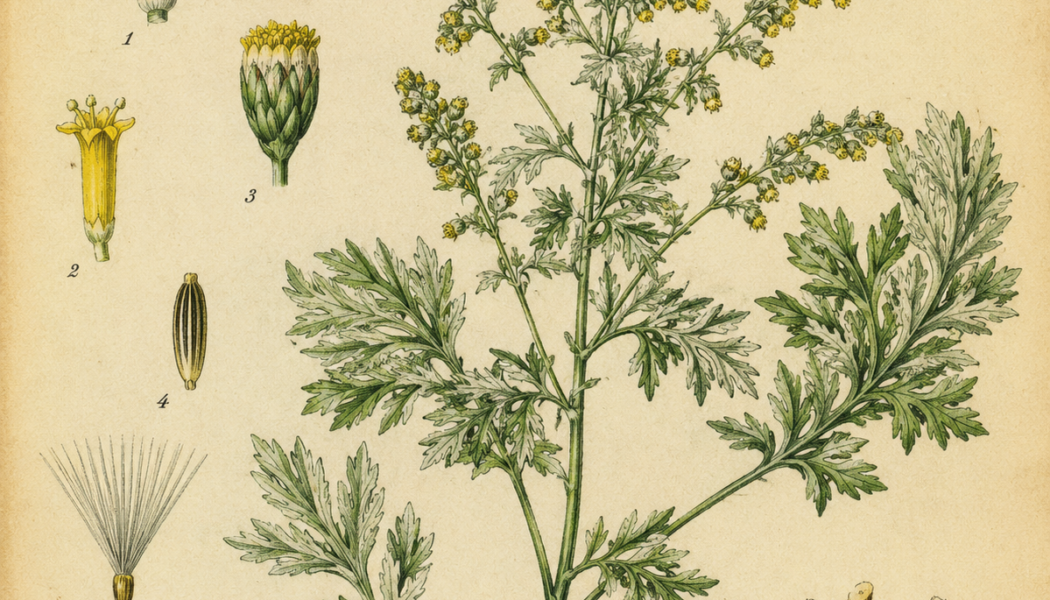

Artemisia and Its Place in Witchcraft
Artemisia is a genus of plants known for its powerful scent, medicinal qualities, and deep connection to folklore and magical traditions. Named after the Greek goddess Artemis, protector of women and ...
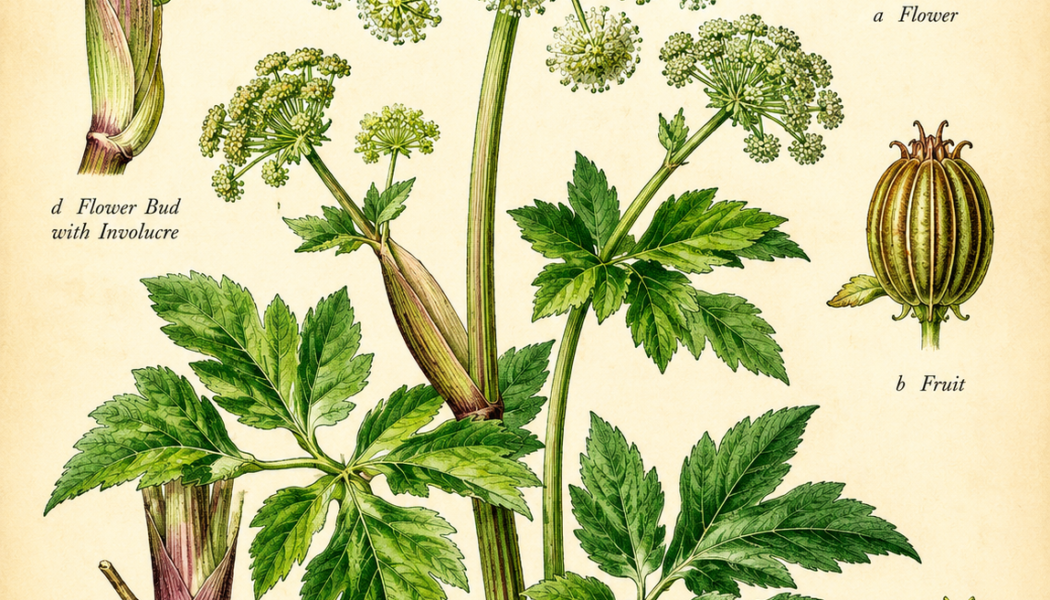

Angelica and Its Place in Witchcraft
Angelica is a tall, aromatic herb that has long held an important place in folklore, herbal medicine, and witchcraft traditions. Known scientifically as Angelica archangelica, the plant grows in cool ...
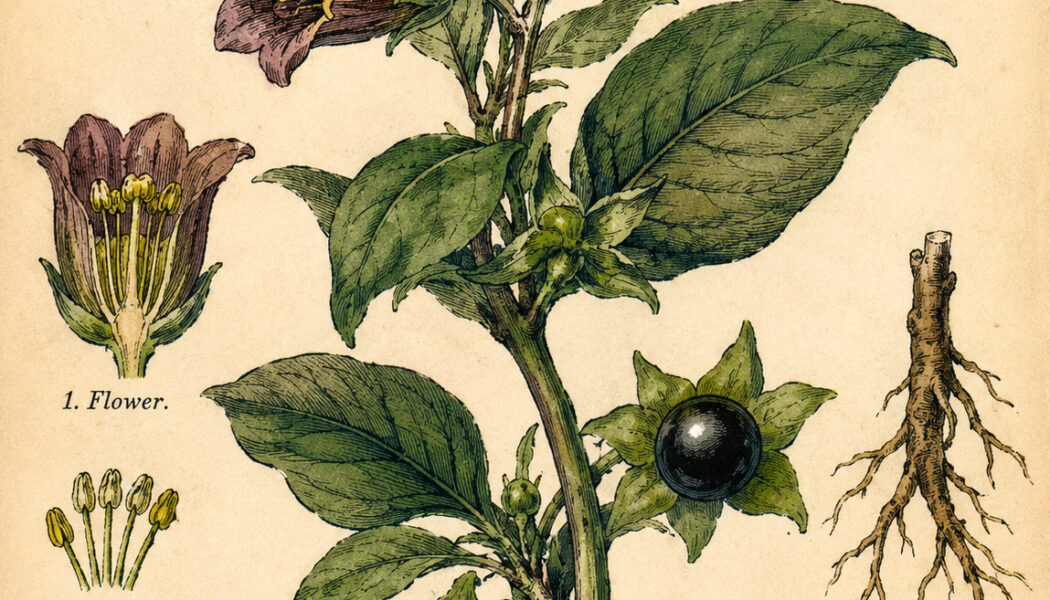

Belladonna and Its Place in Witchcraft
Belladonna, also known as deadly nightshade, is one of the most infamous plants in the history of witchcraft and herbal lore. Native to Europe, North Africa, and parts of Western Asia, the plant is re...
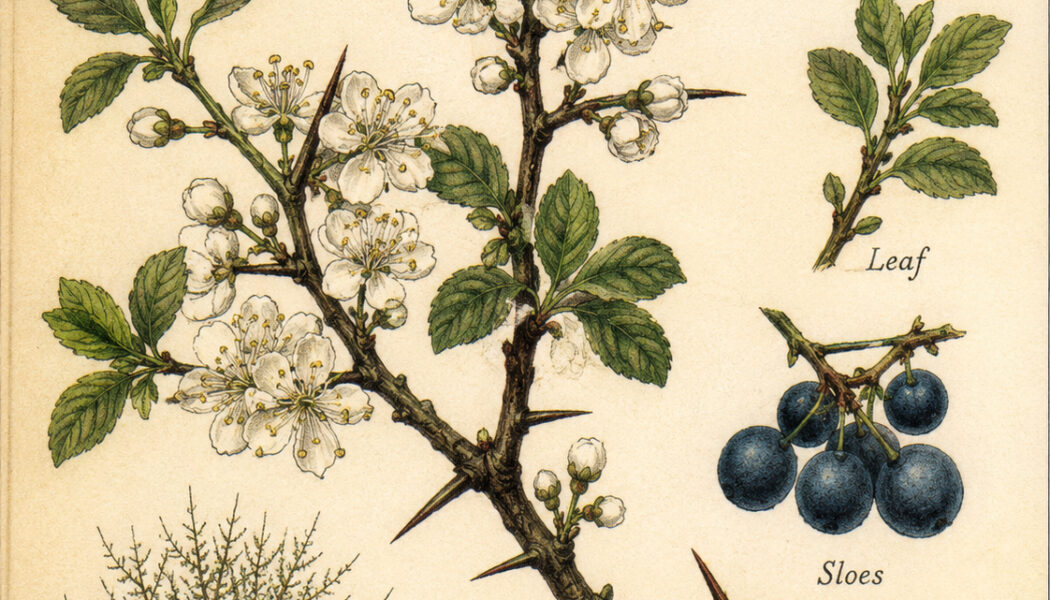

Blackthorn and its place in Witchcraft
Blackthorn (Prunus spinosa) is a hardy, thorn-covered shrub native to Europe and parts of western Asia. Known for its dark bark, white spring blossoms, and deep purple sloes, the plant has long carrie...
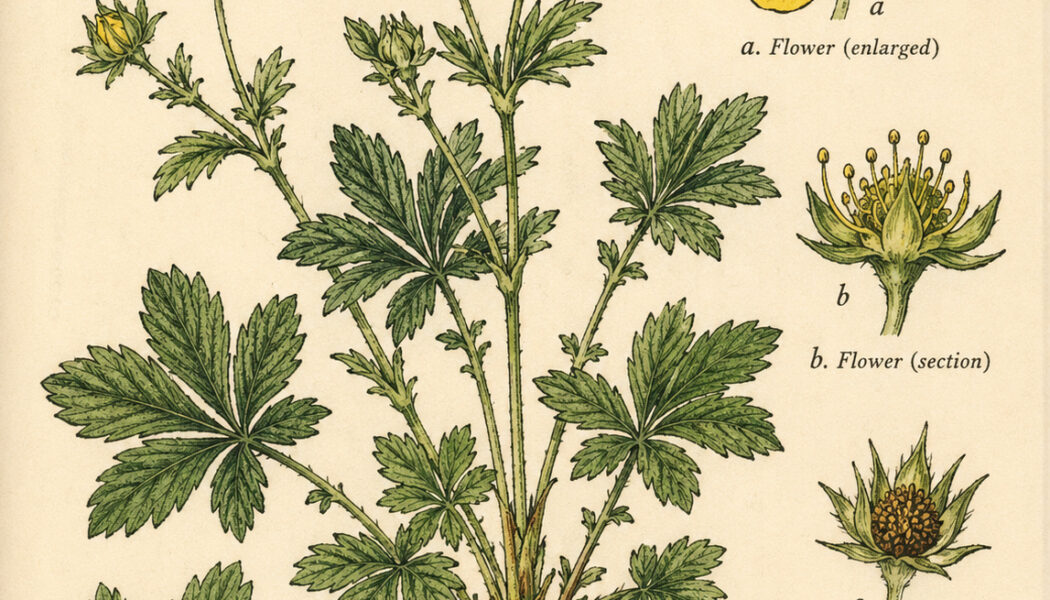

Cinquefoil and its place in Witchcraft
Cinquefoil, a small flowering plant belonging to the genus Potentilla, has long held a place in folklore, herbalism, and magical traditions. Known for its five-petaled flowers and five-lobed leaves, t...
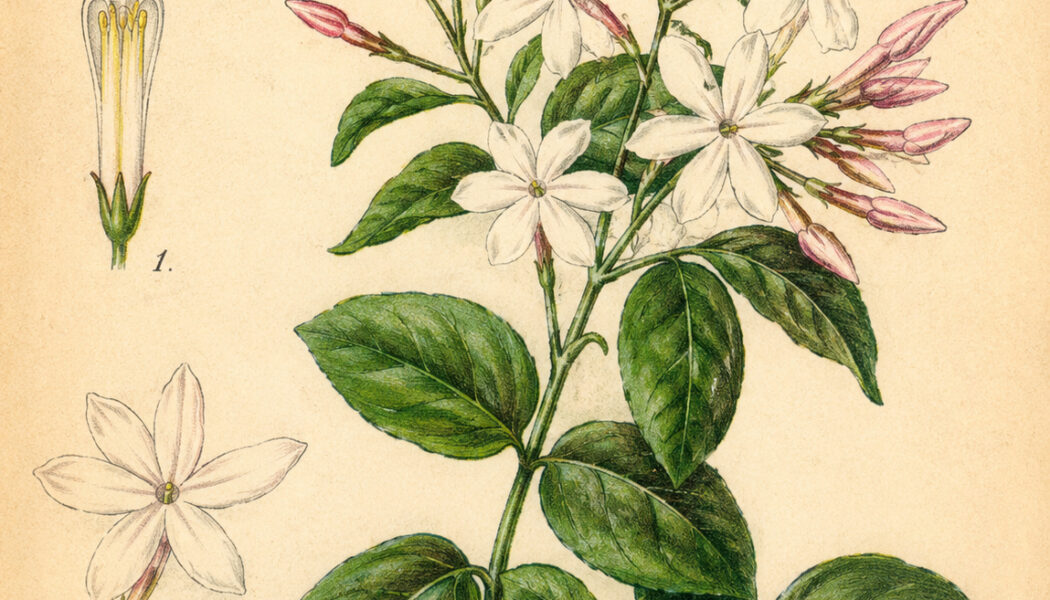

Jasmine and Its Place in Witchcraft
Jasmine is one of the most beloved flowering plants in the world, admired for its delicate white blossoms and rich, sweet fragrance. Native to tropical and subtropical regions of Asia, Africa, and Eur...
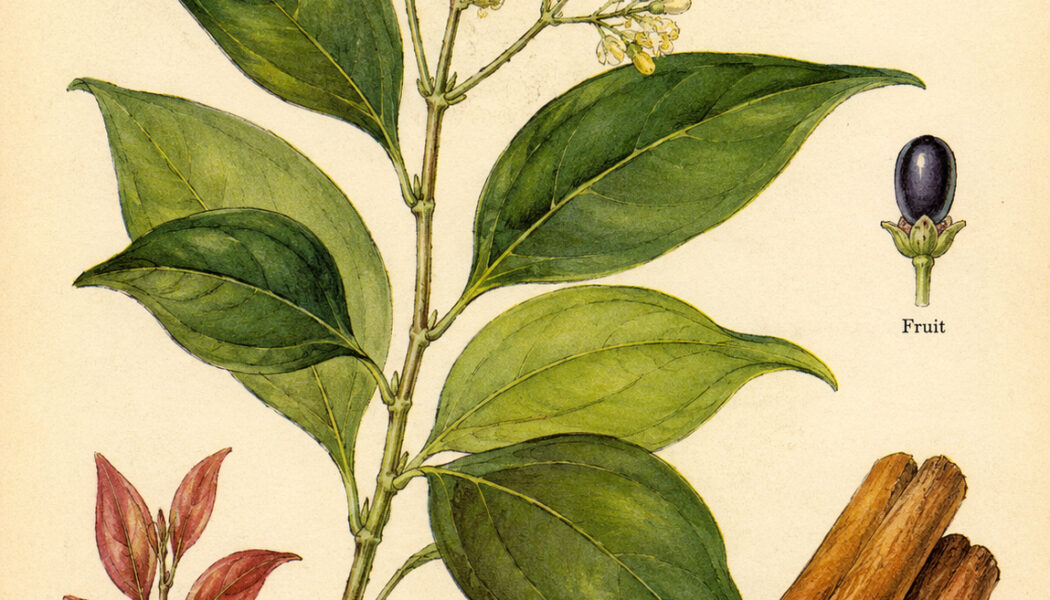

Cinnamon and Its Place in Witchcraft
Cinnamon is a fragrant spice made from the inner bark of trees belonging to the Cinnamomum family. Known for its warm scent and sweet taste, cinnamon has been valued for thousands of years in cooking,...
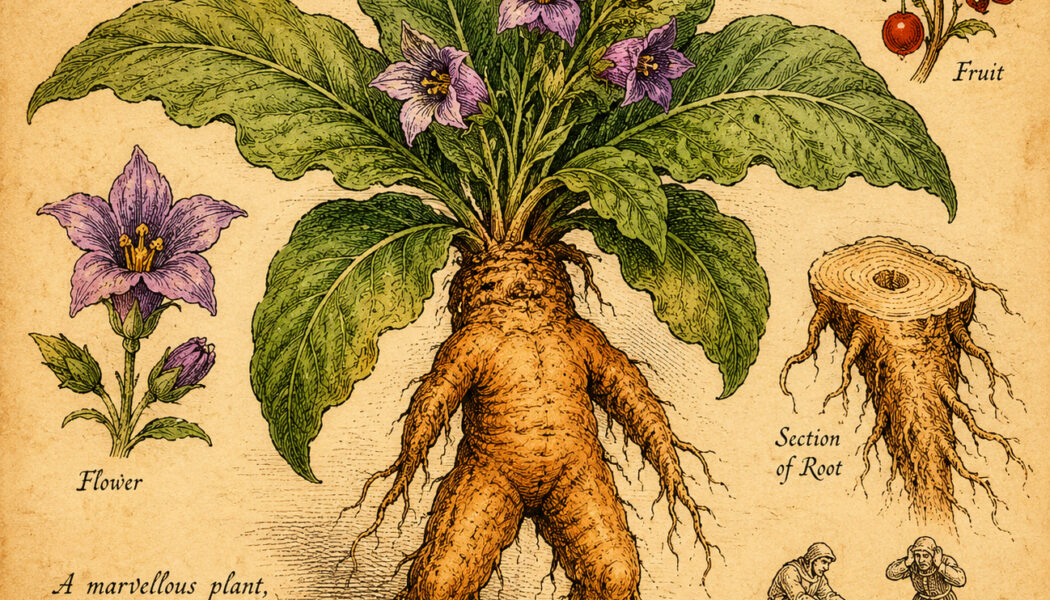

Mandrake and its place in Witchcraft
The mandrake is one of the most mysterious and legendary plants in the history of folklore and witchcraft. Known scientifically as Mandragora officinarum, the plant grows in the Mediterranean region a...
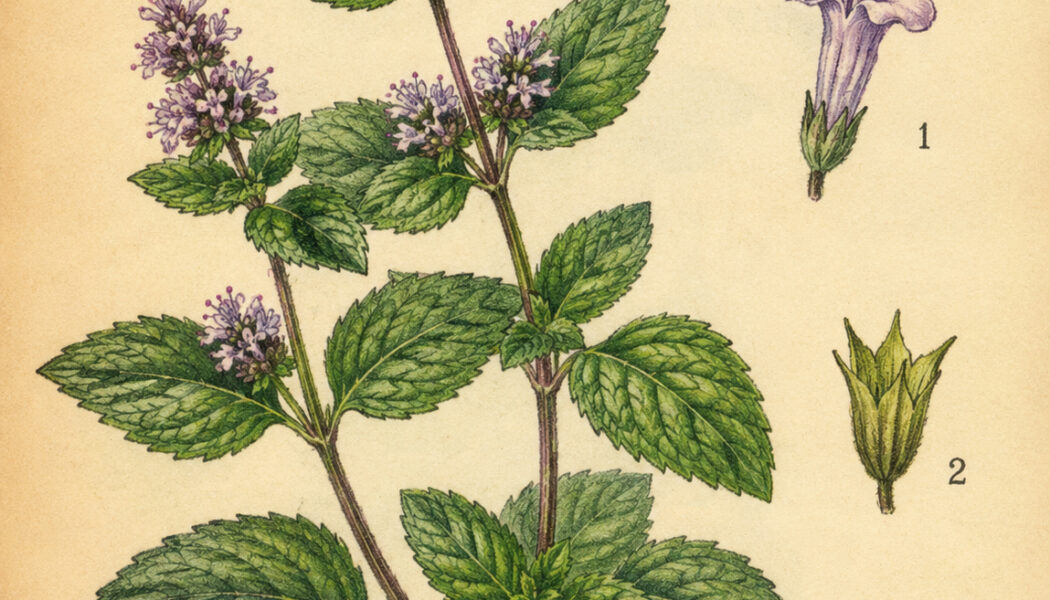

Mint and Its Place in Witchcraft
Mint is one of the most well-known and widely used herbs in the world. With its refreshing scent and bright green leaves, it has long been valued for both practical and spiritual purposes. Across many...
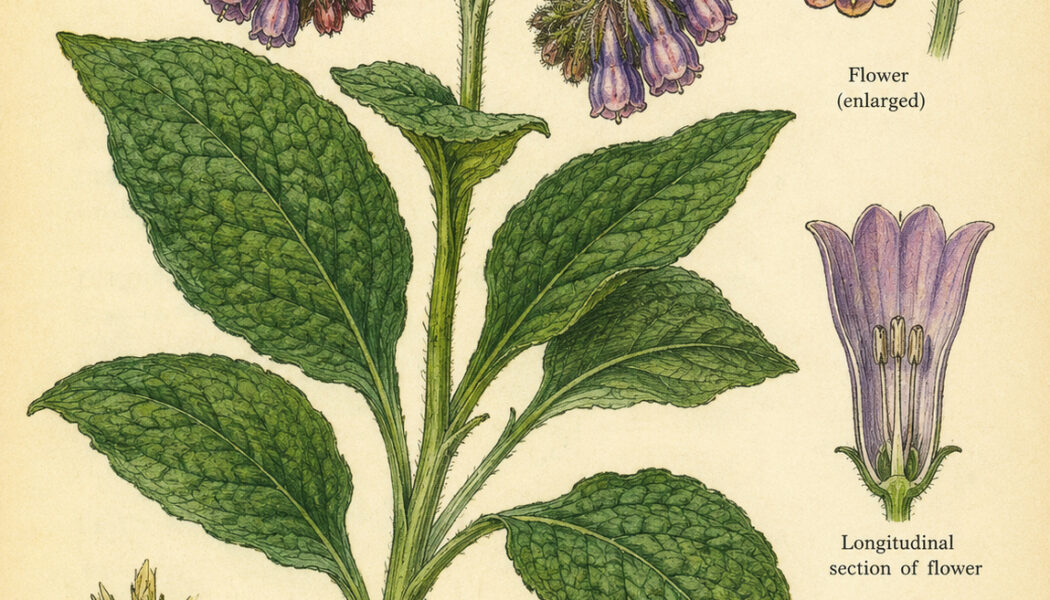

Comfrey and Its Place in Witchcraft
Comfrey is a hardy perennial herb known for its broad leaves, bell-shaped flowers, and deep roots. Scientifically called Symphytum officinale, the plant has long been valued in herbal medicine for its...
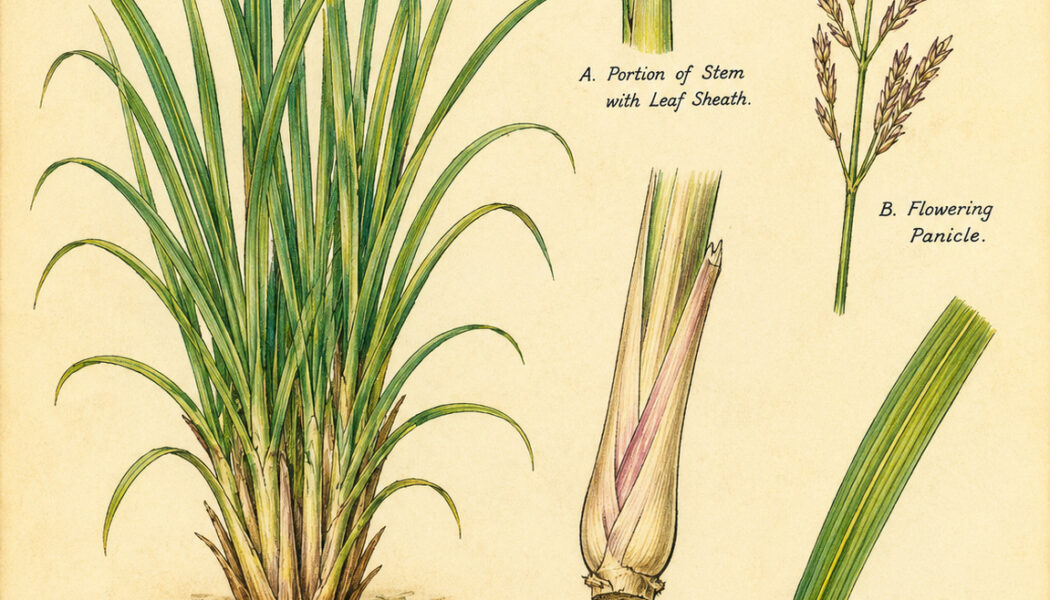

Lemon Grass and Its Place in Witchcraft
Lemon grass is a tall, fragrant plant known for its fresh citrus scent and many practical uses in cooking, medicine, and spiritual traditions. Native to tropical regions of Asia, particularly India an...
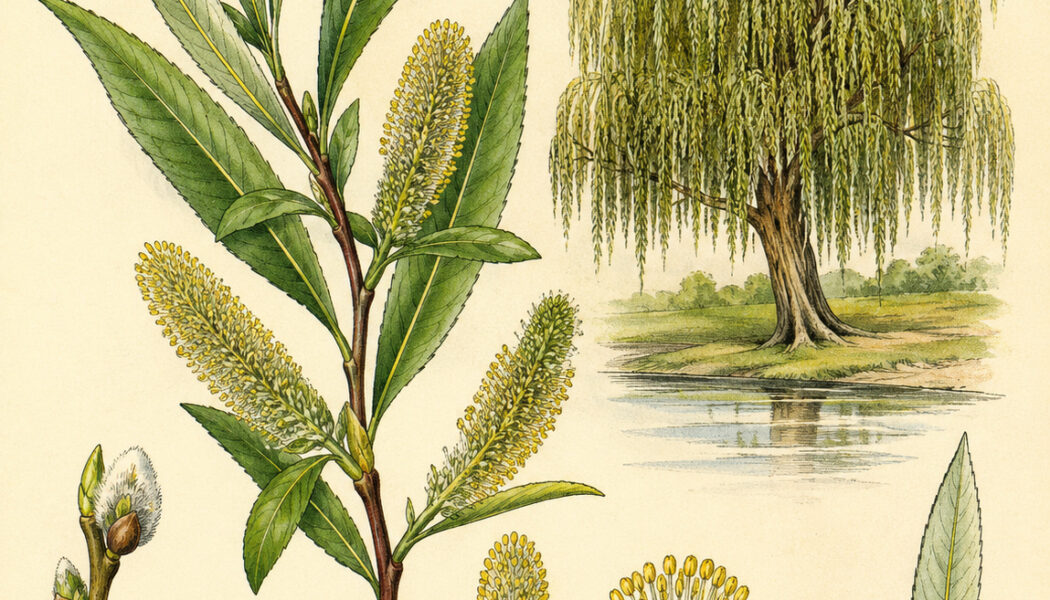

The Willow Plant and Its Place in Witchcraft
The willow tree has long held a sacred and mysterious place in folklore, magic, and witchcraft traditions across many cultures. Known for its graceful, drooping branches and its tendency to grow near ...
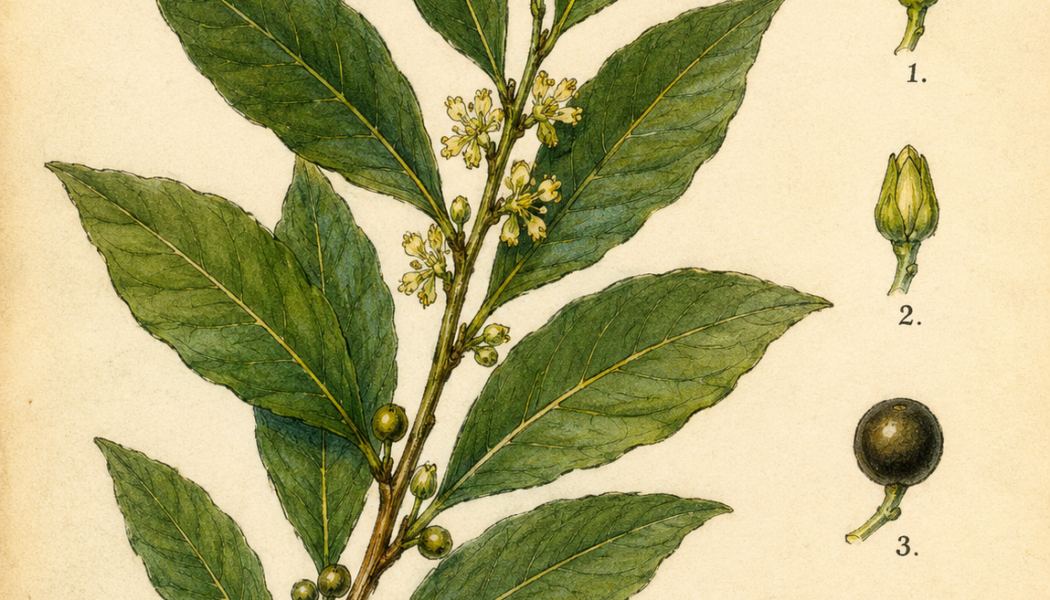

Bay Leaf and Its Place in Witchcraft
The bay leaf, taken from the bay laurel tree (Laurus nobilis), has long held a respected place in folklore, herbal traditions, and magical practices. Native to the Mediterranean region, the bay laurel...
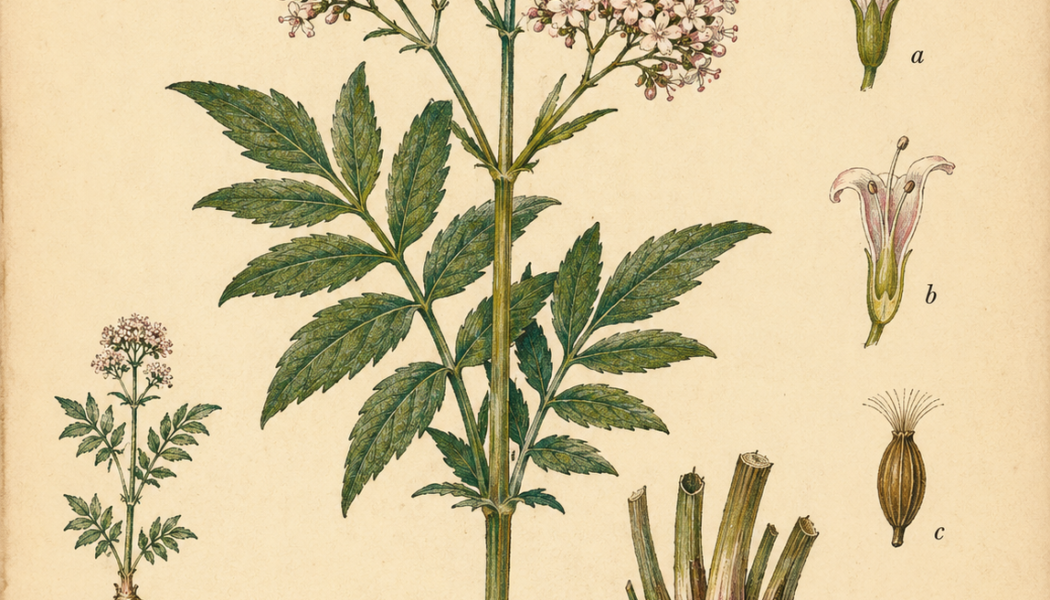

Valerian and Its Place in Witchcraft
Valerian is a flowering perennial plant best known for its calming and sedative qualities. Native to Europe and parts of Asia, the herb has long been used in traditional medicine to ease anxiety, enco...
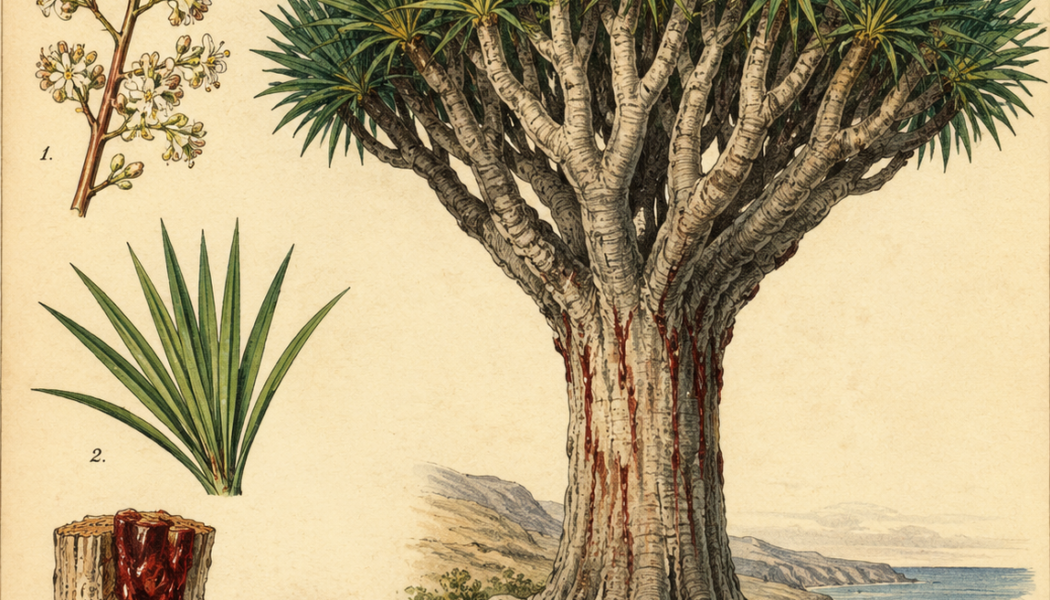

Dragon’s Blood and Its Place in Witchcraft
Dragon’s Blood is a mysterious and highly valued botanical substance used for centuries in spiritual traditions, folk magic, and witchcraft. Contrary to its dramatic name, Dragon’s Blood is not actual...
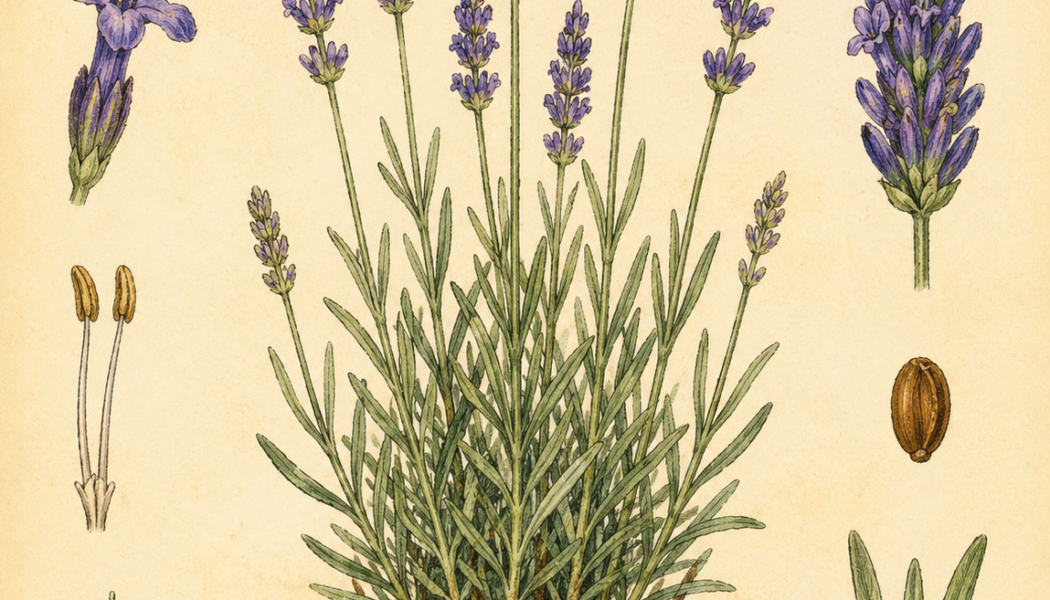

Lavender and Its Place in Witchcraft
Lavender is one of the most beloved and recognizable herbs in the world, admired for its calming fragrance, soft purple flowers, and healing qualities. Scientifically known as Lavandula, this plant ha...
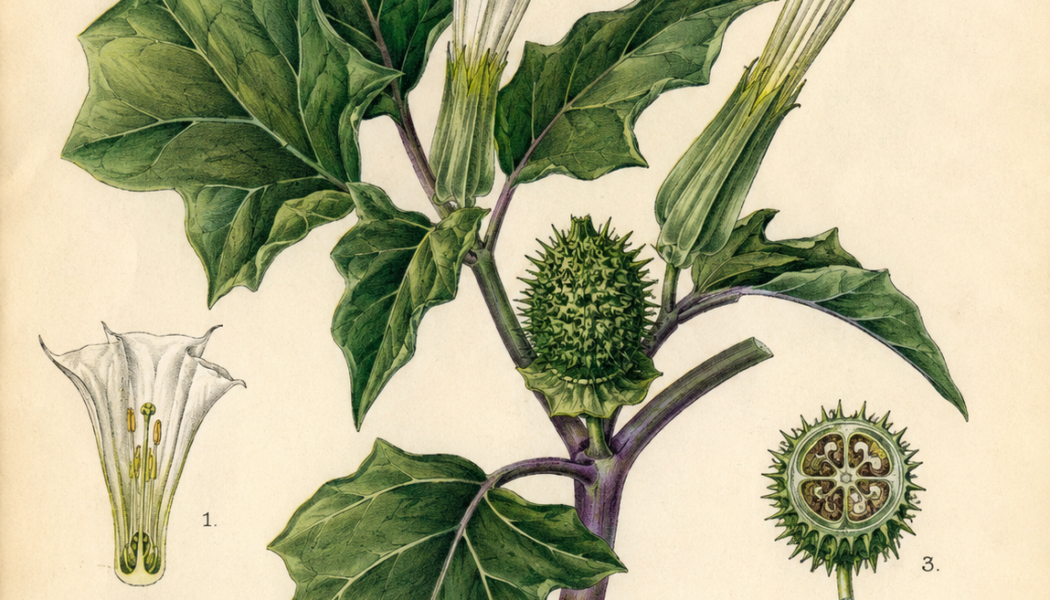

Datura and Its Place in Witchcraft
The plant known as Datura has long held a mysterious and feared reputation in folklore, magic, and witchcraft traditions around the world. Belonging to the nightshade family, Datura is recognized by i...
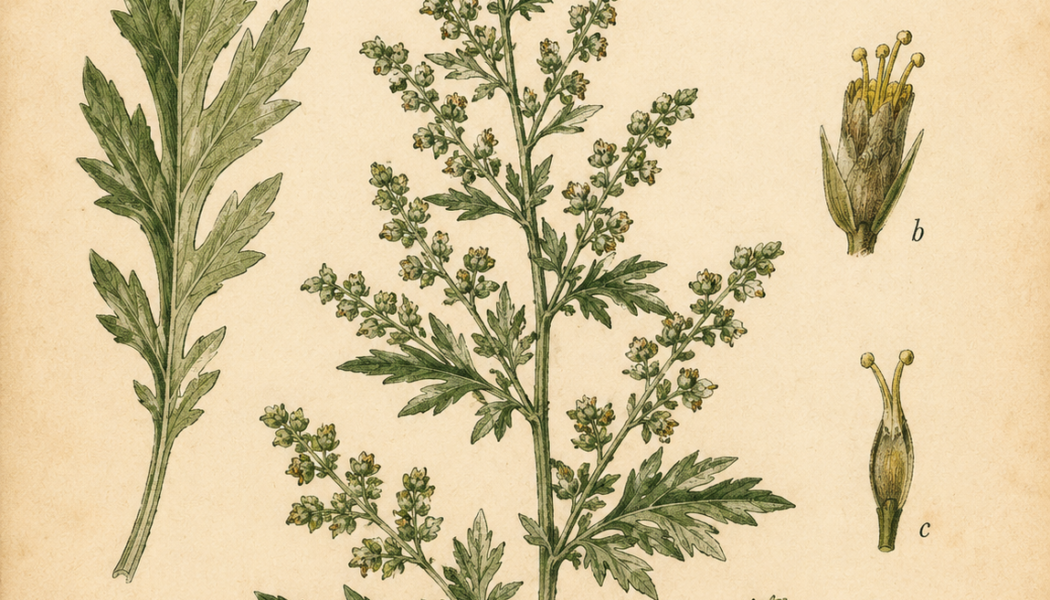

Mugwort and Its Place in Witchcraft
Mugwort (Artemisia vulgaris) is a hardy perennial plant that has long held a mysterious and magical reputation in folklore, herbalism, and witchcraft traditions around the world. Recognized by its sil...
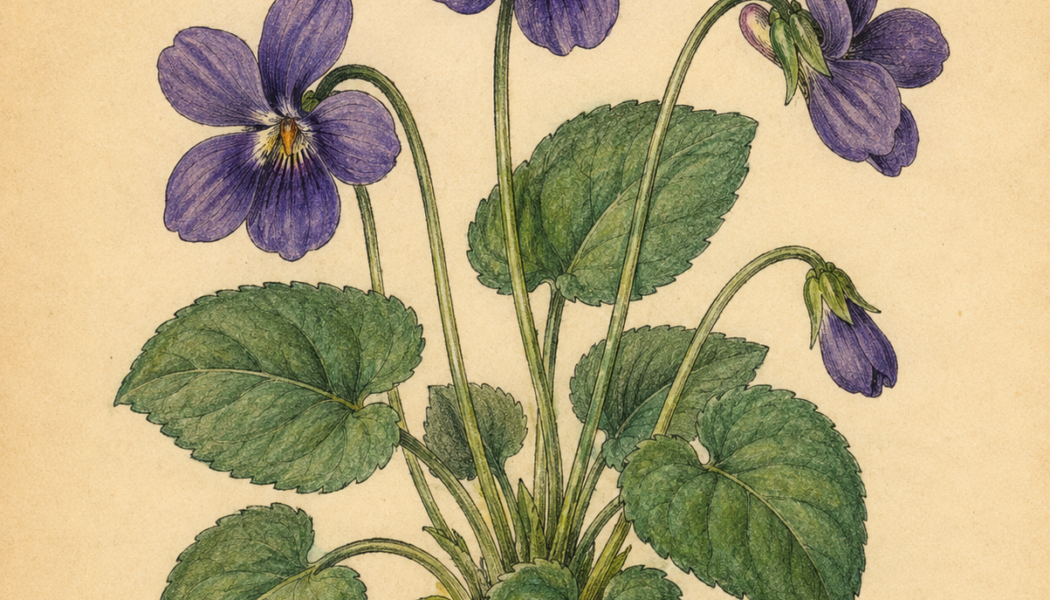

Violets and Their Place in Witchcraft
Violets are delicate flowering plants known for their heart-shaped leaves and fragrant purple, blue, or white blossoms. Belonging mainly to the Viola genus, these plants have been admired for centurie...
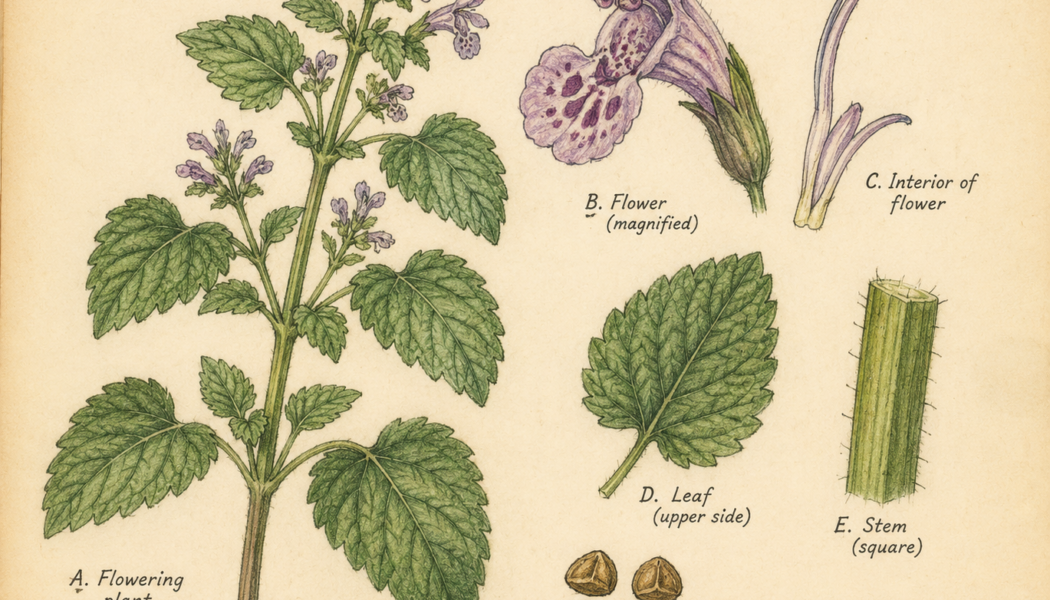

The Nepeta Plant and Its Place in Witchcraft
The Nepeta plant, more commonly known as catnip or catmint, belongs to the mint family (Lamiaceae) and has been valued for centuries in herbal medicine, folklore, and magical traditions. Native to Eur...
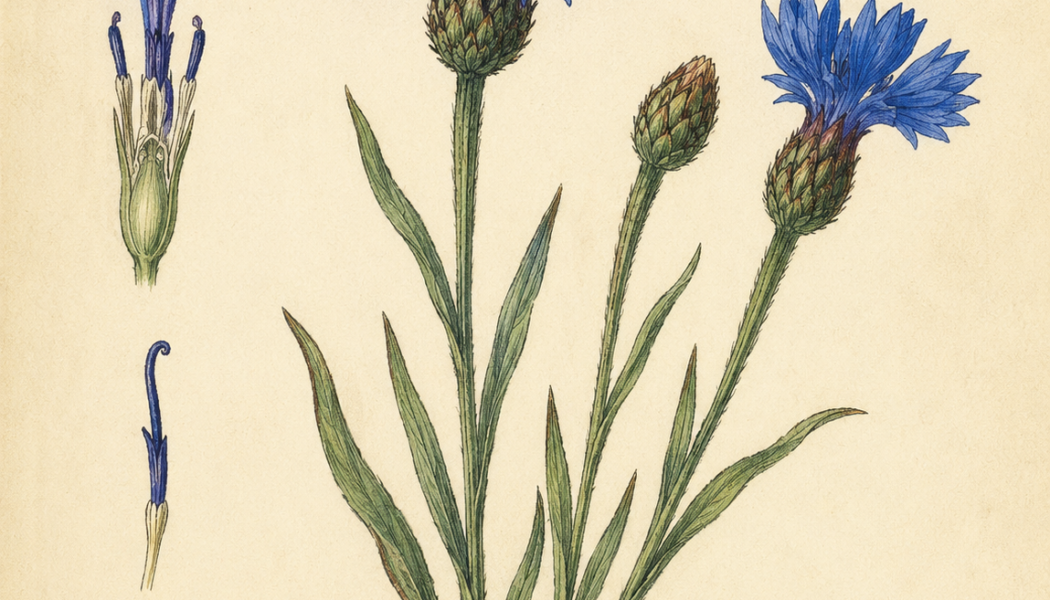

Cornflower and Its Place in Witchcraft
The cornflower, also known as bachelor’s button, is a delicate blue wildflower that has long held a place in folklore, herbal traditions, and witchcraft practices. Native to Europe and commonly found ...
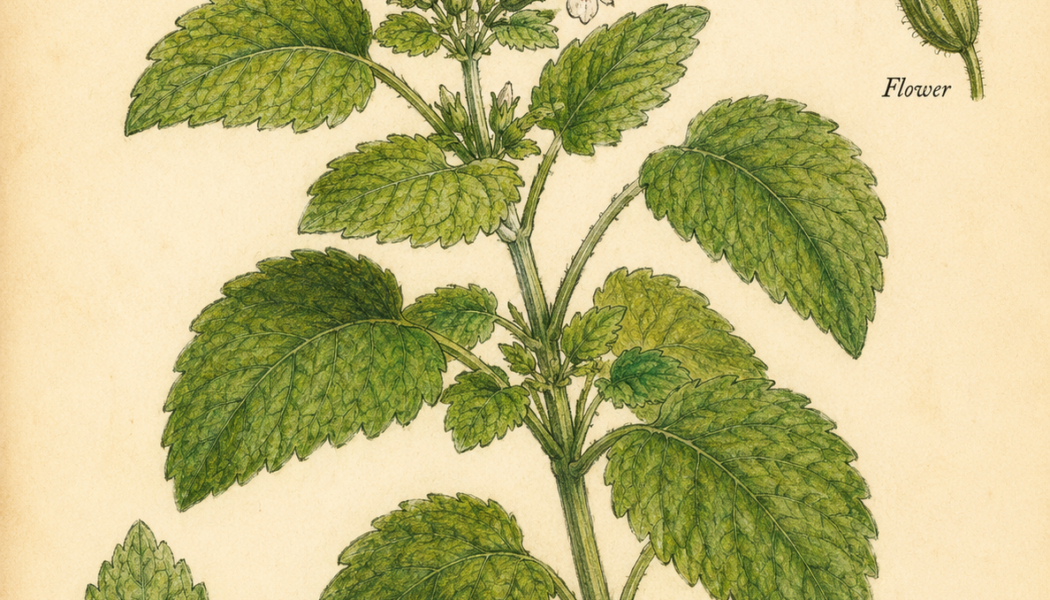

Lemon Balm and Its Place in Witchcraft
Lemon balm (Melissa officinalis) is a fragrant herb from the mint family that has been valued for centuries for both its medicinal and magical properties. With its soft green leaves and fresh citrus s...
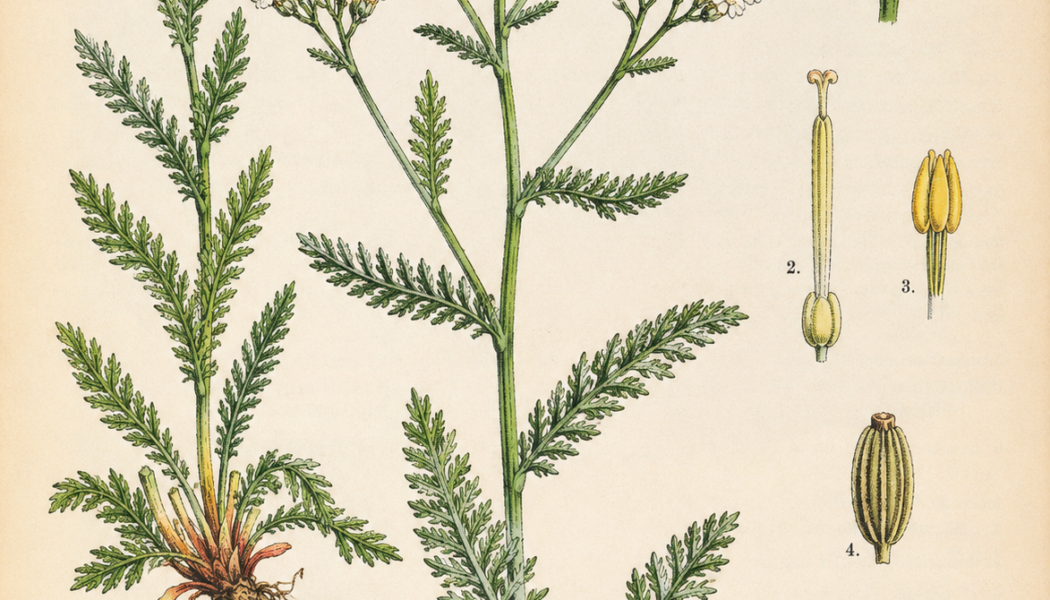

Yarrow and Its Place in Witchcraft
Yarrow, known scientifically as Achillea millefolium, is a flowering herb that has long been associated with healing, protection, and magical practice. Found growing wild across Europe, Asia, and Nort...
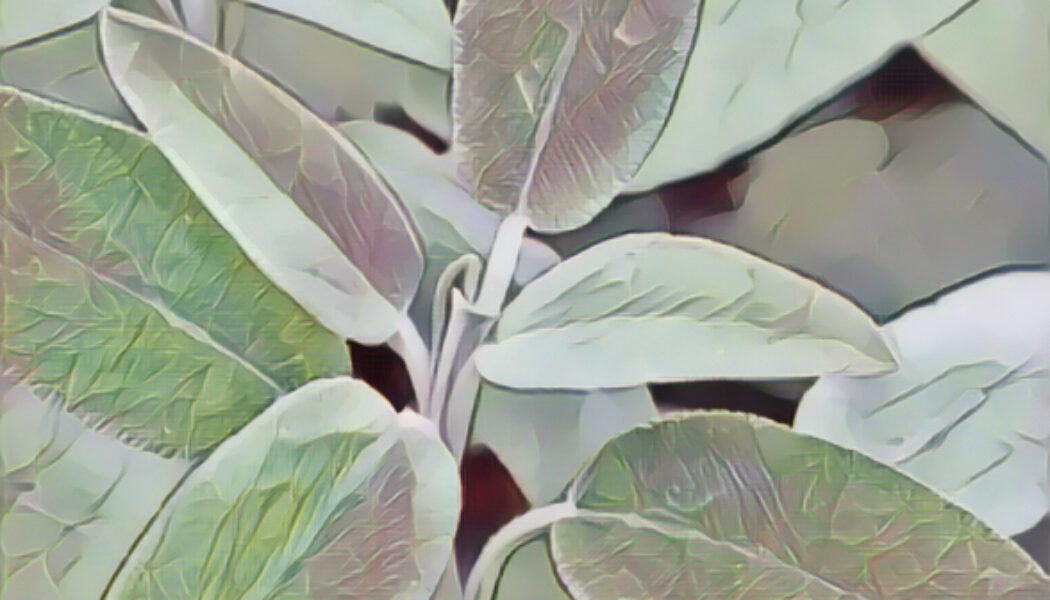

Sage Herb
Sage has long held a significant place in pagan traditions and modern witchcraft practices, where it is valued for its cleansing, protective, and spiritual properties. Often derived from the Salvia ge...
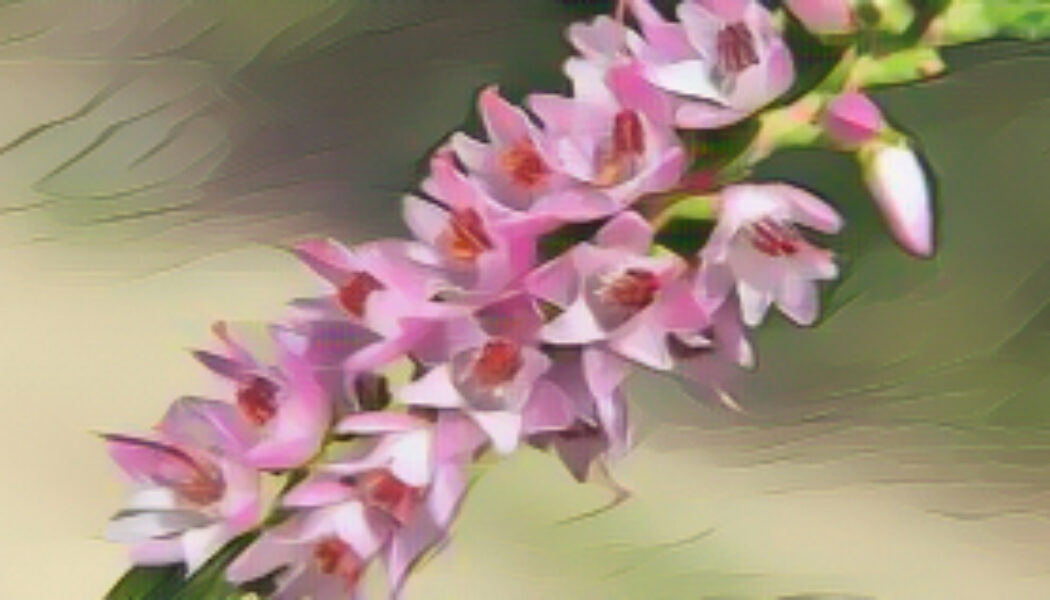

Heather
Heather is a plant steeped in magic, folklore, and spiritual significance, making it a cherished ally for witches of all paths. Historically, heather has been revered across the British Isles and Nort...
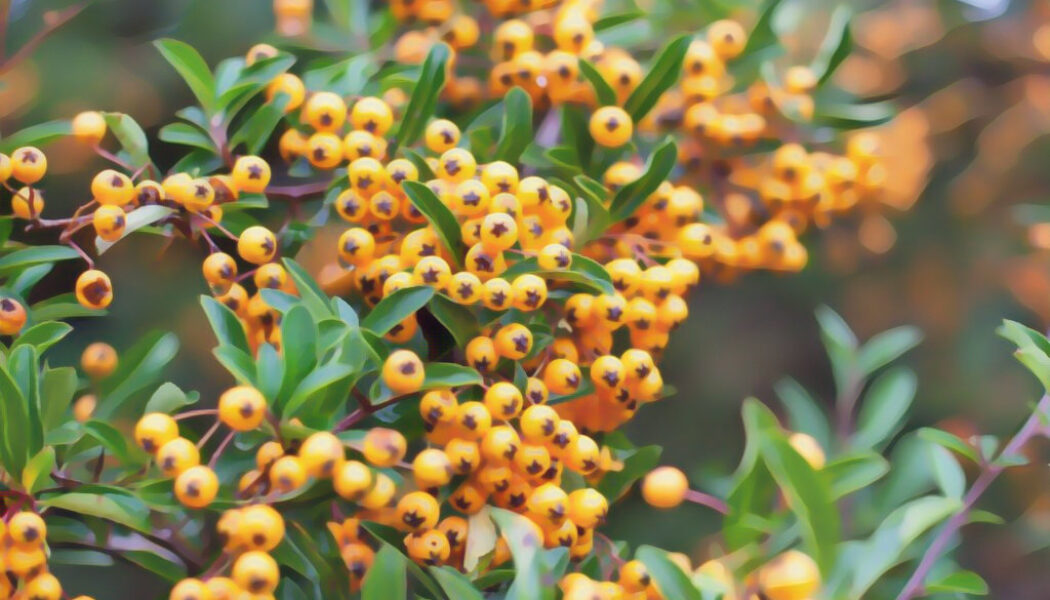

Pyracantha
Pyracantha, also known as Firethorn, is a striking shrub renowned for its vibrant berries and formidable thorns. Steeped in folklore and magical tradition, Pyracantha has long been valued as a powerfu...

Sedum
Sedum, also known as stonecrop, is a hardy succulent revered in witchcraft for its remarkable protective, healing, and grounding properties. Throughout history, Sedum has been planted on cottage roofs...
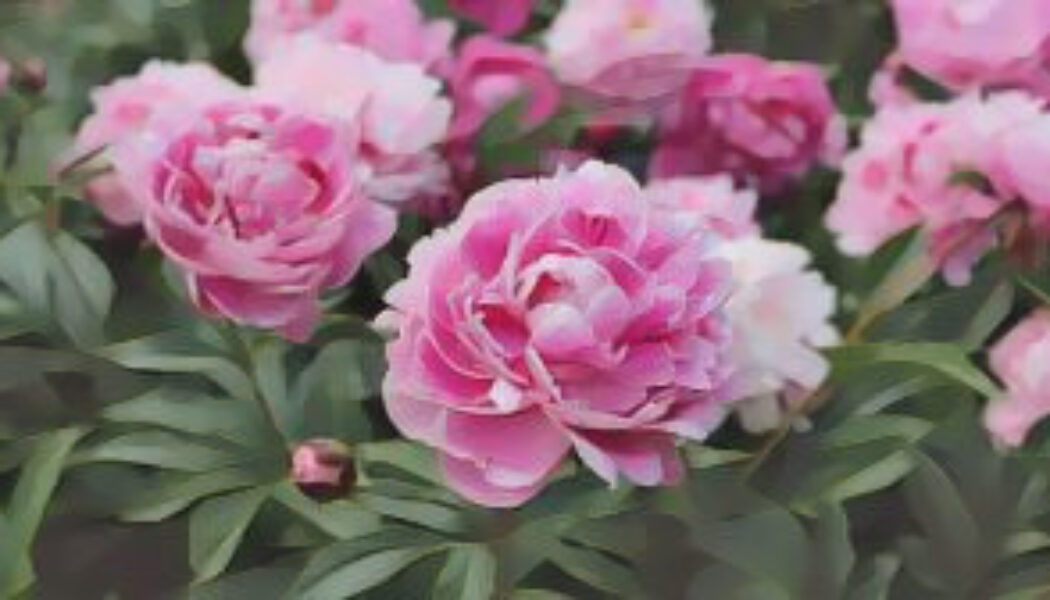

Peony
The peony, with its lush, fragrant blooms and deep roots in history, is a plant steeped in magical lore and spiritual significance. Across cultures and centuries, the peony has been cherished not only...
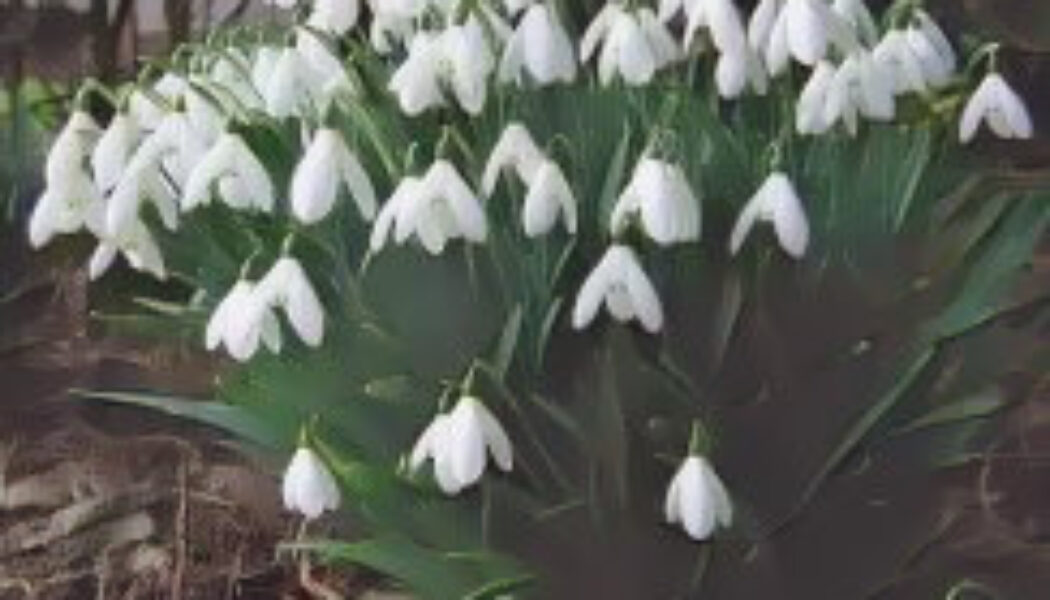

Snowdrop (Galanthus nivalis)
The snowdrop, known botanically as Galanthus nivalis, is a perennial herbaceous plant belonging to the Amaryllidaceae family. It is easily recognized by its slender, linear leaves and its distinctive,...
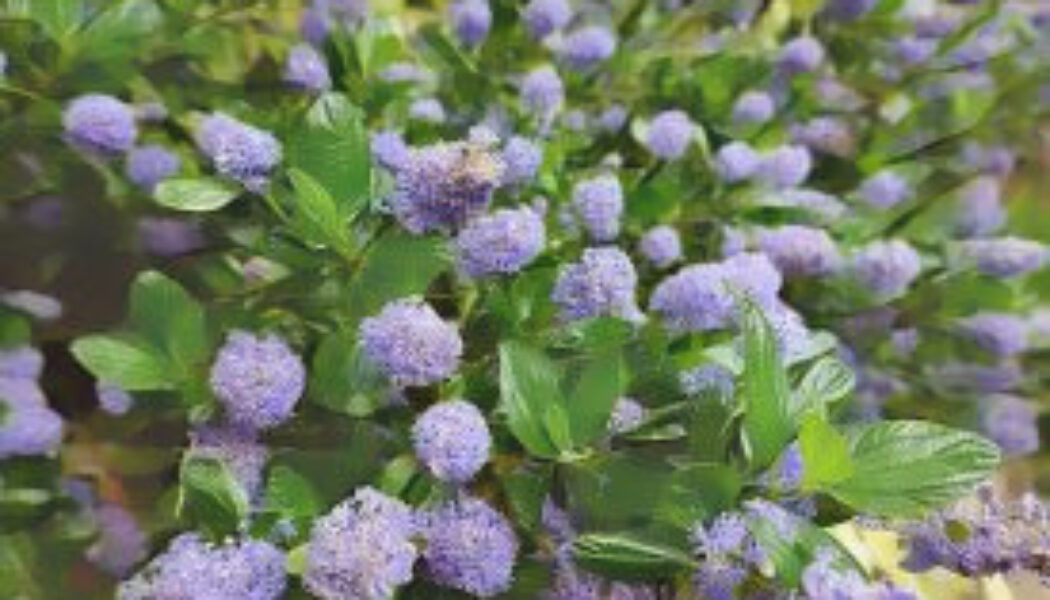

Ceanothus
Ceanothus, often called California Lilac, is a striking shrub known for its vibrant blue or purple flower clusters that burst forth in late spring and early summer. Its glossy, dark green leaves are s...
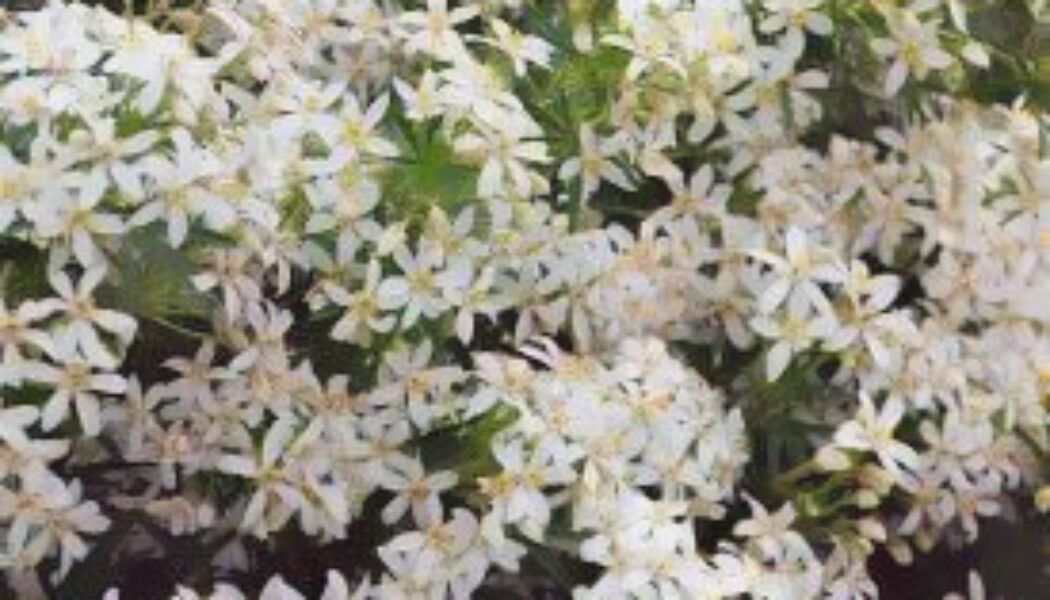

Choisya
Choisya, also known as Mexican Orange Blossom, is a cherished plant in magical herbalism, renowned for its gentle yet potent spiritual properties. Its glossy evergreen leaves and clusters of fragrant ...
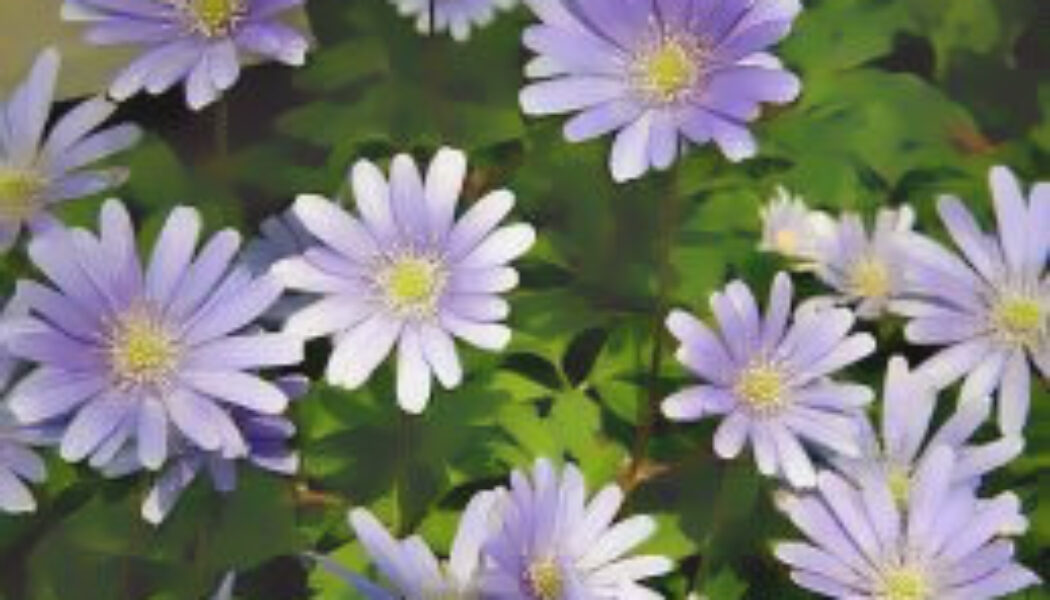

Grecian Windflower (Anemone blanda ‘Blue Shades’)
The Grecian Windflower, known botanically as Anemone blanda, is a captivating perennial that enchants with its star-shaped blooms in shades of blue, pink, and white. Its delicate, daisy-like petals su...
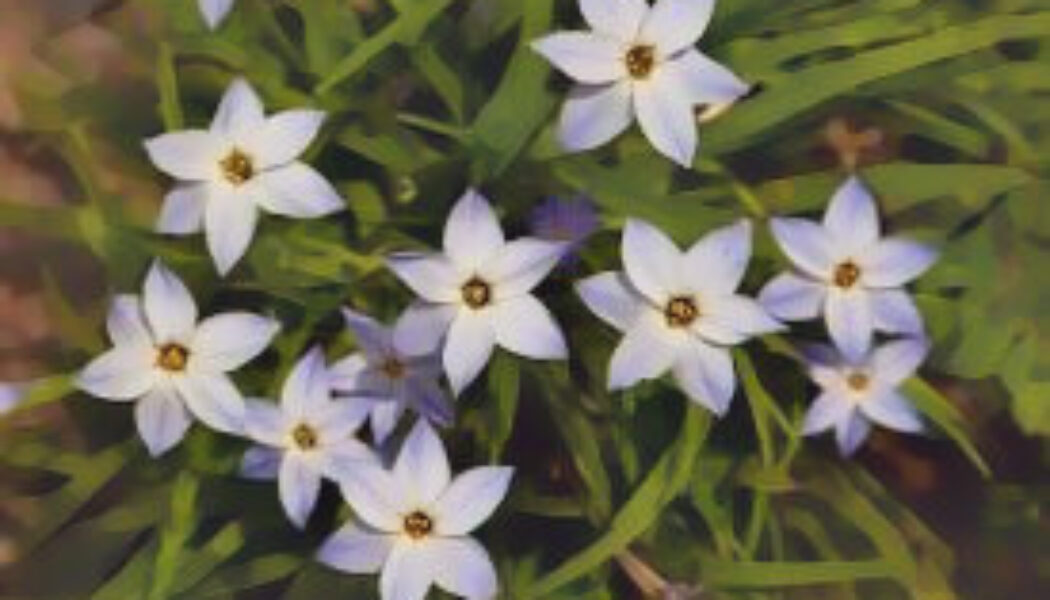

Spring Starflower
The Spring Starflower, known botanically as Ipheion uniflorum, is a delicate perennial that graces gardens and wild spaces with its star-shaped blooms each spring. This enchanting plant features slend...
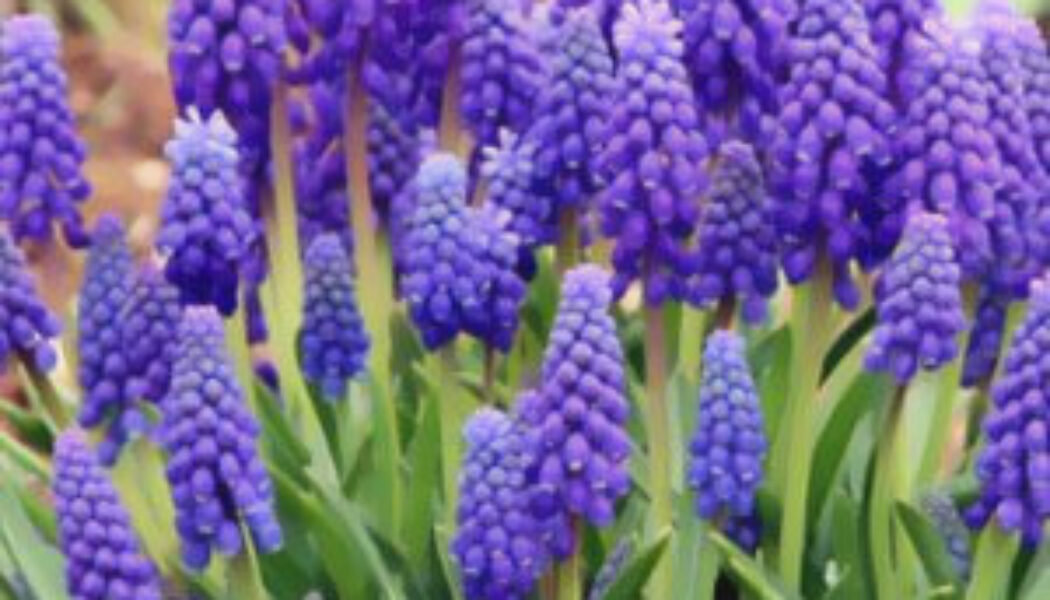

Grape Hyacinths
Grape hyacinths, botanically classified as Muscari armeniacum, are perennial bulbous plants native to southeastern Europe and parts of the Mediterranean region. These compact plants are celebrated for...
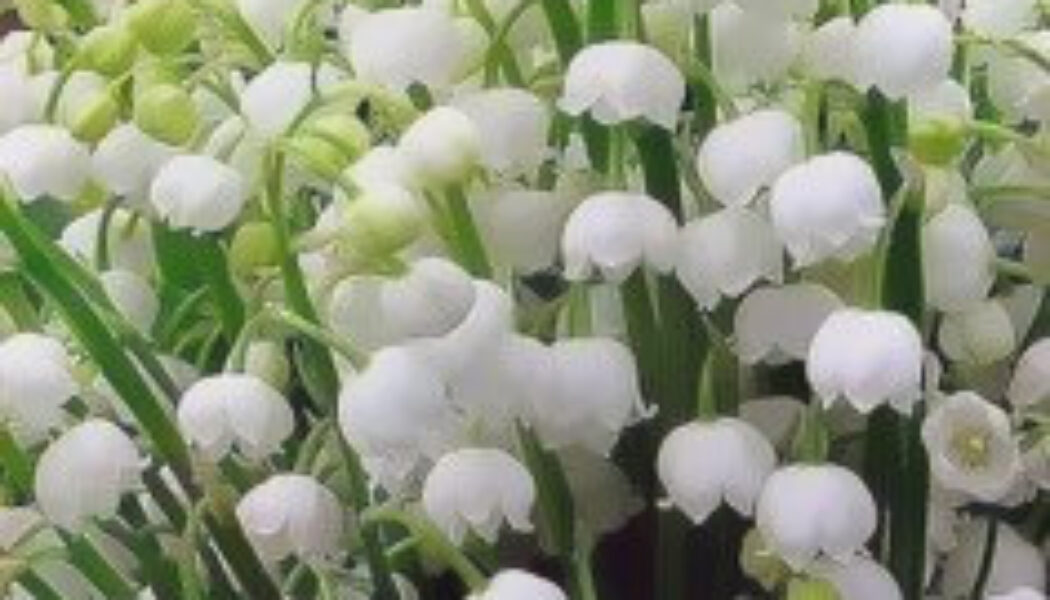

lilly of the Valley
Lily of the valley, or Convallaria majalis, is a perennial herbaceous plant renowned for its delicate, bell-shaped white flowers and intoxicatingly sweet fragrance. Native to the cool woodlands of Eur...
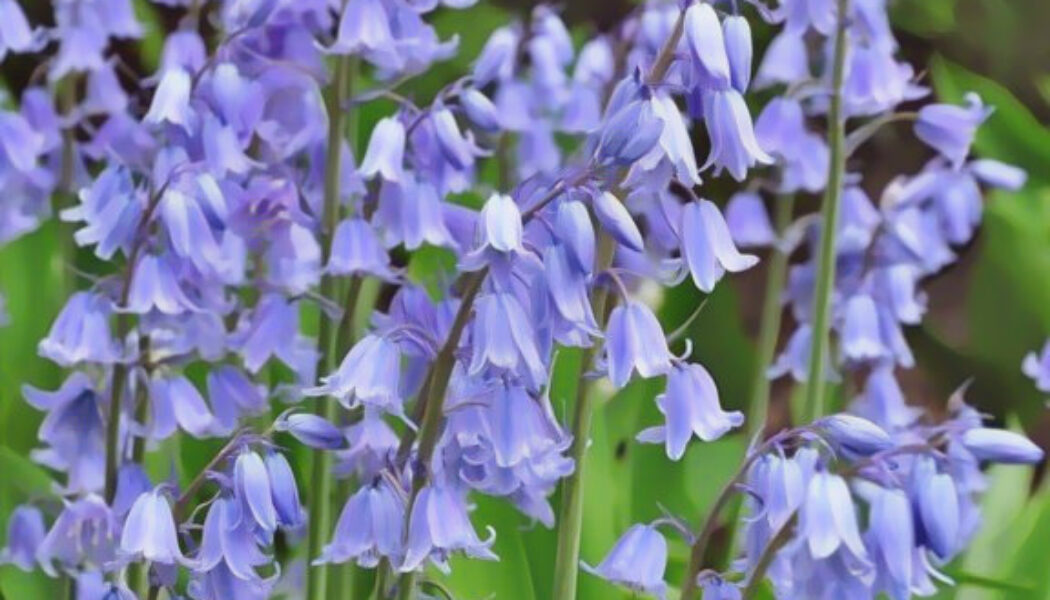

Bluebells
Bluebells, or Hyacinthoides non-scripta, are among the most enchanting and iconic wildflowers of the British Isles and Western Europe. These perennial plants are instantly recognizable by their slende...
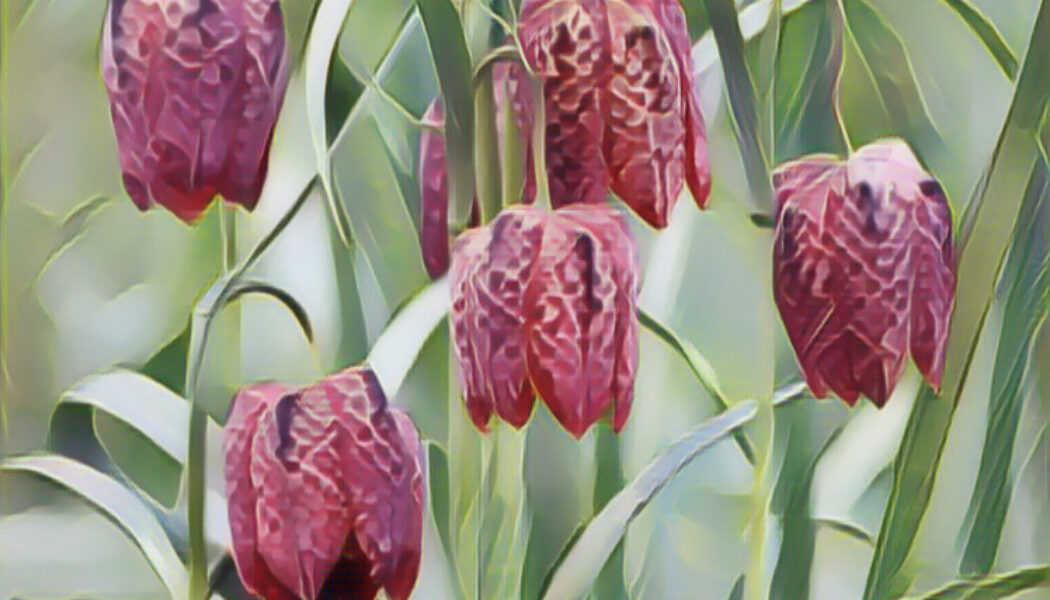

Fritillaria
Fritillaria is a striking and diverse genus of spring-flowering bulbs, celebrated for their elegant, nodding, bell-shaped blooms and, in some species, their remarkable checkered patterns. The most fam...
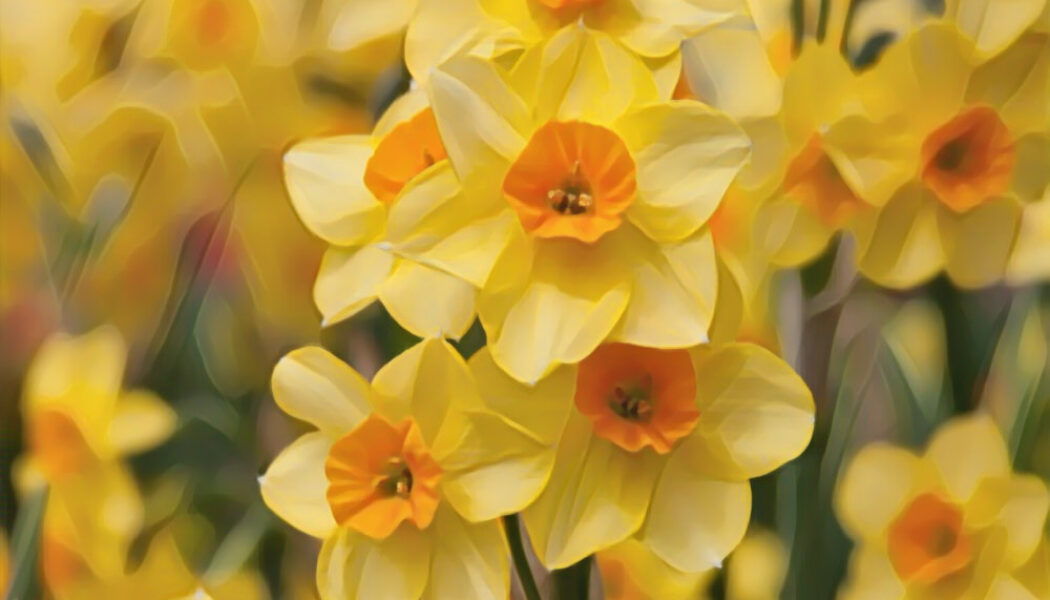

Daffodil
The daffodil, or Narcissus, is a classic symbol of spring, renowned for its cheerful, trumpet-shaped flowers that brighten gardens and meadows alike. Belonging to the Amaryllidaceae family, daffodils ...
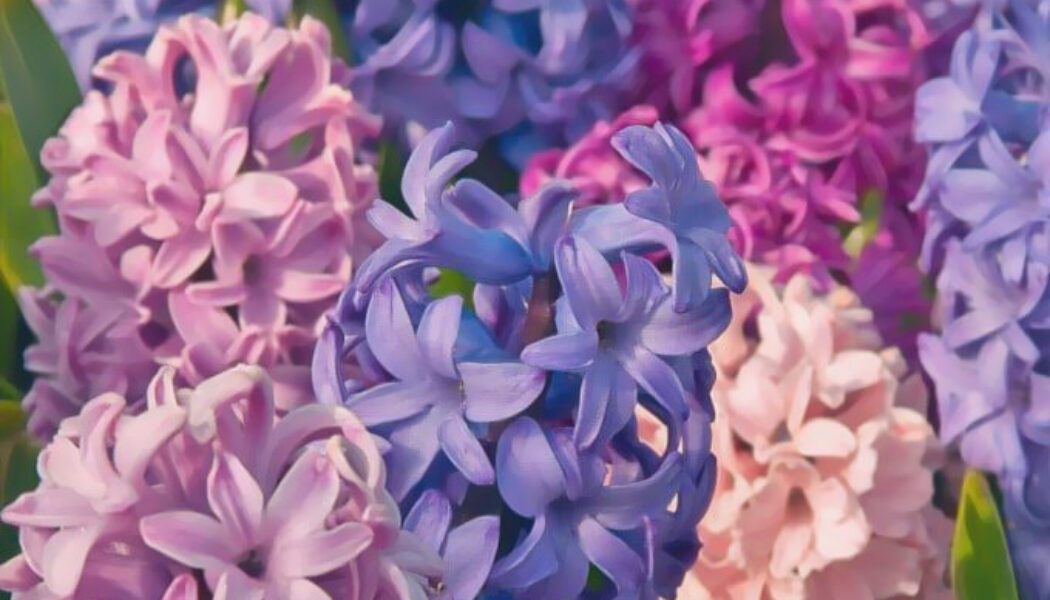

Hyacinth
The hyacinth, scientifically known as Hyacinthus orientalis, is a true jewel of the spring garden, celebrated for its breathtaking display of color and its intoxicating fragrance. This perennial bulbo...
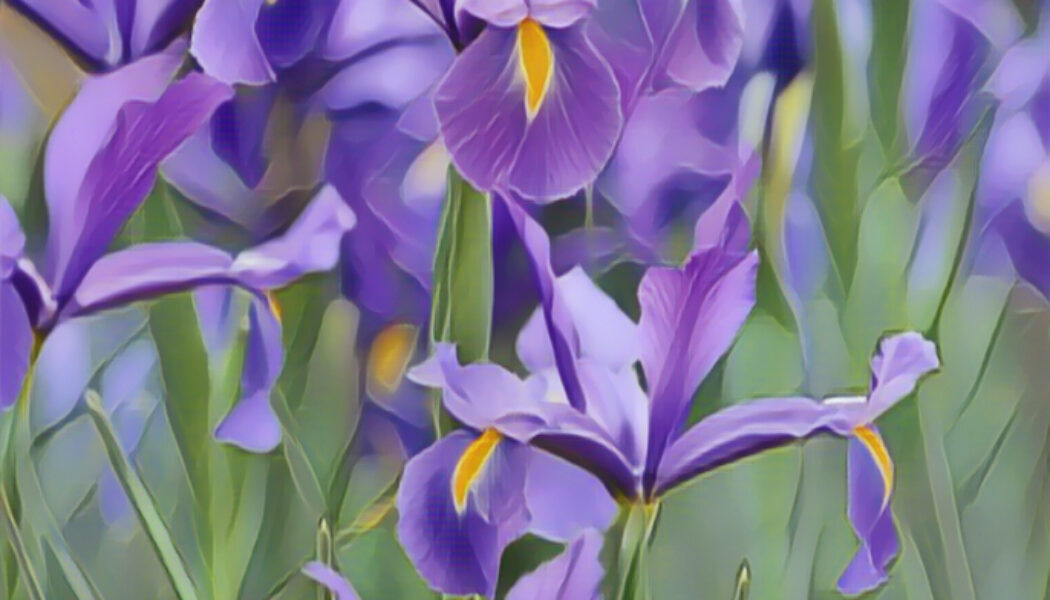

Iris
The iris is a perennial marvel, celebrated not only for its regal beauty but also for its rich tapestry of symbolism, history, and magical lore. Belonging to the Iridaceae family, the genus Iris encom...
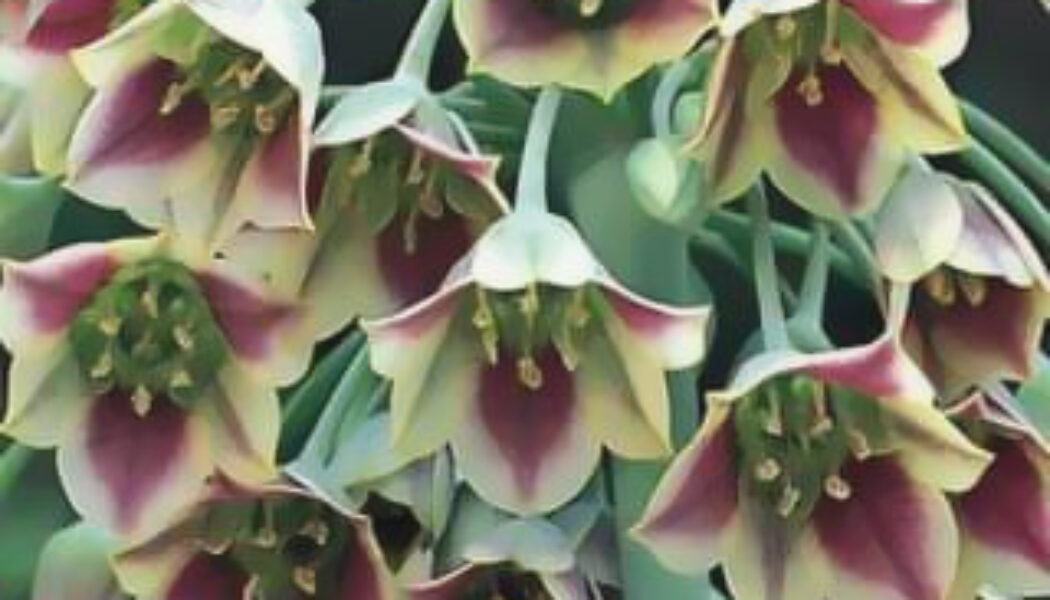

Honeybells
The Honeybell, also known as the Minneola tangelo, is a striking citrus hybrid that has enchanted gardeners, cooks, and magical practitioners alike for generations. Its origins trace back to the early...
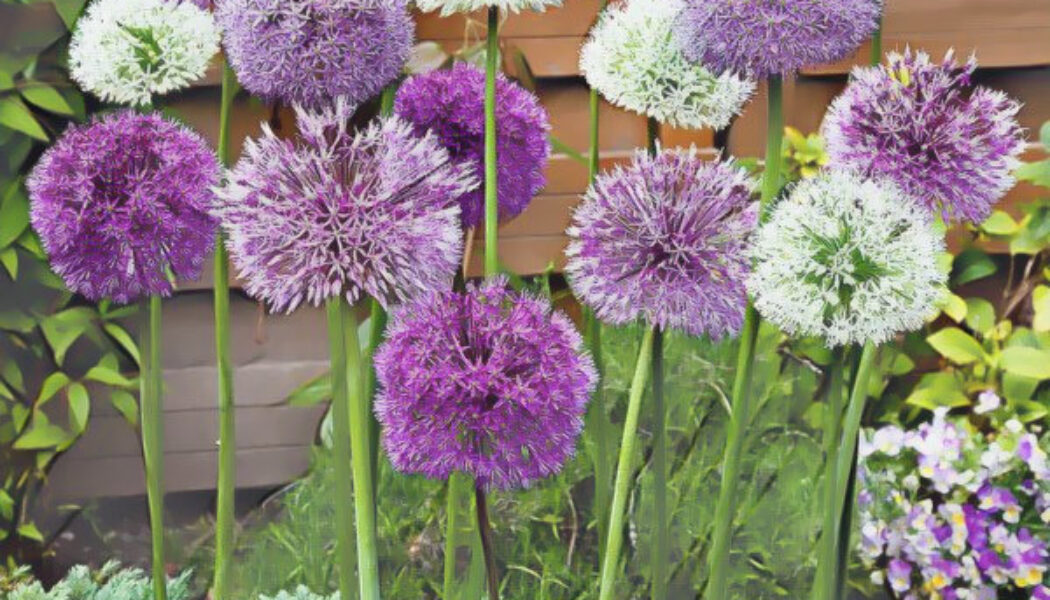

Allium
The genus Allium is a large and varied group of flowering plants in the Amaryllidaceae family, with about one thousand species. Alliums are easy to recognize by their bulbous roots, which store nutrie...
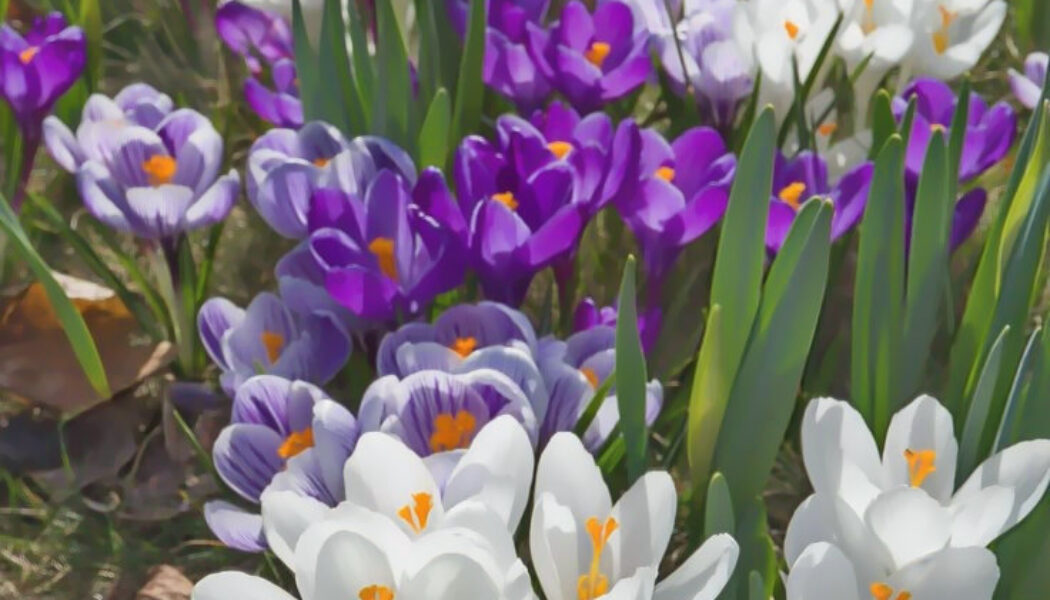

Crocus
The crocus is a small, enchanting flower that signals the arrival of spring, often blooming while snow still lingers. Its goblet-shaped blossoms appear in vivid purples, whites, and yellows, bringing ...
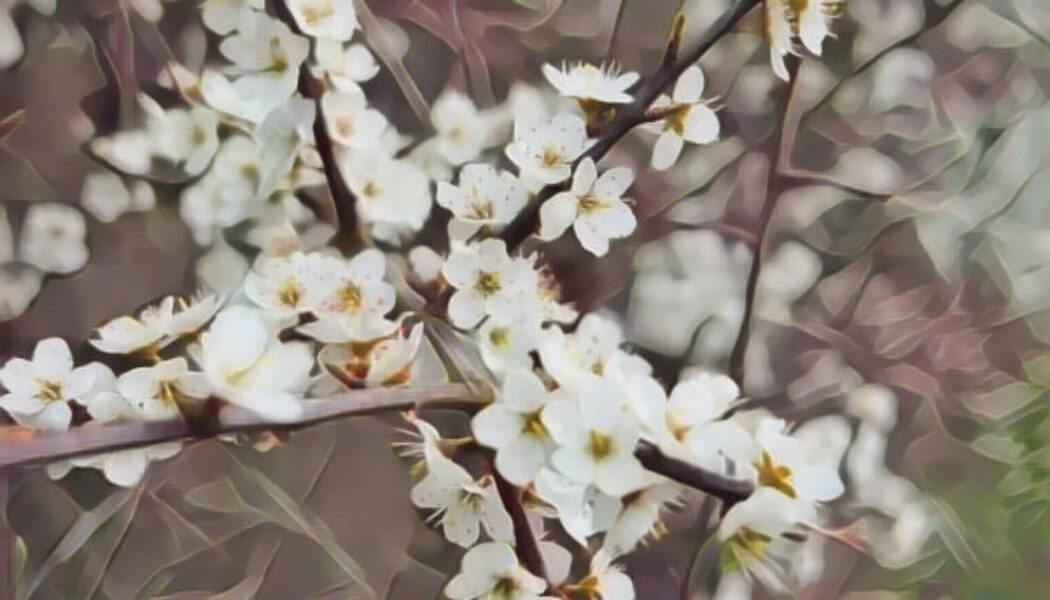

Blackthorn The Magick of
Blackthorn, or Prunus spinosa, is a hardy, deciduous shrub native to Europe, western Asia, and parts of northwest Africa. It is easily recognized by its dense, tangled branches armed with long, sharp ...
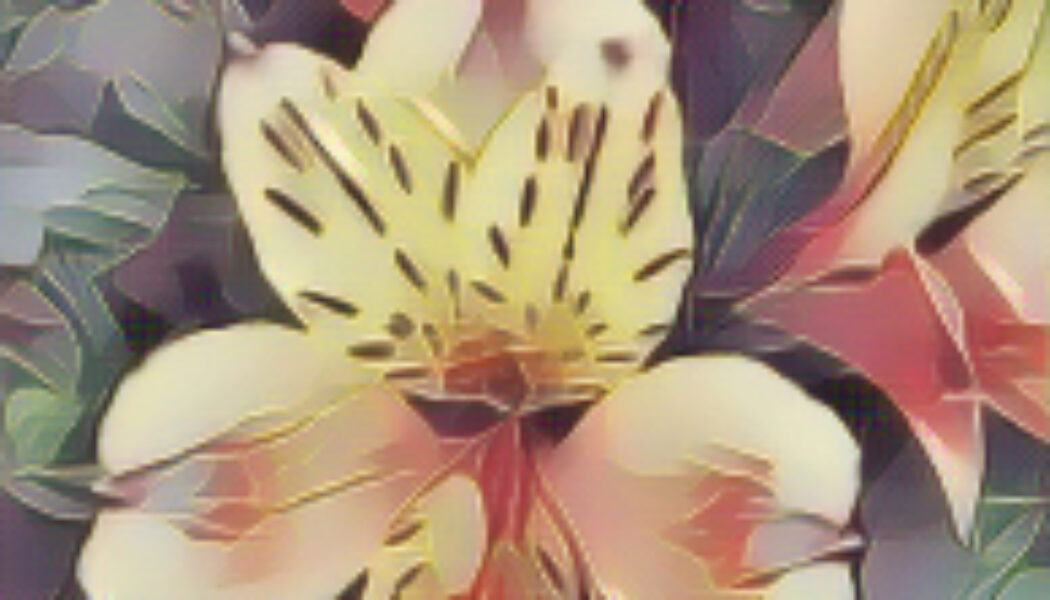

Alstroemeria Summer Breeze: The Magick of
Alstroemeria Summer Breeze is a stunning perennial known for its vibrant colors and intricate patterns. The flowers come in shades of pink, yellow, and orange, often with unique markings that add to t...
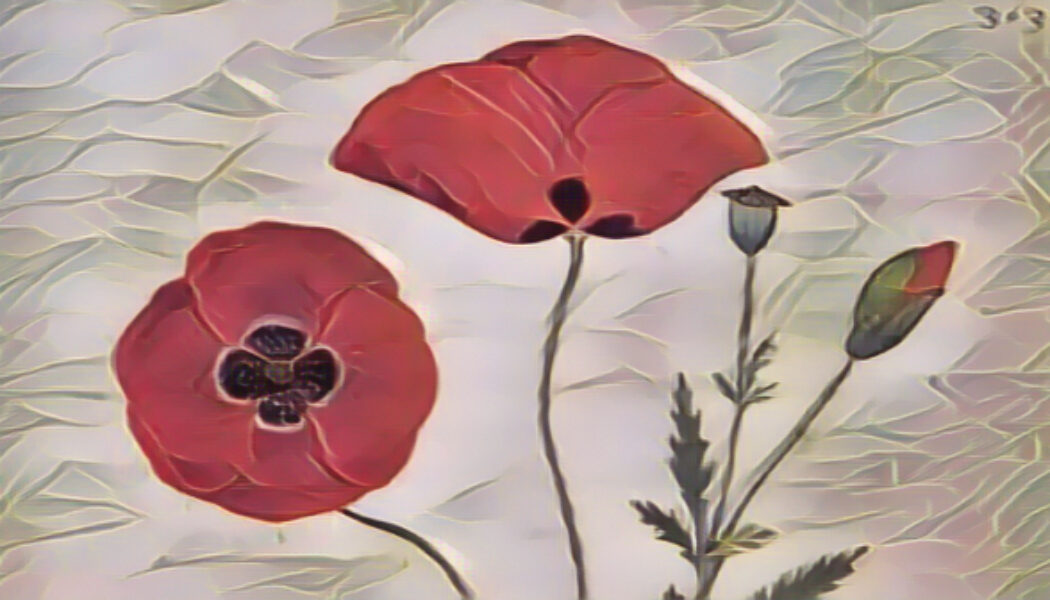

Poppies the Magick of
Poppies, with their vibrant blooms and fleeting beauty, have captivated humankind for centuries. Native to the Old World, these members of the Papaveraceae family are instantly recognizable by their p...
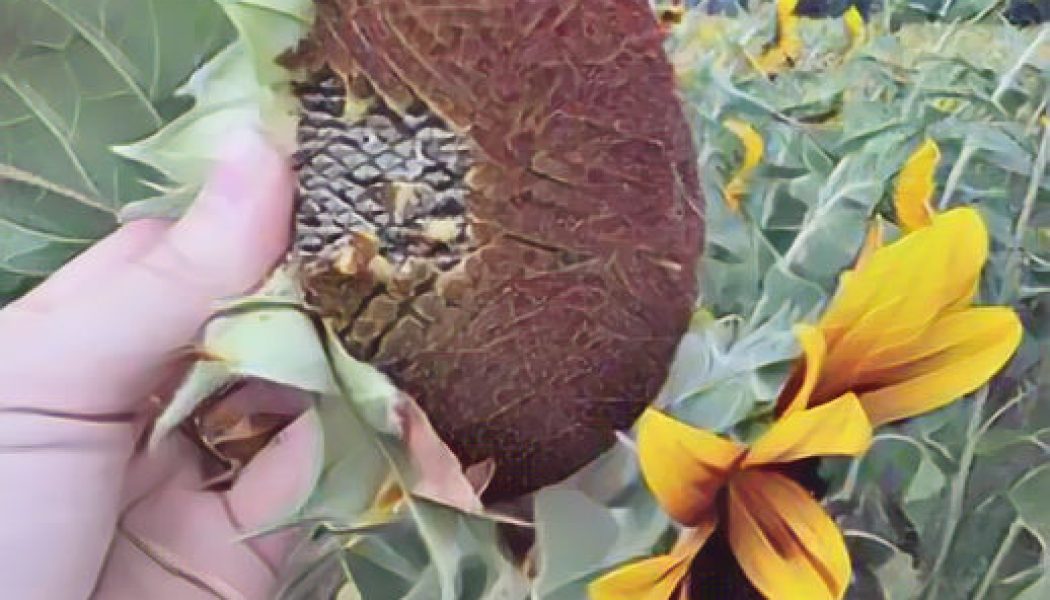

A Word on Seeds
Seeds should be gathered as they ripen, usually in the fall. Seed Heads should be hung to dry inside a paper bag. Don’t use plastic as any condensation that gathers could lead to mildew and cause the ...

Some Magick in Plants
Geranium: These plants can provide luck and good fortune in various different ways, depending on the colour of your flower. Choose red geraniums for vitality and invigoration, pink for love, or white ...

MARIGOLD.
Marigolds are herbaceous plants, some perennial, some annual, of the Asteraceae family, the blooms made up of many tiny florets. They are native to North and South America but are popular garden plant...

INCENSE/HERB HONEYSUCKLE
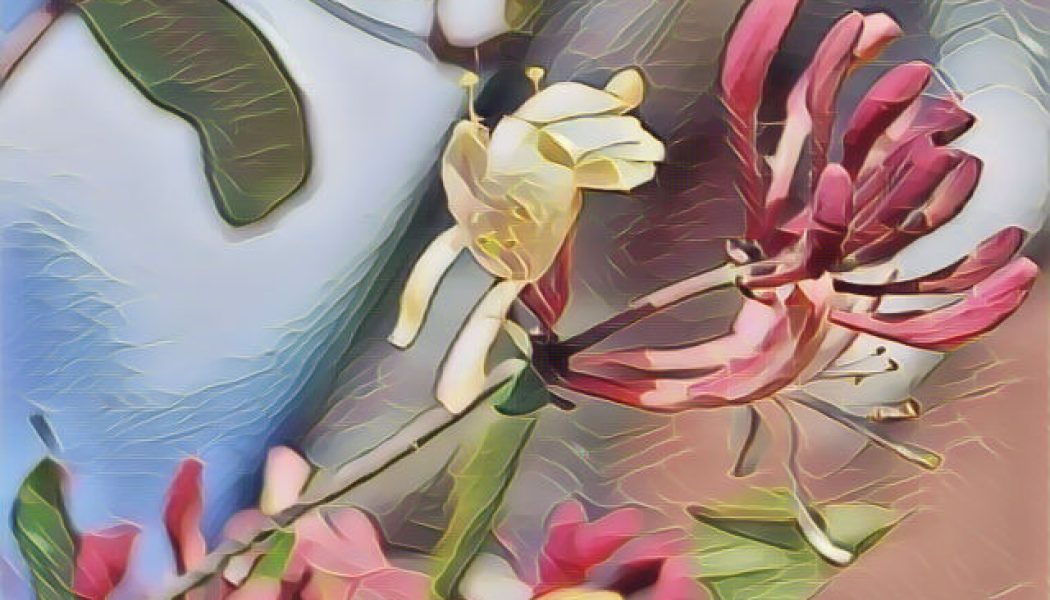
General Information Honeysuckles are shrubs or vines with opposite oval-shaped leaves and their signature sweet-smelling tubular flowers. The flowers contain sweet nectar, but the fruit is poisonous. ...

Cedar Wood the Magick of
Cedar Wood Magickal Properties Cedar wood has a long history of use in various cultures, where it is often linked to myth, symbolism, and spiritual practices. In many magical traditions, cedar is asso...
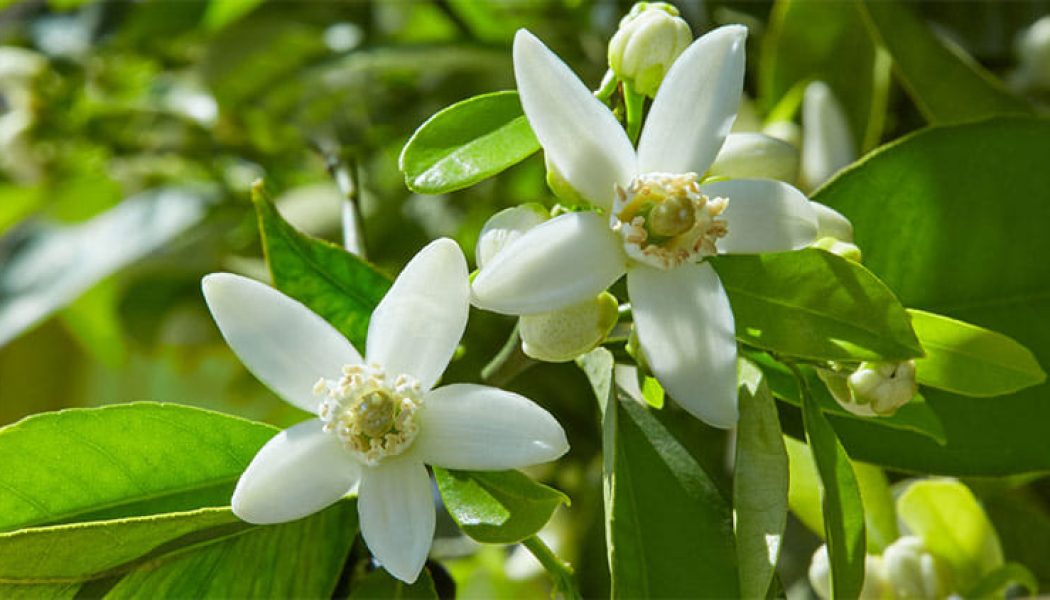

Neroli
Neroli essential oil exudes an entrancing citrus aroma with slightly spicy, bittersweet undertones. The oil is rendered from the white blossoms of the bitter orange or Seville orange tree. It tak...
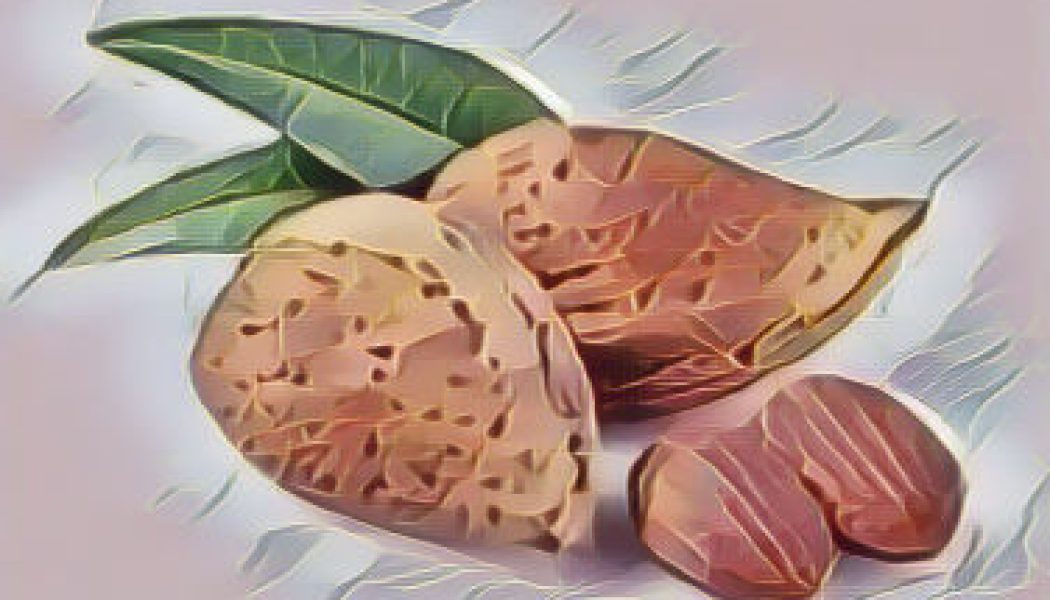

Almond (Prunus dulcis)
Wisdom, money, fruitfulness, and prosperity. Invokes the healing energy of the deities. Provides magickal help for overcoming dependencies & addiction. Associated with Candlemas and Beltane. ...
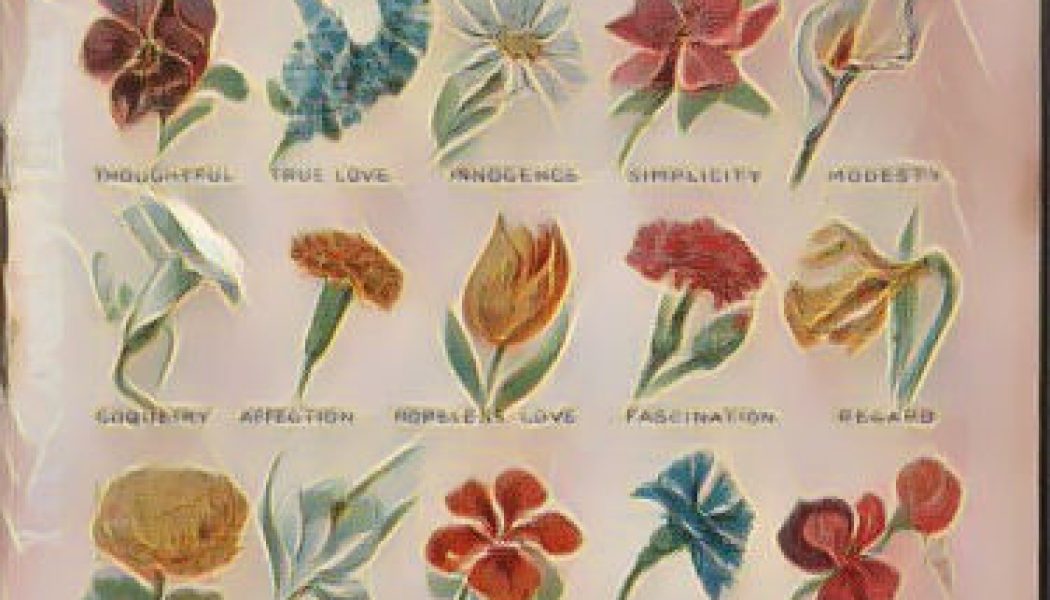

Plant Magick, The key to understanding the Old Ways
Plants are an integral key to understanding the Old Ways. Our ancestors attached symbolism to different plant part such as flowers or leaves because of what their shape resembled, or even what th...
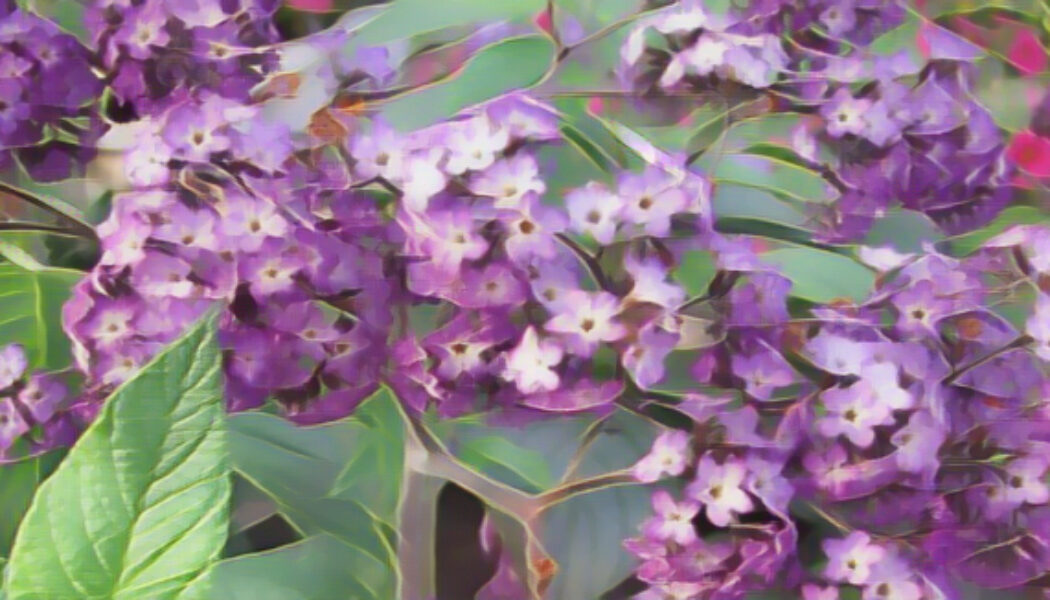

Heliotrope the Magick of
Heliotrope Plant MagicHeliotrope is a flowering plant long associated with wishes, prosperity, and healing. In magical traditions, heliotrope is believed to attract abundance and grant heartfelt desir...

Bamboo the Magick of
Bamboo is recognized as one of the most ancient and respected plants in various magical traditions worldwide, with its presence noted in centuries of folklore, ritual, and symbolism. In Asia, bamboo i...

Bachelor’s Buttons the Magick of
Bachelor’s Buttons, or cornflowers, are delicate blue wildflowers steeped in centuries of magical and medicinal tradition. Their striking color and gentle form have made them a symbol of love, hope, a...

Avens the Magick of
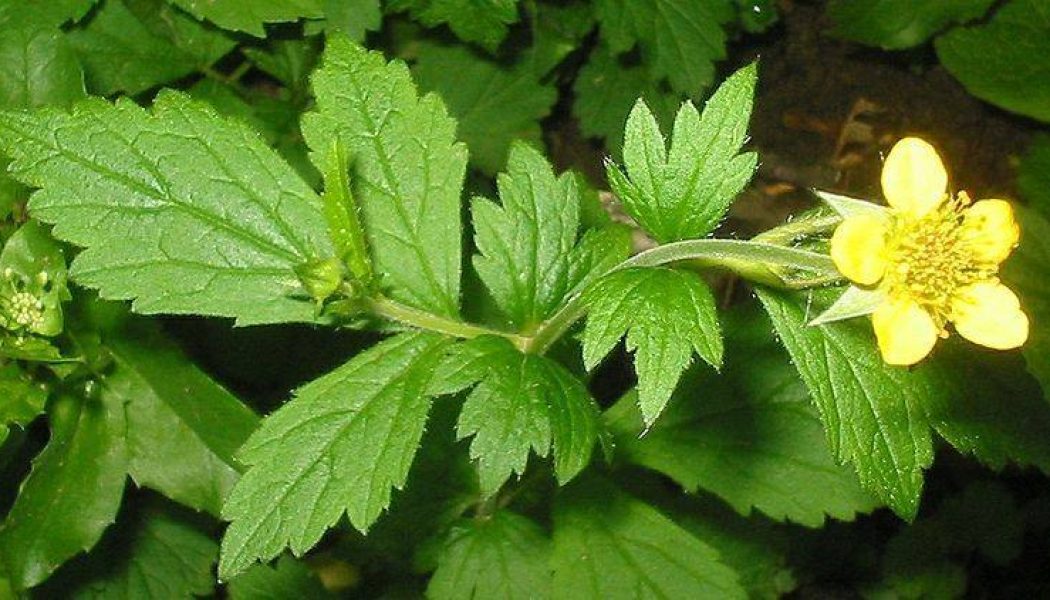
The Avens plant, also known as Geum urbanum, is a fascinating herb with a rich history in witchcraft and folklore. Revered for centuries, Avens is believed to possess powerful magical properties, espe...

Aster
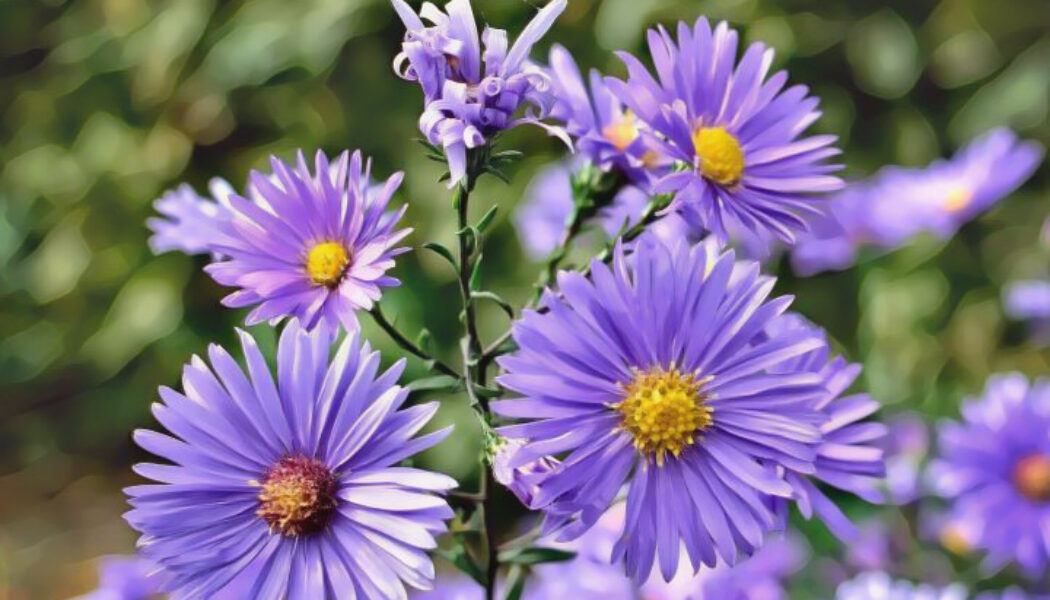
Aster—known botanically as Aster spp.—is a flowering plant native to North America, Europe, and Asia. Its star-shaped blossoms, which come in shades of purple, pink, blue, and white, have been admired...

Asafetida
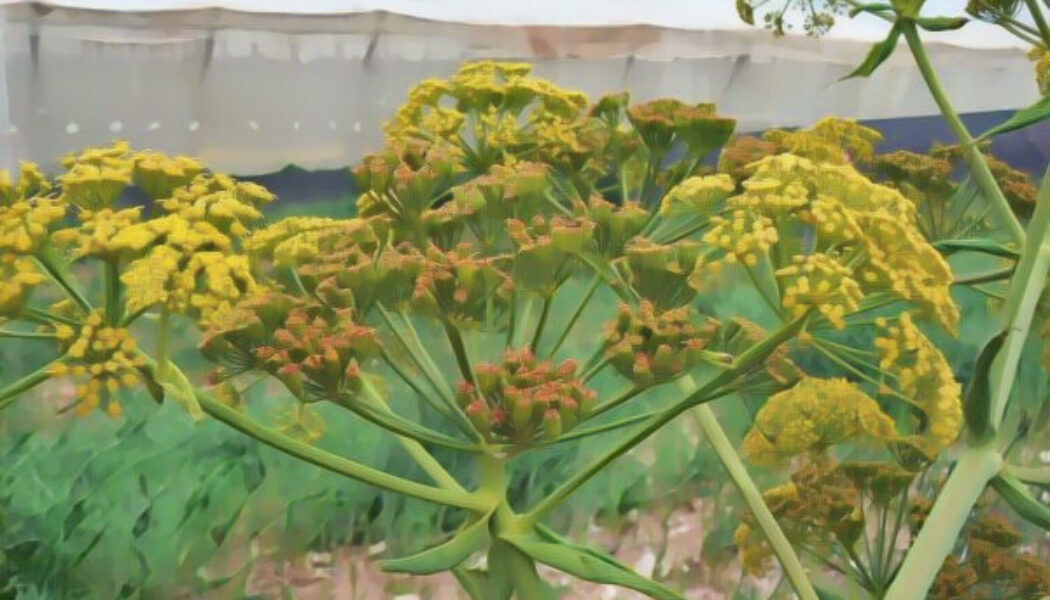
In magick, asafoetida—sometimes called devil’s dung—has a long and fascinating history. Its pungent aroma has made it a staple in protection, purification, and exorcism rituals, especially when ...

Arnica: the Magick of
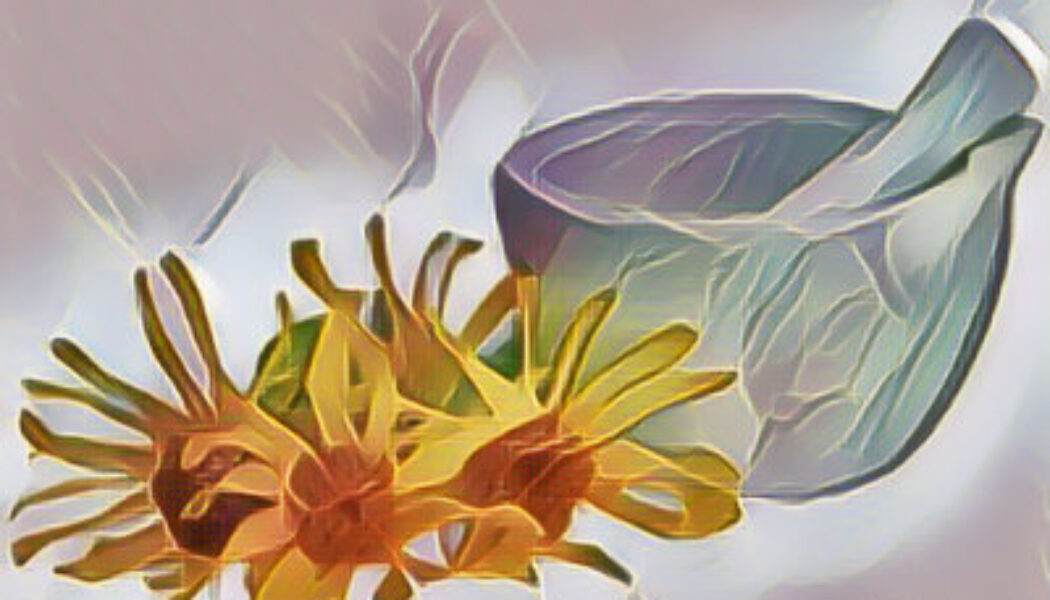
Arnica, with its radiant golden-yellow petals and daisy-like appearance, stands out among the wildflowers of mountainous meadows. This perennial herb, belonging to the Asteraceae family, typically gro...

Arbutus: The Magick of
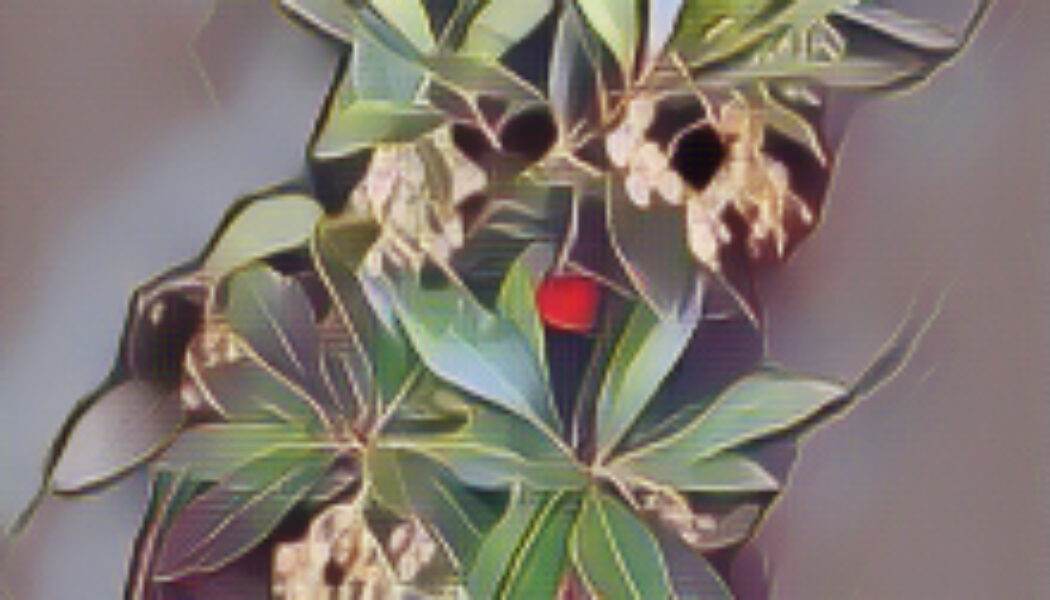
The Arbutus, also known as the madrone or madrona, is a truly remarkable evergreen tree, instantly recognizable by its smooth, cinnamon-red bark that peels away in delicate, papery sheets to reveal a ...

Arabic Gum: The Magick of
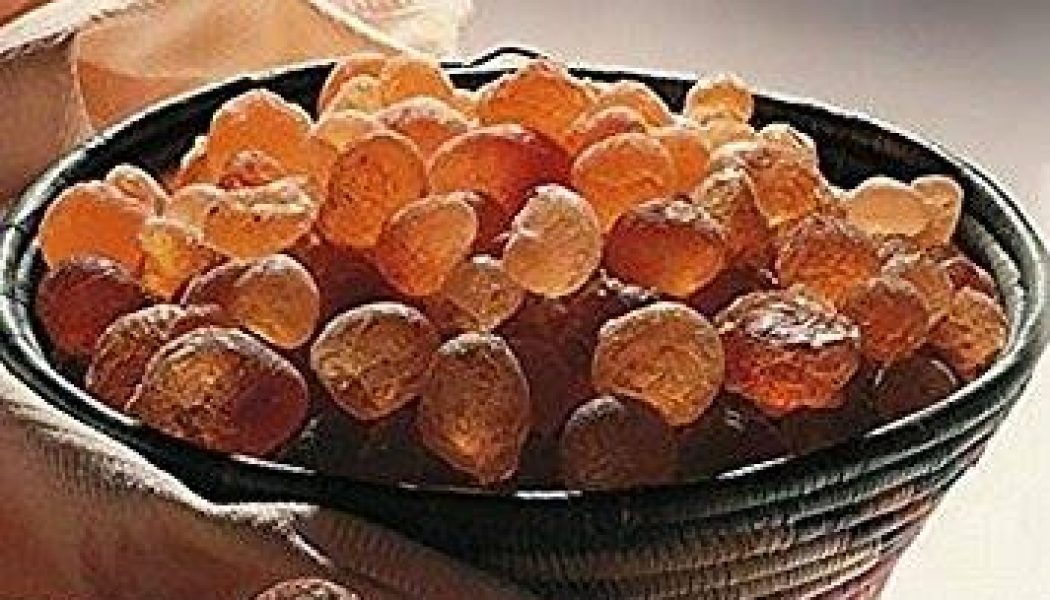
Arabic gum, also known as gum acacia, is a natural resin harvested from the Acacia senegal and Acacia seyal trees. These small, thorny trees are native to the arid and semi-arid regions of sub-Saharan...
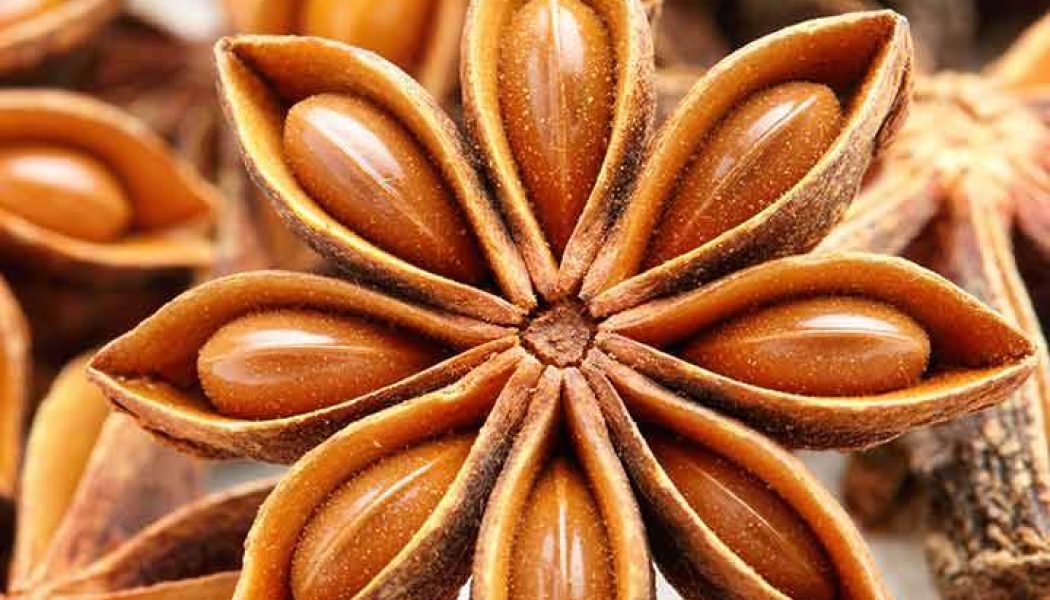

Anise Seed: the Magick of
Pimpinella anisum, the plant that produces anise seed, is a delicate annual herb native to the eastern Mediterranean and Southwest Asia. It typically grows to a height of 18 to 24 inches, featuring sl...
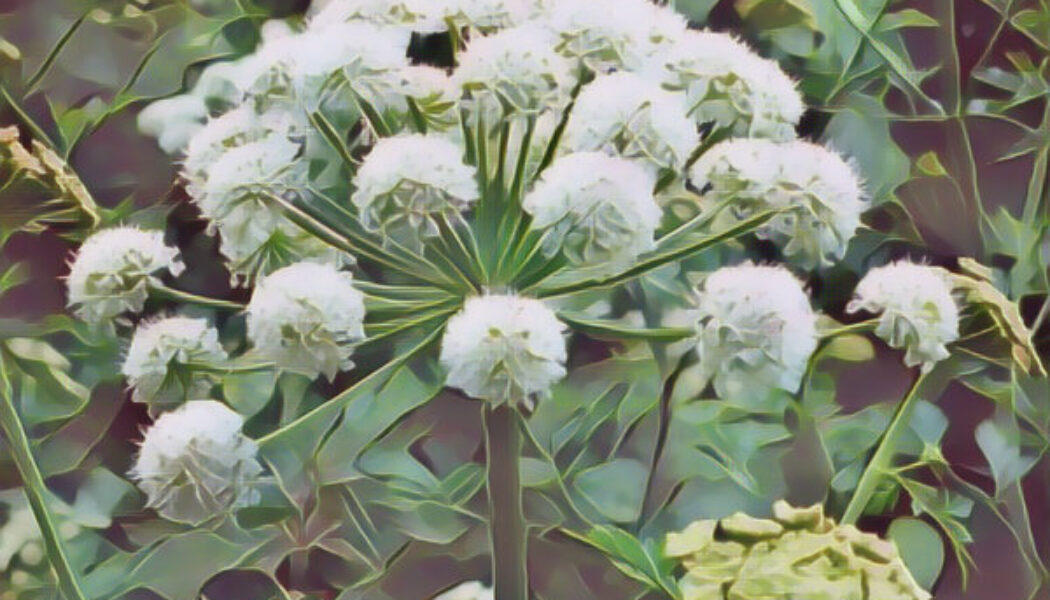

Angelica Root: the Magick of
Angelica Root comes from the Angelica archangelica plant, a striking biennial herb native to northern and central Europe, as well as parts of Asia. This plant can reach heights of up to six feet, with...
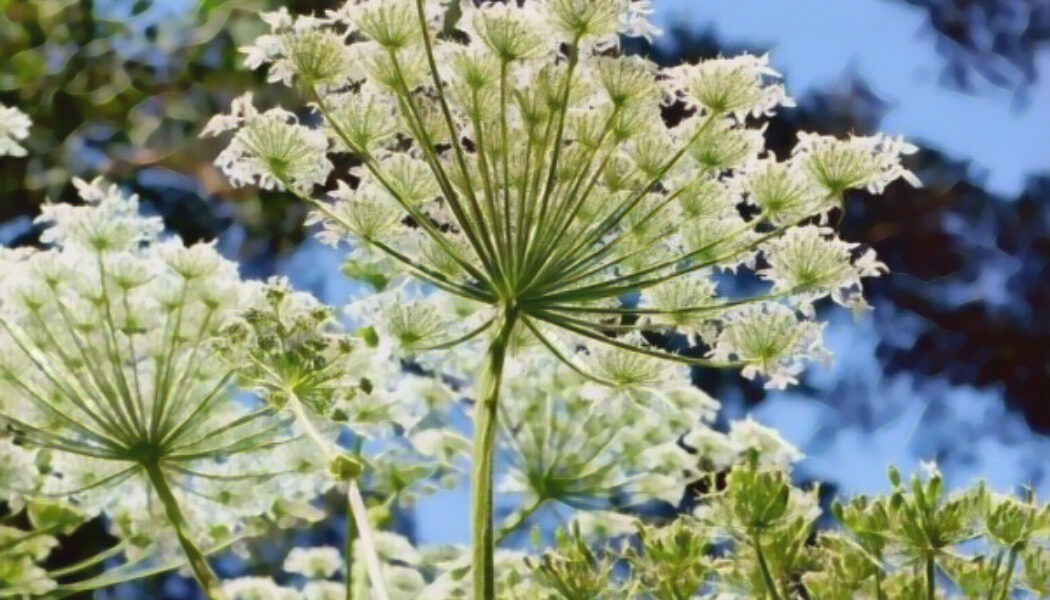

Angelica leaves: the Magick of
The plant that produces Angelica leaves is known as Angelica archangelica, a striking biennial or short-lived perennial herb. It can reach impressive heights of up to six feet, with sturdy, hollow ste...
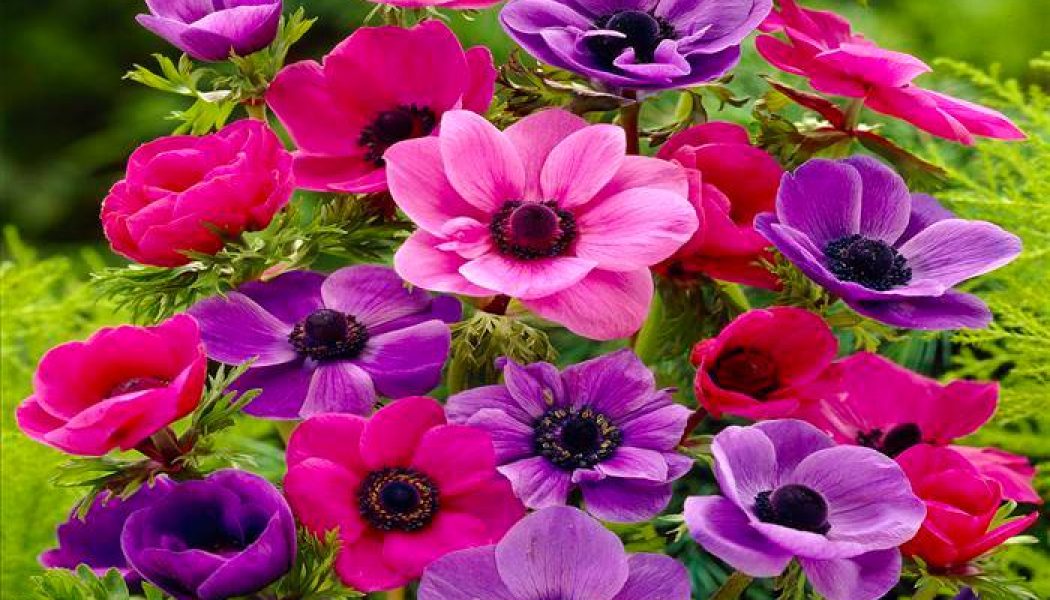

Anemone: The Magick of
The Anemone, sometimes called the windflower, is a captivating perennial herbaceous plant belonging to the buttercup family, Ranunculaceae. Its botanical features are as enchanting as its folklore: de...

Amaranth: the Magick of
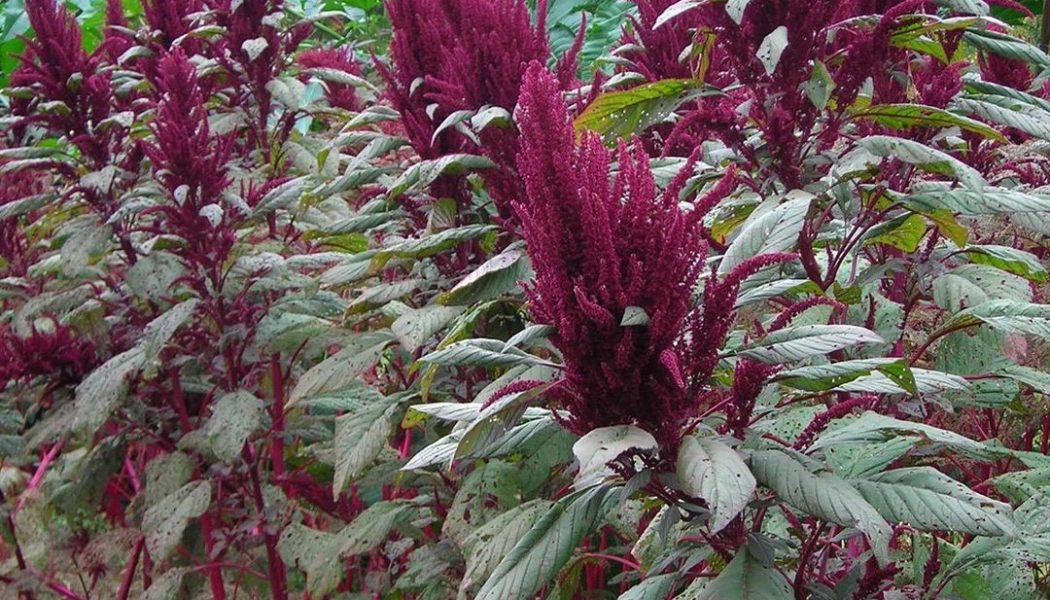
Amaranth is a truly remarkable plant, both botanically and magically. Its tall, upright stems can reach up to eight feet in height, crowned with dramatic, plume-like flower clusters that burst in shad...

Bee Balm
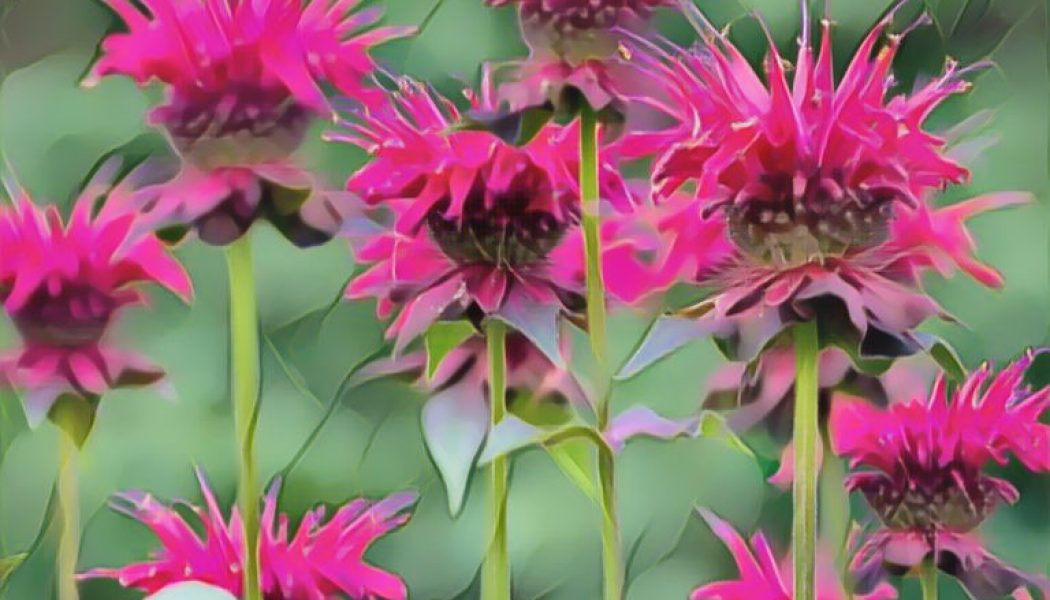
Although Bee Balm is somewhat of a giant in medicine and aromatherapy applications, uses in folklore and magic are surprisingly rather sketchy and hard to find for this herb. Of course, for purifying ...

Willow Herb Epilobium
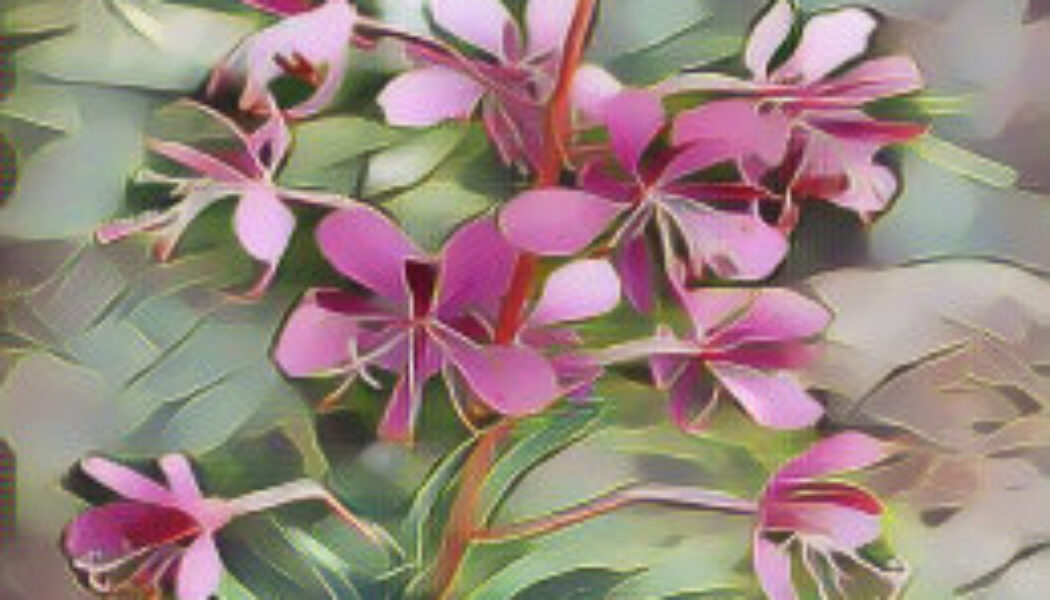
Epilobium, commonly known as willowherb, is a fascinating and diverse genus in the evening primrose family, Onagraceae, boasting nearly 200 species found across the globe. These resilient plants thriv...

Plant and Herb Magick
Plant magic is an age-old tradition dating back to ancient Egyptian times, where it was revered for its potent healing and protective properties. Throughout history, various cultures have harnessed th...
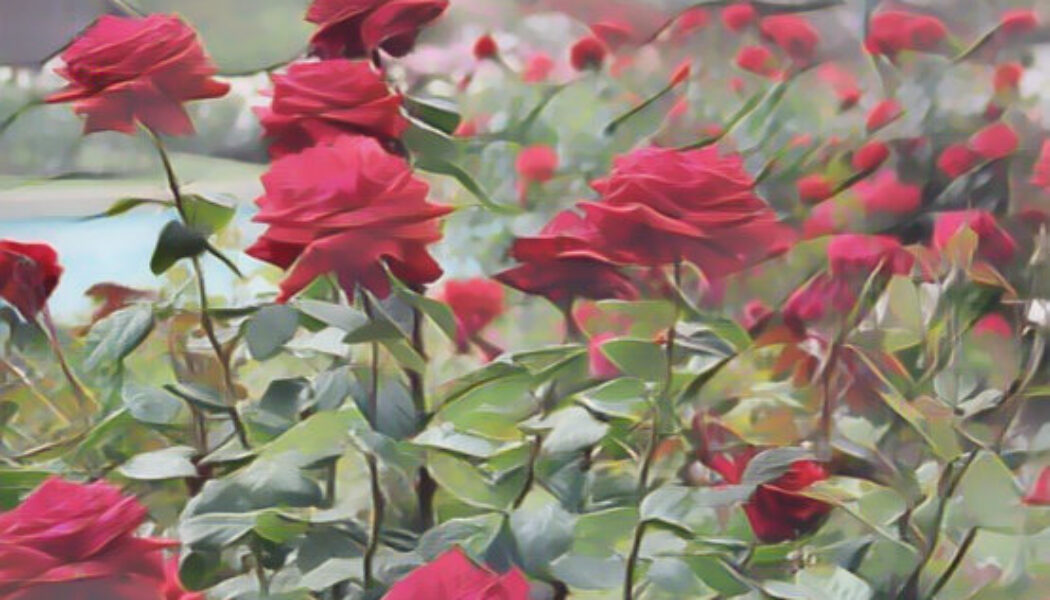

Rose
The rose, belonging to the genus Rosa, is one of the most iconic and beloved flowering plants in the world. With over 300 species and thousands of cultivars, roses have enchanted humanity for millenni...
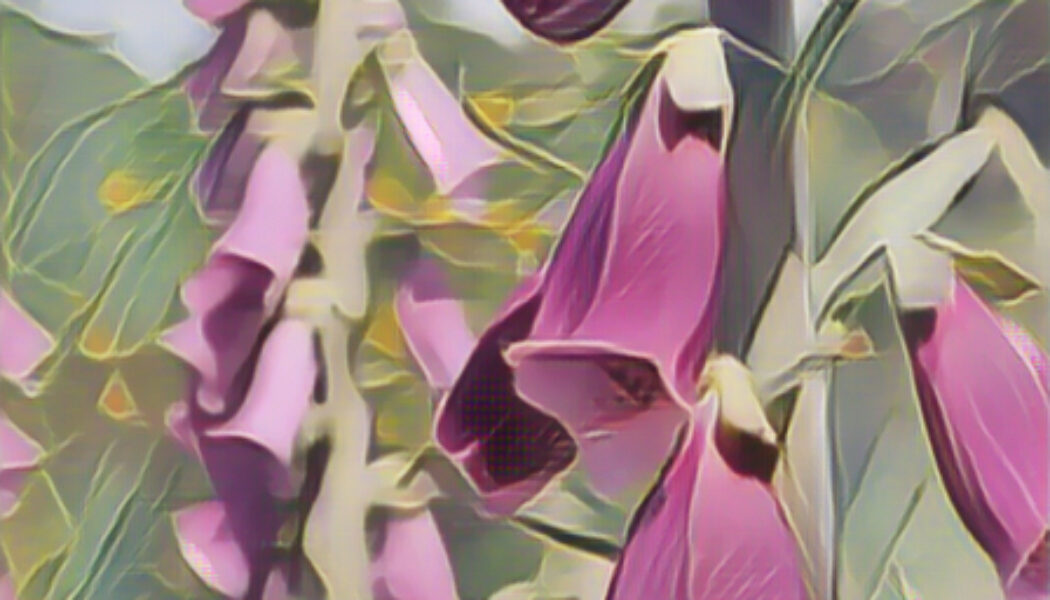

Fox Glove
Foxgloves, or Digitalis purpurea, are among the most enchanting and mysterious plants found in the wild and in gardens. These biennials can reach impressive heights of up to six feet, their tall, eleg...
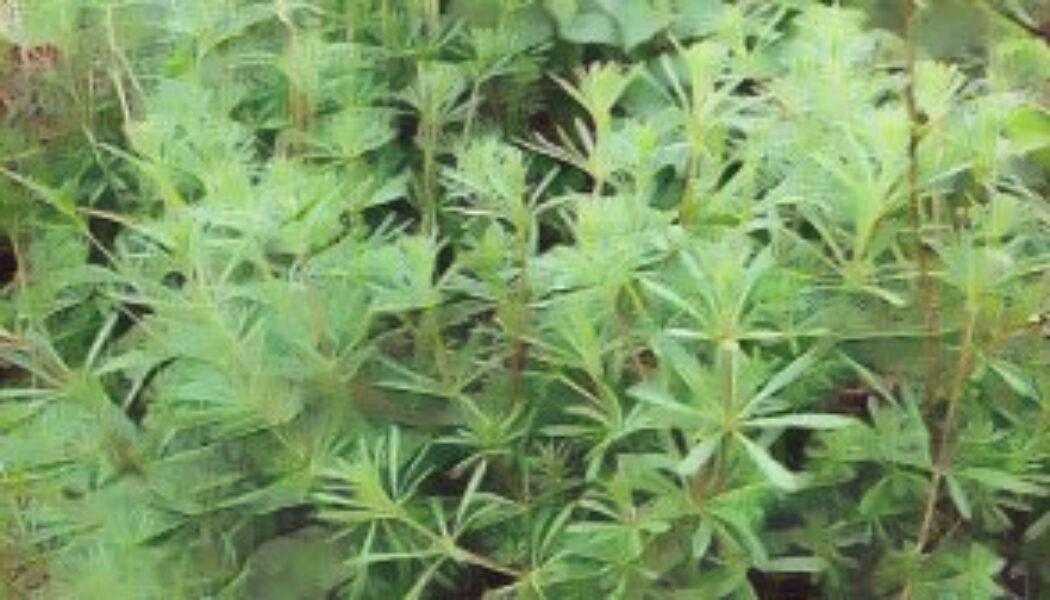

CLEAVERS
Cleavers, or Galium aparine, is a plant that weaves itself into the very fabric of folklore, herbalism, and magic. Its slender, square stems—bristling with tiny hooked hairs—cling to everything they t...
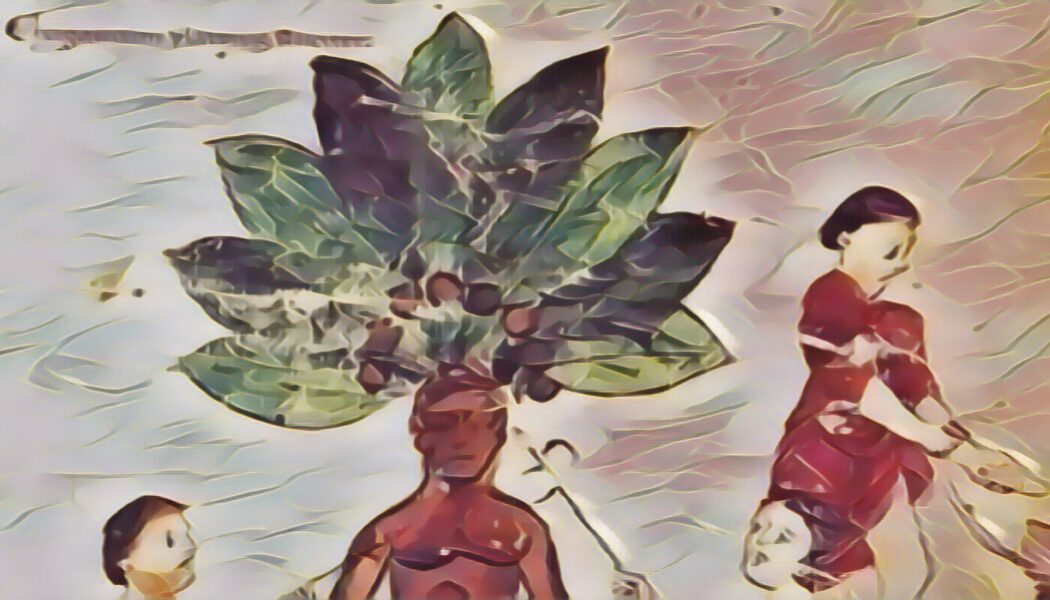

Plants and Mythology
The magical plant or herb of immortality sought by Gilgamesh, the hero of ancient Mesopotamian mythology, provides one example of how myths use plants as symbols of life and of the healing power of na...
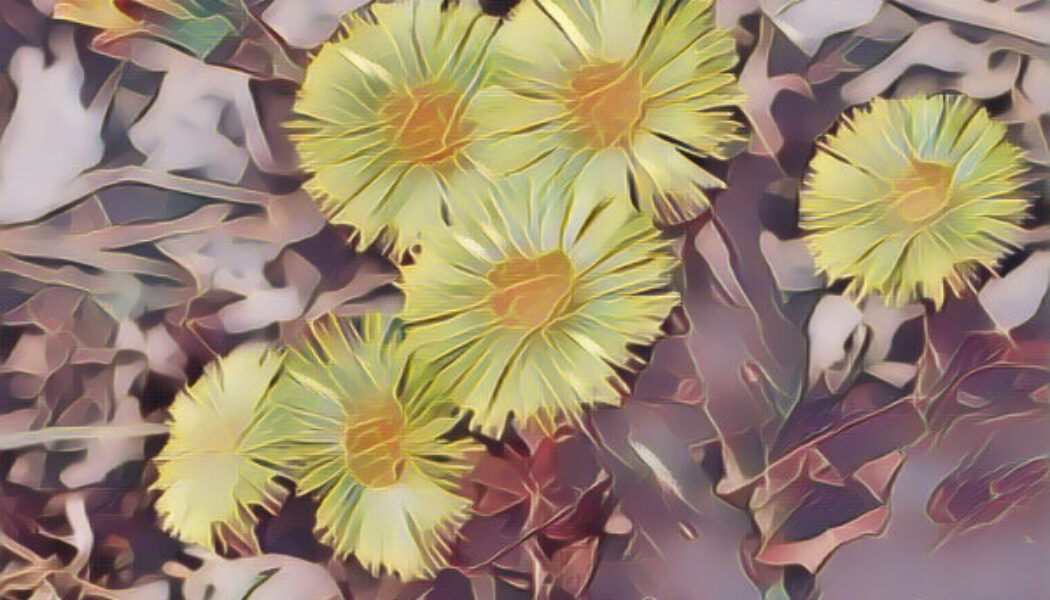

COLTSFOOT
Coltsfoot, or Tussilago farfara, is a perennial herb in the daisy family, Asteraceae, renowned for its early spring blooms and distinctive, hoof-shaped leaves. Native to Europe and parts of Asia, it h...

Sunflowers
Sunflowers—scientifically known as Helianthus annuus—are among the most iconic and instantly recognizable plants in the world. Their name comes from the Greek words “helios,” meaning sun, ...
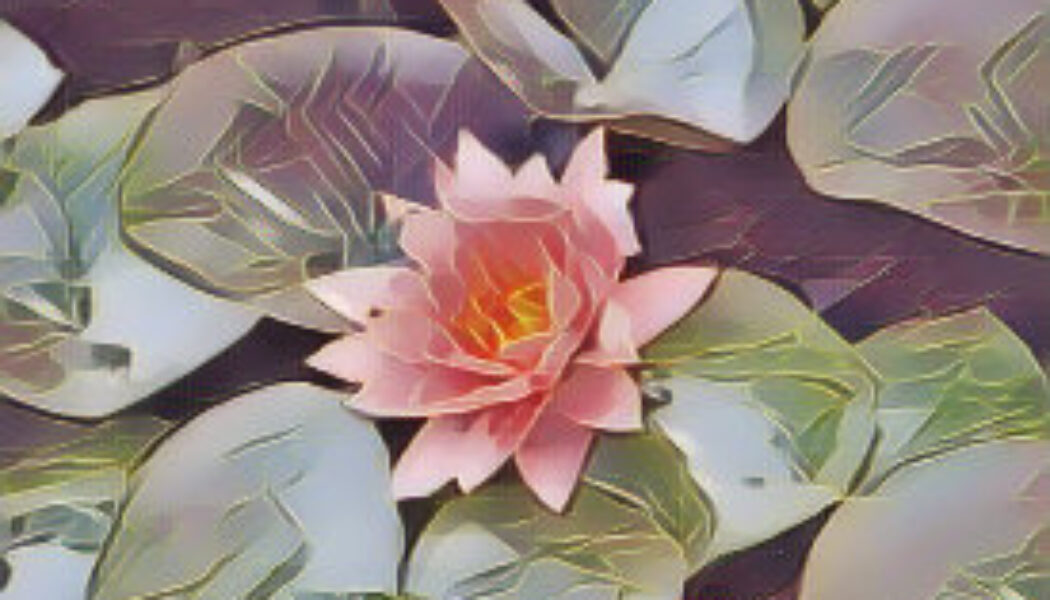

Water Lilly
Nymphaeaceae is a family of flowering plants, commonly called water lilies. They live as rhizomatous aquatic herbs in temperate and tropical climates around the world. The family contains five genera ...
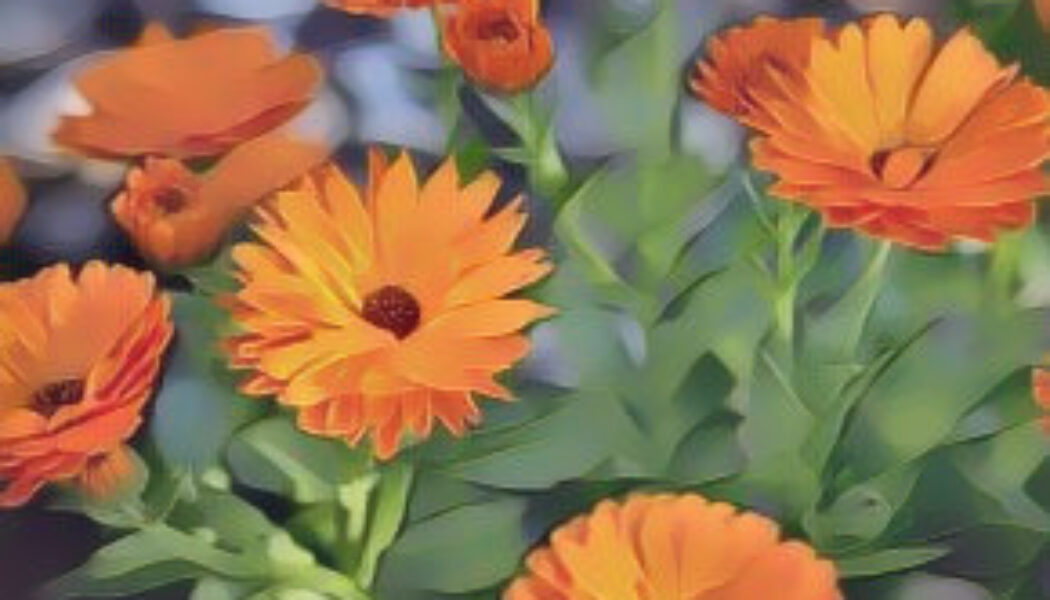

Calendula
Calendula, known botanically as Calendula officinalis, is a radiant and versatile plant cherished for centuries across cultures. With its bright orange and yellow daisy-like flowers, calendula is inst...
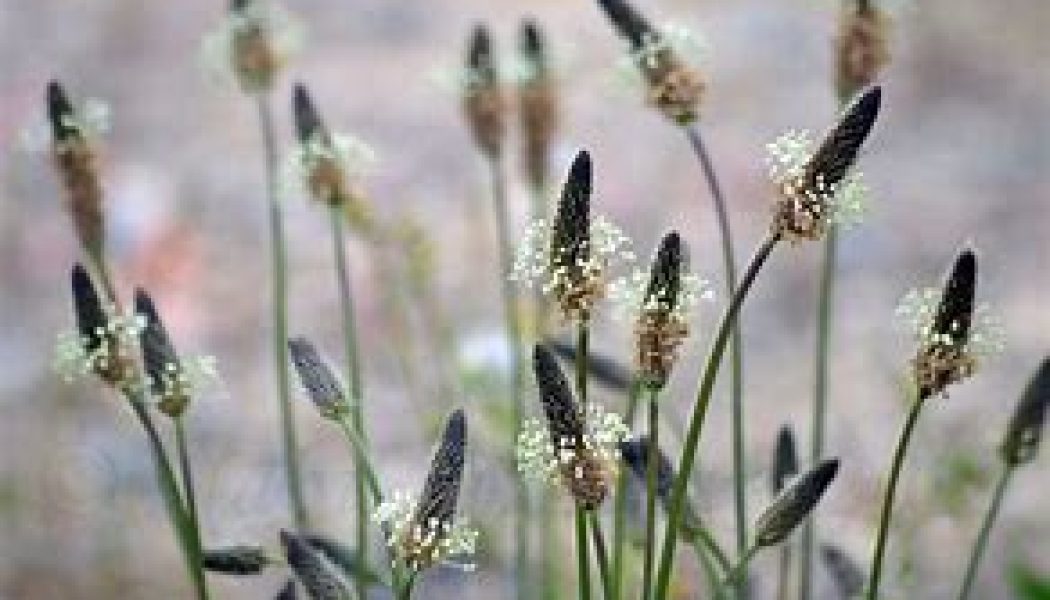

Plantain (Plantago lanceolota)
Plantain (Plantago lanceolata), often called ribwort or narrowleaf plantain, is a humble yet powerful herb found in meadows, lawns, and roadsides across the world. Its long, lance-shaped leaves are ea...
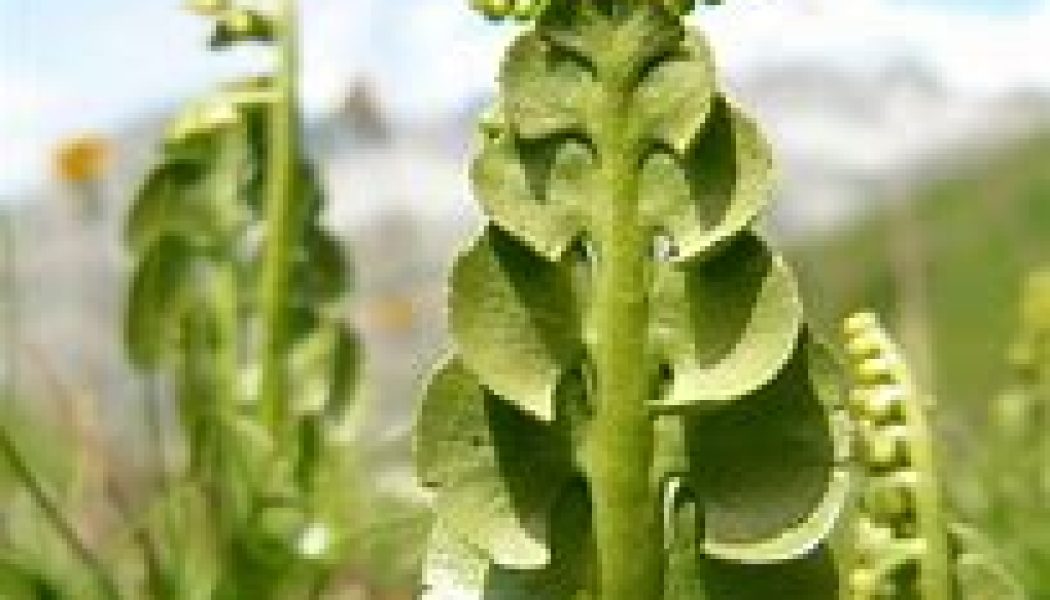

Moon Wort
Moonwort—Botrychium lunaria—is a small, enigmatic fern steeped in magic and mystery, cherished by herbalists and witches alike for centuries. Its name comes from the distinctive, crescent-shaped leafl...
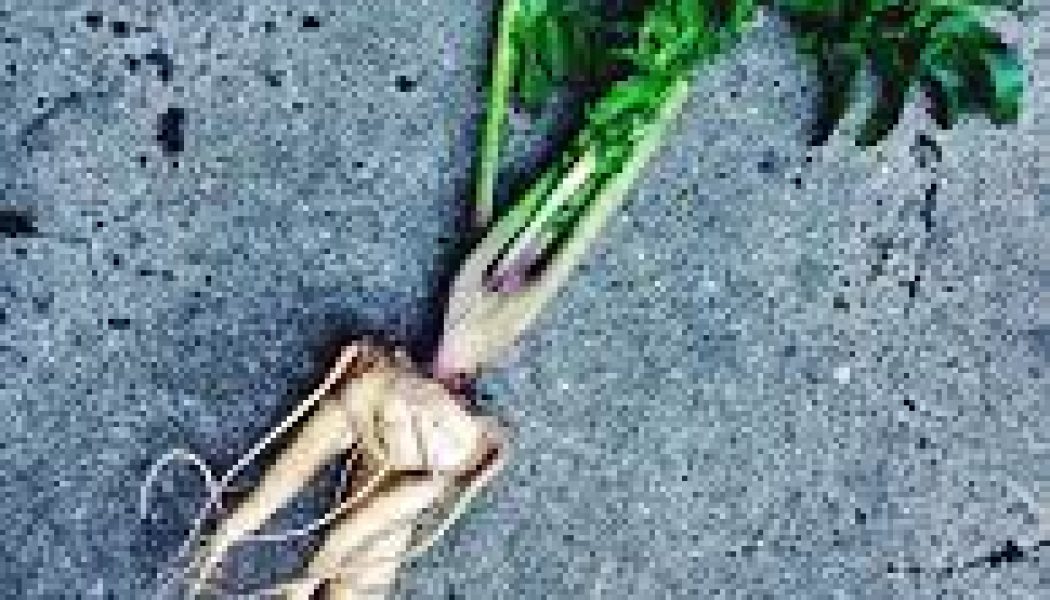

Mandrake
Mandrake, or Mandragora officinarum, is a plant whose magical reputation is as deep and tangled as its roots. For centuries, witches, magicians, and herbalists have revered the mandrake as one of the ...
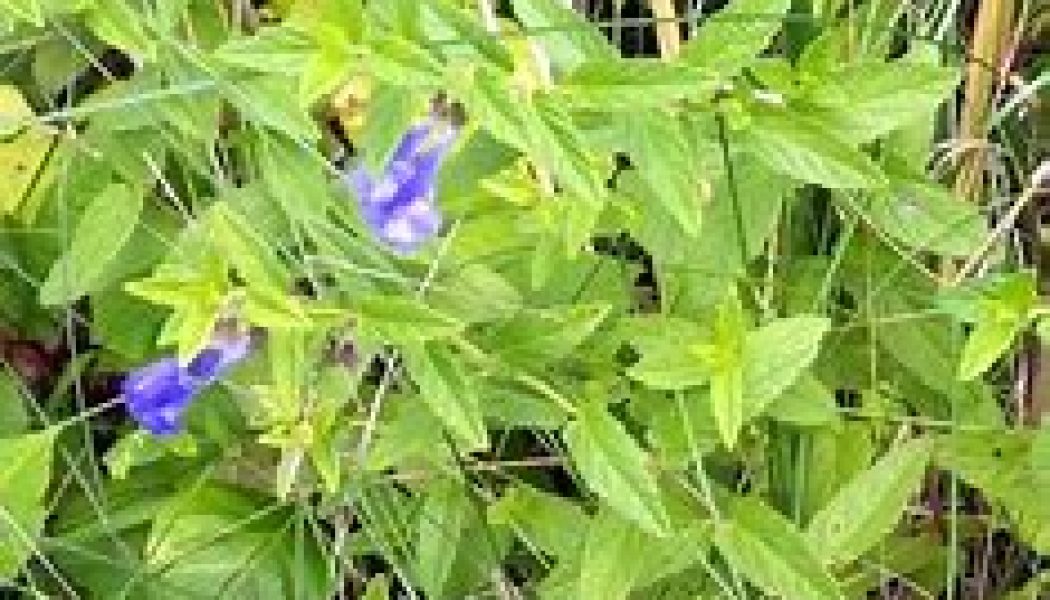

Skullcap (Scutulleria nodosa)
Scutellaria nodosa—a graceful perennial herb whose gentle power has been cherished by herbalists, healers, and magical practitioners for centuries. With its slender, square stems, opposite lance-shape...
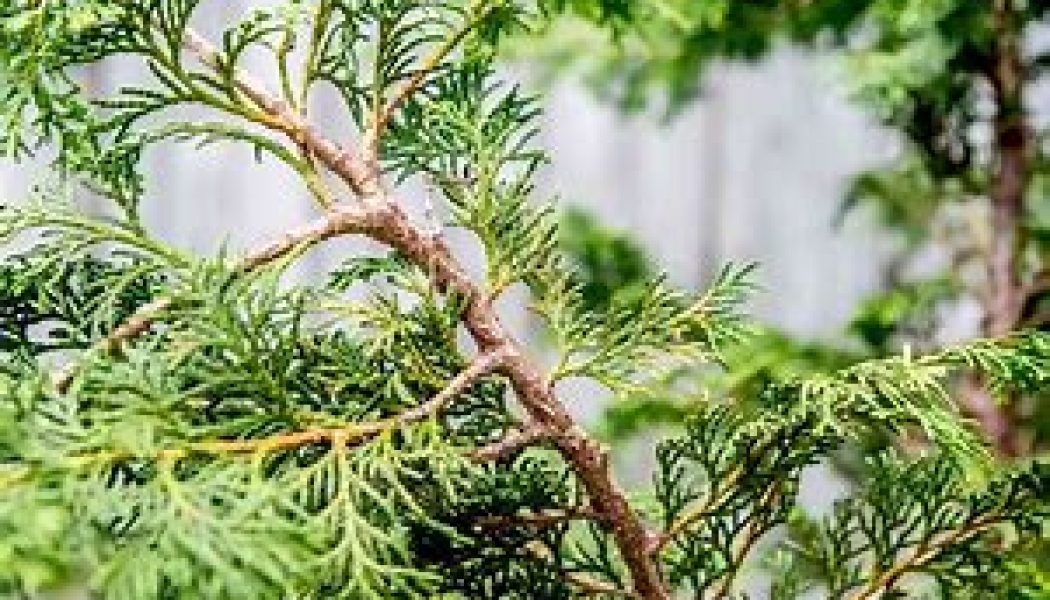

Cypress
The cypress tree, known botanically as Cupressus sempervirens, is a striking evergreen that has graced landscapes and sacred spaces for millennia. Towering up to 35 meters tall, its slender, columnar ...

Magical uses of plants and scents
The following is an overview of the traditional uses and attributed properties of various plants and scents, with a particular focus on Cypress (Cupressus sempervirens), as documented in historical an...

Birch (Betula Pedula)
BIRCH (Betula Pedula) Plant family: Birch Family (Hamamelids) Parts Used: Sap, leaves, bark and buds. Soil and Environment: Woodland and heath, moor, parklands and gardens. Copes well in sandy, acidic...
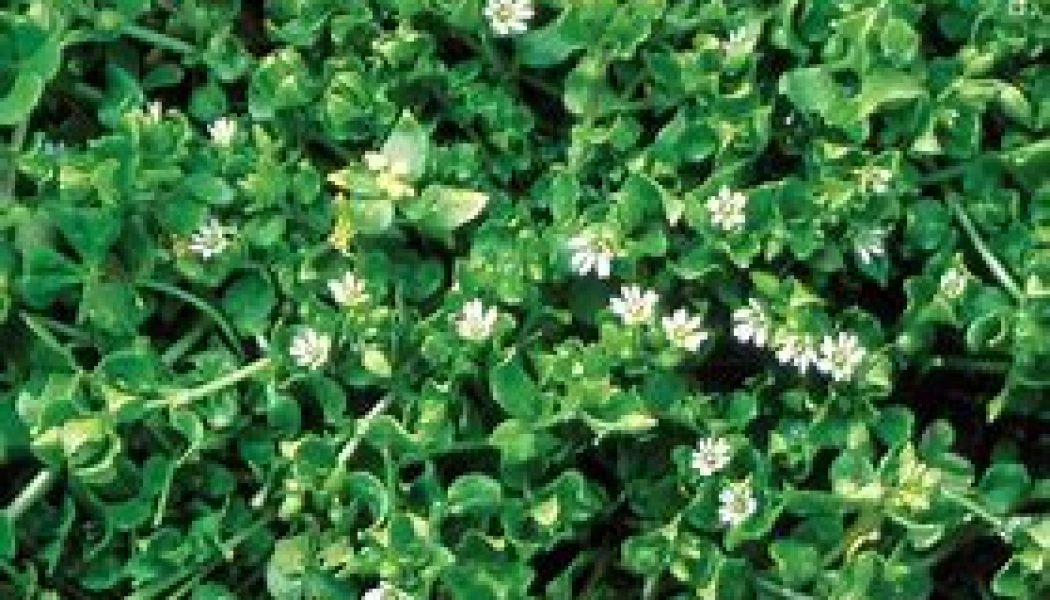

Chickweed (Stellaria media)
Chickweed (Stellaria media) is a delicate, low-growing herb that thrives in temperate climates. It features small, star-shaped white flowers and bright green, oval leaves that grow in pairs along its ...
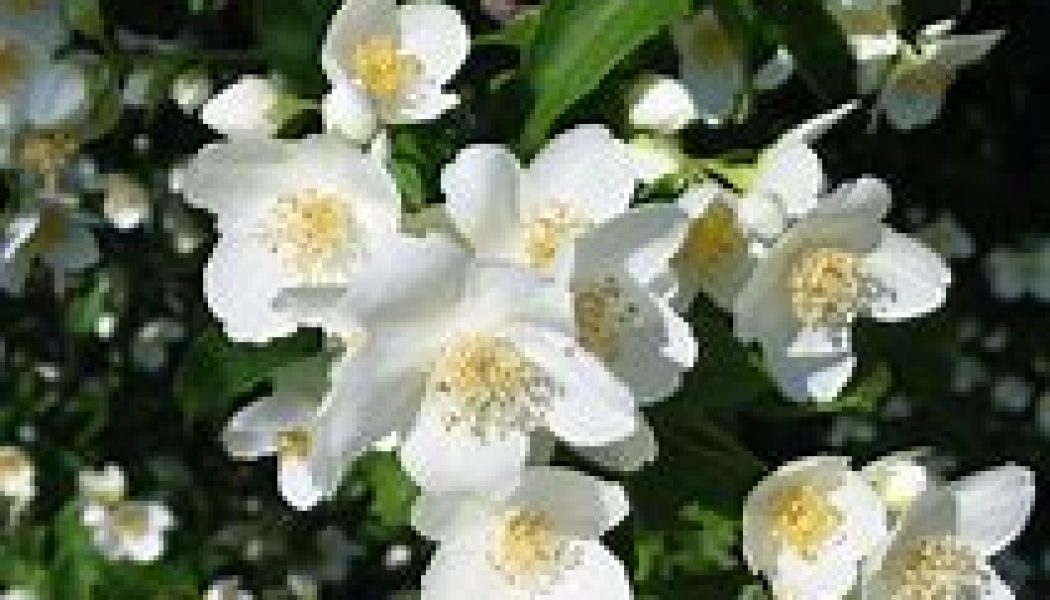

Jasmine
Jasmine flower awakens your spirit and opens your heart to great energies involving all matters of Love, as Jasmine helps to attract love into your life in all forms. Long used as an aphrodisiac throu...
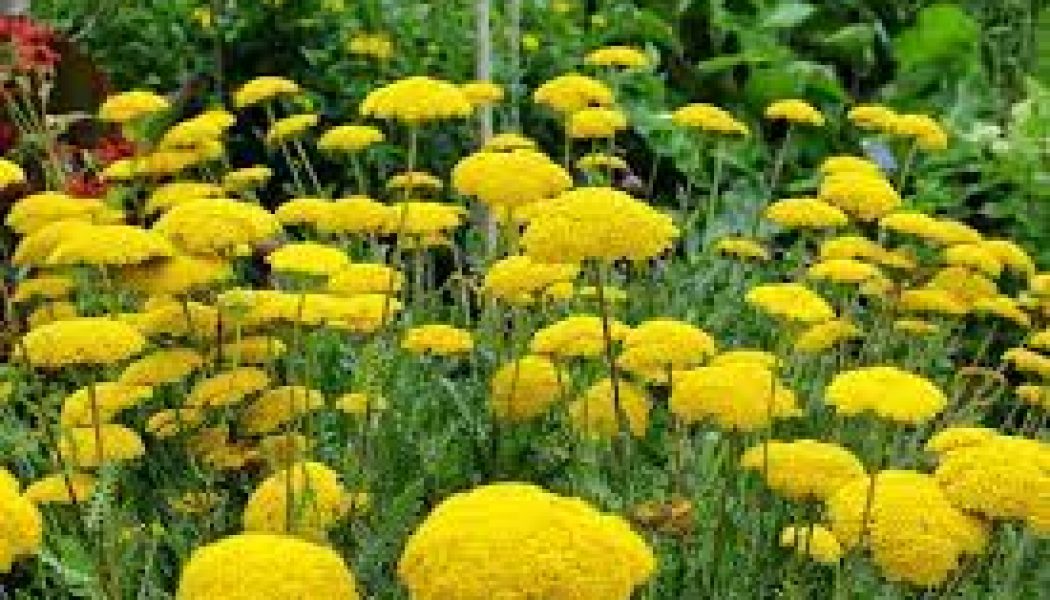

Cloth of Gold
Cloth of Gold, known botanically as Crocus angustifolia, is a radiant herald of spring, its golden-yellow blooms unfurling like sunlight across meadows and ancient ruins. This enchanting plant feature...
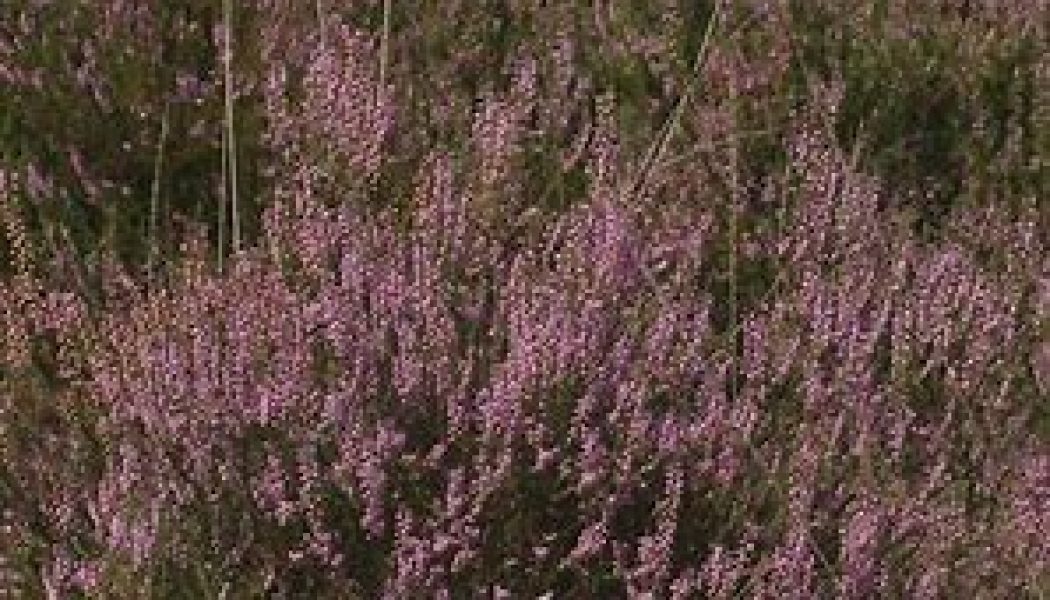

Heather (Calluna vulgaris)
Heather—known botanically as Calluna vulgaris or, in the case of bell heather, Erica cinerea—is a hardy, evergreen shrub that paints wild moors and hillsides with a sea of purple, pink, and white. Its...
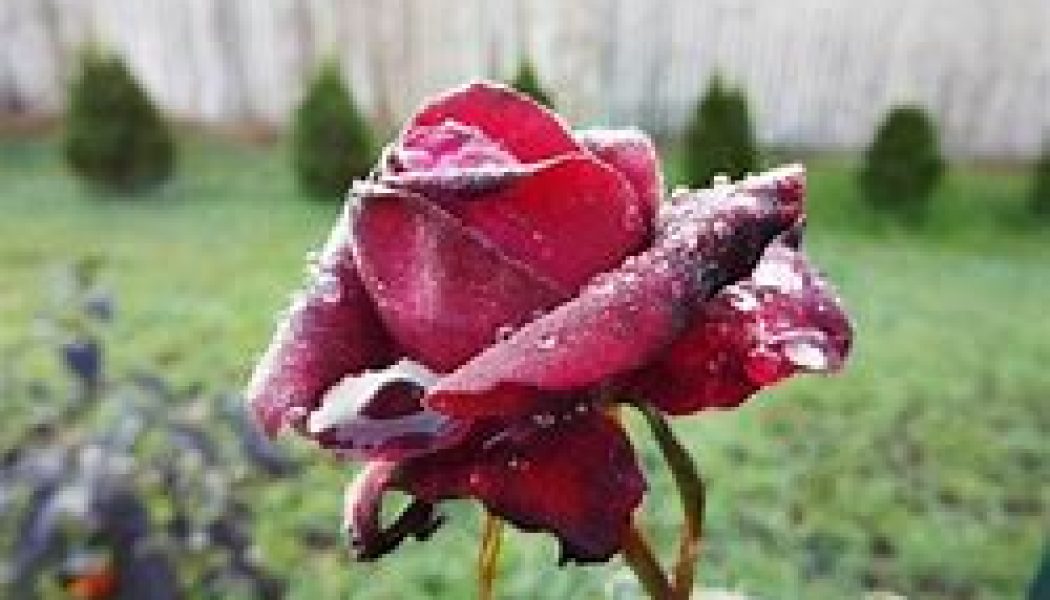

Roses
Roses are among the most magickal and versatile herbs, holding the highest vibrational frequency of all plants. Revered for over 5,000 years, roses have been woven into the fabric of myth, medicine, a...
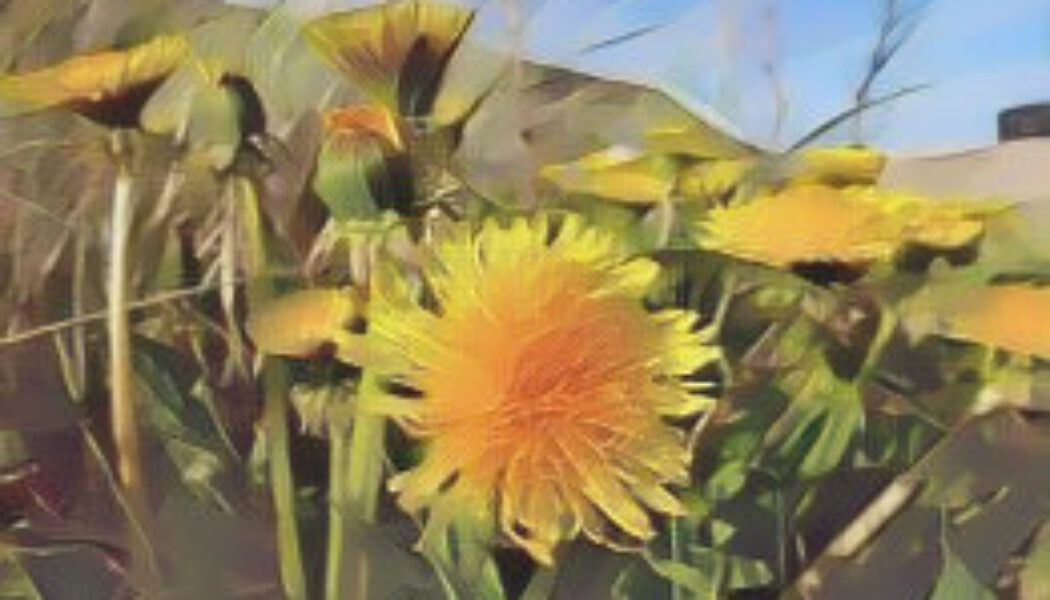

Dandelion (taraxacum officinale)
Dandelion, or Taraxacum officinale, is a familiar sight in meadows, gardens, and even city sidewalks. This resilient plant is easily recognized by its bright yellow, sun-shaped flowers and deeply toot...
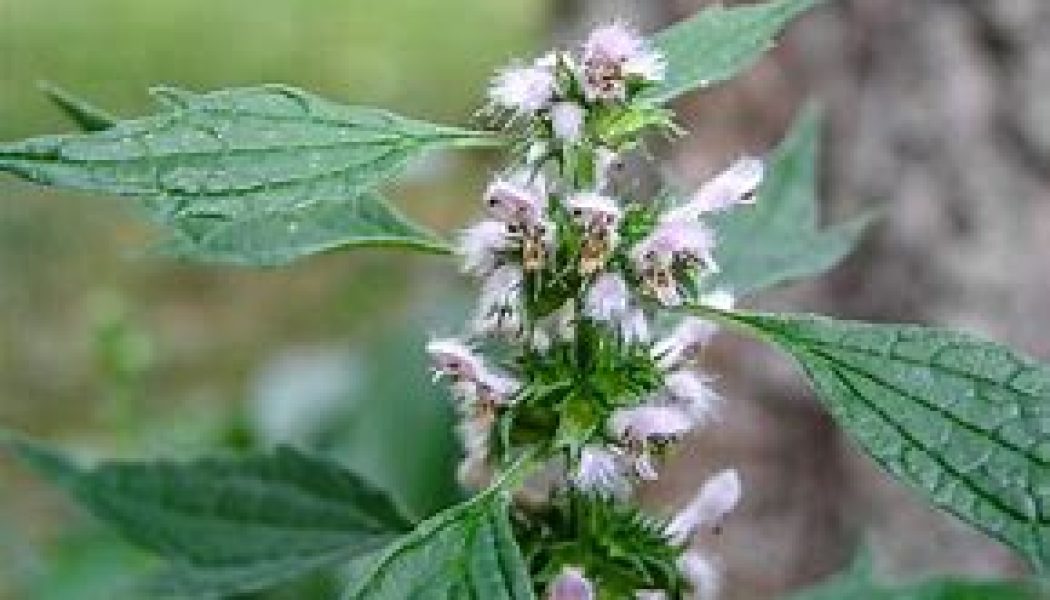

Motherwort (Leonorus Cardiaca)
Motherwort, or Leonorus cardiaca, is a perennial herb in the mint family, easily recognized by its tall, square stems, deeply lobed, palmate leaves, and clusters of small, fuzzy pink to lilac flowers ...
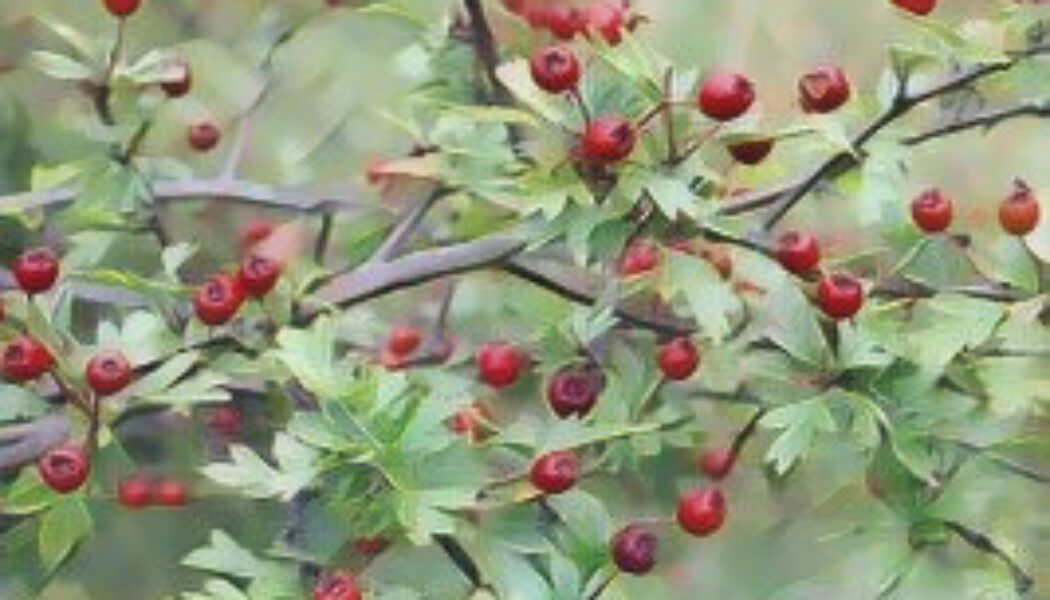

Hawthorn (Crataegus oxycanthus)
Hawthorn, or Crataegus oxycanthus, is a small, deciduous tree or shrub, easily recognized by its dense, thorny branches, deeply lobed glossy leaves, and clusters of fragrant white or pink blossoms tha...
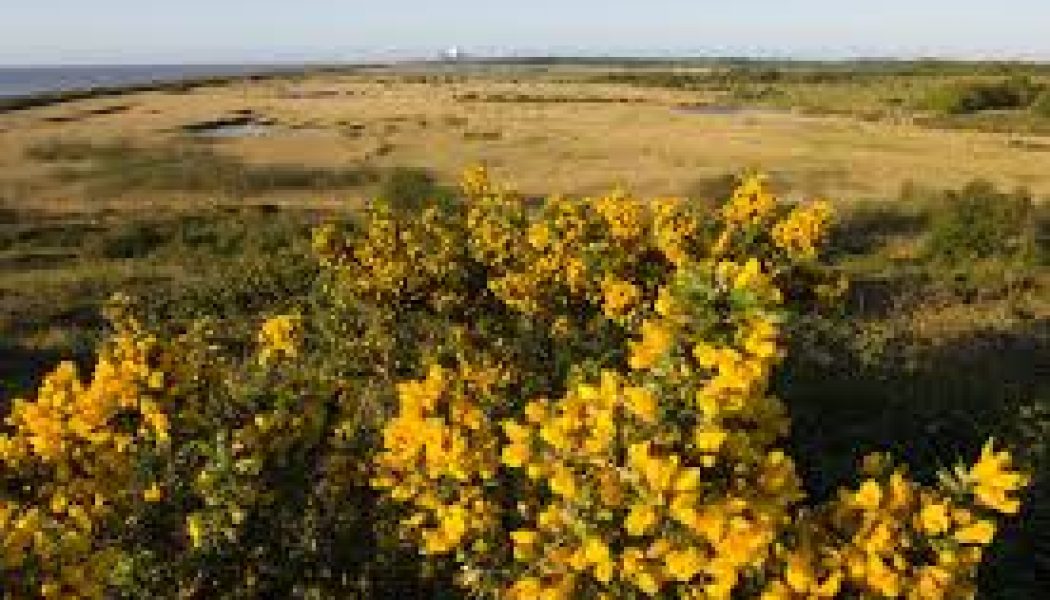

Gorse
Gorse, or Ulex, is a striking genus of evergreen shrubs in the pea family Fabaceae, renowned for its impenetrable thickets and radiant golden blooms. Native to western Europe and northwest Africa, gor...