We would like to disclose that this website may contain affiliate links. This means that if you click on a product link and make a purchase, we may earn a commission. As an Amazon & eBay Partner Network Associate, we earn from qualifying purchases.
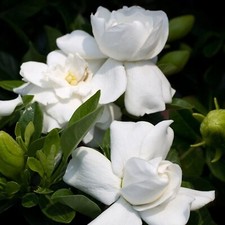
Cape Jasmine, more commonly known as gardenia, is a fragrant flowering plant admired for its creamy white blossoms and glossy evergreen leaves. Native to parts of Asia, especially China and Japan, Cape Jasmine has long been cultivated for its beauty, perfume, and symbolic meaning. Beyond its ornamental value, the plant also holds a respected place in folklore and witchcraft traditions, where it is associated with peace, love, purity, and spiritual protection.
In magical practices, Cape Jasmine is often connected to the energies of the moon and the element of water. Its sweet scent is believed to calm the mind and attract harmonious emotions, making it a popular flower in rituals involving love, friendship, and emotional healing. Practitioners of folk magic sometimes place fresh blossoms in bedrooms or on altars to encourage peaceful dreams and strengthen bonds between loved ones.
The white petals of the flower symbolize purity and spiritual clarity. Because of this, Cape Jasmine is frequently used in cleansing rituals and meditation practices. Some traditions believe the flower can help open intuition and encourage honest communication with spirits or ancestors. Dried petals may be added to charm bags, incense blends, or ritual baths to promote tranquility and emotional balance.
Cape Jasmine is also thought to offer protection from negative energy. In certain forms of witchcraft, the plant is grown near the home to create a calm and spiritually safe environment. The fragrance itself is believed to lift heavy emotions and invite positive vibrations into a sacred space.
Historically, flowers with strong fragrances have often been linked to divine or mystical forces, and Cape Jasmine is no exception. In Eastern traditions, gardenias were symbols of refinement, peace, and hidden wisdom. Over time, these symbolic meanings blended naturally into magical practices around the world.
Today, Cape Jasmine remains a beloved plant among modern spiritual practitioners. Whether used for decoration, meditation, or ritual work, it continues to symbolize beauty, serenity, and the gentle power of nature within witchcraft traditions.