
Plants C
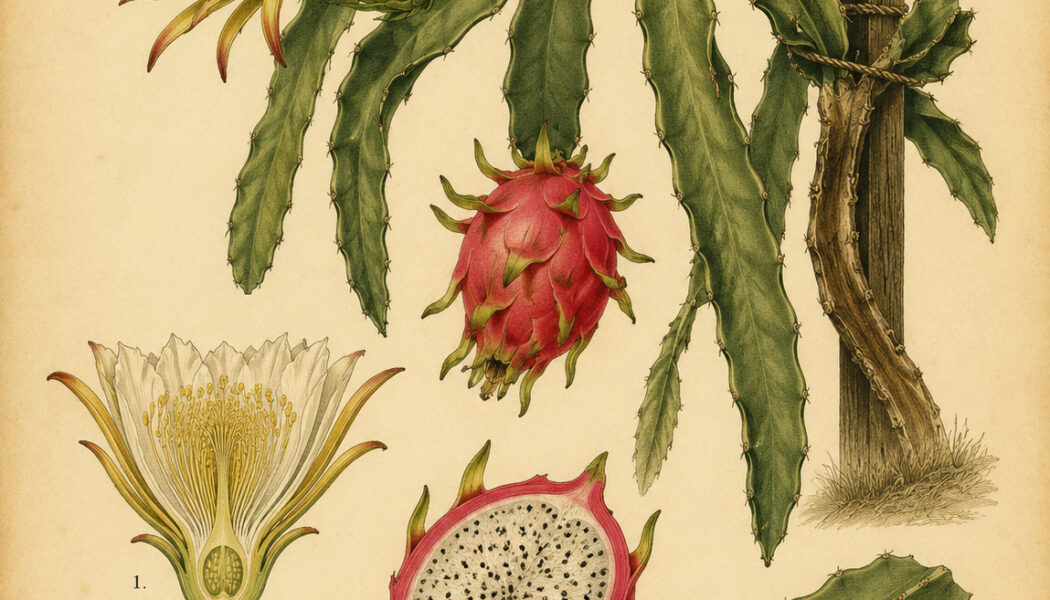

Dragon Fruit Cactus: A Symbol of Resilience, Abundance, and Magical Growth
The Dragon Fruit Cactus (Selenicereus undatus, formerly Hylocereus undatus) is a climbing cactus native to Central and South America that is now grown throughout tropical and subtropical regions aroun...
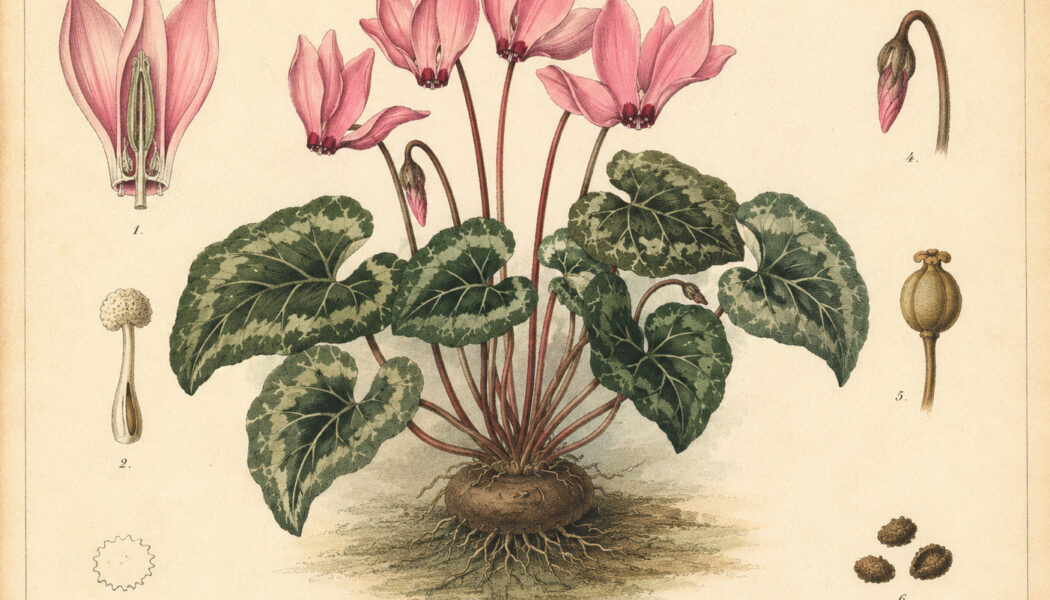

Cyclamen: A Delicate Flower in Nature, Paganism, and Witchcraft
Cyclamen is a beautiful flowering plant known for its delicate, upswept petals and heart-shaped leaves. Native to parts of Europe, the Mediterranean, and the Middle East, cyclamen thrives in woodland ...
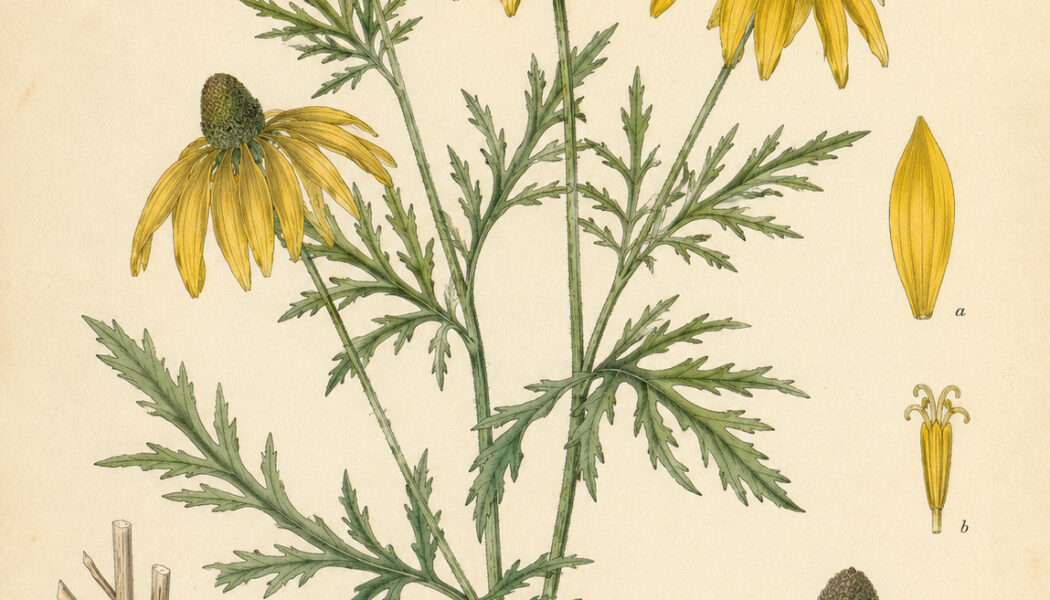

Cutleaf Coneflower: A Bright Wildflower in Nature, Paganism, and Witchcraft
Cutleaf Coneflower (Rudbeckia laciniata) is a tall, striking wildflower native to North America. It belongs to the daisy family and is recognized by its drooping yellow petals and greenish-yellow cent...
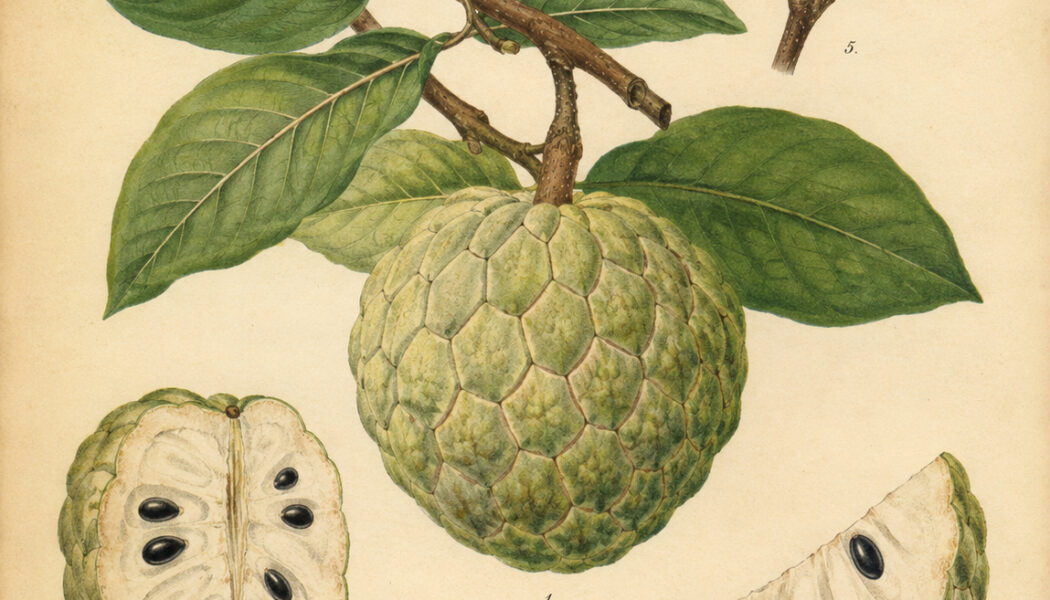

Custard Apple: A Sweet Fruit in Folklore, Paganism, and Witchcraft
The custard apple (Annona squamosa) is a small tropical fruit-bearing tree native to the Americas and now cultivated throughout Asia, Africa, and other warm regions of the world. Known for its green, ...
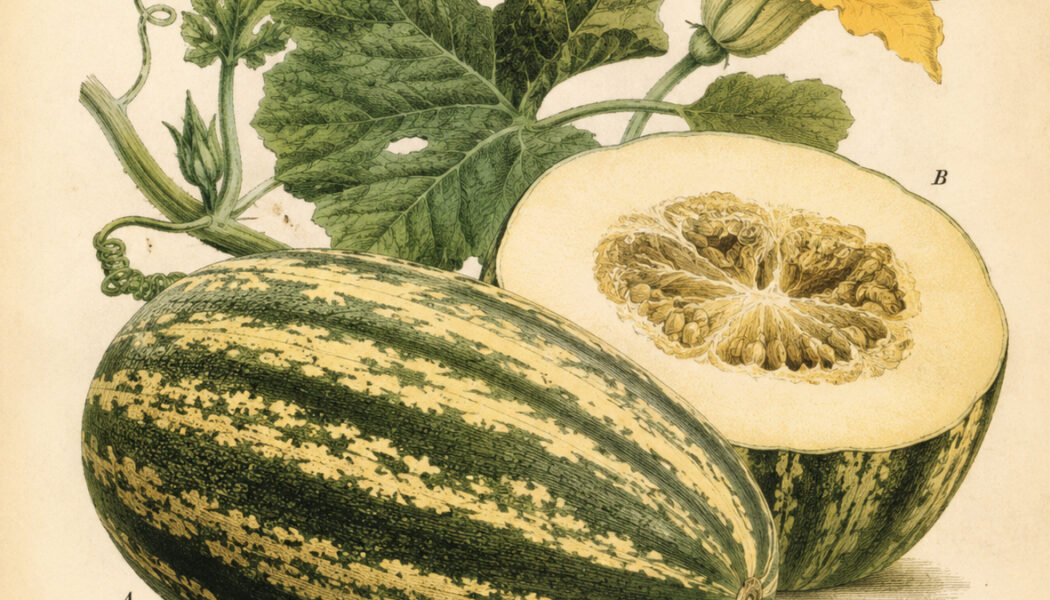

Cushaw: The Golden Gourd in Paganism and Witchcraft
Cushaw is a distinctive variety of winter squash known for its curved neck, pale green stripes, and sweet, golden flesh. Native to the Americas, this hardy plant has been cultivated for centuries by I...
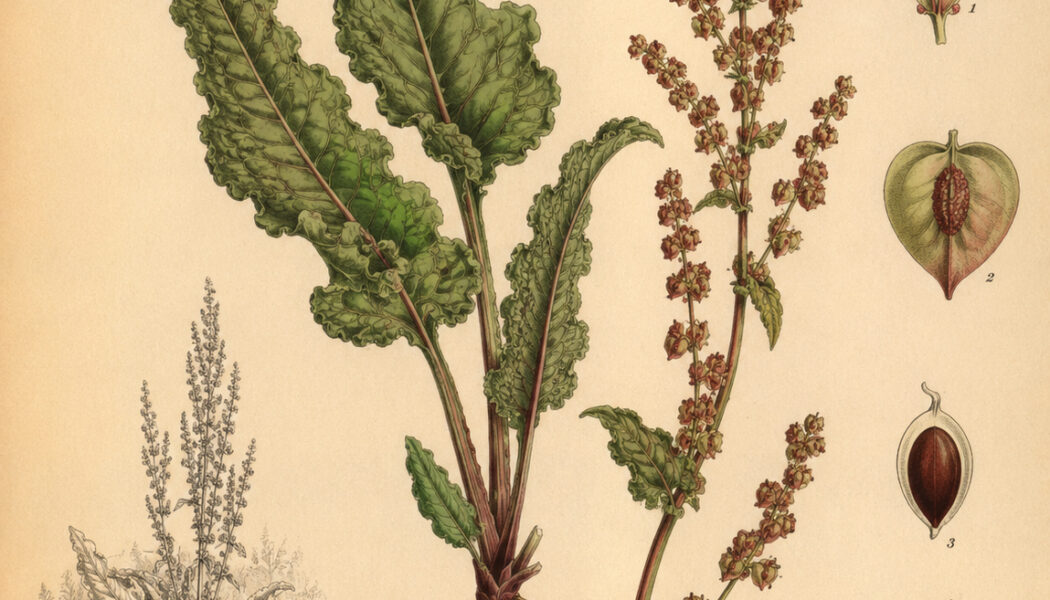

Curly Dock: A Resilient Plant in Paganism and Witchcraft
Curly Dock (Rumex crispus) is a hardy perennial plant found throughout Europe, Asia, and North America. Easily recognized by its long, wavy-edged leaves and tall stalks of reddish-brown seeds, it ofte...
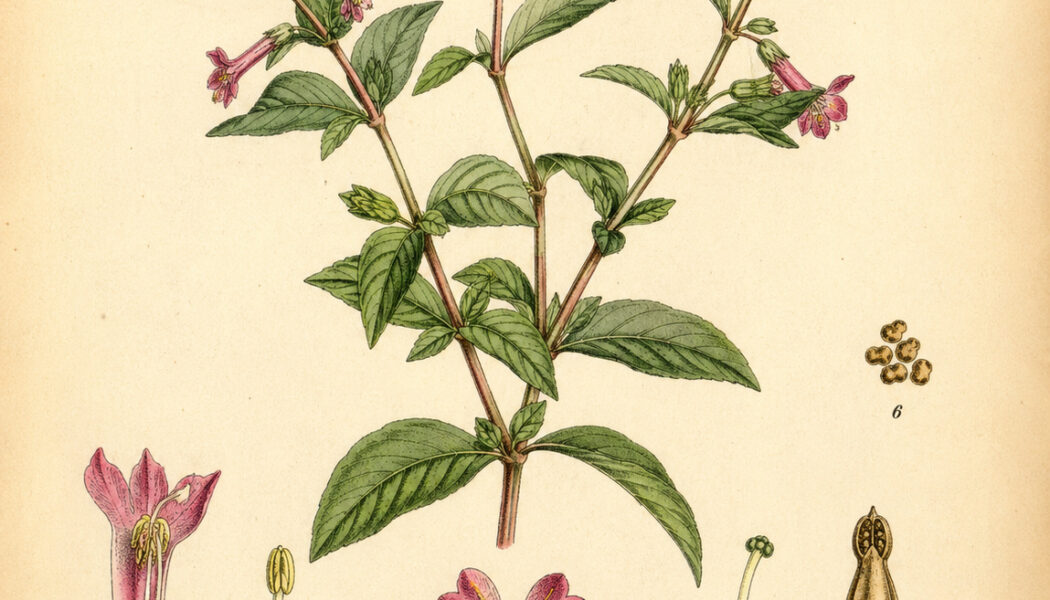

Cuphea: A Vibrant Plant in Nature, Paganism, and Witchcraft
Cuphea is a genus of flowering plants that belongs to the loosestrife family, Lythraceae. Native to the Americas, particularly Mexico, Central America, and parts of South America, Cuphea includes more...
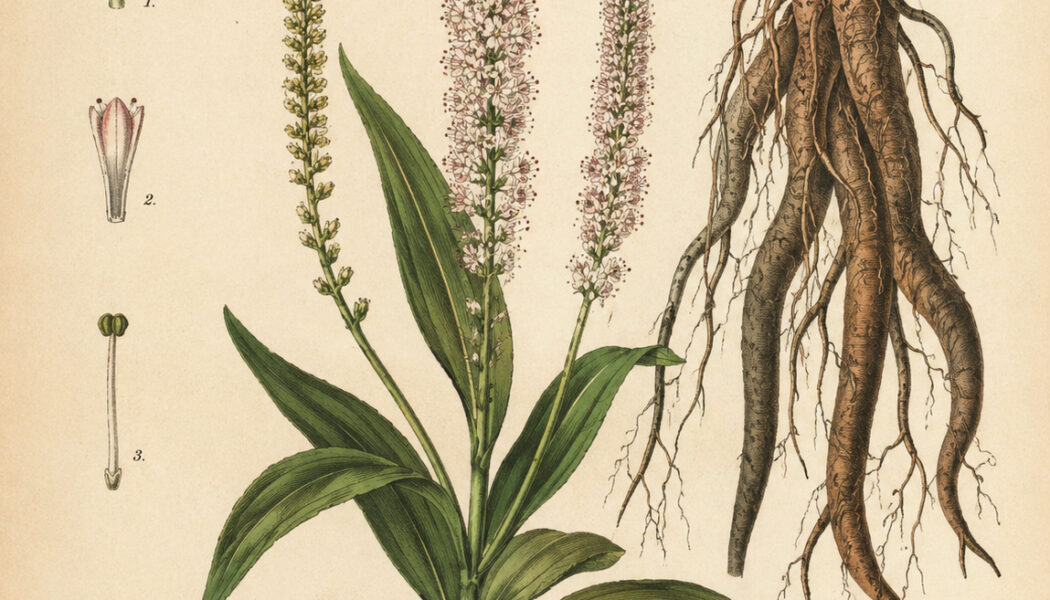

Culver’s Root: A Sacred Herb in Paganism and Witchcraft
Culver’s Root (Veronicastrum virginicum) is a tall, elegant perennial plant native to North America. Recognized by its slender spikes of white, pink, or pale lavender flowers, it grows naturally in me...
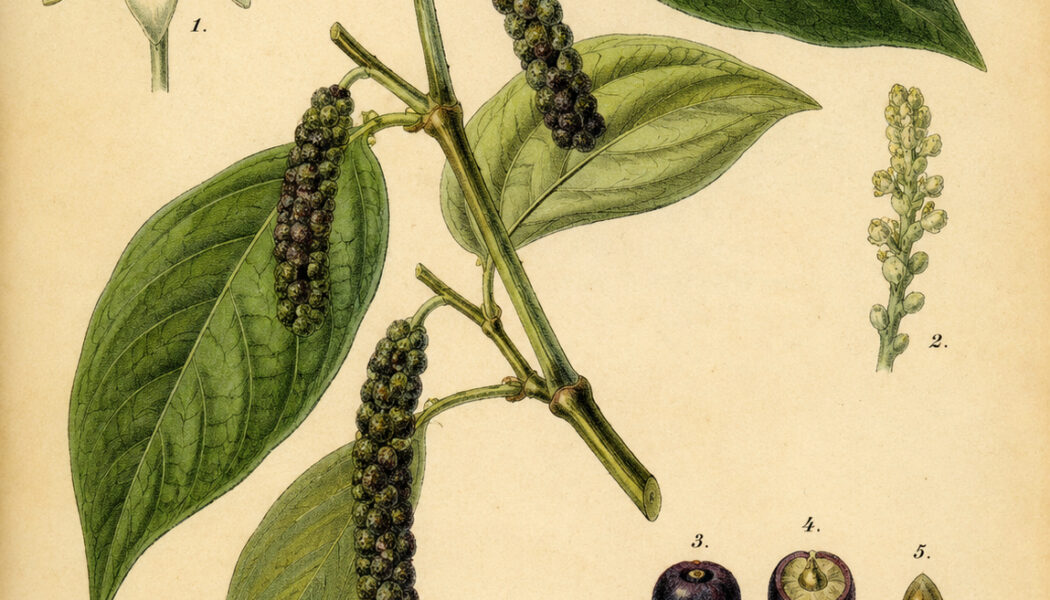

Cubeb: A Magical Spice in Paganism and Witchcraft
Cubeb (Piper cubeba), sometimes called tailed pepper or Java pepper, is a climbing plant native to Indonesia and other parts of Southeast Asia. Its small, dark berries resemble black peppercorns but a...
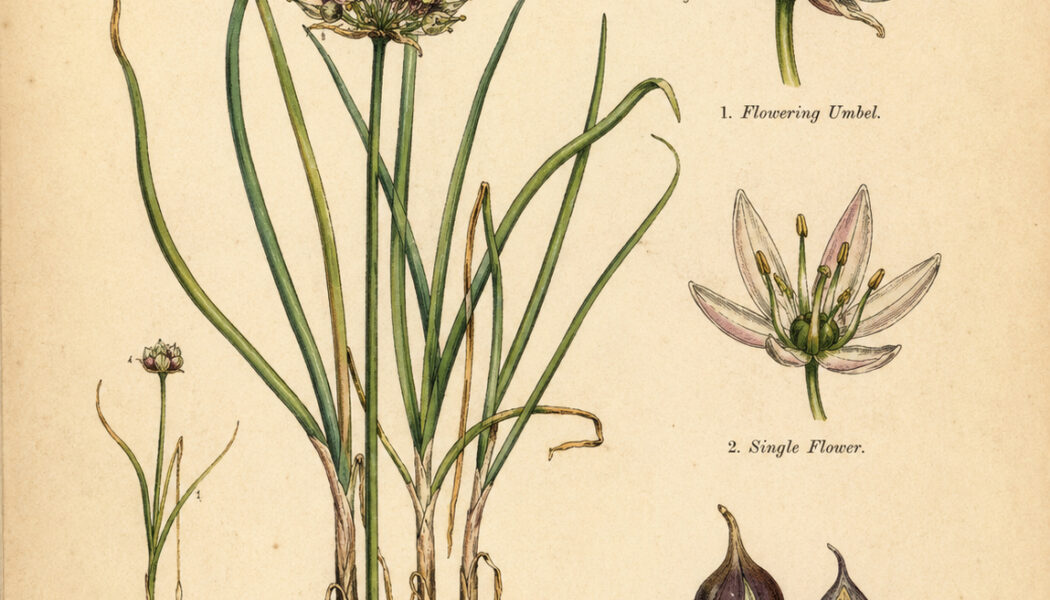

Crow Garlic: A Wild Plant of Protection and Purification
Crow Garlic (Allium vineale), also known as wild garlic, field garlic, or vineale garlic, is a hardy perennial plant that belongs to the onion family. Native to Europe, Asia, and parts of North Africa...
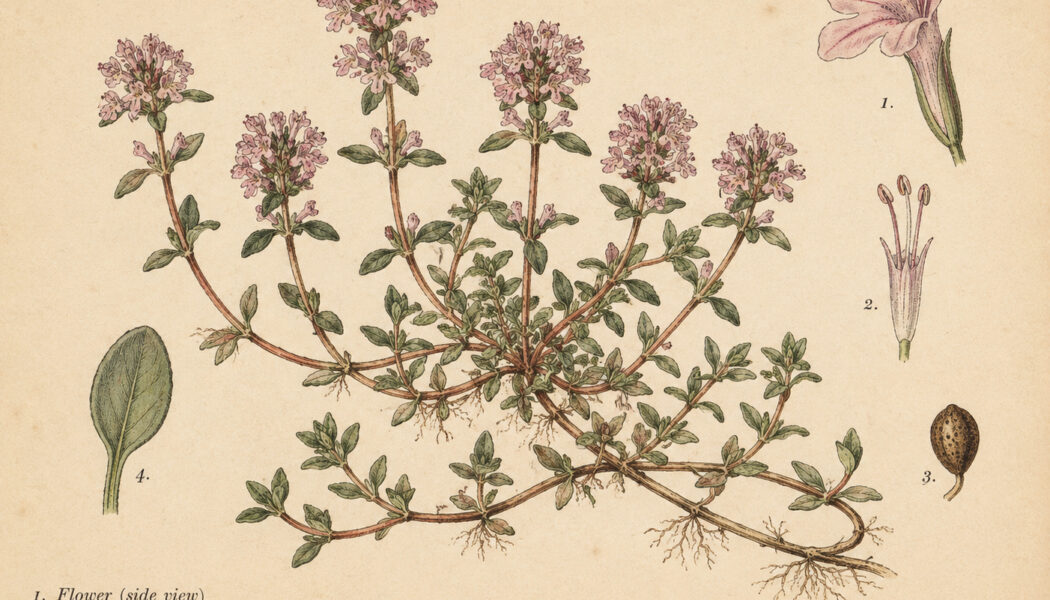

Creeping Thyme: A Fragrant Herb in Nature, Paganism, and Witchcraft
Creeping Thyme (Thymus serpyllum) is a low-growing, perennial herb known for its tiny aromatic leaves and delicate pink to purple flowers. Native to Europe and parts of Asia, it spreads across the gro...
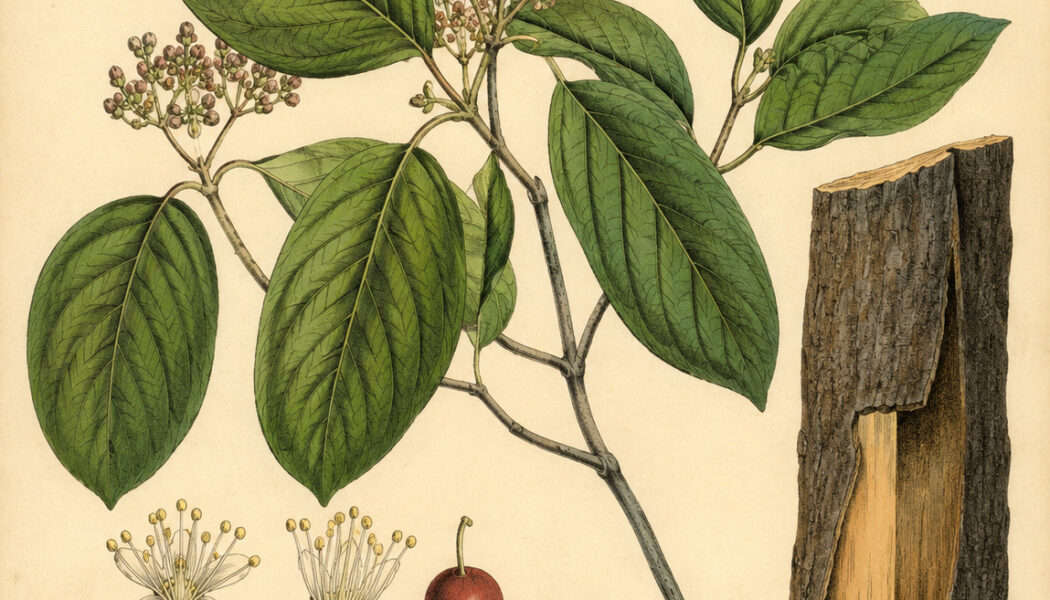

Cramp Bark: A Protective and Healing Plant in Paganism and Witchcraft
Cramp Bark (Viburnum opulus) is a deciduous shrub native to Europe, North Africa, and parts of Asia. Known for its clusters of white flowers and bright red berries, it has long been valued in traditio...
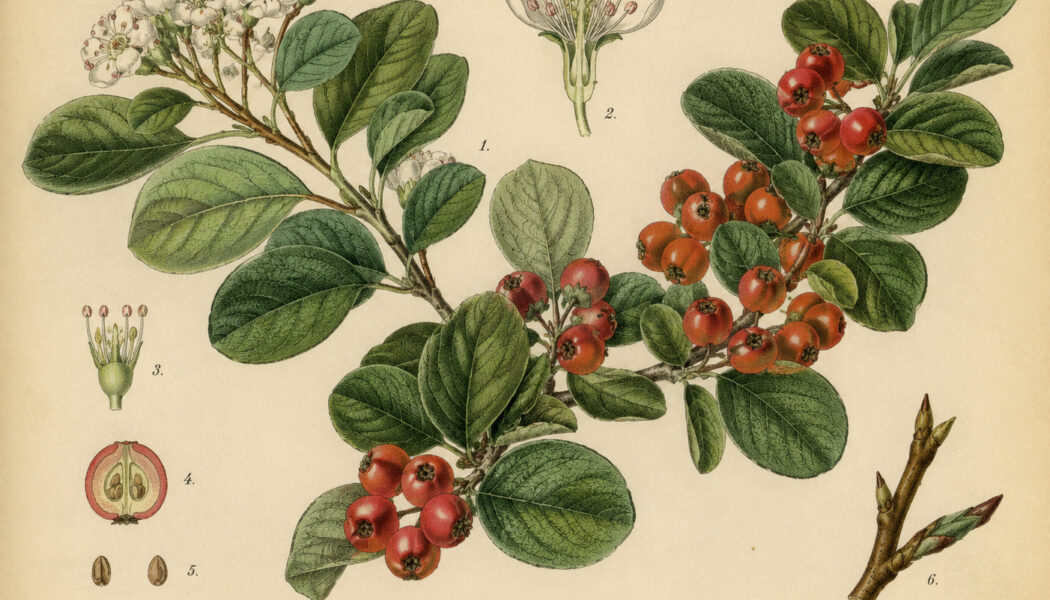

Cotoneaster: A Hardy Shrub in Nature, Paganism, and Witchcraft
Cotoneaster is a genus of flowering shrubs and small trees belonging to the rose family (Rosaceae). Native to parts of Europe, Asia, and North Africa, these plants are admired for their dense branches...
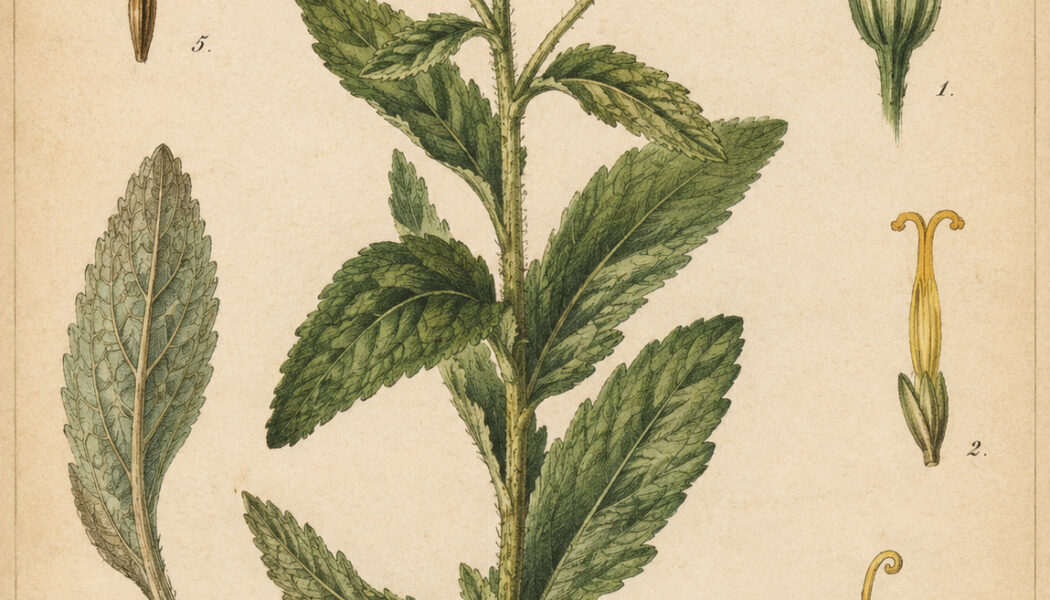

Costmary: The Fragrant Herb of Tradition, Paganism, and Witchcraft
Costmary (Tanacetum balsamita), sometimes known as alecost or Bible leaf, is a perennial herb belonging to the daisy family. Native to parts of Asia and widely cultivated throughout Europe and North A...
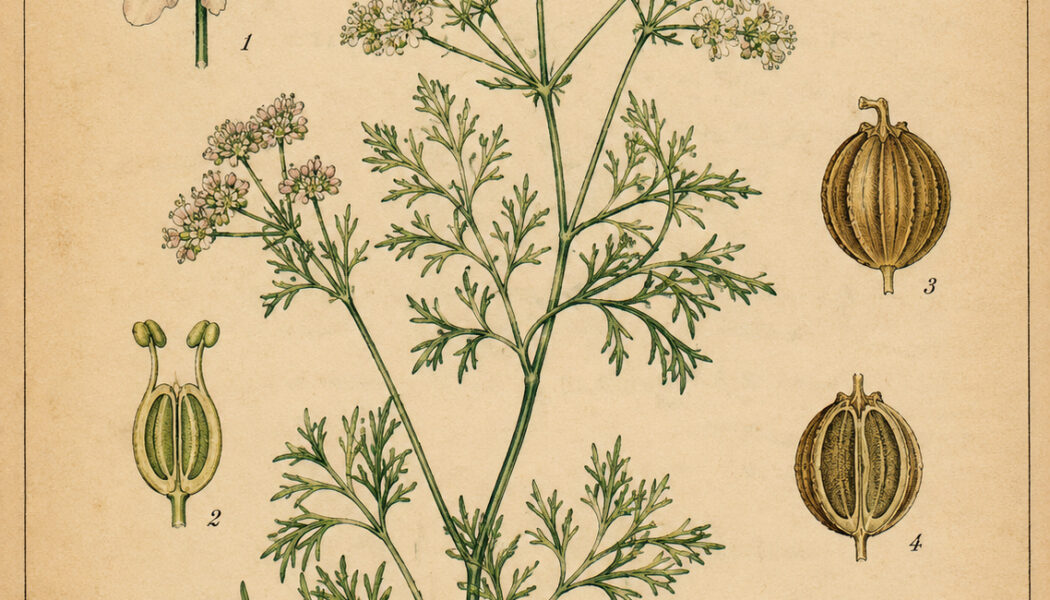

Coriander Seed: A Fragrant Herb of Magic, Protection, and Prosperity
Coriander seed comes from the coriander plant, scientifically known as Coriandrum sativum. This aromatic annual herb belongs to the parsley family and has been cultivated for thousands of years across...
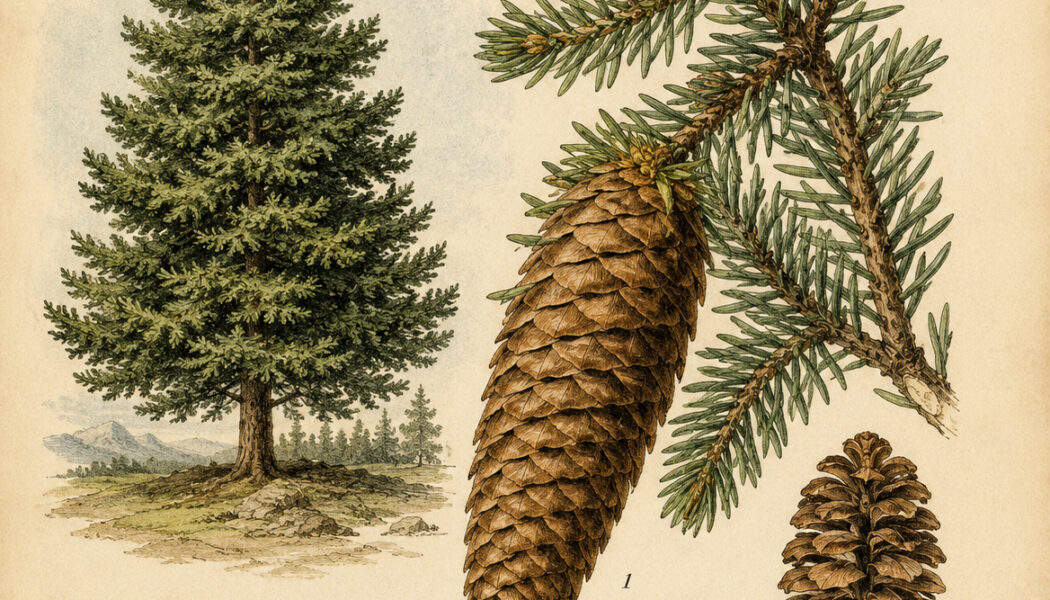

Cone Spruce: An Evergreen Symbol in Paganism and Witchcraft
Cone Spruce is a common name used for spruce trees that produce the familiar hanging cones associated with evergreen forests. Members of the spruce family belong to the genus Picea and are valued for ...
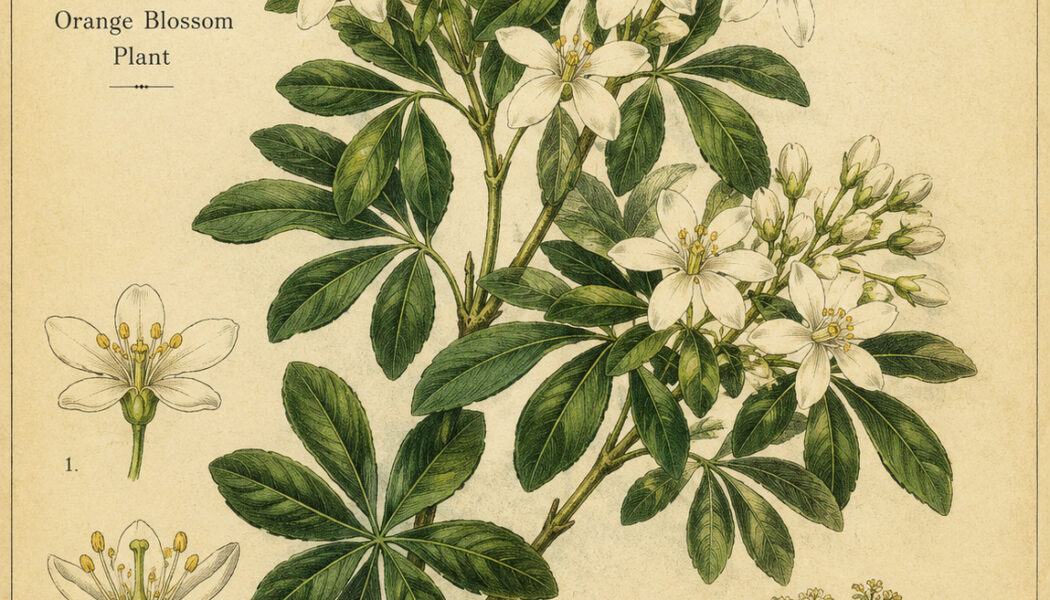

Choisya: The Mexican Orange Blossom in Paganism and Witchcraft
Choisya, commonly known as Mexican Orange Blossom, is an evergreen shrub admired for its glossy green leaves and clusters of fragrant white flowers. Native to Mexico and parts of the southwestern Unit...
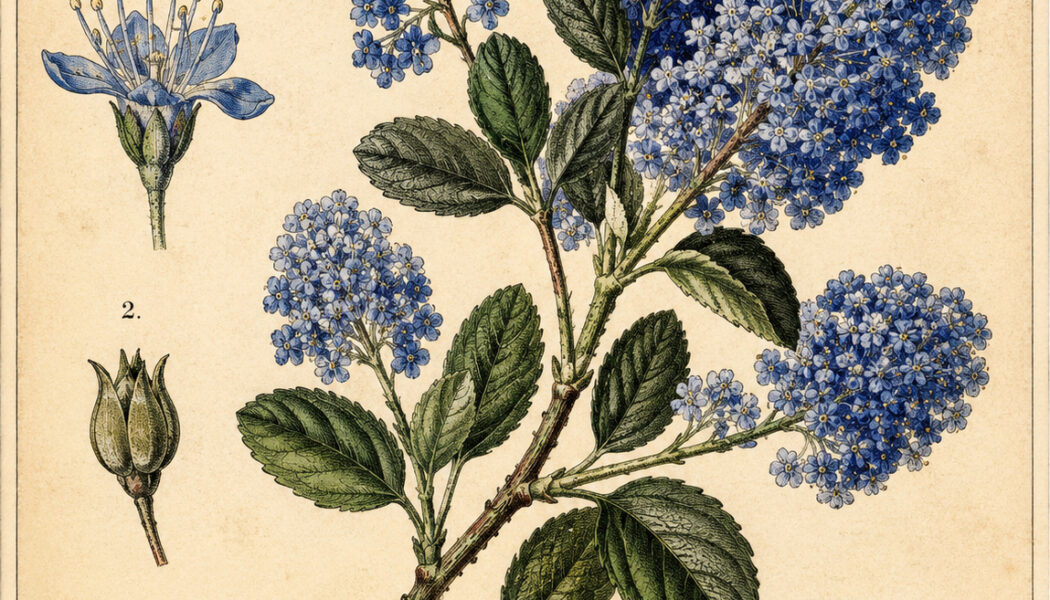

Ceanothus: The Sacred Blue Blossom in Paganism and Witchcraft
Ceanothus, commonly known as California lilac or wild lilac, is a beautiful flowering shrub prized for its clusters of delicate blue, purple, or white blossoms. Native primarily to North America, this...
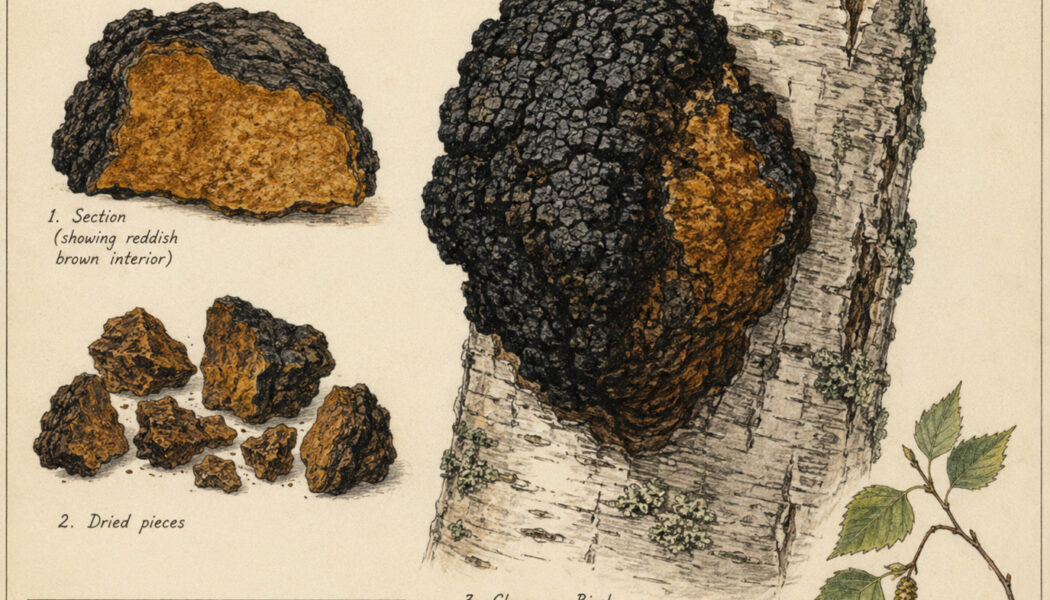

Chaga and Its Place in Paganism & Witchcraft
Chaga (Inonotus obliquus) is a medicinal fungus that grows primarily on birch trees in the cold forests of Northern Europe, Siberia, Scandinavia, and parts of North America. Recognizable by its dark, ...
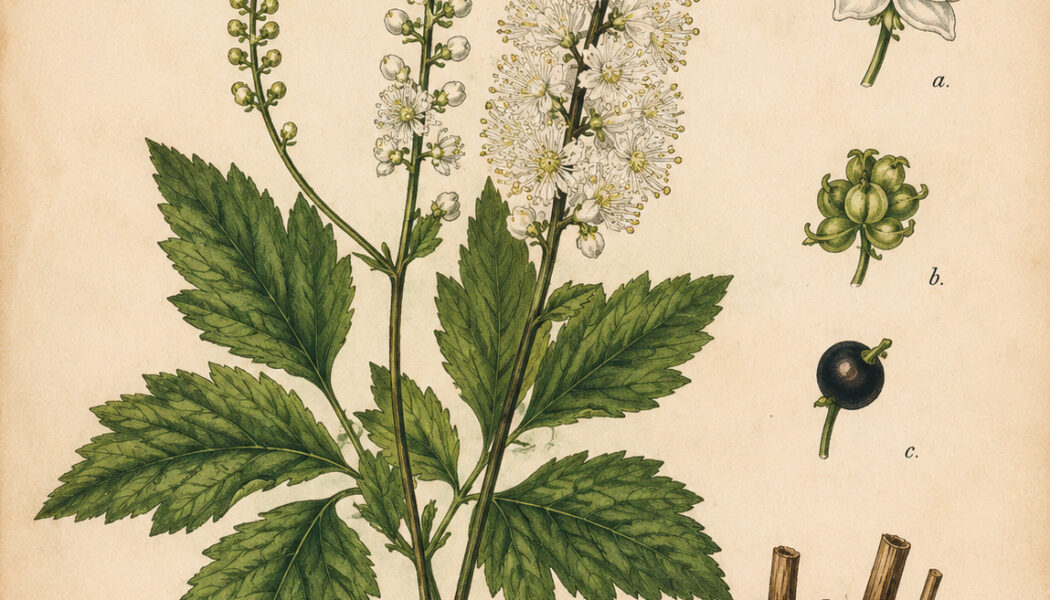

Cohosh and Its Place in Paganism & Witchcraft
Cohosh is a perennial woodland plant most commonly known in two varieties: black cohosh (Actaea racemosa) and blue cohosh (Caulophyllum thalictroides). Native to North America, these plants have long ...
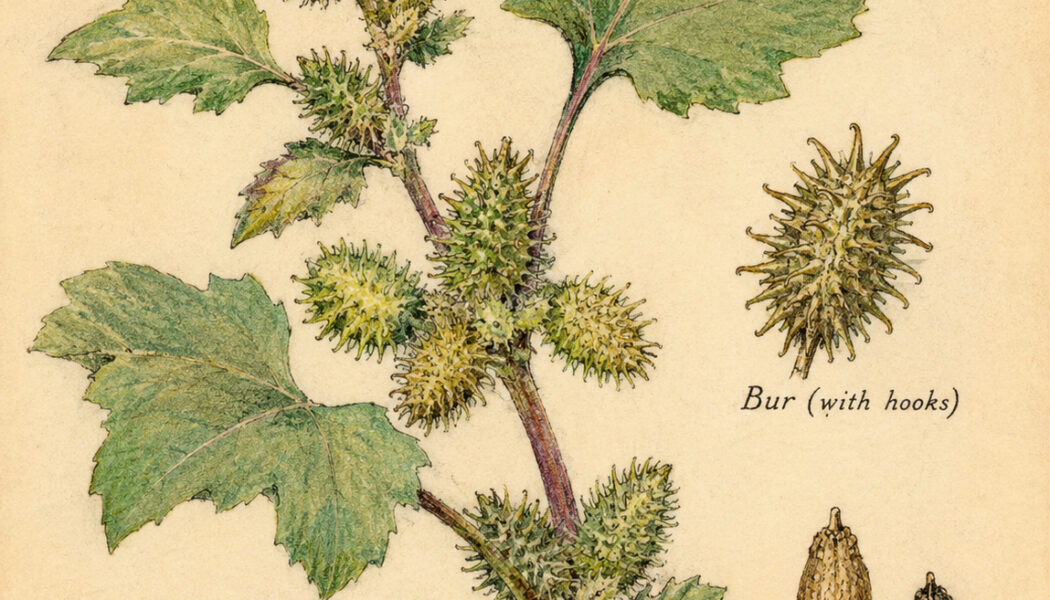

Cocklebur: A Thorny Plant of Protection and Persistence in Paganism and Witchcraft
Cocklebur (Xanthium spp.) is a hardy annual plant known for its rough leaves and distinctive burr-covered seed pods that cling stubbornly to fur, clothing, and passing travelers. Often regarded as a c...
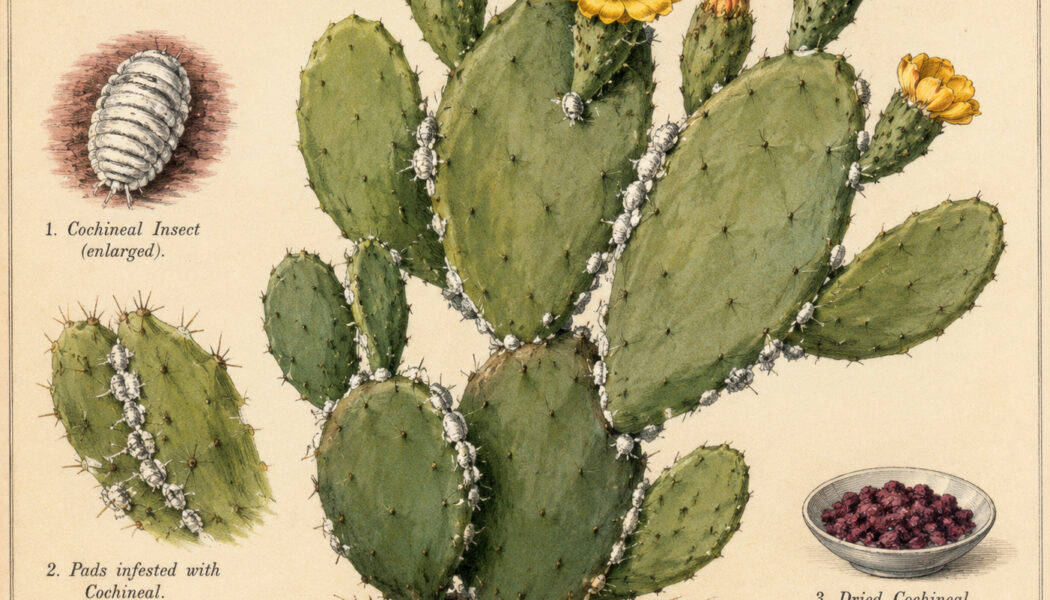

The Cochineal Cactus and Its Place in Paganism & Witchcraft
The Cochineal Cactus, most commonly associated with the prickly pear cactus (Opuntia species), holds a unique place in both natural history and magical practice. Named for its relationship with the co...
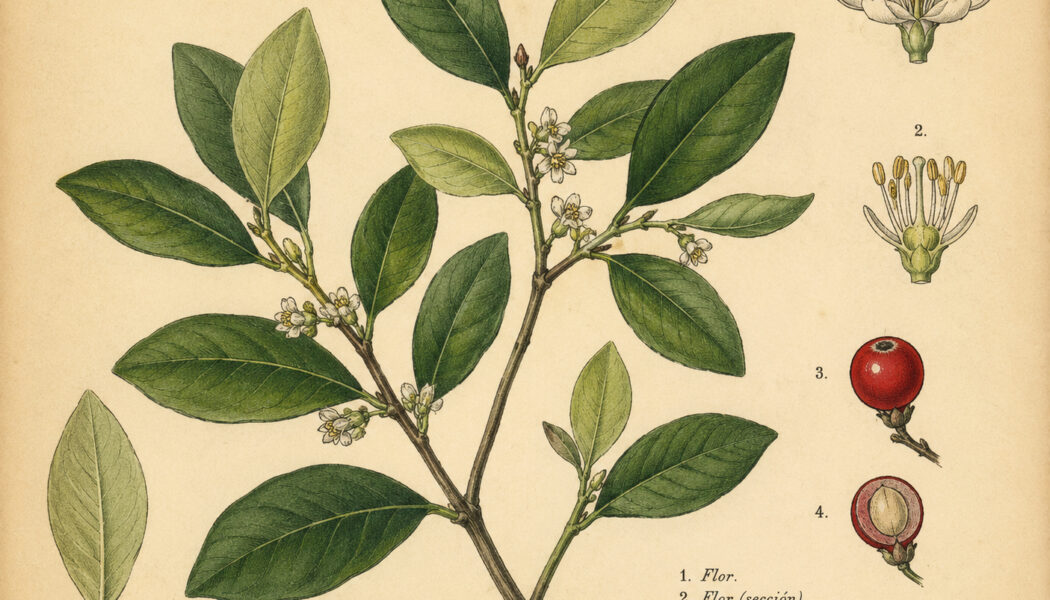

Coca and Its Place in Paganism and Witchcraft
The coca plant (Erythroxylum coca) is a sacred shrub native to the Andes Mountains of South America. For thousands of years, Indigenous peoples in regions such as Peru, Bolivia, Colombia, and Ecuador ...
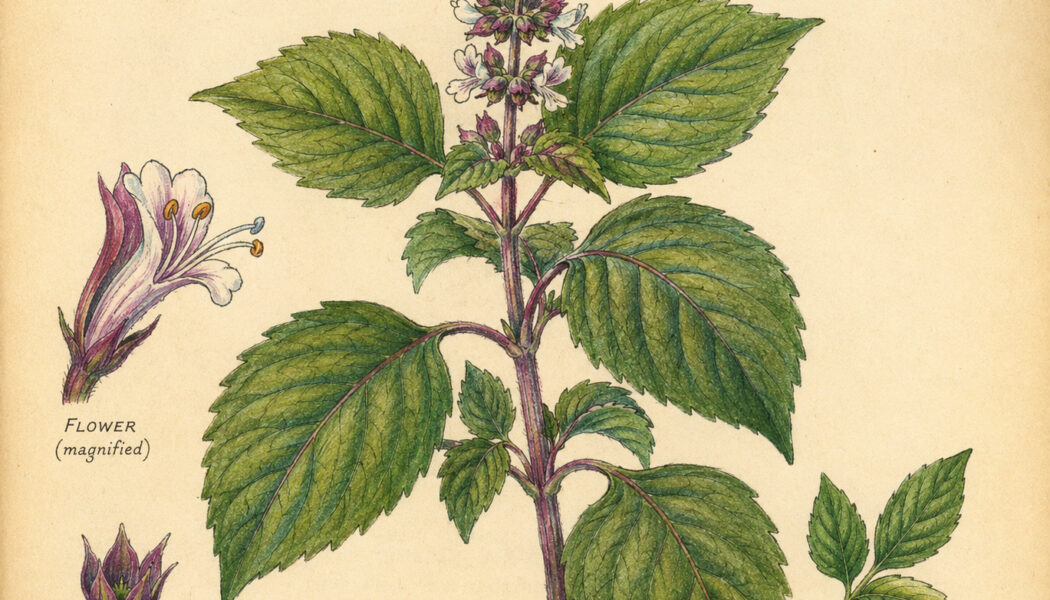

Clove Basil: A Sacred Herb in Paganism and Witchcraft
Clove Basil (Ocimum gratissimum), sometimes called African Basil or Tree Basil, is a fragrant herb known for its warm, spicy aroma that closely resembles cloves. Native to tropical regions of Africa a...
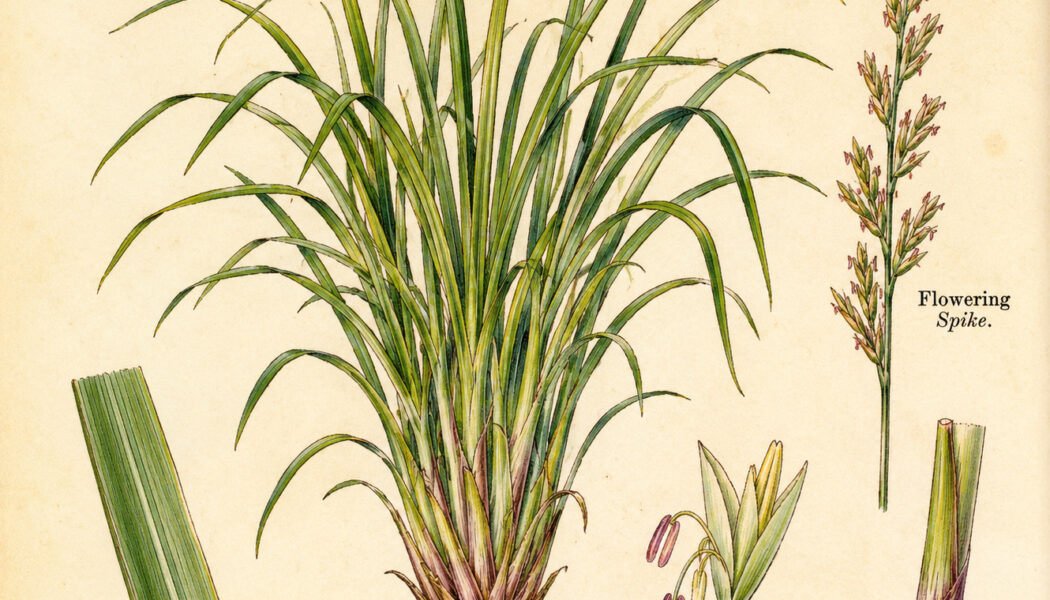

Citronella and Its Place in Paganism & Witchcraft
Citronella is a fragrant grass belonging to the Cymbopogon family, native to tropical regions of Asia. Known for its fresh, lemony scent, it is widely used in perfumes, candles, essential oils, and na...
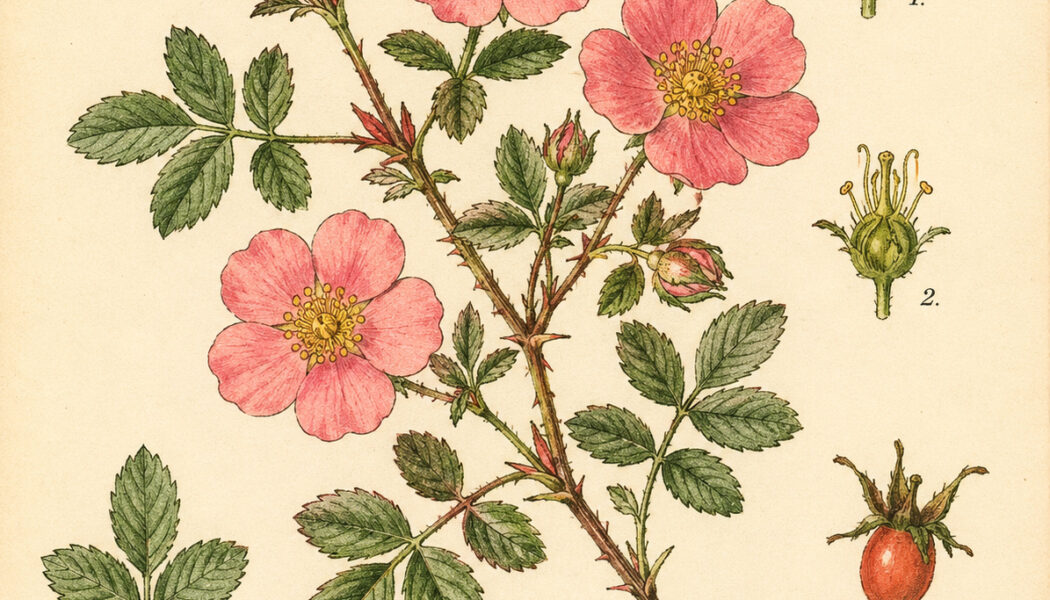

Cinquefoil Rose: A Sacred Plant in Paganism and Witchcraft
The Cinquefoil Rose, often known simply as Cinquefoil (Potentilla species), is a small flowering plant revered in folk magic, pagan traditions, and witchcraft for centuries. Its name derives from the ...
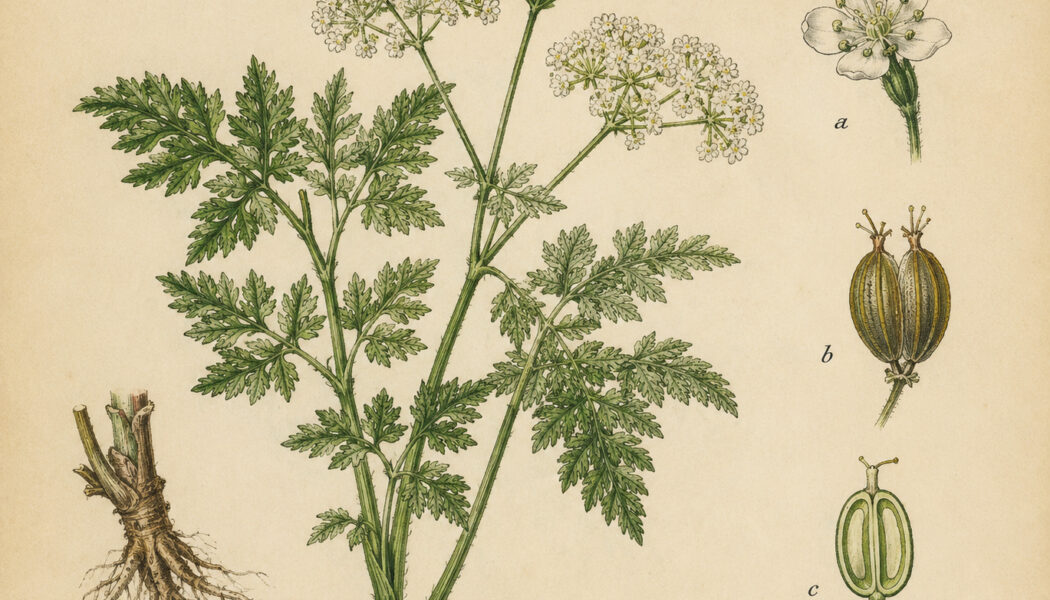

Cicely: A Sweet Herb of Magic and Tradition
Cicely (Myrrhis odorata), often known as Sweet Cicely, is a fragrant herb native to parts of Europe and long valued for both its culinary and medicinal properties. With its delicate fern-like leaves, ...
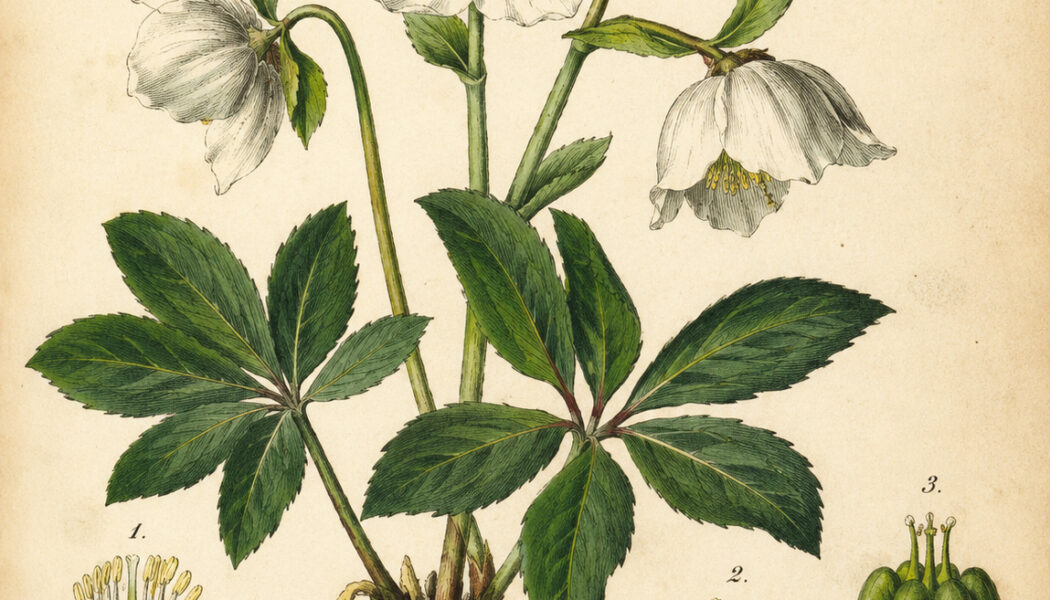

The Christmas Rose: A Winter Bloom in Paganism and Witchcraft
The Christmas Rose (Helleborus niger) is a striking evergreen perennial that blooms during the darkest months of winter. Despite its name, it is not a true rose but a member of the buttercup family. I...
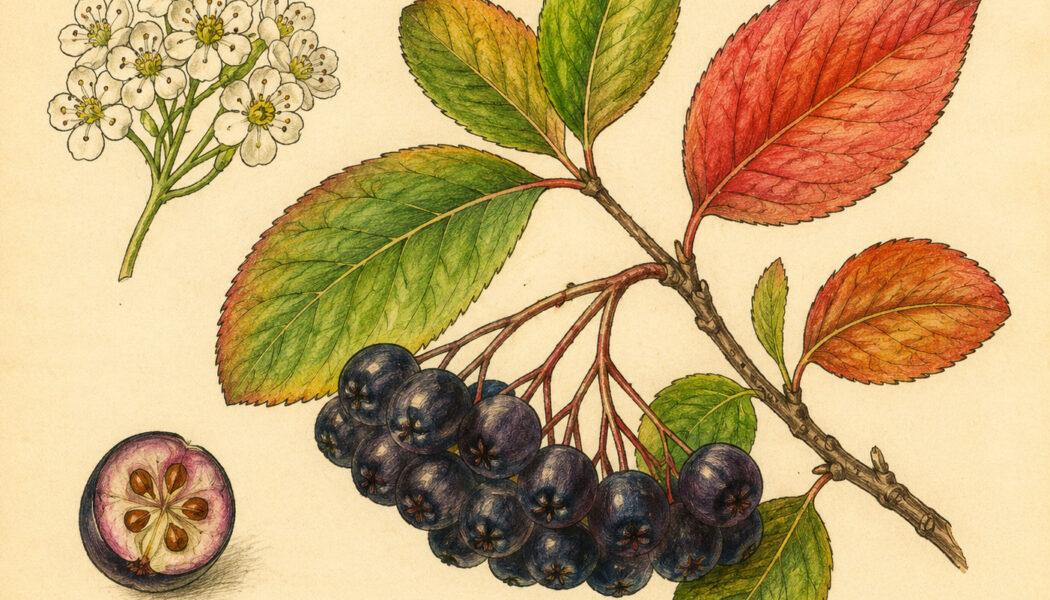

Chokeberry and Its Place in Paganism & Witchcraft
Chokeberry (Aronia spp.) is a hardy deciduous shrub native to eastern North America, valued for its clusters of dark purple-black or red berries and its brilliant autumn foliage. Although it is best k...
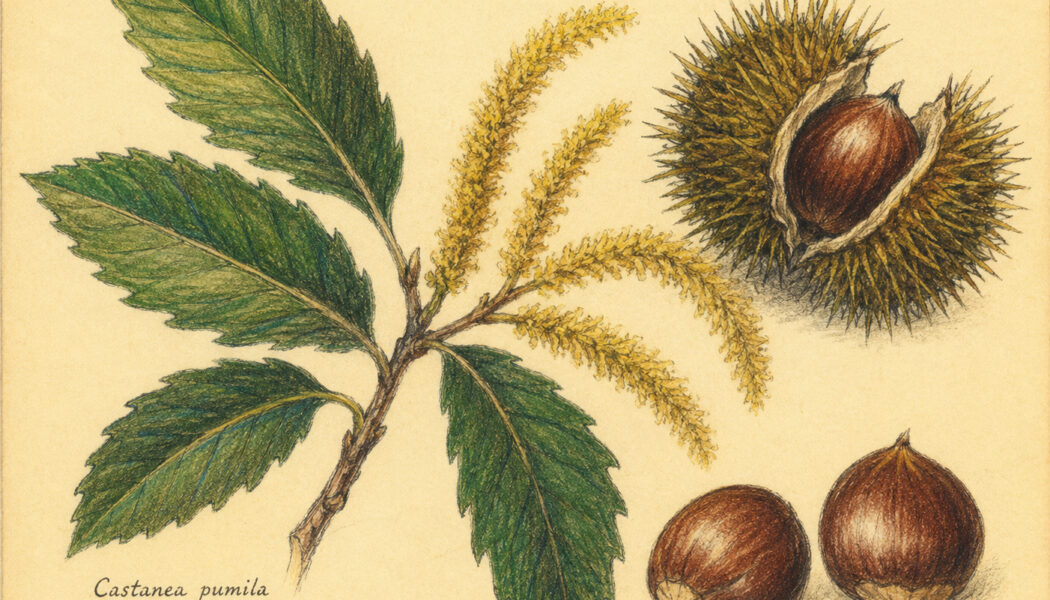

Chinquapin and Its Place in Paganism & Witchcraft
The Chinquapin (Castanea pumila), sometimes called the Allegheny Chinkapin, is a small tree or shrub native to the southeastern and eastern regions of North America. A close relative of the American c...
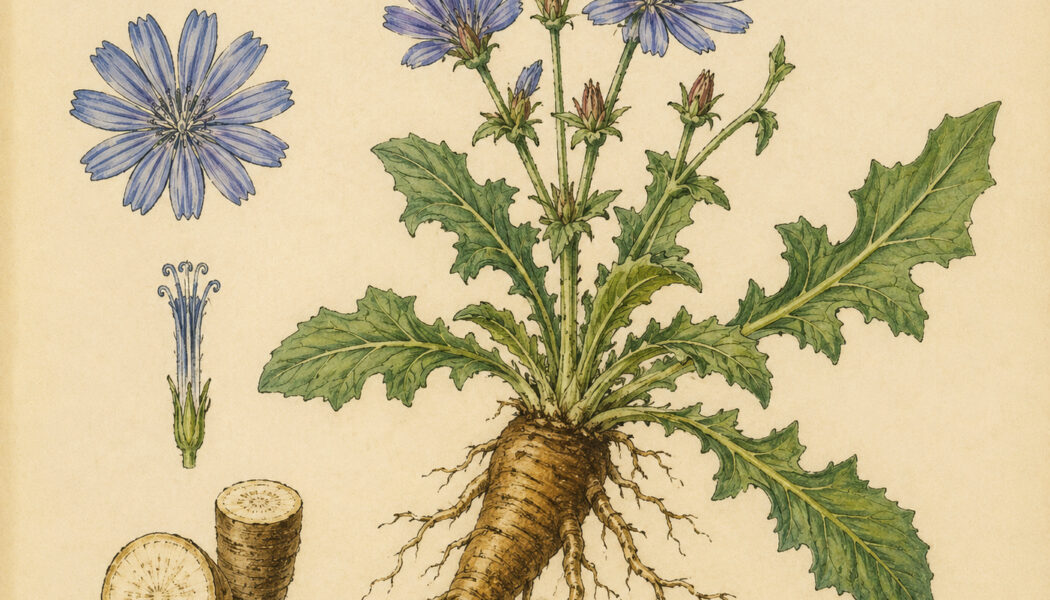

Chicory Root in Paganism and Witchcraft
Chicory root (Cichorium intybus) is a hardy perennial plant known for its bright blue flowers and deep taproot. While today it is commonly used as a coffee substitute and herbal remedy, chicory has a ...
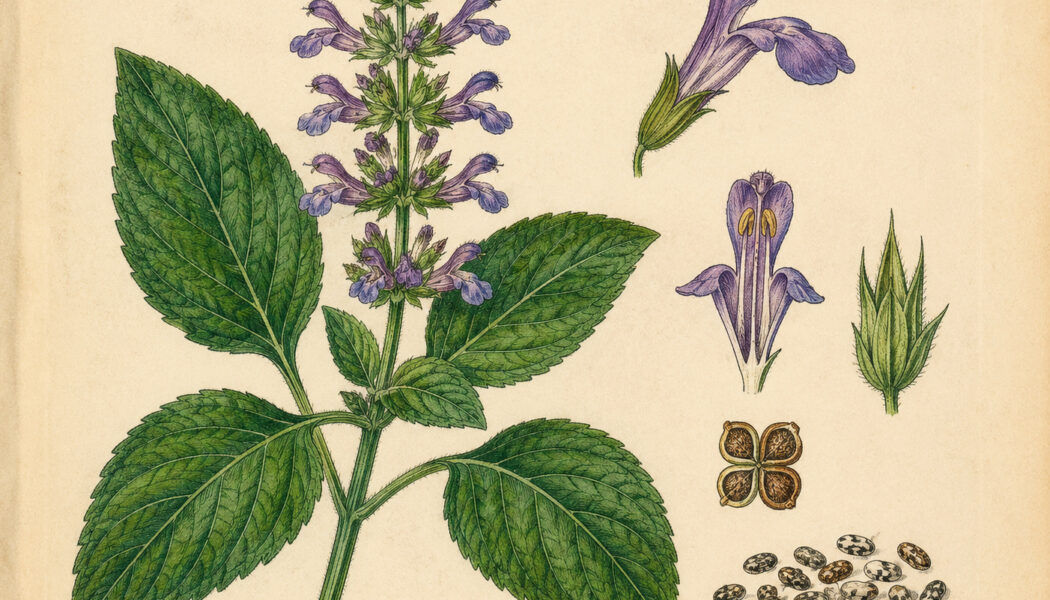

Chia: A Sacred Seed in Paganism and Witchcraft
Chia (Salvia hispanica) is a flowering plant native to Central America, best known today for its nutrient-rich seeds. Revered by ancient civilizations such as the Aztecs and Maya, chia was valued not ...
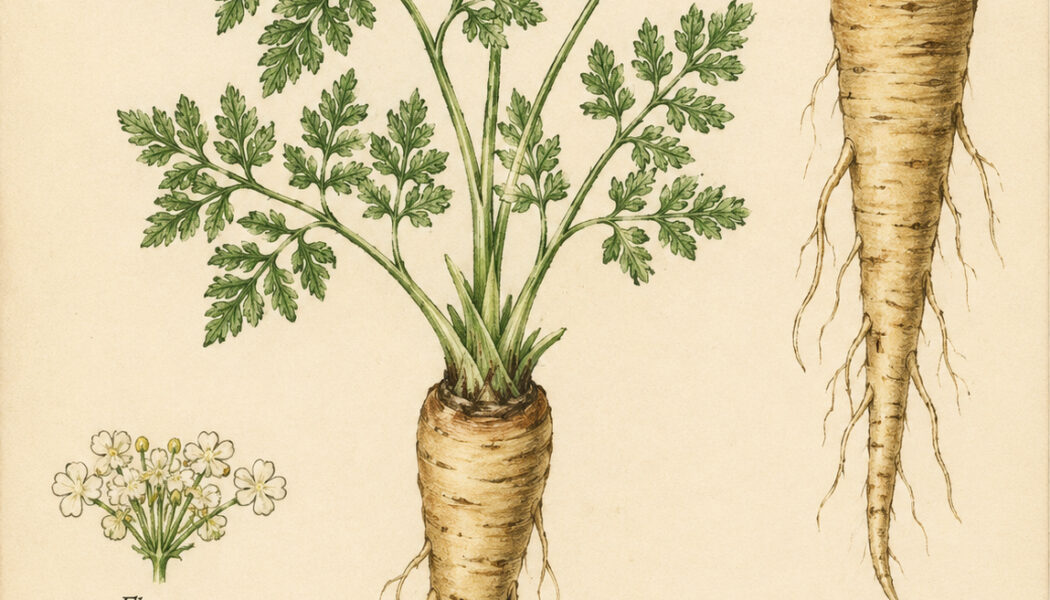

Chervil Root and Its Place in Paganism & Witchcraft
Chervil Root, derived from the plant Chaerophyllum bulbosum, is a lesser-known member of the carrot family that has long been valued for both its culinary and symbolic qualities. While its sweet, ches...
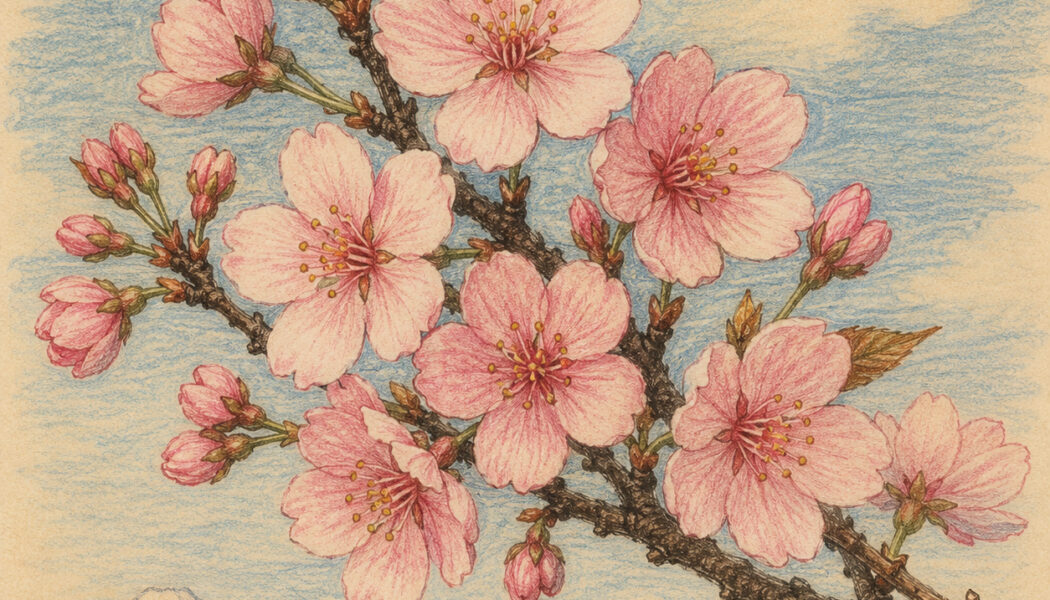

Cherry Blossom and Its Place in Paganism & Witchcraft
The cherry blossom, the delicate flower of the cherry tree, is celebrated around the world for its beauty and symbolic meaning. Blooming briefly in spring before its petals drift away on the wind, the...
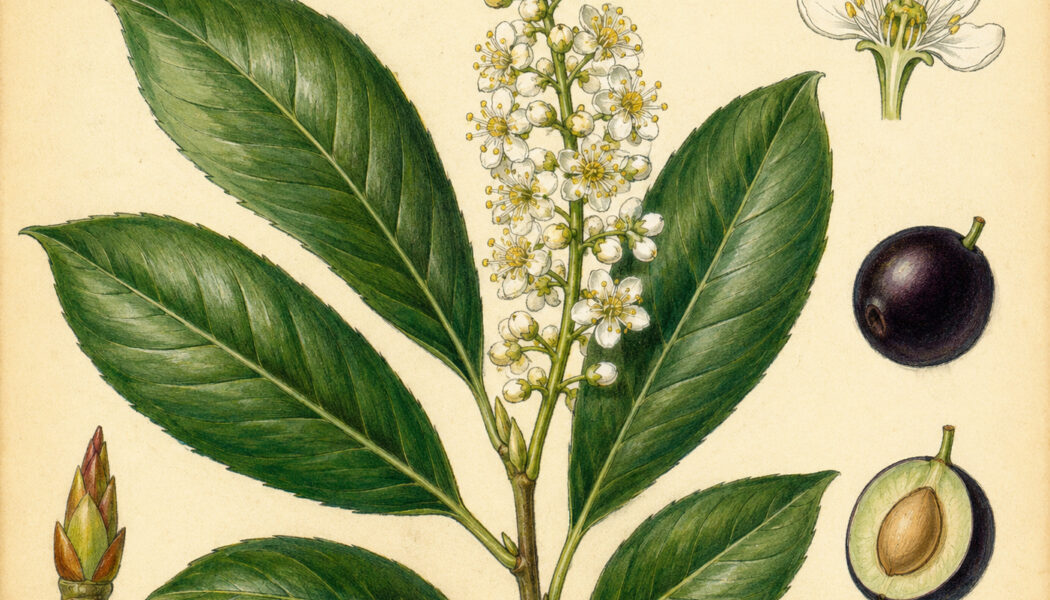

Cherry Laurel in Paganism and Witchcraft
Cherry Laurel (Prunus laurocerasus) is an evergreen shrub known for its glossy leaves, fragrant white flowers, and dark berries. Native to regions around the Black Sea and widely cultivated throughout...
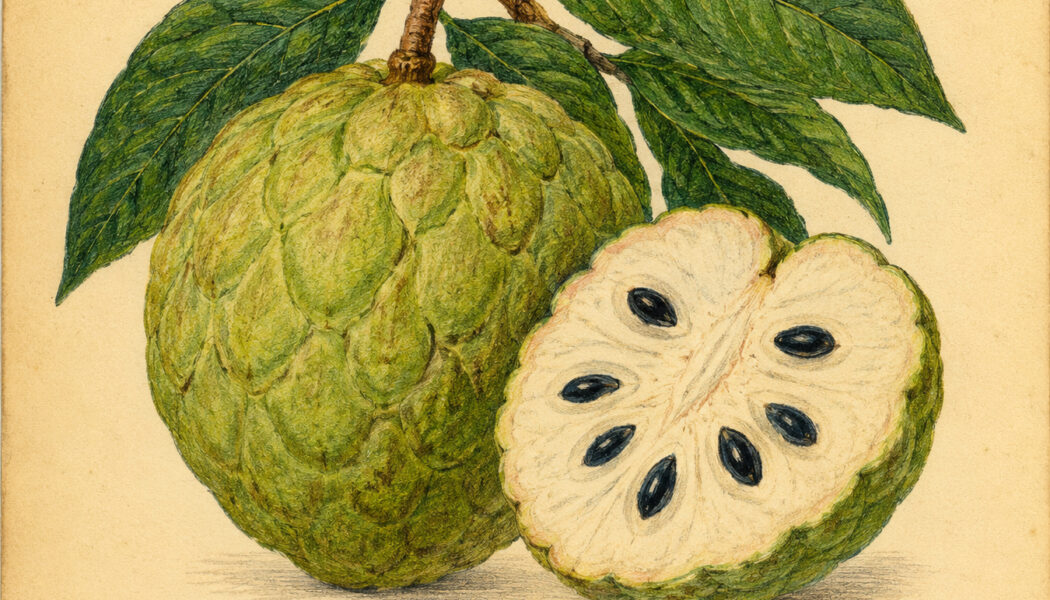

Cherimoya: A Sacred Fruit in Paganism and Witchcraft
Cherimoya (Annona cherimola), often called the “custard apple,” is a tropical fruit-bearing tree native to the highlands of South America. Renowned for its sweet, creamy flesh and heart-sh...
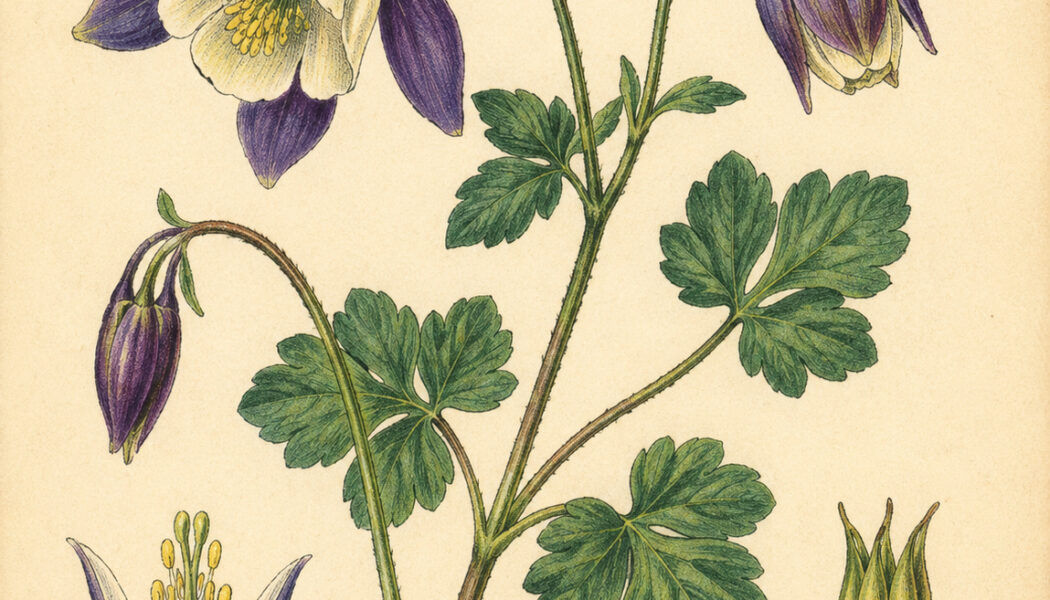

Columbine and Its Place in Paganism & Witchcraft
Columbine (Aquilegia) is a graceful flowering plant known for its delicate, bell-shaped blooms and distinctive spurred petals. Found in a variety of colors including purple, blue, pink, white, and yel...
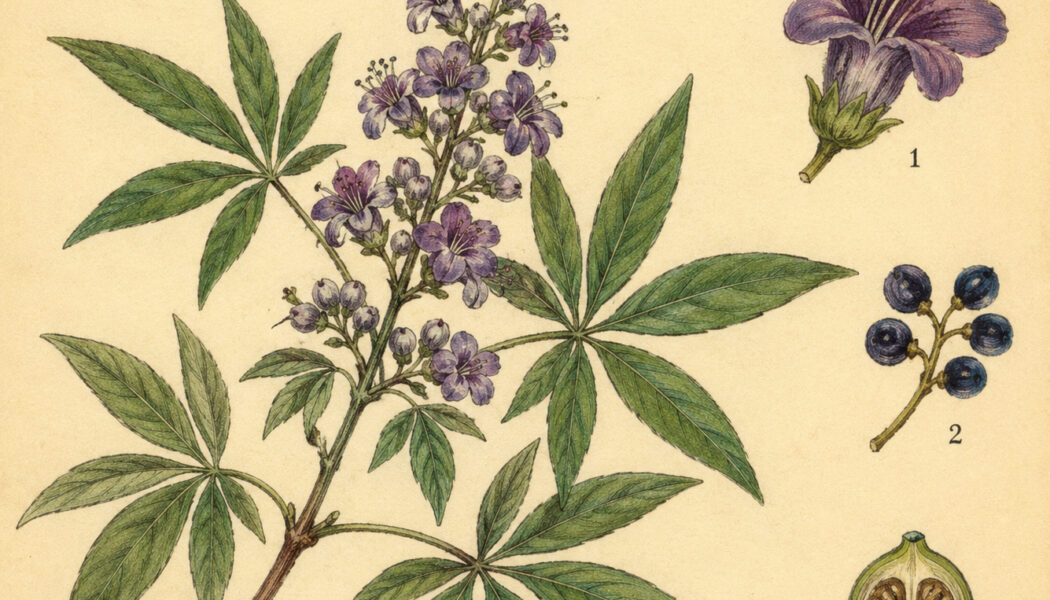

The Chaste Tree and Its Place in Paganism & Witchcraft
The Chaste Tree (Vitex agnus-castus), also known as Chasteberry or Monk’s Pepper, is a fragrant shrub native to the Mediterranean region. Recognized by its spikes of purple-blue flowers and aromatic l...
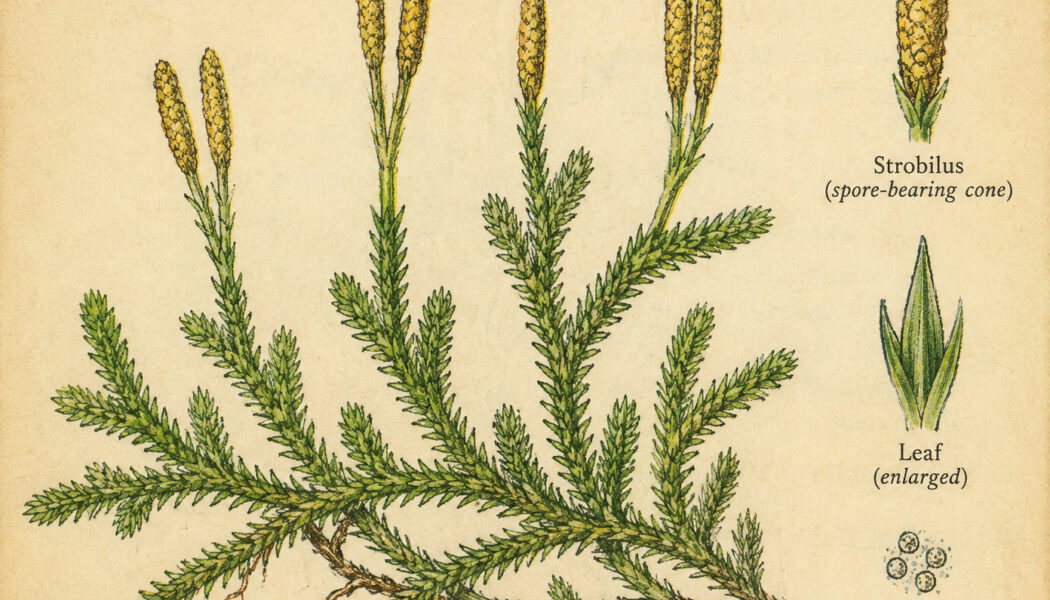

Club Moss and Its Place in Paganism & Witchcraft
Club Moss (Lycopodium spp.) is an ancient and fascinating plant that has existed on Earth for more than 300 million years. Despite its name, it is not a true moss but belongs to a group of primitive v...
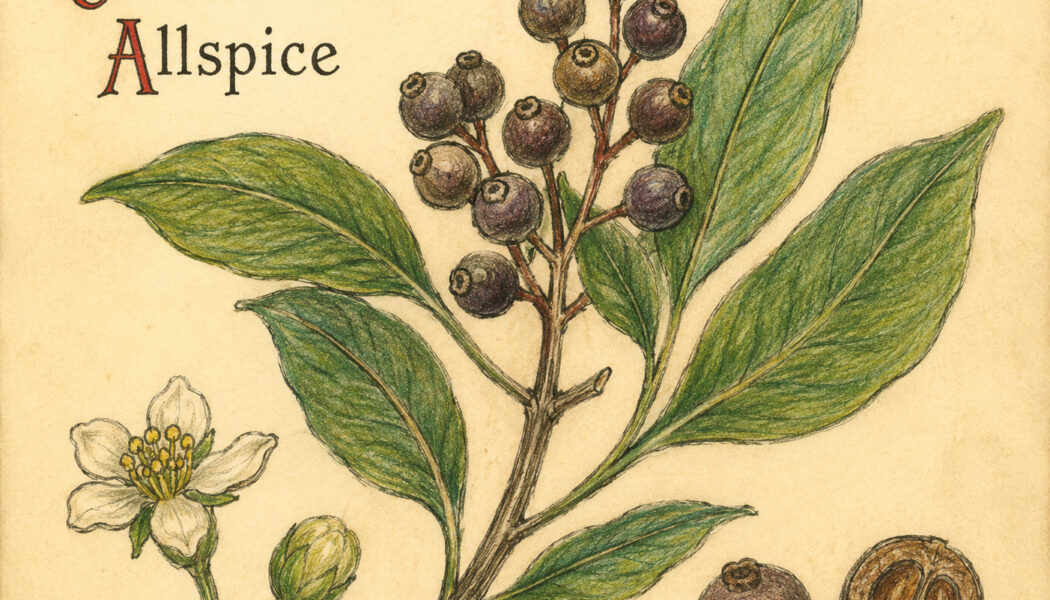

Carolina Allspice: A Fragrant Ally in Paganism and Witchcraft
Carolina Allspice (Calycanthus floridus), also known as Sweetshrub or Spicebush, is a deciduous flowering shrub native to the southeastern United States. Renowned for its deep burgundy flowers and spi...
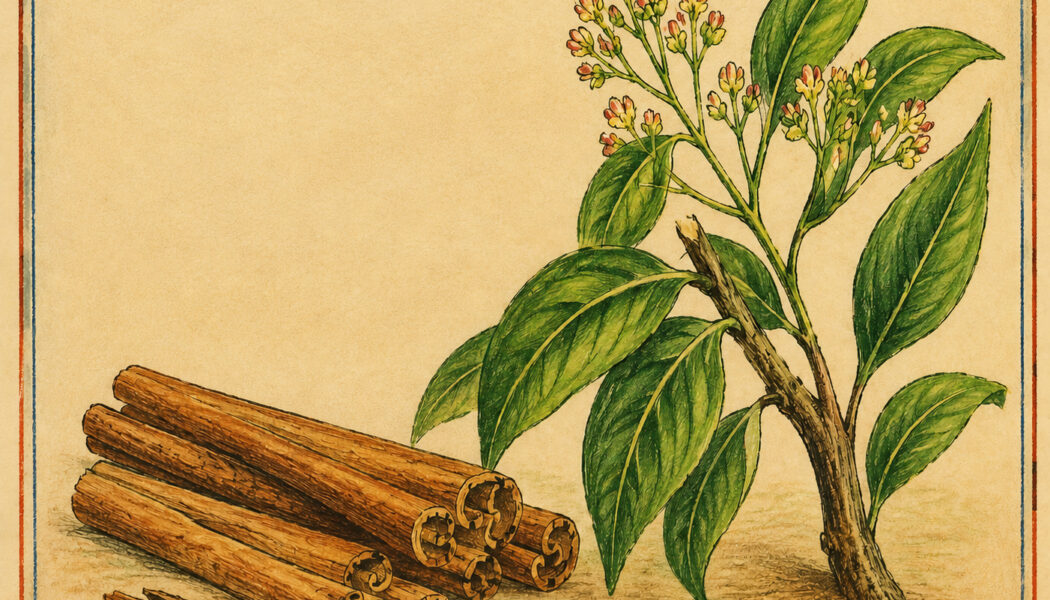

Ceylon Cinnamon: A Sacred Spice in Paganism and Witchcraft
Ceylon Cinnamon (Cinnamomum verum), often called “true cinnamon,” is a fragrant evergreen tree native to Sri Lanka and parts of South Asia. Renowned for its sweet aroma and delicate flavor, this treas...
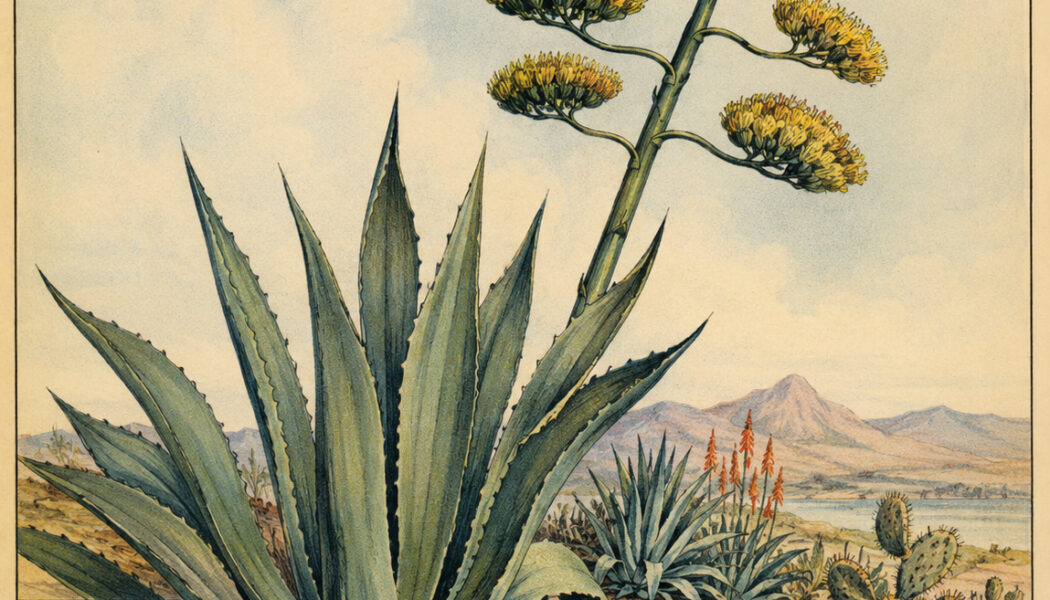

The Century Plant and Its Place in Paganism & Witchcraft
The Century Plant, commonly known as agave, is a striking succulent native to the arid regions of the Americas. Despite its name, it does not live for a century; most species flower after ten to thirt...
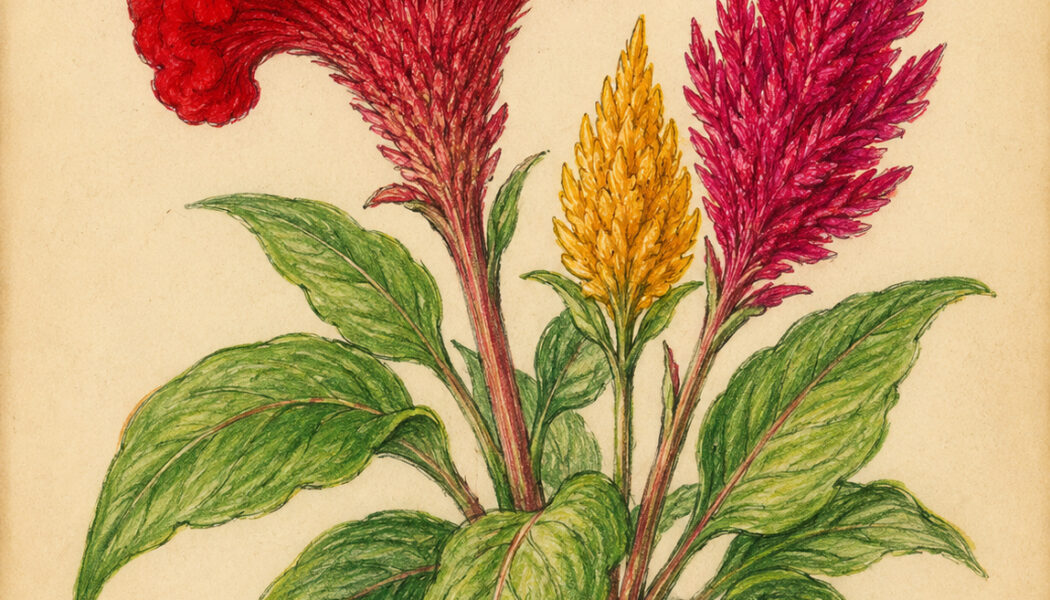

Celosia: A Sacred Flame in Paganism and Witchcraft
Celosia, often recognized by its vibrant, flame-like blooms, is a striking plant that has found a place in modern Pagan and witchcraft traditions. Its name derives from the Greek word kelos, meaning &...
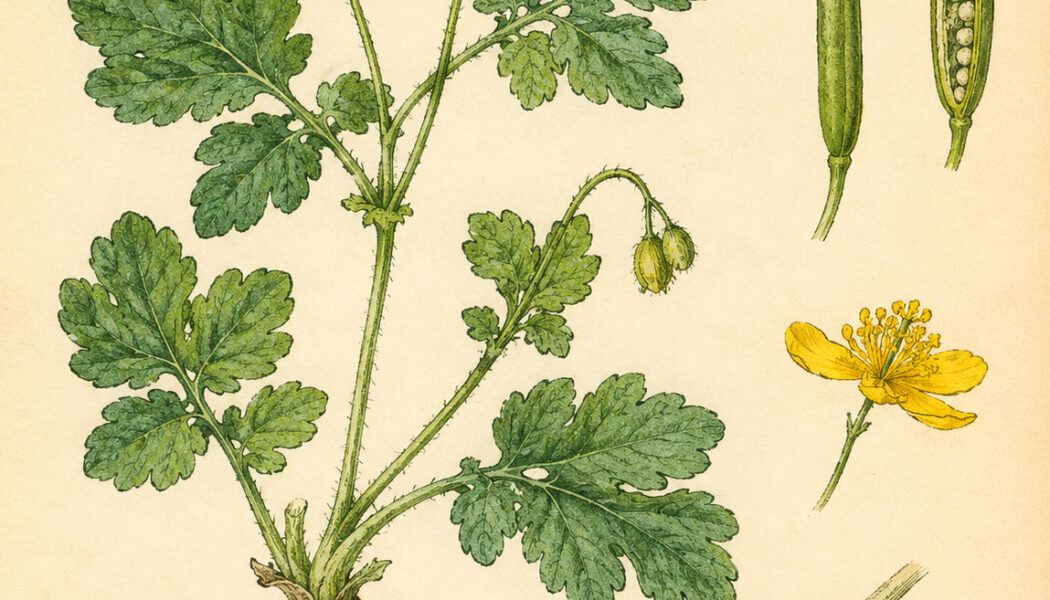

Celandine and Its Place in Paganism and Witchcraft
Celandine is a bright and cheerful wildflower that has long held a place in folklore, pagan traditions, and witchcraft. The name “celandine” is commonly applied to two plants: Greater Celandine (Cheli...
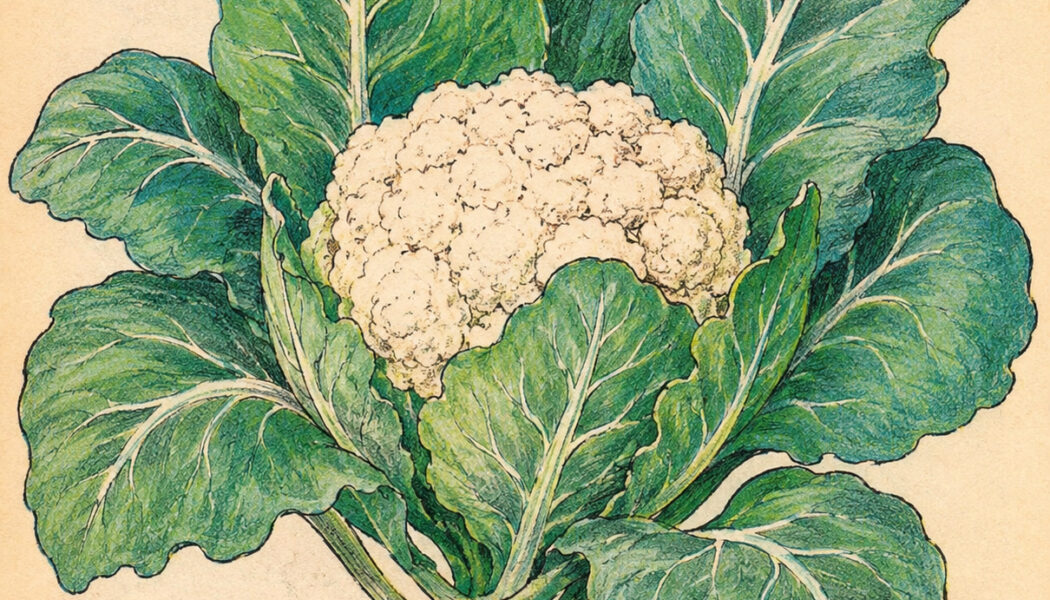

Cauliflower and Its Place in Paganism & Witchcraft
Cauliflower (Brassica oleracea var. botrytis) is a nutritious vegetable belonging to the cabbage family. Known for its dense white head, often called a “curd,” cauliflower has been cultiva...
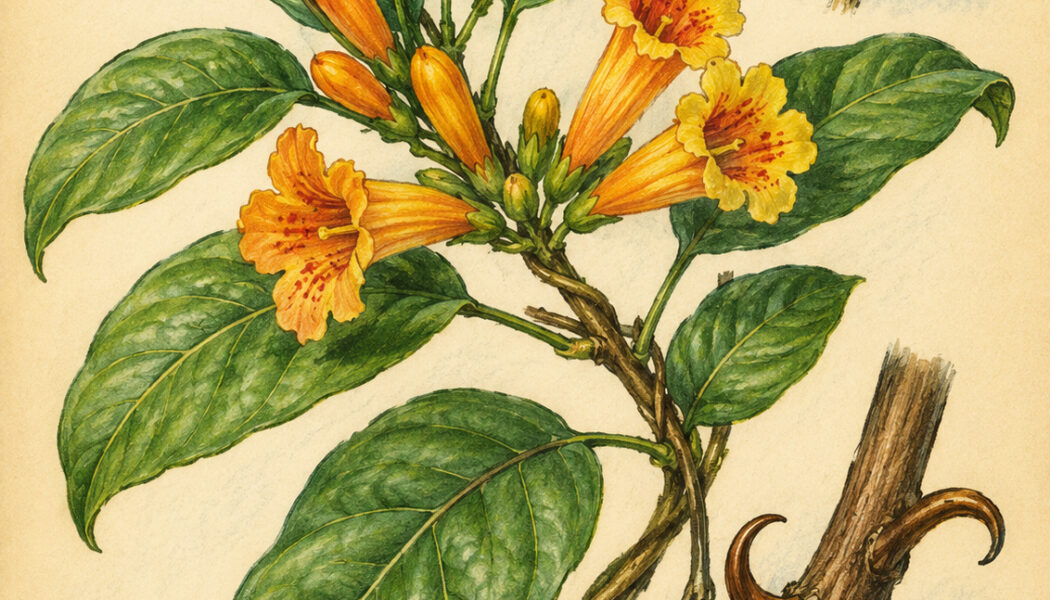

Cat’s Claw: A Sacred Vine in Paganism and Witchcraft
Cat’s Claw (Uncaria tomentosa) is a woody vine native to the Amazon rainforest and parts of Central and South America. Named for its distinctive curved thorns that resemble the claws of a cat, this re...
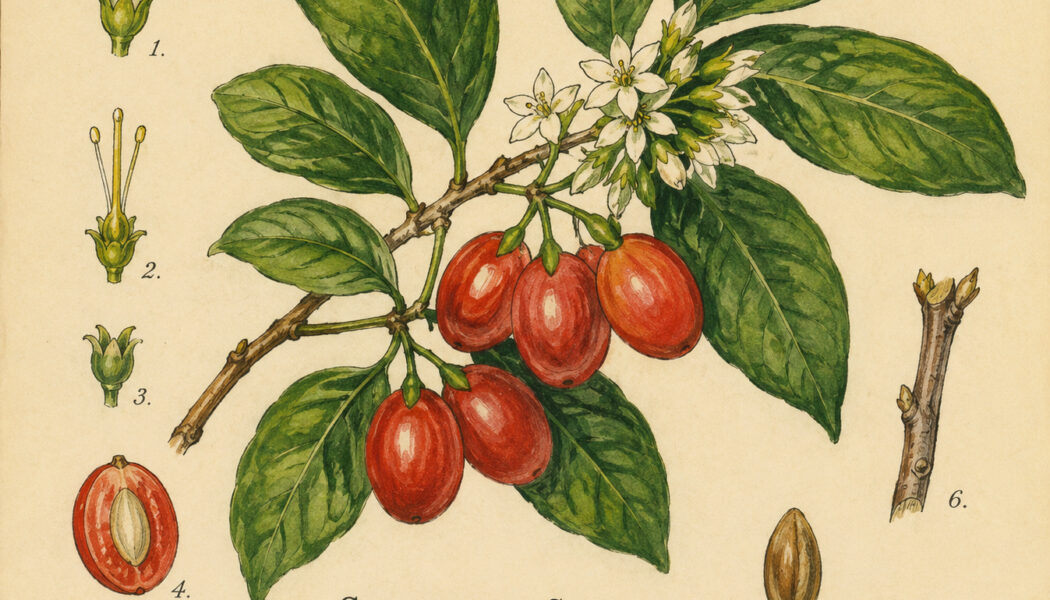

Carnelian Cherry: A Sacred Plant in Paganism and Witchcraft
The Carnelian Cherry (Cornus mas) is a small tree or large shrub native to parts of Europe and Western Asia. Known for its bright yellow blossoms that appear in late winter and its deep red, cherry-li...
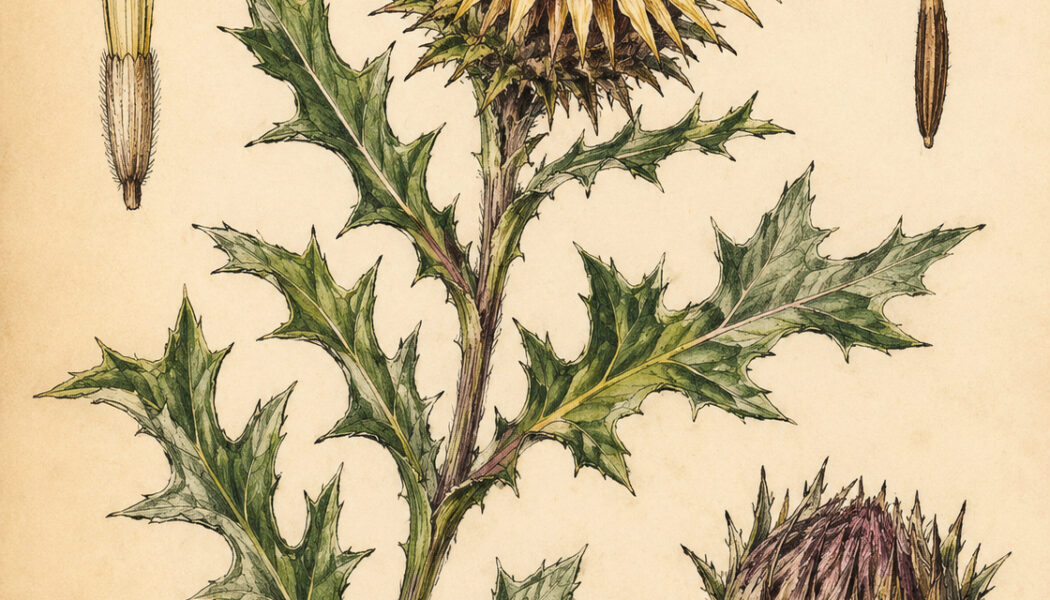

Carline Thistle: A Protective Plant in Paganism and Witchcraft
The Carline Thistle (Carlina vulgaris and related species) is a striking wild plant known for its spiny leaves and golden, star-like flower heads. Found throughout much of Europe, it has long been val...
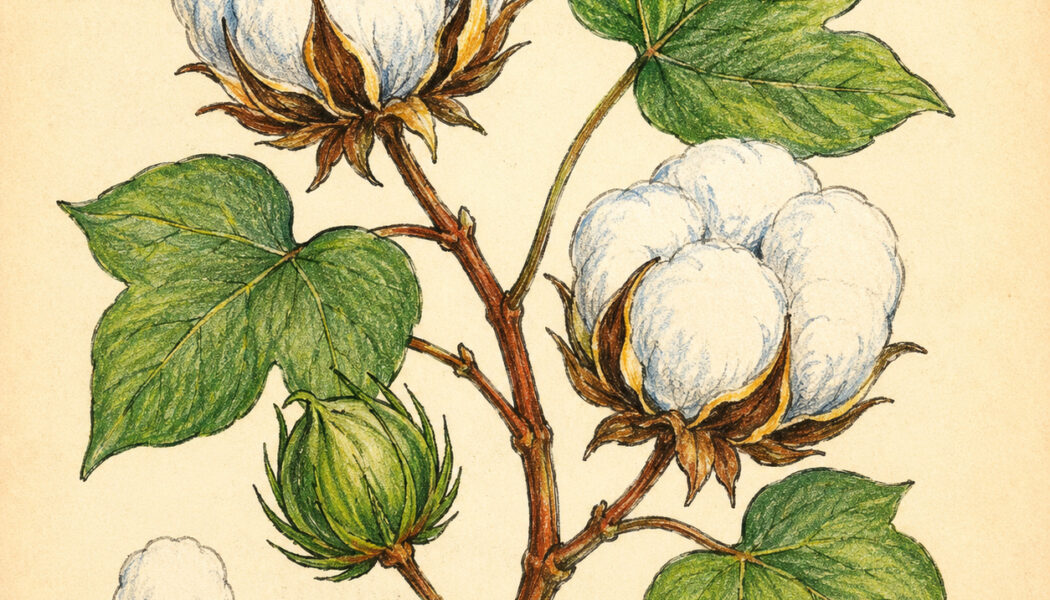

Cotton and Its Place in Witchcraft
Cotton is one of the world’s most important plants, valued for thousands of years for its soft fibers and many practical uses. Belonging to the genus Gossypium, cotton grows in warm climates and produ...
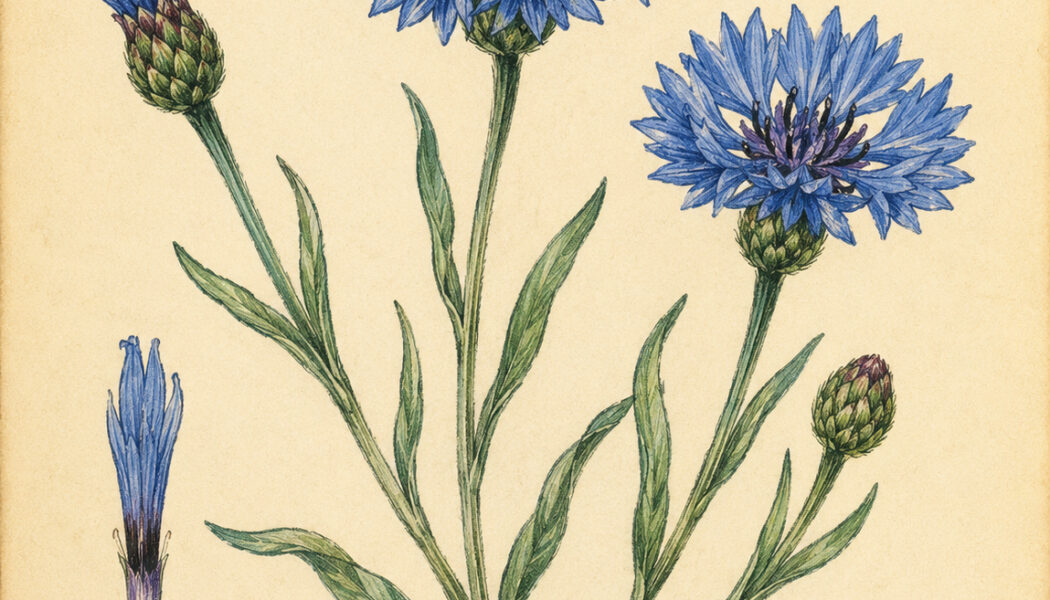

Cornflower and Its Place in Witchcraft
The cornflower, also known as bachelor’s button, is a delicate blue wildflower that has long carried symbolic and magical meaning throughout European folklore and witchcraft traditions. Known scientif...
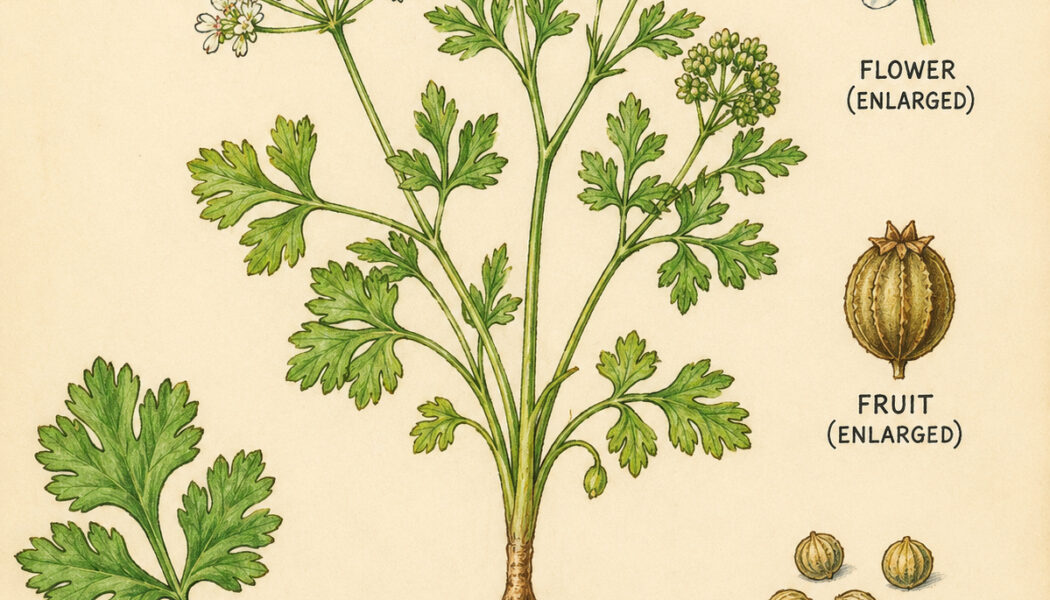

Coriander and Its Place in Witchcraft
Coriander, known scientifically as Coriandrum sativum, is a fragrant herb that has been valued for centuries in cooking, medicine, and spiritual traditions. Native to regions of Southern Europe, North...
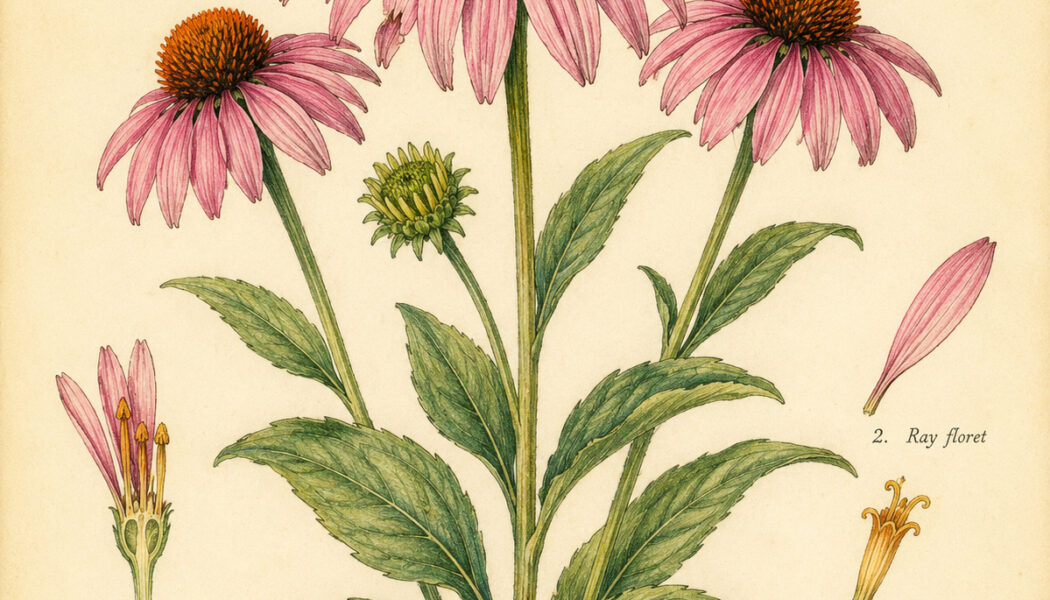

Coneflower and Its Place in Witchcraft
Coneflower, commonly known as Echinacea, is a striking flowering plant recognized by its vibrant purple petals and raised central cone. Native to North America, it has long been valued for both medici...
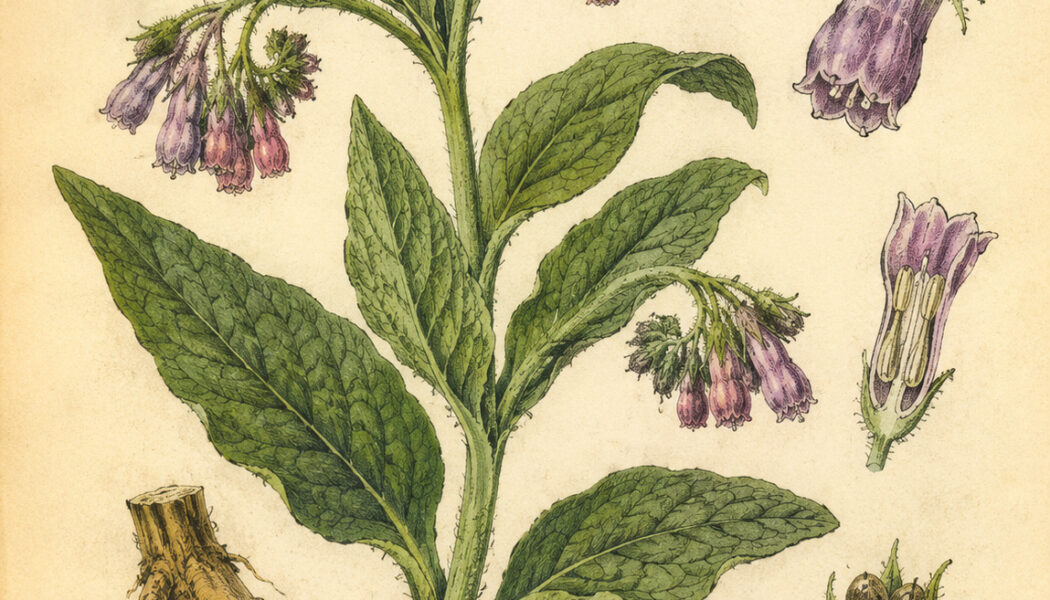

Comfrey and Its Place in Witchcraft
Comfrey (Symphytum officinale) is a hardy perennial herb long valued for both its medicinal qualities and its mystical associations. With broad, hairy leaves and bell-shaped purple flowers, the plant ...
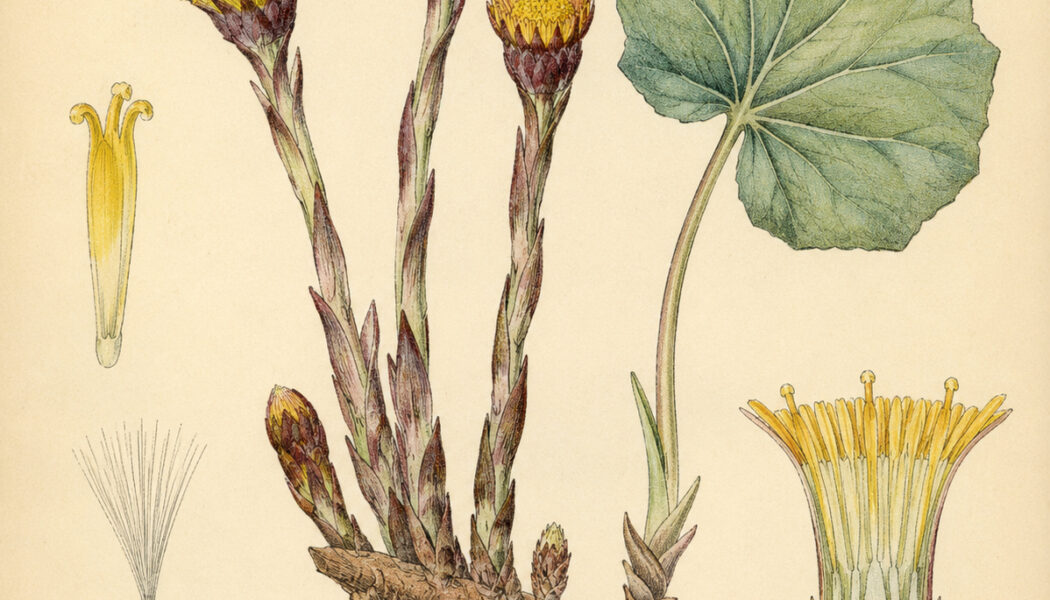

Coltsfoot and Its Place in Witchcraft
Coltsfoot (Tussilago farfara) is a small flowering plant that has long held a place in folklore, herbal medicine, and witchcraft traditions. Easily recognized by its bright yellow flowers and broad, h...
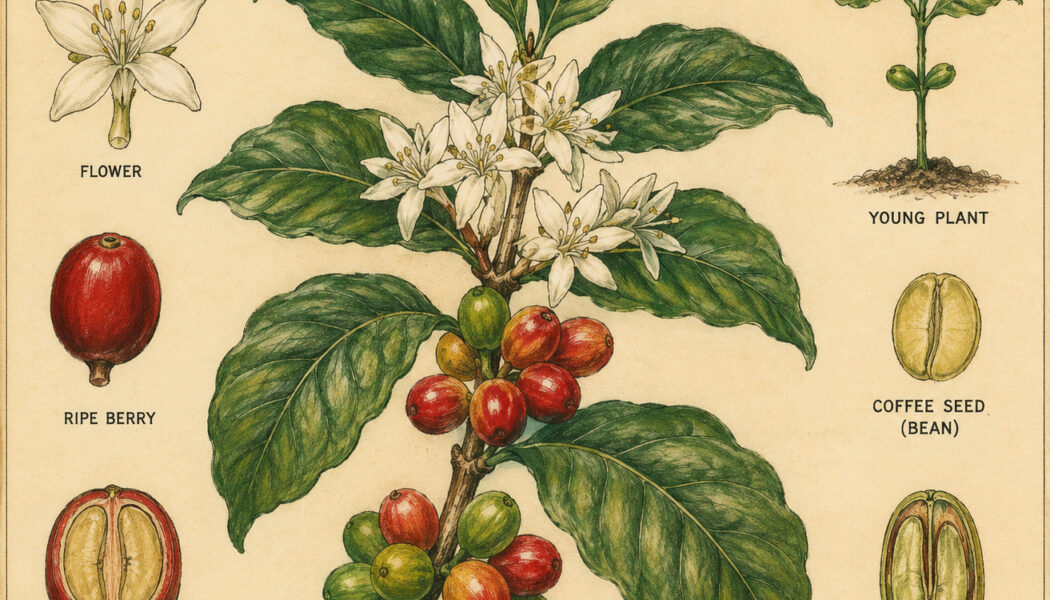

Coffee and Its Place in Witchcraft
Coffee is one of the most widely consumed plants in the world, valued for its rich aroma, stimulating properties, and cultural importance. Derived mainly from the species Coffea arabica and Coffea can...
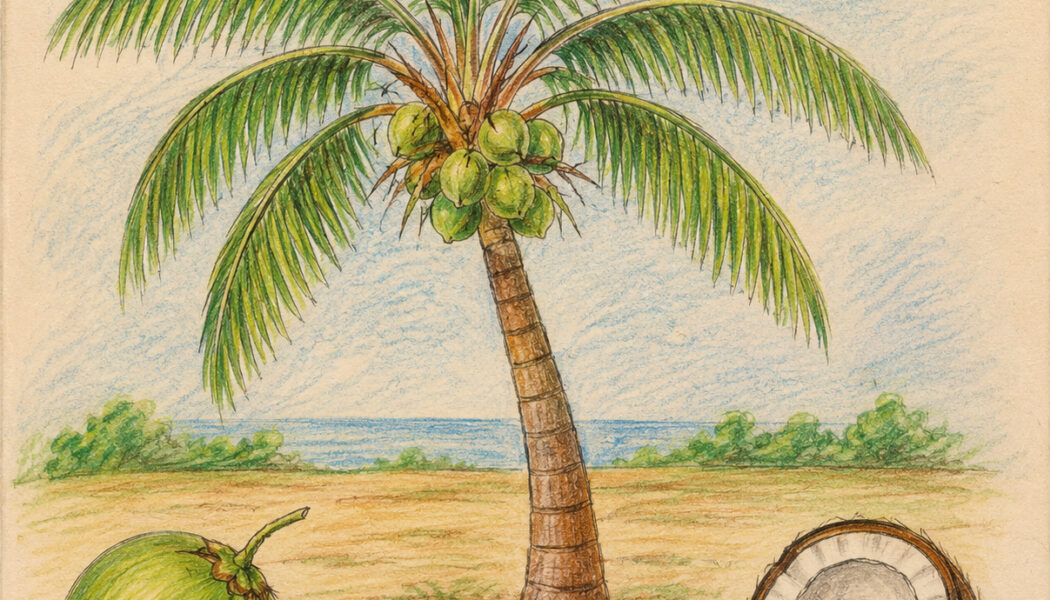

Coconut and Its Place in Witchcraft
The coconut tree, often called the “Tree of Life,” has long held spiritual and magical significance in many cultures around the world. Found mainly in tropical regions, the coconut provides food, oil,...
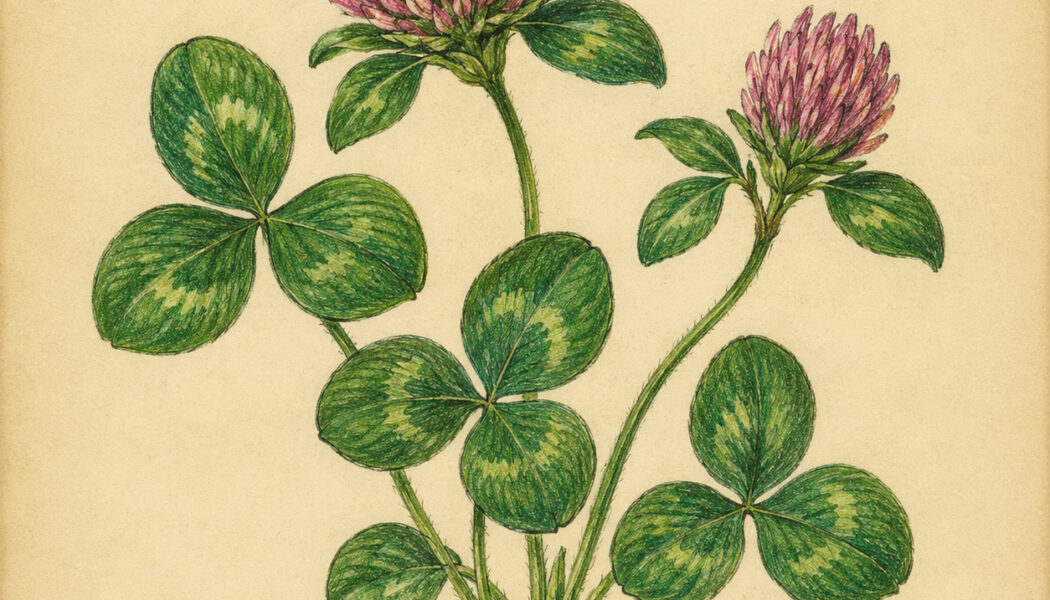

Clover and Its Place in Witchcraft
Clover is a small but meaningful plant that has held symbolic and magical importance for centuries. Known for its delicate green leaves and tiny blossoms, clover grows abundantly in fields and meadows...
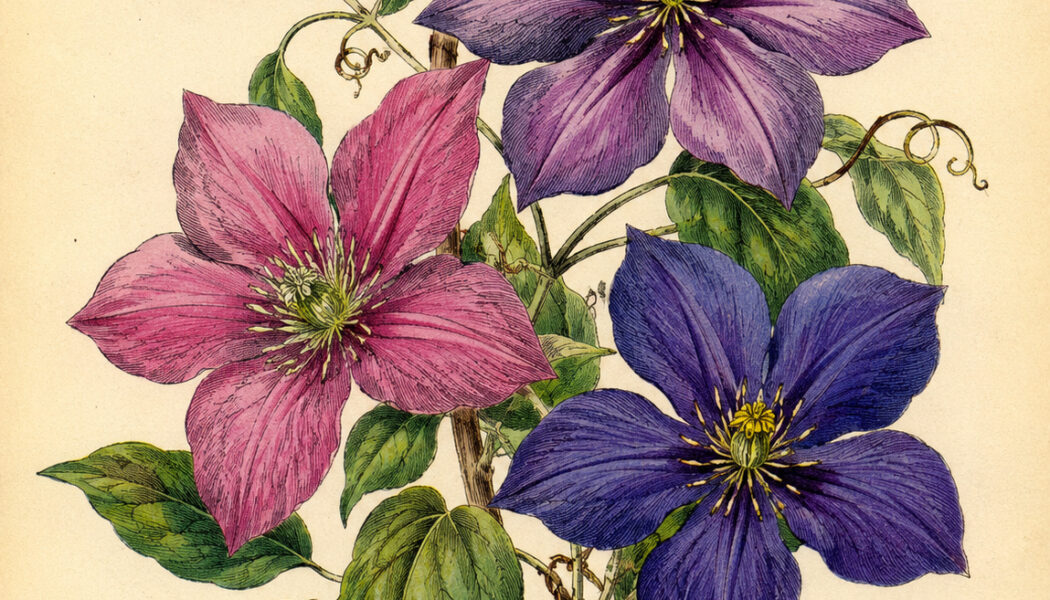

Clematis and Its Place in Witchcraft
Clematis, often called the “queen of climbers,” is a flowering vine admired for its delicate petals and vigorous growth. Found in gardens throughout Europe and Asia, this enchanting plant has also hel...
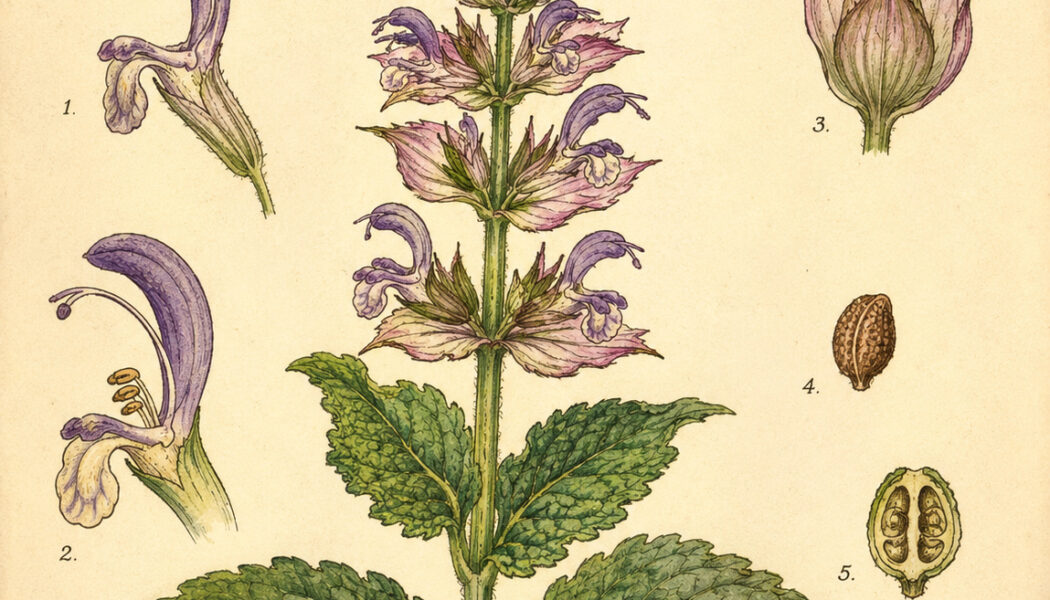

Clary Sage and Its Place in Witchcraft
Clary Sage (Salvia sclarea) is a fragrant herb long associated with healing, wisdom, and spiritual insight. Native to the Mediterranean region, this silvery-green plant produces delicate purple and pi...
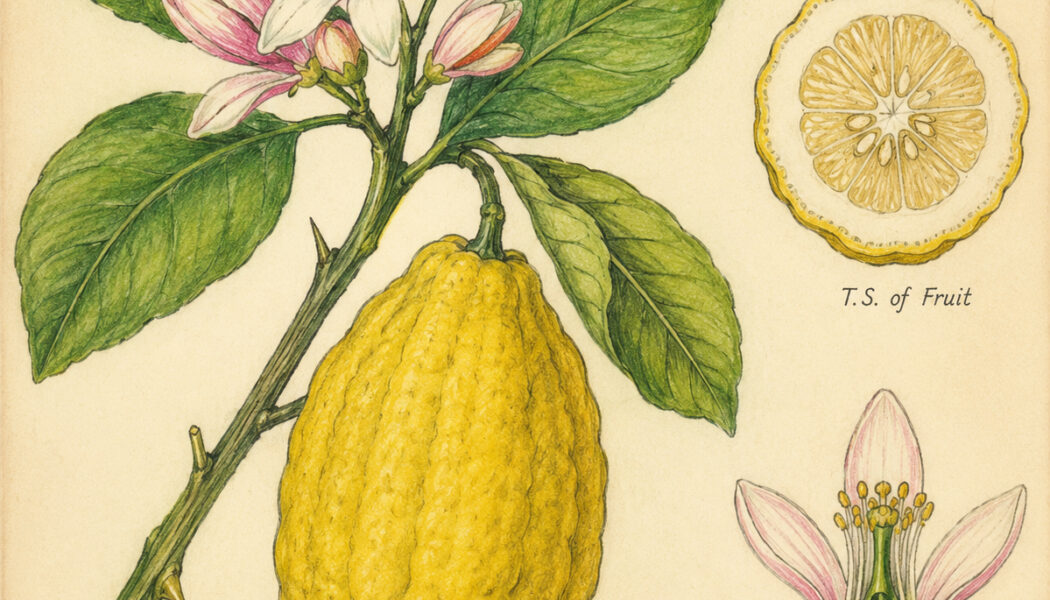

Citron and Its Place in Witchcraft
The citron is one of the oldest cultivated citrus fruits in the world, prized for its thick fragrant rind and powerful symbolic associations. Known scientifically as Citrus medica, the citron has appe...
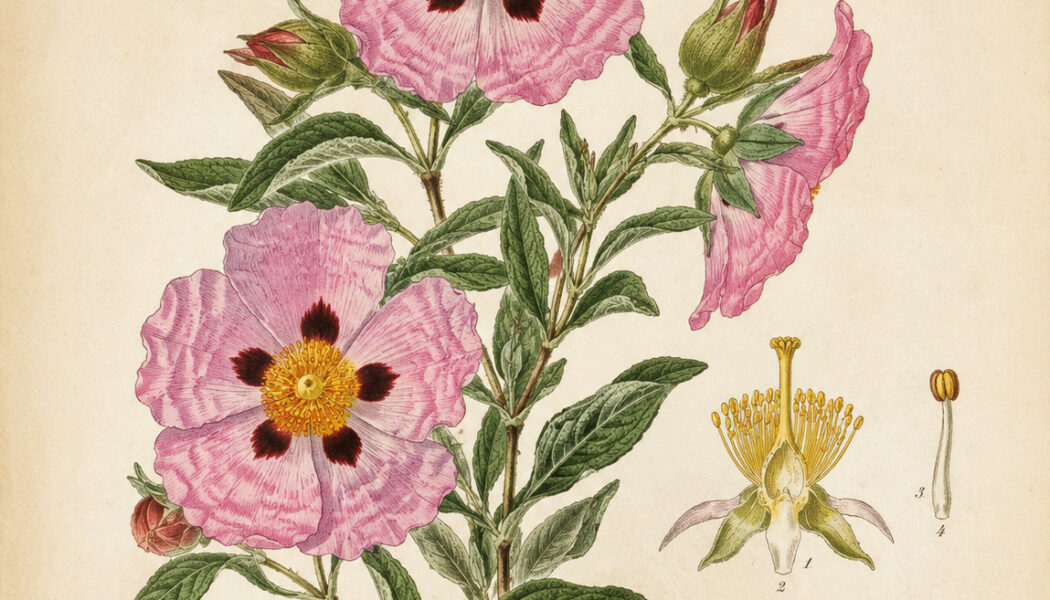

Cistus and Its Place in Witchcraft
Cistus, commonly known as rockrose, is a flowering shrub native to the Mediterranean region. Recognized for its delicate pink or white blossoms and resinous leaves, the plant has long been valued in h...
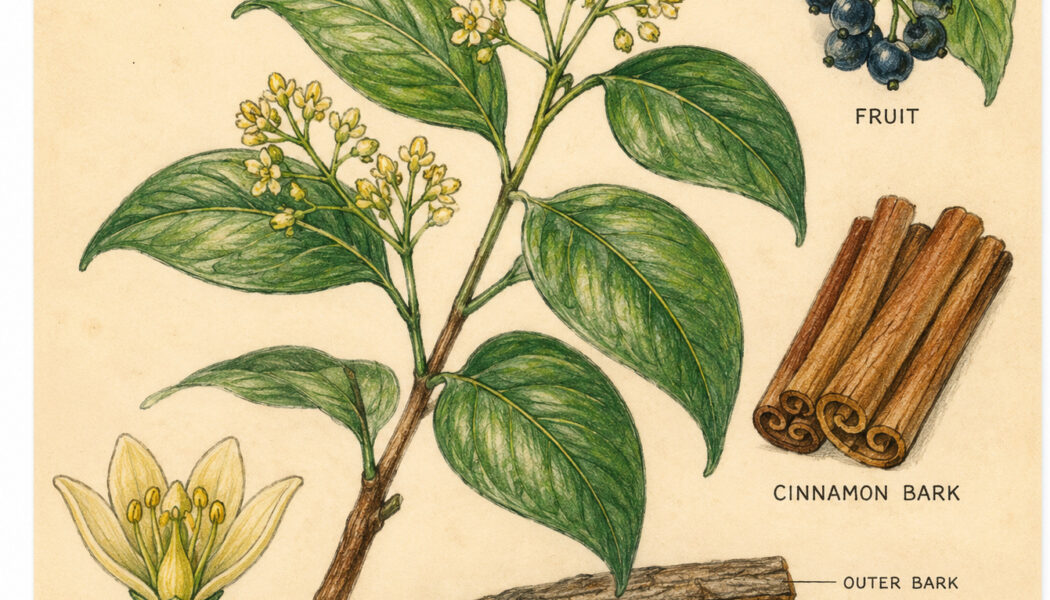

Cinnamon and Its Place in Witchcraft
Cinnamon is one of the oldest and most treasured spices in human history. Derived from the bark of trees belonging to the Cinnamomum family, it has been used for thousands of years in cooking, medicin...
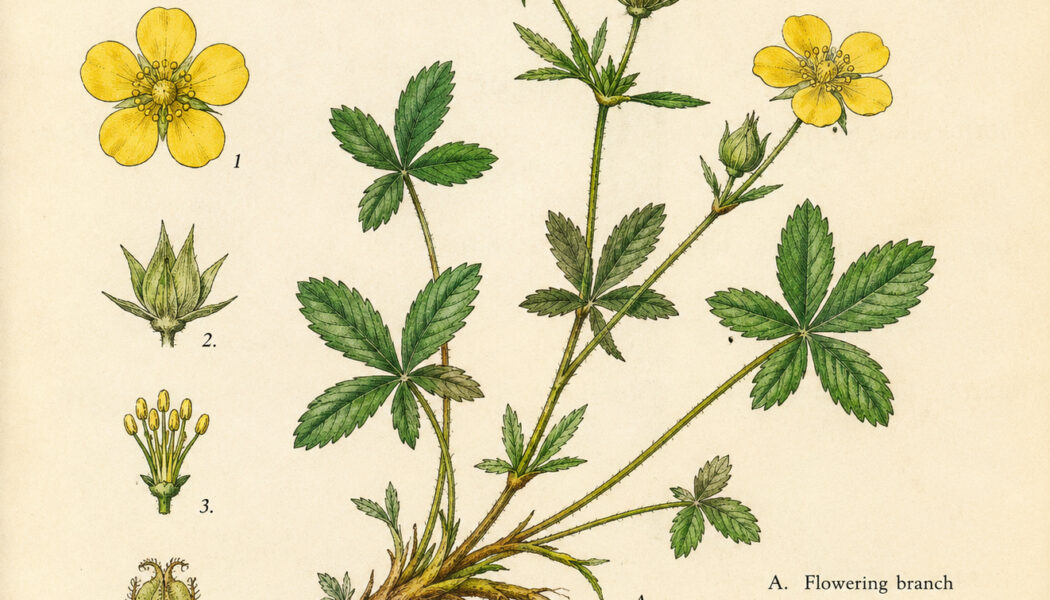

Cinquefoil and Its Place in Witchcraft
Cinquefoil, a small flowering plant belonging to the genus Potentilla, has long held a respected place in folklore, herbalism, and witchcraft traditions. Its name comes from the French words cinq feui...
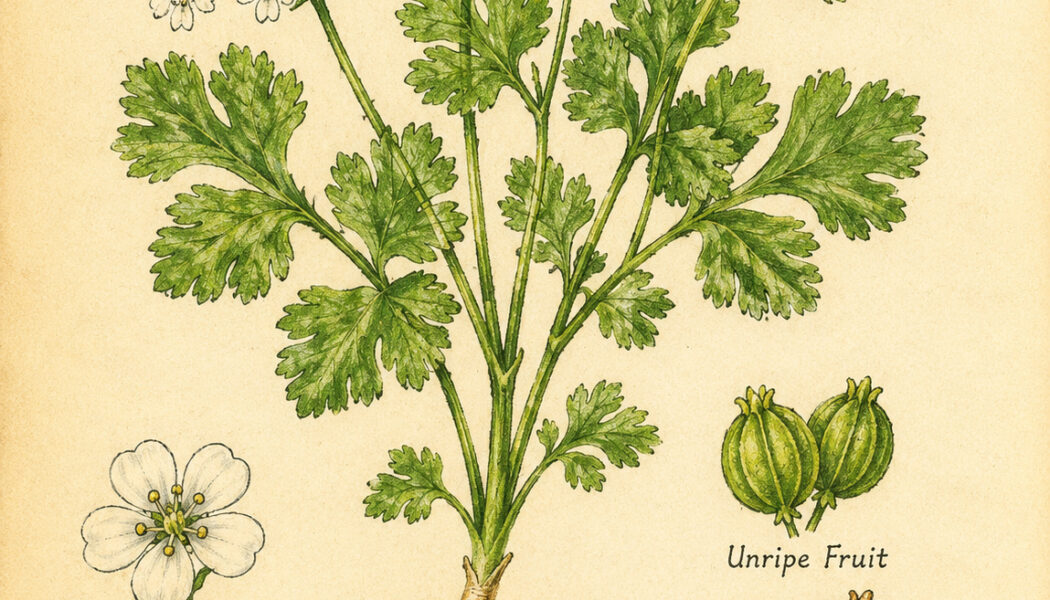

Cilantro and Its Place in Witchcraft
Cilantro, also known as coriander, is a fragrant herb that has been valued for centuries in cooking, medicine, and spiritual practices. Scientifically known as Coriandrum sativum, the plant is native ...
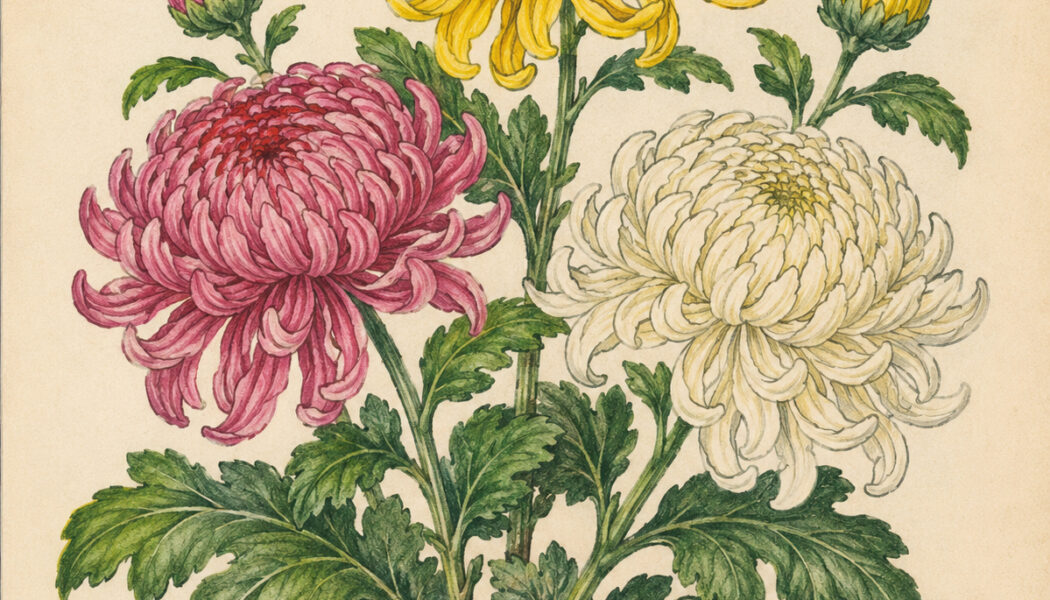

Chrysanthemum and Its Place in Witchcraft
The chrysanthemum is a flower admired across the world for its beauty, symbolism, and spiritual associations. Originating in Asia, especially China and Japan, chrysanthemums have long been connected t...
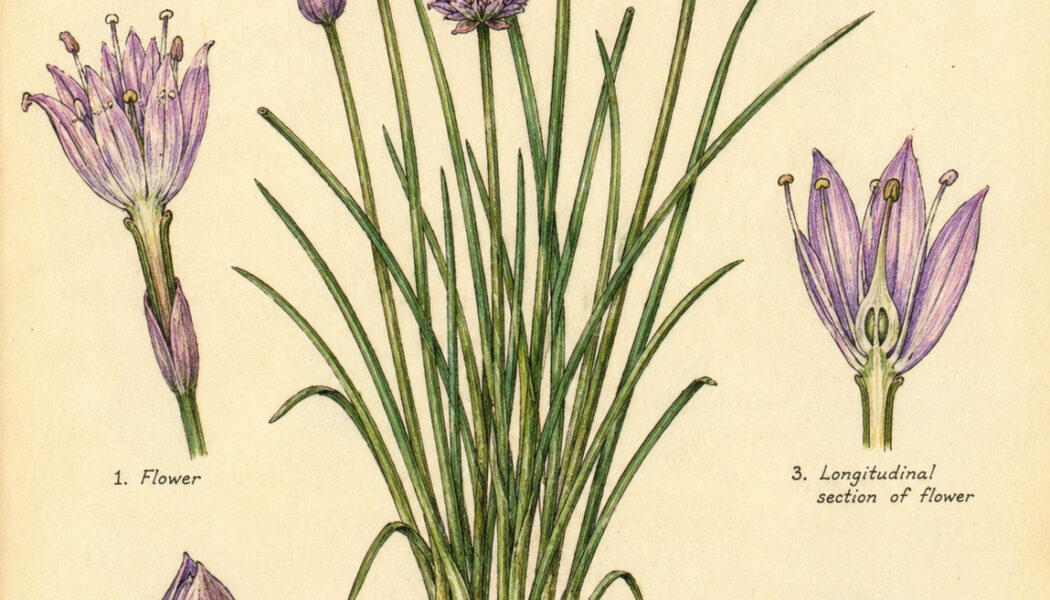

Chive and Its Place in Witchcraft
Chive, a small herb from the onion family, has long held a valued place in both cooking and folklore. Known scientifically as Allium schoenoprasum, chives are recognized by their thin green stalks and...
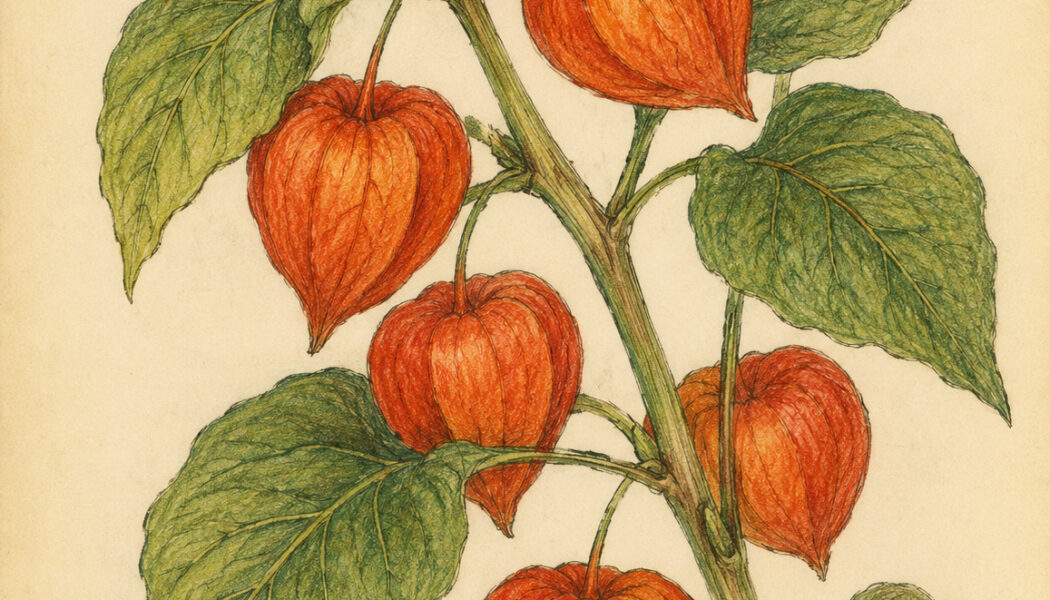

Chinese Lantern and Its Place in Witchcraft
The Chinese Lantern plant, scientifically known as Physalis alkekengi, is a striking perennial recognized for its bright orange, papery husks that resemble glowing lanterns. Native to parts of Asia an...
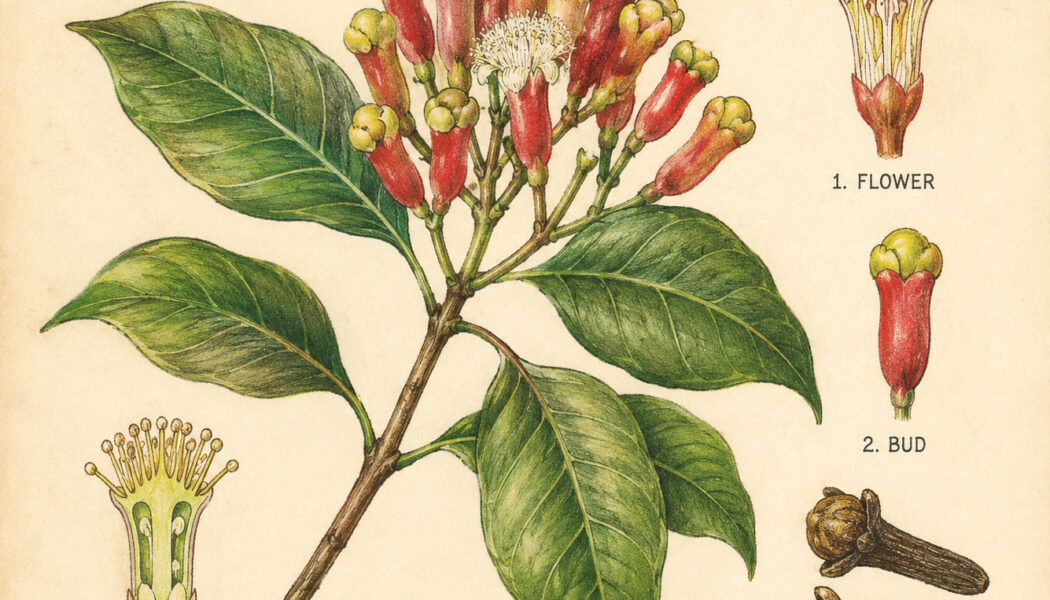

Clove and Its Place in Witchcraft
Clove, derived from the dried flower buds of the clove tree (Syzygium aromaticum), has long held an important place in both traditional medicine and magical practice. Native to the Spice Islands of In...
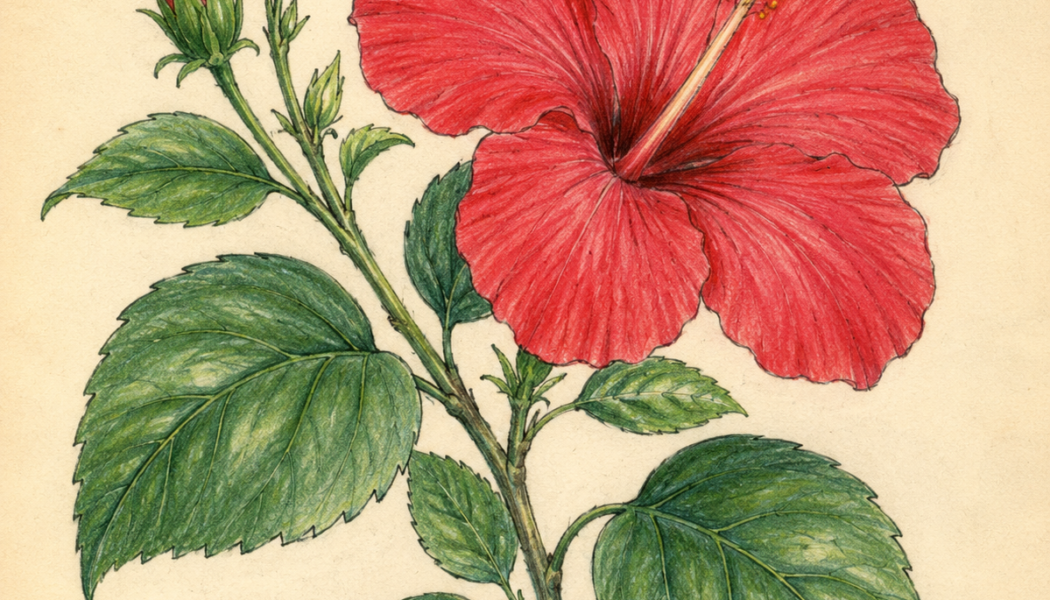

China Rose and Its Place in Witchcraft
The China Rose, scientifically known as Hibiscus rosa-sinensis, is a bright and beautiful flowering plant admired across many cultures. Known for its large petals and striking red, pink, yellow, or wh...
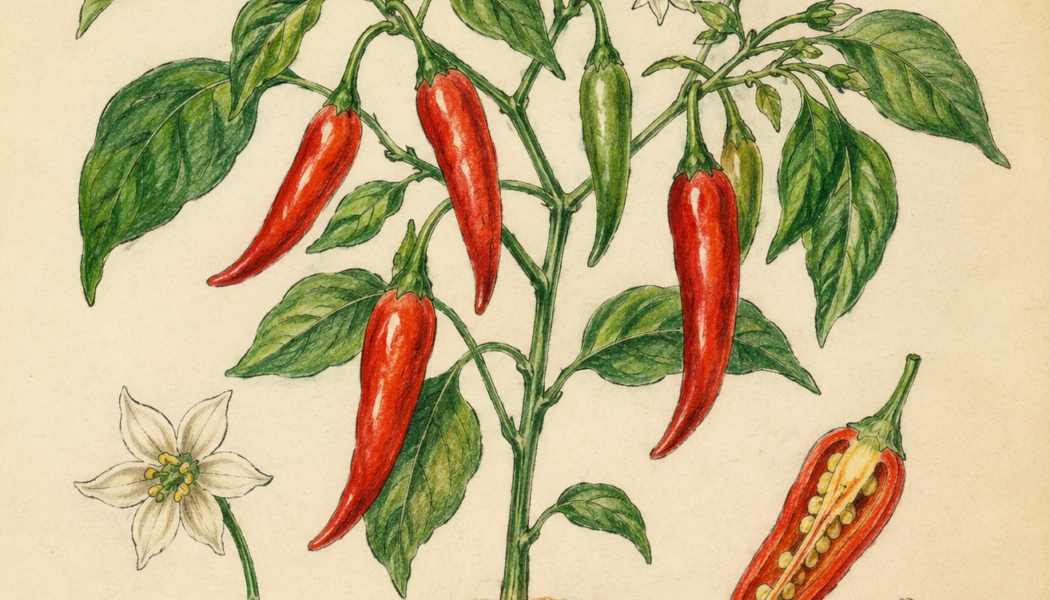

Chili Pepper and Its Place in Witchcraft
The chili pepper has long held a powerful place in folklore, herbal traditions, and magical practices across many cultures. Known for its fiery heat and vivid red color, the plant symbolizes strength,...
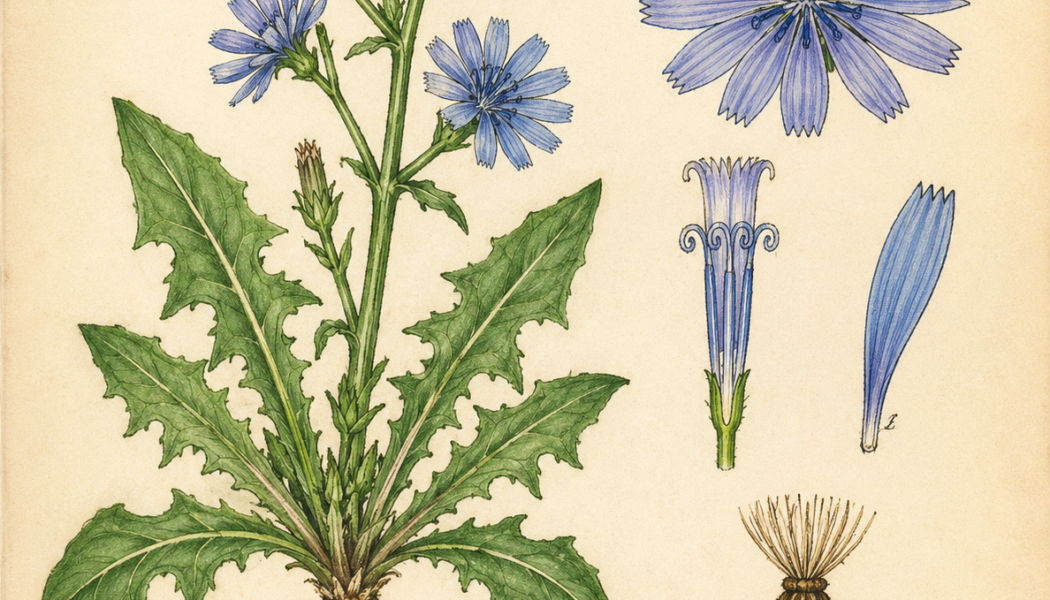

Chicory and Its Place in Witchcraft
Chicory is a hardy blue-flowered plant that has long captured the attention of herbalists, healers, and practitioners of folk magic. Known scientifically as Cichorium intybus, chicory grows along road...
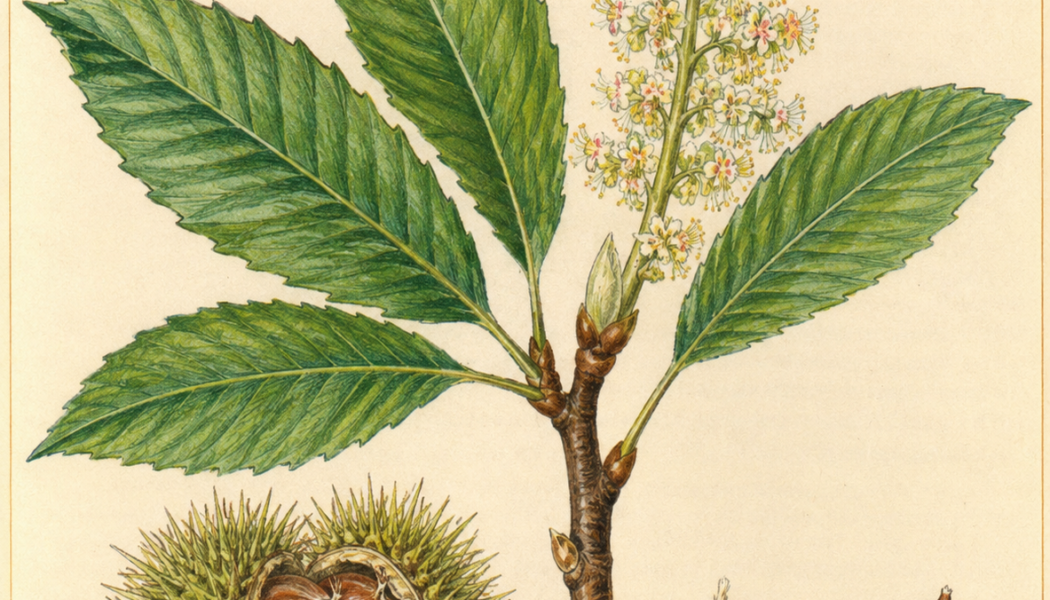

Chestnut and Its Place in Witchcraft
The chestnut tree has long held a place of mystery, nourishment, and spiritual symbolism in folklore and witchcraft traditions. Found across Europe, Asia, and North America, the chestnut is admired no...
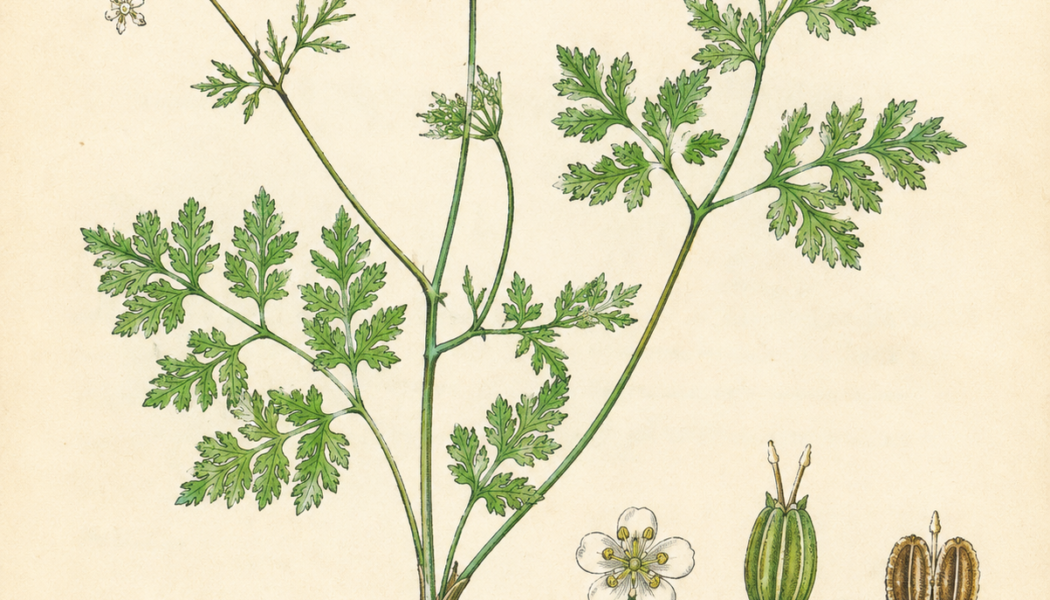

Chervil and Its Place in Witchcraft
Chervil (Anthriscus cerefolium) is a delicate herb from the parsley family, known for its feathery green leaves and mild flavor that resembles anise or licorice. While it is most often associated with...
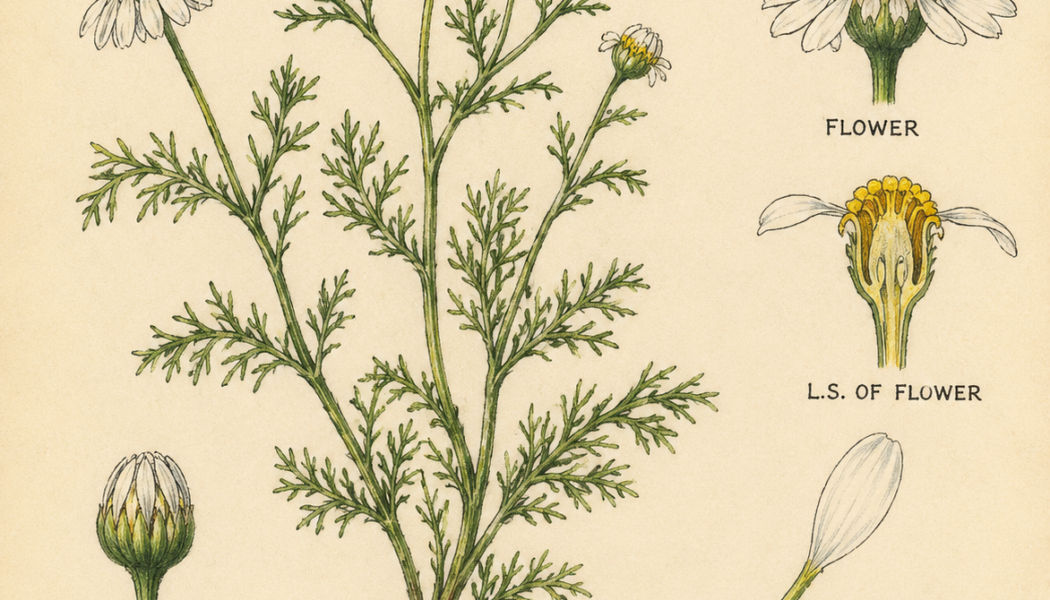

Chamomile and Its Place in Witchcraft
Chamomile is a delicate flowering plant best known for its calming scent and healing properties. Belonging to the daisy family, chamomile has been used for centuries in medicine, spiritual rituals, an...
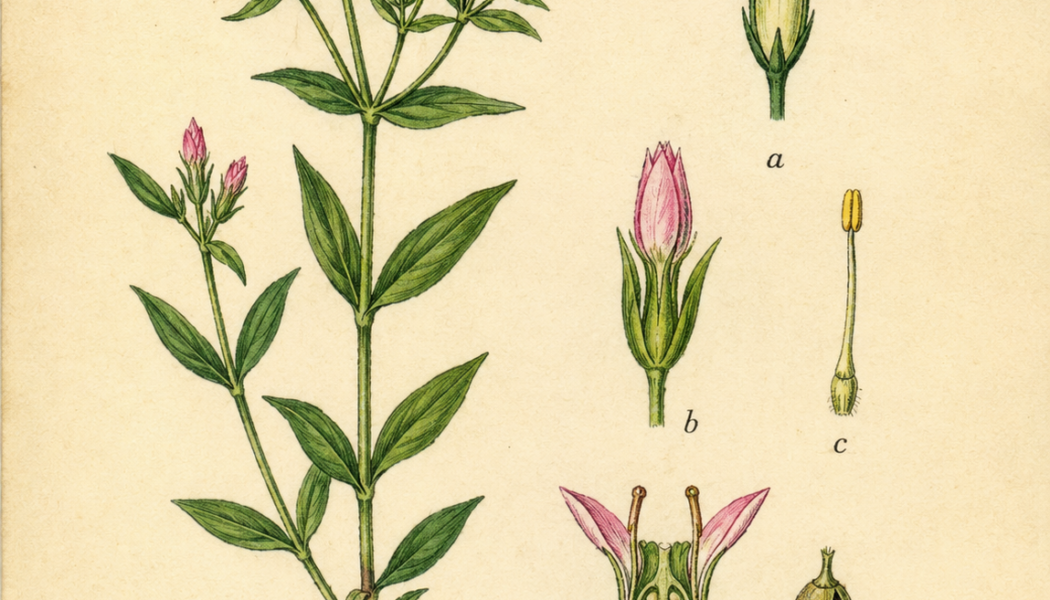

Centaury and Its Place in Witchcraft
Centaury is a delicate flowering herb that has long held a place in folklore, herbal medicine, and magical traditions. Belonging to the gentian family, the plant is recognized by its small pink or red...
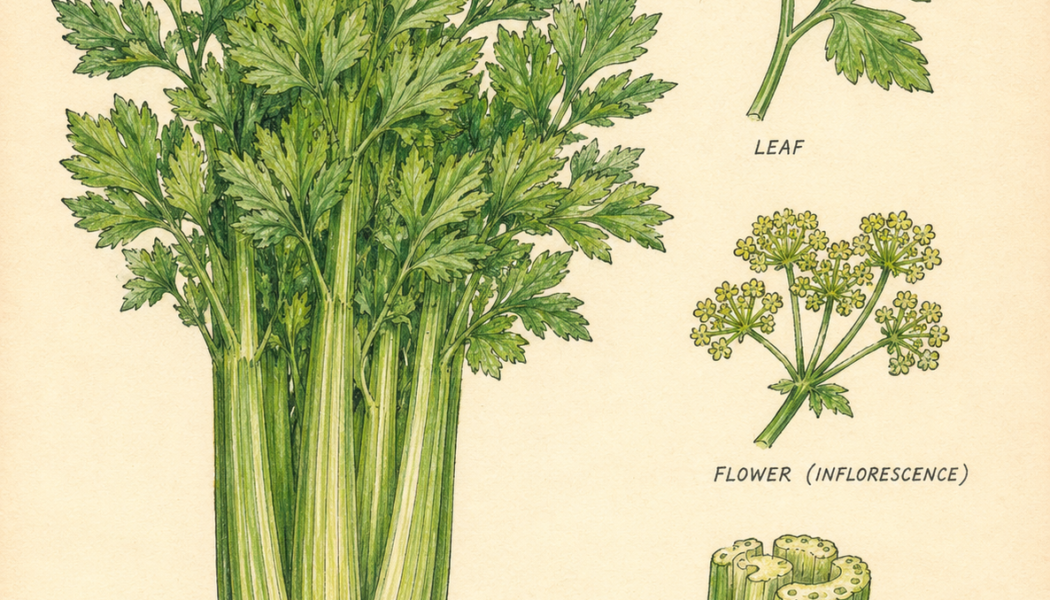

Celery and Its Place in Witchcraft
Celery is commonly known as a crisp green vegetable used in soups, salads, and healthy snacks, but throughout history it has also carried spiritual and magical significance. In many ancient cultures, ...
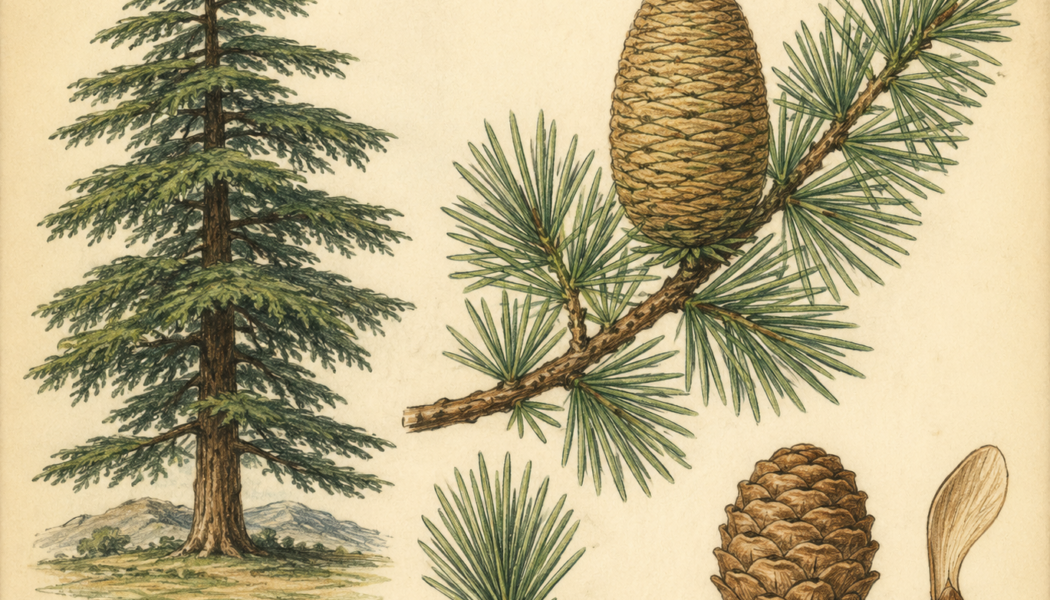

Cedar and Its Place in Witchcraft
Cedar is a strong and fragrant evergreen tree that has held spiritual importance in many cultures for centuries. Known for its durability, pleasant aroma, and healing qualities, cedar has become close...
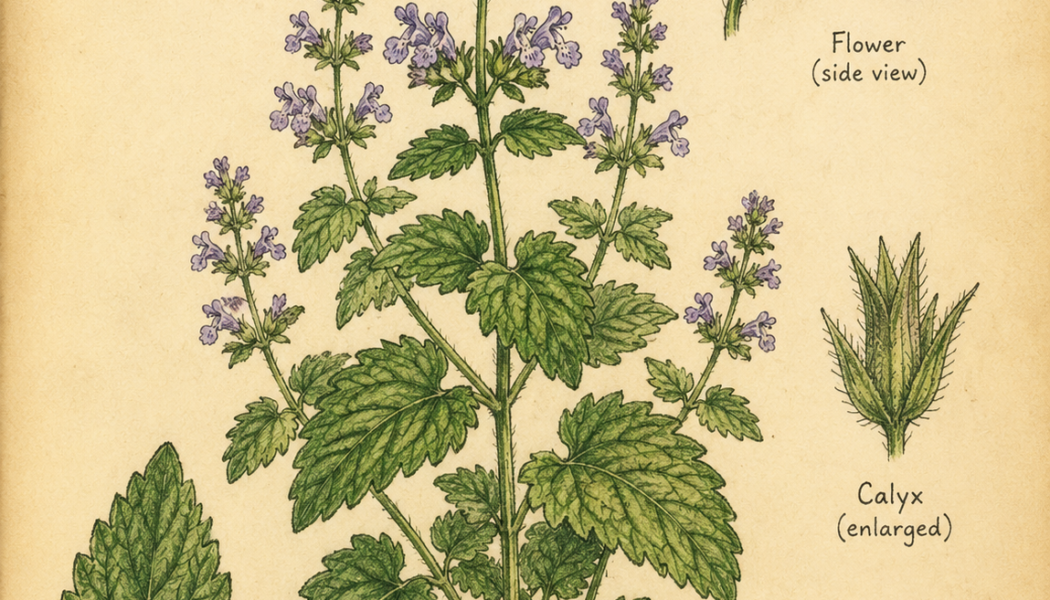

Catnip and Its Place in Witchcraft
Catnip, scientifically known as Nepeta cataria, is a fragrant herb belonging to the mint family. While many people recognize it for its unusual effect on cats, catnip also has a long and fascinating h...
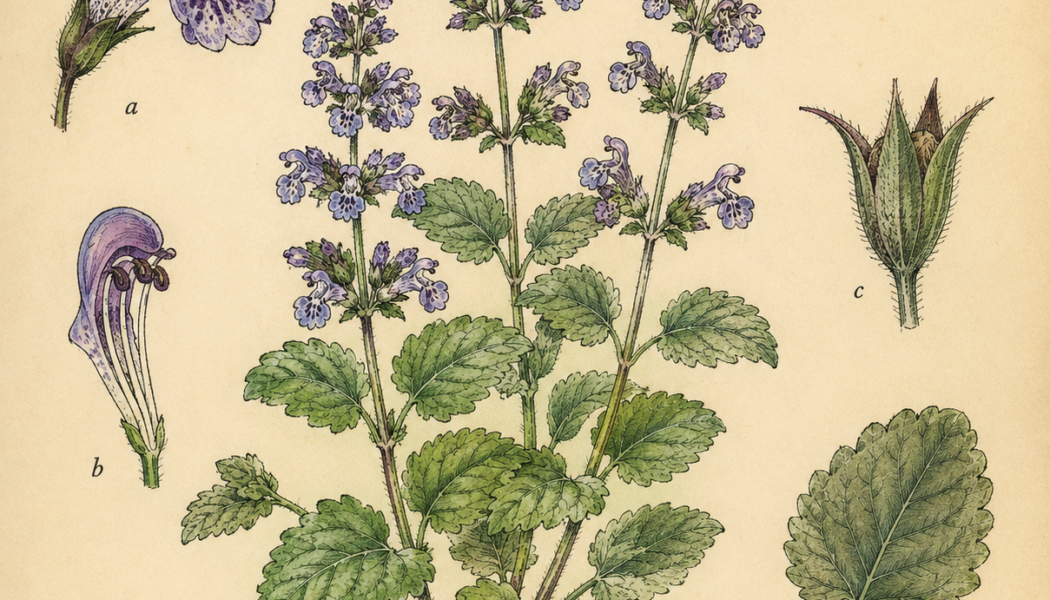

Catmint and Its Place in Witchcraft
Catmint, also known as nepeta, is a fragrant herb belonging to the mint family. Recognized for its soft green leaves and clusters of lavender-blue flowers, catmint has long been valued for both its me...
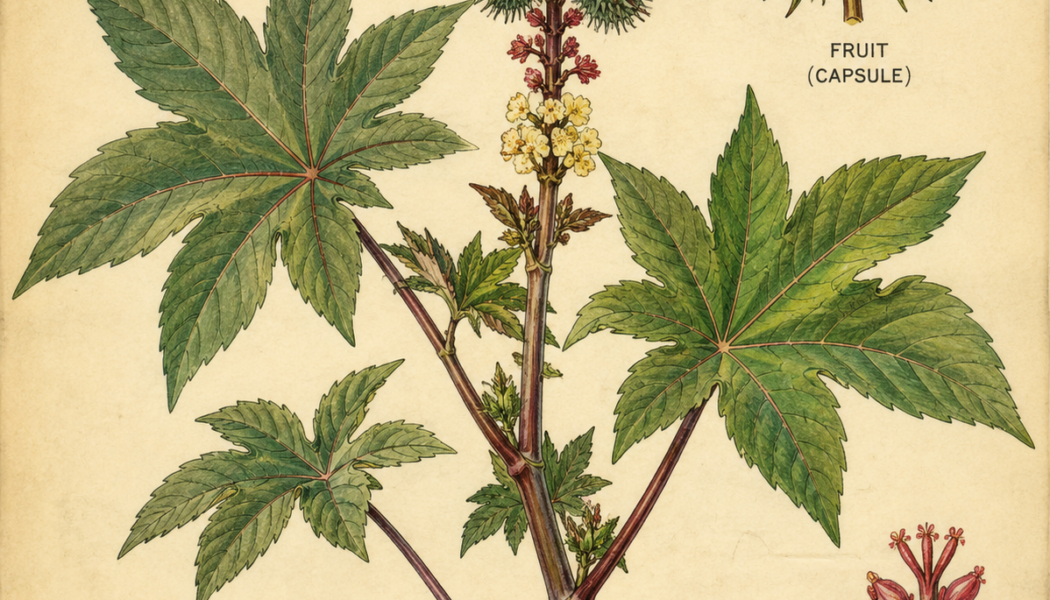

Castor Bean and Its Place in Witchcraft
The Castor Bean plant has long occupied a mysterious place in folklore, medicine, and witchcraft. Native to parts of Africa and India, this striking plant is recognized by its broad star-shaped leaves...
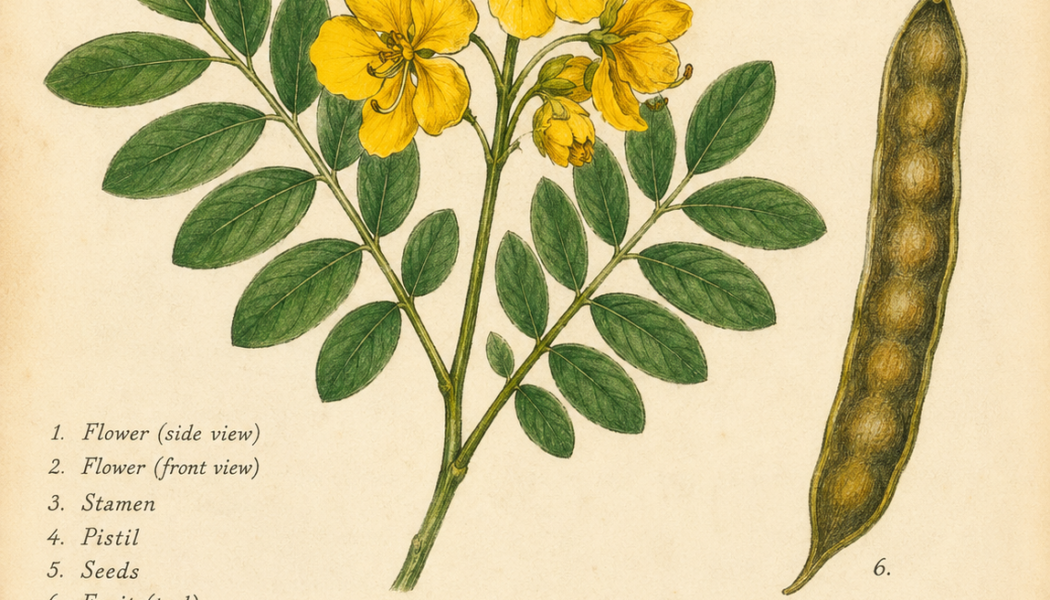

Cassia and Its Place in Witchcraft
Cassia is a fragrant plant belonging to the same botanical family as cinnamon and is best known for its warm, spicy bark and sweet aroma. Native to parts of Asia, especially China and Southeast Asia, ...
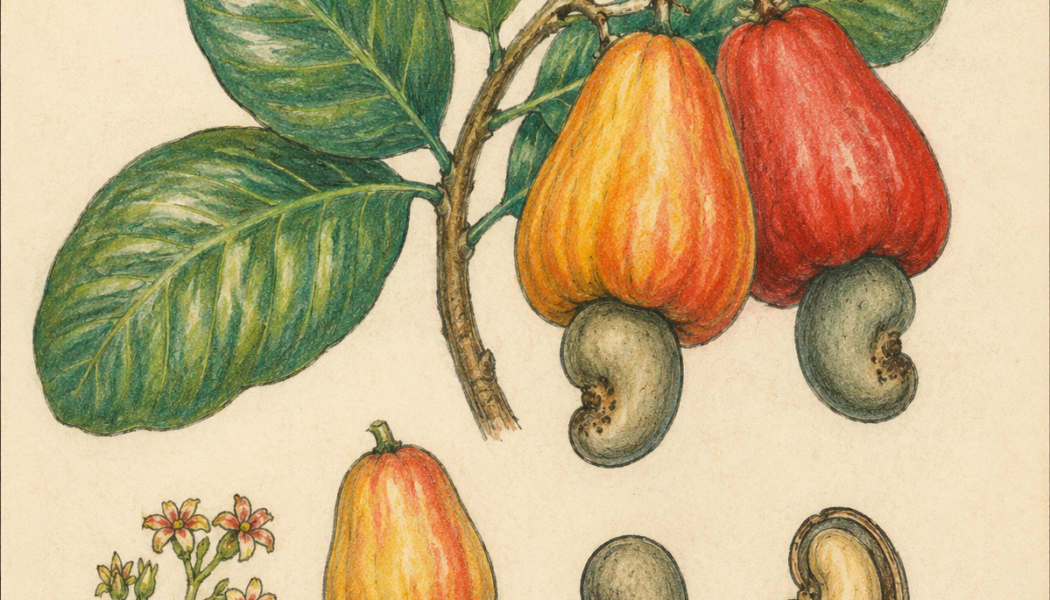

Cashew and Its Place in Witchcraft
The cashew plant, scientifically known as Anacardium occidentale, is a tropical evergreen tree native to Brazil and now cultivated in many warm regions of the world, including Africa, India, and South...
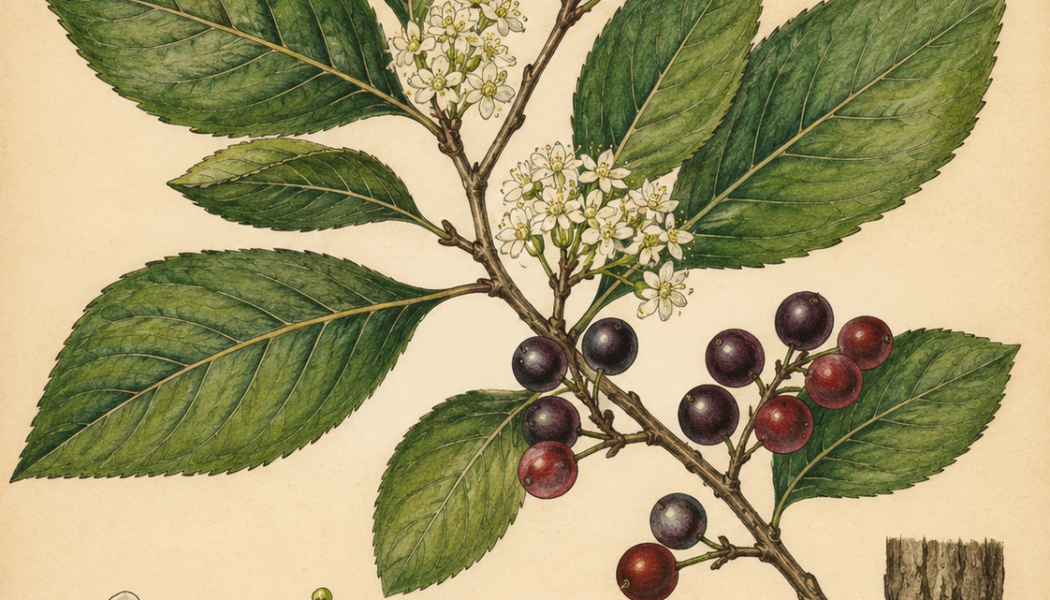

Cascara and Its Place in Witchcraft
Cascara, often referring to the dried bark of the cascara sagrada tree (Rhamnus purshiana), has long been valued for both medicinal and spiritual purposes. Native to the Pacific Northwest of North Ame...
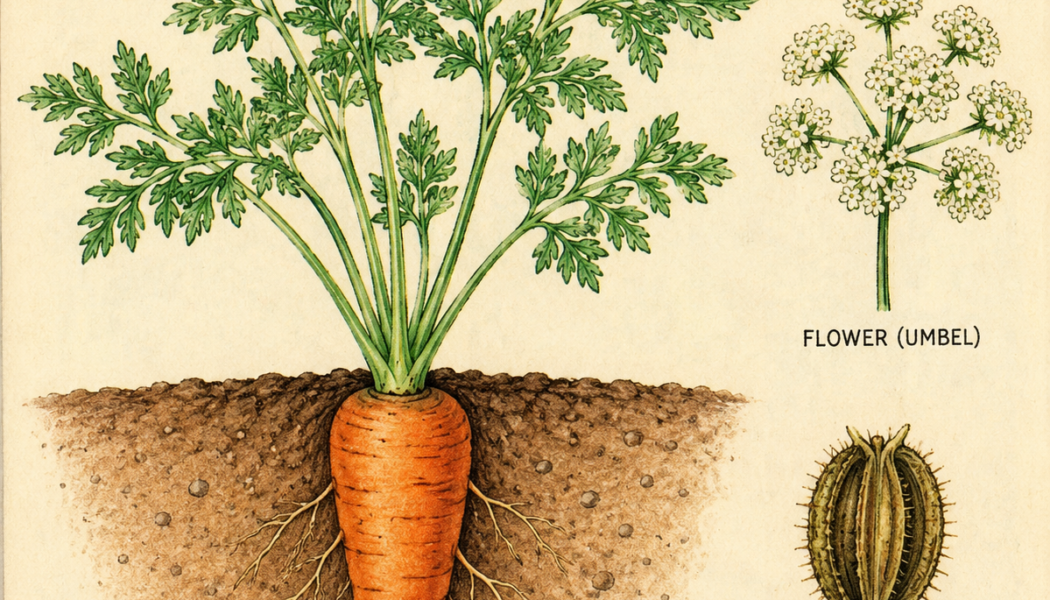

Carrot and Its Place in Witchcraft
The carrot, scientifically known as Daucus carota, is one of the world’s most familiar root vegetables, valued for its bright orange color, sweet flavor, and nutritional benefits. However, beyond the ...
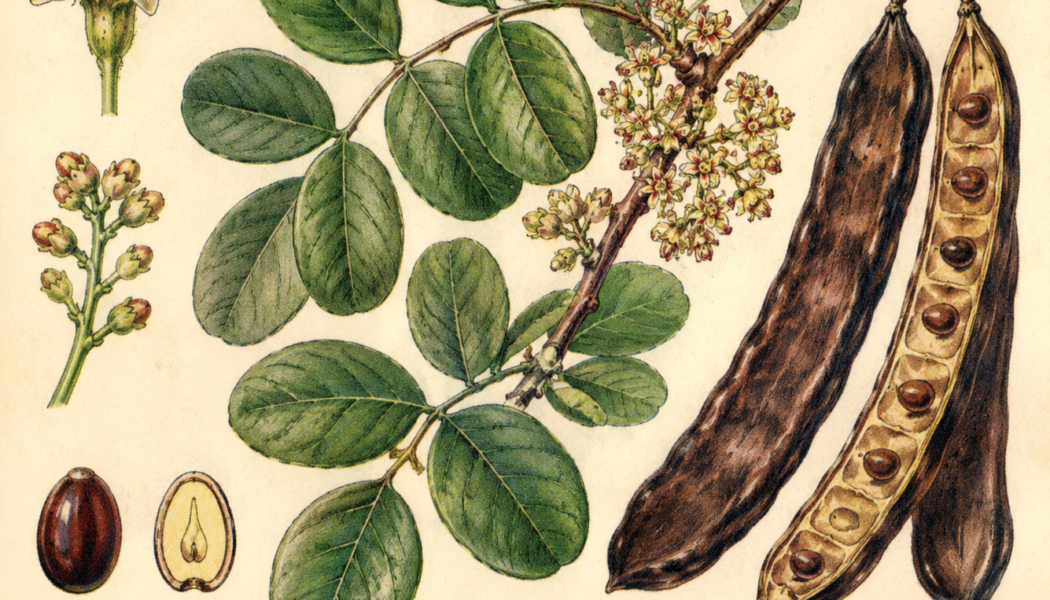

Carob and Its Place in Witchcraft
Carob, a tree native to the Mediterranean region, has long been valued for both its practical uses and its mystical associations. Known scientifically as Ceratonia siliqua, the carob tree produces dar...
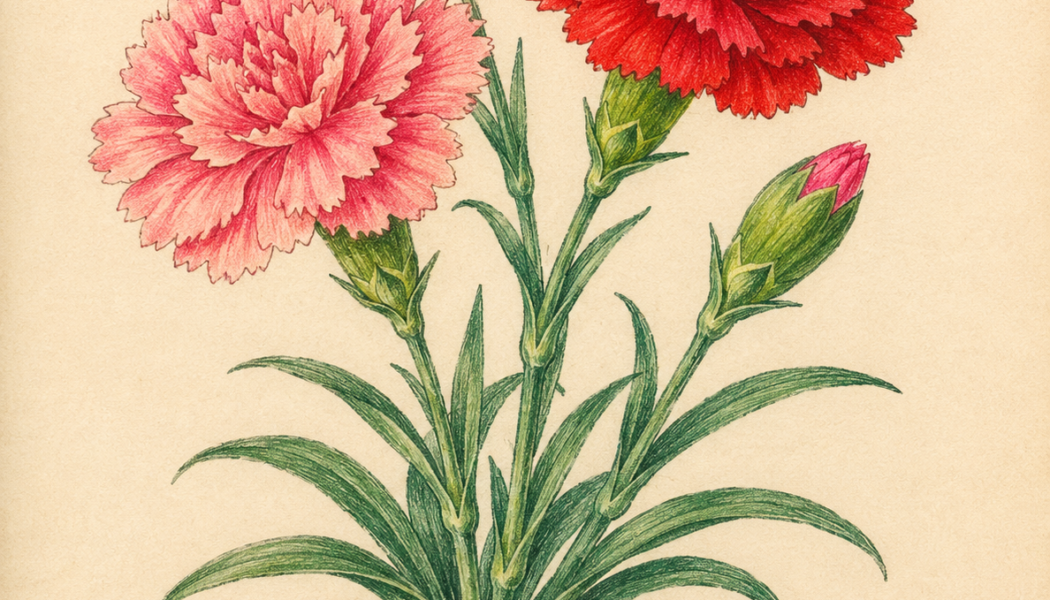

Carnation and Its Place in Witchcraft
The carnation is a beautiful flowering plant known for its ruffled petals, spicy fragrance, and wide range of colors. Scientifically called Dianthus caryophyllus, the carnation has been admired for ce...
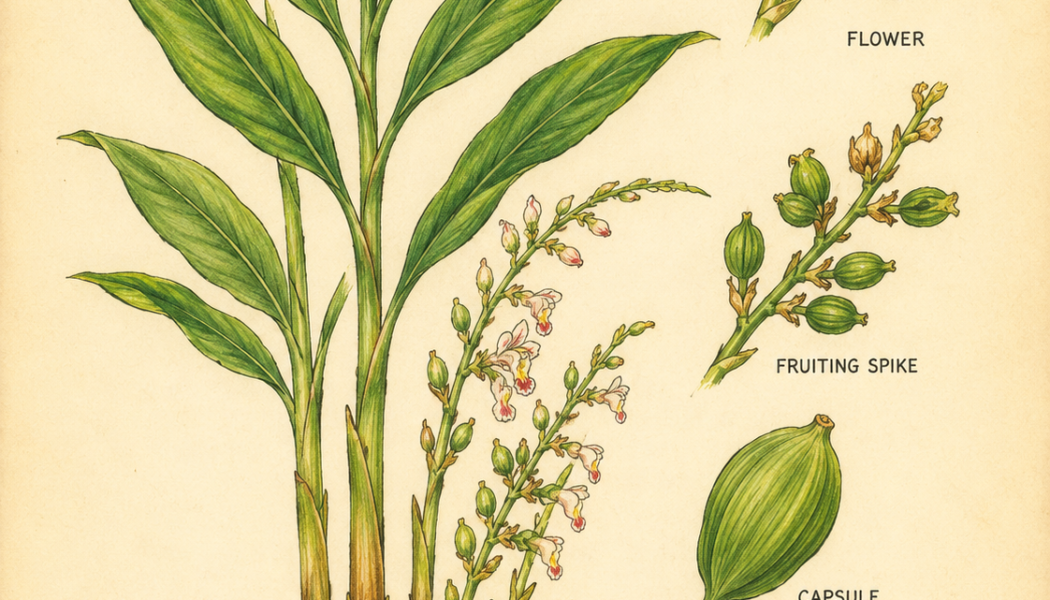

Cardamom and Its Place in Witchcraft
Cardamom is a fragrant spice derived from the seeds of plants in the ginger family, primarily native to India and parts of Southeast Asia. Known for its sweet, spicy aroma and warm flavor, cardamom ha...
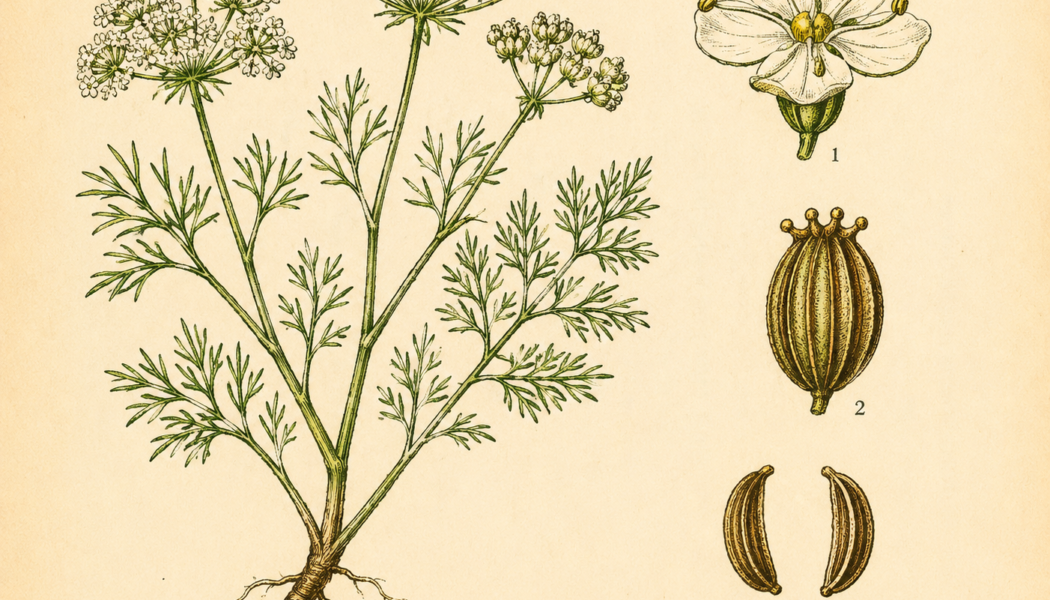

Caraway and Its Place in Witchcraft
Caraway is a fragrant herb that has long held a place in folklore, healing traditions, and witchcraft. Known scientifically as Carum carvi, the plant produces crescent-shaped seeds with a warm, slight...
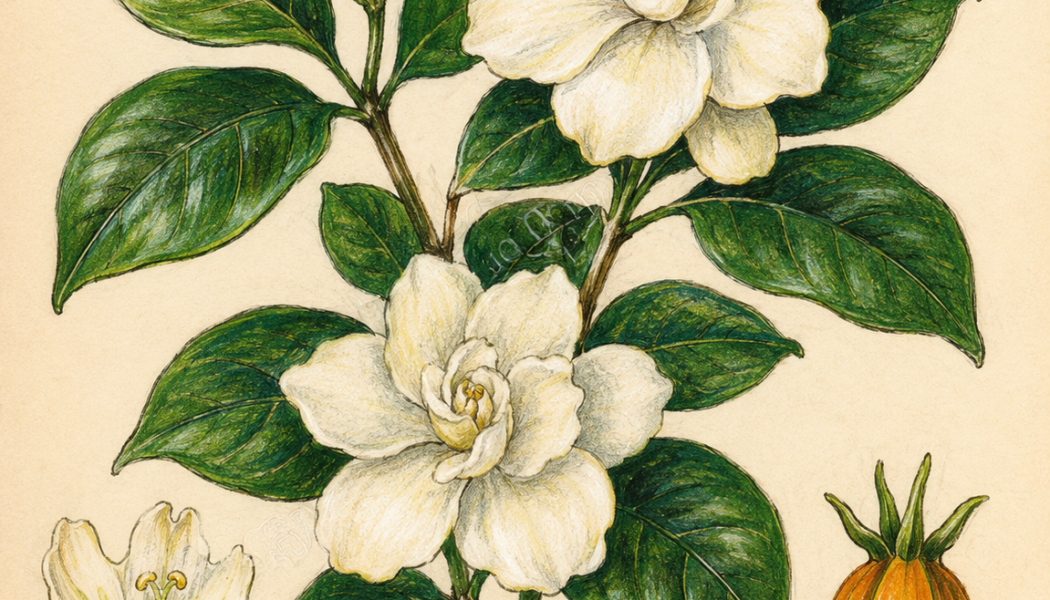

Cape Jasmine and Its Place in Witchcraft
Cape Jasmine, more commonly known as gardenia, is a fragrant flowering plant admired for its creamy white blossoms and glossy evergreen leaves. Native to parts of Asia, especially China and Japan, Cap...
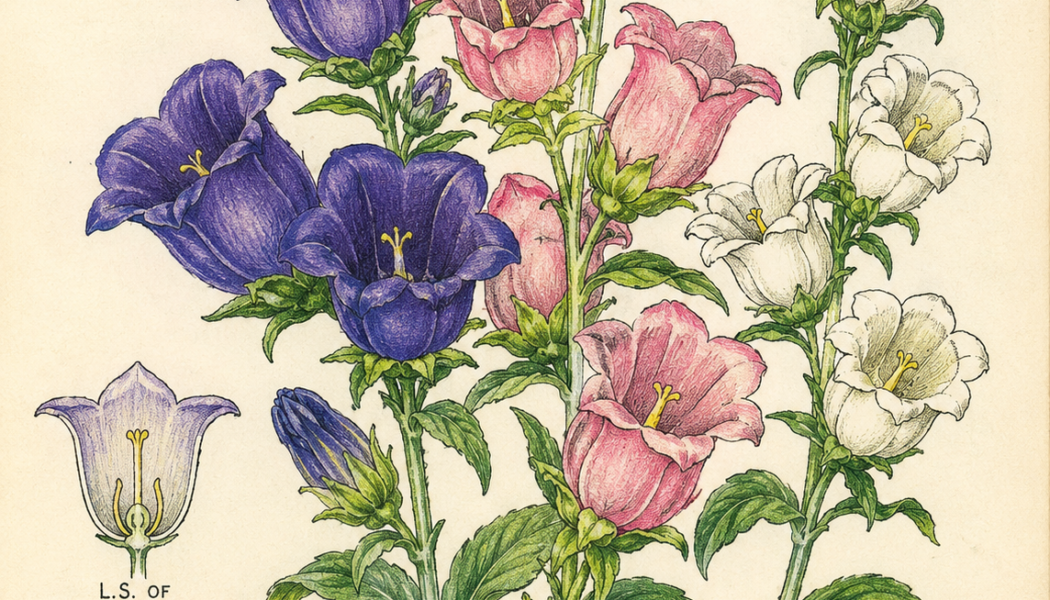

Canterbury Bells and Its Place in Witchcraft
Canterbury Bells, known scientifically as Campanula medium, are charming biennial flowers admired for their bell-shaped blooms in shades of purple, pink, blue, and white. Native to southern Europe, th...
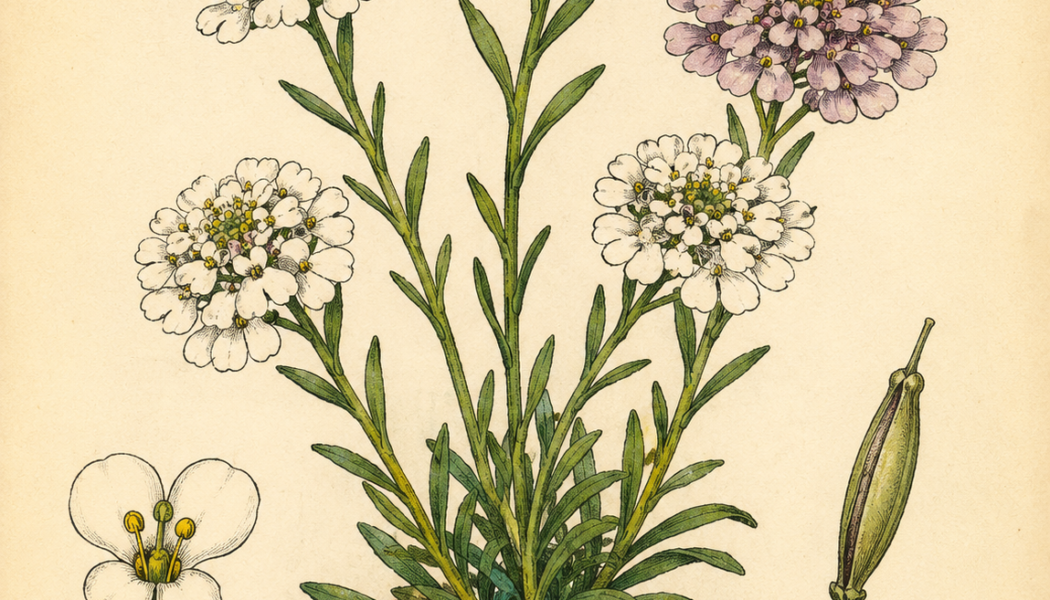

Candytuft and Its Place in Witchcraft
Candytuft is a delicate flowering plant known for its clusters of white, pink, or lavender blossoms that spread like a soft carpet across gardens and rocky hillsides. Belonging to the genus Iberis, ca...
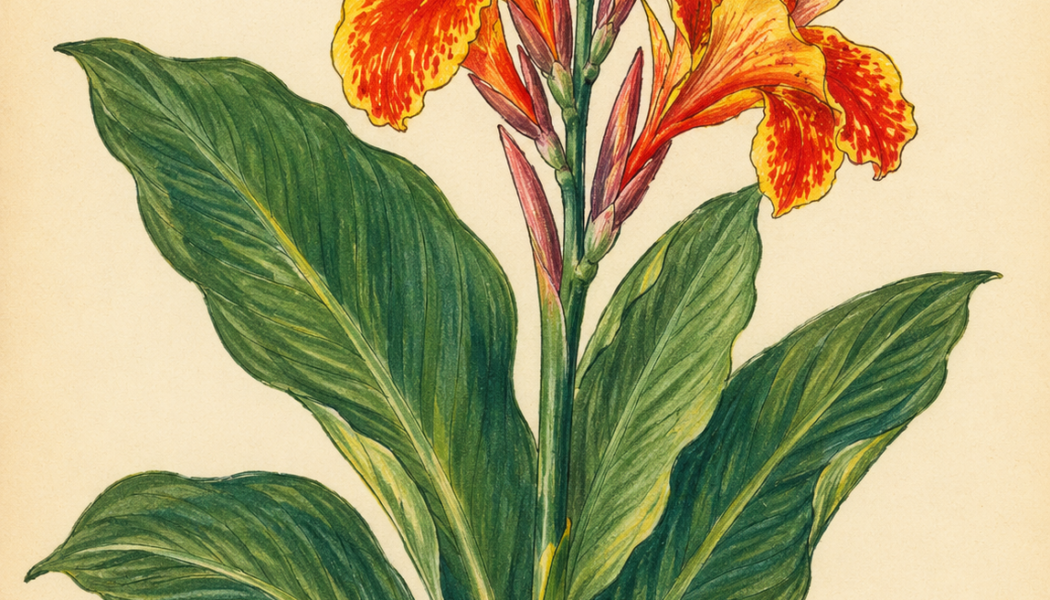

Canna Lily and Its Place in Witchcraft
The Canna Lily is a striking tropical plant known for its broad green leaves and brilliant flowers in shades of red, orange, yellow, and pink. Though often grown for ornamental beauty, the plant has a...
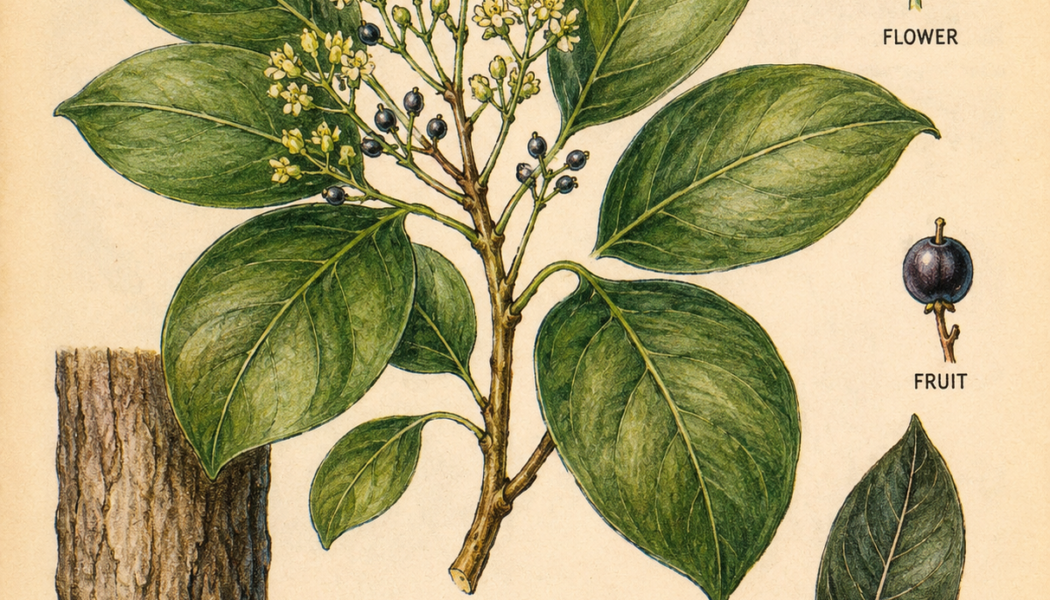

Camphor and Its Place in Witchcraft
Camphor is a strong-smelling white substance taken from the wood of the camphor tree, most commonly the species Cinnamomum camphora. For centuries, it has been valued in medicine, religion, and spirit...
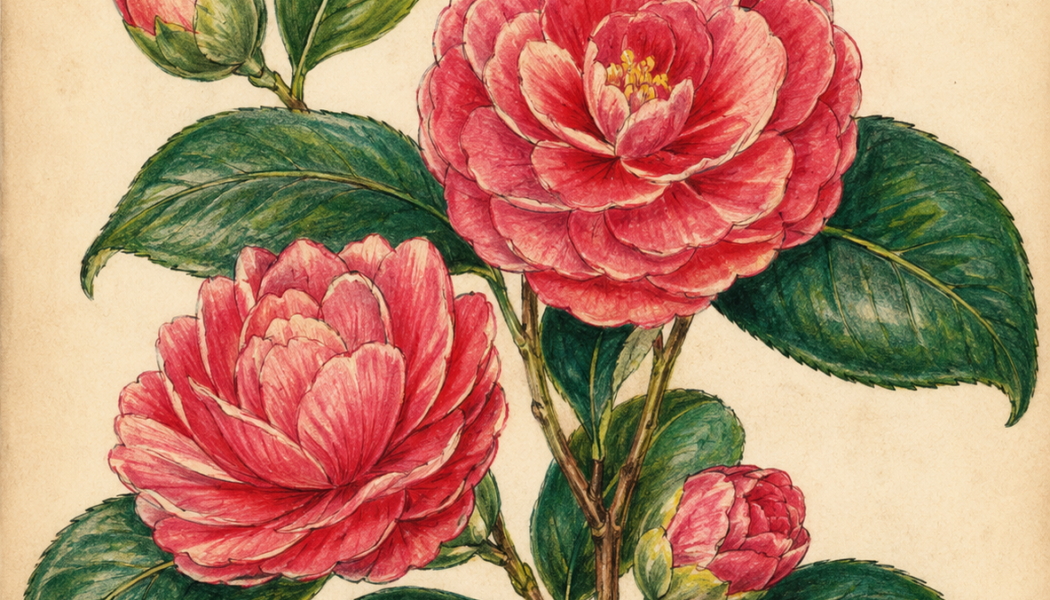

Camellia and Its Place in Witchcraft
The camellia is a beautiful flowering plant admired for its glossy green leaves and elegant blossoms that bloom in shades of white, pink, and red. Native to eastern and southern Asia, especially China...
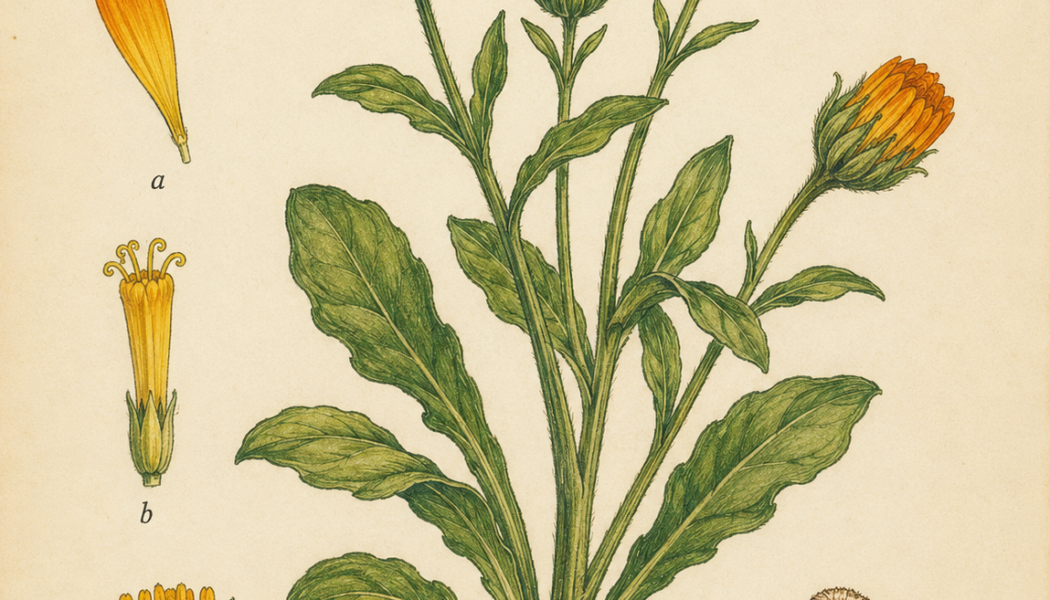

Calendula and Its Place in Witchcraft
Calendula, often called “pot marigold,” is a vibrant golden-orange flower long associated with healing, protection, and spiritual power. Native to the Mediterranean region, this cheerful plant has bee...