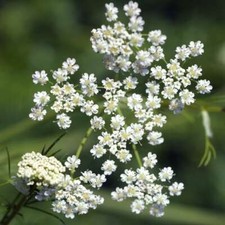
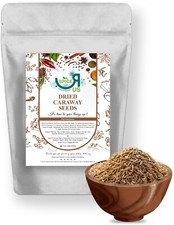
Caraway is a fragrant herb that has long held a place in folklore, healing traditions, and witchcraft. Known scientifically as Carum carvi, the plant produces crescent-shaped seeds with a warm, slightly sweet flavor often used in bread, cheese, and herbal remedies. Beyond the kitchen, however, caraway has been valued for centuries as a magical plant associated with protection, memory, love, and luck.
In European folk magic, caraway was believed to guard against theft and evil influences. People often placed the seeds in cupboards, purses, or beneath household doors to keep valuables safe. Farmers sometimes fed caraway to livestock because it was thought to prevent animals from wandering away or being stolen. This belief in the herb’s power to “hold things in place” became one of its strongest magical associations.
Caraway also played a role in love magic. In some traditions, the seeds were baked into cakes or breads shared between lovers to encourage faithfulness and strengthen emotional bonds. Because of its lingering scent and preserving qualities, the herb symbolized loyalty and enduring affection. Witches and cunning folk sometimes carried caraway in charm bags or sachets intended to attract romance or maintain harmony within a marriage.
Another important magical use of caraway involved mental clarity and memory. Herbalists believed the plant could sharpen the mind and improve concentration. In witchcraft, it was sometimes burned as incense or added to ritual teas during divination and study. Practitioners associated the herb with focus, wisdom, and uncovering hidden truths.
Modern pagan and witchcraft traditions continue to use caraway in spellwork and rituals. It may appear on altars, in herbal blends, or in protection charms. Many contemporary witches value the herb not only for its historical symbolism but also for its grounding aroma and calming qualities.
Though small and easily overlooked, caraway has carried deep symbolic meaning through generations. Its blend of practical usefulness and mystical reputation has secured its place in the long history of magical herbs and traditional witchcraft.