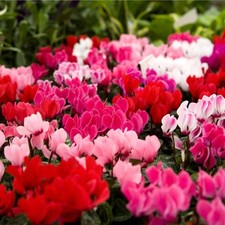
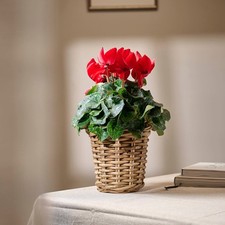
Cyclamen is a beautiful flowering plant known for its delicate, upswept petals and heart-shaped leaves. Native to parts of Europe, the Mediterranean, and the Middle East, cyclamen thrives in woodland environments and rocky hillsides. Its flowers bloom in shades of pink, white, red, and purple, often appearing during autumn, winter, or early spring when many other plants are dormant. This ability to flower during colder seasons has contributed to its rich symbolic history.
The plant grows from a tuber, an underground storage organ that allows it to survive difficult conditions. Because it disappears beneath the soil and later returns with fresh growth, cyclamen has long been associated with cycles of death, rebirth, and renewal. In ancient cultures, this connection made it a powerful symbol of life’s enduring nature.
In pagan traditions, cyclamen was often linked to transformation, fertility, and the mysteries of the natural world. Its recurring growth cycle reflected the seasonal changes celebrated in many nature-based religions. Some folk beliefs associated the plant with protective energies and the ability to ward off negative influences. Its heart-shaped leaves also connected it to themes of love, emotional healing, and deep spiritual bonds.
Within modern witchcraft and magical folklore, cyclamen is sometimes used in spells and rituals focused on love, intuition, and protection. Practitioners may place the flowers on altars dedicated to seasonal celebrations or use their symbolism in meditation and spellwork. The plant’s association with rebirth makes it a meaningful addition to rituals marking personal transformation, new beginnings, or spiritual growth.
Historically, cyclamen appeared in various magical texts and folk traditions. In some regions, it was believed to bring good fortune, while in others it was thought to enhance dreams and psychic awareness. These beliefs varied widely and were shaped by local customs rather than universal practices.
Today, cyclamen remains admired both as an ornamental plant and as a symbol within pagan and witchcraft communities. Its graceful appearance, seasonal resilience, and long-standing folklore continue to inspire those who seek a deeper connection with nature, personal transformation, and the changing rhythms of the earth.