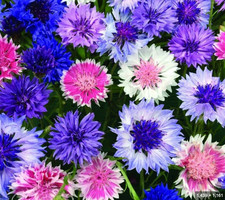
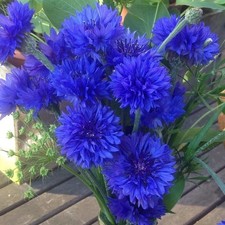
The cornflower, also known as bachelor’s button, is a delicate blue wildflower that has long carried symbolic and magical meaning throughout European folklore and witchcraft traditions. Known scientifically as Centaurea cyanus, the flower commonly grew among wheat fields and was admired for its vivid blue petals, which were often associated with the sky, spirit, and divine protection. Though beautiful in appearance, the cornflower’s mystical reputation gave it a special place in herbal magic and folk practices.
In traditional witchcraft, the cornflower was believed to possess energies linked to love, truth, and psychic awareness. Its bright blue color connected it with intuition, inner vision, and emotional healing. Many practitioners used dried cornflower petals in sachets, charms, and spell jars intended to attract love or strengthen honesty between partners. It was also said that carrying cornflowers could help reveal hidden truths or expose deception.
Cornflowers were frequently included in divination rituals. Some folk traditions claimed that placing the flowers beneath a pillow could encourage prophetic dreams or enhance spiritual messages during sleep. Others brewed the petals into teas or added them to ritual baths designed for purification and calming the mind before magical work.
Protection magic also featured the cornflower prominently. In rural communities, bundles of the flower were hung near doors or woven into harvest wreaths to guard homes from negative spirits and misfortune. Farmers sometimes planted cornflowers around fields not only for beauty, but because they believed the blooms protected crops from curses and harmful influences.
Beyond practical magic, the cornflower symbolized hope, resilience, and the connection between humanity and nature. Because it often flourished in harsh conditions among grain crops, it became associated with endurance and quiet strength. Modern witches and spiritual practitioners continue to use cornflowers in rituals focused on peace, clarity, dreamwork, and emotional balance.
Today, the cornflower remains both a cherished garden flower and a meaningful symbol within modern paganism and witchcraft, linking contemporary spiritual practices to centuries of folklore and herbal tradition.