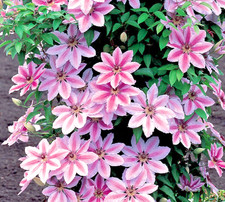
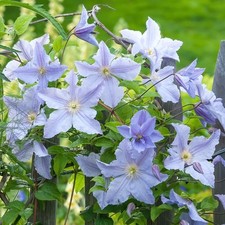
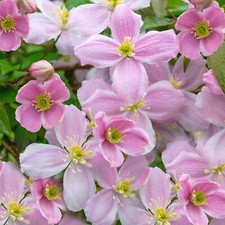
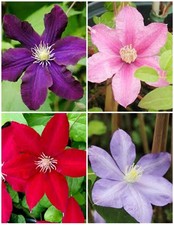
Clematis, often called the “queen of climbers,” is a flowering vine admired for its delicate petals and vigorous growth. Found in gardens throughout Europe and Asia, this enchanting plant has also held a quiet but intriguing place in folklore and witchcraft traditions for centuries. Its twisting vines, star-like blossoms, and ability to climb toward the light gave it symbolic importance in many magical practices.
In traditional folk magic, clematis was associated with mental power, creativity, and spiritual awareness. Because the plant climbs and spreads rapidly, it symbolized aspiration, transformation, and the reaching of higher knowledge. Some practitioners believed that keeping clematis near the home encouraged inspiration and sharpened intuition. The plant’s airy blossoms were thought to stimulate imagination and aid in dream work, making it useful in rituals involving divination or meditation.
Clematis also carried protective qualities in certain rural traditions. Vines were sometimes grown around cottages or garden gates to ward off unwanted energies and harmful spirits. In parts of European folklore, hanging pieces of clematis near doorways was believed to create a spiritual barrier against negativity. This protective symbolism likely arose from the plant’s dense and winding growth, which appeared capable of trapping or confusing malicious forces.
In modern witchcraft and contemporary pagan practices, clematis is often linked with the element of air due to its light blossoms and climbing nature. It may be used in spells connected to communication, artistic expression, and personal growth. Some witches include dried clematis flowers in sachets, charm bags, or altar decorations to encourage clarity of thought and emotional balance.
Despite its beauty and mystical associations, clematis should be handled carefully, as some species can irritate the skin or be mildly toxic if consumed. For this reason, magical practitioners generally use the plant symbolically rather than medicinally.
Today, clematis remains both a beloved ornamental plant and a subtle emblem of spiritual elevation, creativity, and protection within magical traditions. Its elegant vines continue to inspire gardeners and practitioners of witchcraft alike.