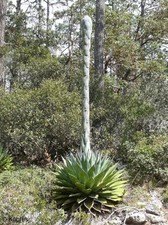
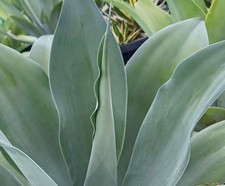
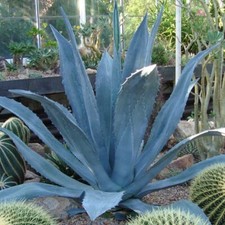
The Century Plant, commonly known as agave, is a striking succulent native to the arid regions of the Americas. Despite its name, it does not live for a century; most species flower after ten to thirty years before completing their life cycle. Its dramatic appearance, with thick, pointed leaves arranged in a rosette, has made it a symbol of endurance, protection, and transformation in many spiritual traditions.
In pagan symbolism, the Century Plant represents patience and the rewards that come from long periods of growth and preparation. Because it spends years storing energy before producing its towering flower stalk, it is often viewed as a reminder that meaningful achievements require time and perseverance. Many modern Pagans associate the plant with the cycles of nature, particularly the balance between growth, death, and rebirth.
Within witchcraft practices, the Century Plant is valued for its protective qualities. The sharp, sword-like leaves are believed to ward off negative influences and unwanted energies. Some practitioners plant agave near the boundaries of their property as a magical barrier, creating both a physical and spiritual line of defense. The plant’s resilience in harsh environments further strengthens its association with strength, survival, and personal empowerment.
The flowering of the Century Plant carries powerful magical symbolism. Since the plant produces a magnificent bloom only once before dying, witches often see it as an emblem of sacrifice, transformation, and the completion of a life cycle. It can be incorporated into rituals focused on major life transitions, personal growth, or releasing old patterns that no longer serve a purpose.
Elementally, the Century Plant is often connected with Fire due to its ability to thrive in hot, dry climates and its strong, protective nature. Some practitioners also associate it with the Sun, drawing upon its symbolism of vitality, endurance, and life-giving energy.
Today, the Century Plant continues to hold a place in contemporary Pagan and witchcraft traditions. Whether grown in a sacred garden, used symbolically in ritual work, or simply admired for its remarkable life cycle, it serves as a reminder that strength, patience, and transformation are among nature’s most profound lessons.