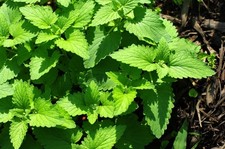
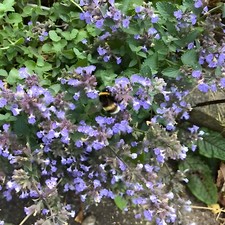
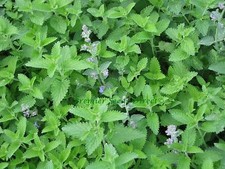
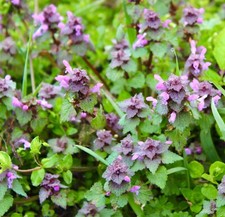
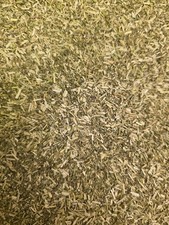
Catnip, scientifically known as Nepeta cataria, is a fragrant herb belonging to the mint family. While many people recognize it for its unusual effect on cats, catnip also has a long and fascinating history in folklore, herbal medicine, and witchcraft. Native to Europe and parts of Asia, the plant has been cultivated for centuries and carries strong symbolic associations with attraction, protection, happiness, and psychic awareness.
In witchcraft traditions, catnip is often connected to love and positive energy. Ancient herbalists believed the herb could attract friendship and affection when carried in small sachets or burned as incense. Some magical practitioners placed catnip near doorways or windows to invite good spirits and peaceful energies into the home. Because of its calming scent and soothing properties, catnip was also used in rituals intended to reduce fear, stress, and emotional tension.
Catnip has long been associated with feminine energy and the element of water, making it useful in spells involving intuition, dreams, and emotional healing. Witches and folk healers sometimes brewed catnip tea before meditation or divination practices to encourage relaxation and spiritual clarity. In certain traditions, the herb was believed to strengthen the bond between humans and animals, especially cats, which themselves were often considered magical companions or guardians of the spirit world.
Protection magic also features prominently in catnip folklore. Dried leaves were occasionally placed in charm bags or hung above doors to ward off negativity and bad luck. Travelers carried catnip to ensure safe journeys, while others planted it in gardens to create a peaceful and spiritually protected environment.
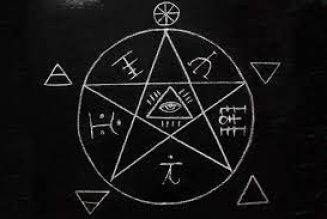
Today, modern practitioners of witchcraft continue to value catnip for both its magical symbolism and practical uses. Whether included in spell jars, herbal blends, or meditation rituals, the herb remains a symbol of comfort, attraction, and spiritual balance. Though its mystical reputation varies across cultures and traditions, catnip’s enduring presence in magical practices reflects humanity’s long-standing connection with the natural world and the belief that plants hold both physical and spiritual power.