
Solitary Witch
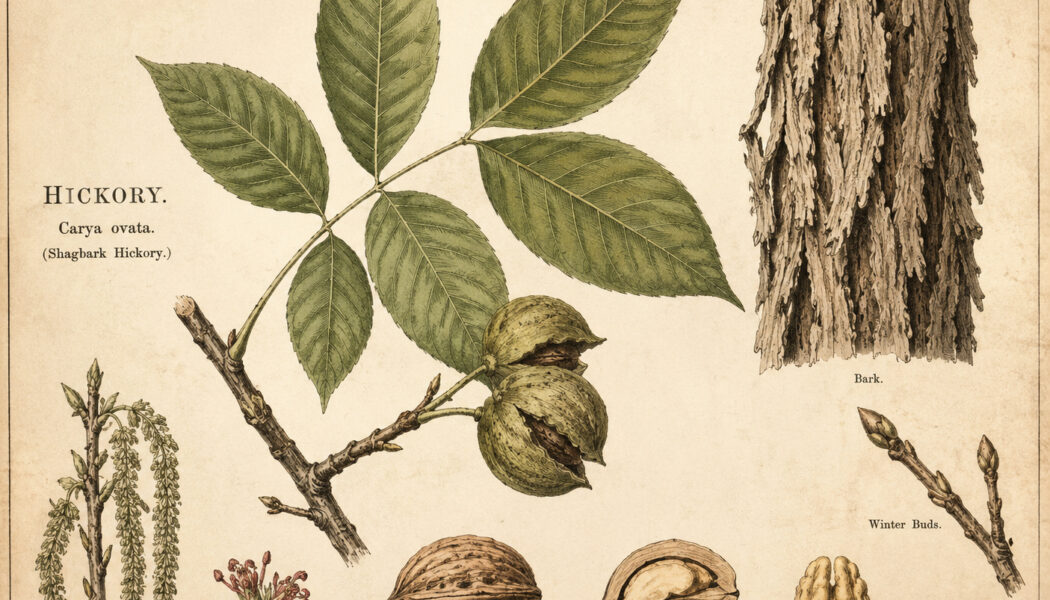

Hickory in Paganism and Witchcraft
Hickory is a tree that is often overlooked in modern Paganism and witchcraft, yet it possesses a long history of symbolism centred on strength, endurance, resilience, and wisdom. Found mainly in North...


Hibiscus in Paganism and Witchcraft: A Flower of Love, Passion and Spiritual Awakening
Hibiscus is one of the most striking flowering plants found in magical practice. With its large, vibrant blooms in shades of red, pink, yellow, orange and white, it has long been associated with beaut...
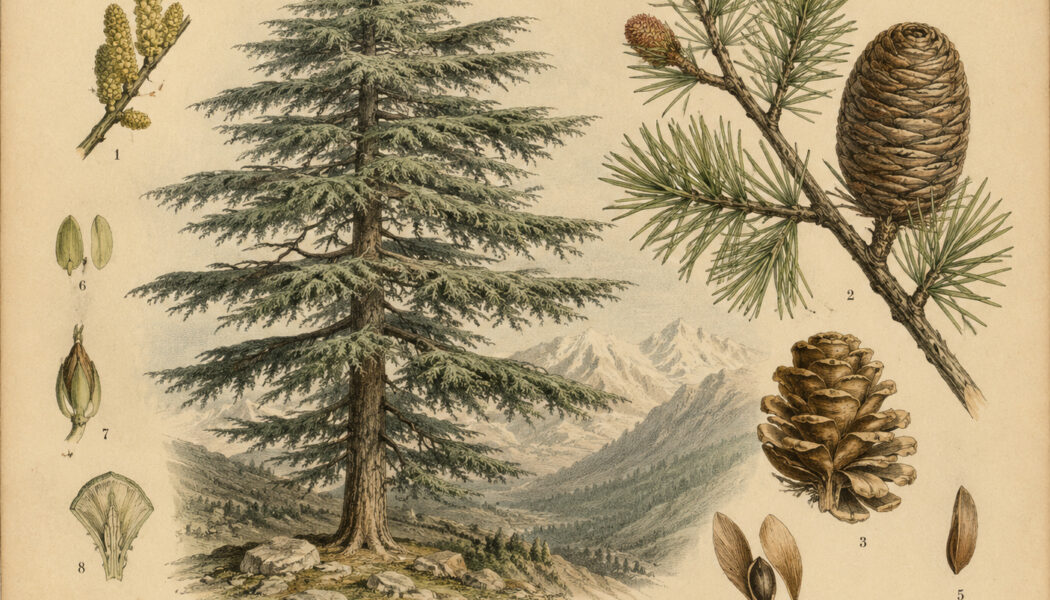

Himalayan Cedar in Paganism and Witchcraft
The Himalayan Cedar (Cedrus deodara), often known as the Tree of the Gods, has long been associated with spirituality, protection, wisdom, and sacred spaces. Native to the Himalayan mountains, this ma...
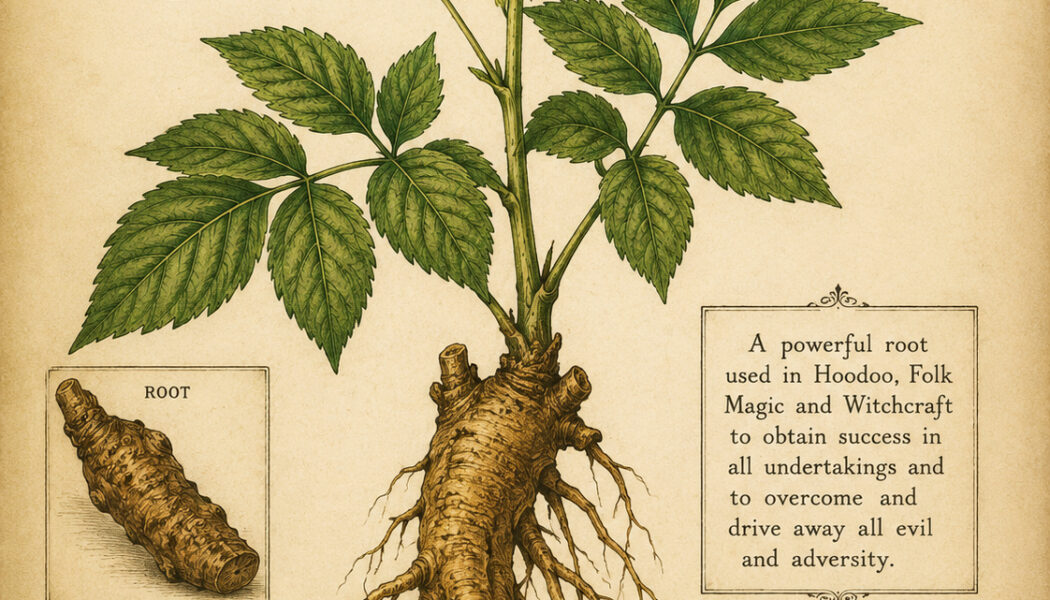

High John the Conqueror Root in Paganism and Witchcraft
High John the Conqueror Root is one of the most respected magical roots in modern folk magic and has long been associated with strength, courage, success, and overcoming adversity. Although its strong...


Hesperis in Paganism and Witchcraft: The Fragrant Flower of Twilight
Hesperis, more commonly known as Dame’s Rocket (Hesperis matronalis), is a graceful flowering plant that has long been associated with the quiet magic of dusk, beauty, love, and the mysteries th...


Herb Robert (Geranium robertianum) in Paganism and Witchcraft
Herb Robert (Geranium robertianum) is a small but remarkable wildflower that has quietly earned a place in the folklore and magical traditions of Europe. Often found growing along woodland edges, old ...
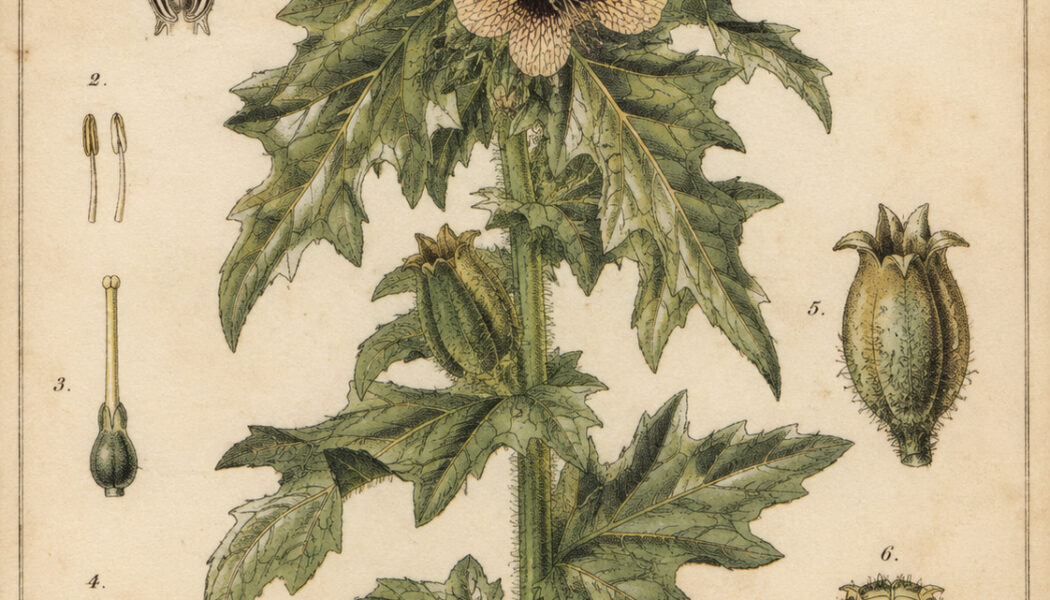

Henbane in Paganism and Witchcraft: A Plant of Mystery and Caution
Henbane (Hyoscyamus niger) has long held a place in the folklore, mythology, and magical traditions of Europe. With its pale yellow flowers veined in deep purple and its strange, unpleasant scent, it ...


Hemp in Paganism and Witchcraft: A Plant of Strength, Protection, and Connection
Hemp (Cannabis sativa) has been valued by many cultures for thousands of years, not only for its practical uses but also for its spiritual symbolism. It is important to distinguish industrial hemp, wh...
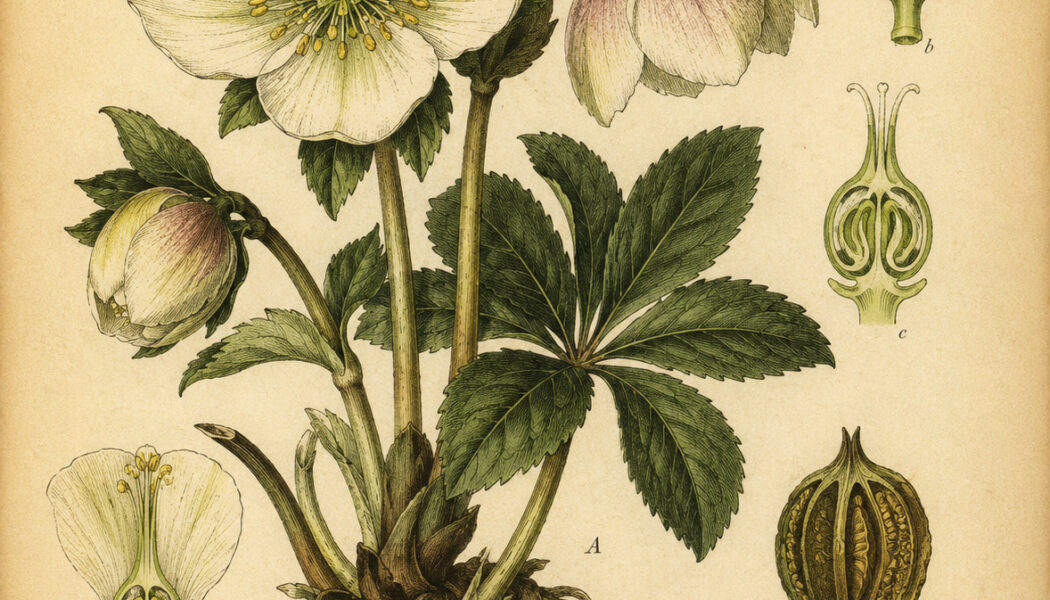

Hellebore in Paganism and Witchcraft: The Mysterious Winter Flower
Hellebore (Helleborus spp.), often called the Christmas Rose or Lenten Rose, has long been surrounded by mystery, folklore, and magical tradition. Blooming during the coldest months of the year when m...


Hedge Woundwort (Stachys sylvatica) in Paganism and Witchcraft
Hedge Woundwort (Stachys sylvatica) is a native woodland plant found throughout much of Britain and Europe. Recognisable by its tall stems, heart-shaped leaves, and deep purple flowers, it has long be...
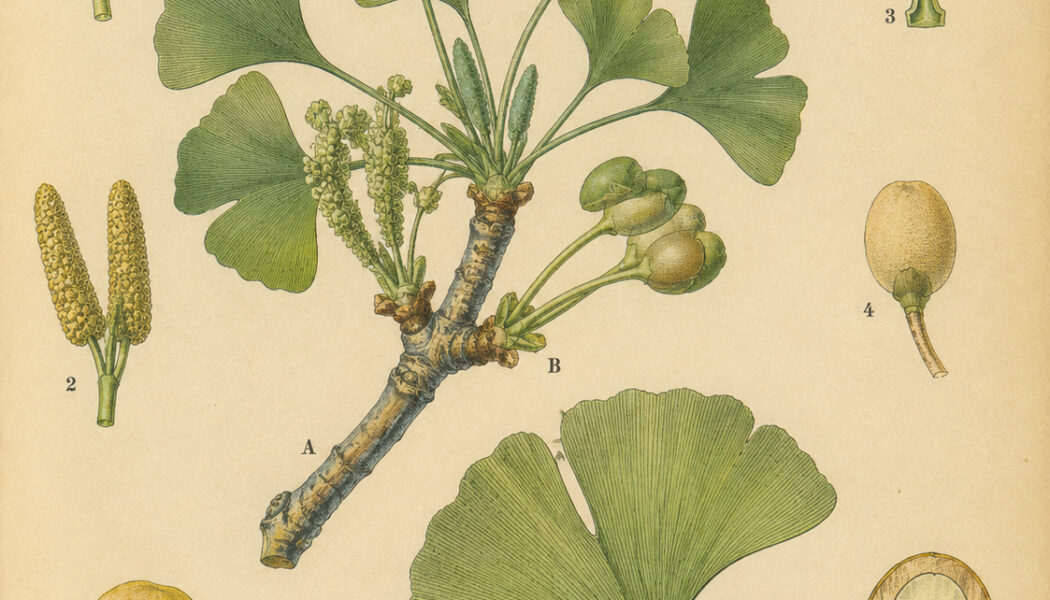

Ginkgo in Paganism and Witchcraft
Ginkgo (Ginkgo biloba), often called the maidenhair tree, is one of the oldest living tree species on Earth. Its remarkable resilience and long history have made it a powerful symbol in many spiritual...
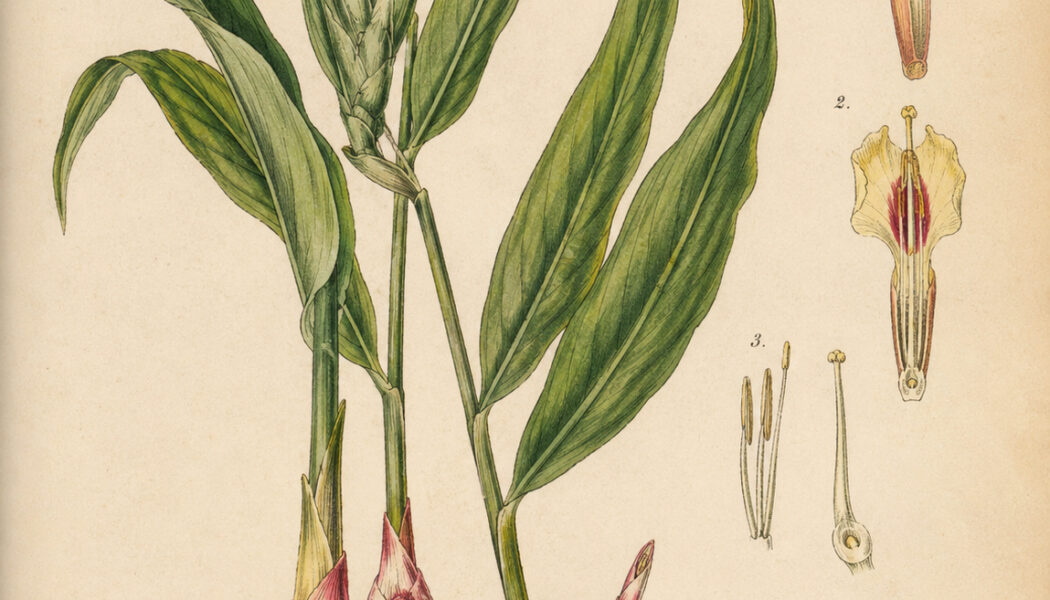

Ginger in Paganism and Witchcraft
Ginger has long been valued in many spiritual traditions for its warmth, vitality, and powerful symbolic associations. In modern paganism and various forms of witchcraft, it is often regarded as an he...
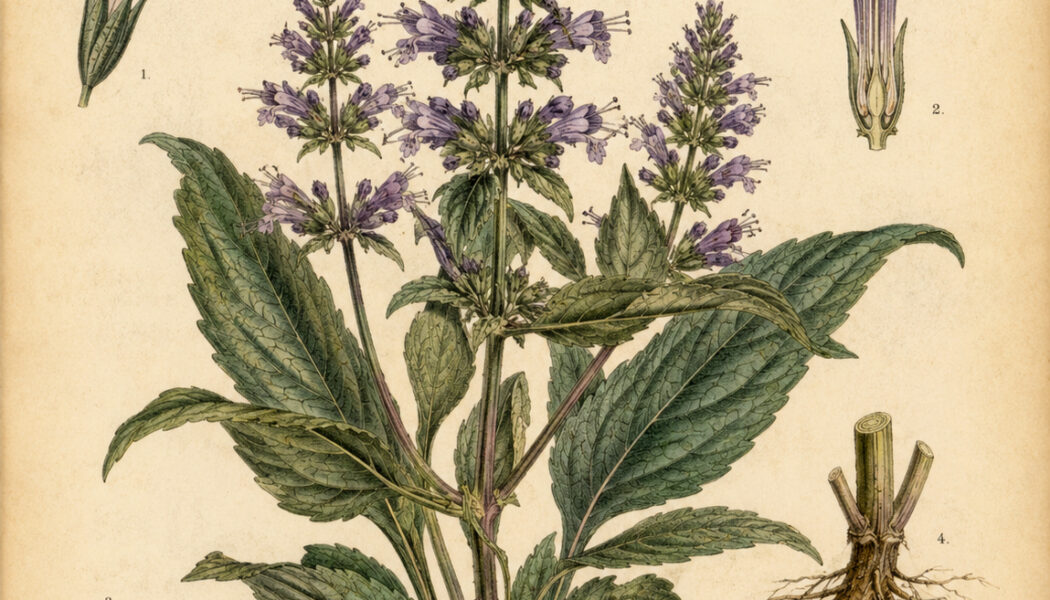

Giant Hyssop in Paganism and Witchcraft
Giant hyssop (Agastache species) is a fragrant flowering herb valued for its beauty, medicinal properties, and symbolic significance in many modern Pagan and witchcraft traditions. Although it is dist...
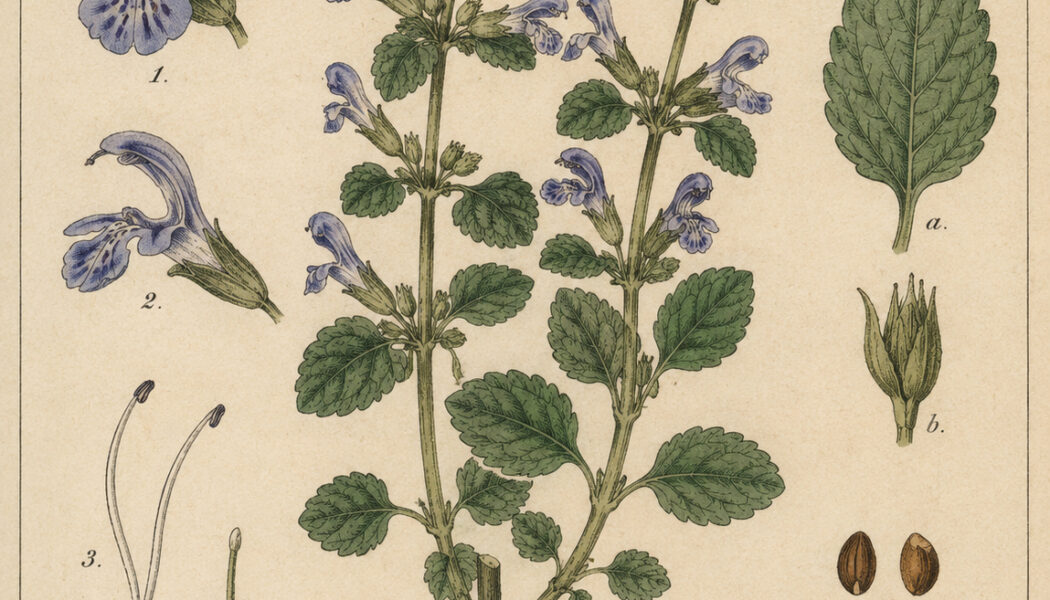

Germander in Paganism and Witchcraft
Germander (genus Teucrium) is a small flowering herb that has been valued for centuries in both traditional herbal practices and spiritual traditions. While it is not as widely known as herbs such as ...
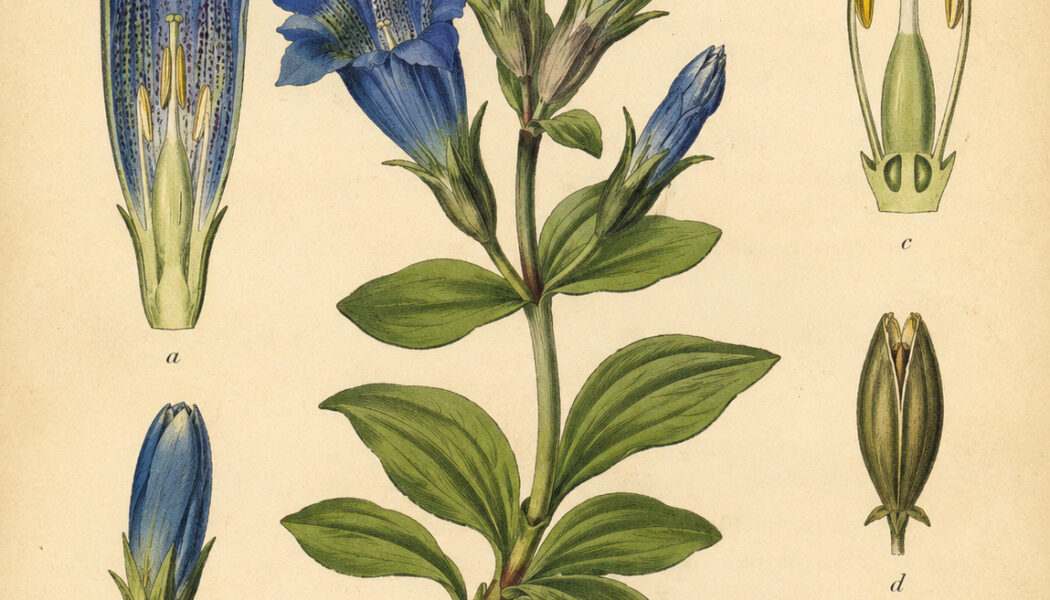

Gentian in Paganism and Witchcraft
Gentian is a striking mountain plant known for its vivid blue flowers and intensely bitter roots. Throughout European folklore, traditional herbalism, and modern Pagan practices, gentian has earned a ...
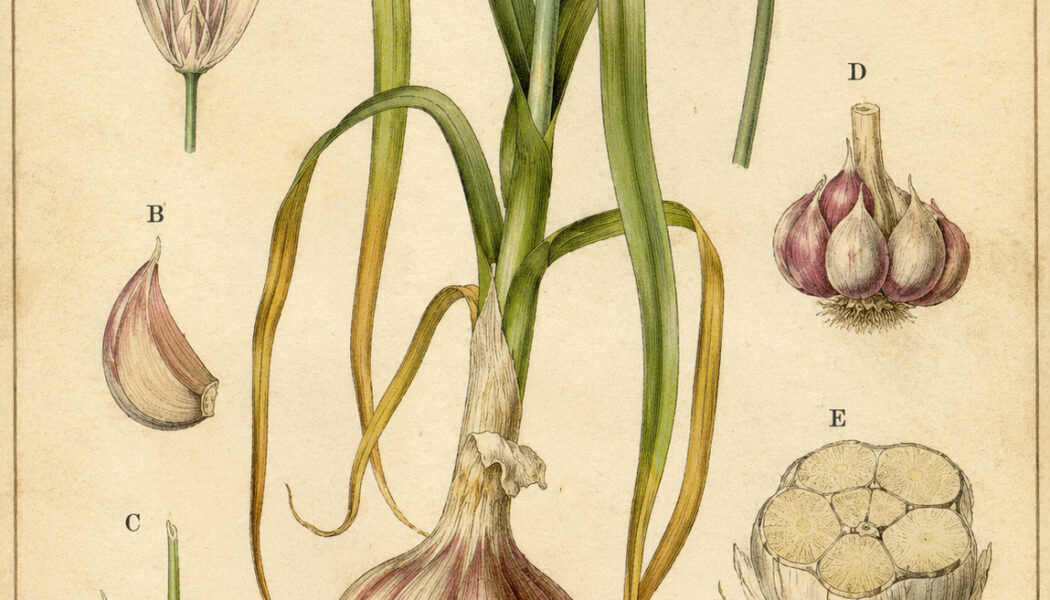

Garlic in Paganism and Witchcraft
Garlic has long been regarded as one of the most powerful magical herbs in paganism and witchcraft. Beyond its well-known culinary and medicinal uses, it has been valued for centuries as a symbol of p...
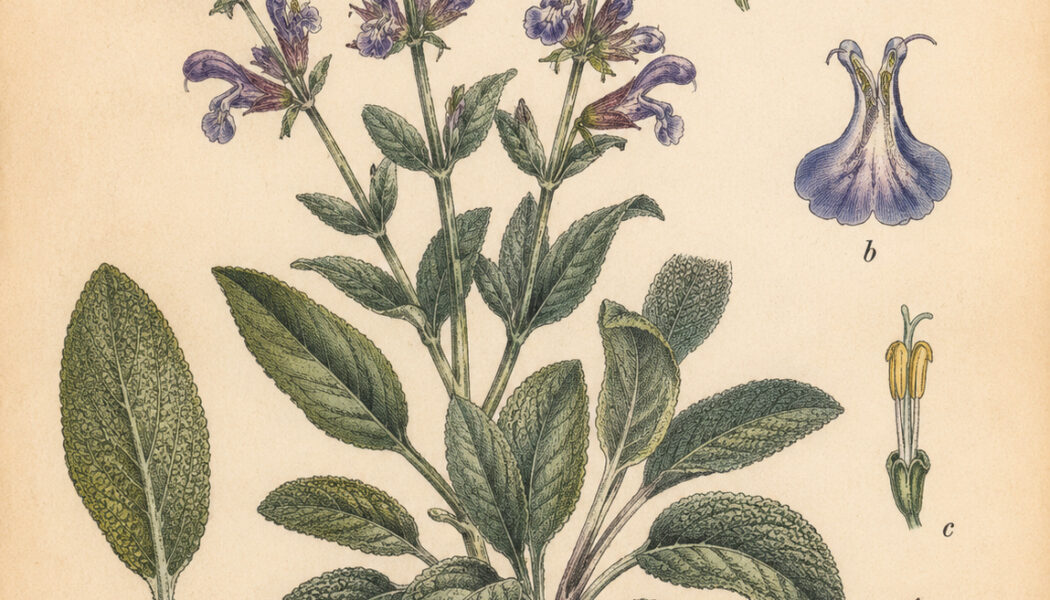

Garden Sage in Paganism and Witchcraft
Garden sage (Salvia officinalis) has long held a place of honor in many pagan and witchcraft traditions. Valued for its earthy aroma, healing properties, and symbolic associations, this common herb is...
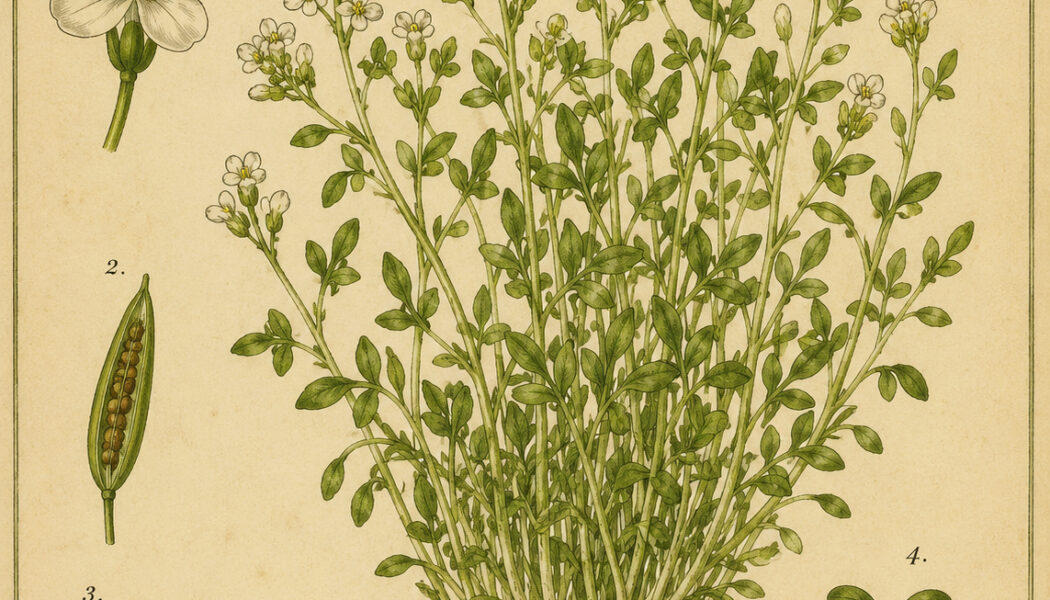

Garden Cress in Paganism and Witchcraft
Garden cress (Lepidium sativum) is a fast-growing herb that has long been appreciated for its culinary and medicinal qualities. In modern paganism and various forms of folk witchcraft, it is also valu...
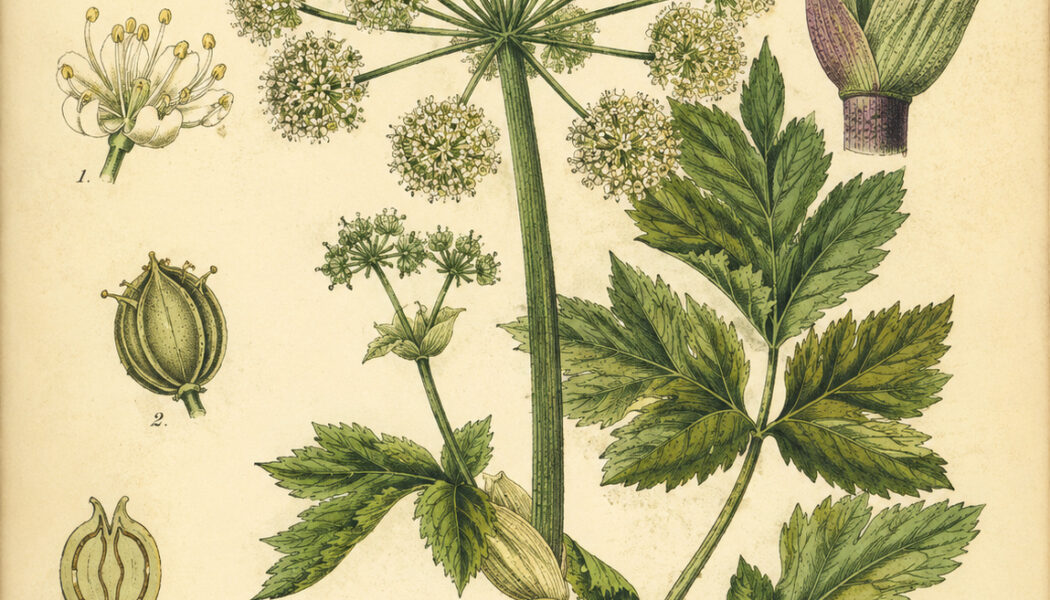

Garden Angelica in Paganism and Witchcraft
Garden Angelica (Angelica archangelica) has long held a special place in European folklore, pagan traditions, and modern witchcraft. Known for its tall stems, fragrant leaves, and umbrella-shaped clus...
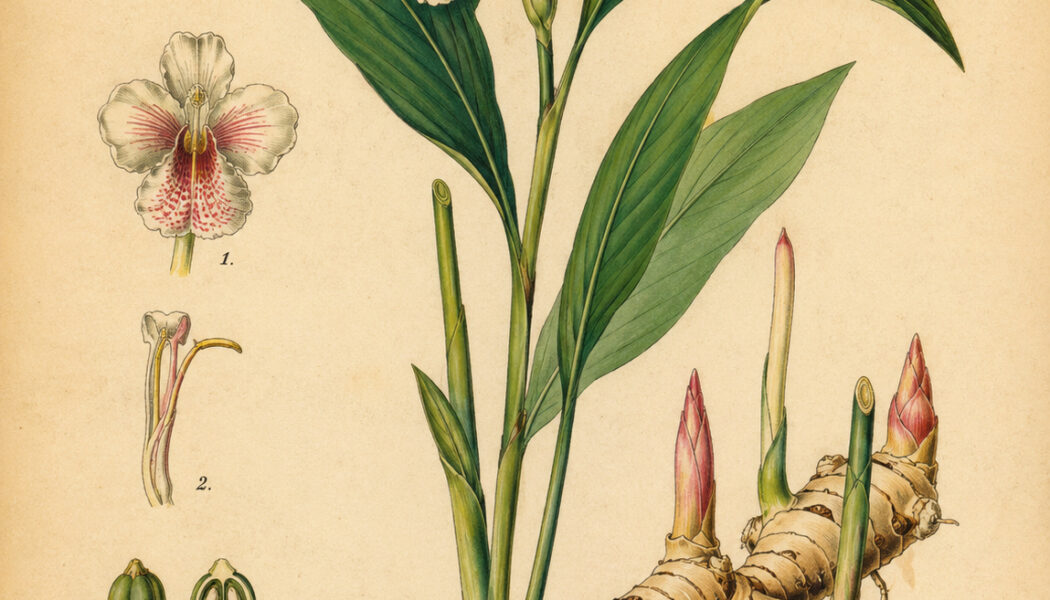

Galangal in Paganism and Witchcraft
Galangal, a fragrant root belonging to the ginger family, has long been valued not only for its culinary and medicinal qualities but also for its place in various folk magic traditions. In many modern...

Could Paganism Be More Than Mythology?
What if paganism is more than mythology? Many of us are first drawn to paganism through the old stories. We discover the myths of Odin’s search for wisdom, Persephone’s journey into the un...
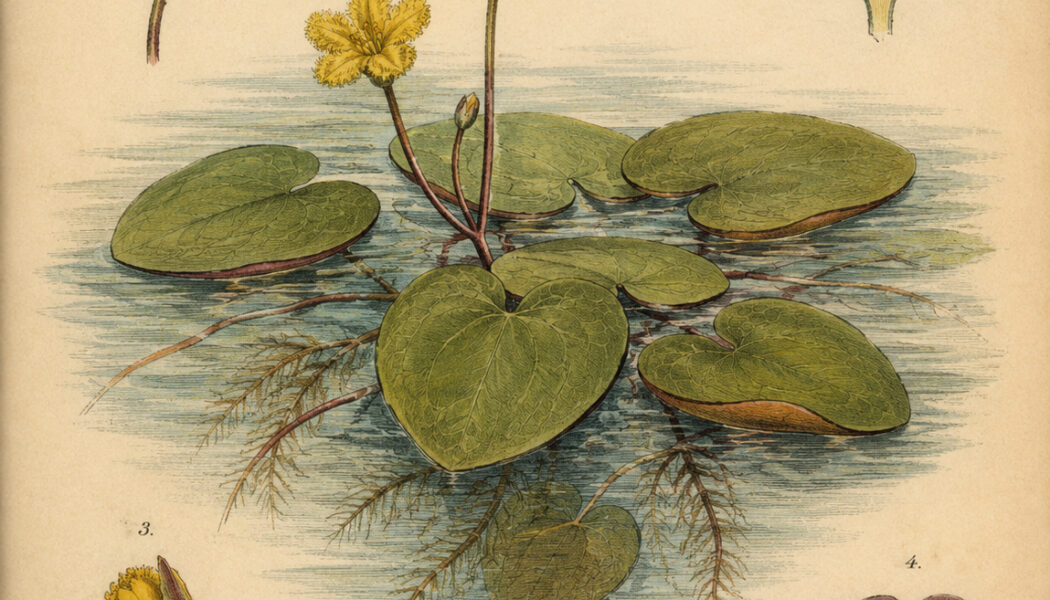

Floating Heart: A Sacred Water Plant in Paganism and Witchcraft
Floating Heart is a graceful aquatic plant known for its small, heart-shaped leaves that drift across the surface of ponds and slow-moving water. Belonging to the Nymphoides genus, it is often admired...
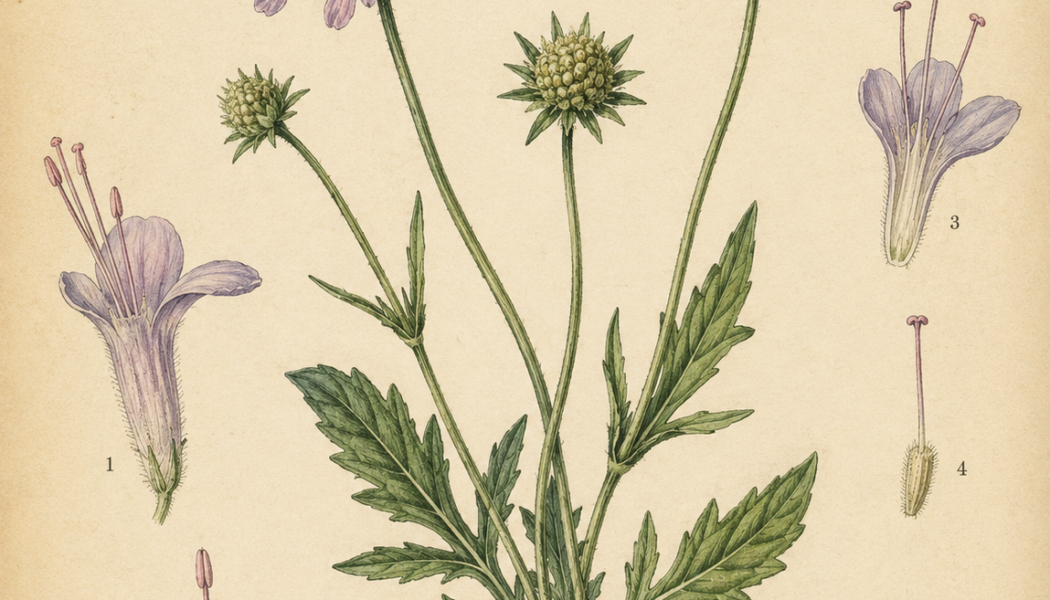

Field Scabious: A Wildflower of Healing, Protection, and Ancient Folk Magic
Field Scabious (Knautia arvensis) is a beautiful wildflower commonly found in meadows, grasslands, and roadside verges throughout Europe. Its soft lilac, pink, or violet flowers bloom from early summe...
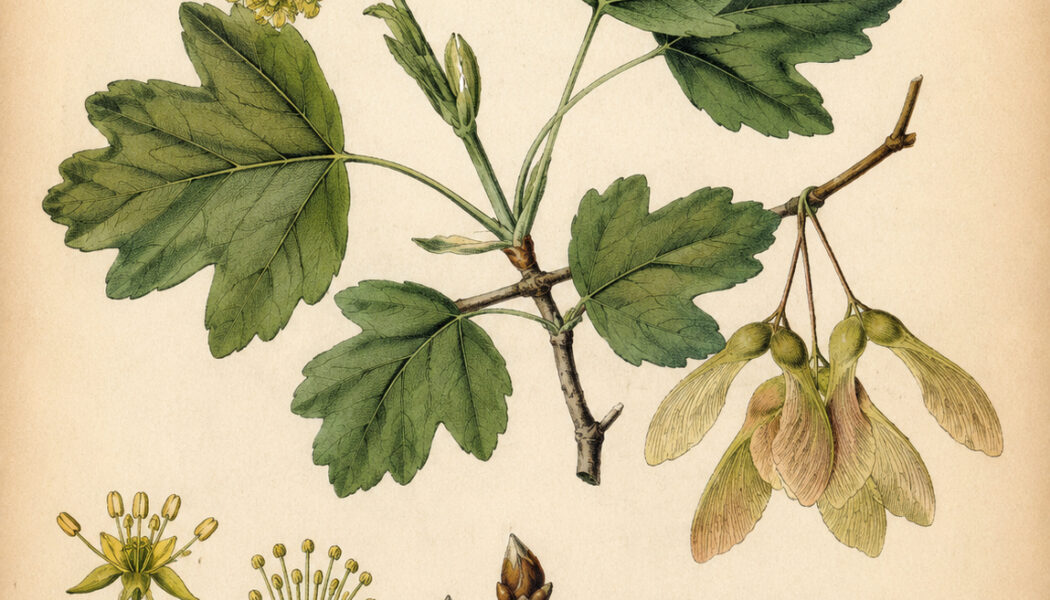

Field Maple: A Tree of Balance, Protection, and Quiet Magic
The Field Maple (Acer campestre) is a small, hardy deciduous tree native to much of Europe and parts of western Asia. It is commonly found in hedgerows, woodlands, and open countryside, where it provi...
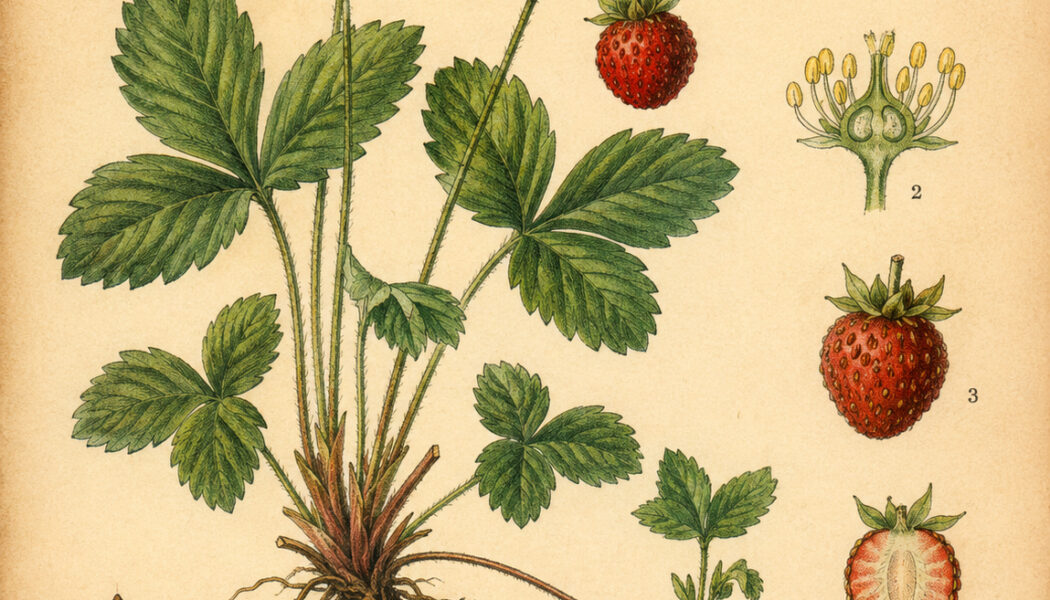

Forest Strawberry: A Sweet Symbol of Love, Protection, and Nature’s Magic
The Forest Strawberry (Fragaria vesca), also known as the wild strawberry, is a small perennial plant that grows naturally in woodlands, meadows, and hedgerows across Europe, Asia, and North America. ...
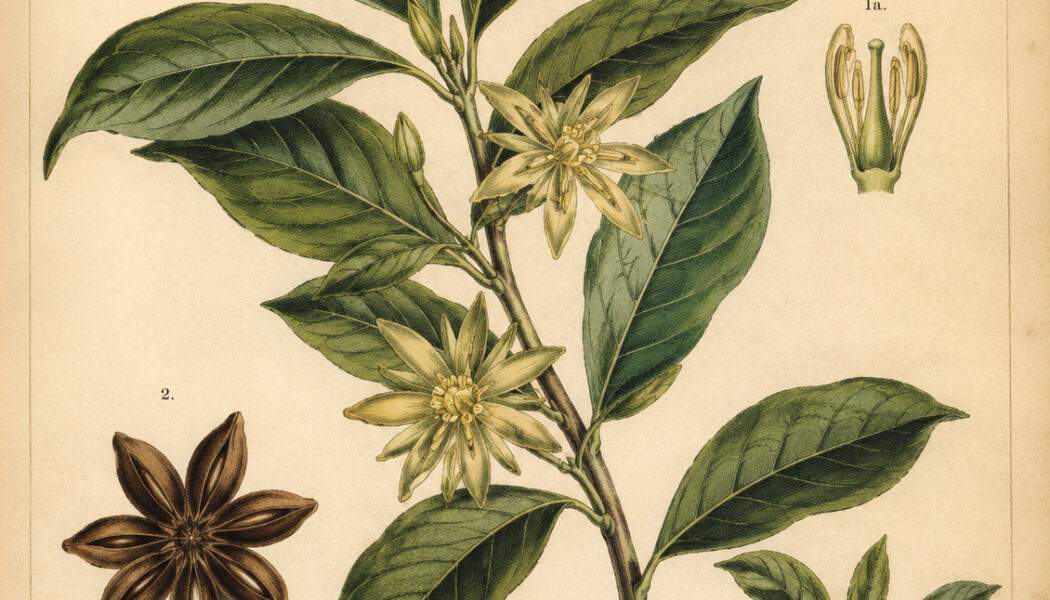

Florida Anise: A Fragrant Plant of Protection and Spiritual Strength
Florida anise (Illicium floridanum) is an evergreen shrub native to the southeastern United States, especially Florida, Georgia, Alabama, and Mississippi. It thrives in moist woodlands and shaded gard...
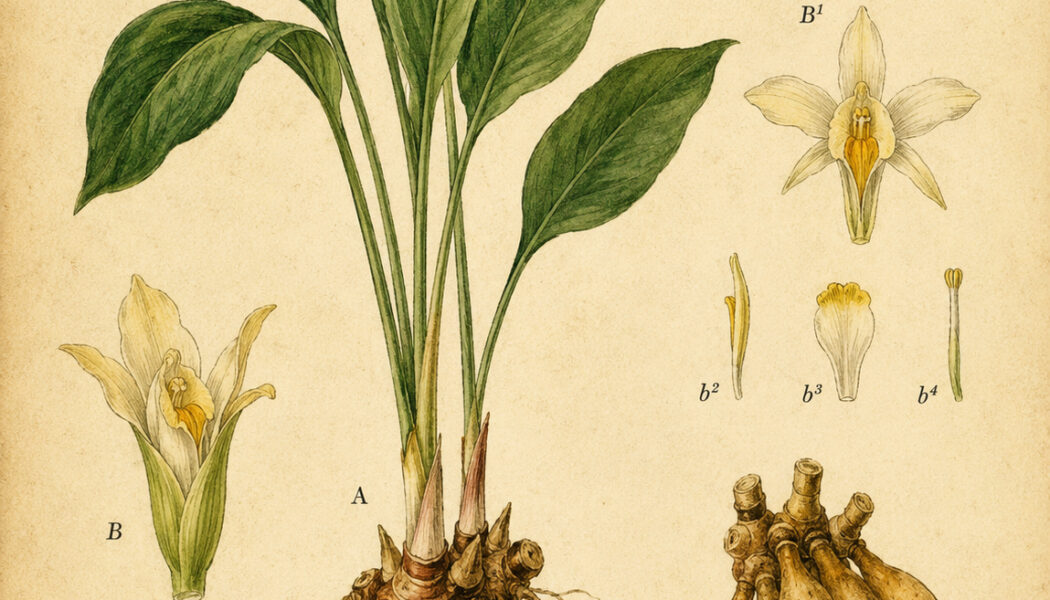

Fingerroot: A Sacred Herb in Paganism and Witchcraft
Fingerroot (Boesenbergia rotunda) is a tropical plant in the ginger family, native to Southeast Asia. It is easily recognized by its long, finger-like rhizomes, which give the plant its common name. F...
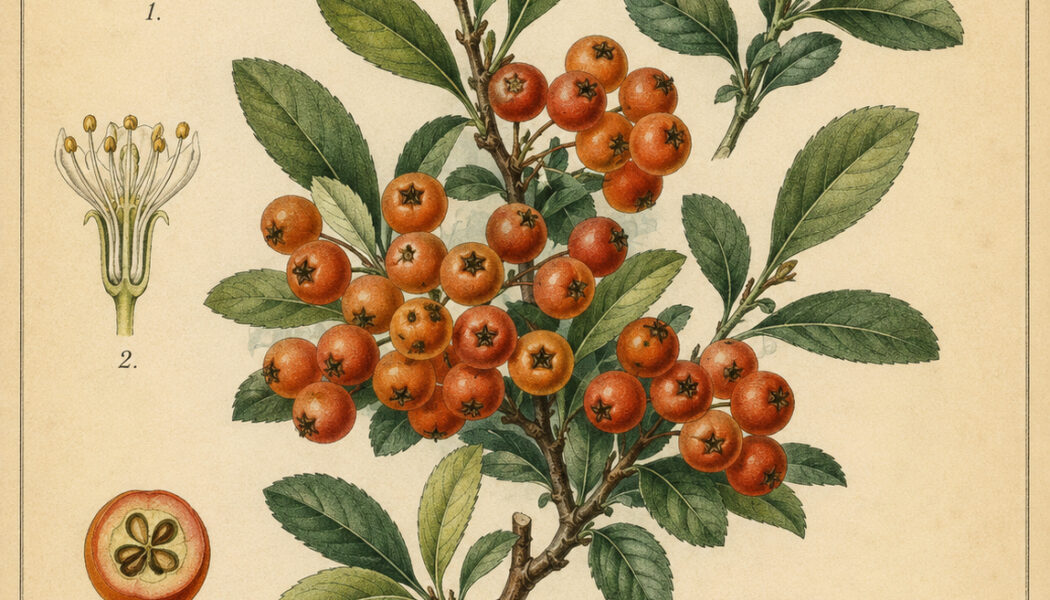

Firethorn: A Protective Plant in Nature, Paganism, and Witchcraft
Firethorn is a hardy evergreen shrub best known for its bright red, orange, or yellow berries and its sharp, protective thorns. Belonging to the genus Pyracantha, it is commonly grown in gardens and h...
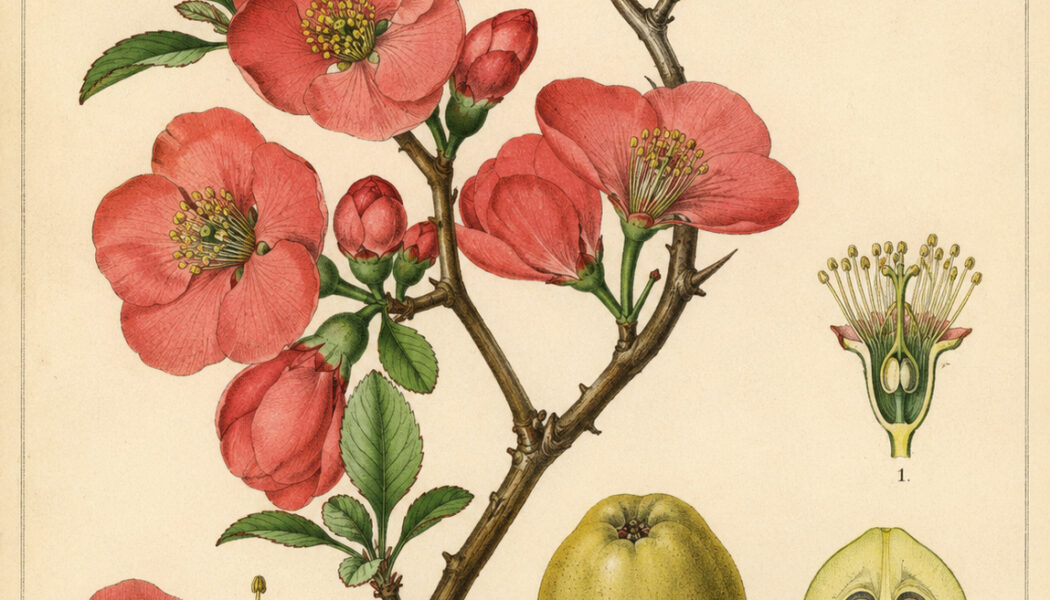

Flowering Quince: A Symbol of Protection, Renewal, and Resilience in Paganism and Witchcraft
Flowering Quince (Chaenomeles species) is a hardy deciduous shrub that brightens late winter and early spring with brilliant red, pink, orange, or white blossoms. Native to eastern Asia, it has become...
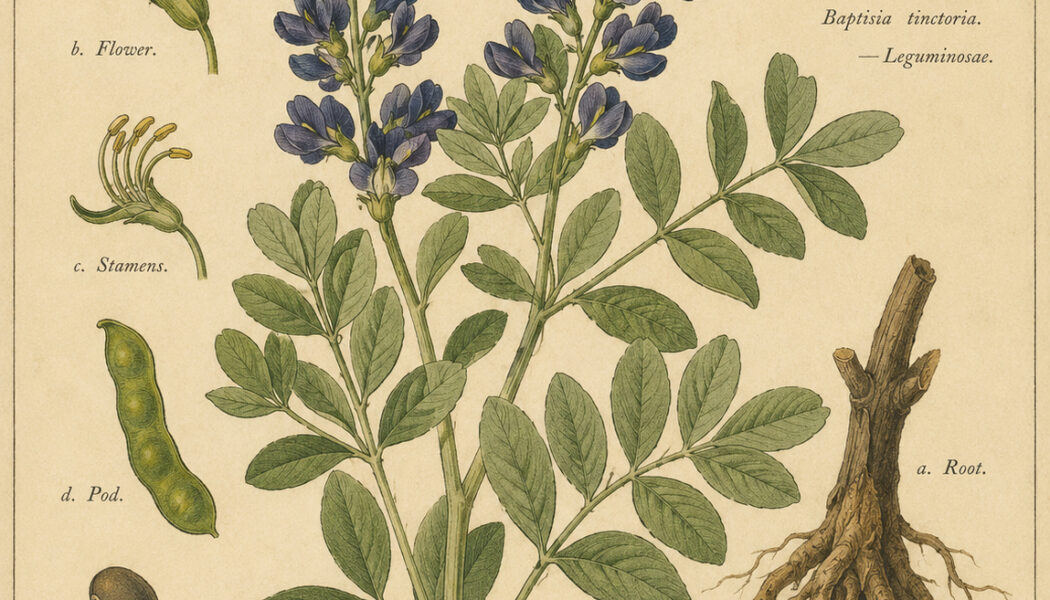

False Indigo: A Magical Plant of Protection, Strength, and Transformation
False Indigo is a hardy flowering plant known for its beautiful spikes of blue, purple, or white blossoms and its ability to thrive in poor soil. Several species belong to the genus Baptisia, which is...
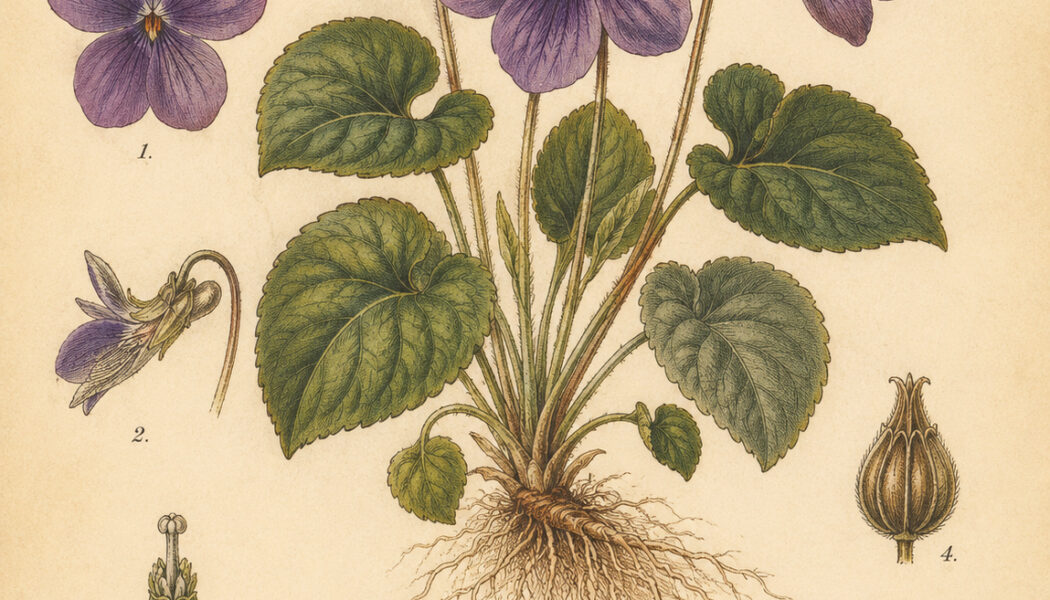

Fragrant Violet: A Sacred Flower of Love, Protection, and Spiritual Wisdom
The Fragrant Violet (Viola odorata) is a small woodland flower known for its delicate purple, blue, or white blossoms and its sweet, unmistakable scent. Blooming in early spring, it has long been admi...
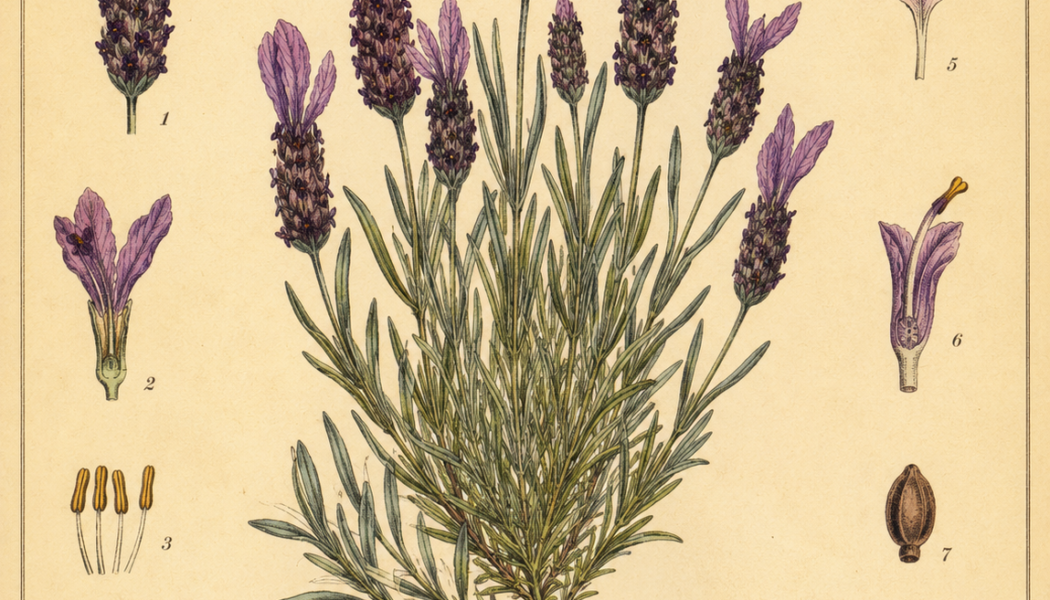

French Lavender: A Fragrant Herb of Protection, Peace, and Pagan Tradition
French Lavender (Lavandula dentata) is a beautiful evergreen shrub known for its silvery-green leaves, soft purple flowers, and calming fragrance. Native to the Mediterranean region, it thrives in war...
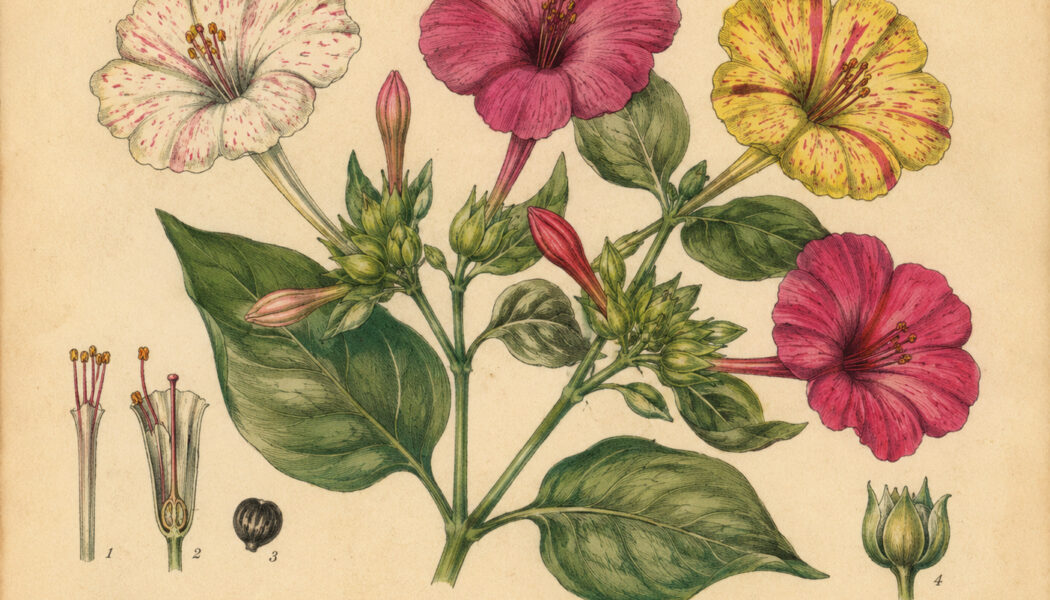

Four O’Clock: A Twilight Bloom with Magical Significance
The Four O’Clock (Mirabilis jalapa) is a beautiful flowering plant known for its unusual habit of opening its fragrant blooms in the late afternoon, usually around four o’clock, and remain...
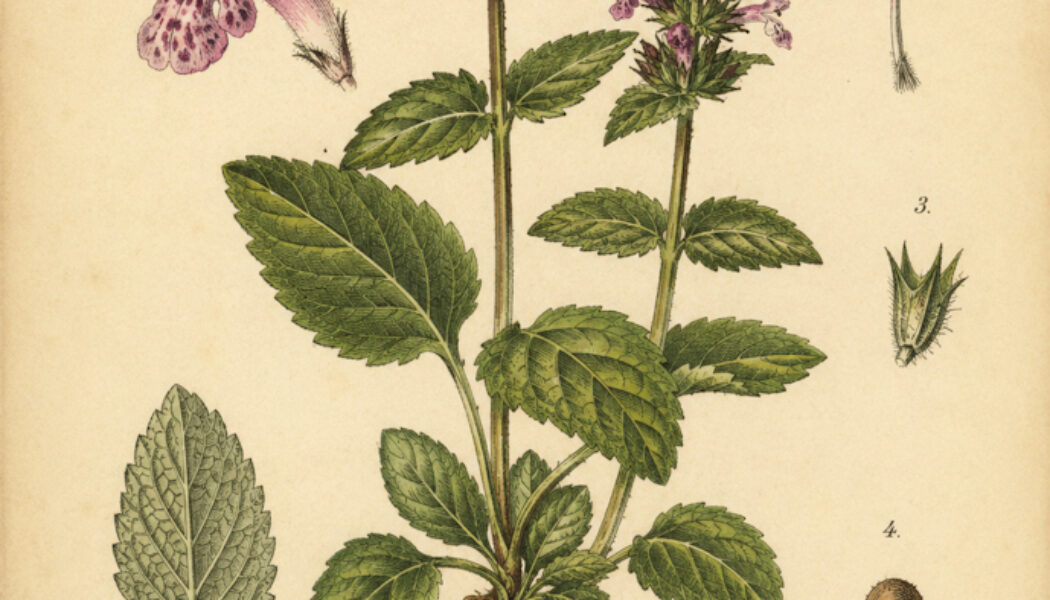

Forest Betony: A Woodland Herb of Protection and Ancient Magic
Forest Betony (Stachys sylvatica) is a hardy wildflower that grows in woodlands, hedgerows, and shaded meadows across Europe and parts of Asia. It is easily recognized by its tall stems, soft heart-sh...
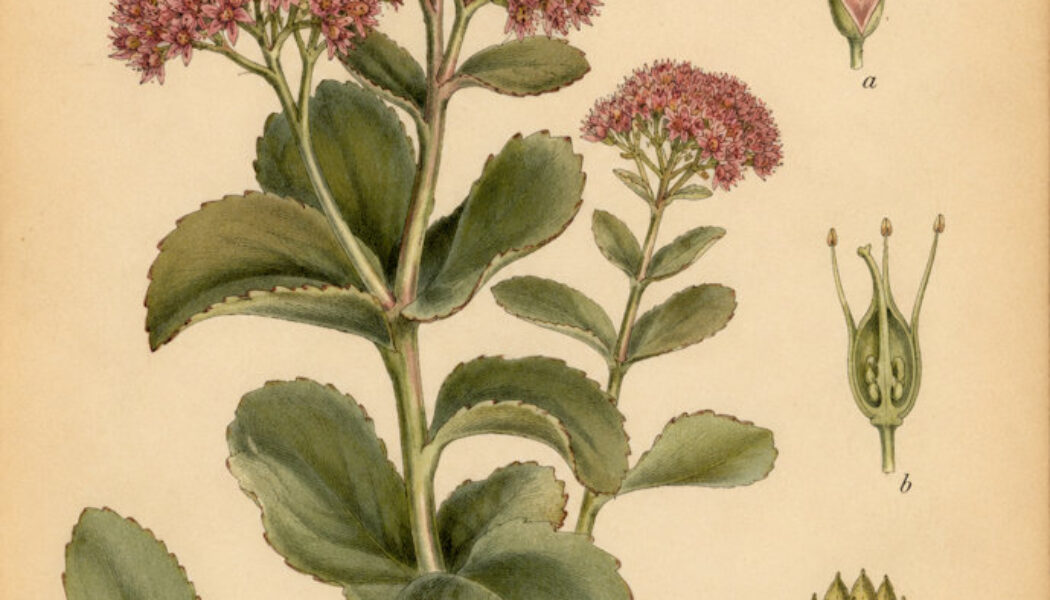

Fat Hen: The Ancient Wild Herb of Pagan Tradition and Folk Magic
Fat Hen (Chenopodium album), sometimes called lamb’s quarters or white goosefoot, is a common wild plant that has grown across Europe, Asia, and North America for thousands of years. Although ma...
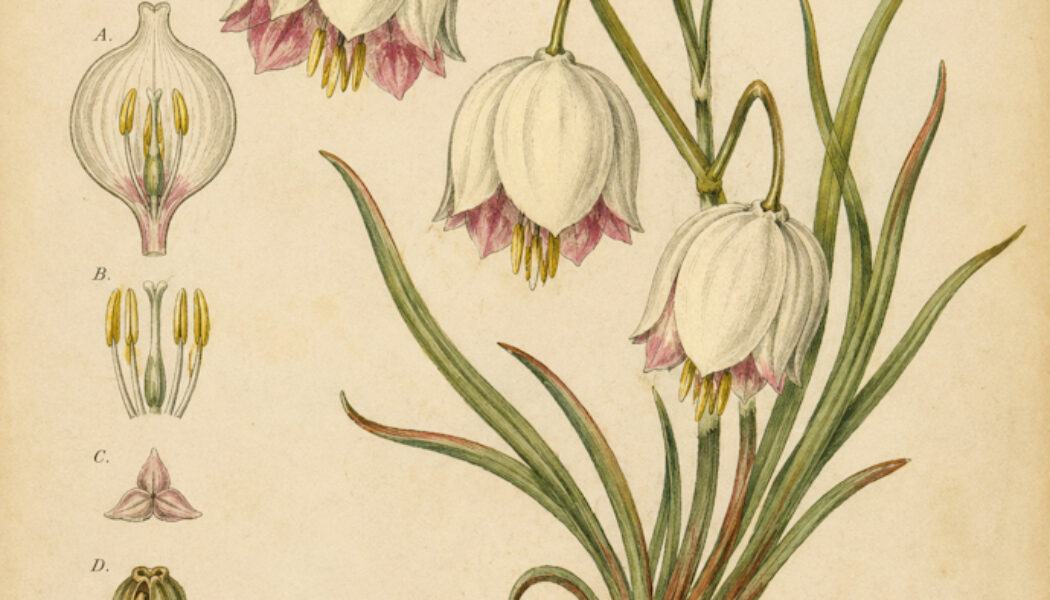

Fairy Lantern: A Magical Woodland Flower in Modern Paganism and Witchcraft
The Fairy Lantern is a delicate woodland flower best known for its hanging, lantern-shaped blossoms that seem to glow beneath the shade of forests. The name most commonly refers to Calochortus albus, ...
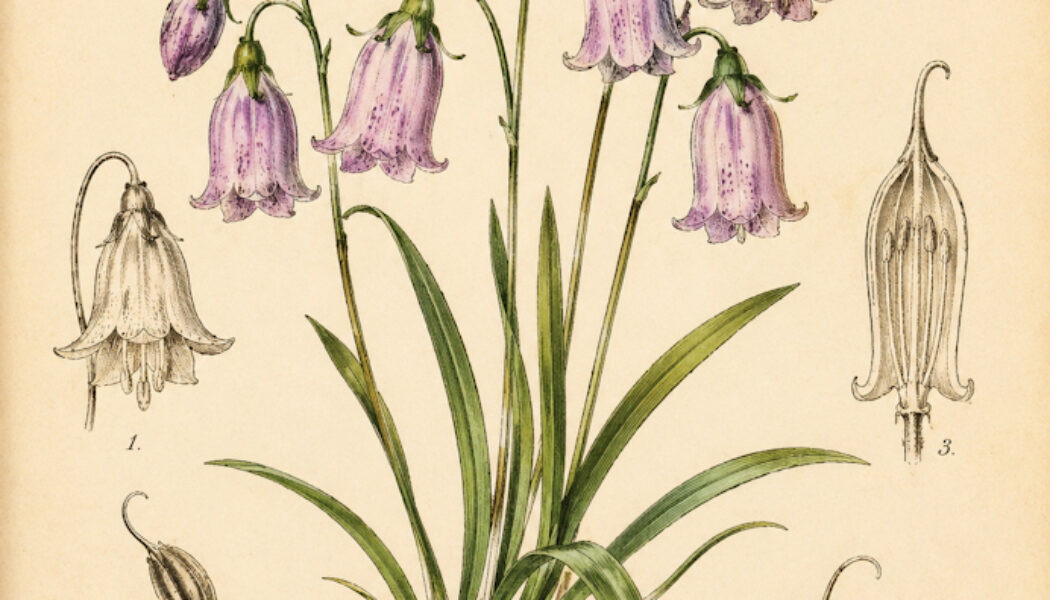

Fairy Bells: A Magical Woodland Flower in Paganism and Witchcraft
Fairy Bells are delicate woodland plants admired for their graceful, hanging, bell-shaped flowers. Several species share the common name “Fairy Bells,” including those in the Prosartes and...
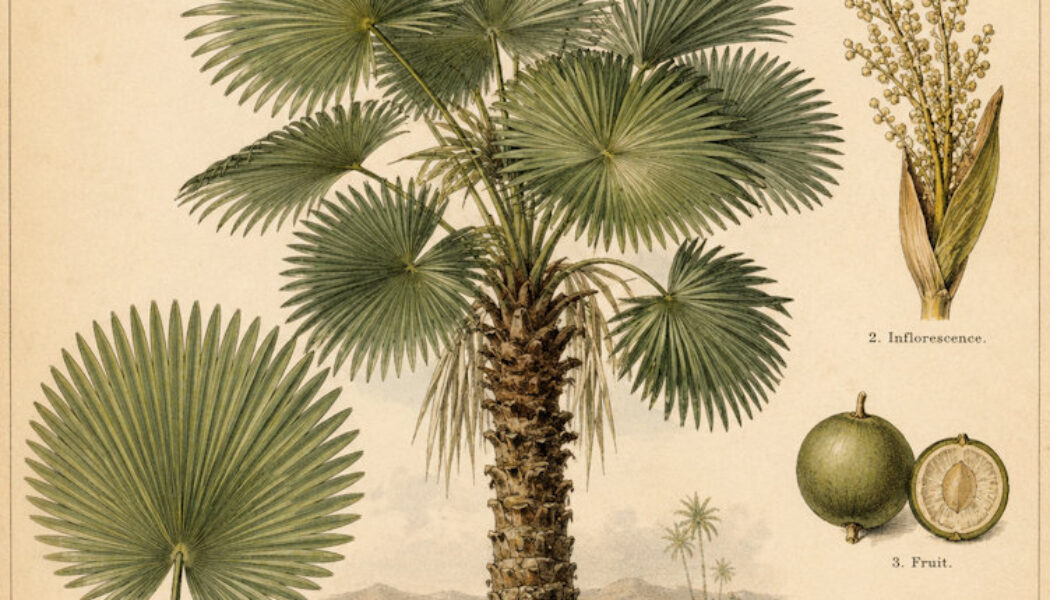

Fan Palm: A Symbol of Protection, Victory, and Spiritual Strength in Paganism and Witchcraft
The Fan Palm is a striking plant known for its large, fan-shaped leaves and its ability to thrive in warm climates around the world. Belonging to several species within the palm family, fan palms have...
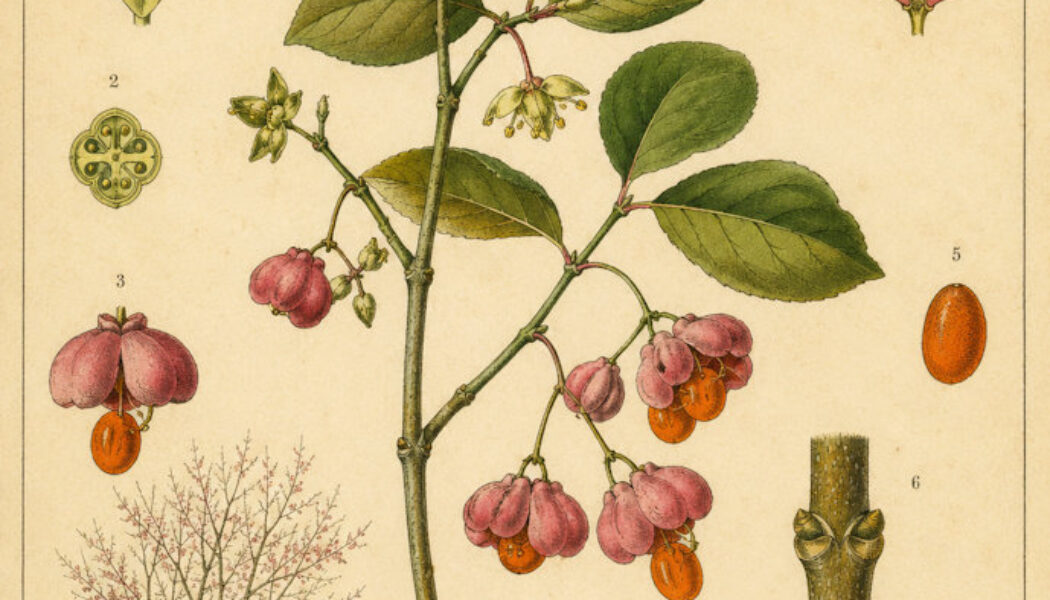

Fusain: The Spindle Tree in Paganism and Witchcraft
Fusain, commonly known as the European spindle tree (Euonymus europaeus), is a deciduous shrub or small tree native to Europe and parts of western Asia. It is easily recognised by its bright pink seed...
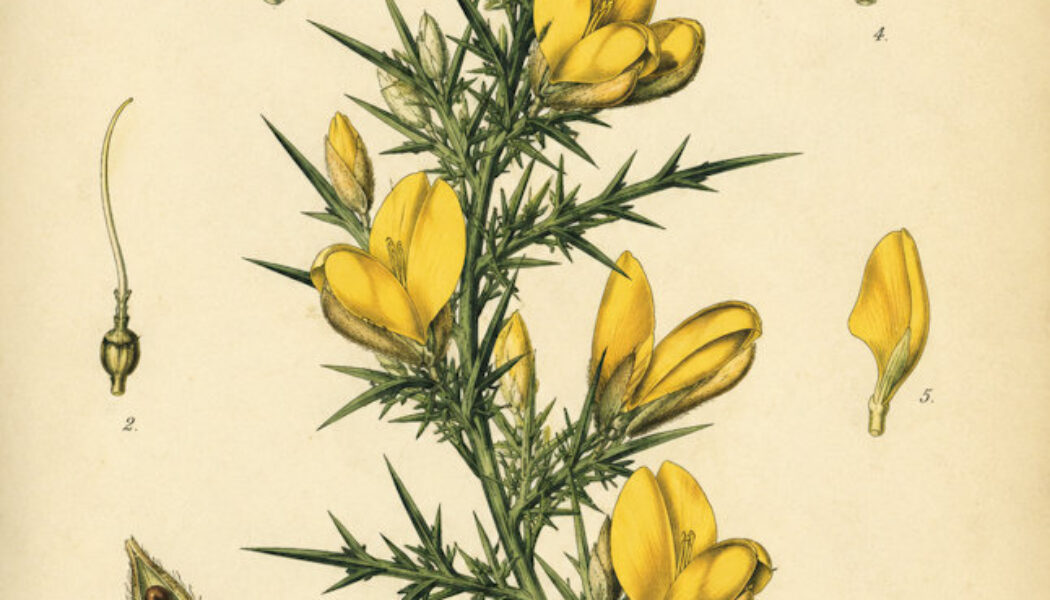

Furze: A Sacred Plant of Protection, Fire, and Renewal in Paganism and Witchcraft
Furze, also known as gorse (Ulex europaeus), is a hardy evergreen shrub recognized by its bright golden-yellow flowers, sharp spines, and sweet coconut-like fragrance. Growing across heathlands, moors...
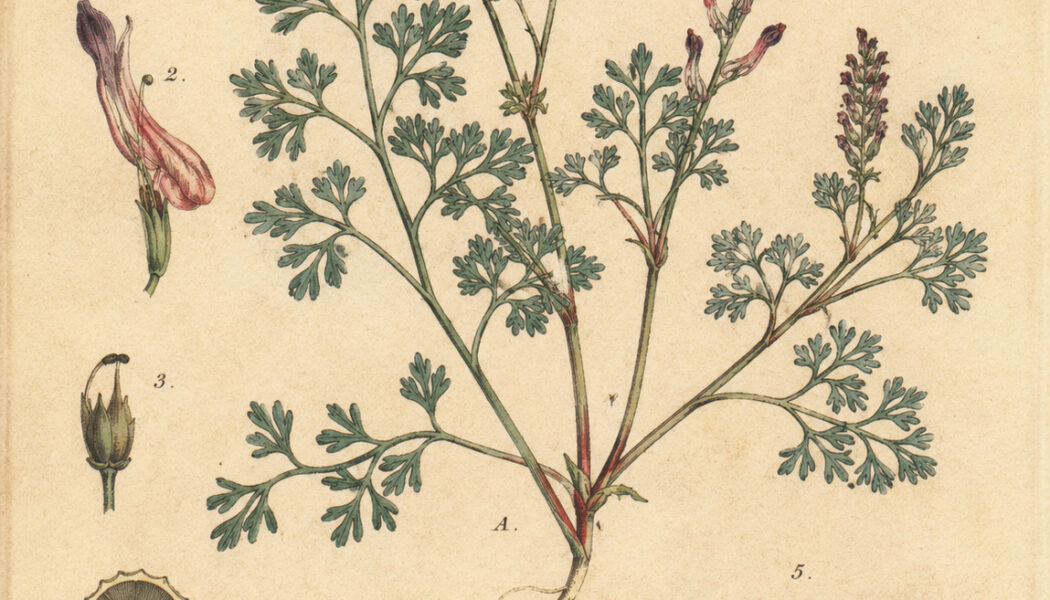

Fumitory: The Witch’s Herb of Purification and Hidden Power
Fumitory (Fumaria officinalis) is a delicate wildflower with soft, fern-like leaves and small pink-purple blossoms that has been valued for centuries in both traditional herbalism and magical practice...
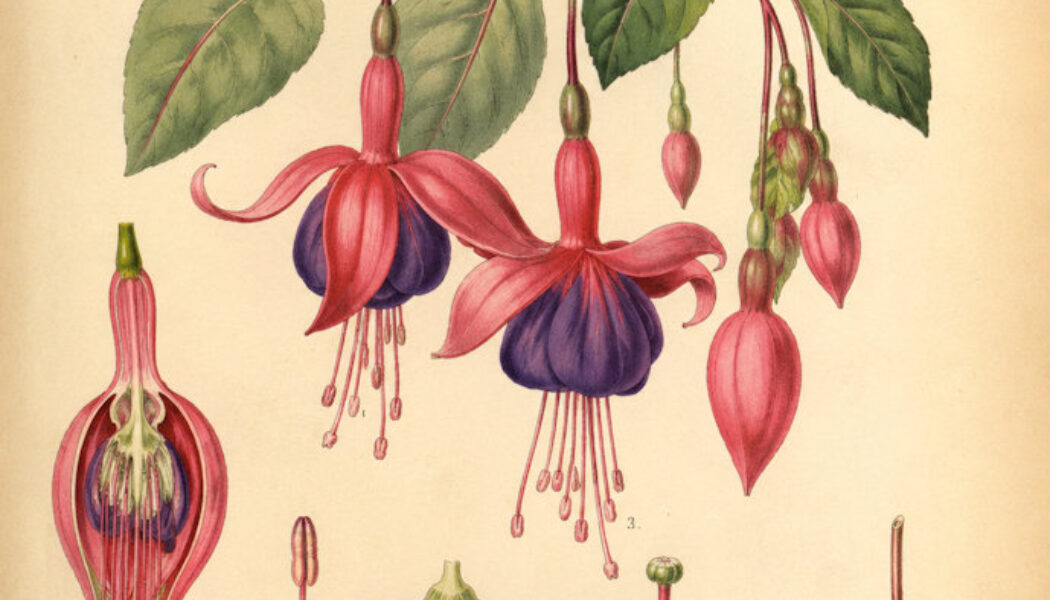

Fuchsia: A Magical Flower of Beauty, Protection, and Intuition
Fuchsia is a beautiful flowering plant admired for its graceful, bell-shaped blossoms that hang like tiny lanterns. Native to Central and South America, as well as New Zealand, it grows well in cool, ...
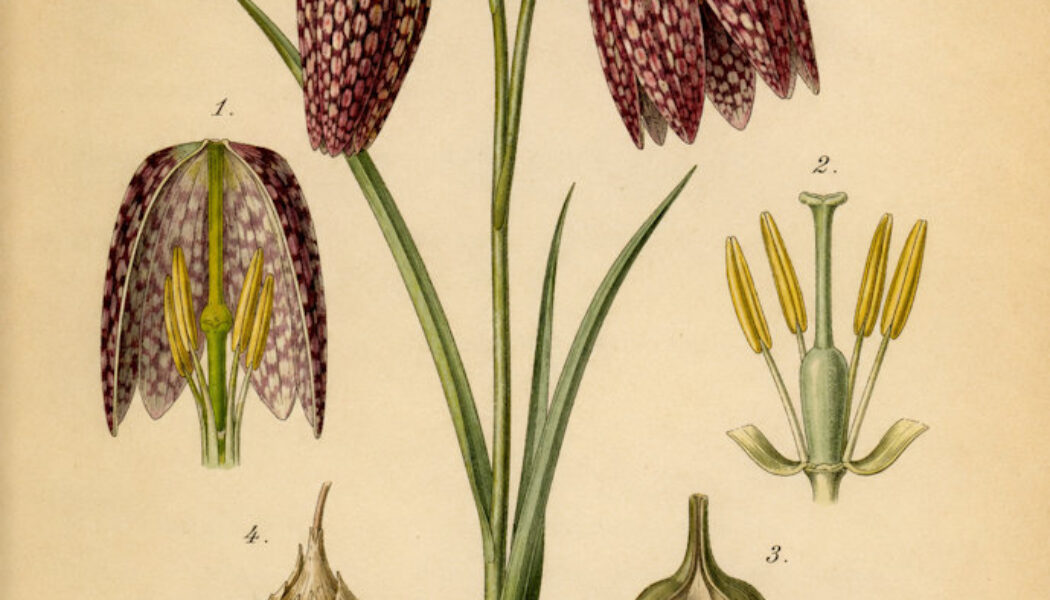

Fritillary: A Graceful Wildflower in Paganism and Witchcraft
The fritillary is a striking spring-flowering plant admired for its unusual, bell-shaped blooms and distinctive chequered or spotted petals. Belonging to the lily family, fritillaries grow in woodland...
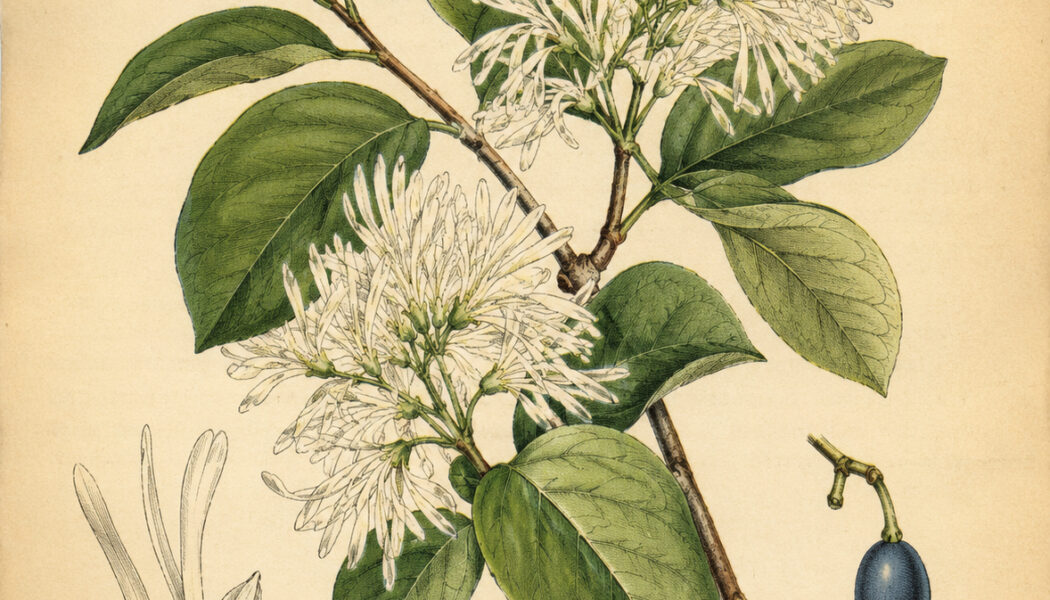

Fringe Tree: A Sacred Tree of Purity, Protection, and Gentle Magic
The Fringe Tree (Chionanthus virginicus), sometimes called Old Man’s Beard, is a small deciduous tree native to eastern North America. It is admired for its beautiful clusters of delicate, white...
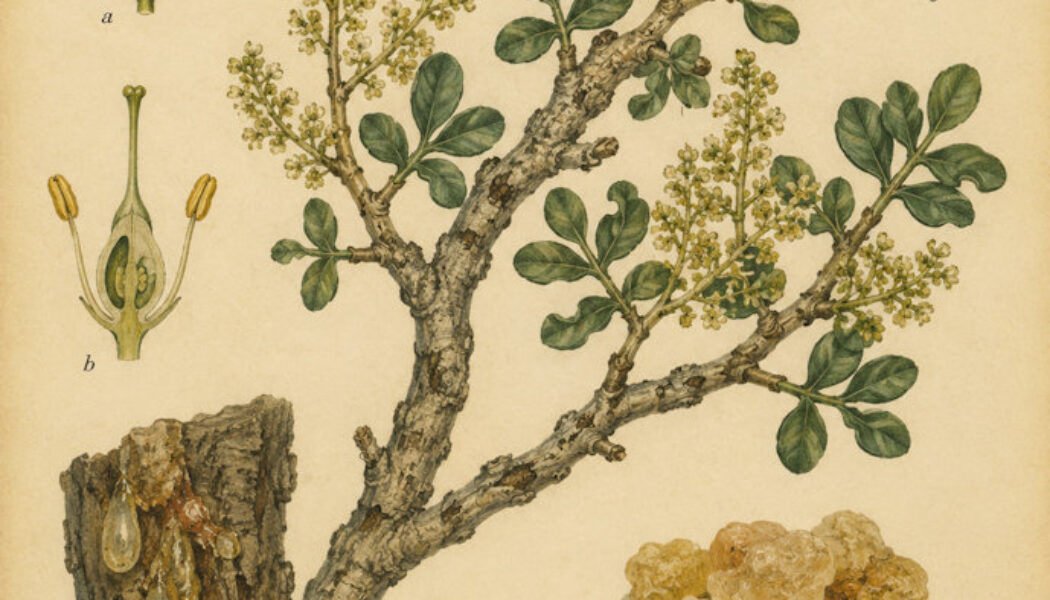

Frankincense: A Sacred Resin in Paganism and Witchcraft
Frankincense is a fragrant resin collected from trees of the Boswellia genus, which grow mainly in parts of northeastern Africa and the Arabian Peninsula. For thousands of years, this aromatic resin h...
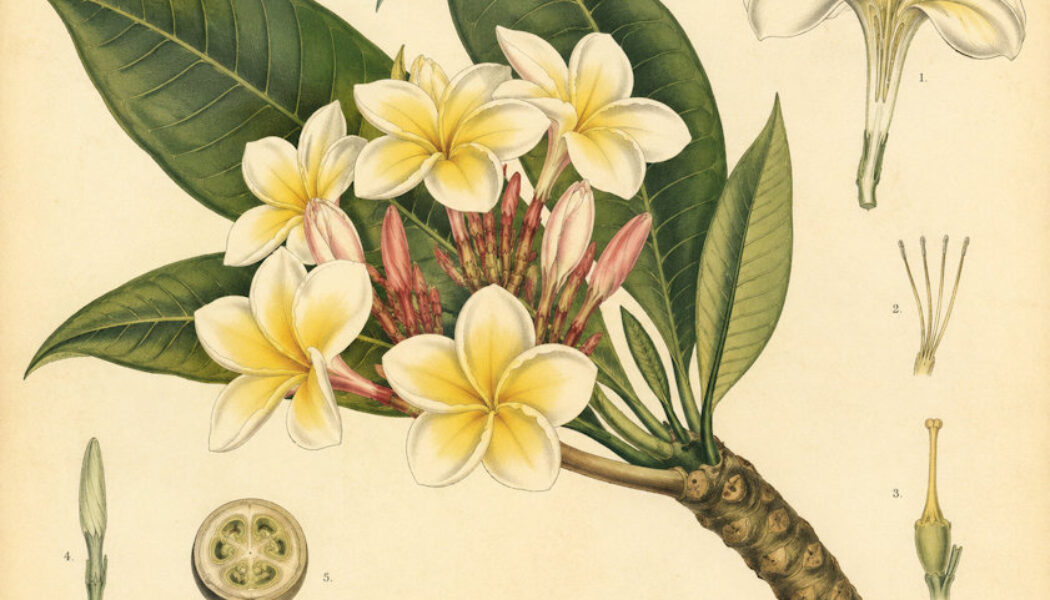

Frangipani: A Sacred Flower in Paganism and Witchcraft
Frangipani, also known as Plumeria, is a beautiful flowering tree admired for its fragrant blossoms and tropical beauty. Native to the Americas but now found in warm climates around the world, the pla...
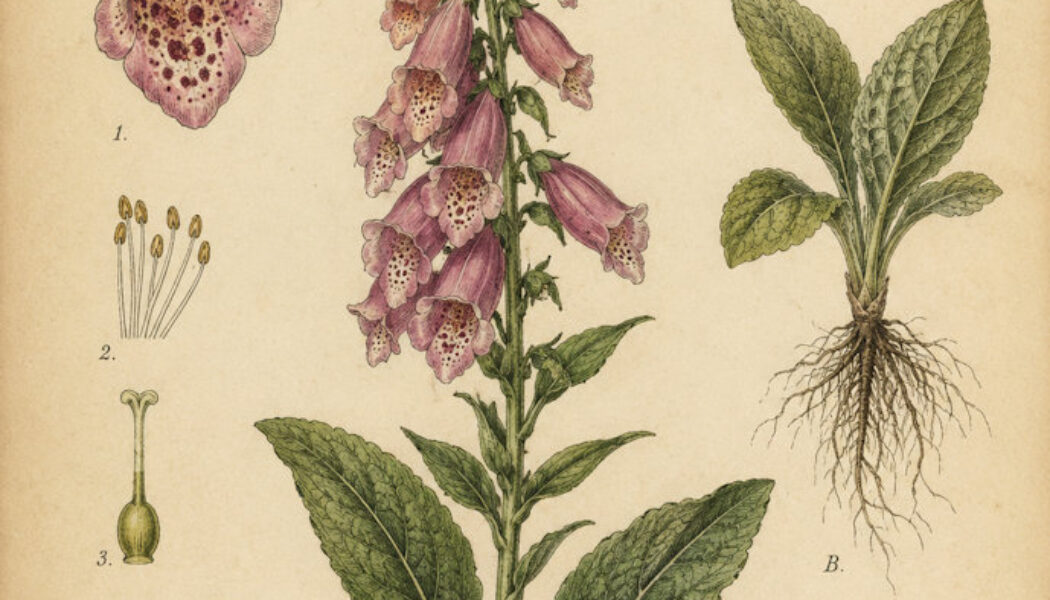

Foxglove: A Magical Plant of Mystery, Healing, and Folklore
Foxglove (Digitalis purpurea) is a striking flowering plant known for its tall stems covered in bell-shaped blossoms that bloom in shades of purple, pink, white, and cream. Native to Europe but now fo...
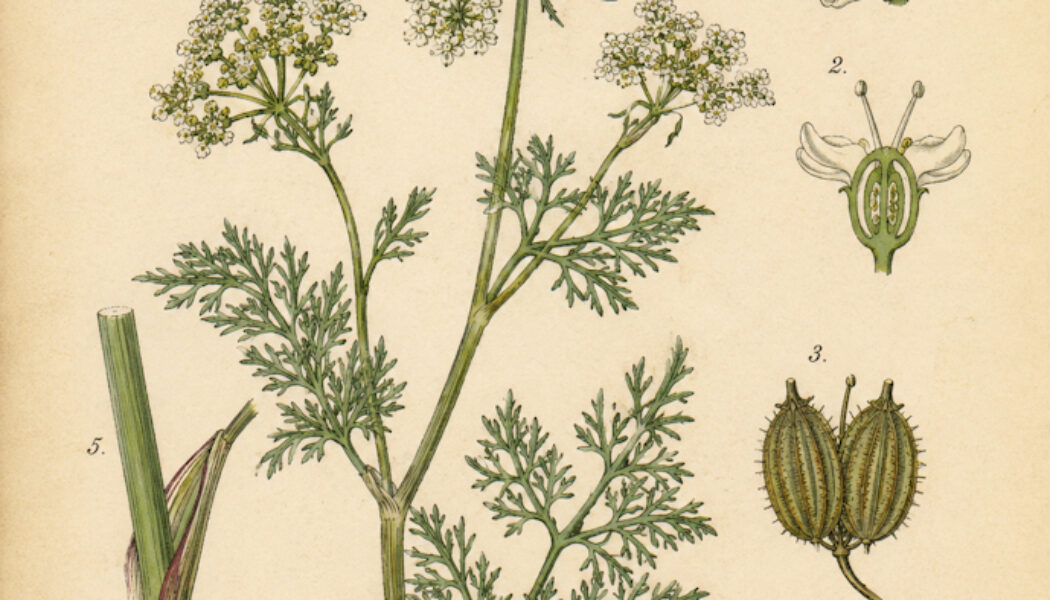

Fool’s Parsley: A Mysterious Plant in Paganism and Witchcraft
Fool’s Parsley (Aethusa cynapium) is a small flowering plant that belongs to the carrot family. It closely resembles garden parsley, which has earned it the name “Fool’s Parsley.R...
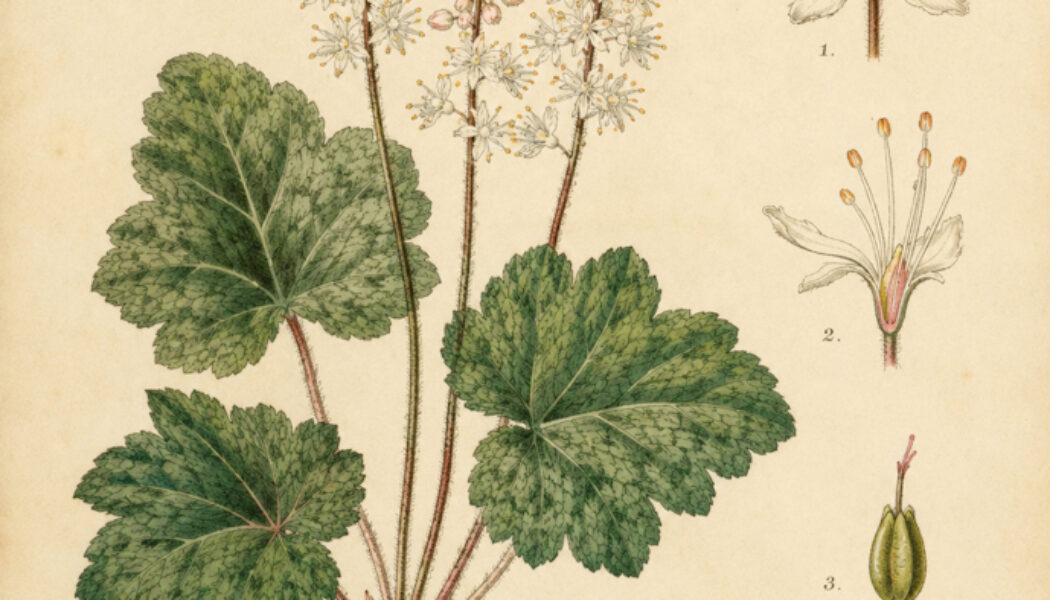

Foamflower: A Woodland Plant in Paganism and Witchcraft
Foamflower (Tiarella cordifolia) is a charming woodland perennial native to eastern North America. It is admired for its delicate spikes of tiny white or pale pink flowers, which resemble soft foam ri...
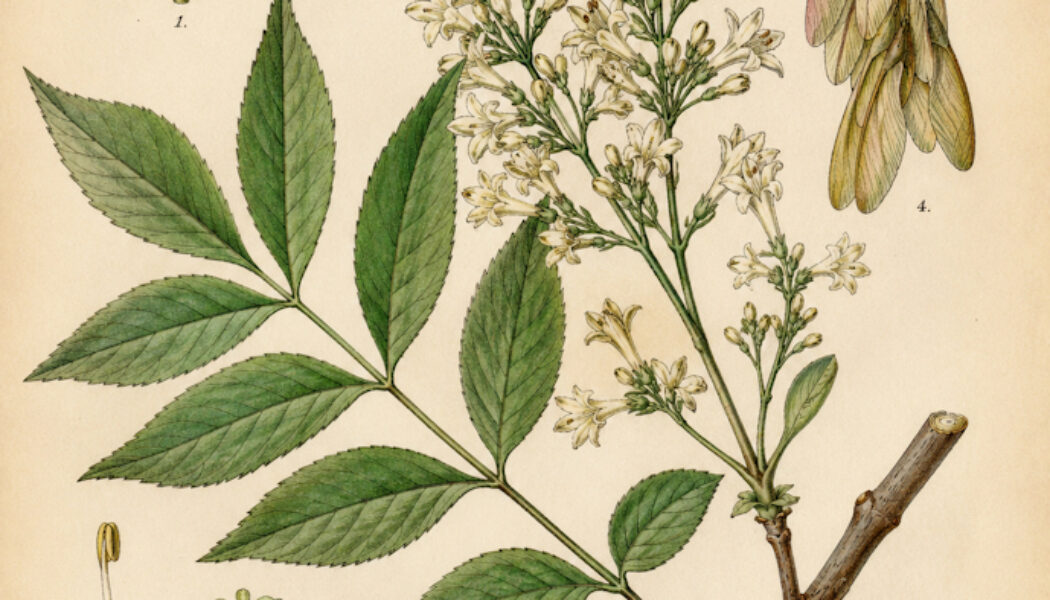

Flowering Ash: A Tree of Beauty, Protection, and Pagan Tradition
The Flowering Ash (Fraxinus ornus) is a graceful deciduous tree native to southern Europe and parts of western Asia. It is admired for its fragrant clusters of creamy-white flowers that bloom in late ...
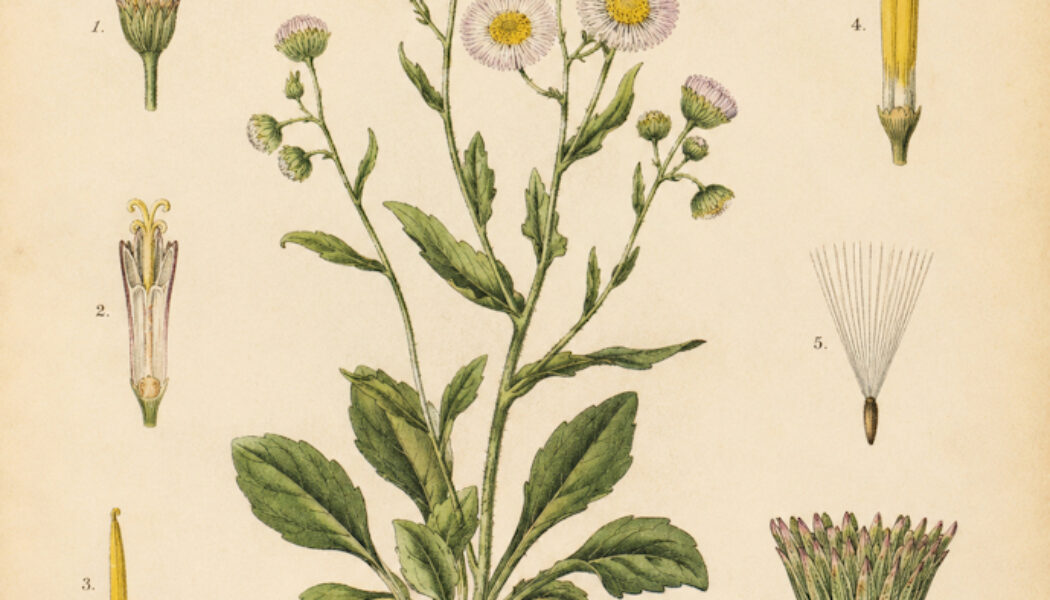

Fleabane: A Humble Wildflower in Paganism and Witchcraft
Fleabane is a hardy wildflower belonging to the daisy family, known for its small, delicate blossoms with thin petals that are usually white, pink, or pale purple surrounding a bright yellow center. F...
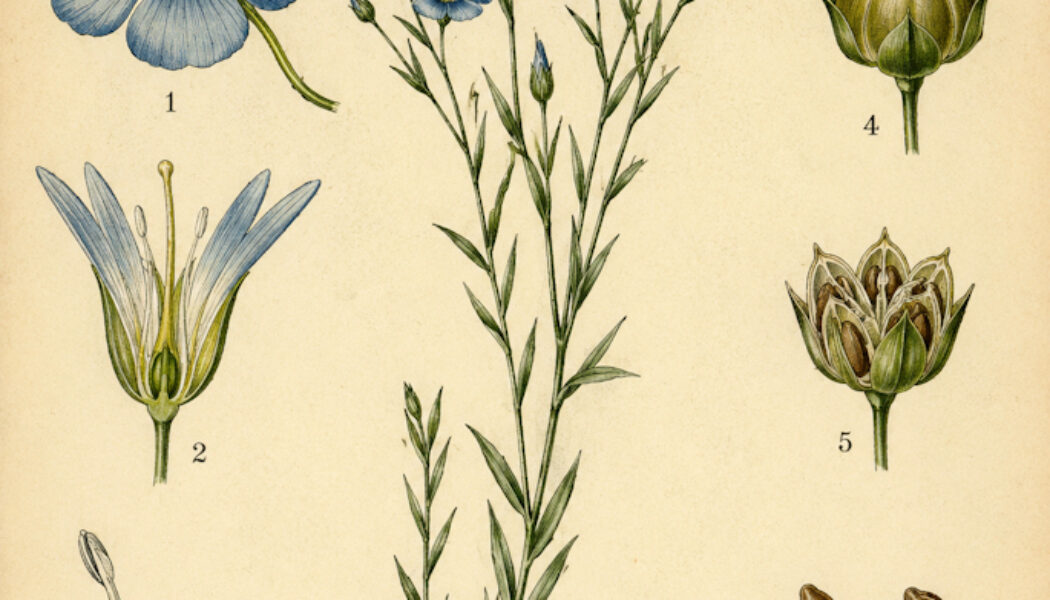

Flax: A Sacred Plant of Protection, Craft, and Tradition
Flax (Linum usitatissimum) is one of the oldest cultivated plants in the world, valued for thousands of years for its strong fibers, nutritious seeds, and healing properties. Its slender stems produce...
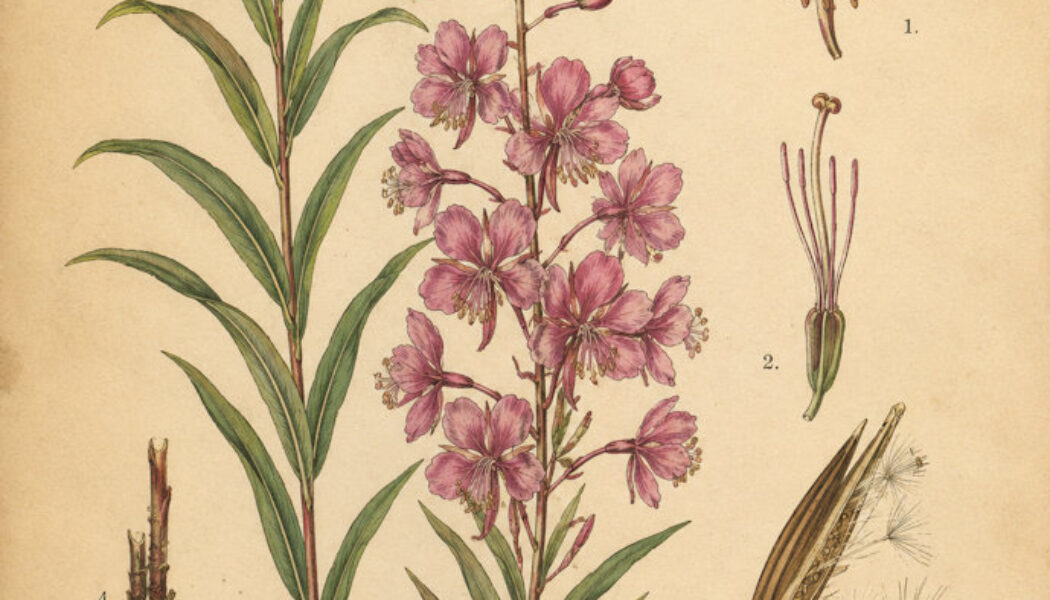

Fireweed: A Symbol of Renewal in Nature, Paganism, and Witchcraft
Fireweed (Chamerion angustifolium) is a tall, graceful wildflower known for its vibrant pink-purple blossoms that brighten fields, woodland clearings, and hillsides during summer. It is often one of t...
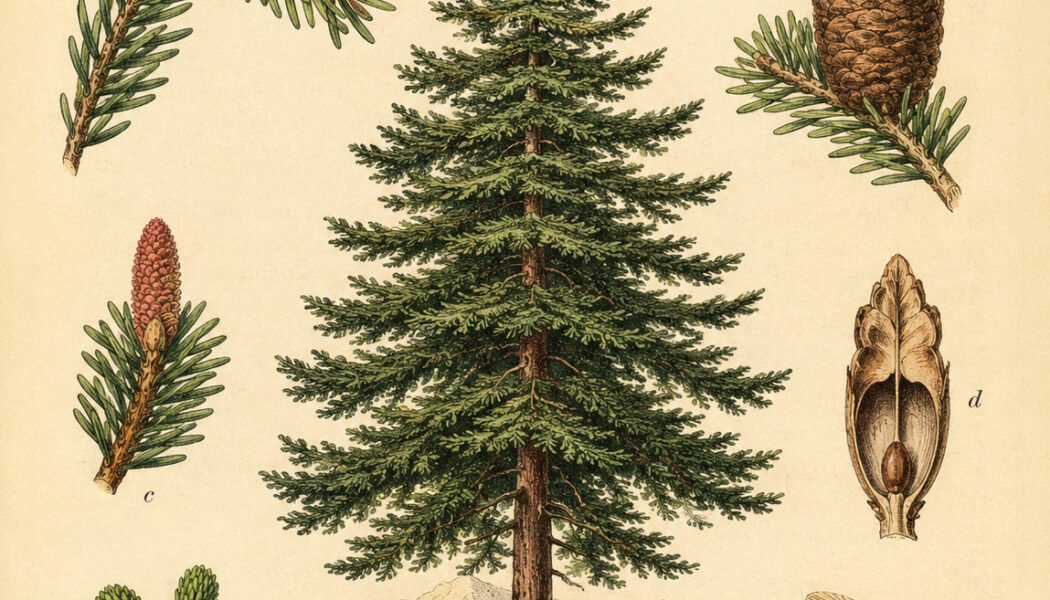

Fir Tree: A Sacred Evergreen in Paganism and Witchcraft
The fir tree is a tall evergreen conifer that has long been admired for its strength, beauty, and ability to remain green throughout the cold winter months. Found across Europe, Asia, and North Americ...
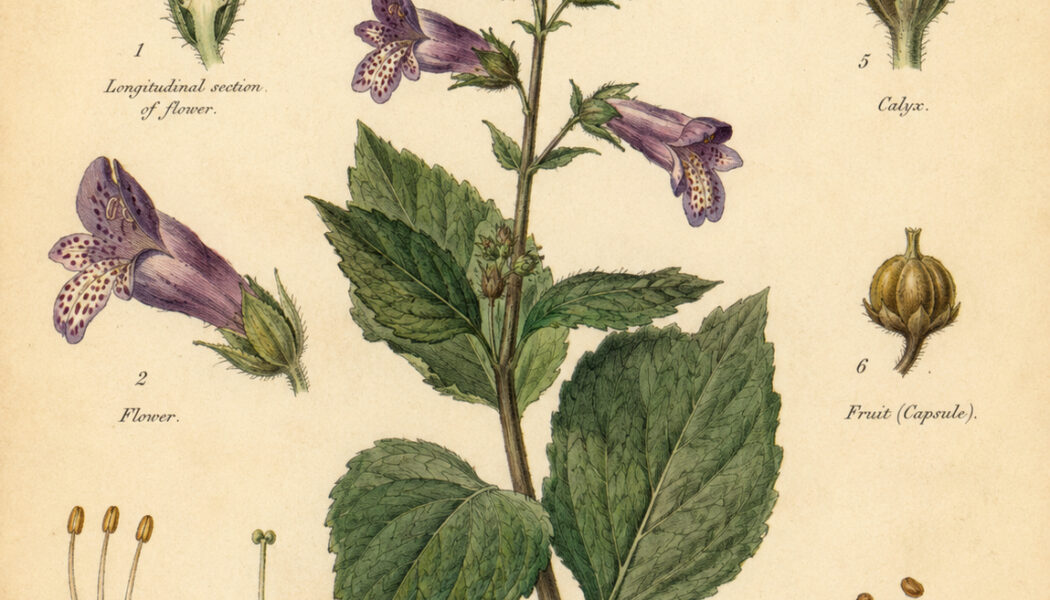

Figwort: The Hidden Healing Herb in Paganism and Witchcraft
Figwort (Scrophularia nodosa) is a hardy wild plant that grows in woodlands, hedgerows, and damp meadows throughout Europe and parts of Asia. Although it is often overlooked because of its small green...
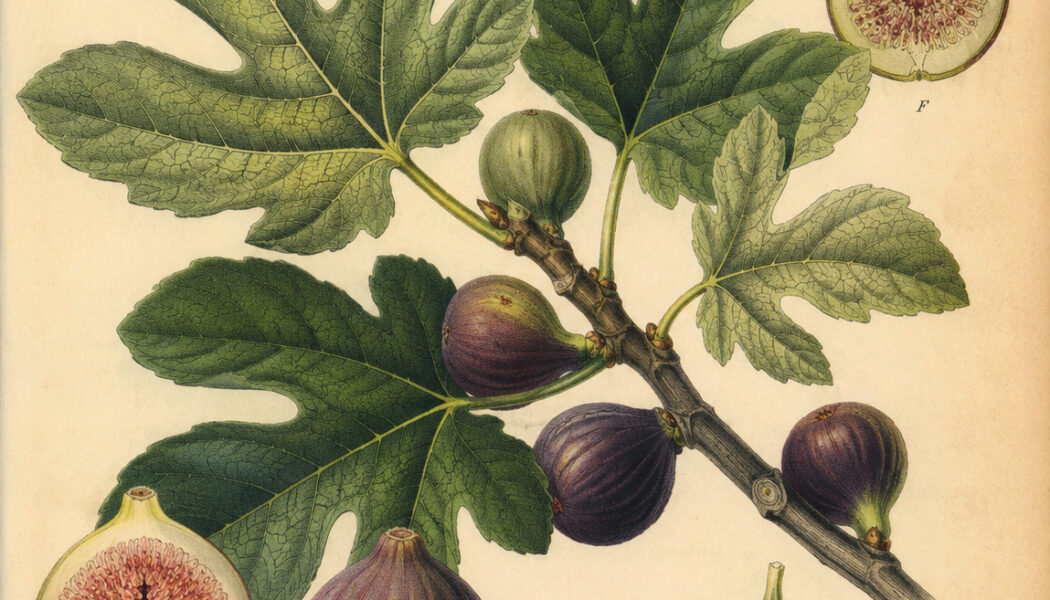

The Fig Tree: A Sacred Plant in Paganism and Witchcraft
The fig tree is one of the oldest cultivated plants in the world, valued for its sweet fruit, broad leaves, and long lifespan. Found throughout the Mediterranean, the Middle East, and many warm region...
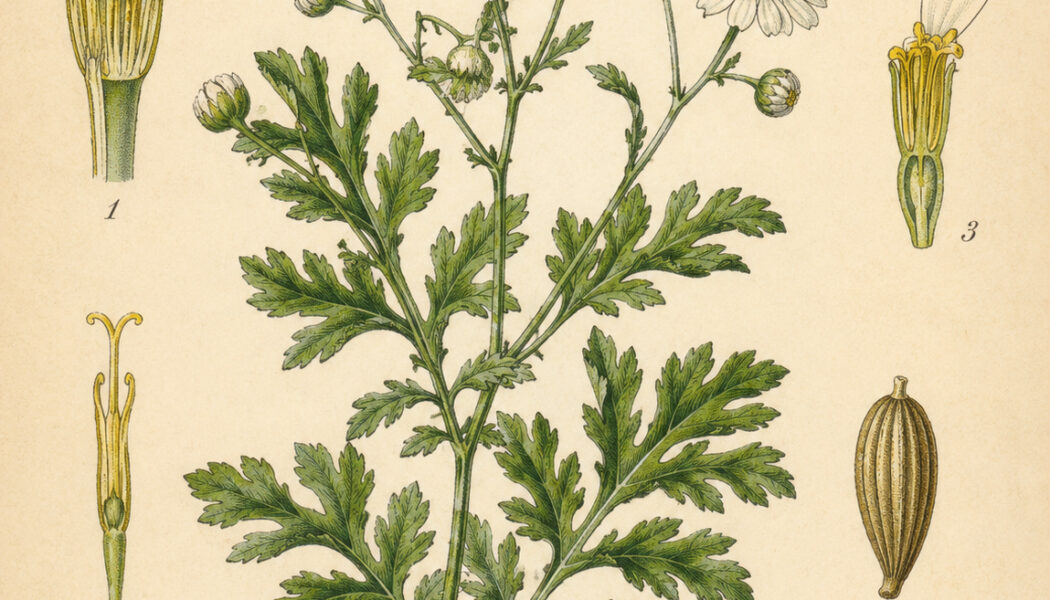

Feverfew: A Protective Herb in Paganism and Witchcraft
Feverfew (Tanacetum parthenium) is a small flowering herb with bright white petals and yellow centers that resemble tiny daisies. Native to southeastern Europe but now grown throughout many parts of t...
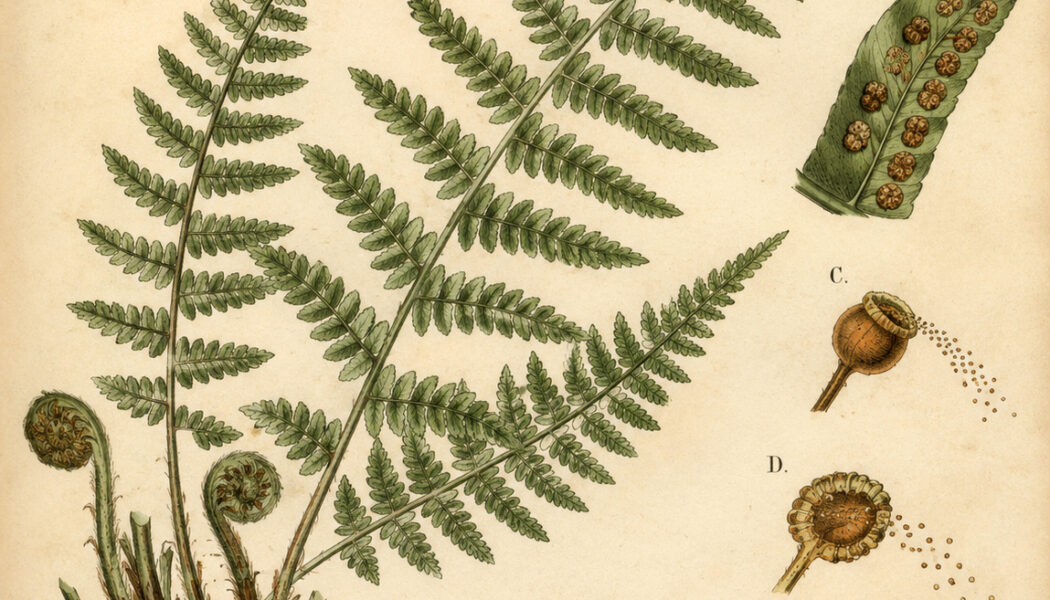

Fern: A Sacred Plant in Paganism and Witchcraft
The fern is one of the oldest plants on Earth, growing in forests, woodlands, and damp places for millions of years. Unlike flowering plants, ferns reproduce through tiny spores instead of seeds, givi...
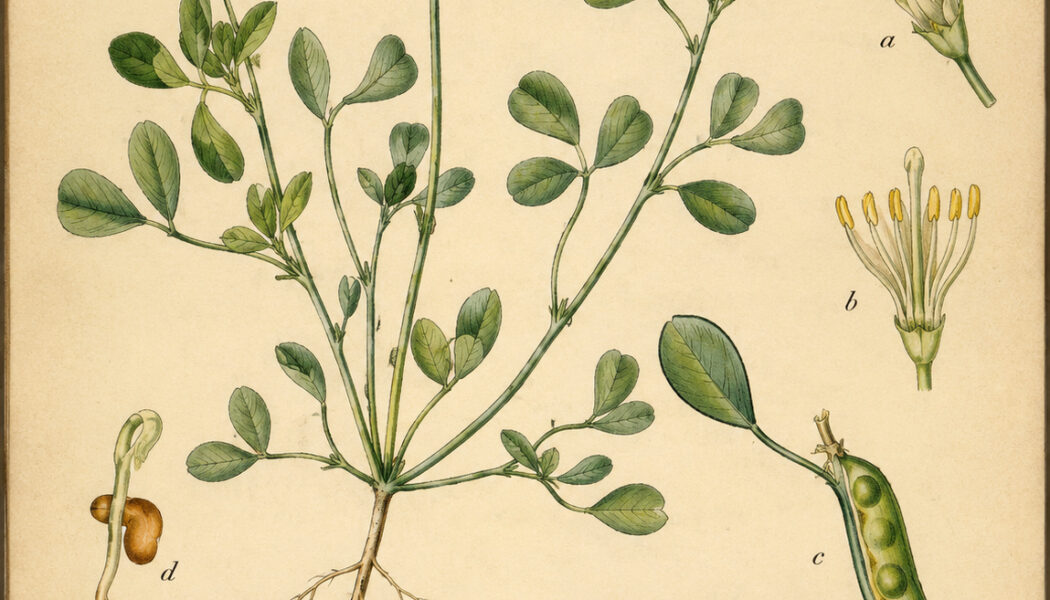

Fenugreek: A Sacred Herb of Prosperity, Protection, and Ancient Magic
Fenugreek (Trigonella foenum-graecum) is a fragrant herb that has been valued for thousands of years. Native to the Mediterranean region, western Asia, and parts of North Africa, it is grown for both ...
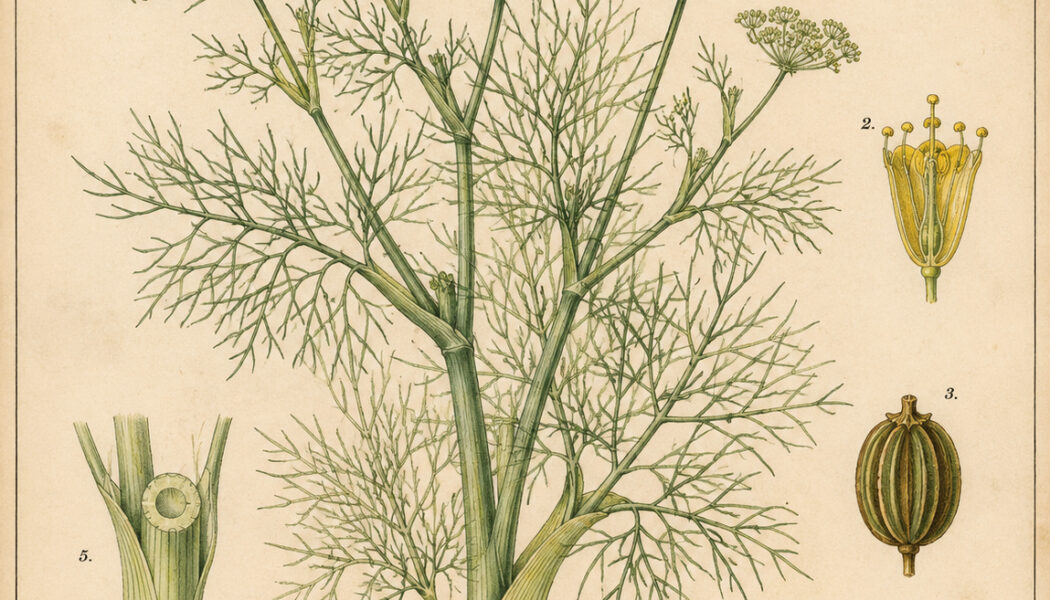

Fennel: A Sacred Herb of Protection, Wisdom, and Magic
Fennel (Foeniculum vulgare) is a fragrant herb with feathery green leaves, bright yellow flowers, and aromatic seeds. Native to the Mediterranean region, it has been valued for thousands of years as b...
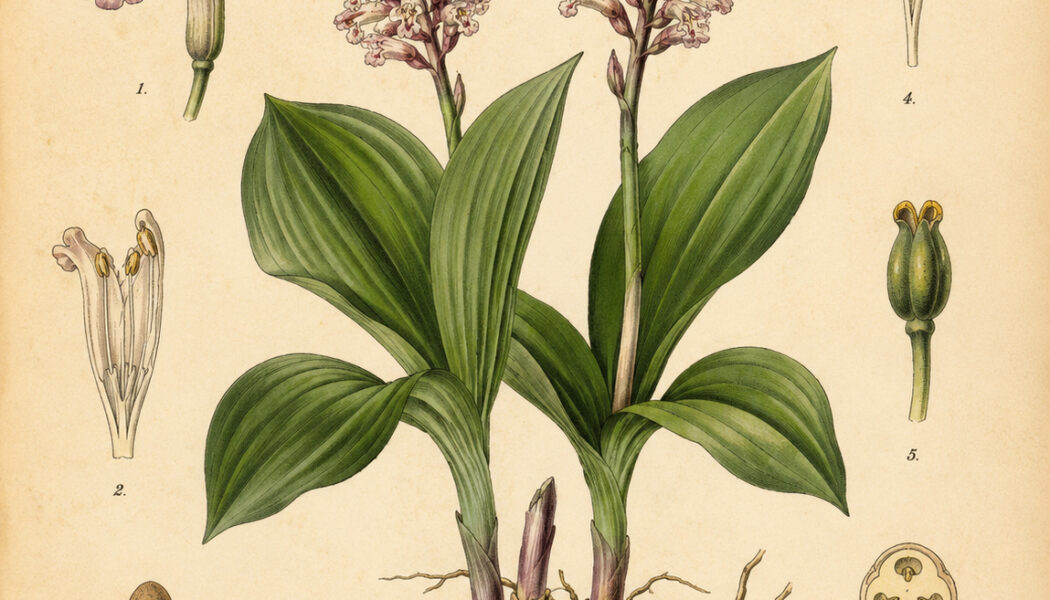

False Unicorn Root: A Sacred Herb of Fertility, Intuition, and Women’s Wisdom
False Unicorn Root (Chamaelirium luteum) is a woodland wildflower native to eastern North America. Despite its enchanting name, it is not related to true unicorns of folklore but earned its title beca...
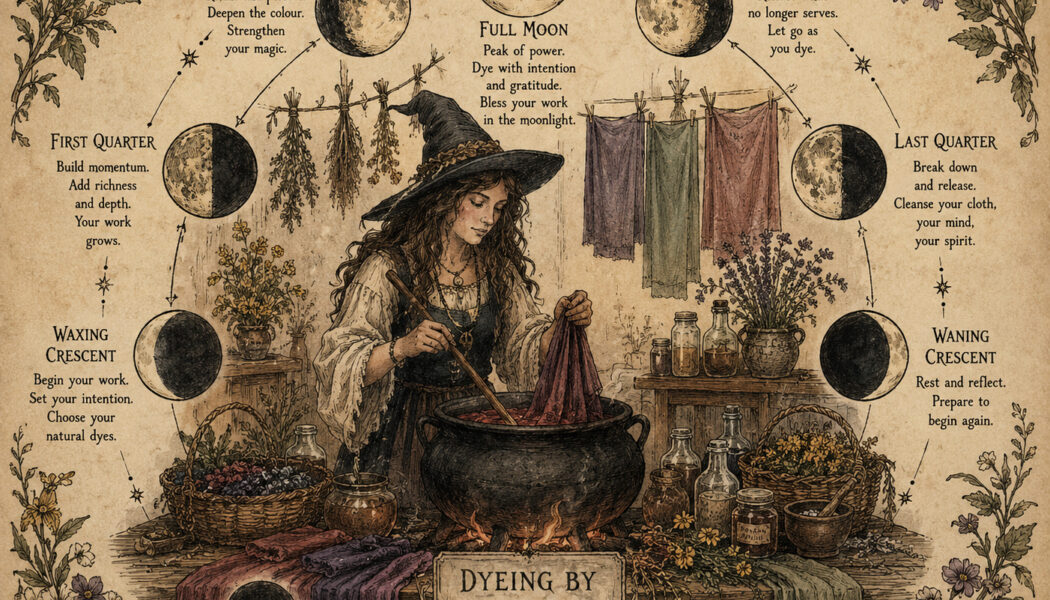

Dyeing Fabric During the Phases of the Moon: A Pagan Witch’s Practice
For many pagan witches, crafting is more than a practical skill—it is a sacred act of intention. Dyeing fabric in harmony with the phases of the moon transforms a simple creative project into a meanin...
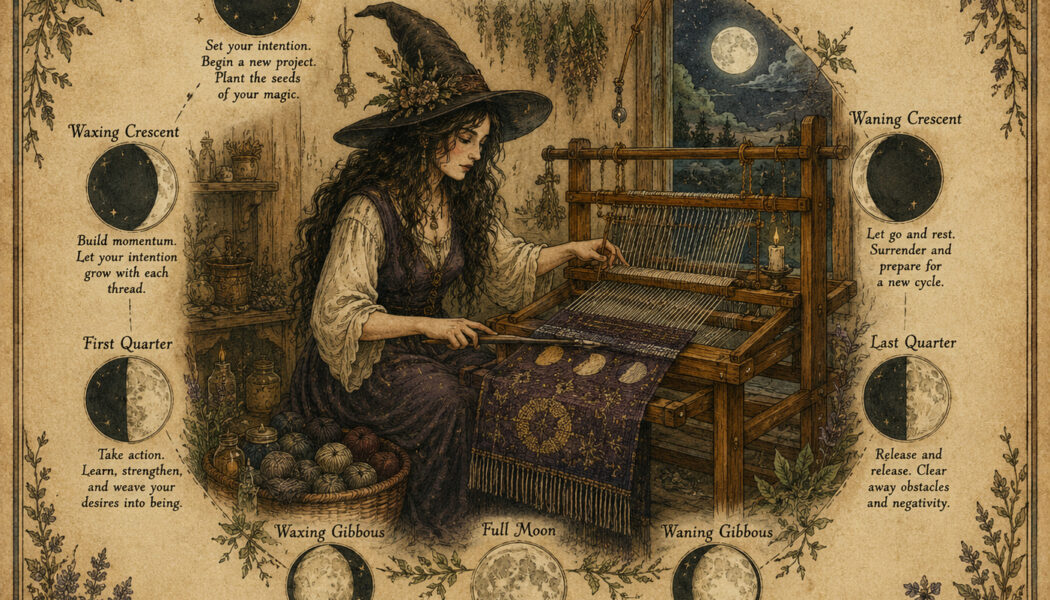

Weaving Fabric as a Pagan Witch Through the Phases of the Moon
For many pagan witches, weaving is more than a practical craft—it is a sacred practice that intertwines creativity, intention, and the natural rhythms of the Moon. Each lunar phase offers a unique ene...
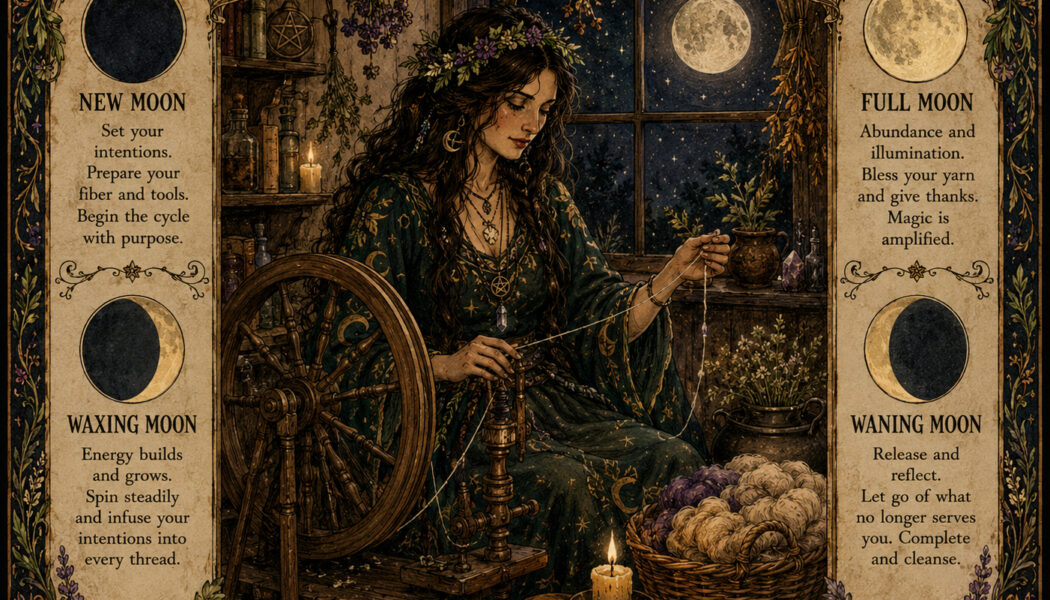

Spinning Fabric as a Pagan Witch Through the Phases of the Moon
For many pagan witches, spinning fiber into yarn is more than a practical craft—it is a sacred act of transformation. As loose fibers become a continuous thread, intentions, prayers, and energy are wo...
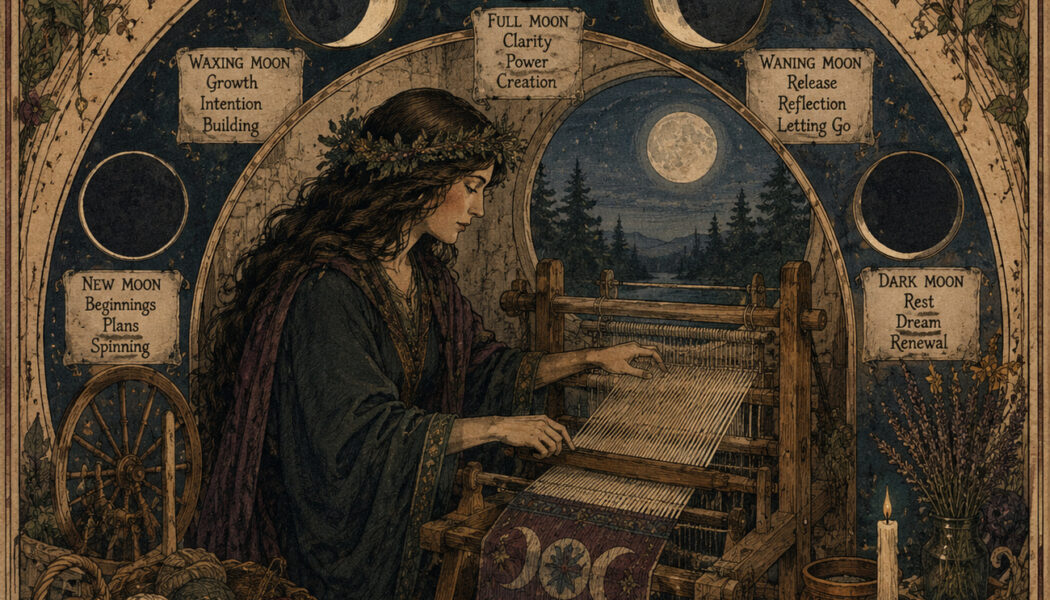

The Old Ways: Weaving, Spinning, and Dyeing Cloth by the Phases of the Moon
For many ancient pagan communities and traditional folk practitioners, the making of cloth was more than a practical craft. Weaving, spinning, and dyeing fabric were viewed as sacred acts that reflect...
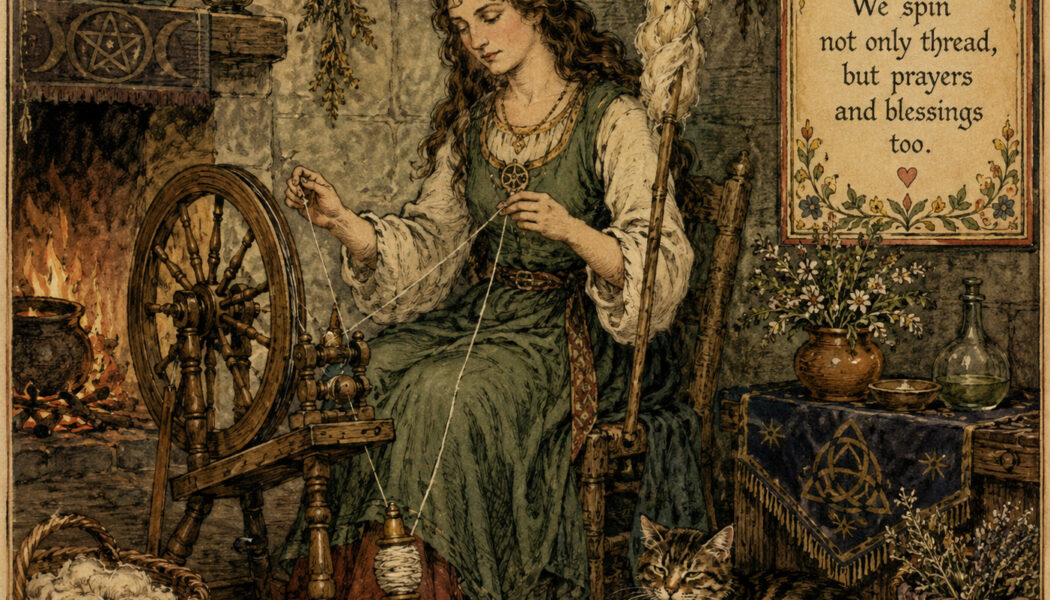

The Old Ways of Spinning Fabric in Paganism and Witchcraft
Long before the spinning wheel became a familiar household tool, the spindle and distaff were sacred implements that connected people to the rhythms of nature. Across many pre-Christian European tradi...
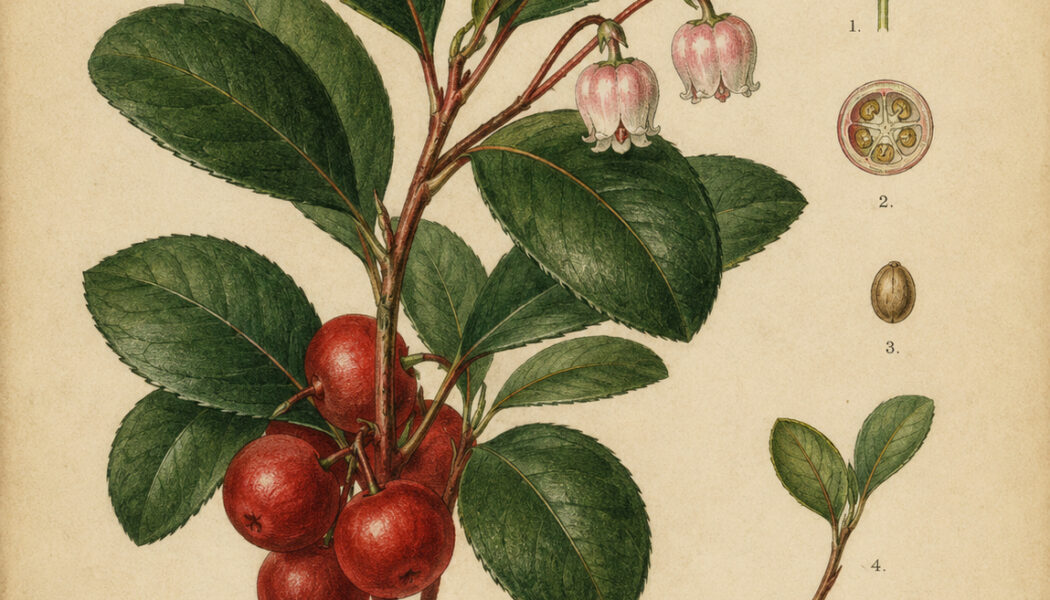

Evergreen Wintergreen: A Sacred Plant in Paganism and Witchcraft
Evergreen wintergreen is a low-growing woodland plant known for its glossy green leaves, bright red berries, and refreshing mint-like scent. Found in forests across North America, it remains green thr...
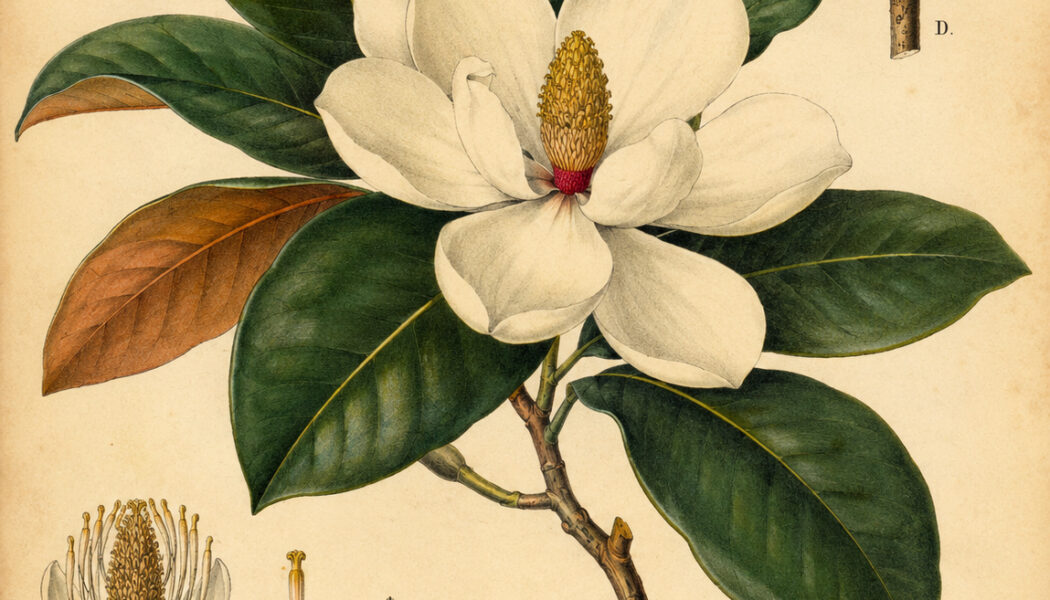

Evergreen Magnolia: A Sacred Tree of Beauty, Strength, and Spiritual Renewal
The Evergreen Magnolia is a striking tree admired for its glossy green leaves, large fragrant white flowers, and year-round foliage. Native to the southeastern United States, particularly the species ...
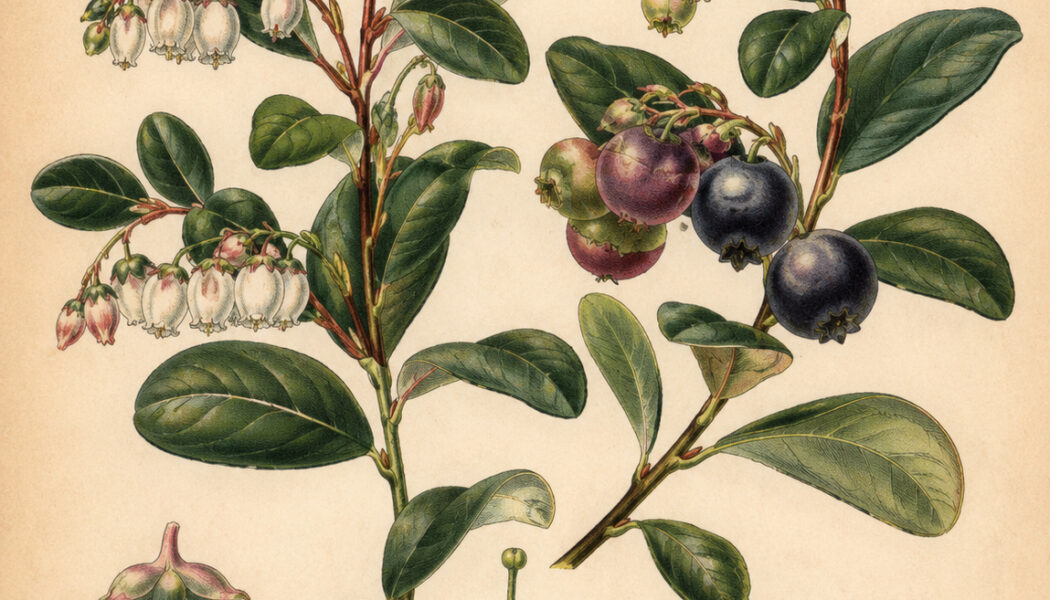

Evergreen Huckleberry: A Sacred Woodland Plant in Paganism and Witchcraft
Evergreen Huckleberry (Vaccinium ovatum) is a beautiful evergreen shrub native to the Pacific Northwest of North America. It grows in forests, coastal woodlands, and mountain slopes, producing glossy ...
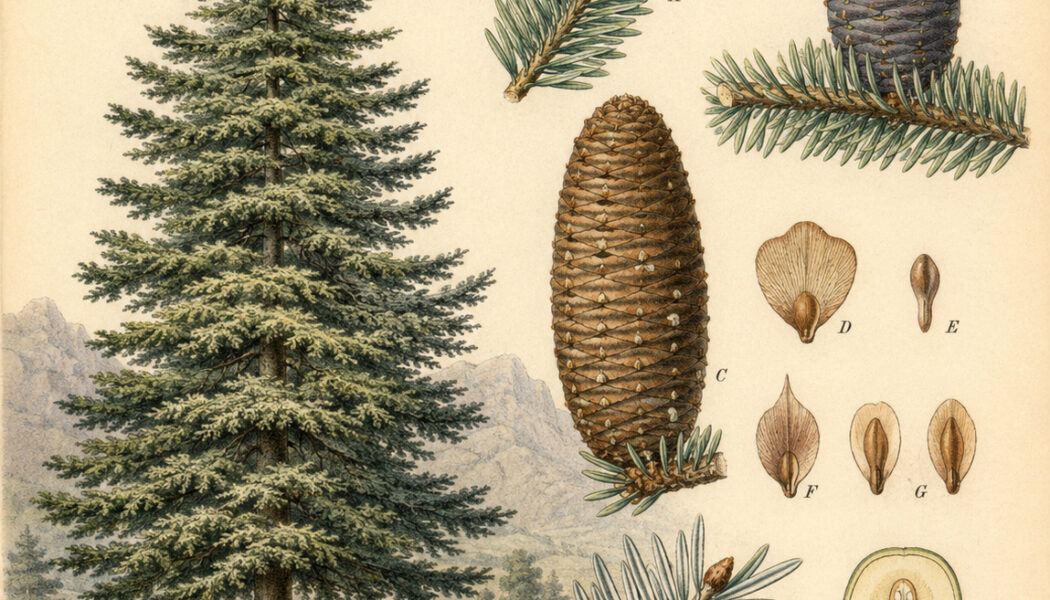

European Silver Fir: A Sacred Evergreen in Paganism and Witchcraft
The European Silver Fir (Abies alba) is a majestic evergreen tree native to the mountainous forests of central and southern Europe. It is easily recognized by its tall, straight trunk, smooth silvery-...
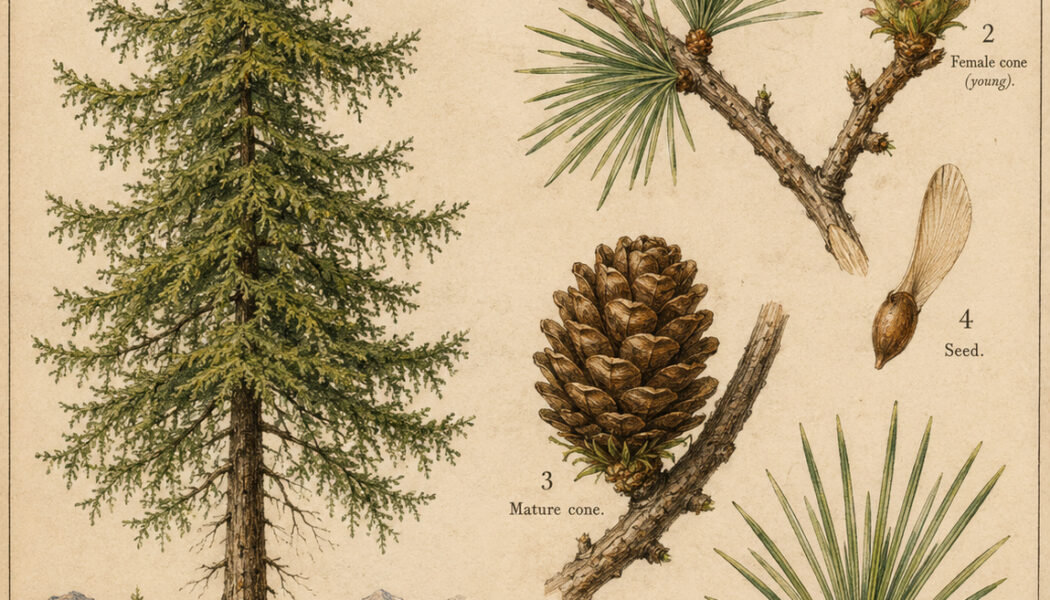

European Larch: A Tree of Renewal and Protective Magic
The European Larch (Larix decidua) is a unique conifer native to the mountainous regions of central Europe. Unlike most conifer trees, it is deciduous, meaning it sheds its soft, bright green needles ...
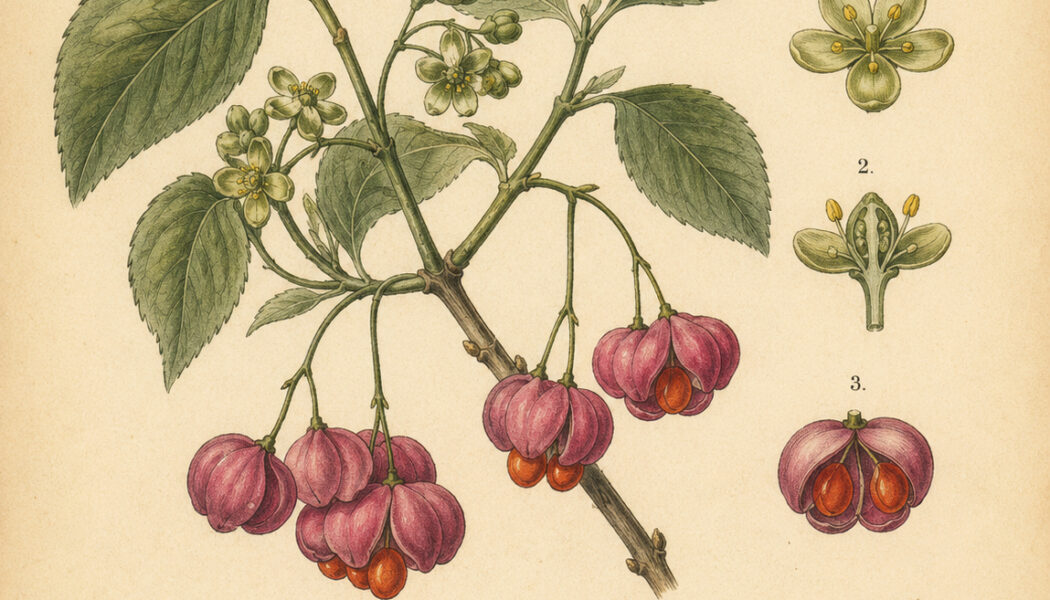

European Spindle: A Magical Shrub of Folklore and Pagan Tradition
The European Spindle (Euonymus europaeus) is a deciduous shrub or small tree native to much of Europe and parts of western Asia. It is easily recognized by its bright pink seed capsules, which split o...
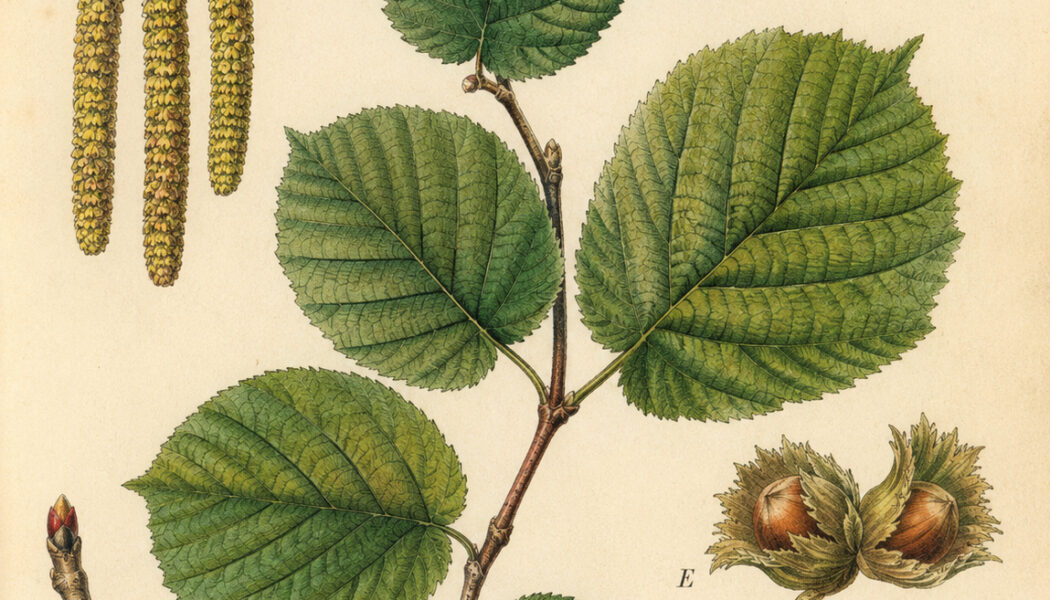

European Hazel: The Tree of Wisdom, Protection, and Magic
The European Hazel (Corylus avellana) is a small deciduous tree or large shrub native to Europe and parts of western Asia. It is well known for producing edible hazelnuts and for its smooth grey bark,...
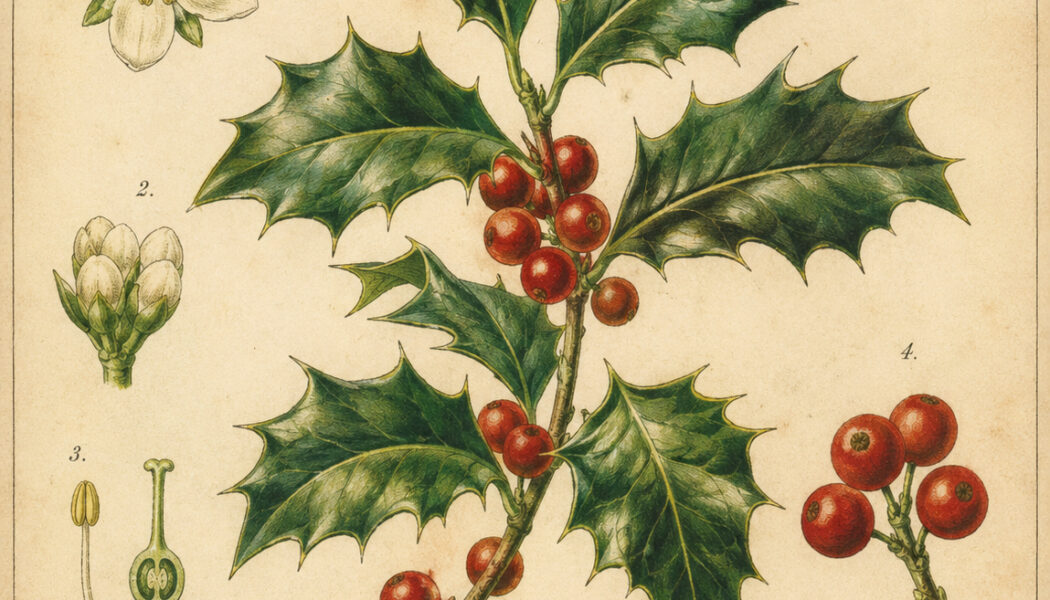

European Holly: A Sacred Evergreen in Paganism and Witchcraft
European Holly (Ilex aquifolium) is a striking evergreen tree or shrub native to much of Europe, western Asia, and North Africa. It is easily recognized by its glossy, dark green leaves with sharp, sp...
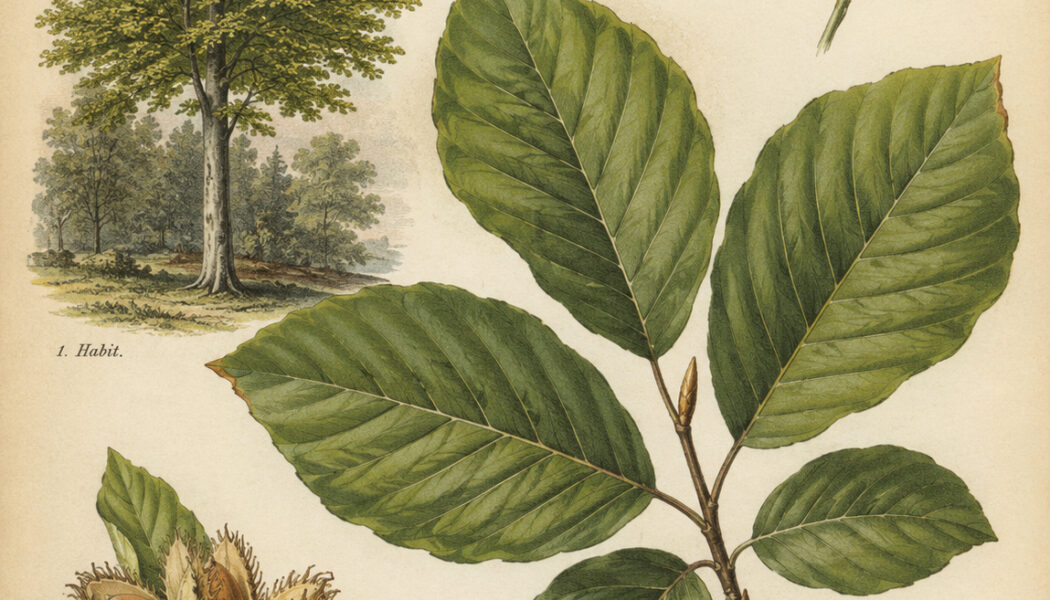

European Beech: Wisdom, Memory, and Magic in Pagan Tradition
The European Beech (Fagus sylvatica) is a majestic deciduous tree native to much of Europe. It is easily recognized by its smooth grey bark, broad spreading canopy, and glossy green leaves that turn r...
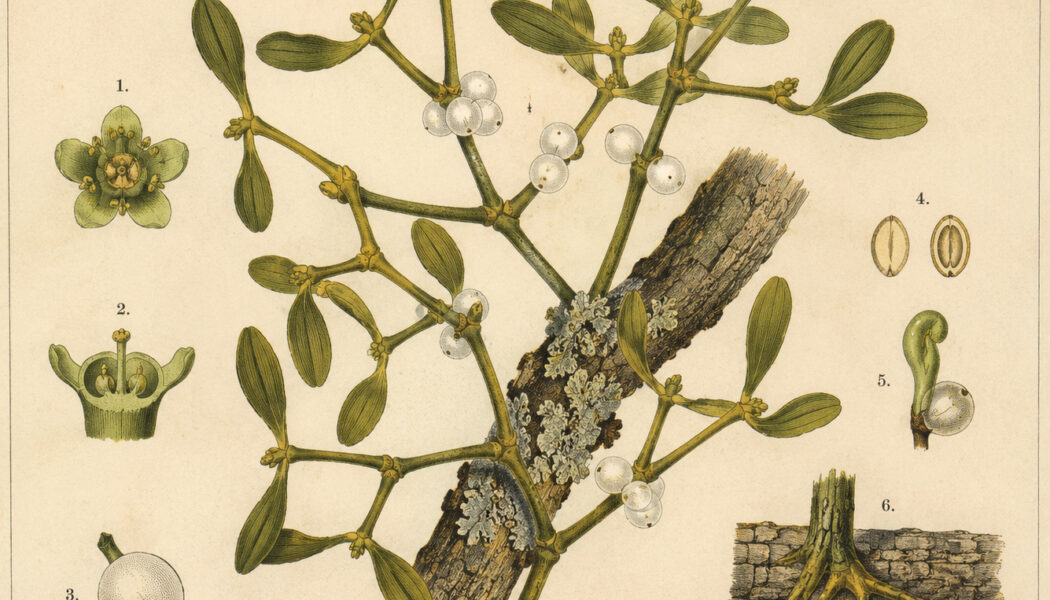

European Mistletoe: A Sacred Plant of Paganism and Witchcraft
European mistletoe (Viscum album) is a unique evergreen plant that grows on the branches of trees such as oak, apple, poplar, and hawthorn. Unlike most plants, it is a semi-parasite, drawing water and...
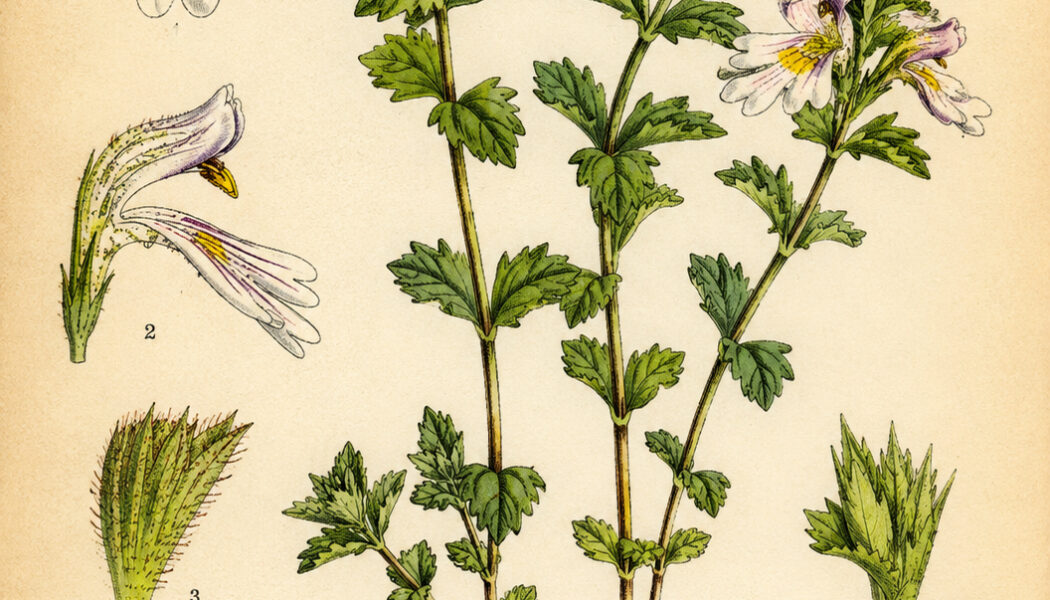

Euphrasia (Eyebright): A Sacred Herb of Healing and Insight
Euphrasia, commonly known as eyebright, is a small flowering plant found growing in meadows and grasslands across Europe and parts of Asia. Recognizable by its delicate white or pale purple flowers ma...
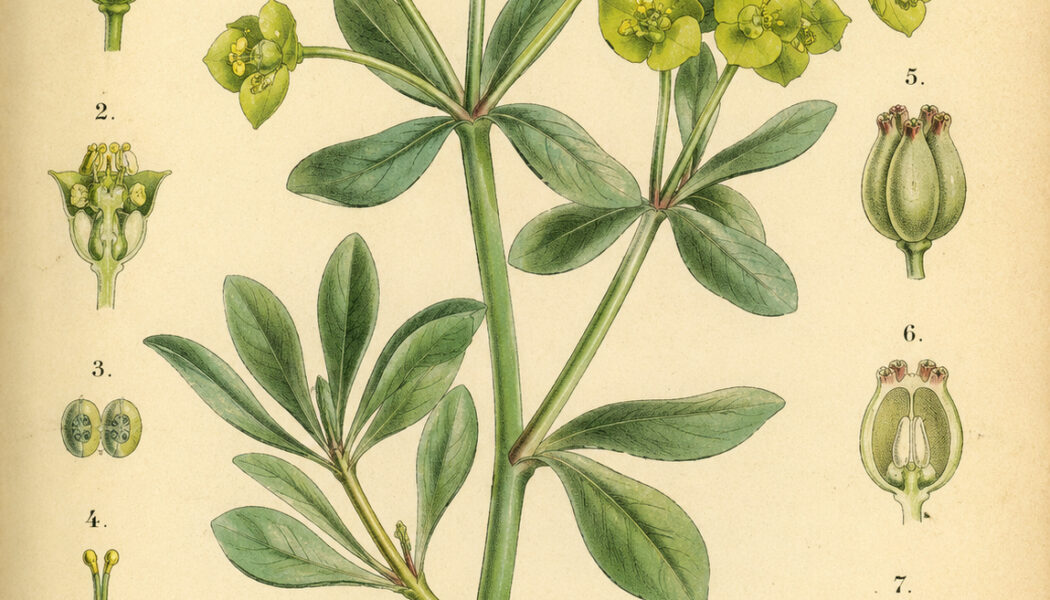

Euphorbia: A Powerful Plant in Nature, Paganism, and Witchcraft
Euphorbia is a large group of flowering plants found in many parts of the world, ranging from tiny ground plants to large shrubs and cactus-like succulents. Although some species resemble cacti, they ...
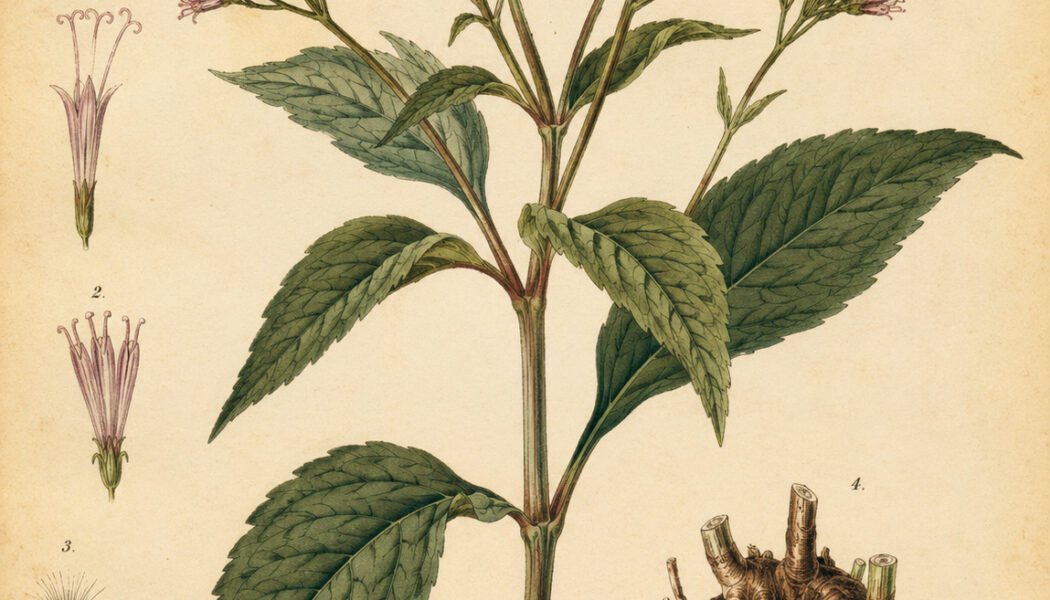

Eupatorium: A Protective Herb in Nature, Paganism, and Witchcraft
Eupatorium is a group of flowering plants belonging to the daisy family (Asteraceae). Common species include boneset (Eupatorium perfoliatum) and hemp agrimony (Eupatorium cannabinum). These hardy per...
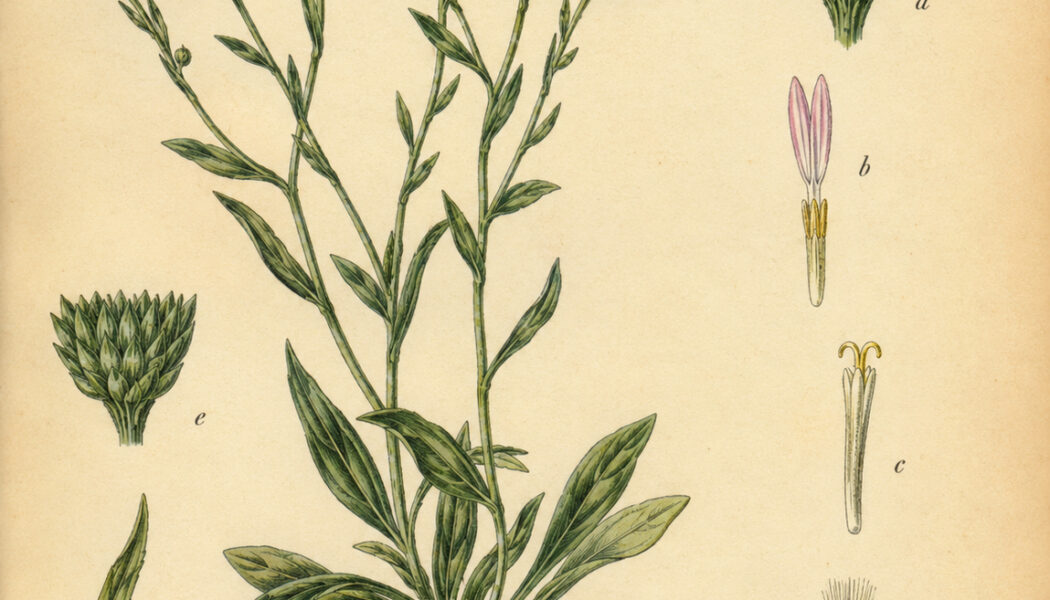

Erigeron: A Humble Wildflower in Paganism and Witchcraft
Erigeron, commonly known as fleabane, is a genus of flowering plants in the daisy family (Asteraceae). Found across Europe, North America, and parts of Asia, these hardy wildflowers are recognized by ...
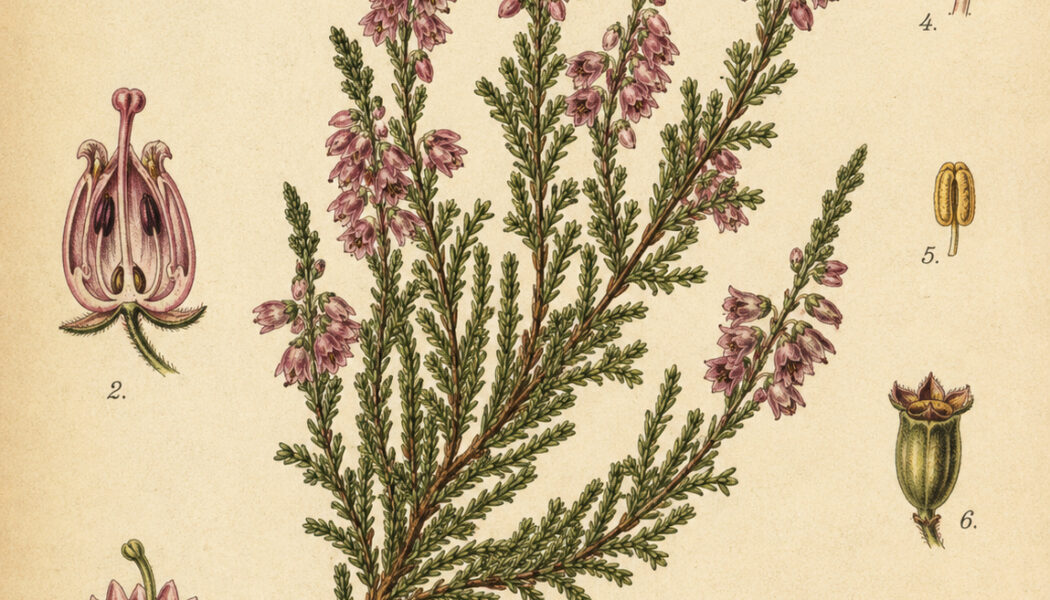

Erica: Heather’s Sacred Place in Paganism and Witchcraft
Erica is the scientific name for a large group of flowering plants commonly known as heather. These evergreen shrubs are native to Europe, Africa, and parts of the Middle East, with many species thriv...
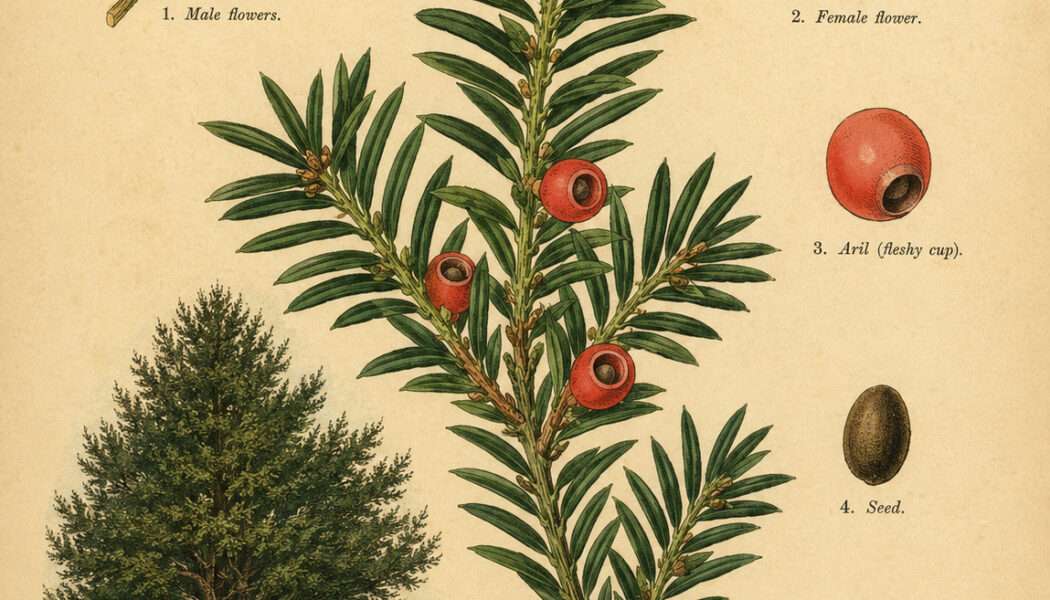

English Yew: The Sacred Tree of Mystery and Transformation
The English Yew (Taxus baccata) is one of Europe’s oldest and most revered trees. Known for its dark green needles, reddish-brown bark, and bright red berry-like arils, it can live for hundreds ...
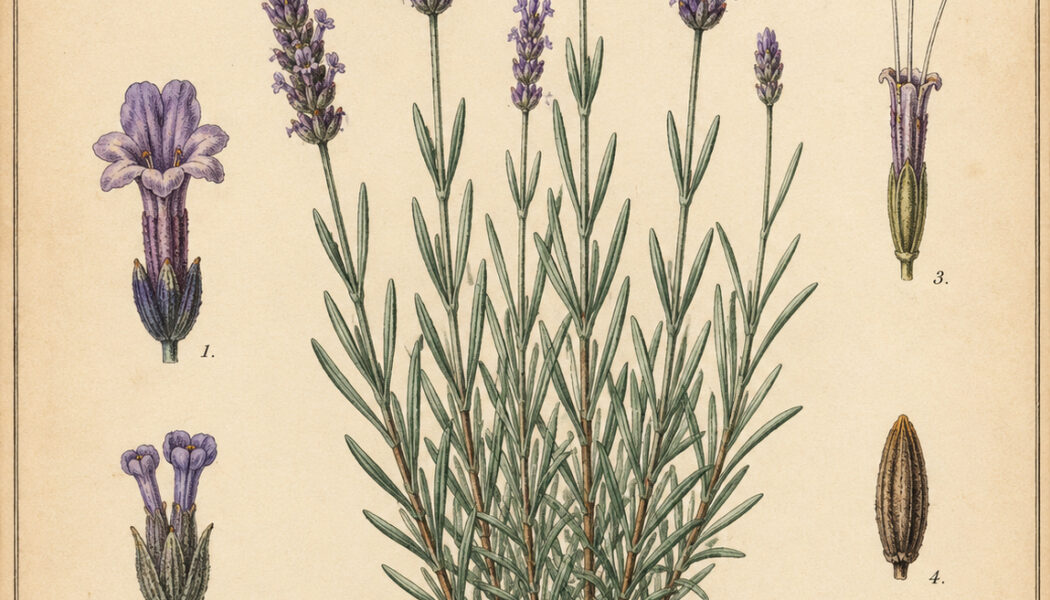

English Lavender: A Sacred Herb of Peace, Protection, and Magic
English Lavender (Lavandula angustifolia) is a fragrant flowering plant native to the Mediterranean region but widely grown in gardens around the world. Known for its slender green stems, silvery leav...
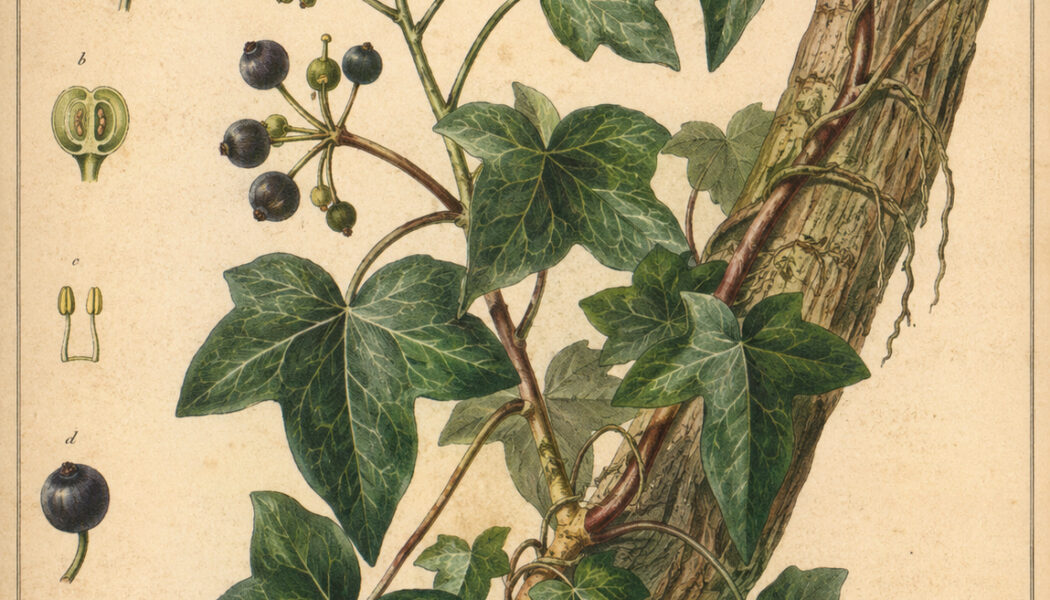

English Ivy: A Sacred Vine in Nature, Paganism, and Witchcraft
English Ivy (Hedera helix) is a hardy evergreen climbing plant native to Europe and western Asia. It is well known for its glossy, dark green leaves and its ability to climb walls, trees, and fences u...
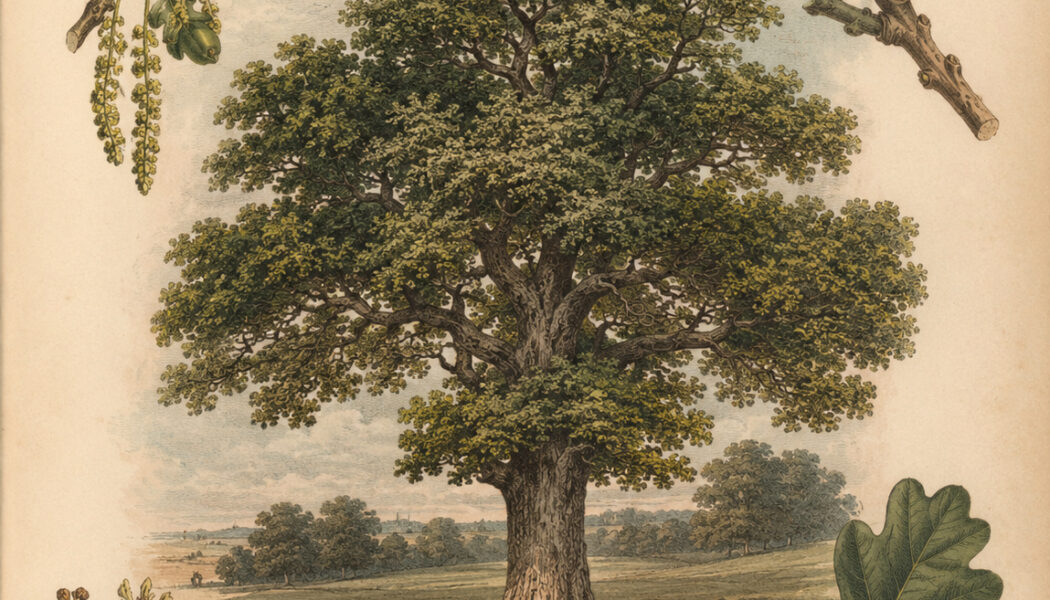

The English Oak: A Sacred Tree of Strength and Magic
The English Oak (Quercus robur) is one of Britain’s most well-known and respected native trees. It can live for hundreds of years, with some ancient specimens surviving for over a thousand years...
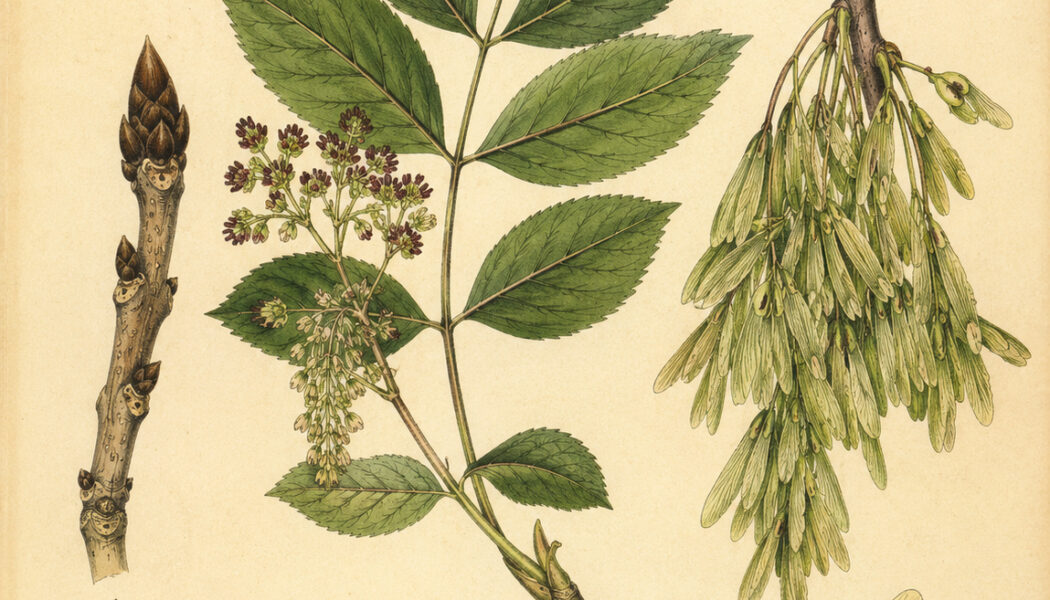

European Ash: The Sacred Tree of Wisdom and Protection
The European Ash (Fraxinus excelsior) is a tall, graceful deciduous tree native to much of Europe and parts of western Asia. It can grow up to 40 metres (130 feet) in height and is easily recognised b...
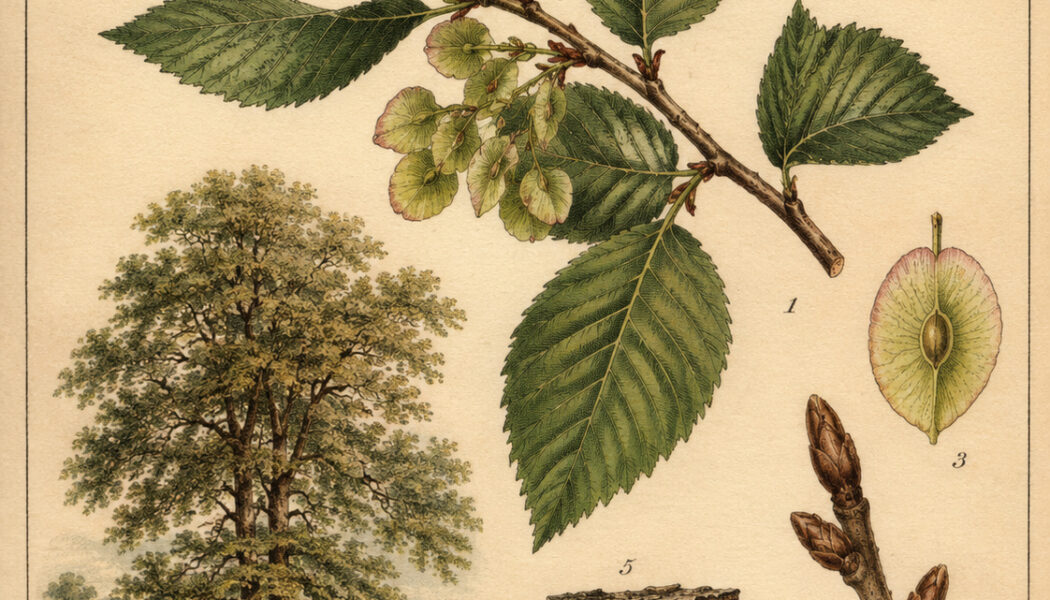

Elm: The Tree of Strength, Wisdom, and Magical Protection
The elm is a tall, graceful tree that has been valued for centuries because of its beauty, strength, and usefulness. Found across Europe, Asia, and North America, elm trees are known for their broad c...
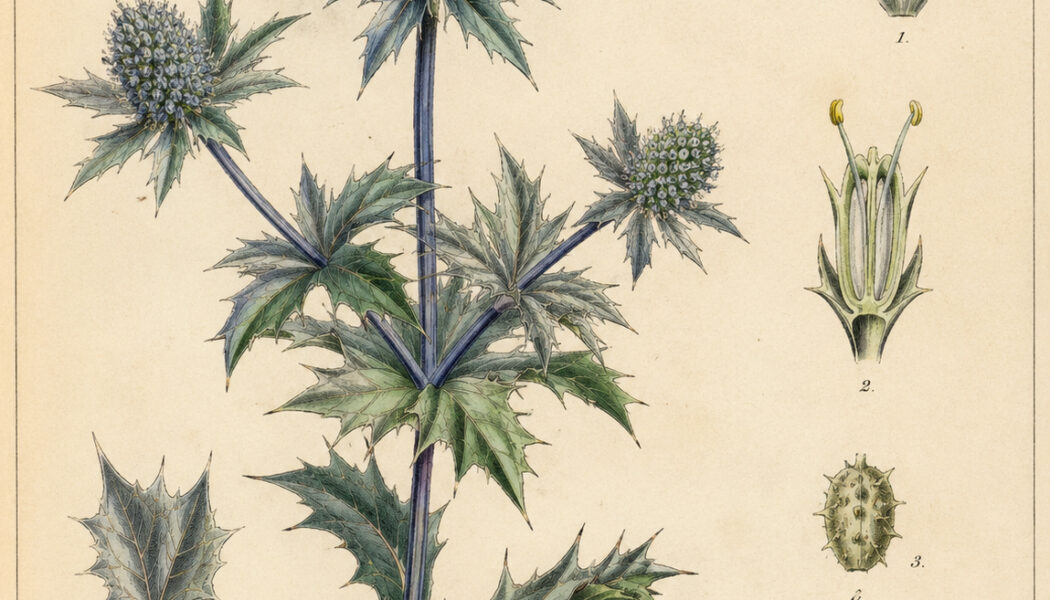

Eryngo: The Protective Thistle of Paganism and Witchcraft
Eryngo (Eryngium species), often called sea holly or eryngo, is a striking plant known for its spiky blue or silver flower heads and thorny leaves. Although it resembles a thistle, it belongs to the p...
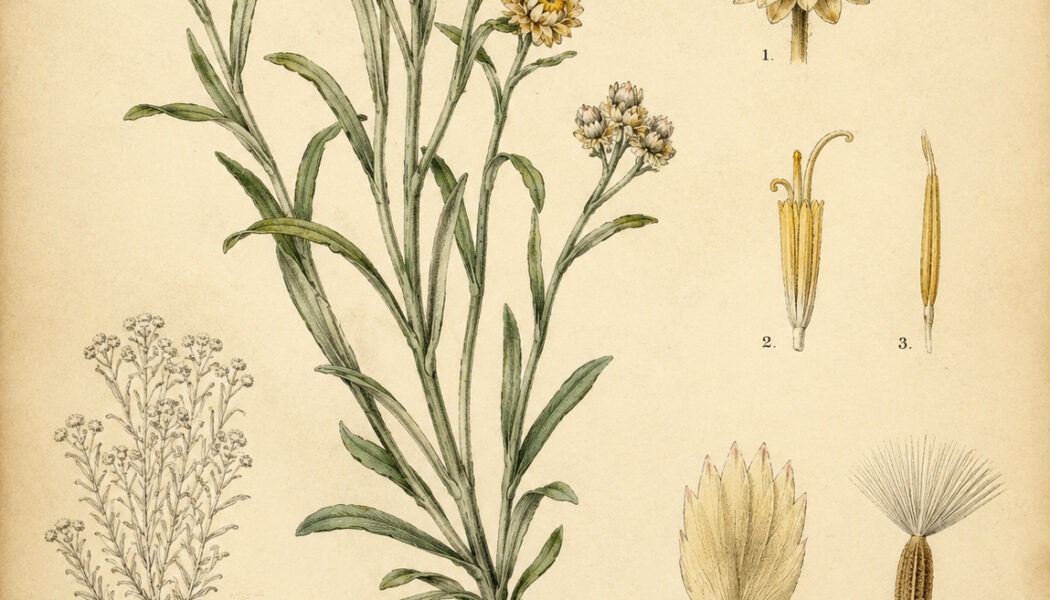

Everlasting: A Sacred Flower of Memory and Protection
Everlasting is the common name for several plants with flowers that keep their shape and color long after they have dried, including species of Helichrysum and Anaphalis. Their papery blossoms have ma...
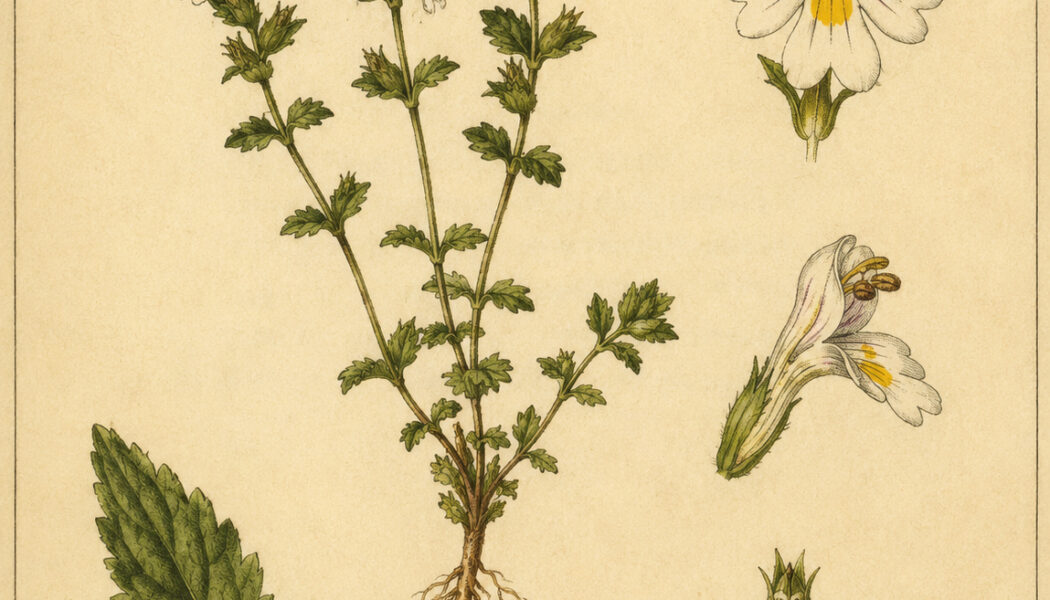

Eyebright: A Magical Herb of Clarity and Vision
Eyebright (Euphrasia officinalis) is a small flowering herb that grows in meadows, grasslands, and open countryside across Europe and parts of Asia. It is easily recognized by its delicate white or pa...
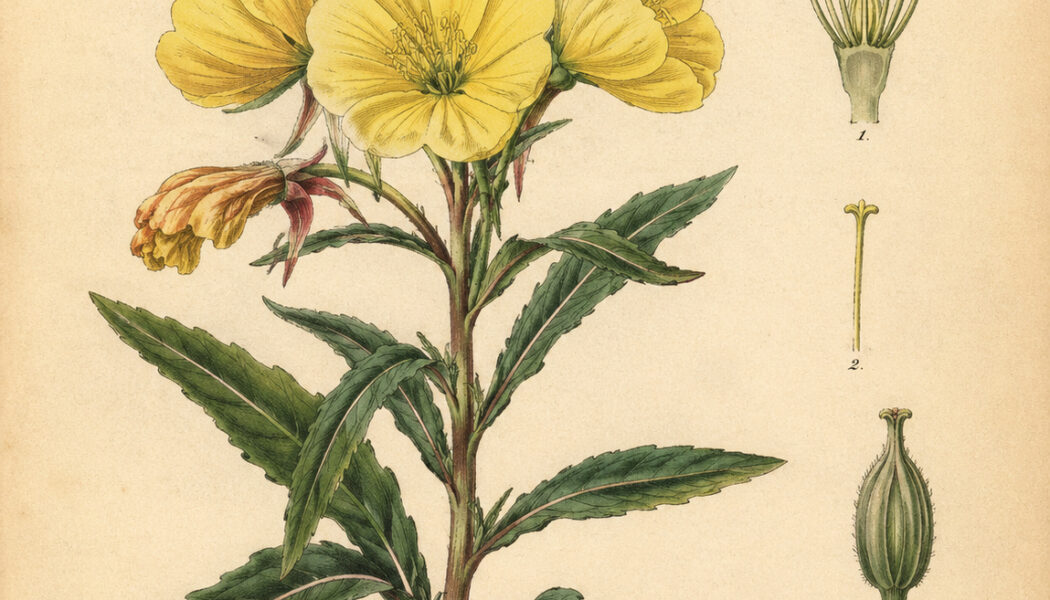

Evening Primrose: A Moonlit Flower in Nature, Paganism, and Witchcraft
Evening Primrose (Oenothera biennis) is a beautiful wildflower best known for its bright yellow blossoms that open at dusk and remain visible through the night. Native to North America, it has spread ...
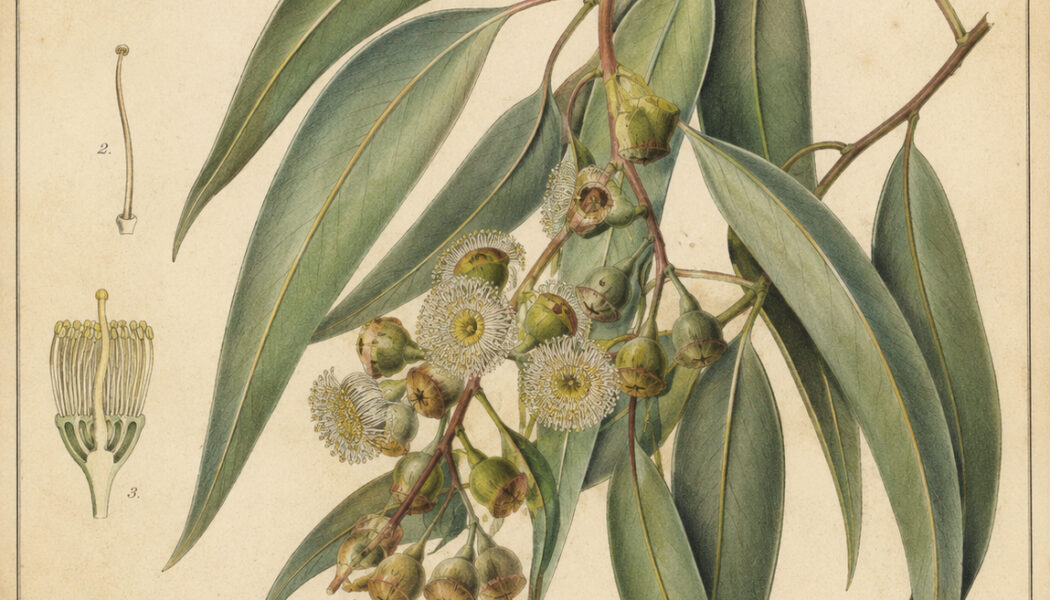

Eucalyptus: A Tree of Healing, Protection, and Spiritual Renewal
Eucalyptus is a group of evergreen trees and shrubs native to Australia, although it is now grown in many parts of the world. Known for its smooth bark, long, narrow leaves, and fresh, invigorating sc...
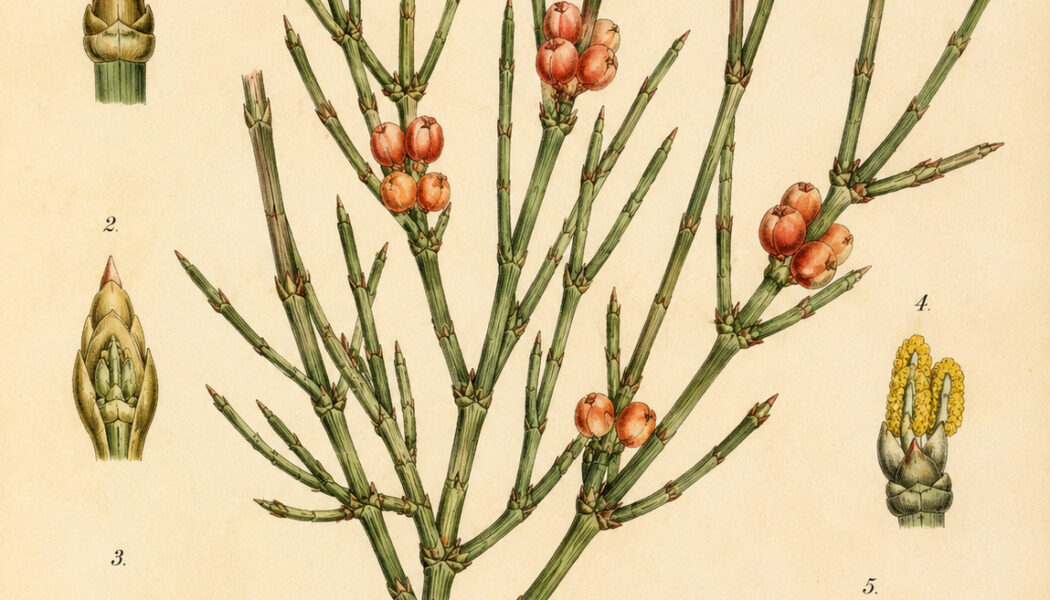

Ephedra: An Ancient Desert Plant in Paganism and Witchcraft
Ephedra is a hardy, shrub-like plant that grows naturally in dry deserts and mountainous regions across Asia, Europe, North America, and parts of Africa. Sometimes called “Mormon tea” or &...
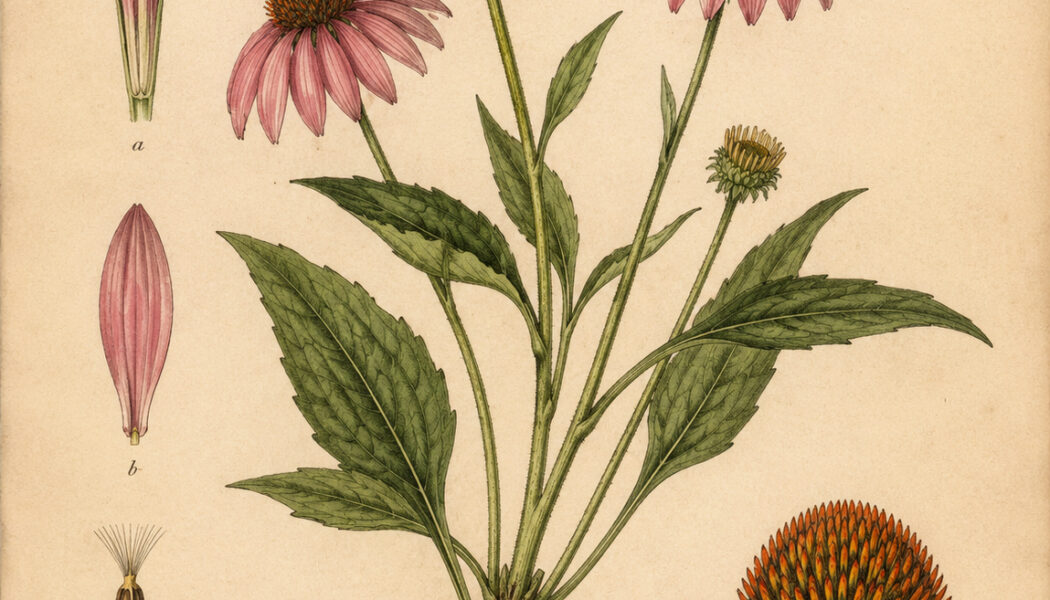

Echinacea: A Sacred Healing Herb in Paganism and Witchcraft
Echinacea is a hardy flowering plant native to North America, best known for its striking purple-pink petals and spiky central cone. Belonging to the daisy family, it blooms throughout the summer and ...
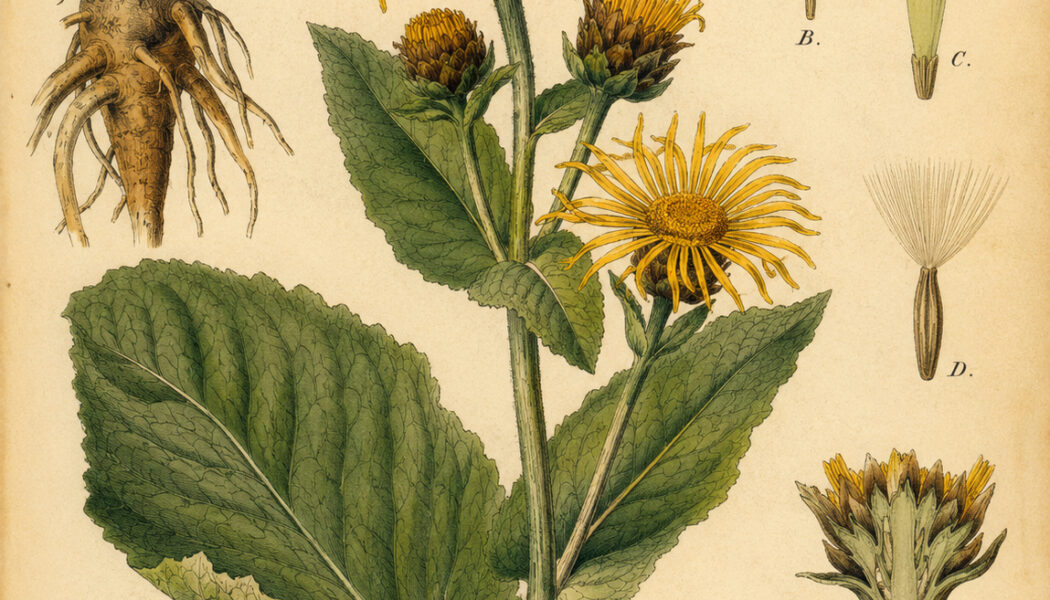

Elecampane: The Healing Herb of Sunlight, Spirit, and Sacred Magic
Elecampane (Inula helenium) is a tall, striking perennial herb with bright yellow, daisy-like flowers and large, textured leaves. Native to Europe and parts of Asia, it has been valued for thousands o...
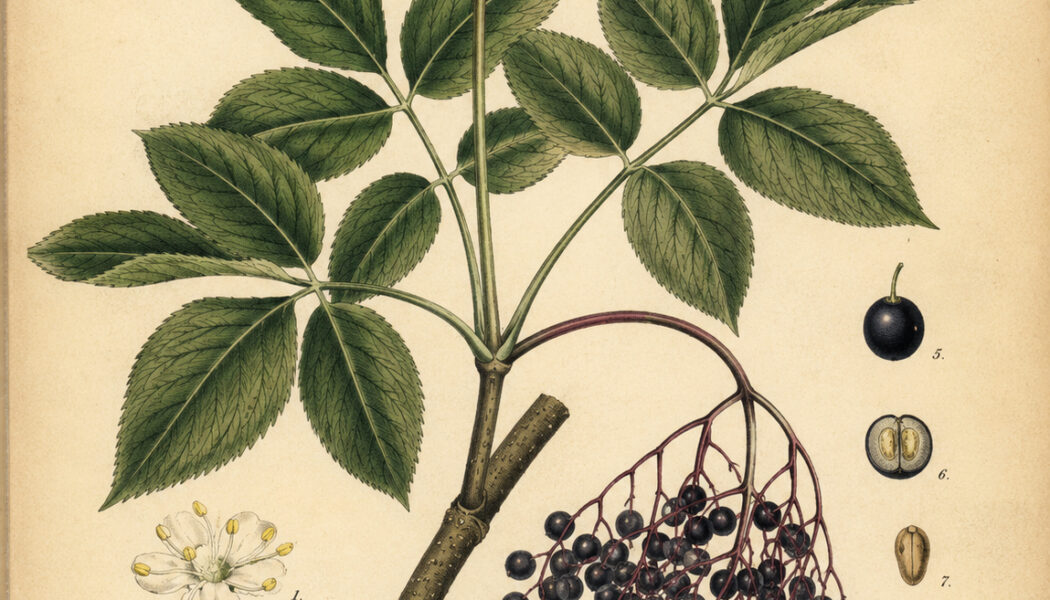

Elder: The Sacred Tree of Protection and Transformation
The Elder (commonly known as elder or elderberry) is a small tree or large shrub that has been valued for centuries for both its practical uses and its spiritual significance. Recognized by its creamy...
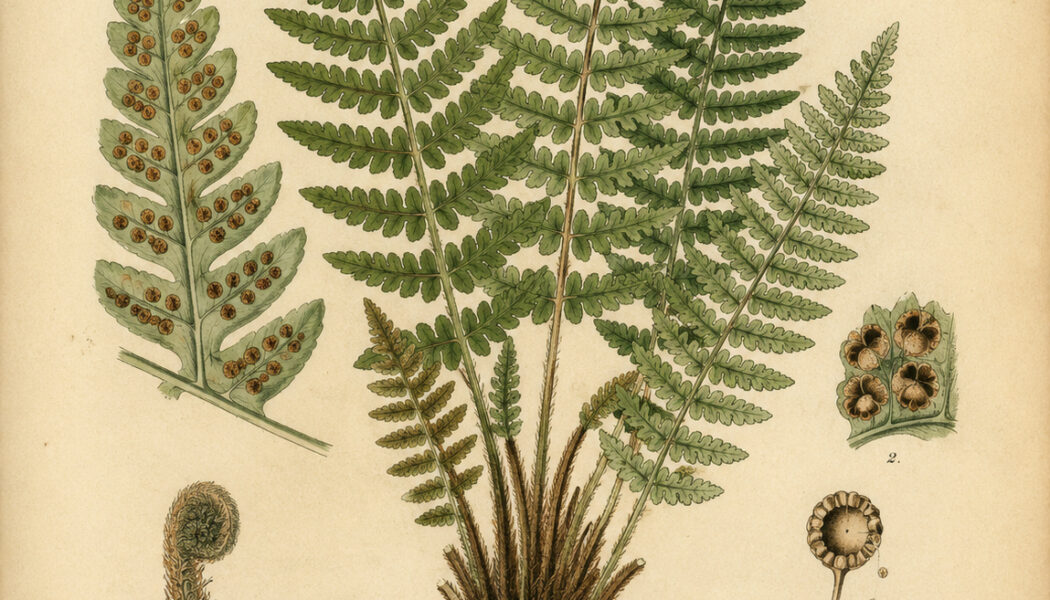

Dryopteris: The Woodland Fern in Paganism and Witchcraft
Dryopteris, commonly known as the wood fern, is a genus of hardy ferns that thrives in shaded forests and damp woodland habitats across Europe, Asia, North America, and parts of Africa. Unlike floweri...
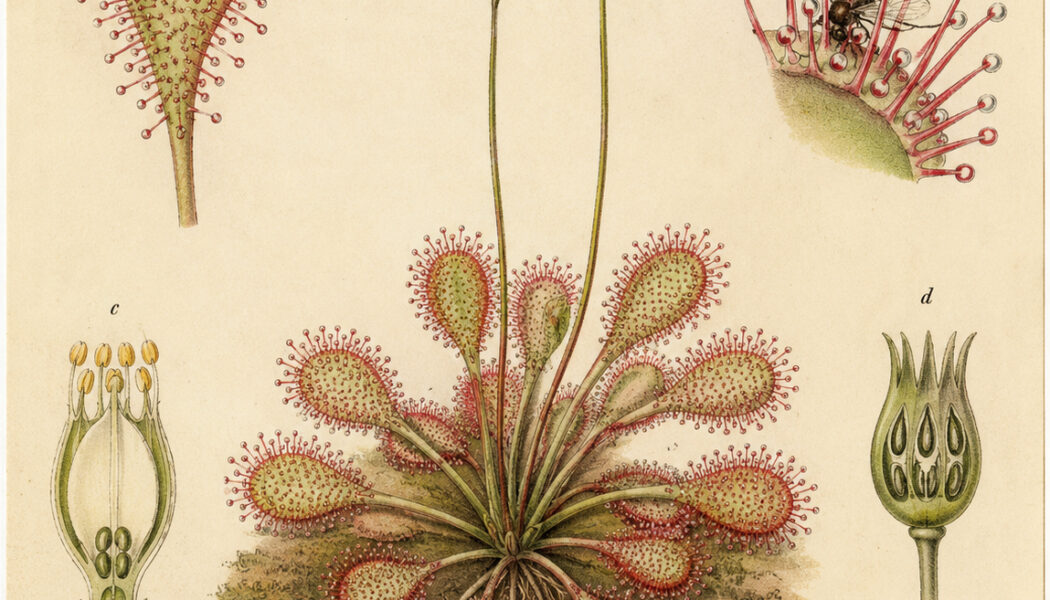

Drosera: The Enchanting Sundew in Nature, Paganism, and Witchcraft
Drosera, commonly known as sundew, is a fascinating group of carnivorous plants found across Europe, North America, Australia, Asia, and Africa. Named after the Greek word drosos, meaning “dew,&...
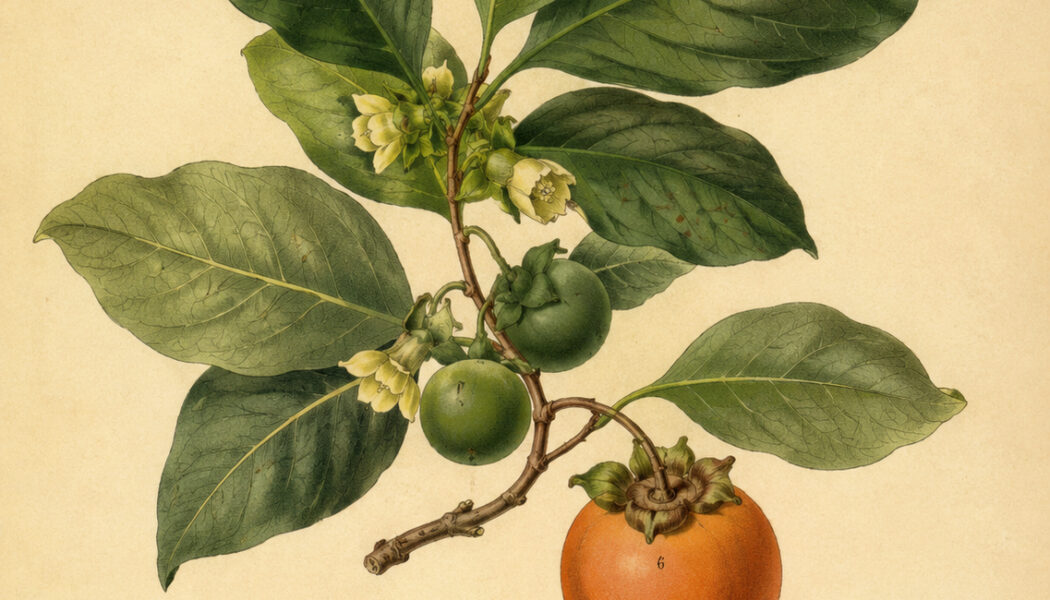

Diospyros: The Sacred Ebony Tree in Paganism and Witchcraft
The genus Diospyros includes more than 700 species of trees and shrubs, most famously the persimmon and ebony trees. Native to tropical and temperate regions around the world, these plants have long b...
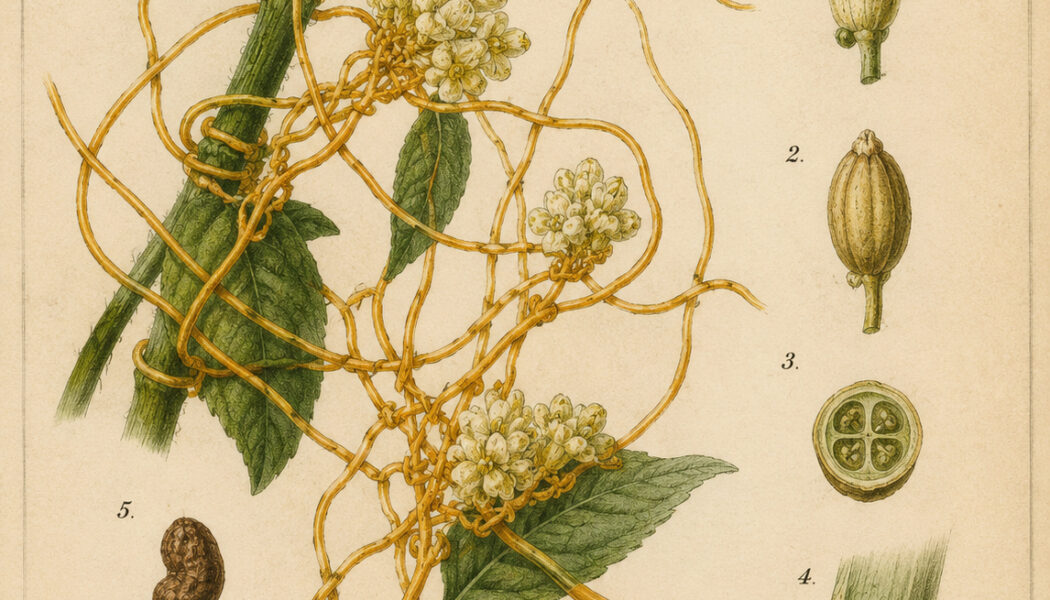

Dodder: The Tangled Vine of Binding Magic
Dodder (Cuscuta species) is one of the world’s most unusual plants. Unlike most plants, it has little or no chlorophyll, meaning it cannot produce enough of its own food through photosynthesis. ...
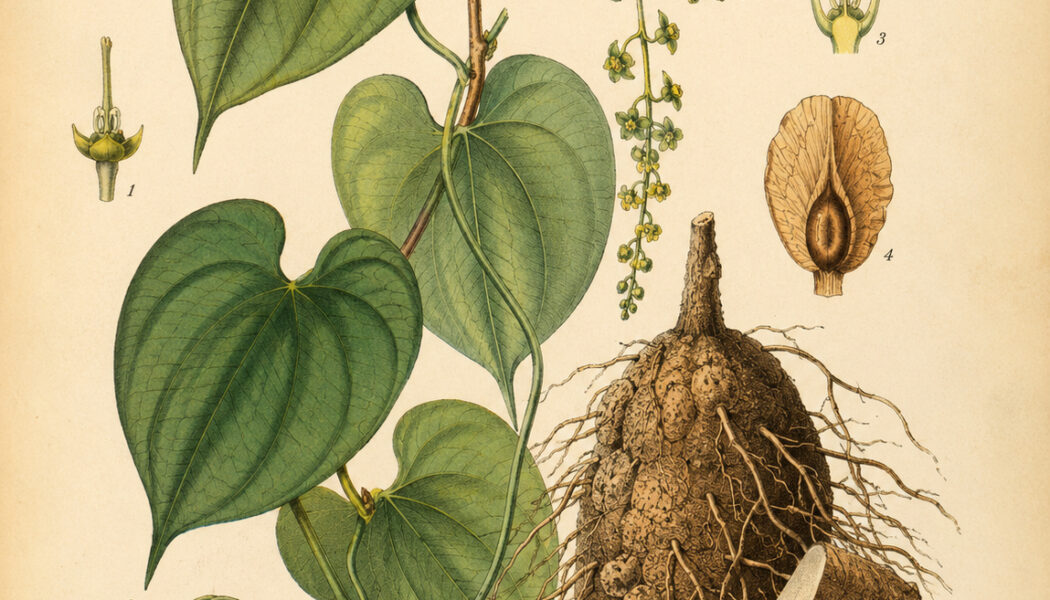

Dioscorea: The Sacred Yam in Paganism and Witchcraft
Dioscorea, commonly known as wild yam or yam, is a genus of climbing vines that produces underground tubers. Found throughout Africa, Asia, and the Americas, many species have long been valued as impo...
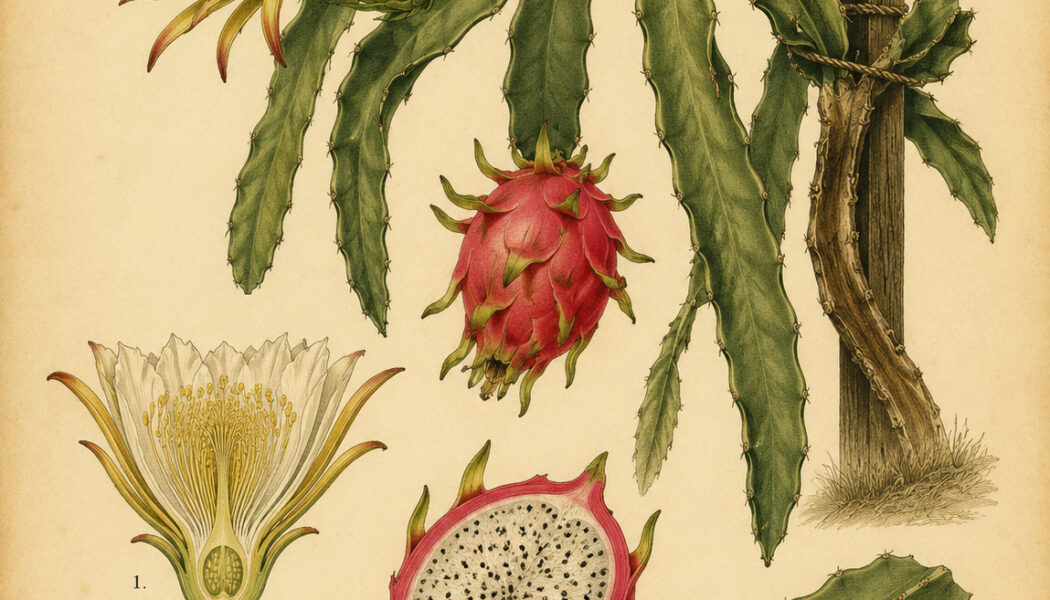

Dragon Fruit Cactus: A Symbol of Resilience, Abundance, and Magical Growth
The Dragon Fruit Cactus (Selenicereus undatus, formerly Hylocereus undatus) is a climbing cactus native to Central and South America that is now grown throughout tropical and subtropical regions aroun...
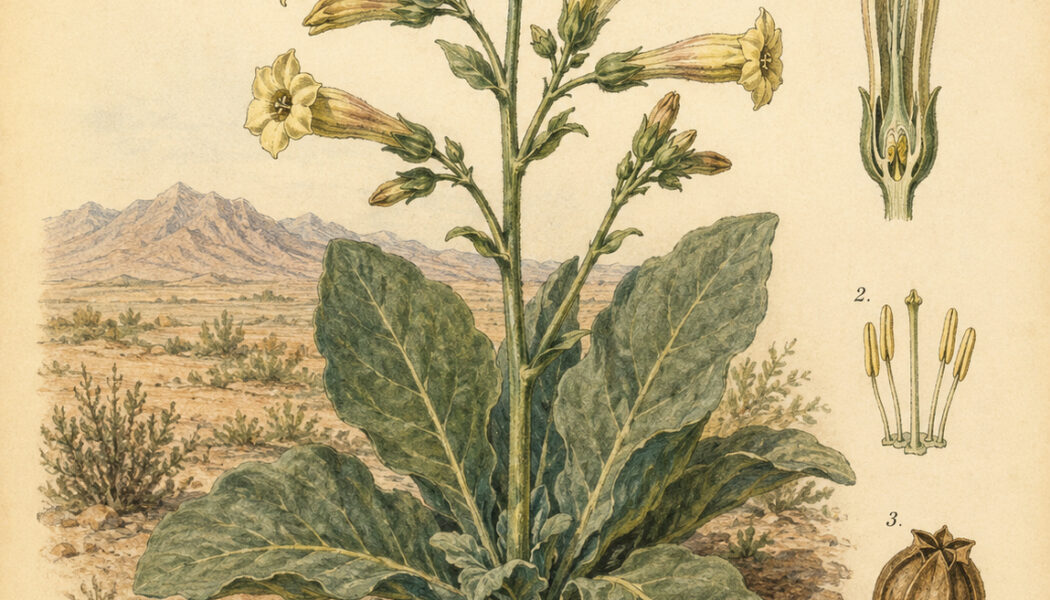

Desert Tobacco: A Sacred Plant in Paganism and Witchcraft
Desert Tobacco (Nicotiana attenuata) is a hardy flowering plant native to the arid regions of North America. Closely related to cultivated tobacco, it thrives in dry soils and is known for its pale gr...
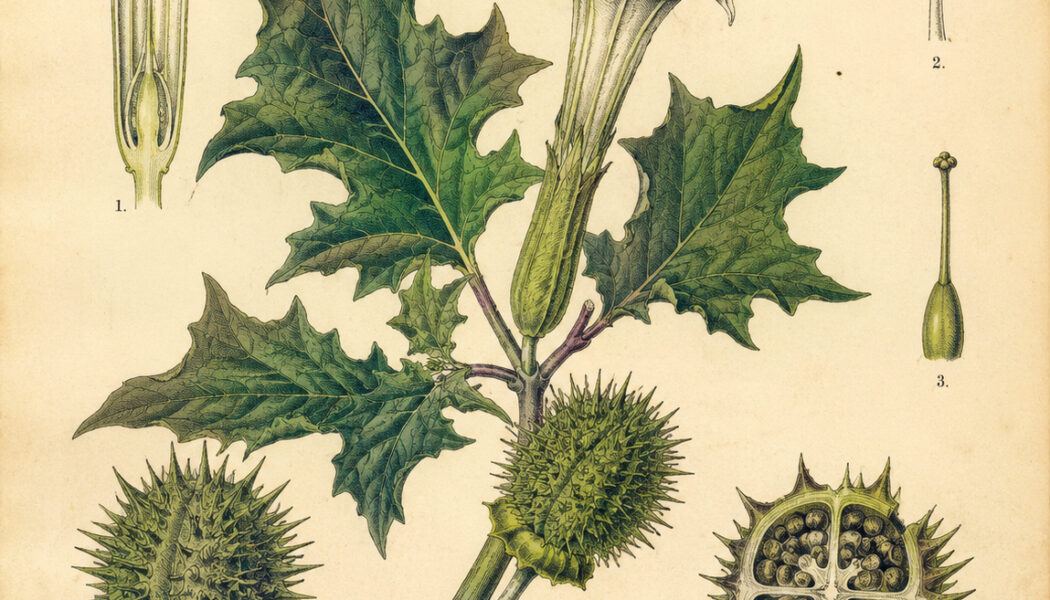

Devil’s Apple: The Mysterious Plant of Magic and Myth
Devil’s Apple is one of the common names for Datura, a group of flowering plants belonging to the nightshade family. Recognizable by its large trumpet-shaped flowers and spiky seed pods, the pla...
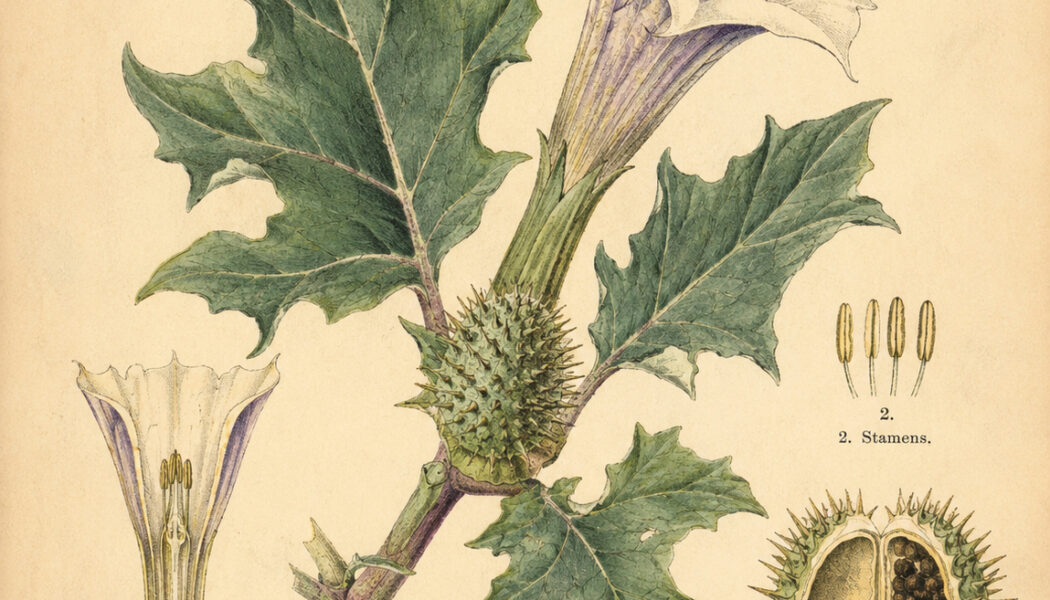

Downy Thorn Apple: A Powerful and Mysterious Plant in Paganism and Witchcraft
Downy Thorn Apple (Datura inoxia), also known as Moonflower, Sacred Datura, or Toloache, is a striking plant recognized by its large white trumpet-shaped flowers, soft grey-green leaves, and spiny see...
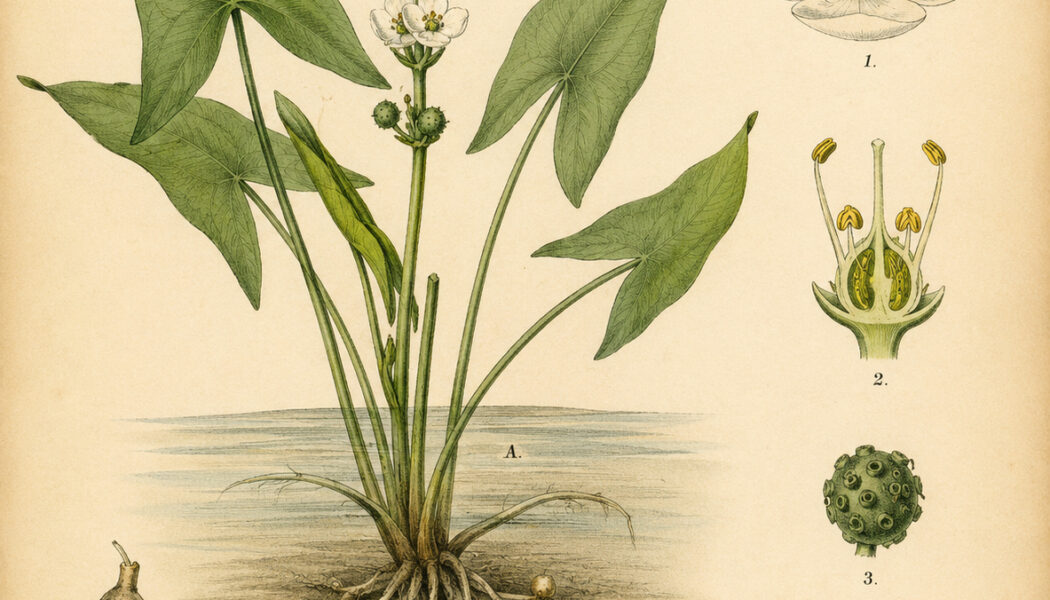

Duck Potato: A Plant of Nourishment, Adaptability, and Quiet Magic
Duck Potato (Sagittaria latifolia), also known as Broadleaf Arrowhead or Wapato, is a perennial aquatic plant that grows in shallow ponds, marshes, wetlands, and slow-moving streams throughout North A...
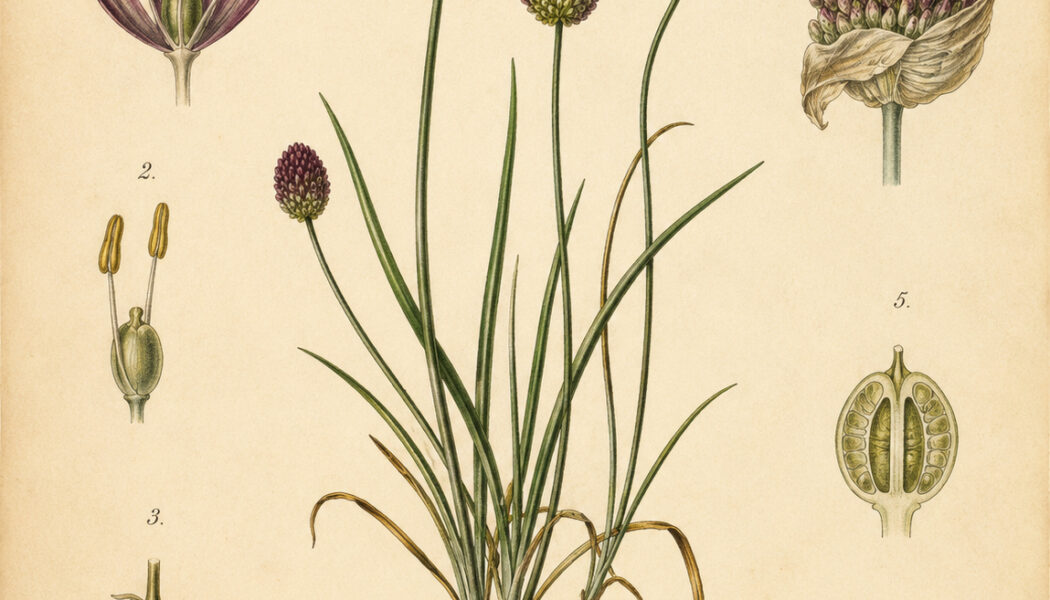

Drumstick Allium: A Magical Bloom of Protection and Prosperity
Drumstick Allium (Allium sphaerocephalon) is a striking flowering plant known for its tall stems and small, egg-shaped flower heads that change from green to rich burgundy-purple as they mature. Bloom...
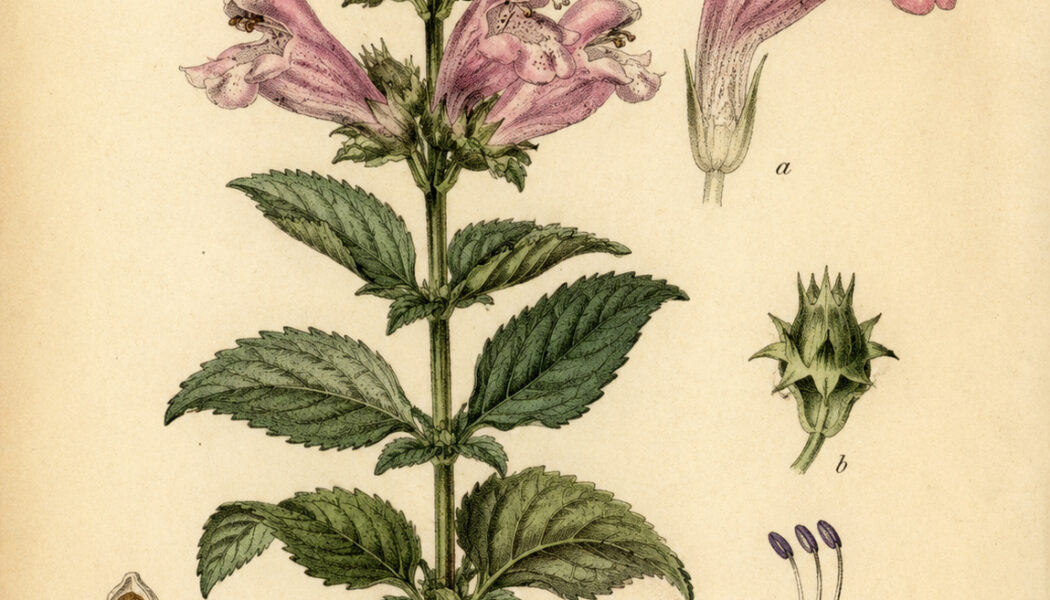

Dragonhead: A Mystical Herb of Protection, Wisdom, and Spiritual Connection
Dragonhead (Dracocephalum moldavica), sometimes called Moldavian balm, is a fragrant flowering herb belonging to the mint family. Native to parts of Eastern Europe and Central Asia, it is admired for ...
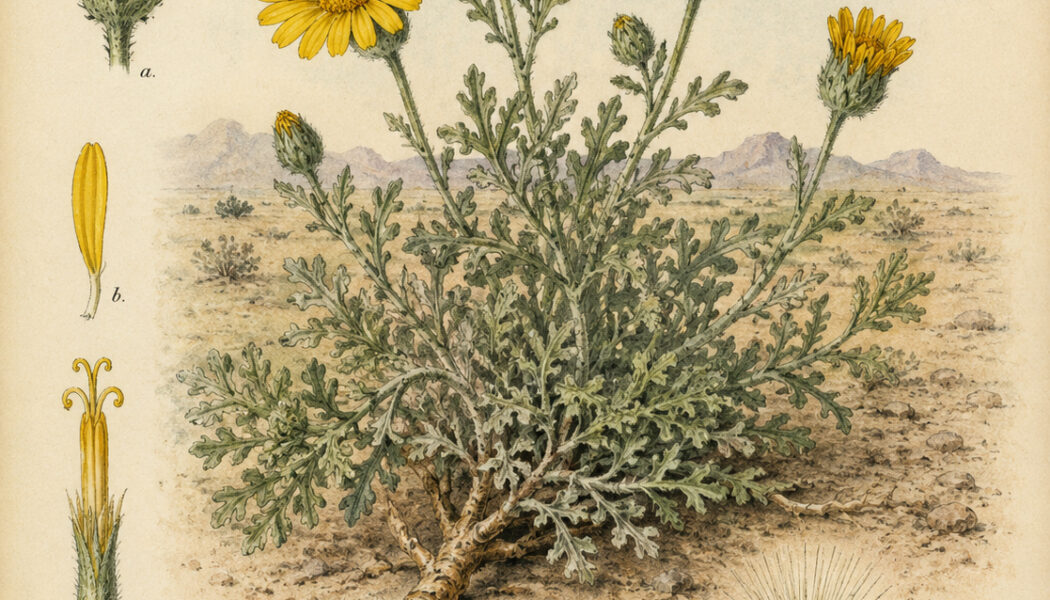

Desert Marigold: A Sunlit Flower of Protection, Resilience, and Sacred Renewal
Desert Marigold (Baileya multiradiata) is a hardy wildflower native to the deserts of the southwestern United States and northern Mexico. Recognizable by its bright golden-yellow, daisy-like flowers a...
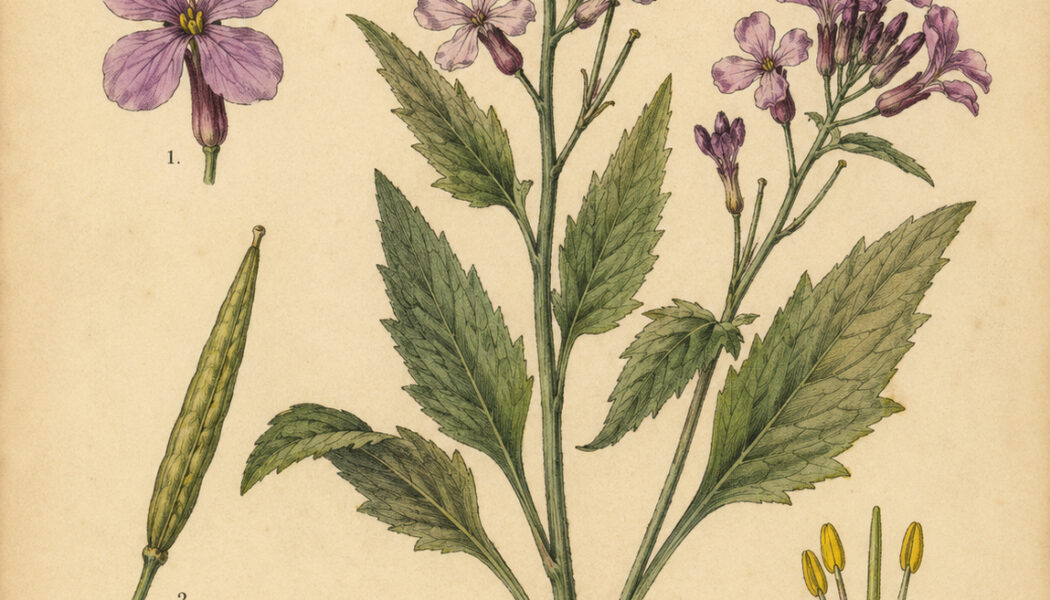

Dyer’s Rocket: A Plant of Colour, Transformation, and Magical Tradition
Dyer’s Rocket (Reseda luteola), also known as Weld, is a tall flowering plant that has been valued for thousands of years as one of the finest natural sources of bright yellow dye. Native to Eur...
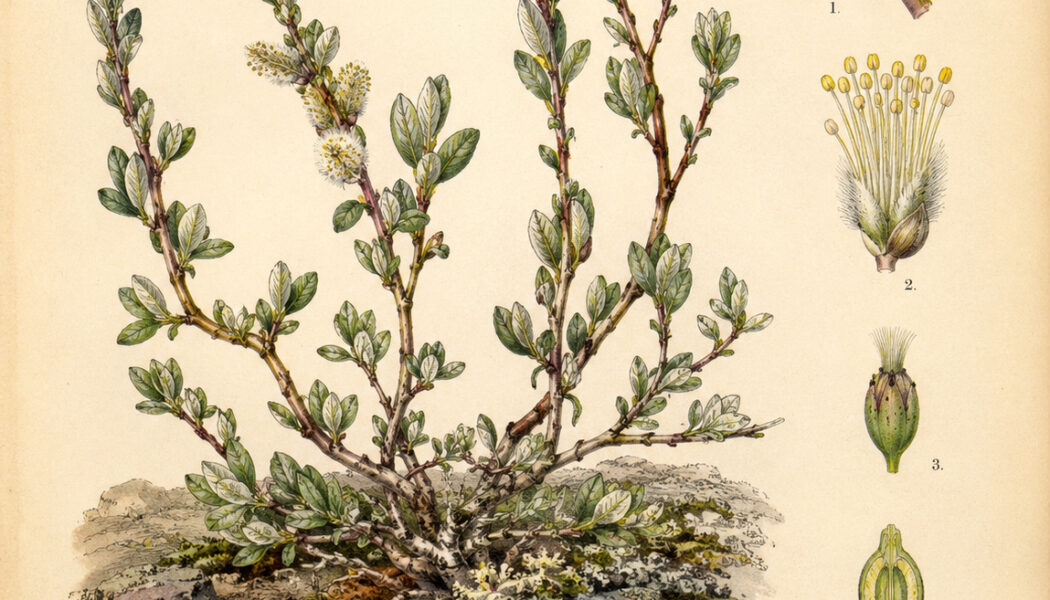

Dwarf Willow: A Symbol of Resilience in Paganism and Witchcraft
The Dwarf Willow (Salix herbacea) is one of the world’s smallest woody plants, growing only a few centimetres tall. Found in cold, mountainous regions across Europe, Asia, and North America, it ...
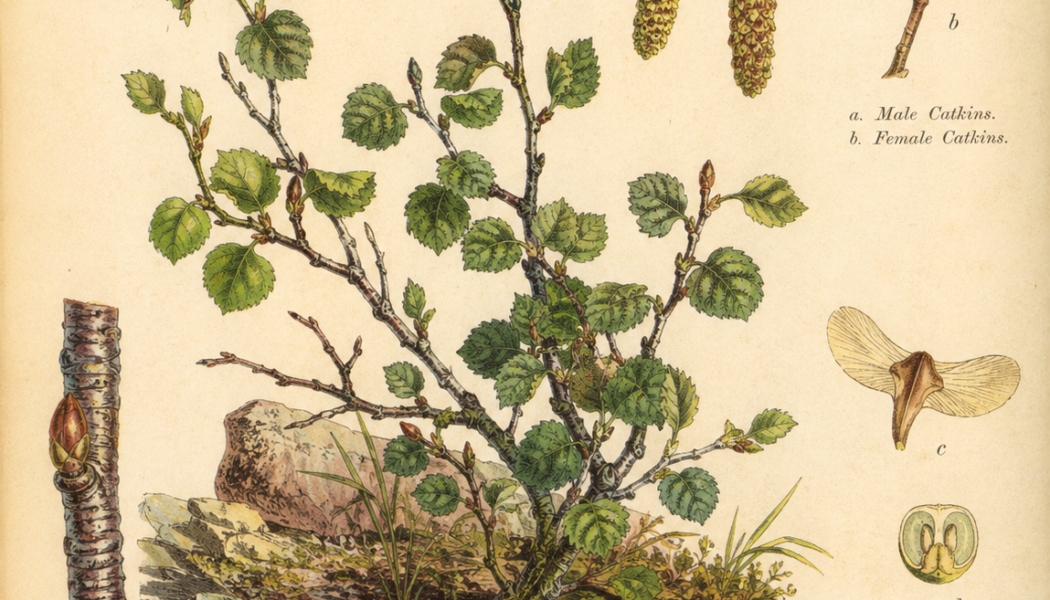

Dwarf Birch: A Hardy Symbol of Resilience in Paganism and Witchcraft
The Dwarf Birch (Betula nana) is a small, hardy shrub that thrives in cold northern regions, including the Arctic, Scandinavia, Scotland, and other mountainous landscapes. Unlike its tall birch relati...
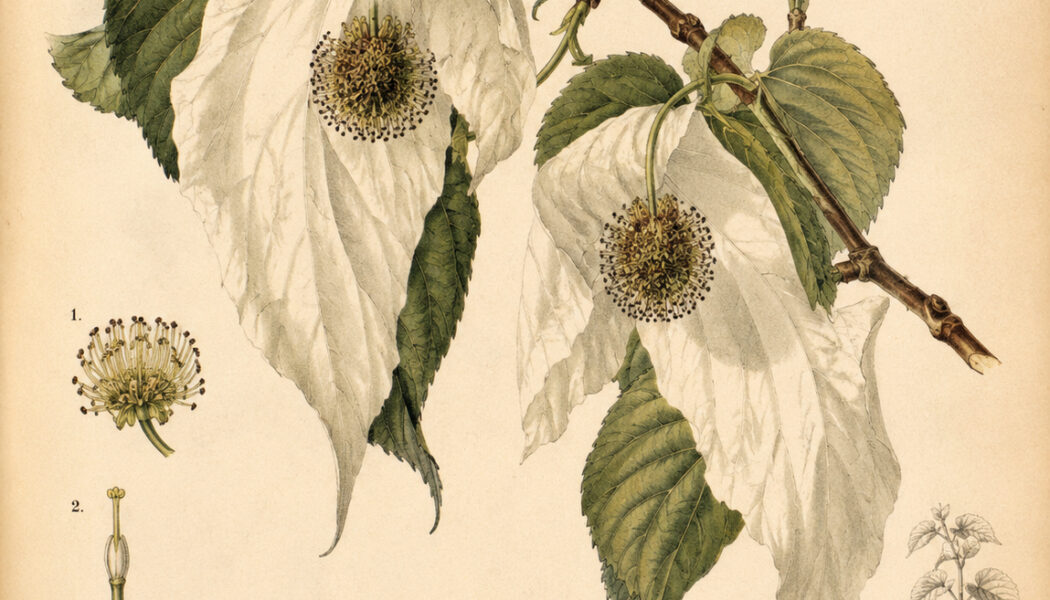

The Dove Tree: A Symbol of Peace, Mystery, and Spiritual Renewal
The Dove Tree (Davidia involucrata), also known as the Handkerchief Tree or Ghost Tree, is a rare deciduous tree native to the mountain forests of central China. It is best known for its spectacular s...
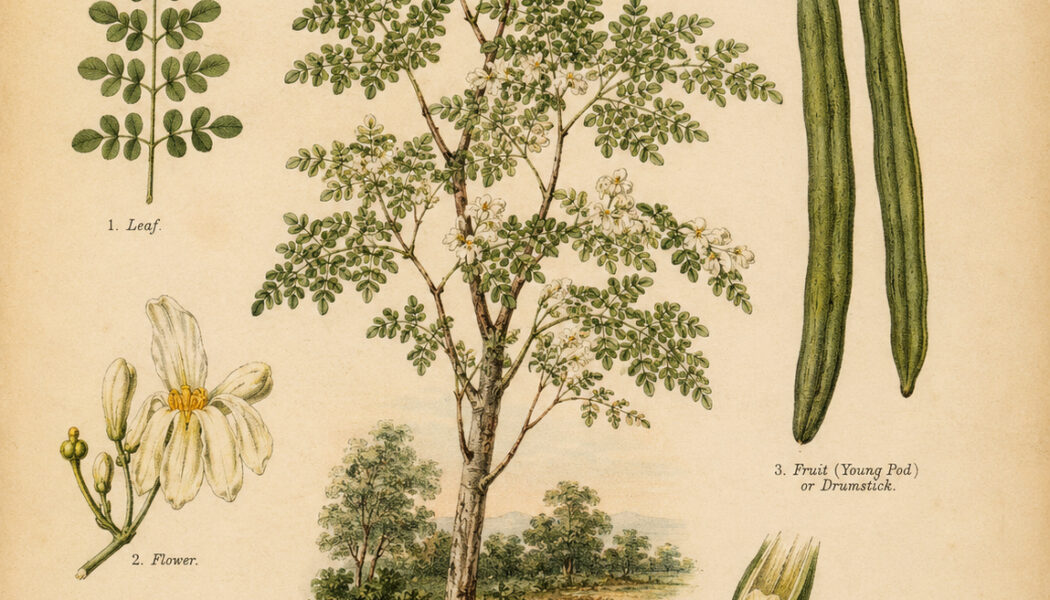

The Drumstick Tree: A Sacred Plant of Healing, Protection, and Spiritual Strength
The Drumstick Tree (Moringa oleifera), often called the “Miracle Tree,” is a fast-growing plant native to the Indian subcontinent but now cultivated throughout tropical and subtropical reg...
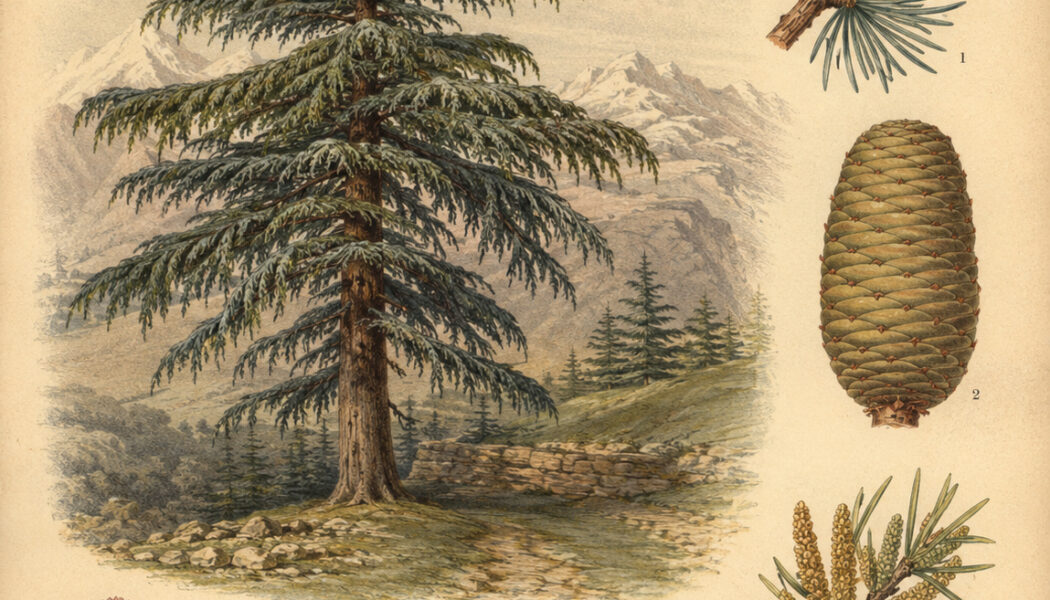

Deodar Cedar: The Sacred Tree of Strength, Protection, and Spiritual Wisdom
The Deodar Cedar (Cedrus deodara) is a majestic evergreen tree native to the Himalayan Mountains, where it can grow over 60 metres (200 feet) tall and live for hundreds of years. Its name comes from t...
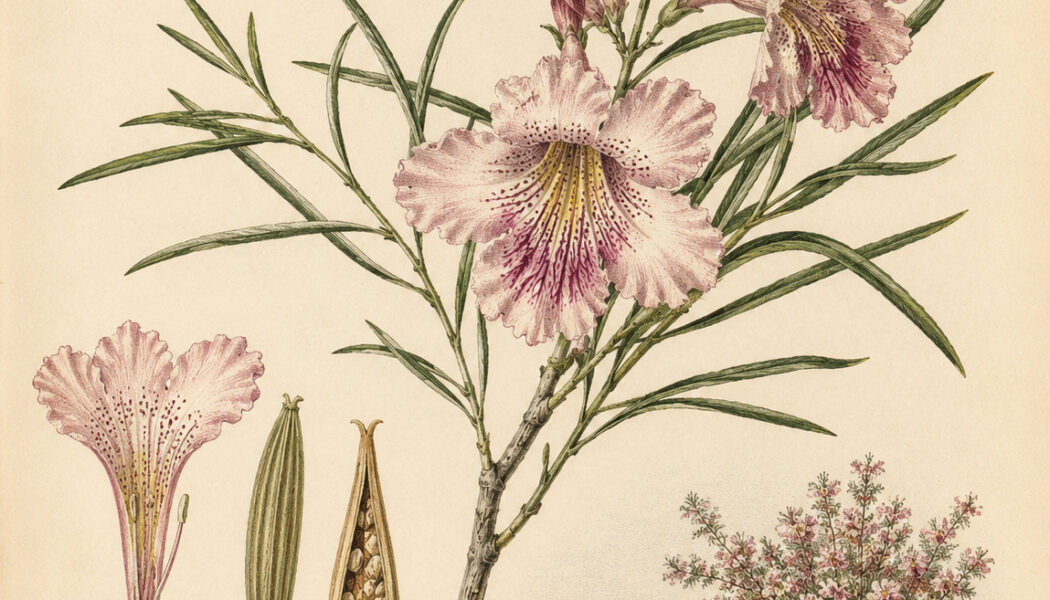

Desert Willow: A Tree of Resilience, Transformation, and Spiritual Growth
Despite its name, the Desert Willow (Chilopsis linearis) is not a true willow but a flowering tree native to the deserts and dry riverbeds of the southwestern United States and northern Mexico. Known ...
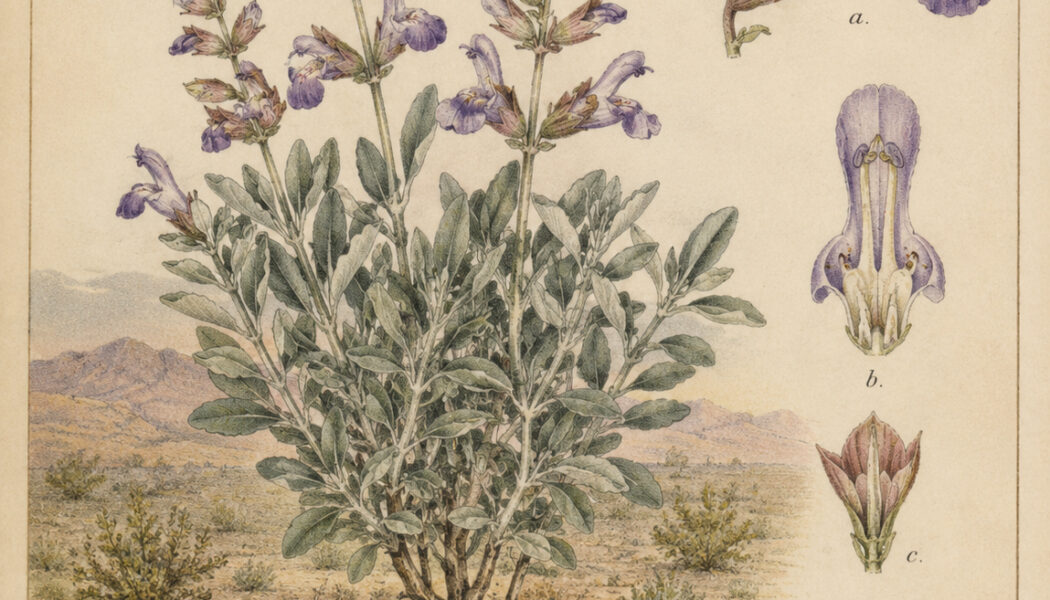

Desert Sage: A Sacred Plant in Paganism and Witchcraft
Desert Sage is a hardy, aromatic plant that grows naturally in dry regions of North America. Despite its common name, Desert Sage is not a true culinary sage (Salvia) but is usually a species of Artem...
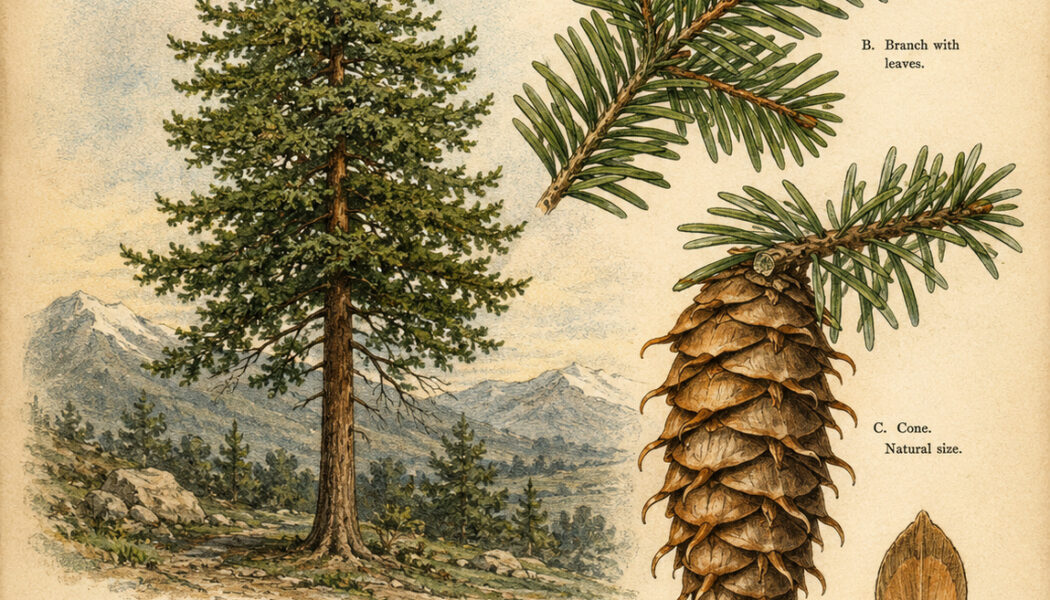

Douglas Fir: A Tree of Strength, Protection, and Spiritual Renewal
The Douglas fir (Pseudotsuga menziesii) is a majestic evergreen tree native to western North America. Despite its common name, it is not a true fir but belongs to its own unique group of conifers. Kno...
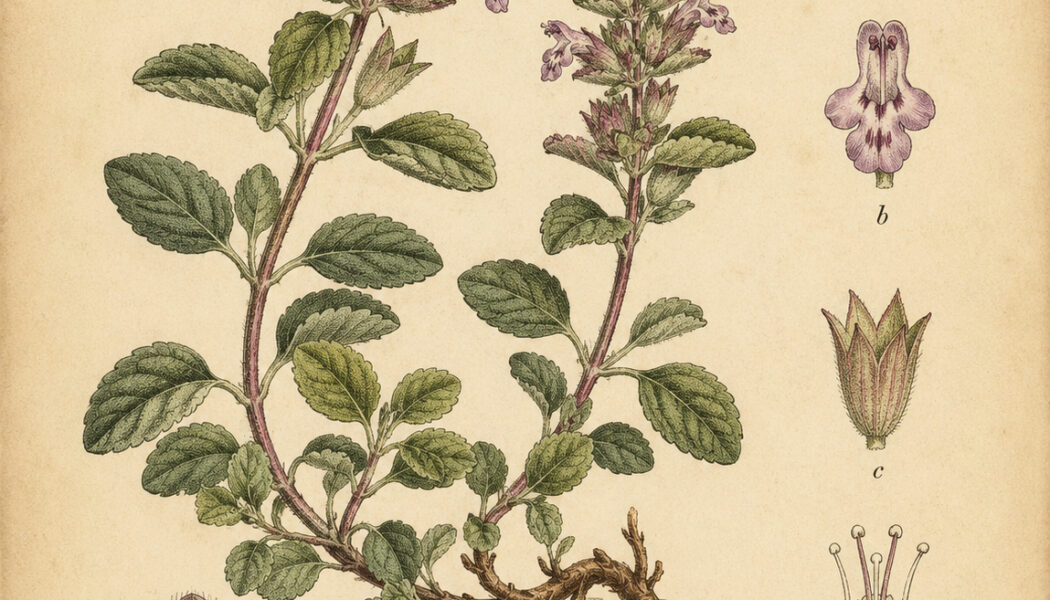

Dittany: The Magical Herb of Protection and Healing
Dittany is a small, aromatic herb that has been treasured for centuries for both its medicinal properties and its rich place in folklore, paganism, and witchcraft. The name “dittany” most ...
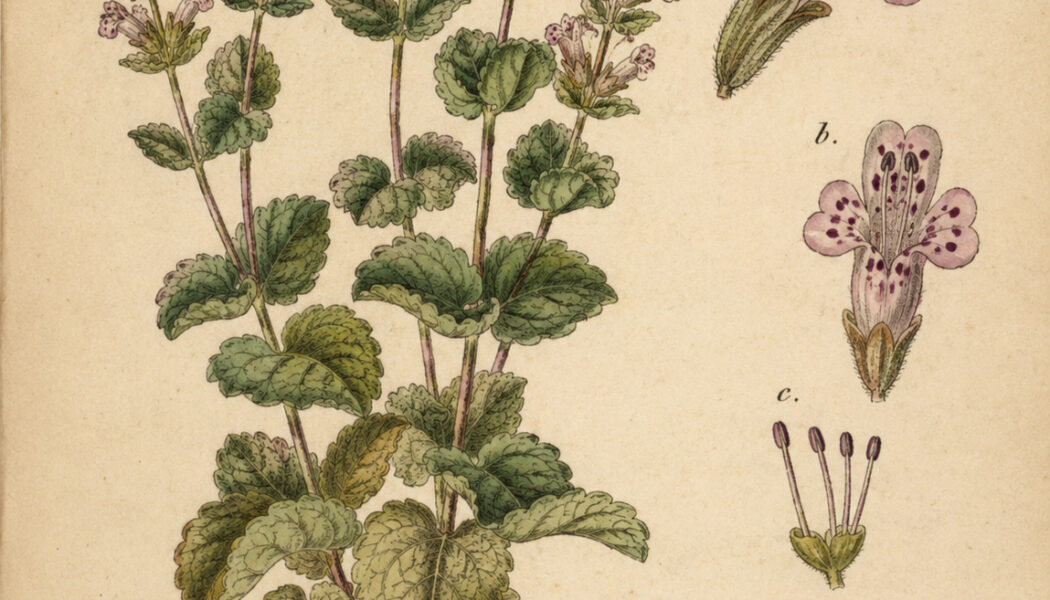

Dittany of Crete: The Sacred Herb of Healing, Paganism, and Witchcraft
Dittany of Crete (Origanum dictamnus) is a rare and aromatic herb that grows naturally on the rocky cliffs of the Greek island of Crete. With its soft, silvery-green leaves and delicate pink flowers, ...
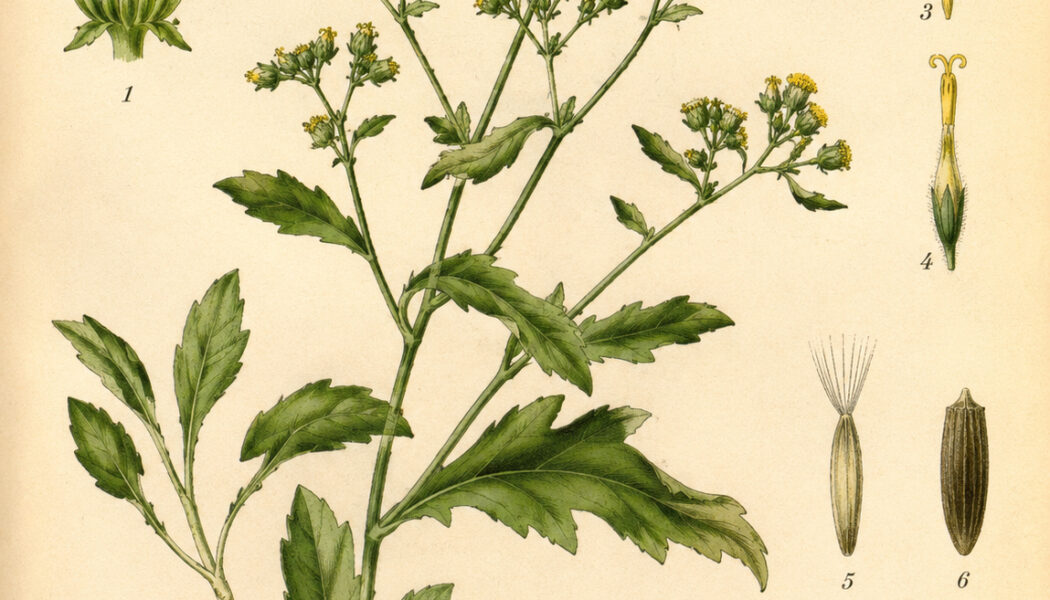

Dyer’s Greenweed: A Bright Plant of Colour, Protection, and Folk Magic
Dyer’s Greenweed (Genista tinctoria) is a hardy flowering shrub native to Europe and parts of western Asia. Known for its clusters of vivid yellow flowers that bloom throughout the summer, this ...
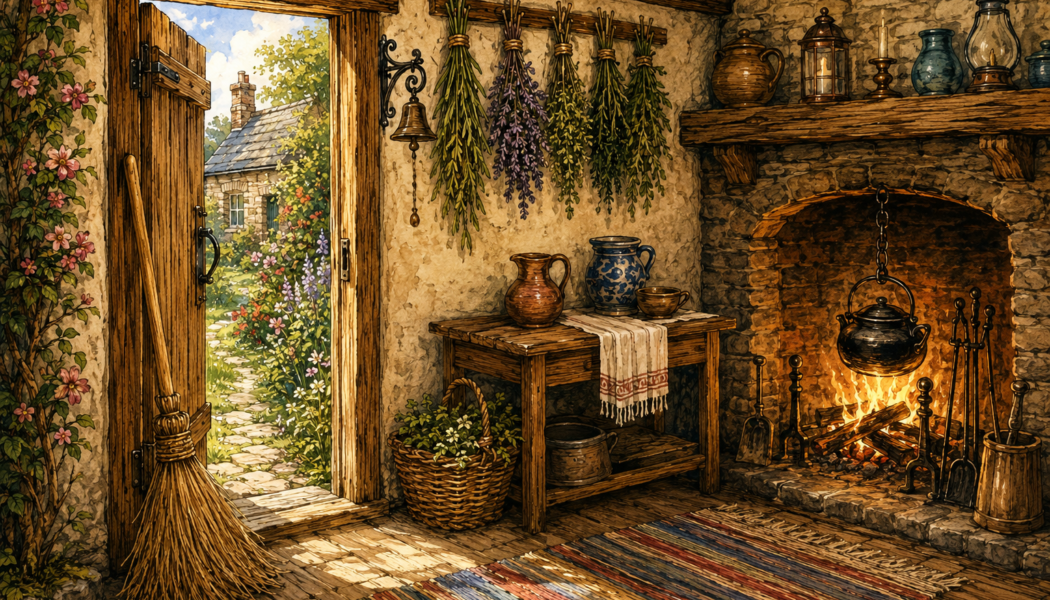

Timeless Traditions That Made a House Feel Like Home
Long before alarm systems, security cameras, and modern locks, people found comfort in the simple traditions that were passed down through generations. Every culture developed its own customs to creat...
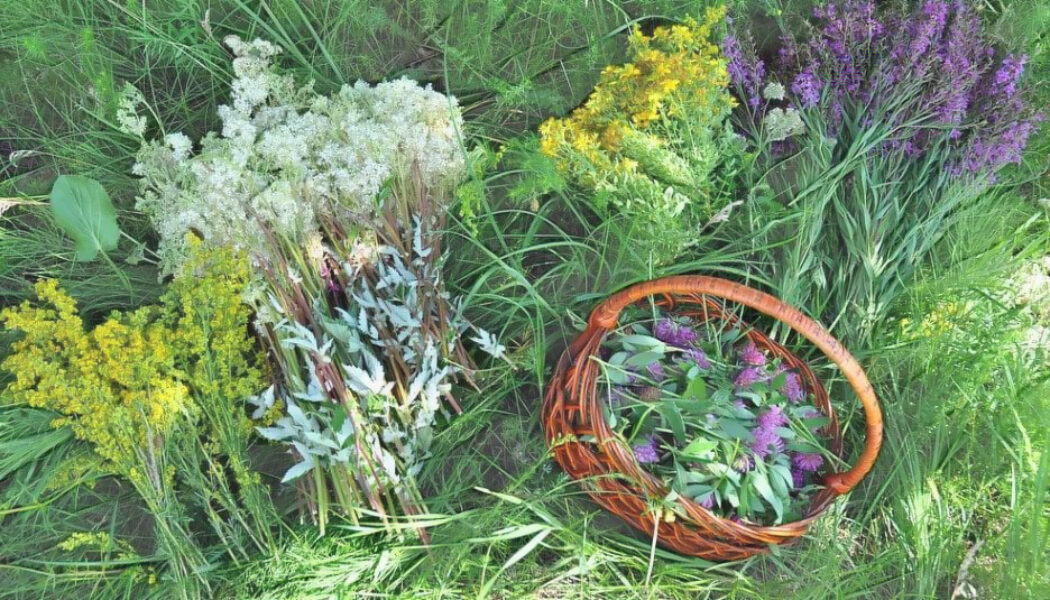

How to Celebrate St. John’s Eve: Rituals and Customs
St. John’s Eve, celebrated on the evening before Nativity of Saint John the Baptist, blends Christian traditions with much older midsummer customs across Europe. Many rituals focus on light, pur...
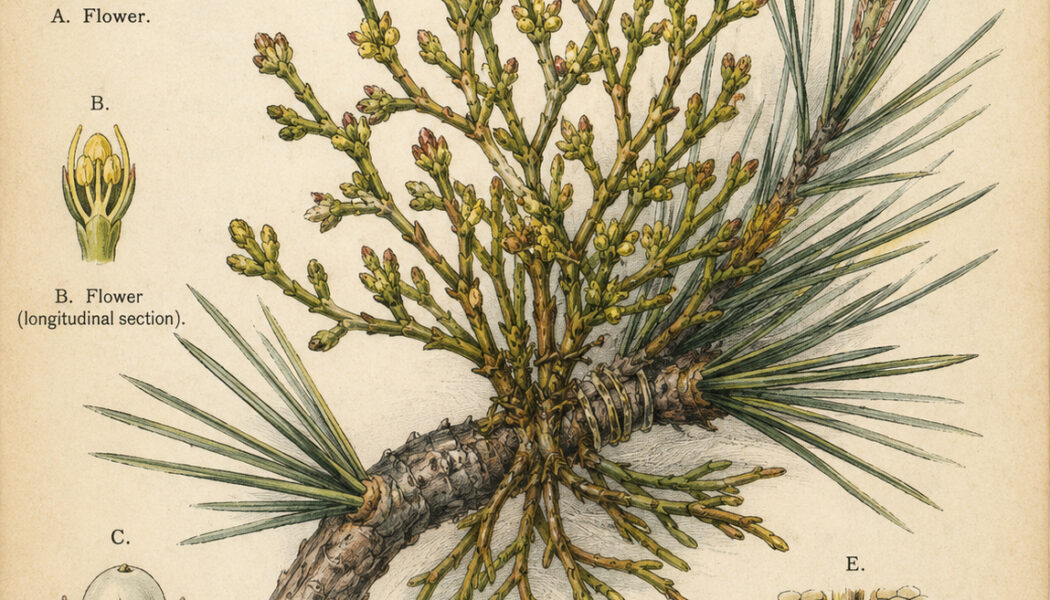

Dwarf Mistletoe: A Tiny Plant with Powerful Symbolism
Dwarf mistletoe (Arceuthobium species) is a small parasitic plant that grows on conifer trees such as pines, firs, and spruces. Unlike the familiar Christmas mistletoe with its green leaves and white ...
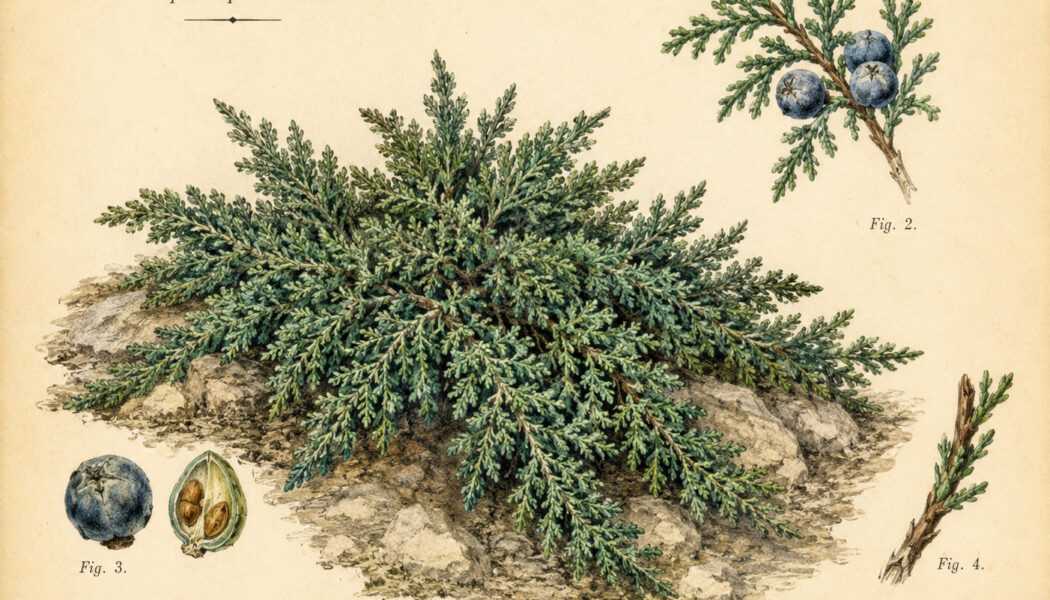

Dwarf Juniper: A Sacred Evergreen of Protection and Endurance
Dwarf Juniper is a small, hardy evergreen shrub belonging to the Juniperus genus. Found growing across cold mountains, rocky hillsides, and windswept landscapes, it is admired for its dense, needle-li...
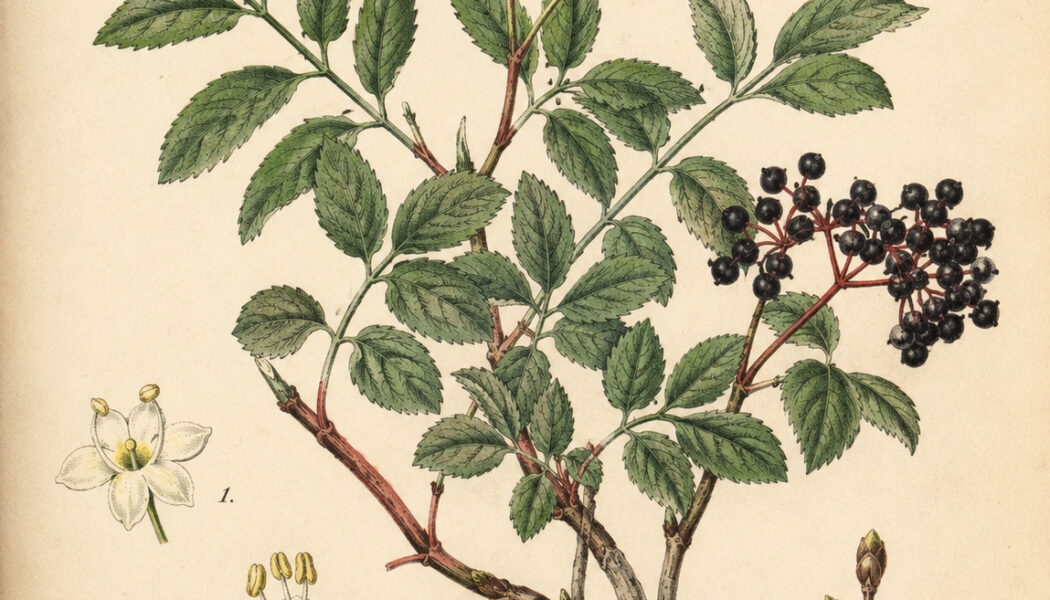

Dwarf Elder: A Mysterious Plant of Protection and Folklore
Dwarf Elder (Sambucus ebulus), sometimes known as Danewort, is a hardy perennial plant native to much of Europe and western Asia. Unlike the familiar elder tree, Dwarf Elder grows as a herbaceous plan...
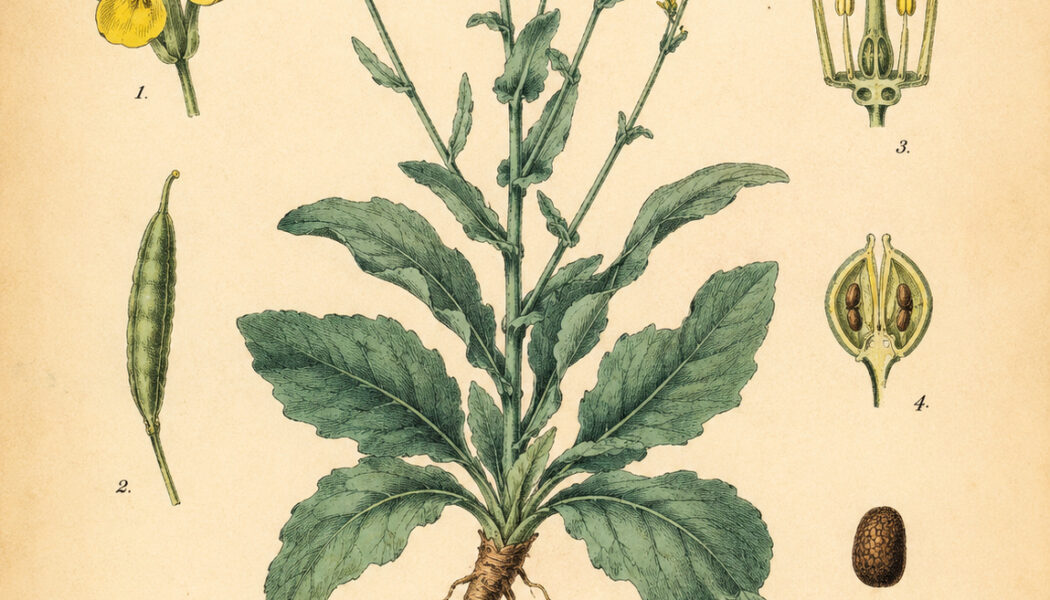

Dyer’s Woad: The Ancient Blue Plant of Magic and Transformation
Dyer’s Woad (Isatis tinctoria) is a hardy flowering plant best known for producing a rich blue dye that has been valued for thousands of years. Native to parts of Europe and Asia, it grows tall ...
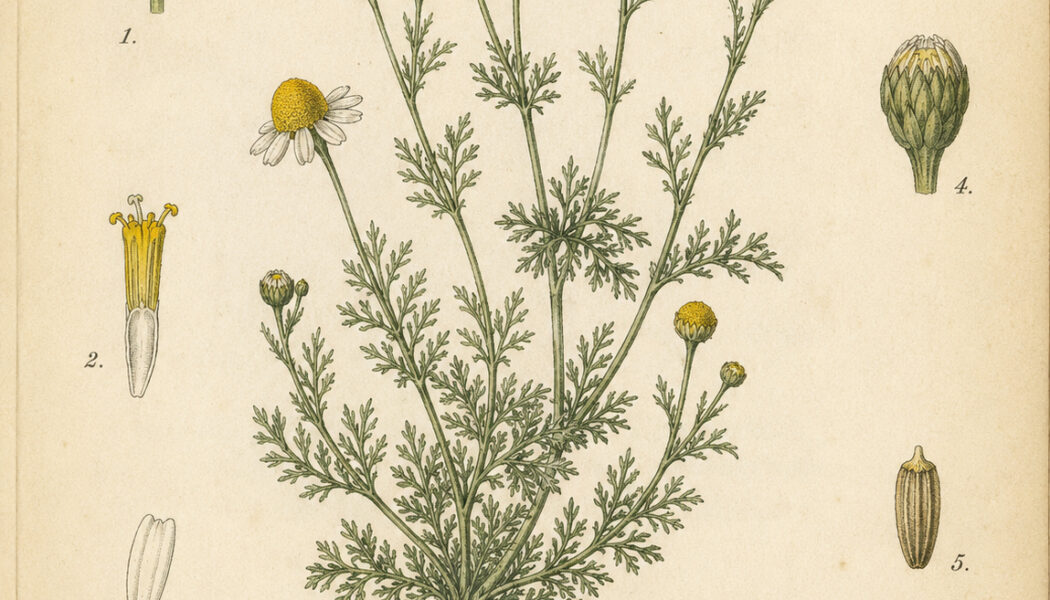

Dyer’s Chamomile: The Golden Herb of Colour, Sun Magic, and Prosperity
Dyer’s Chamomile (Cota tinctoria), formerly known as Anthemis tinctoria, is a cheerful perennial herb recognized for its bright golden-yellow, daisy-like flowers. Native to Europe and western As...
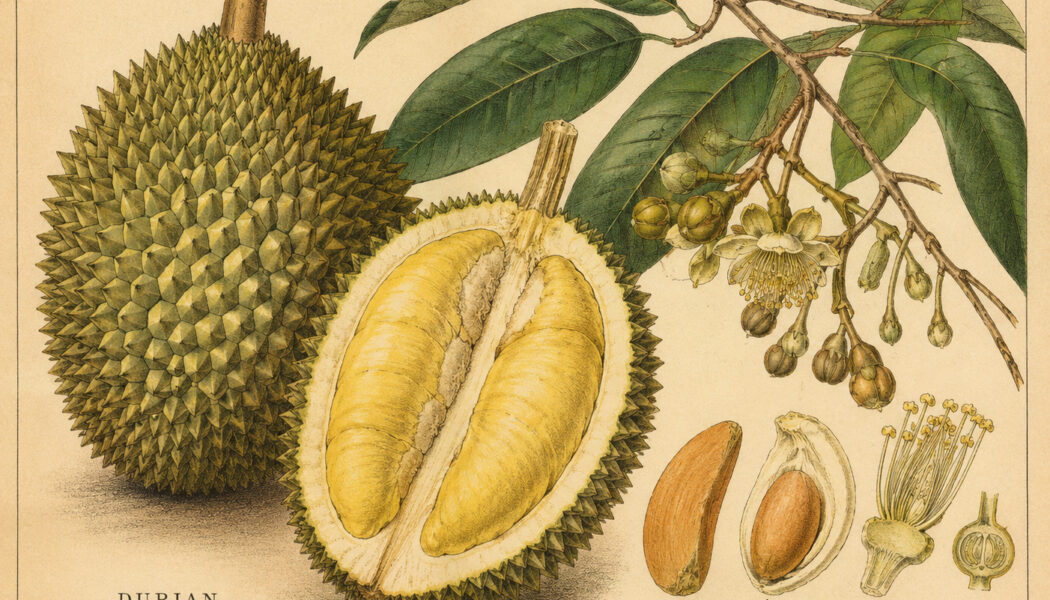

Durian: The King of Fruits in Folklore, Paganism, and Witchcraft
Durian (Durio zibethinus) is a large tropical fruit native to Southeast Asia, where it is often called the “King of Fruits.” It is famous for its thick, spiky shell and creamy flesh, as we...
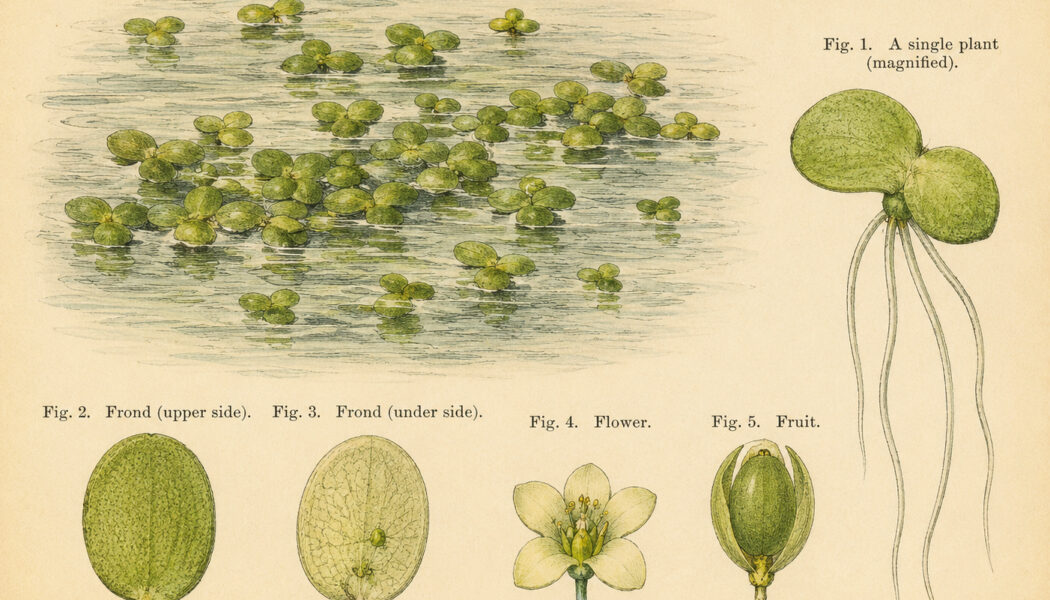

Duckweed: The Tiny Plant of Still Waters and Quiet Magic
Duckweed (Lemna species) is one of the world’s smallest flowering plants, floating peacefully on the surface of ponds, lakes, marshes, and slow-moving streams. Despite its tiny size, it plays an...
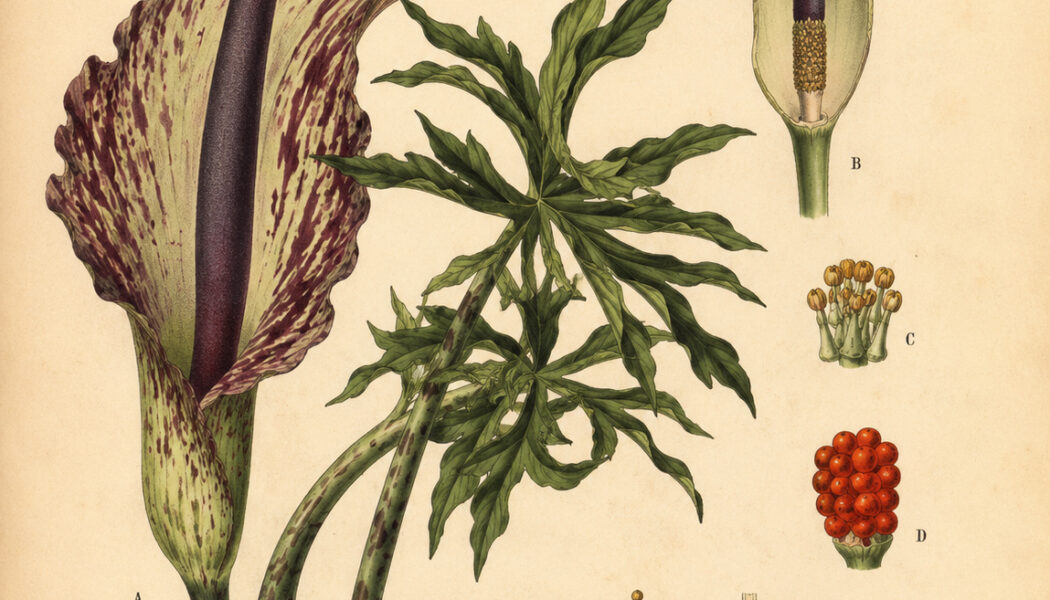

Dragon Arum: The Mysterious Flower of Magic and Transformation
The Dragon Arum (Dracunculus vulgaris) is one of the most unusual and striking plants in the natural world. Native to the Mediterranean region, it is instantly recognizable by its dramatic deep purple...
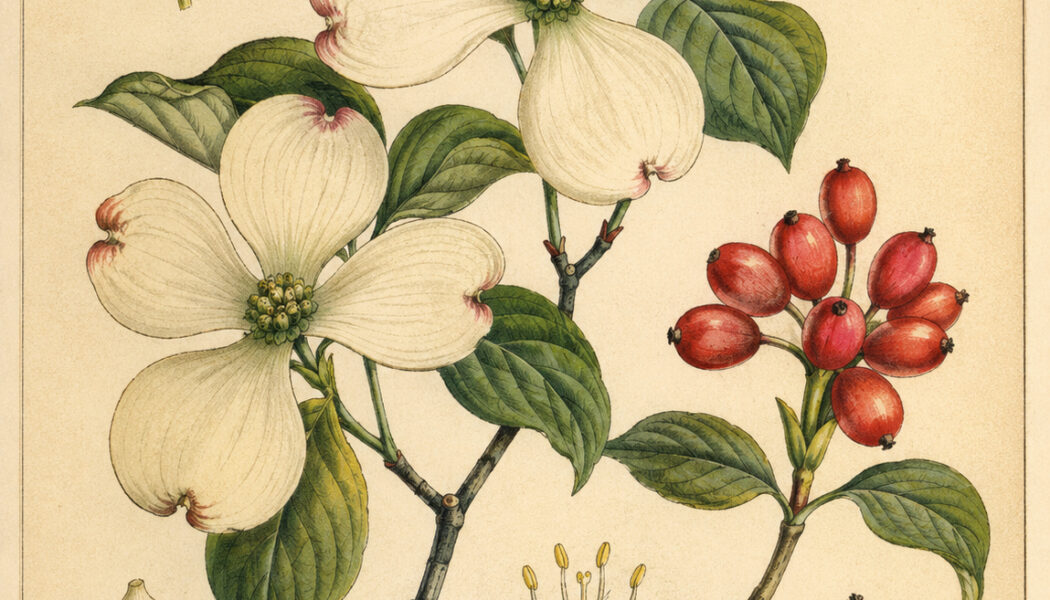

Dogwood: A Symbol of Renewal, Protection, and Quiet Magic
The dogwood is a beautiful flowering tree admired for its delicate blossoms, graceful branches, and vibrant autumn berries. Found across Europe, Asia, and North America, different species of dogwood h...
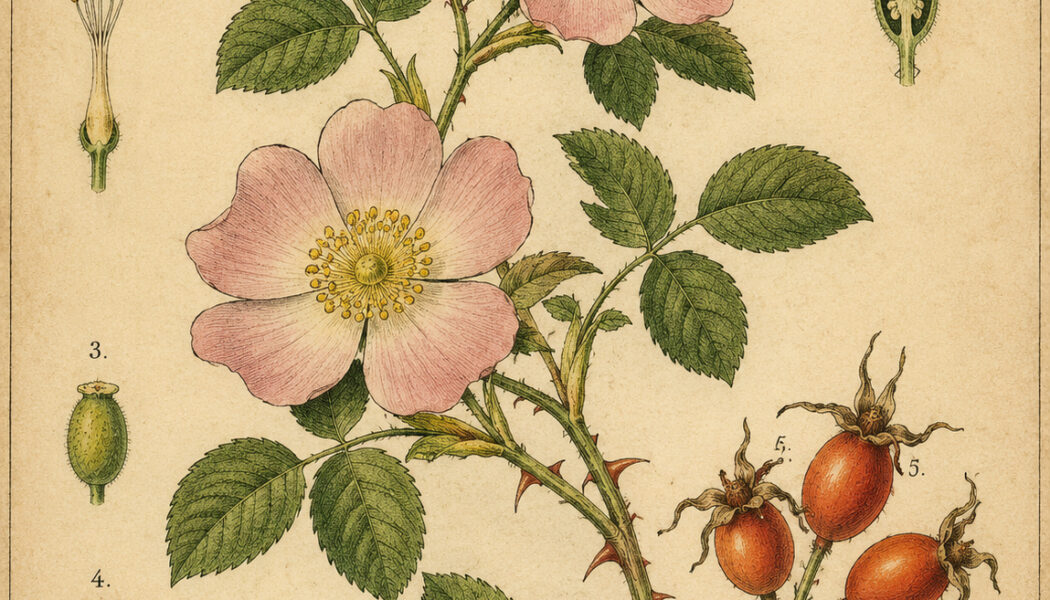

Dog Rose: A Wild Flower of Protection, Love, and Ancient Magic
The Dog Rose (Rosa canina) is a hardy, climbing wild rose native to Europe, North Africa, and parts of Western Asia. Easily recognised by its pale pink or white five-petalled flowers and bright red ro...
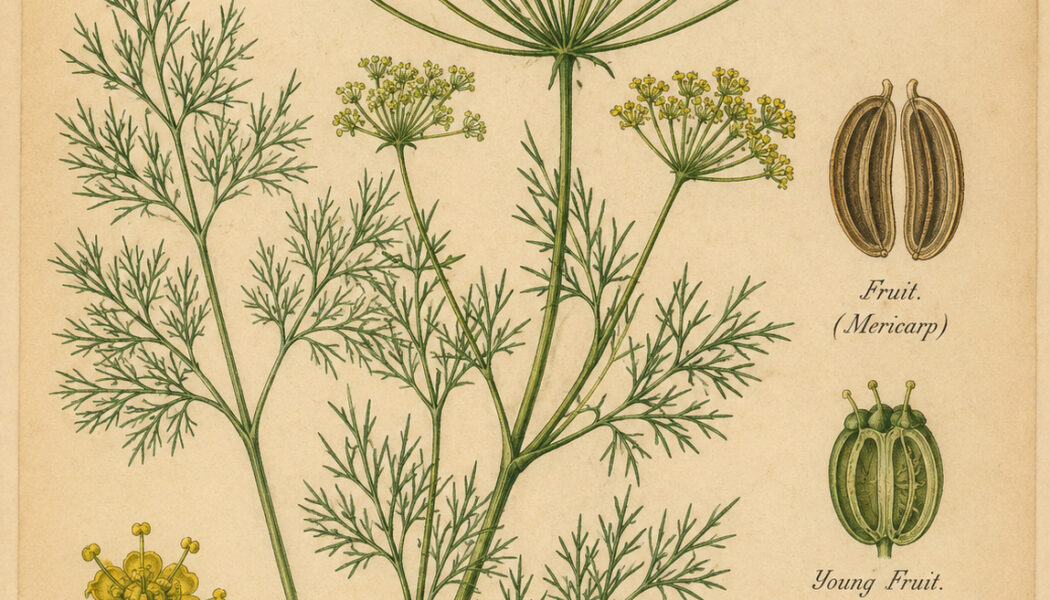

Dill: The Protective Herb of Paganism and Witchcraft
Dill (Anethum graveolens) is a fragrant annual herb known for its delicate feathery leaves, bright yellow flowers, and distinctive fresh, slightly sweet aroma. Native to the Mediterranean region and w...
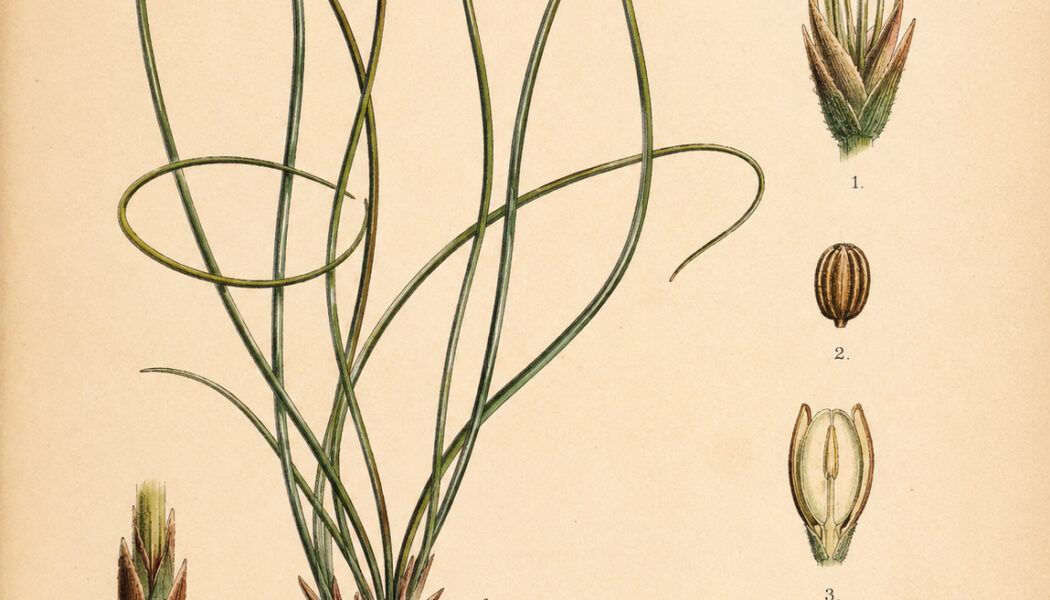

Devil’s Shoestring: A Powerful Root in Folk Magic and Pagan Tradition
Devil’s Shoestring is the common name for the fibrous roots of several plants in the Viburnum family, most commonly Viburnum alnifolium (also known as hobblebush). The long, tough roots resemble...
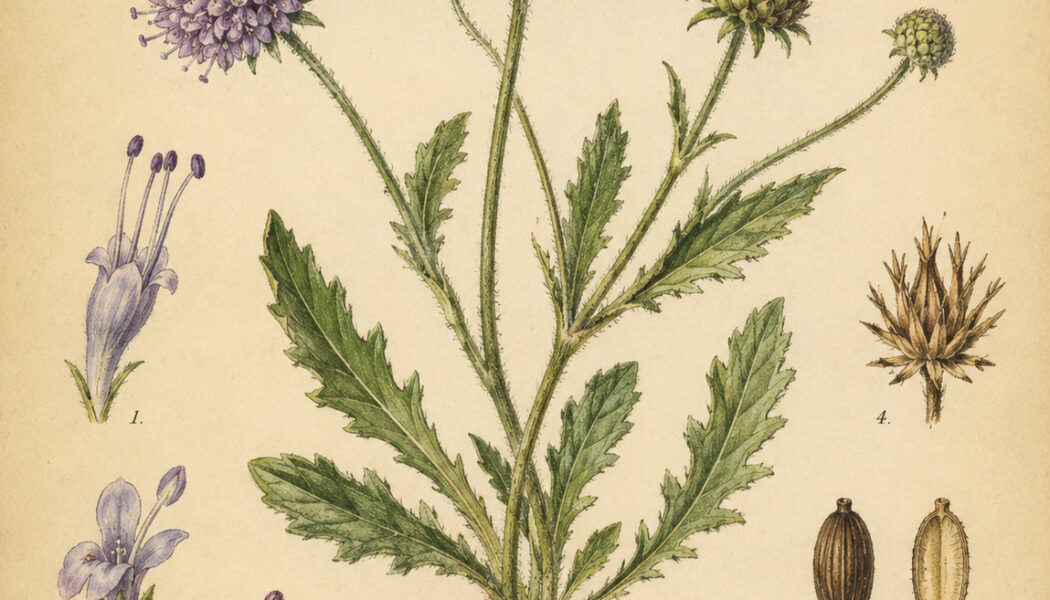

Devil’s-Bit Scabious: A Magical Wildflower of Protection and Mystery
Devil’s-bit scabious (Succisa pratensis) is a beautiful wildflower found in meadows, grasslands, and wetlands across much of Europe, including Britain. It produces rounded, violet-blue flowers t...
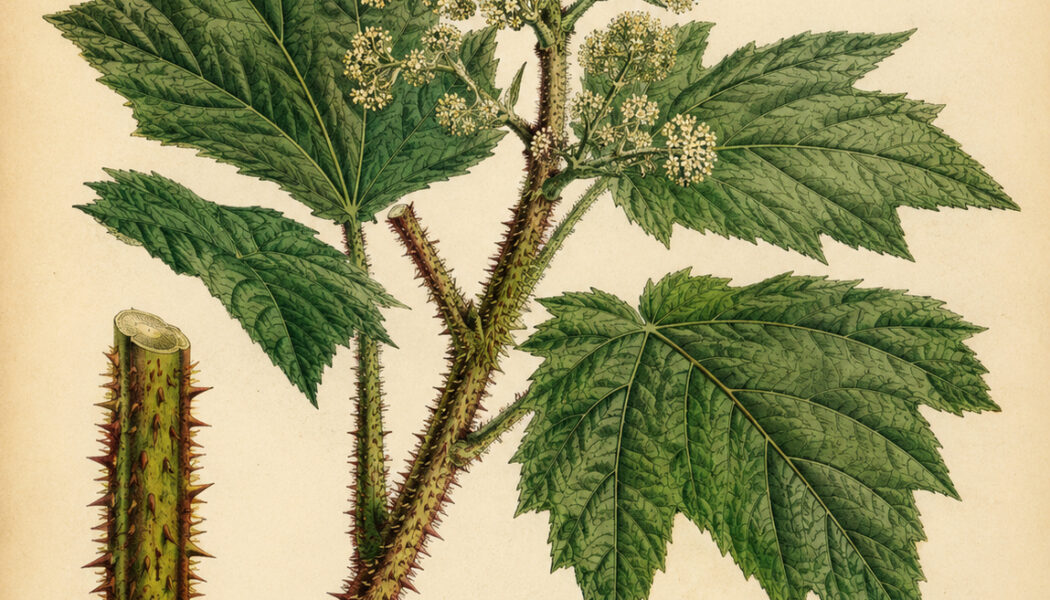

Devil’s Club: A Powerful Plant in Nature, Paganism, and Witchcraft
Devil’s Club (Oplopanax horridus) is a striking medicinal shrub native to the damp forests of the Pacific Northwest, including parts of Alaska, western Canada, and the northwestern United States...
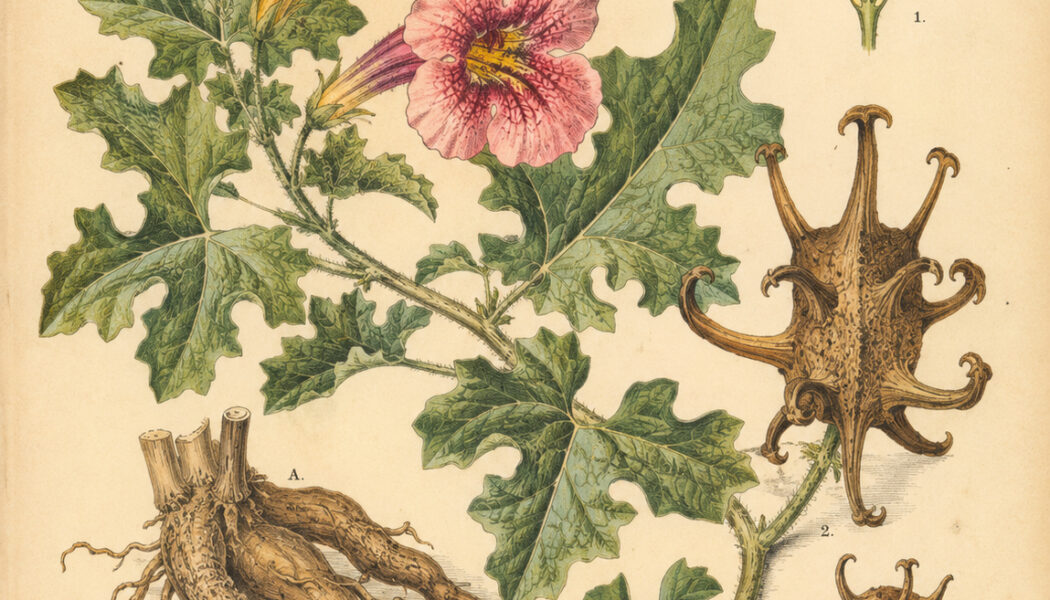

Devil’s Claw: A Protective Root in Paganism and Witchcraft
Devil’s Claw is a plant best known for its unusual, hooked seed pods, which resemble sharp claws. Several plants share this common name, but in magical traditions it most often refers to the see...
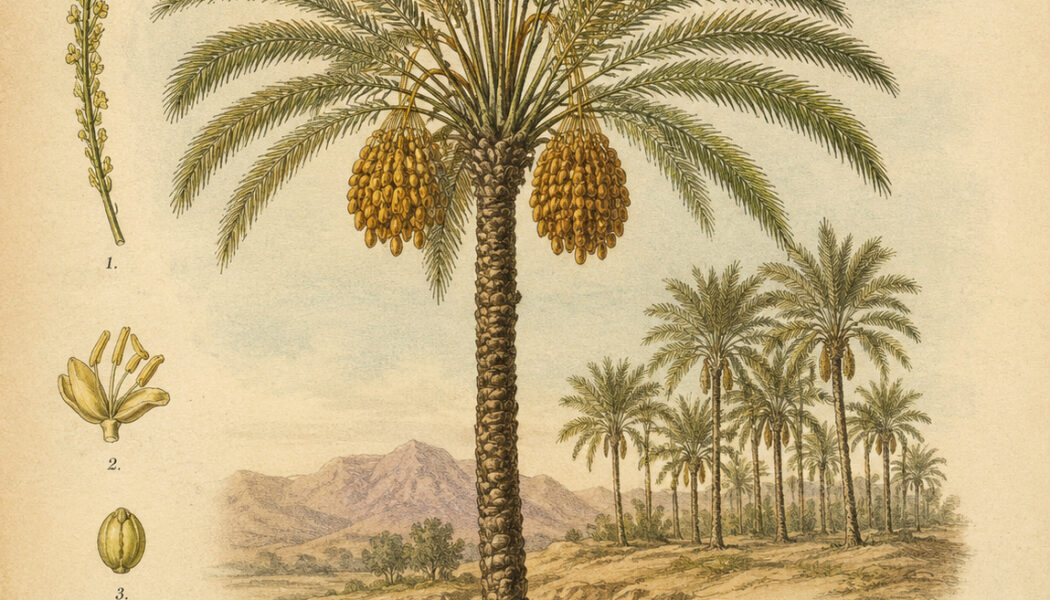

Date Palm: A Sacred Tree of Life in Paganism and Witchcraft
The Date Palm (Phoenix dactylifera) is one of the world’s oldest cultivated trees, prized for thousands of years for its sweet, nutritious fruit and its ability to thrive in harsh desert environ...
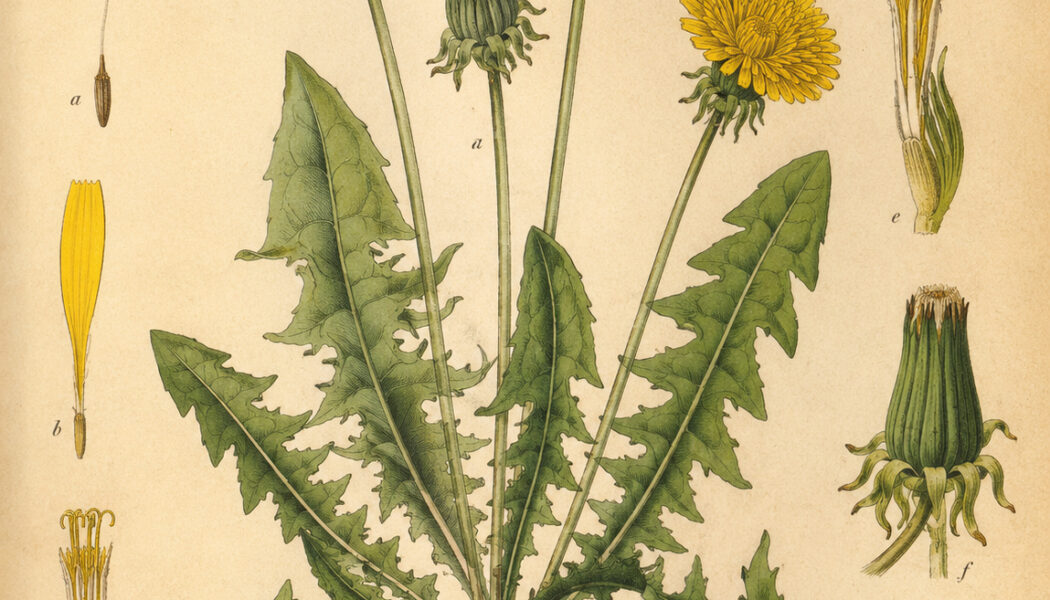

Dandelion: A Humble Plant of Healing, Magic, and Spiritual Wisdom
The dandelion (Taraxacum officinale) is one of the world’s most familiar wild plants, growing in gardens, fields, roadsides, and meadows. Although often dismissed as a common weed, it has been v...
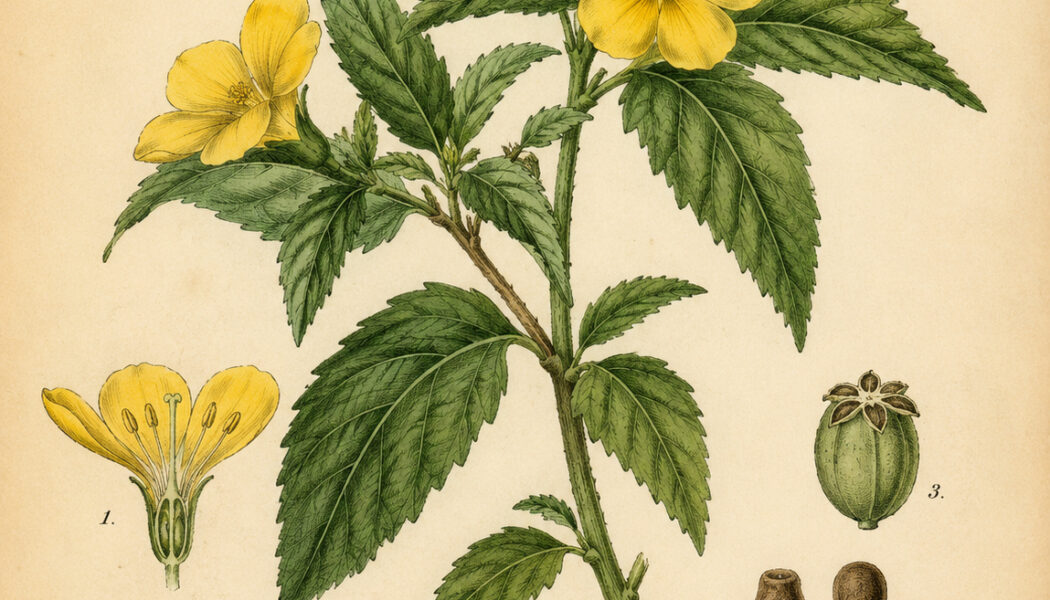

Damiana: A Magical Herb of Passion, Protection, and Spiritual Connection
Damiana (Turnera diffusa) is a small flowering shrub native to Mexico, Central America, the Caribbean, and parts of the southern United States. Known for its fragrant leaves and bright yellow flowers,...
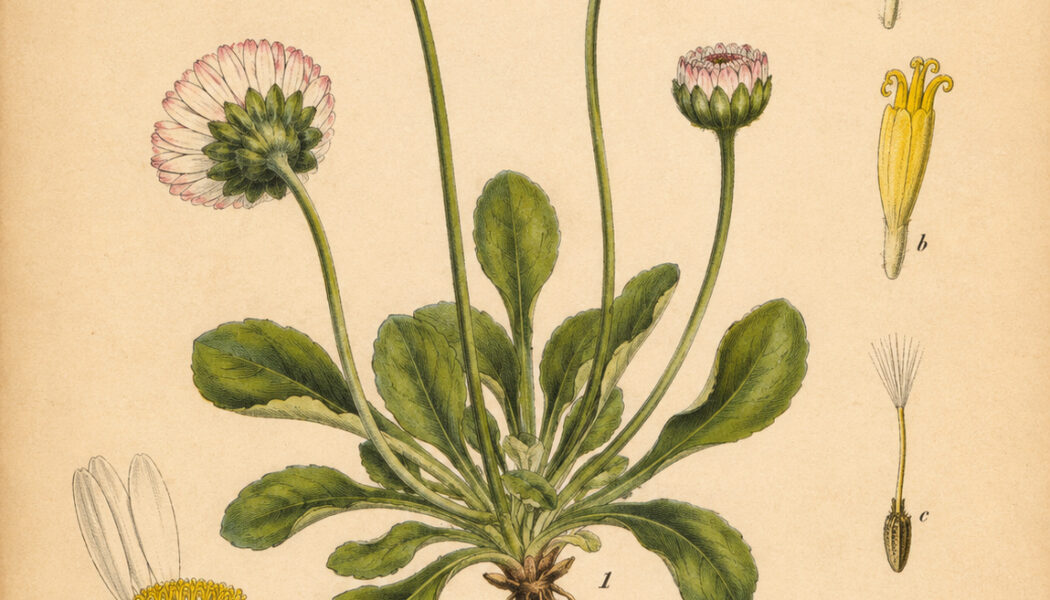

Daisy: A Symbol of Innocence, Protection, and Renewal in Paganism and Witchcraft
The daisy (Bellis perennis) is one of the most familiar wildflowers, recognised by its bright white petals and sunny yellow centre. Growing across meadows, lawns, and woodland edges, this hardy perenn...
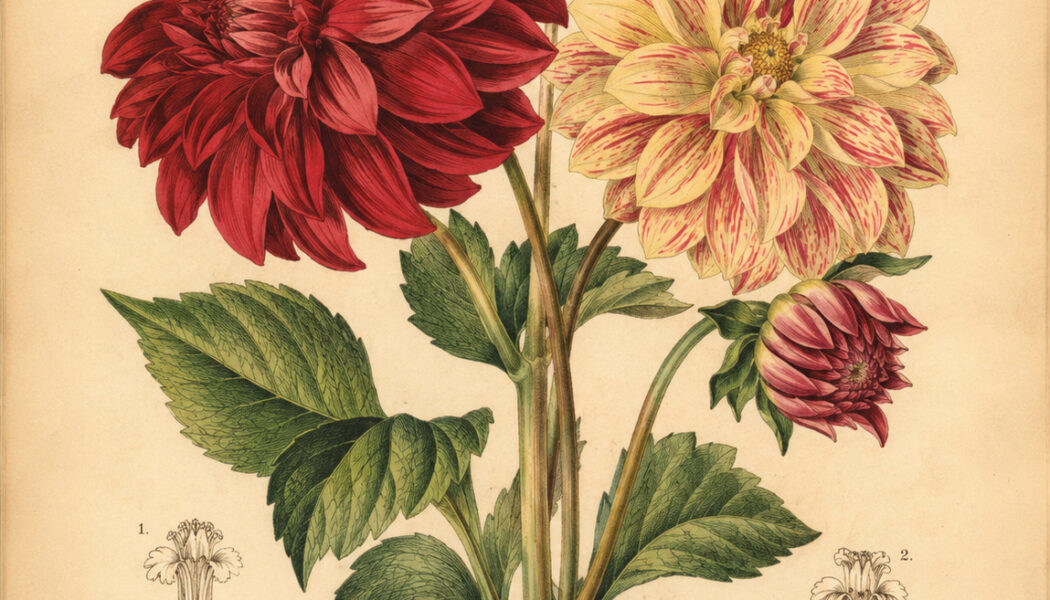

Dahlia: A Symbol of Beauty, Strength, and Modern Magical Practice
The dahlia (Dahlia spp.) is a colourful flowering plant native to Mexico and Central America. Belonging to the daisy family, it is admired for its stunning blooms, which range from tiny pompom-shaped ...
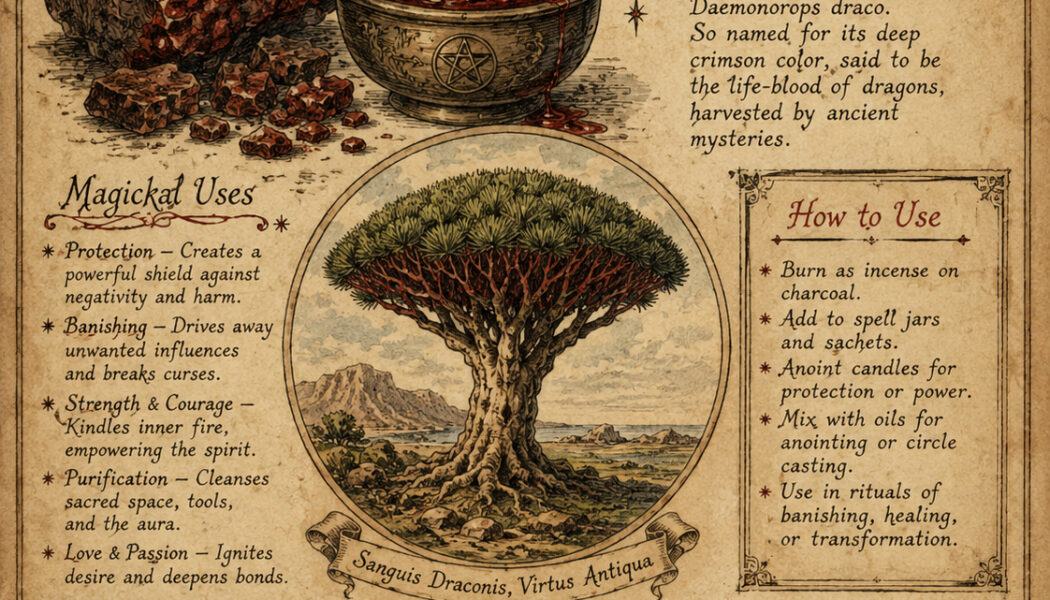

Dragon’s Blood: Its Place in Paganism and Witchcraft
Dragon’s Blood is one of the most well-known and widely used magical substances in pagan and witchcraft traditions. Despite its dramatic name, Dragon’s Blood is not related to dragons. It is actually ...
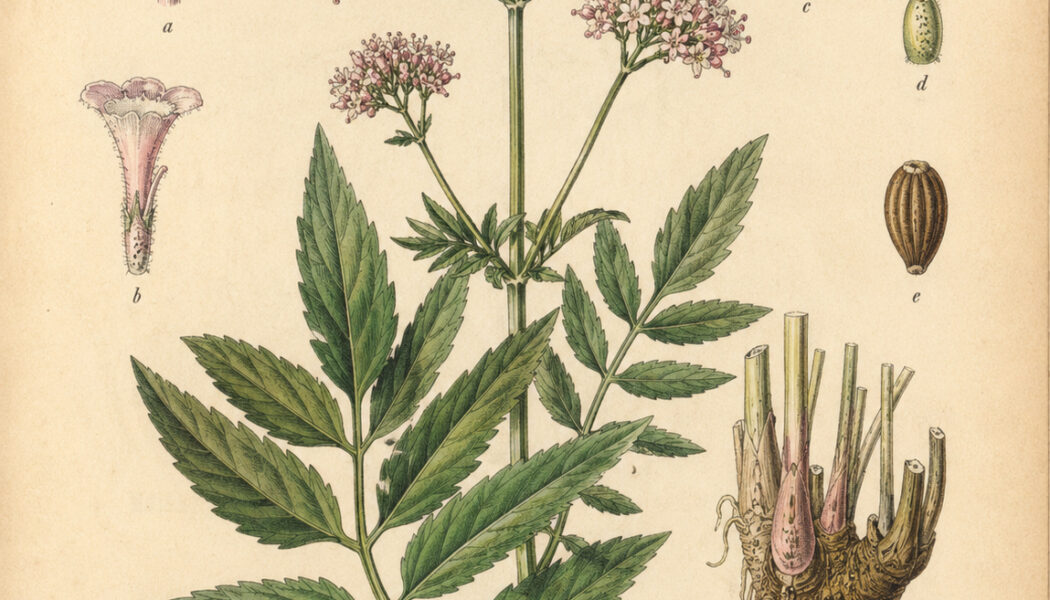

Valerian: A Sacred Herb in Paganism and Witchcraft
Valerian (Valeriana officinalis) is a flowering perennial plant known for its sweet-scented blossoms and strong-smelling roots. Native to Europe and parts of Asia, it has been used for centuries as bo...
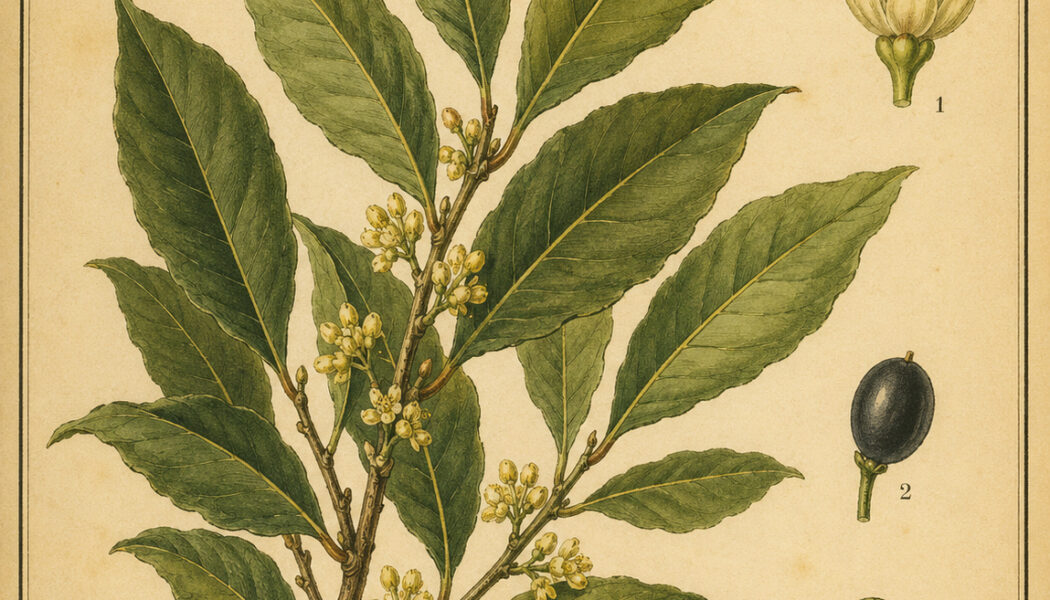

Bay Leaf: A Sacred Herb in Paganism and Witchcraft
The bay leaf, harvested from the bay laurel tree (Laurus nobilis), has been valued for thousands of years for its culinary, medicinal, and spiritual uses. In pagan traditions and modern witchcraft, th...
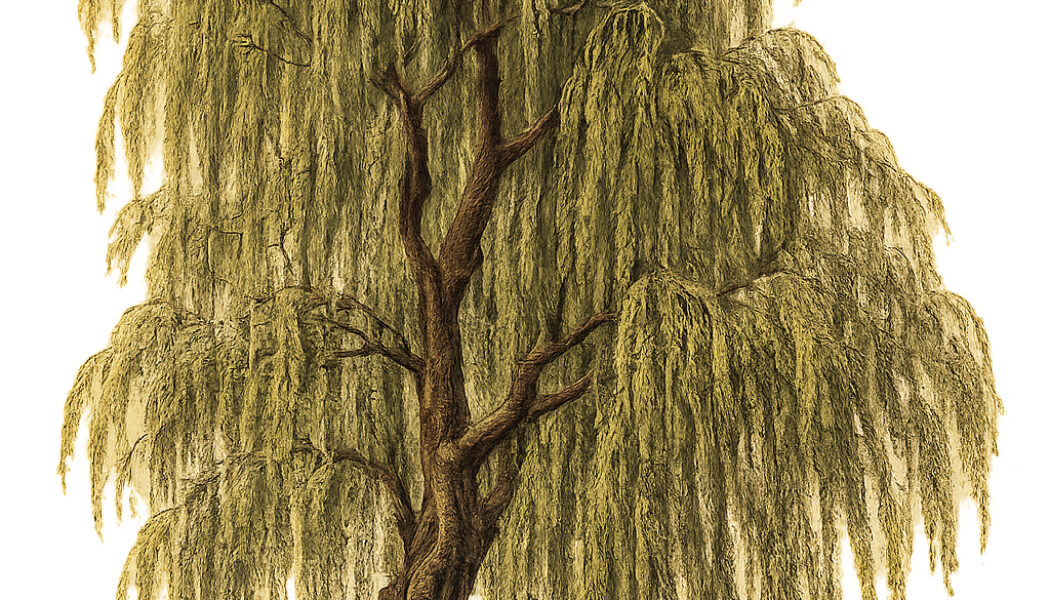

The Willow Tree: Its Place in Paganism and Witchcraft
The willow tree has long held a special place in pagan traditions and magical practices. Known for its graceful, drooping branches and ability to thrive near water, the willow is often associated with...
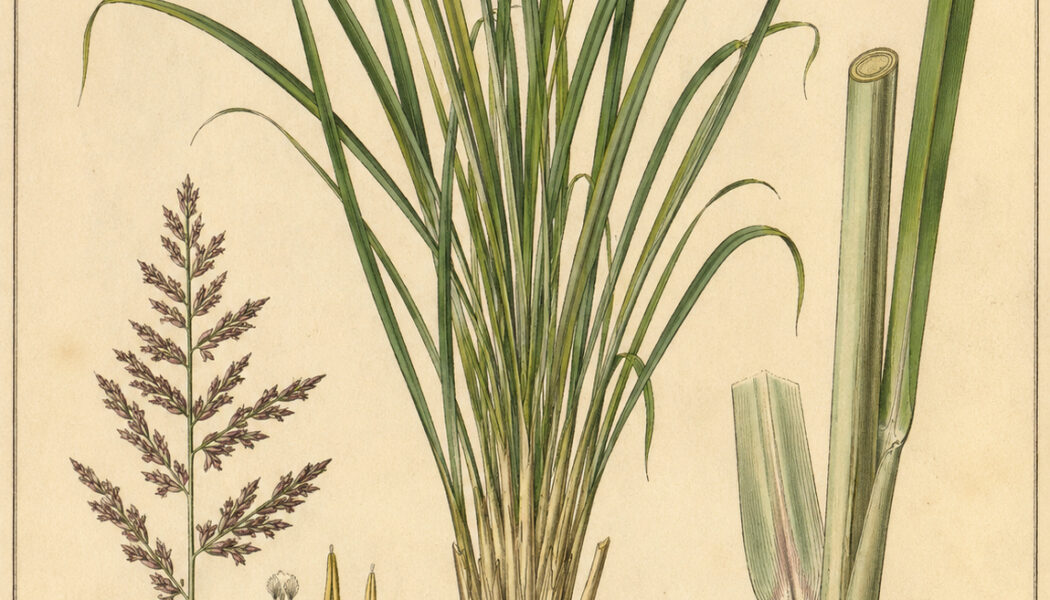

Lemongrass: A Sacred Herb in Paganism and Witchcraft
Lemongrass (Cymbopogon citratus) is a fragrant tropical plant known for its citrus scent, culinary uses, and medicinal properties. Beyond the kitchen and herbal medicine cabinet, lemongrass has long h...
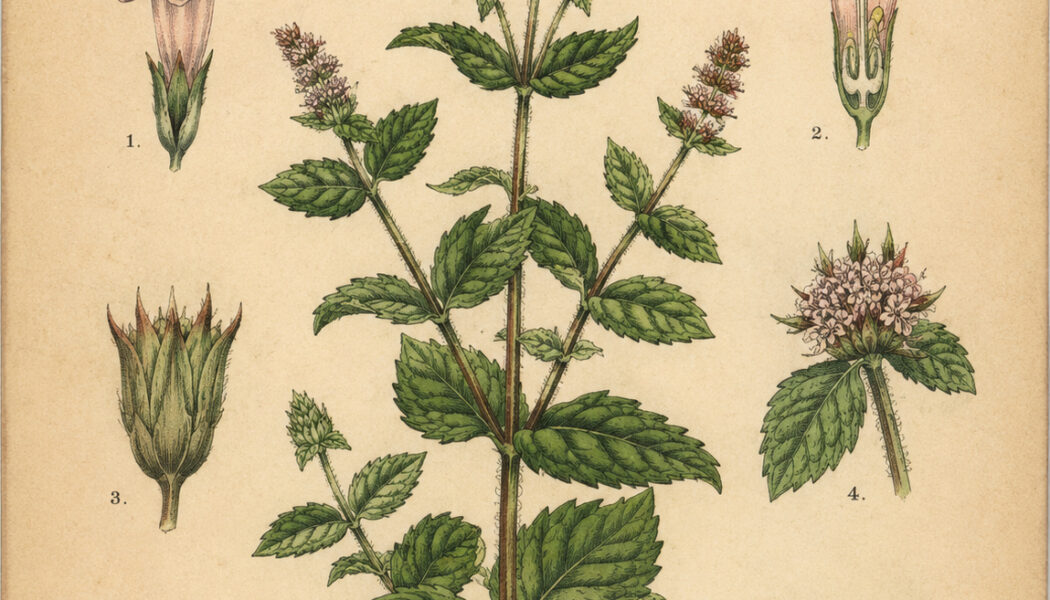

Mint: A Sacred Herb in Paganism and Witchcraft
Mint is one of the most widely recognized herbs in the world, valued for its refreshing scent, healing properties, and culinary uses. Beyond the kitchen and garden, mint has held an important place in...
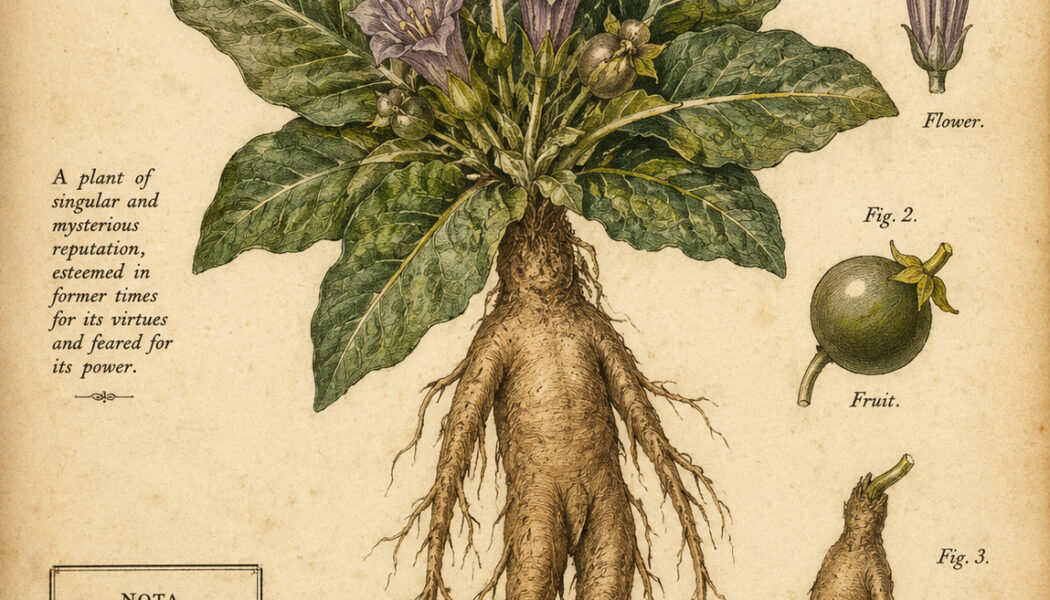

The Mandrake Plant: Its Mystical Role in Paganism and Witchcraft
The mandrake plant (Mandragora officinarum) is one of the most famous magical plants in history. Native to parts of the Mediterranean and the Middle East, it has long been surrounded by myths, legends...
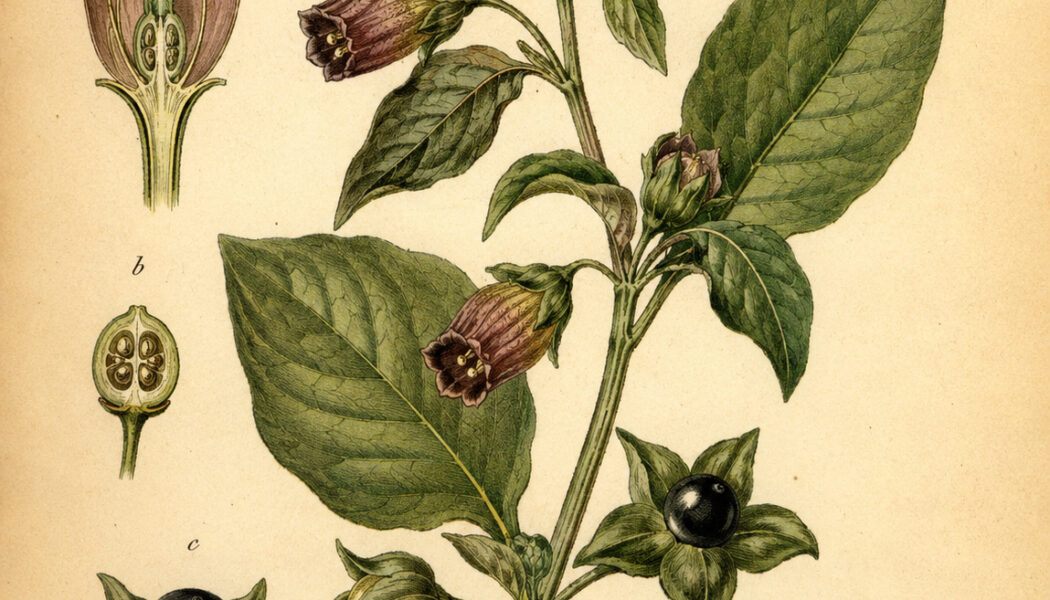

Belladonna: The Mysterious Plant of Paganism and Witchcraft
Belladonna (Atropa belladonna), also known as Deadly Nightshade, is one of the most famous and feared plants in folklore, magic, and herbal history. Native to parts of Europe, North Africa, and Wester...
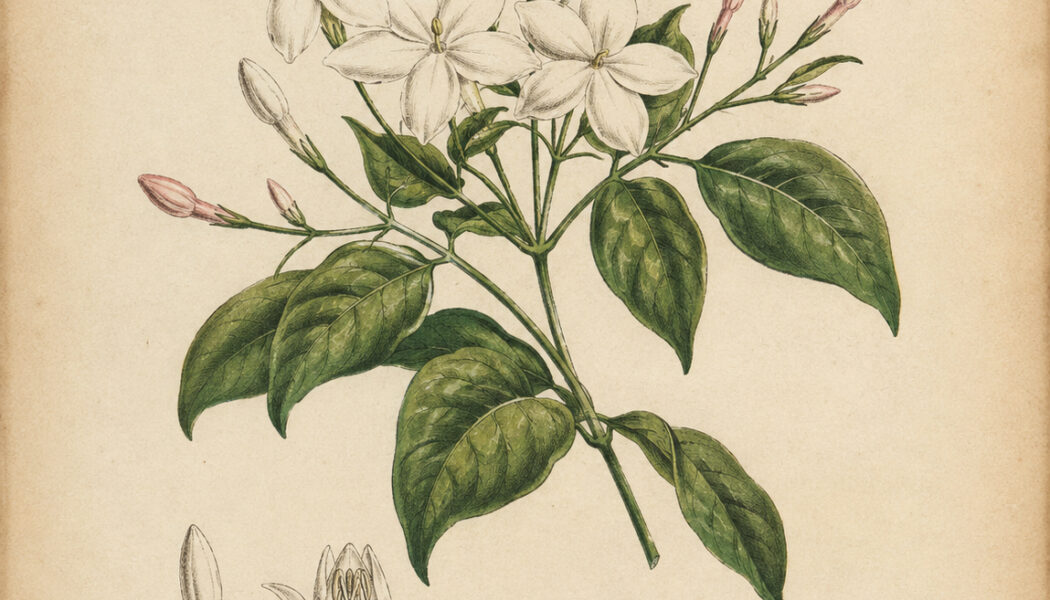

Jasmine: A Sacred Flower in Paganism and Witchcraft
Jasmine is one of the most beloved and magical plants in the world. Known for its delicate white flowers and sweet fragrance, it has been valued for centuries in spiritual traditions, folklore, and ma...
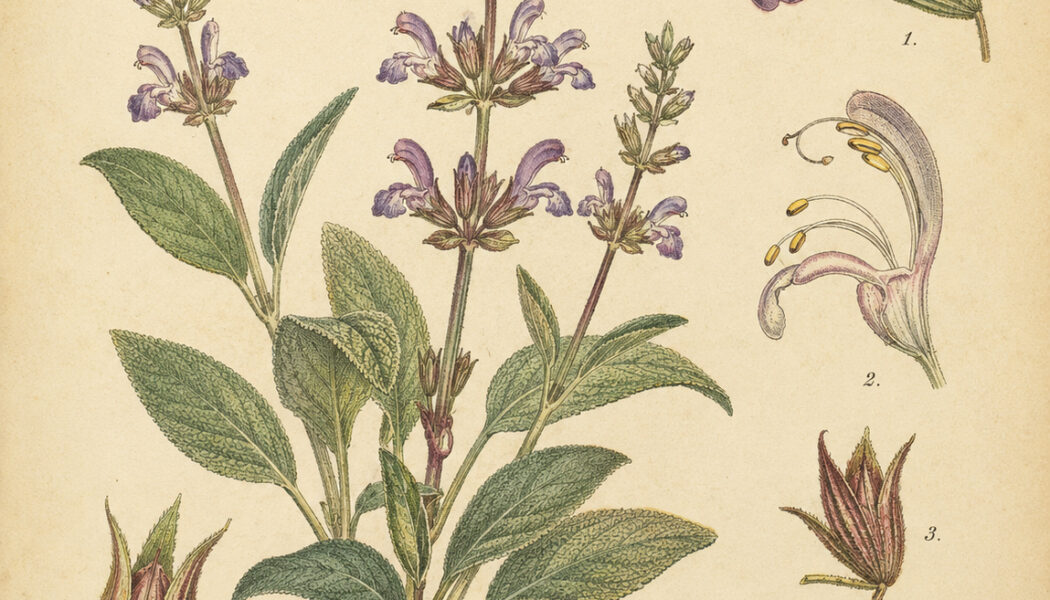

Sage & Its Place in Paganism & Witchcraft
Sage is one of the most well-known and widely used herbs in paganism and witchcraft. For centuries, it has been valued for its spiritual, medicinal, and symbolic properties. Many practitioners believe...
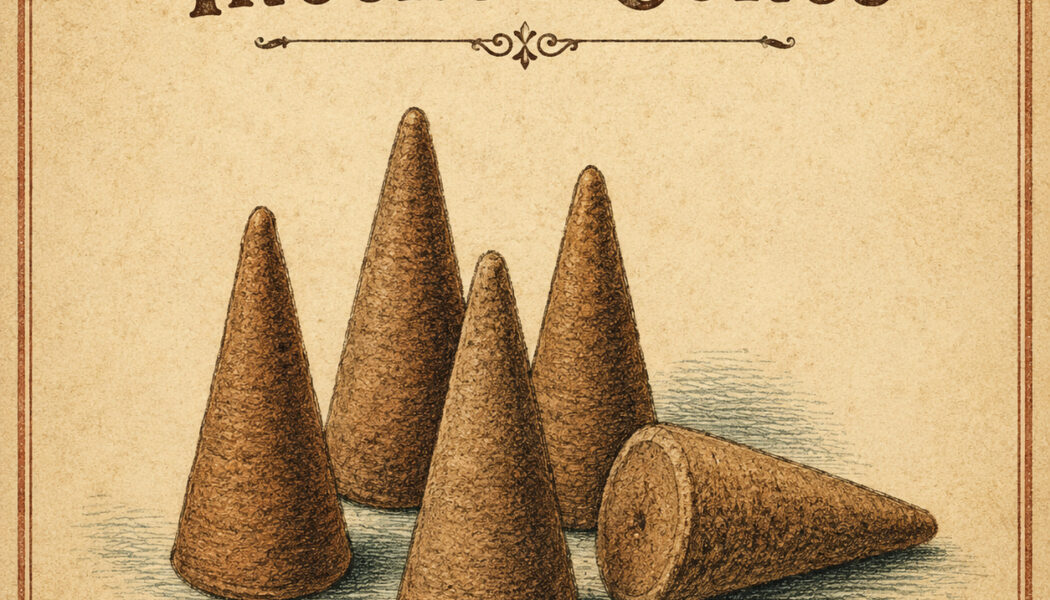

Incense Cones and Their Place in Paganism and Witchcraft
Incense cones have been used in spiritual and religious practices for thousands of years. Made from fragrant herbs, resins, woods, and essential oils, these small cones release aromatic smoke when bur...


The Witch’s Knot and Its Place in Paganism and Witchcraft
The Witch’s Knot is a well-known symbol found in many modern Pagan and witchcraft traditions. It is usually depicted as an intricate design made of four interlocking loops that create a continuo...


Witch’s Alphabet Magick
The Witch’s Alphabet, also known as the Theban Alphabet, is a writing system that has become closely associated with modern witchcraft and Paganism. Although it is often referred to as a “secret” magi...

The Path of Druidry
The Path of Druidry is an engaging and insightful introduction to the spiritual traditions, philosophy, and practices associated with modern Druidry. Written in a clear and accessible style, the book ...

The Green Witch
The Green Witch by Arin Murphy-Hiscock is an engaging and accessible guide to nature-based spirituality and herbal magic. Written for beginners as well as those with some experience in witchcraft, the...

Pagan Curious
Pagan Curious by Debra DeAngelo is an inviting and accessible introduction to the world of modern Paganism, making it an excellent resource for readers who are exploring alternative spiritual paths fo...


Shaman Pathways Web of Life
Shaman Pathways: Web of Life by Simon Buxton is an insightful and thought-provoking guide that explores the interconnectedness of all living things through the lens of shamanic wisdom. As part of the ...


Merlin The Prophet and His History
Merlin: The Prophet and His History is a fascinating exploration of one of the most enduring figures in British legend. The book examines the origins, development, and historical significance of Merli...

Pagan Portals – Merlin Once and Future Wizard
Pagan Portals – Merlin: Once and Future Wizard by John Matthews is an engaging and insightful exploration of one of the most enduring and enigmatic figures in British mythology. Part of the popular Pa...


Magic Harvest: Food, Folklore and Society
Magic Harvest: Food, Folklore and Society is a fascinating exploration of the deep connections between food, cultural traditions, and social life. The book examines how food is much more than a source...
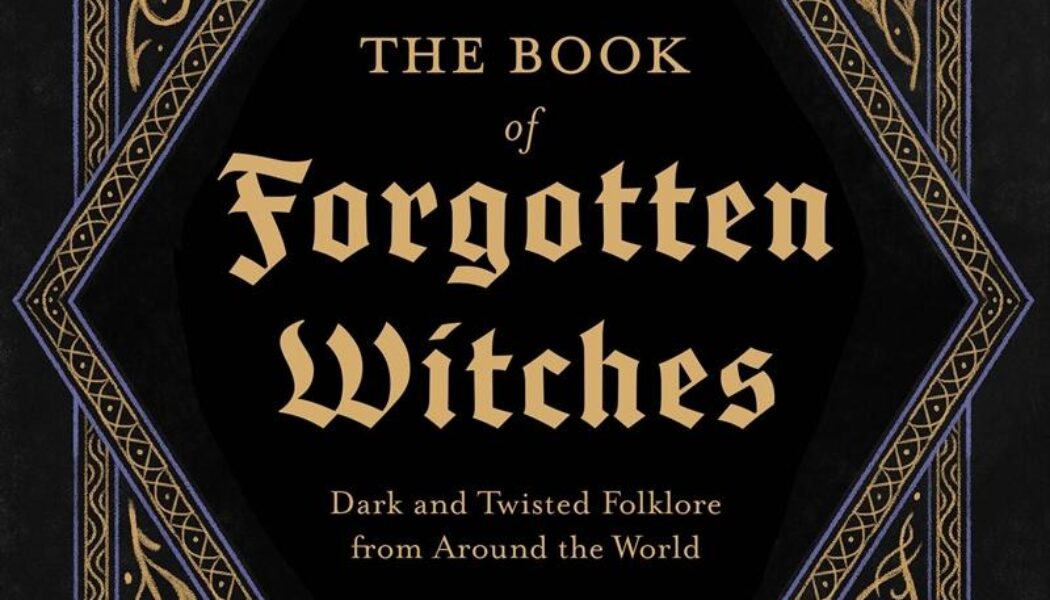

The Book of Forgotten Witches: Dark & Twisted Folklore & Stories from Around the World
The Book of Forgotten Witches: Dark & Twisted Folklore & Stories from Around the World is a captivating collection that delves into the mysterious and often overlooked world of witchcraft, myt...


The Magical Household: Spells & Rituals for the Home
The Magical Household: Spells & Rituals for the Home is a practical and inspiring guide that explores the art of bringing magic into everyday domestic life. Written by Scott Cunningham and David H...


Sex Magick: Its Importance in Paganism and Witchcraft
Sex magick is a spiritual practice that combines sexual energy with magical intention to bring about personal transformation, spiritual growth, or the manifestation of desired outcomes. The concept is...

Air Magick Oil: Its Importance in Paganism and Witchcraft
Air Magick Oil is a sacred blend of essential oils and herbs associated with the element of Air, one of the four classical elements revered in many pagan and witchcraft traditions. Representing intell...


The Cailleach: Ancient Crone Goddess of Paganism and Witchcraft
The Cailleach is one of the most powerful and enduring figures in Celtic mythology, revered as a divine hag, crone goddess, and creator spirit. Her name, derived from the Gaelic word meaning “veiled o...
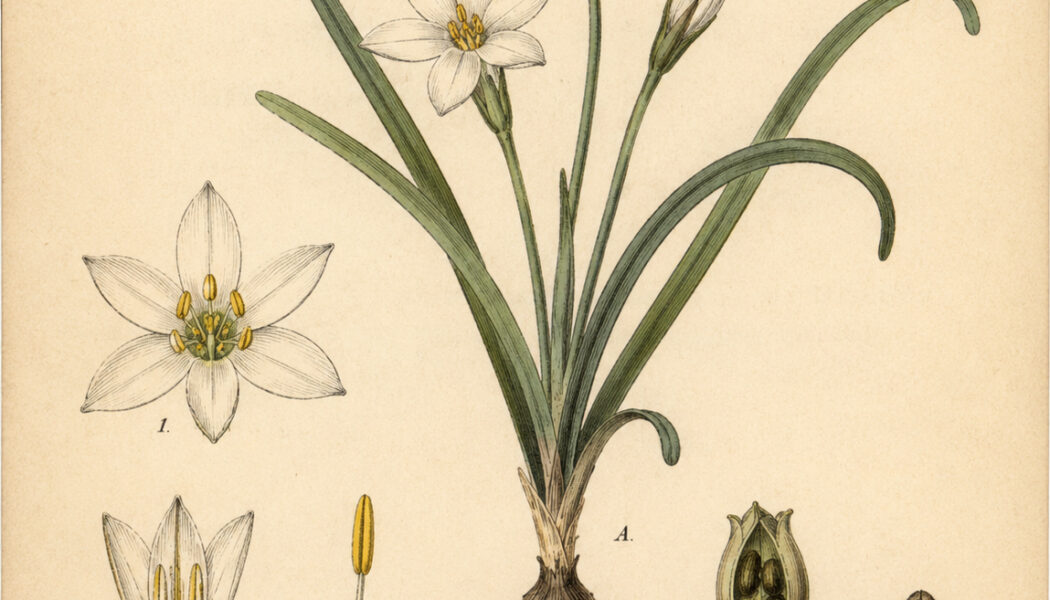

Spring Starflower: A Symbol of Renewal in Paganism and Witchcraft
The Spring Starflower, often admired for its delicate star-shaped blossoms and early spring appearance, has long been associated with themes of renewal, hope, and spiritual awakening. Emerging as wint...
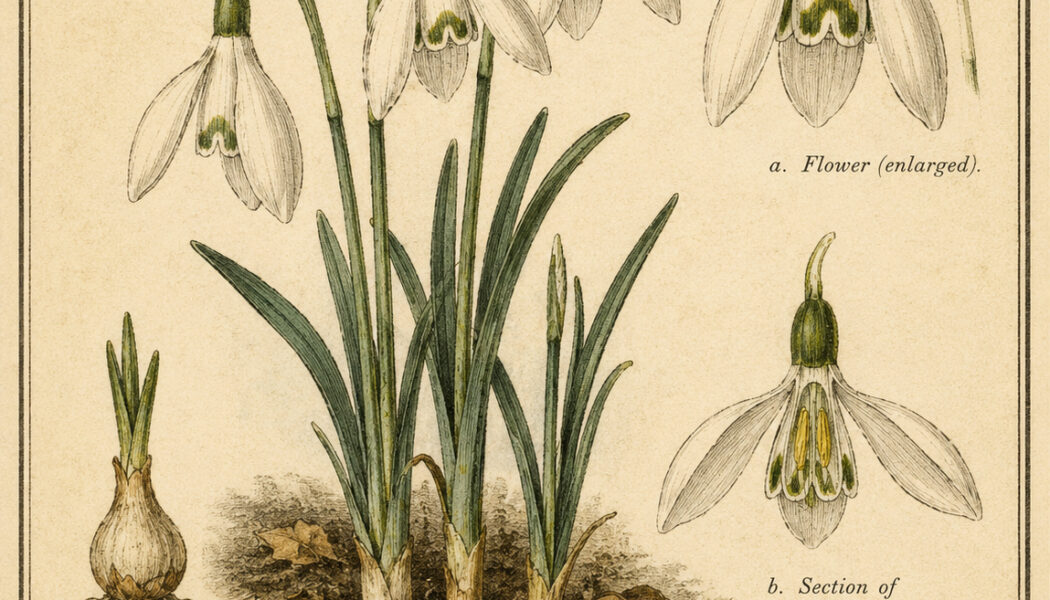

Snowdrops: Sacred Messengers of Hope in Paganism and Witchcraft
The snowdrop (Galanthus nivalis) is one of the earliest flowers to emerge at the end of winter, often pushing through frozen ground and snow to announce the arrival of spring. Its delicate white bloom...
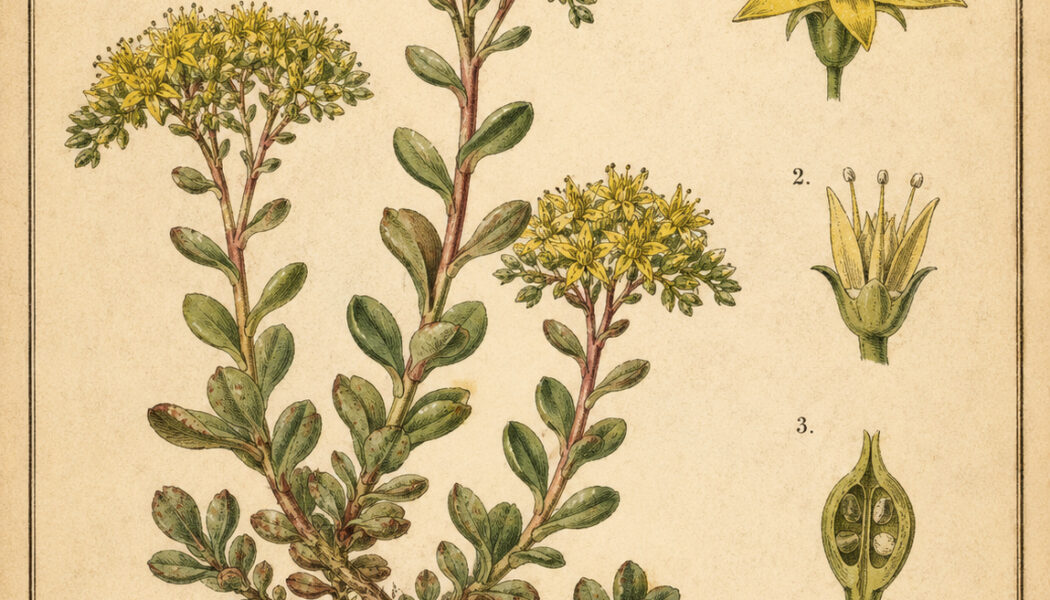

Sedum: The Sacred Stonecrop in Paganism and Witchcraft
Sedum, commonly known as stonecrop, is a hardy succulent plant valued for its resilience, beauty, and long history of spiritual symbolism. Found growing on rocky ground, rooftops, and dry landscapes, ...
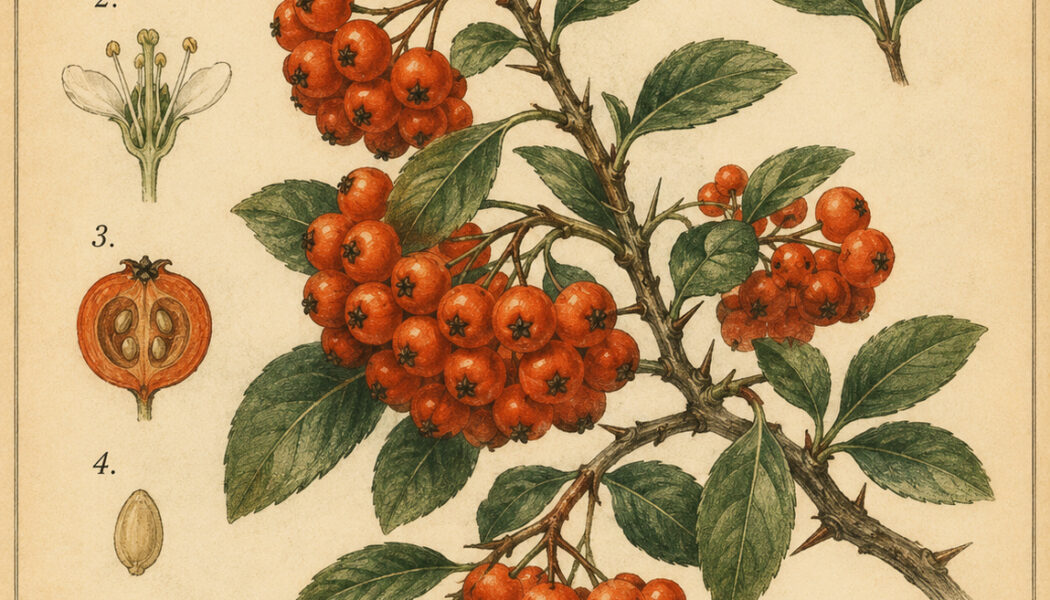

Pyracantha: The Fiery Guardian of Pagan and Witchcraft Traditions
Pyracantha, commonly known as Firethorn, is a striking evergreen shrub recognized for its dense thorny branches and clusters of vibrant red, orange, or yellow berries. Beyond its ornamental appeal, Py...
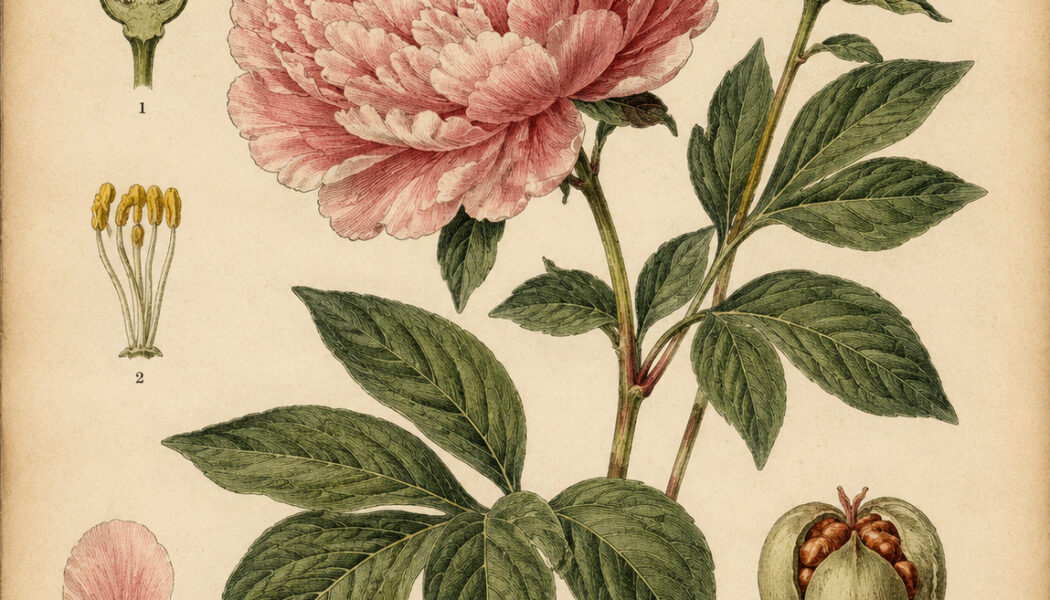

Peony: A Sacred Flower in Paganism and Witchcraft
The peony is a beautiful flowering plant admired for its large, fragrant blooms and rich symbolism. Found in shades of pink, red, white, yellow, and purple, peonies have been cultivated for thousands ...
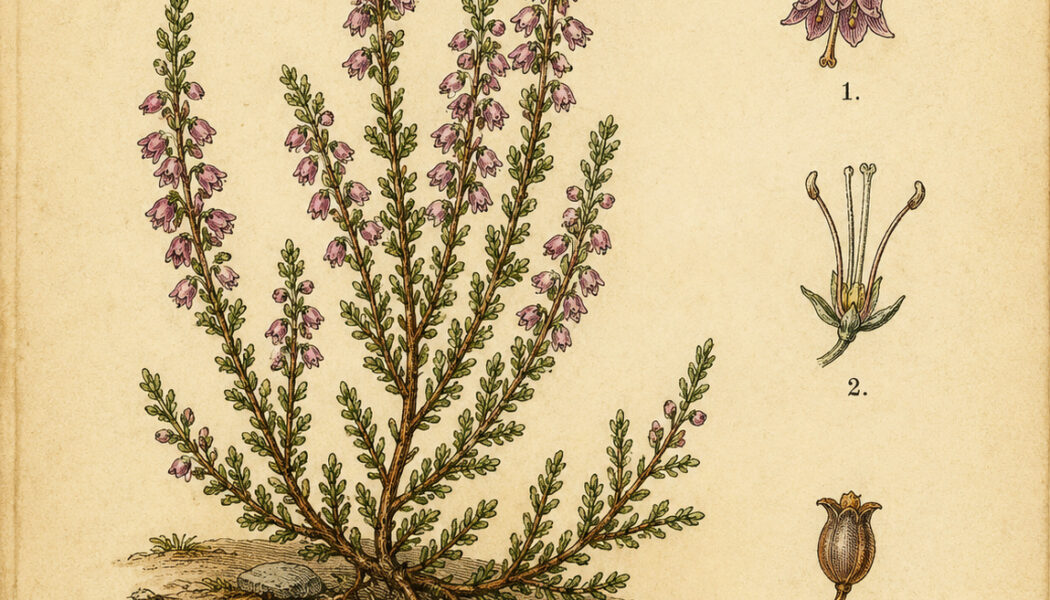

Heather: A Sacred Plant in Paganism and Witchcraft
Heather (Calluna vulgaris) is a hardy flowering plant that carpets moorlands and hillsides with shades of purple, pink, and white. Native to many parts of Europe, particularly Scotland, Ireland, and n...
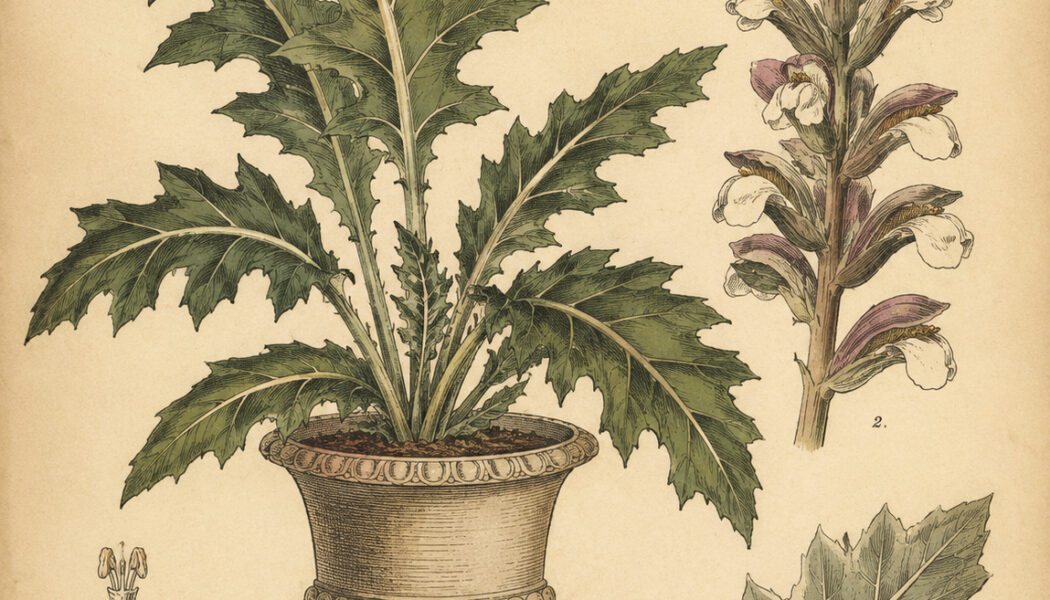

Grecian Plant: Its Importance in Paganism and Witchcraft
The Grecian plant, often associated with herbs and flowers native to ancient Greece, holds a special place in pagan traditions and the practice of witchcraft. Among the plants commonly linked to Greci...
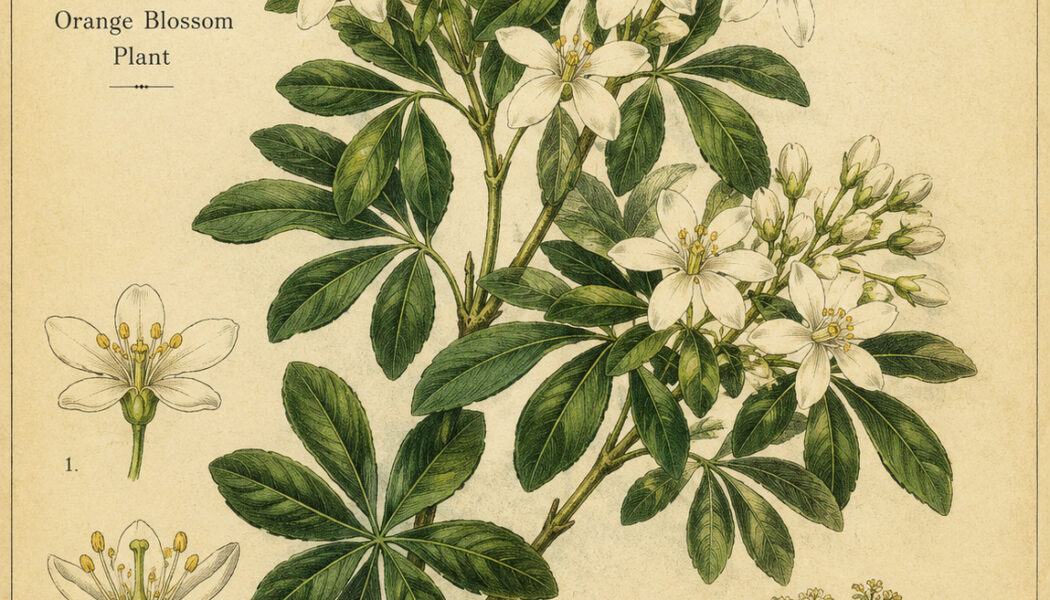

Choisya: The Mexican Orange Blossom in Paganism and Witchcraft
Choisya, commonly known as Mexican Orange Blossom, is an evergreen shrub admired for its glossy green leaves and clusters of fragrant white flowers. Native to Mexico and parts of the southwestern Unit...
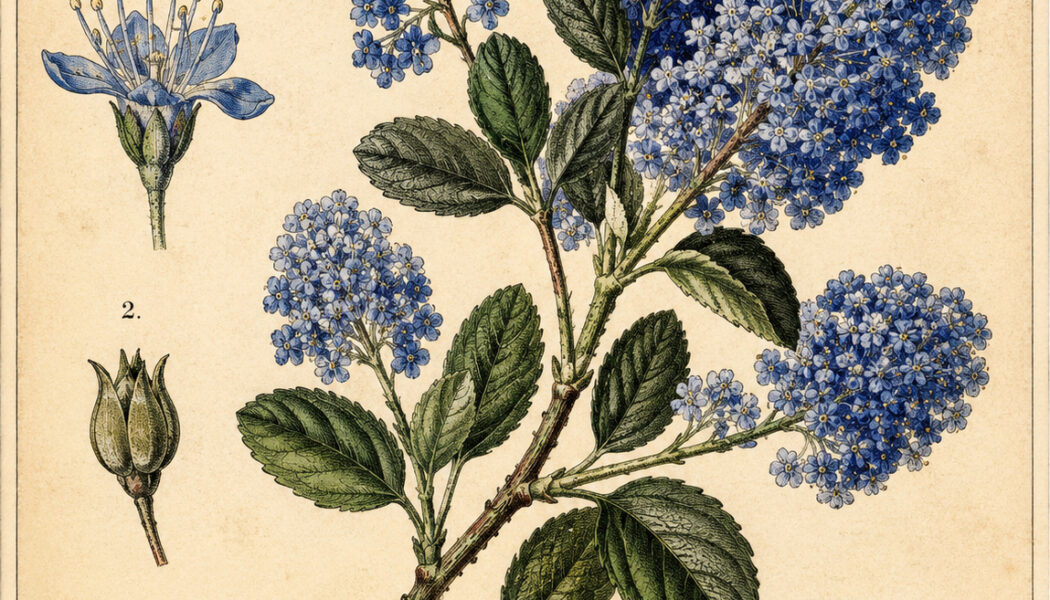

Ceanothus: The Sacred Blue Blossom in Paganism and Witchcraft
Ceanothus, commonly known as California lilac or wild lilac, is a beautiful flowering shrub prized for its clusters of delicate blue, purple, or white blossoms. Native primarily to North America, this...
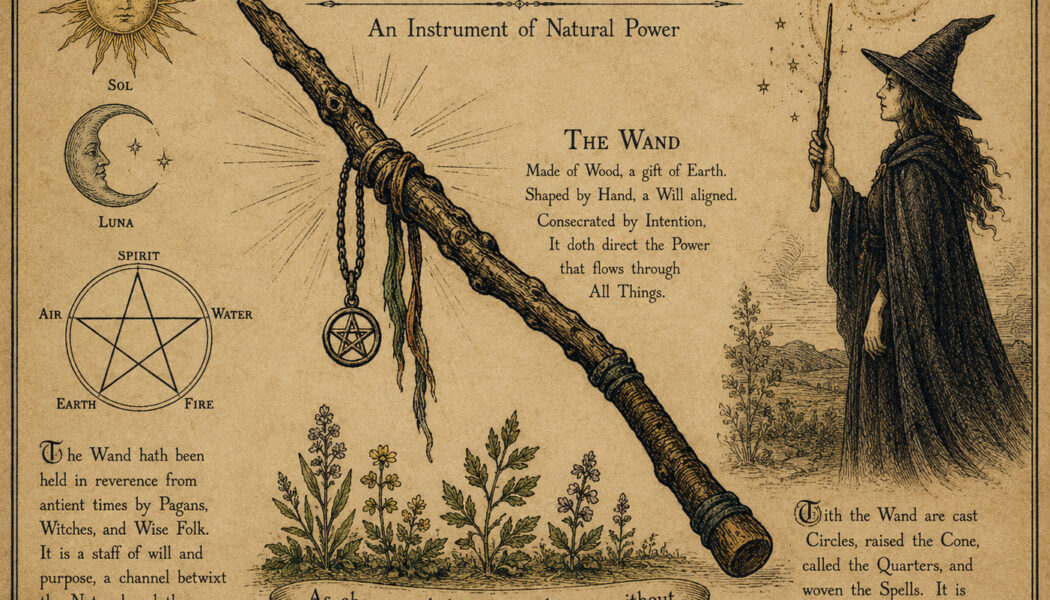

The Wand: A Powerful Symbol in Paganism and Witchcraft
Among the many tools used in pagan and witchcraft traditions, the wand holds a special place as a symbol of power, intention, and spiritual connection. Often associated with magic in popular culture, ...
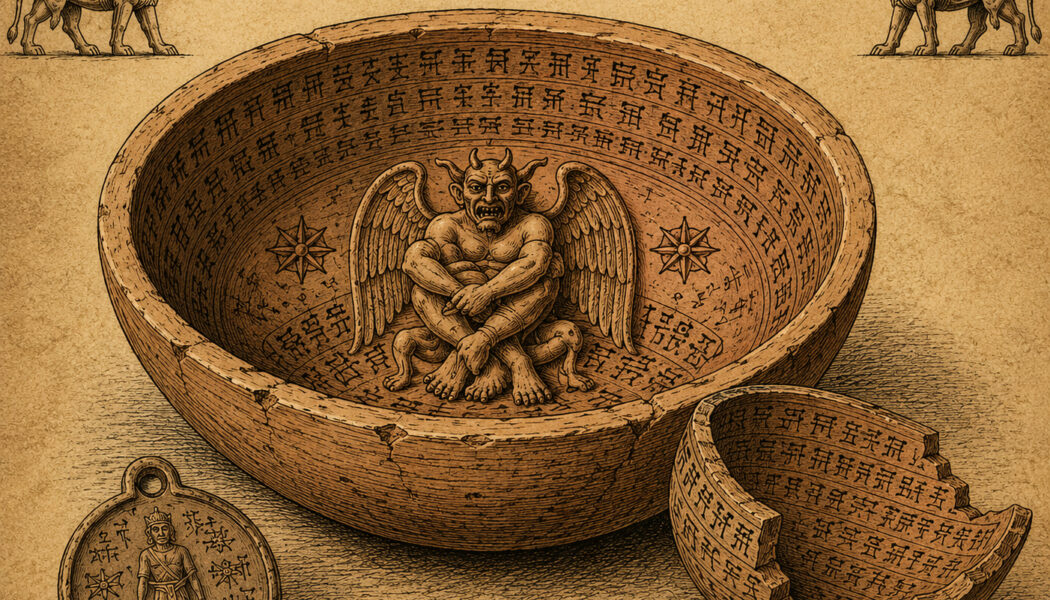

Babylonian Devil Traps: Their Significance in Paganism and Witchcraft
Babylonian Devil Traps are ancient magical objects that originated in Mesopotamia, particularly within the civilizations of Babylon and Assyria. These artifacts, often crafted from clay and inscribed ...


The Besom: A Sacred Symbol in Paganism and Witchcraft
The besom, commonly known as a broom, is one of the most recognizable tools associated with paganism and witchcraft. Far more than a simple household cleaning implement, the besom holds deep spiritual...
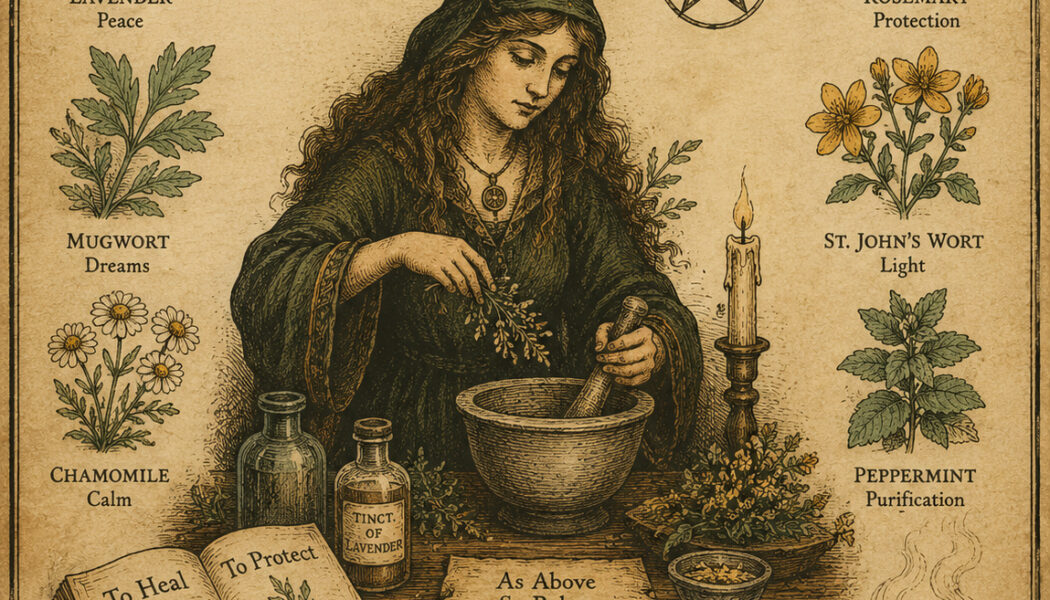

Herbal Magick: The Sacred Power of Plants in Paganism and Witchcraft
Herbal magick is one of the oldest and most widely practiced forms of spiritual work within Paganism and Witchcraft. Rooted in ancient traditions, it involves the use of herbs, flowers, roots, trees, ...
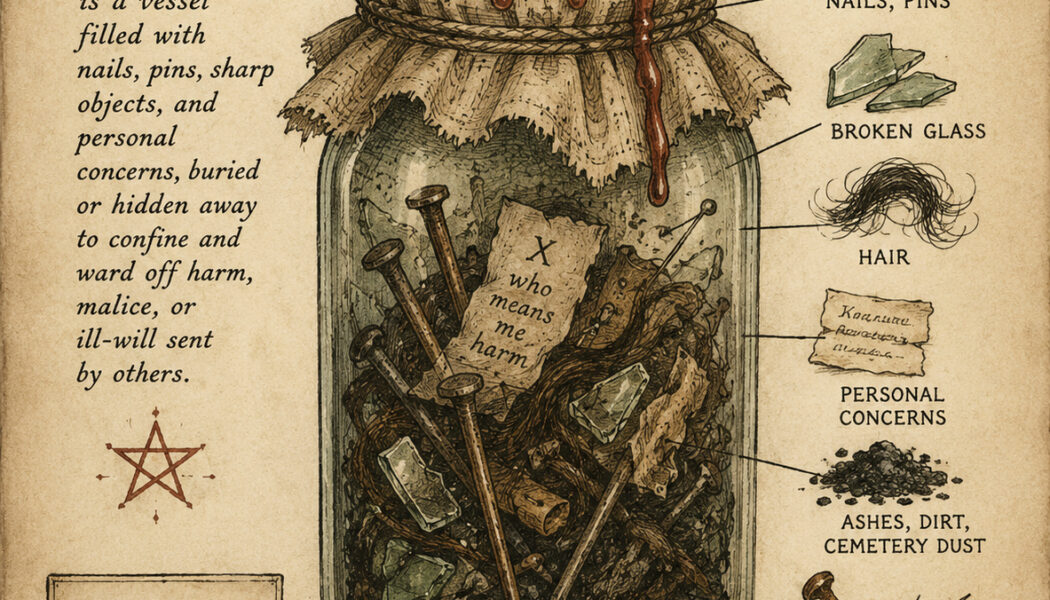

Witch Jars: Protective Magic in Paganism and Witchcraft
Witch jars are one of the oldest and most enduring forms of folk magic found within pagan and witchcraft traditions. Historically, these small containers were created as protective charms designed to ...
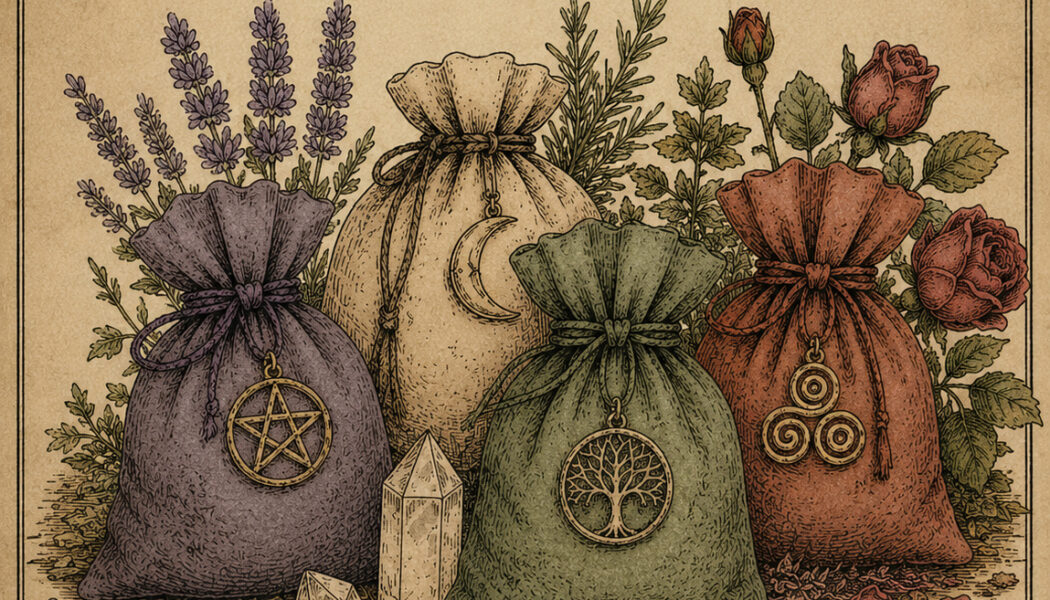

Ritual Sachets: Their Importance in Paganism and Witchcraft
Ritual sachets are small bags filled with carefully selected herbs, crystals, roots, flowers, and other symbolic items that are used in spiritual practices. They have long been an important tool in bo...
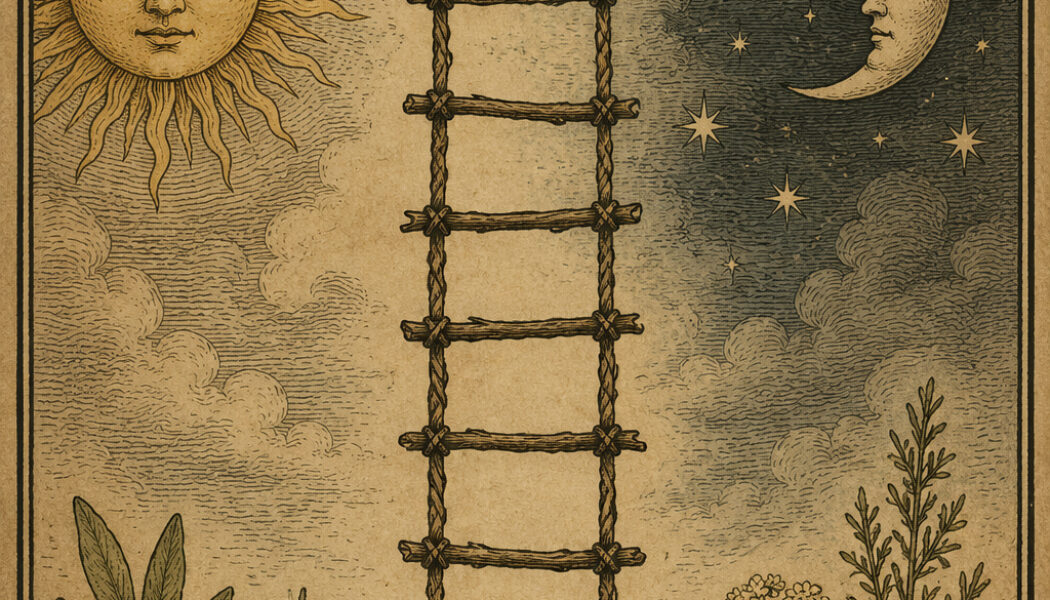

The Witch’s Ladder: A Sacred Tool in Paganism and Witchcraft
The Witch’s Ladder is a traditional magical tool used in various forms of paganism and witchcraft. Typically made from a length of cord, rope, or ribbon with a series of knots, feathers, beads, charms...
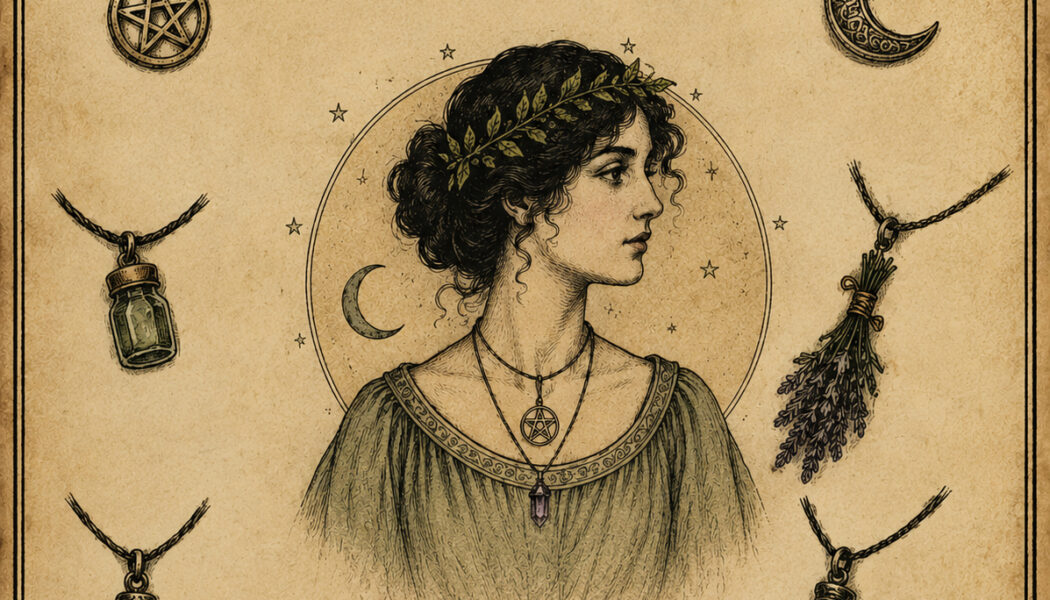

The Significance of Necklaces in Paganism and Witchcraft
Necklaces have long held a special place in pagan traditions and witchcraft practices, serving as more than simple decorative accessories. Throughout history, practitioners of various pagan paths and ...
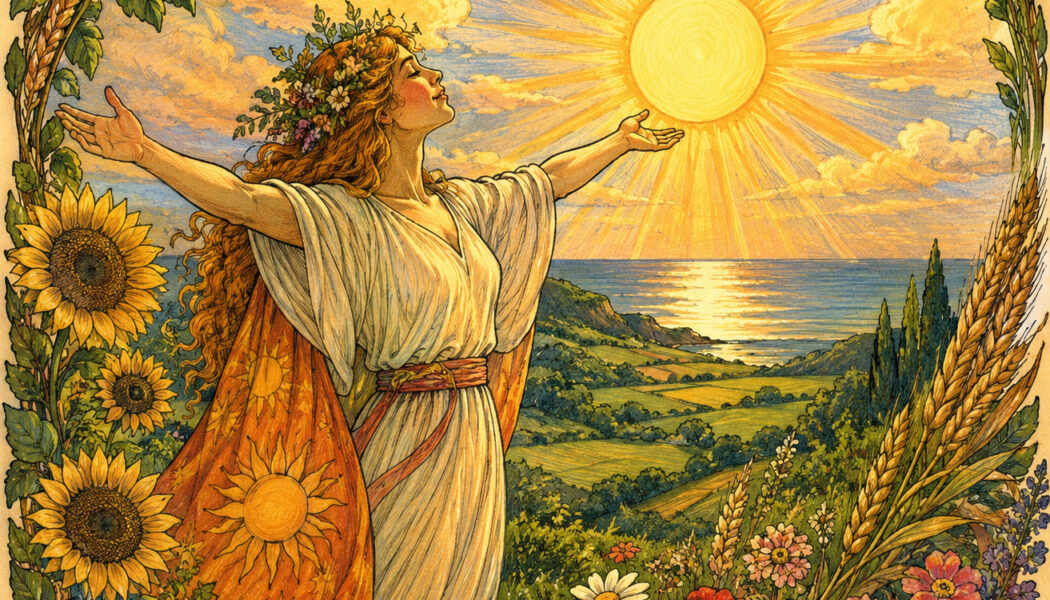

Embracing the Wisdom of the Summer Solstice: An Evening of Reflection and Renewal
As the Summer Solstice draws to a close, the evening offers a perfect opportunity to pause, reflect, and connect with the powerful energy of this sacred turning point in the year. The solstice, celebr...
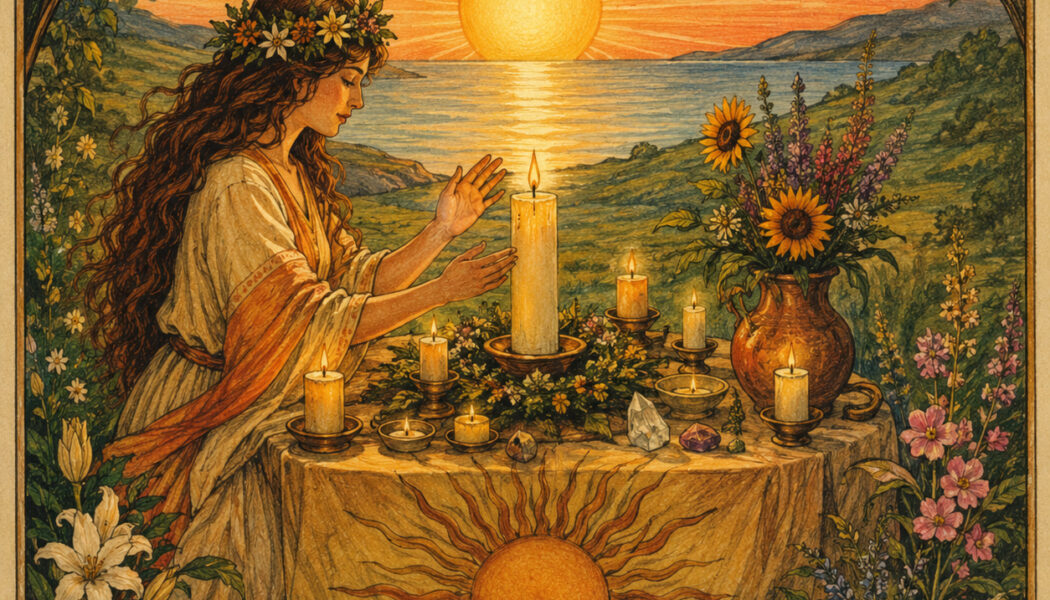

Honouring the Summer Solstice: A Candlelight Ritual for Renewal and Intention
The Summer Solstice is a powerful moment in the wheel of the year, marking the longest day and the shortest night. It is a time to celebrate the sun’s life-giving energy, reflect on personal growth, a...
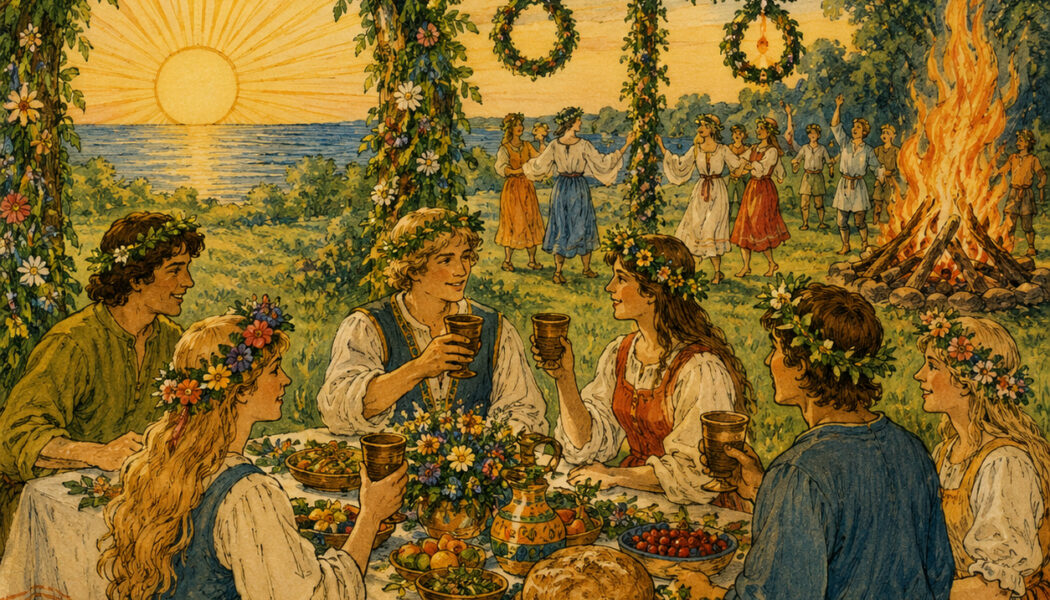

Celebrating the Summer Solstice with a Midsummer Feast
The Summer Solstice marks the longest day of the year and serves as a joyful celebration of light, warmth, and the abundance of nature. It is a perfect opportunity to embrace the beauty of the season ...
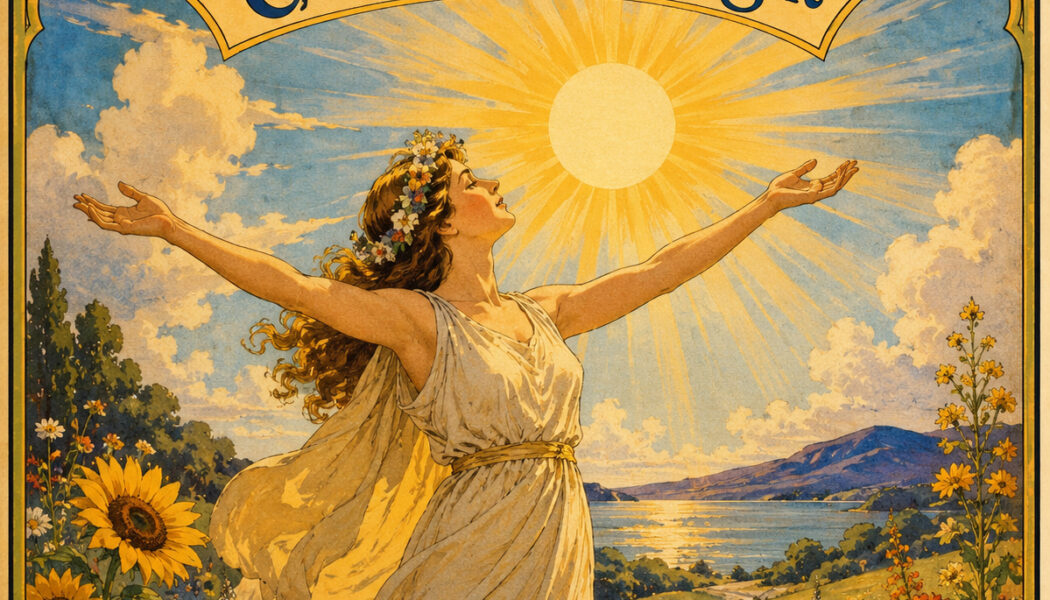

Embracing the Light: A Summer Solstice Gratitude Ritual
The Summer Solstice marks the longest day of the year, a powerful celebration of light, warmth, and the abundance that surrounds us. It is a sacred moment to pause, reflect, and express gratitude for ...
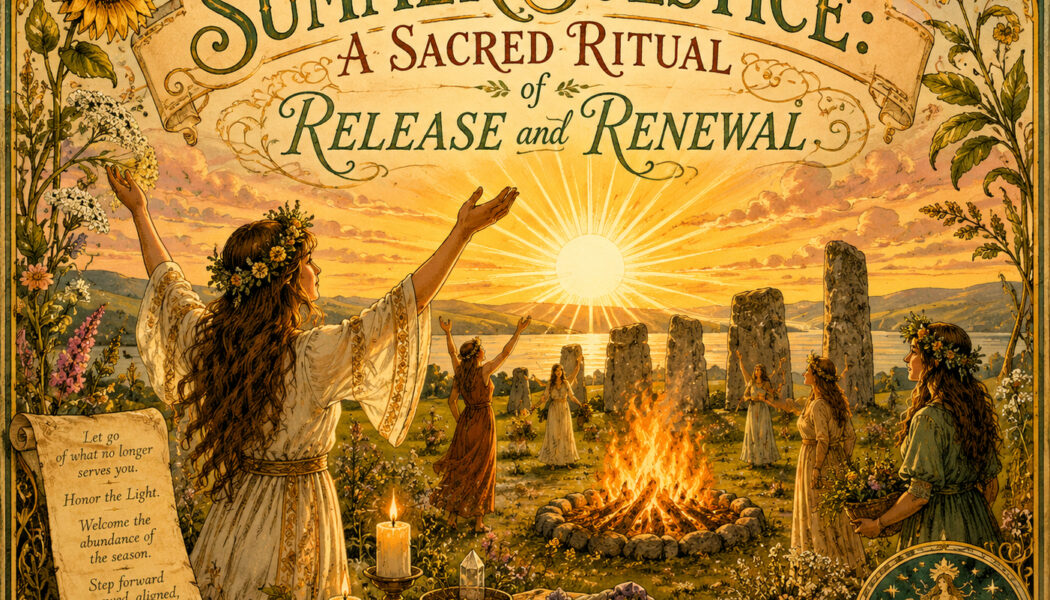

Summer Solstice: A Sacred Ritual of Release and Renewal
The Summer Solstice marks the longest day of the year and has long been celebrated as a powerful moment of transformation, growth, and spiritual awakening. As the sun reaches its highest point in the ...

Embracing the Light: A Summer Solstice Sun Meditation
The Summer Solstice marks the longest day of the year and celebrates the sun at the height of its power. It is a time of warmth, growth, abundance, and renewal. As nature flourishes under the sun’s li...

Embracing the Magic of the Summer Solstice
As the longest day of the year unfolds before us, we welcome the arrival of the Summer Solstice, a powerful moment when the sun shines at its highest point in the sky and the natural world is alive wi...
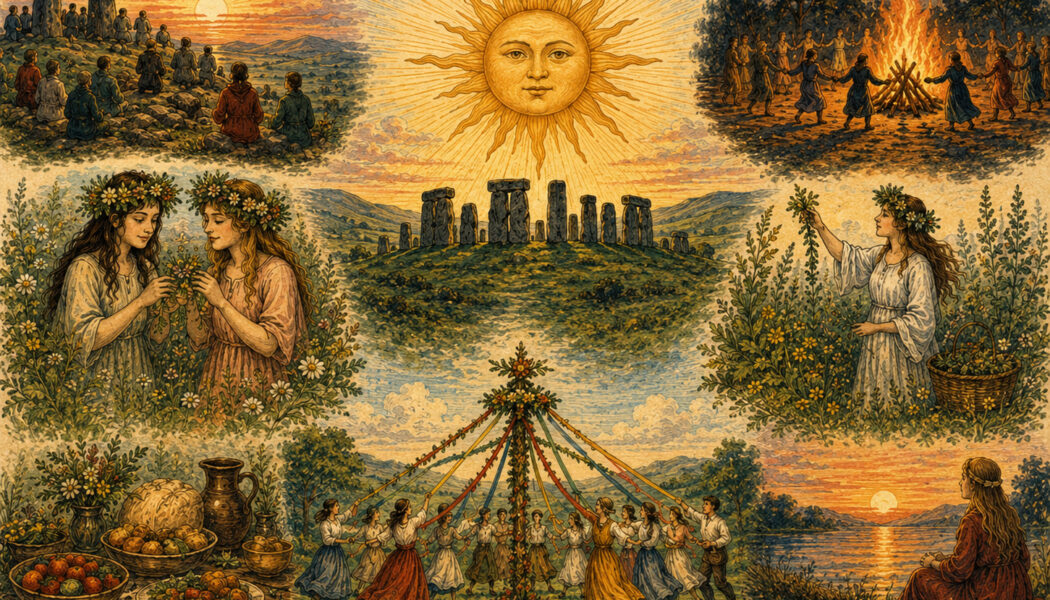

Summer Solstice Traditions: Celebrating the Longest Day of the Year
The Summer Solstice marks the longest day of the year and celebrates the sun at the height of its power. For thousands of years, cultures around the world have observed this important seasonal turning...
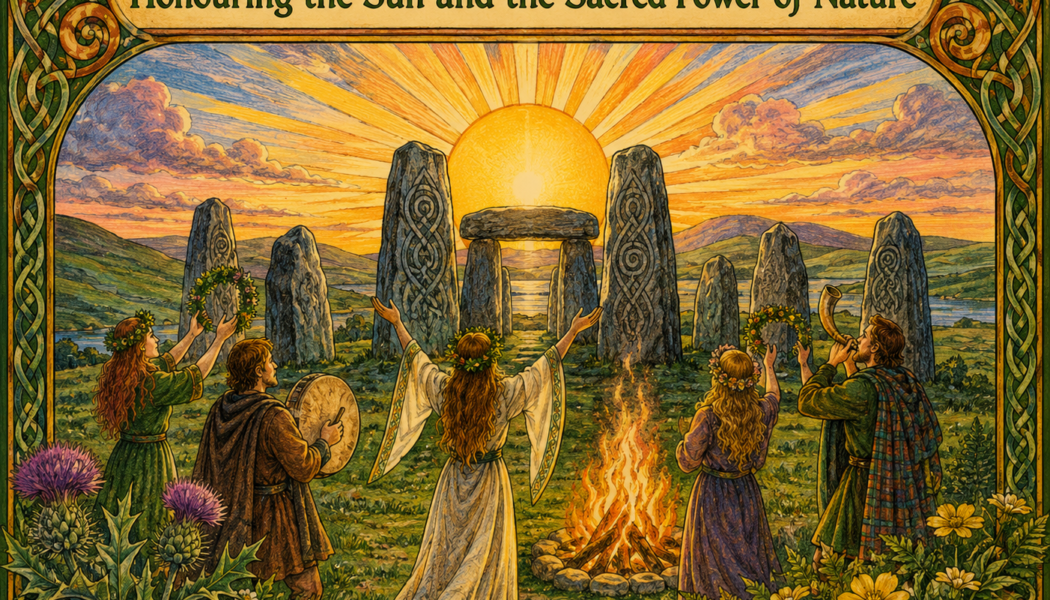

The Celtic Summer Solstice: Honouring the Sun and the Sacred Power of Nature
For the ancient Celts, the summer solstice, often known as Midsummer, marked one of the most important moments of the year. Celebrated when the sun reached its highest point in the sky, it symbolised ...
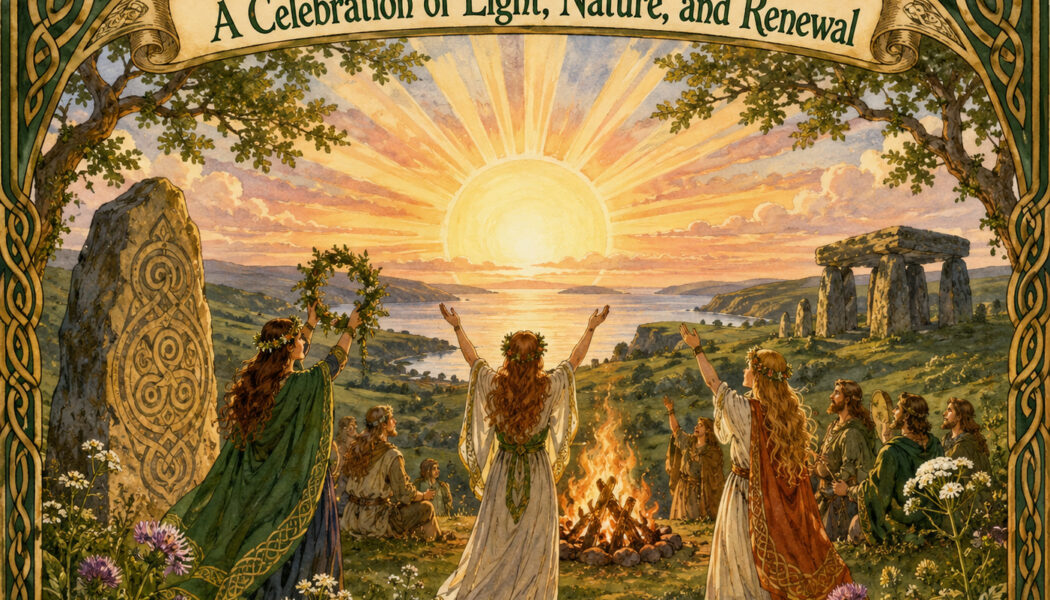

The Summer Solstice in Celtic Tradition: A Celebration of Light, Nature, and Renewal
For the ancient Celts, the Summer Solstice, often known as Midsummer, marked one of the most important and sacred moments of the year. Occurring when the sun reaches its highest point in the sky, it s...
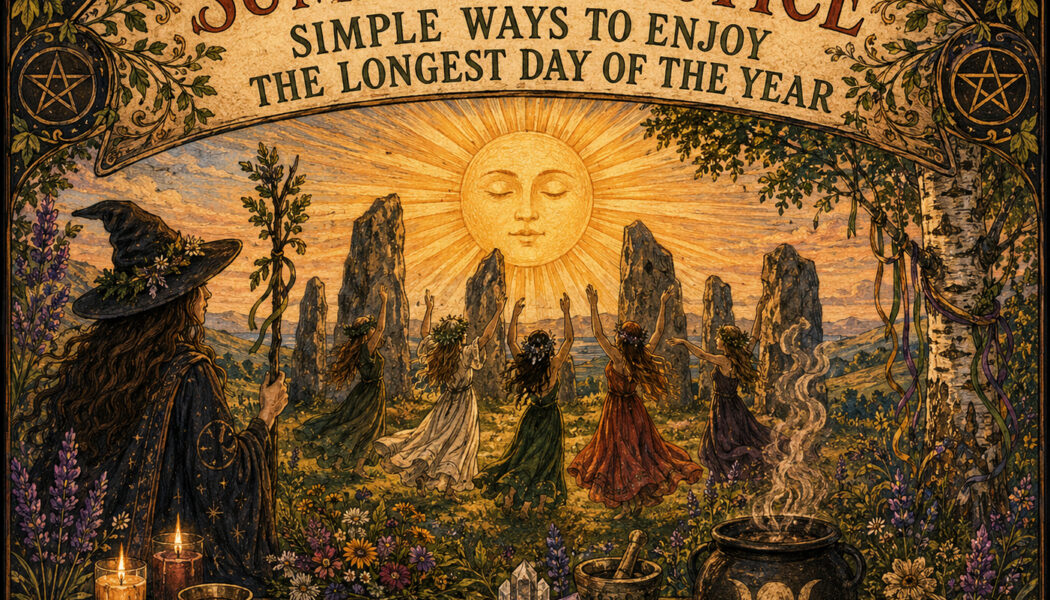

Celebrating the Summer Solstice: Simple Ways to Enjoy the Longest Day of the Year
The Summer Solstice marks the longest day and shortest night of the year, a time when the sun reaches its highest point in the sky and daylight stretches for more than 15 hours. For centuries, people ...
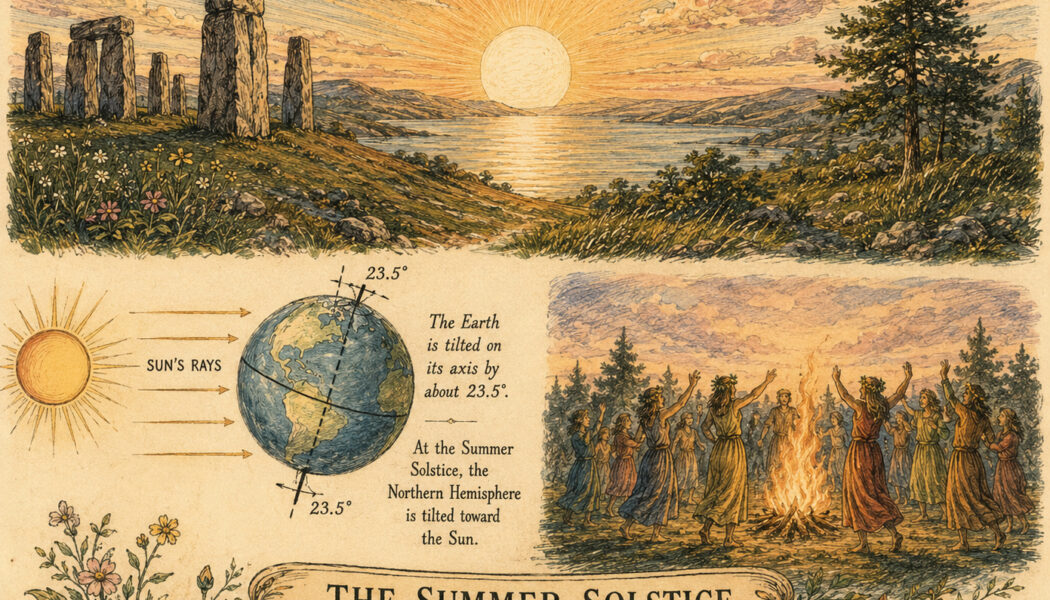

The Summer Solstice: One of the Most Significant Astronomical Events of the Year
The Summer Solstice is one of the most significant astronomical events of the year and marks the official beginning of summer in many parts of the world. It occurs when the Earth reaches a point in it...
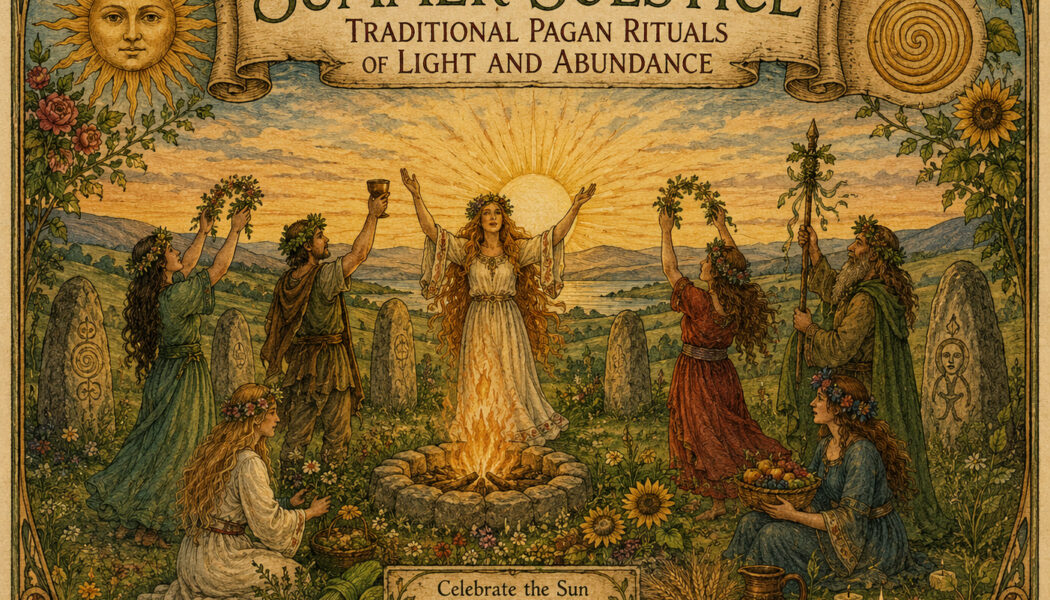

Honouring the Summer Solstice: Traditional Pagan Rituals of Light and Abundance
The Summer Solstice, often known in modern Pagan traditions as Litha, marks the longest day and shortest night of the year. It is a time of celebration, gratitude, and connection with nature as the su...
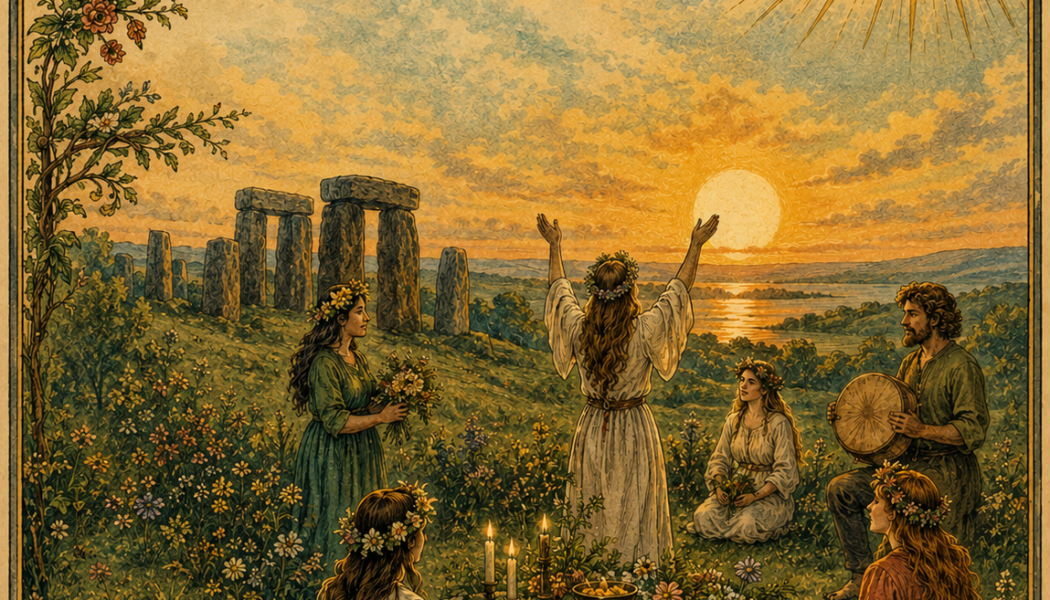

Celebrating the Summer Solstice: Meaningful Rituals for the Longest Day of the Year
The Summer Solstice marks the longest day and shortest night of the year, a time when the sun reaches its highest point in the sky and nature is at its most vibrant. For centuries, cultures around the...


Summer Solstice Celebrations Around the World
The summer solstice, which marks the longest day and shortest night of the year in the Northern Hemisphere, has been celebrated for centuries as a time of light, abundance, and connection with nature....


Stonehenge Summer Solstice: Celebrating an Ancient Connection to the Sun
Every year, thousands of people gather at Stonehenge to witness one of the world’s most remarkable ancient traditions—the summer solstice. This midsummer event, which takes place at dawn on the ...


The Summer Solstice: Pagan Traditions, Magic, and Midsummer Rituals
The Summer Solstice has long held a special place in Pagan beliefs and magical traditions. Marking the longest day and shortest night of the year, this powerful celestial event is celebrated as a time...


The Summer Solstice: A Celebration Through the Ages
The Summer Solstice, the longest day of the year, has fascinated people for thousands of years and has been celebrated by many cultures across the world. Long after the era of Neolithic monuments and ...


Stonehenge and the Ancient Importance of the Solstices
The solstices played a vital role in the lives of prehistoric communities, particularly during the Neolithic period. Long before the development of modern calendars, early agricultural societies relie...


The Summer Solstice: Welcoming the Longest Day of the Year
The Summer Solstice is a significant astronomical event that marks the longest day and shortest night of the year in the Northern Hemisphere. Occurring annually between 20 and 22 June, it signals the ...


The Summer Solstice: Celebrating the Longest Day of the Year
The Summer Solstice is nearly here, bringing with it longer days, shorter nights, and a landscape bursting with colour and life. Across the Northern Hemisphere, people look forward to this annual even...


The Purpose of a Witch’s Corn Dolly and Its Place in Paganism & Witchcraft
A witch’s corn dolly is a traditional handcrafted figure woven from dried stalks of grain, such as wheat, barley, or rye. Rooted in ancient agricultural customs, corn dollies have long been associated...


The Purpose of Motherwort and Its Place in Paganism & Witchcraft
Motherwort (Leonurus cardiaca) is a revered medicinal herb known for its calming, protective, and heart-centered qualities. Native to parts of Europe and Asia, it has been used for centuries in tradit...


The Purpose of a Talisman and Its Place in Paganism and Witchcraft
A talisman is a sacred object believed to hold magical, spiritual, or protective power. Throughout history, talismans have been used by many cultures and spiritual traditions as tools to attract posit...


The Purpose of Hawthorn Oil and Its Place in Paganism & Witchcraft
Hawthorn oil is a magical and spiritual oil made from the blossoms, leaves, or berries of the hawthorn tree (Crataegus species). Throughout history, hawthorn has been revered for both its medicinal an...


The Purpose of Hawthorn Wands and Their Place in Paganism & Witchcraft
Among the many sacred woods used in Paganism and Witchcraft, hawthorn holds a special place due to its deep connections with magic, protection, and the spirit world. A hawthorn wand is traditionally c...


The Purpose of Gorse Oil and Its Place in Paganism & Witchcraft
Gorse oil is a spiritual and magical oil derived from the bright yellow flowers of the gorse plant (Ulex europaeus), a hardy shrub commonly found across the British Isles and other temperate regions. ...


The Purpose of Witches’ Rituals and Their Place in Paganism and Witchcraft
Witches’ rituals are an important part of many Pagan and Witchcraft traditions. They serve as a way for practitioners to connect with nature, honor spiritual forces, celebrate seasonal changes, ...


The Purpose of Witches’ Poppets and Their Place in Paganism & Witchcraft
Witches’ poppets have long been a fascinating and misunderstood aspect of magical practice. A poppet is a small doll or figure, traditionally crafted from cloth, wax, clay, wood, or other natura...


The Purpose of Pagan Witches’ Spell Books
A spell book is one of the most recognized tools associated with Paganism and Witchcraft. Often referred to as a Book of Shadows or Grimoire, a spell book serves as a personal collection of magical kn...


The Purpose of the Occult and Its Place in Paganism and Witchcraft
The term occult comes from the Latin word occultus, meaning “hidden” or “secret.” In its broadest sense, the occult refers to knowledge, practices, and spiritual teachings that explore forces and real...


Rosaleen Norton and Her Place in Paganism and Witchcraft
Rosaleen Norton (1917–1979), often referred to as the “Witch of Kings Cross,” remains one of the most influential and controversial figures in the history of Australian paganism and modern witchcraft....


Voodoo, Witchcraft, and Its Place in Paganism
Voodoo, also known as Vodou or Vodun, is a spiritual tradition with roots in West Africa that developed and evolved through the experiences of enslaved Africans in the Caribbean, particularly in Haiti...


What Is Traditional Witchcraft?
Traditional Witchcraft is a spiritual and magical practice rooted in folklore, ancestral customs, and pre-modern beliefs about the natural world. Unlike some modern forms of witchcraft that emerged du...


Patricia Crowther: A Leading Figure in Modern Paganism and Witchcraft
Patricia Crowther is one of the most influential figures in the development of modern Paganism and contemporary witchcraft. Born in 1927 in Sheffield, England, she became involved in the emerging Witc...


What Happened in the Witch Hunts?
The witch hunts were a series of persecutions that took place mainly in Europe and North America between the 15th and 18th centuries. During this period, thousands of people were accused of practicing...


Crystal Books: A Gateway to Knowledge and Spiritual Growth
Crystal books are valuable resources that explore the fascinating world of crystals, gemstones, and their uses. These books provide readers with information about the origins, properties, meanings, an...


The Spring Equinox in Paganism and Witchcraft
The Spring Equinox, also known as Ostara in many modern Pagan traditions, marks the moment when day and night are of equal length. Occurring around March 20 or 21 in the Northern Hemisphere, it repres...


Nuumite and Its Place in Paganism and Witchcraft
Nuumite is a rare metamorphic stone found primarily in Greenland and is often regarded as one of the oldest minerals on Earth, estimated to be around three billion years old. Its dark surface is illum...


Litha: The Midsummer Celebration in Paganism and Witchcraft
Litha, also known as the Summer Solstice, is one of the most significant festivals in modern Paganism and witchcraft. Celebrated around June 20–21 in the Northern Hemisphere, Litha marks the longest d...
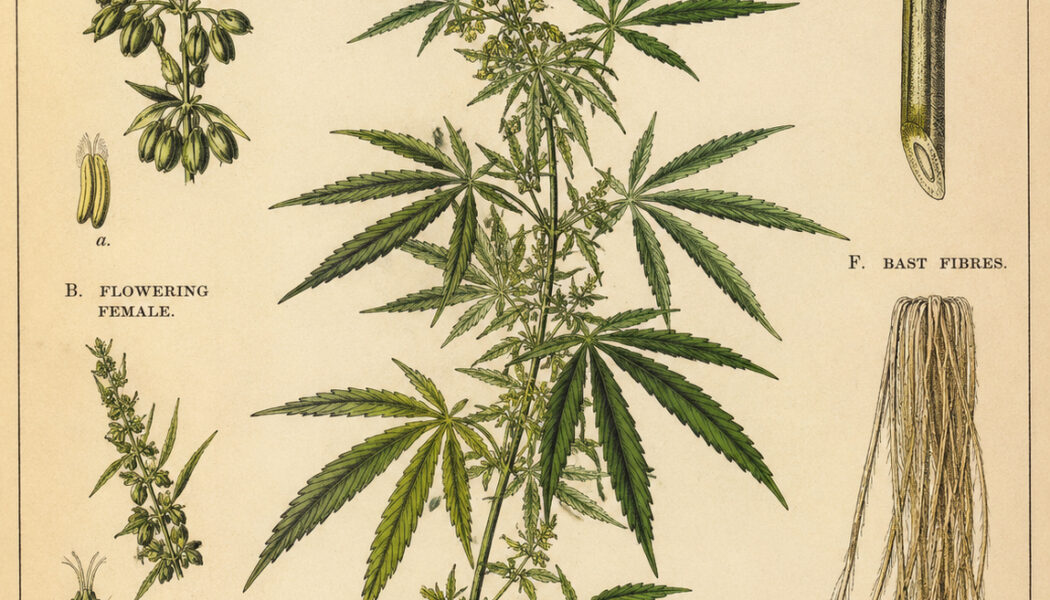

Hemp
Hemp (Cannabis sativa), particularly its non-intoxicating fiber varieties, has a long history in many cultures and has occasionally been associated with folk magic, pagan practices, and modern witchcr...
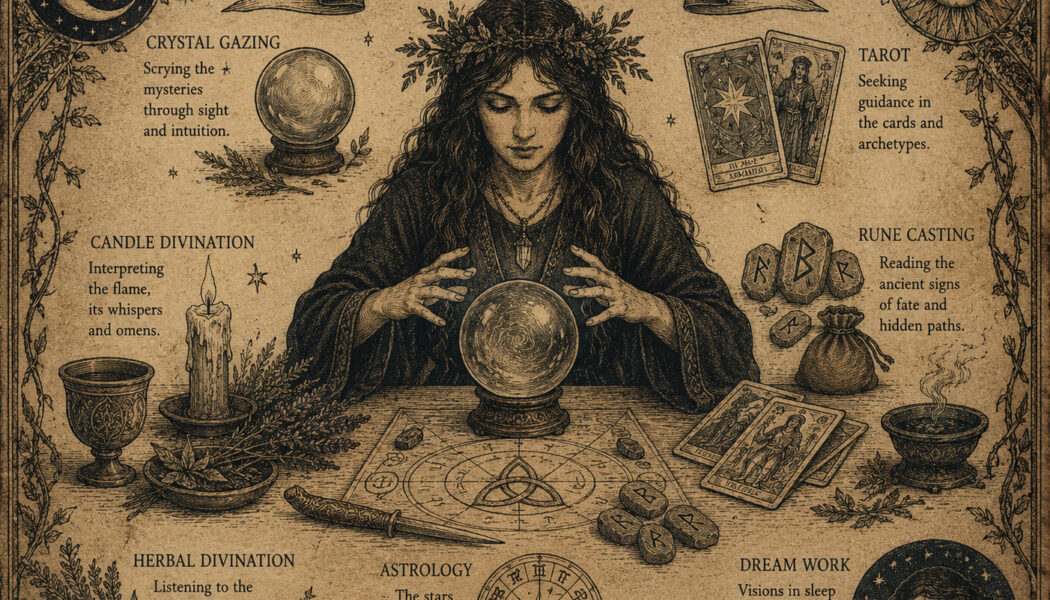

Divination in Paganism & Witchcraft
Divination is the practice of seeking insight, guidance, or understanding through symbolic systems, spiritual communication, or the interpretation of signs. Within many forms of paganism and witchcraf...
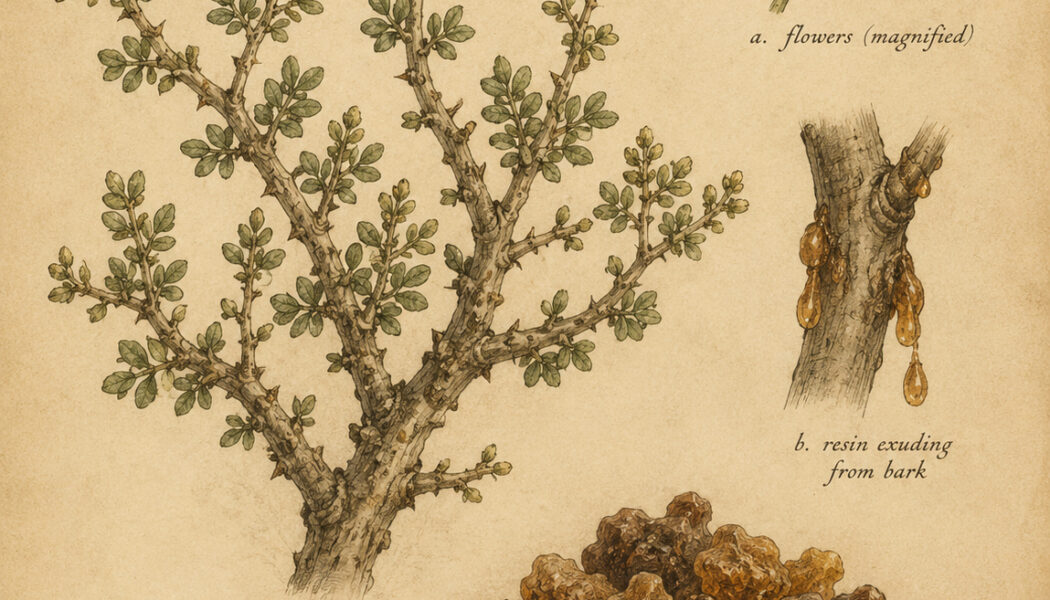

Myrrh
Myrrh is a fragrant resin obtained from trees of the Commiphora genus, native to parts of northeastern Africa and the Arabian Peninsula. For thousands of years, it has been valued for its aromatic, me...


Hecate & Her Place in Paganism & Witchcraft
Hecate is one of the most important and enduring deities associated with magic, witchcraft, liminal spaces, and the spirit world. Originating in ancient Greek religion, she was worshipped as a powerfu...

Christopher Penczak and His Place in Paganism and Witchcraft
Christopher Penczak is one of the most influential contemporary authors in modern Paganism and Witchcraft. An American writer, teacher, and practitioner of magic, he is best known for making complex s...
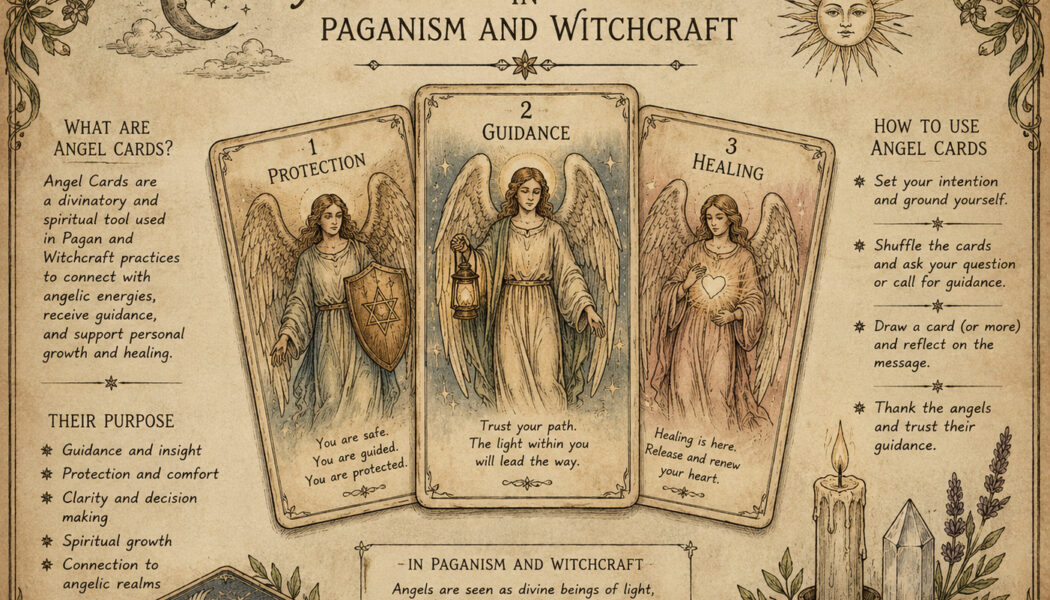

Angel Cards in Paganism and Witchcraft
Angel cards are a form of divination tool used by many spiritual practitioners to gain insight, guidance, and inspiration. Similar to tarot and oracle cards, angel cards feature messages, symbols, and...



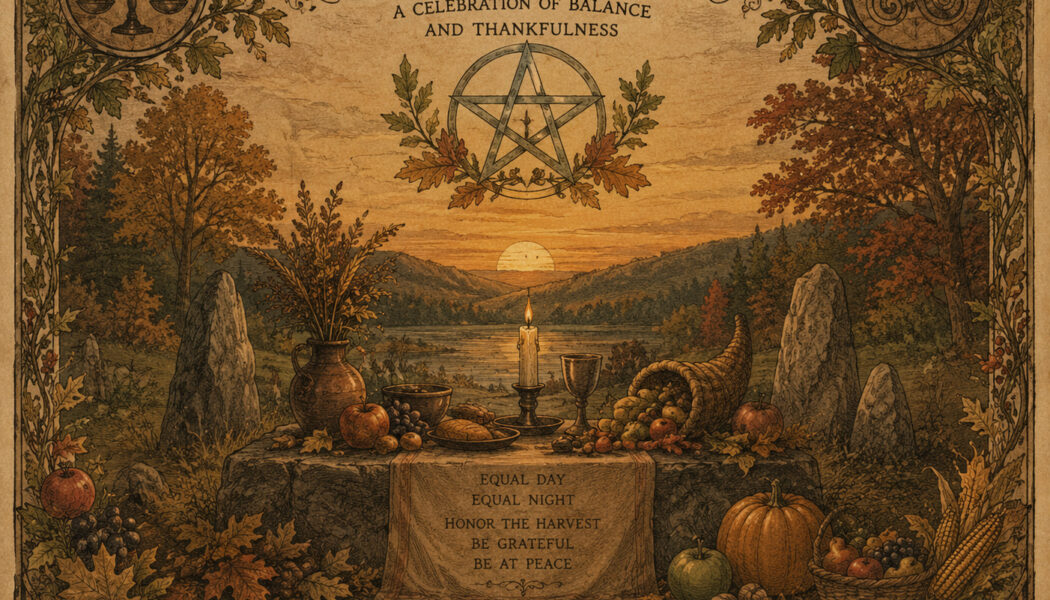

Mabon and Its Importance in Paganism and Witchcraft
Mabon is a pagan festival celebrated during the autumn equinox, usually around September 21st to 23rd in the Northern Hemisphere. It marks the point in the year when day and night are of equal length,...
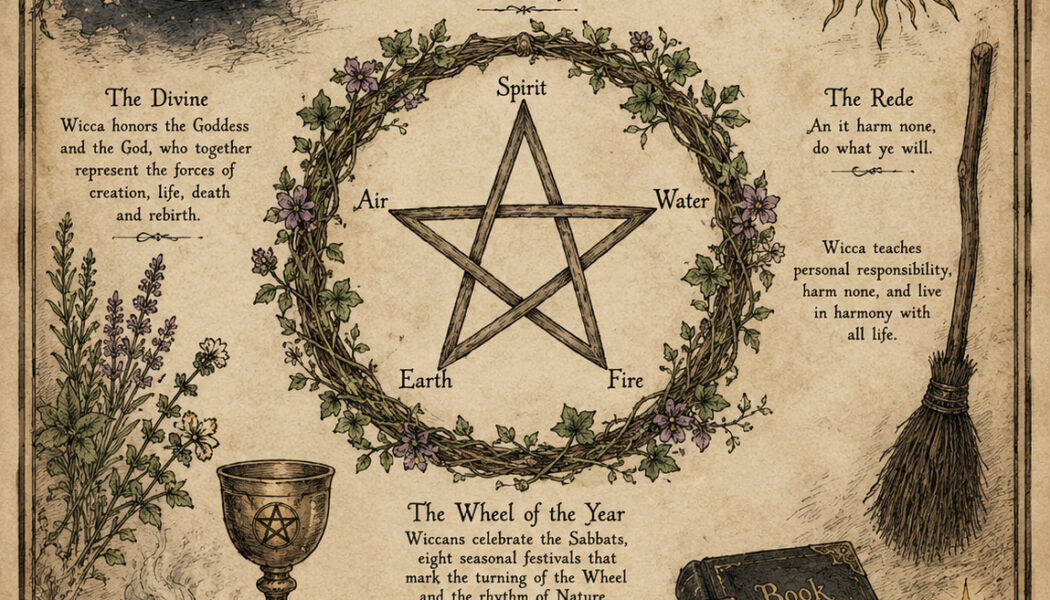

Wicca and Its Influence on Paganism and Witchcraft
Wicca is a modern Pagan religion that emerged in the mid-20th century, largely through the work of Gerald Gardner. It combines ancient spiritual traditions, nature worship, and magical practices into ...


Gerald Gardner and His Contribution to Paganism and Witchcraft
Gerald Gardner (1884–1964) is widely regarded as the father of modern witchcraft and played a crucial role in the revival of Paganism during the twentieth century. His work helped bring witchcraft out...


The Hermetic Order and Its Place in Paganism and Witchcraft
The Hermetic Order, most commonly associated with the Hermetic Order of the Golden Dawn, has played a significant role in the development of modern paganism, ceremonial magic, and contemporary witchcr...


The Occult and Its Place in Paganism and Witchcraft
The term occult comes from the Latin word occultus, meaning “hidden” or “secret.” It generally refers to knowledge, practices, and beliefs that explore mysteries beyond the ordinary understanding of t...


Ceremonial Magic and Its Place in Paganism and Witchcraft
Ceremonial magic is a structured and ritualistic form of magical practice that draws upon symbolism, sacred texts, invocations, and carefully designed ceremonies. Unlike folk magic, which often relies...


Dion Fortune and Her Place in Paganism and Witchcraft
Dion Fortune (1890–1946) was one of the most influential figures in the development of modern Western esotericism, and her ideas have had a lasting impact on contemporary paganism and witchcraft. Born...
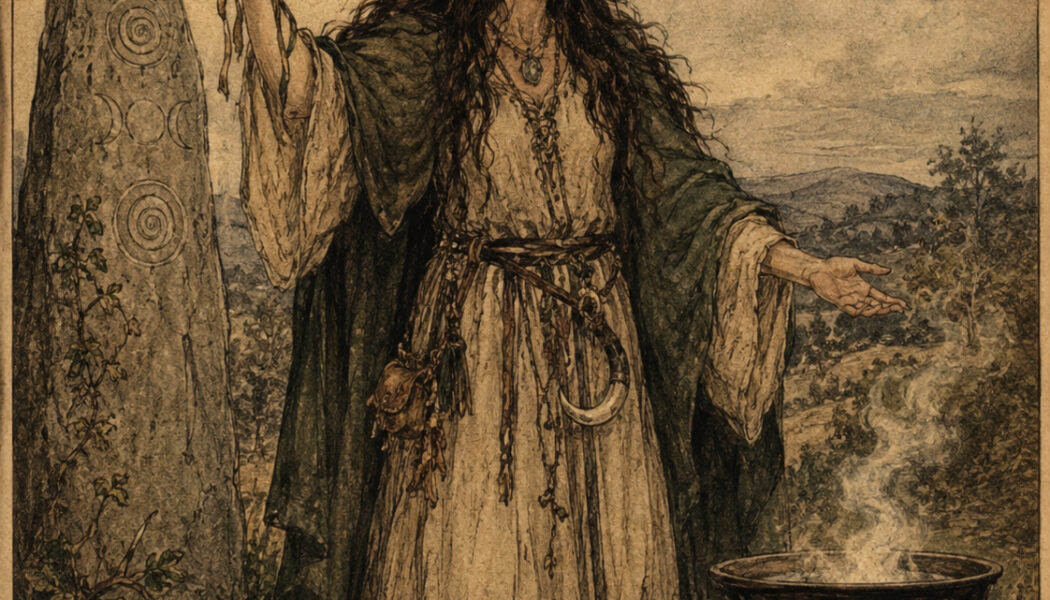

What Is a Pagan Witch?
A pagan witch is a person who practices witchcraft while following a pagan spiritual path. Paganism is a broad term that refers to a variety of nature-based beliefs and traditions, many of which draw ...
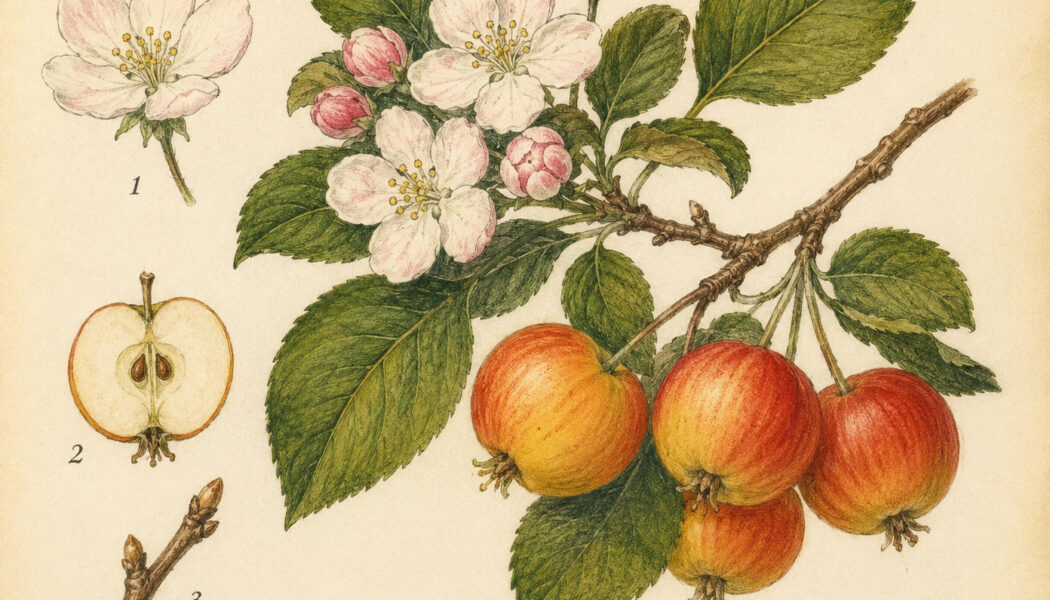

Crab Apple and Its Place in Witchcraft
The Crab Apple is a small, hardy tree belonging to the genus Malus. Known for its beautiful spring blossoms and small tart fruits, it has long held a place in folklore, mythology, and magical traditio...
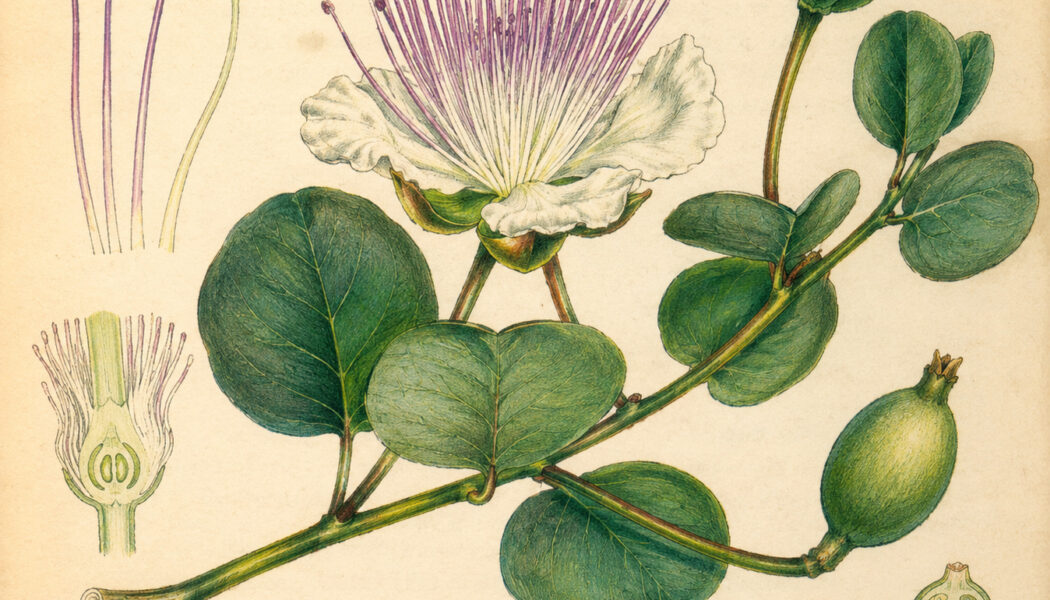

Caper and Its Place in Witchcraft
The caper plant (Capparis spinosa) is a hardy perennial shrub best known for its edible flower buds, commonly called capers. Native to the Mediterranean region and parts of Asia, the plant thrives in ...
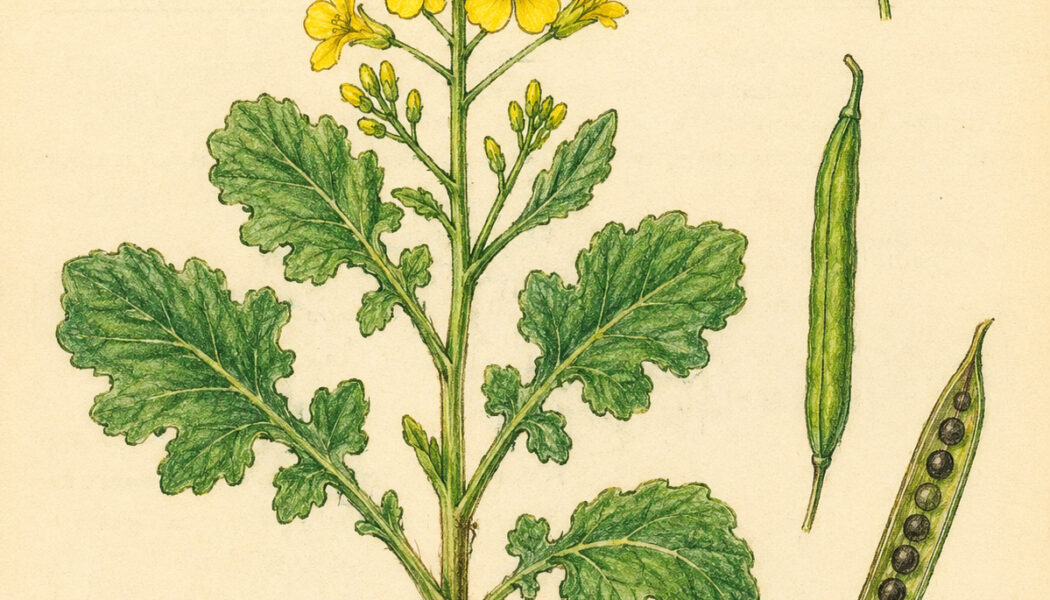

Canola and Its Place in Witchcraft
Canola (Brassica napus) is a bright yellow flowering plant best known for producing canola oil, one of the world’s most widely used cooking oils. Developed from rapeseed through selective breedi...
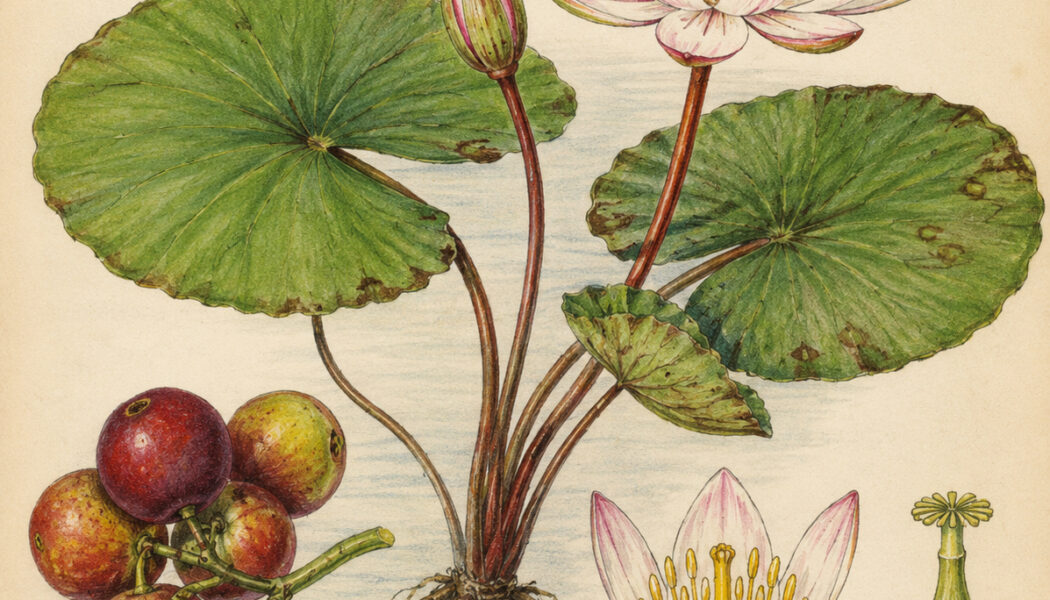

Camu Camu and Its Place in Witchcraft
Camu camu (Myrciaria dubia) is a small shrub native to the flooded regions of the Amazon rainforest in Peru, Brazil, Colombia, and Venezuela. The plant is best known for its bright red-purple fruit, w...
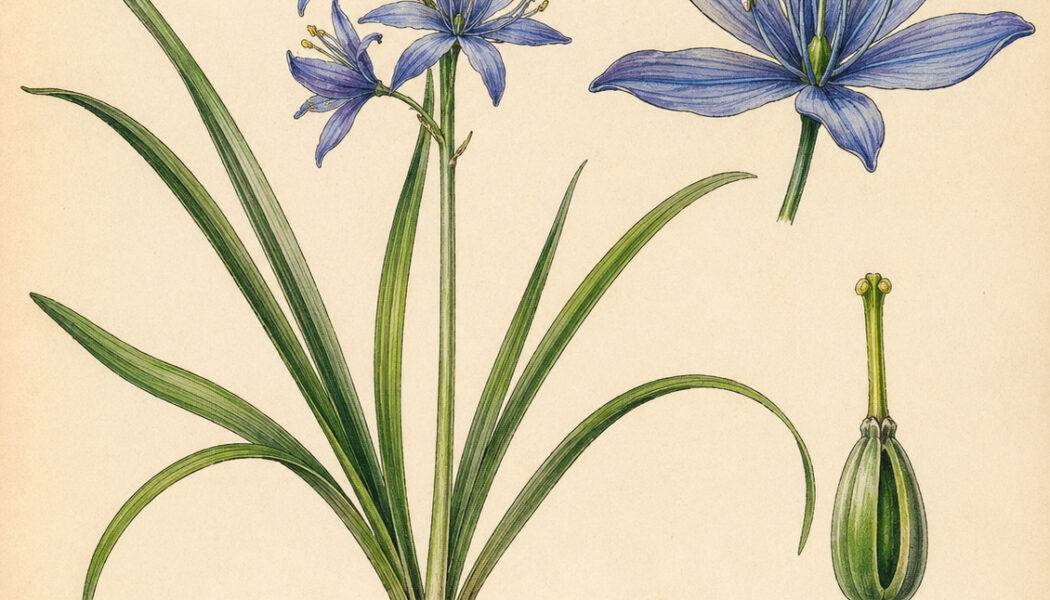

Camas and Its Place in Witchcraft
Camas is a flowering plant native to North America, known for its striking blue-purple blossoms and deep cultural significance. Belonging to the genus Camassia, it has long been valued by Indigenous p...
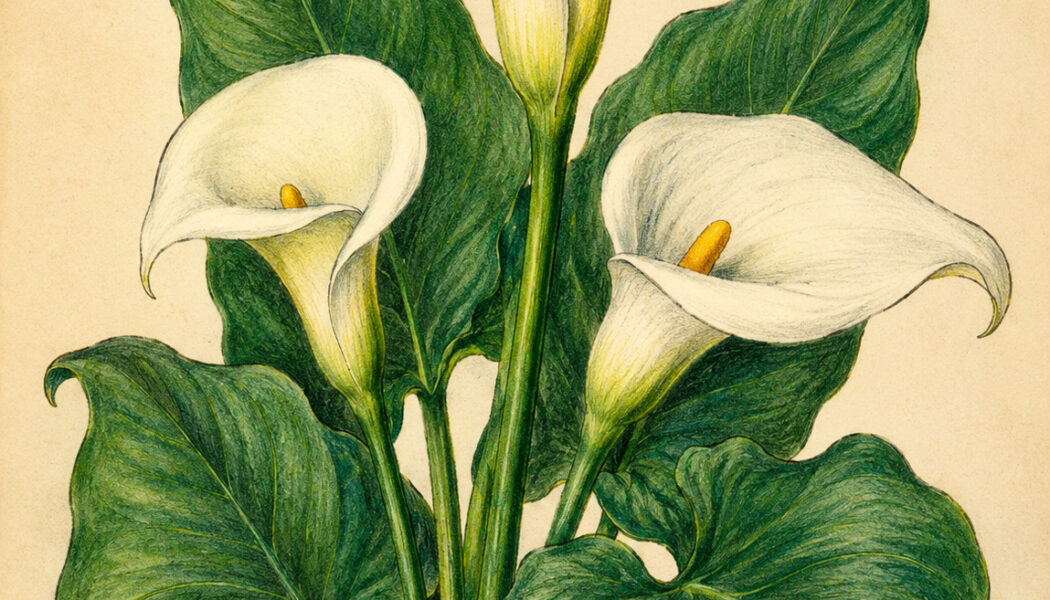

Calla Lily and Its Place in Witchcraft
Calamint (Calamintha spp.) is a fragrant herb belonging to the mint family, known for its small flowers and refreshing aroma. Native to parts of Europe, Asia, and the Mediterranean region, it has long...
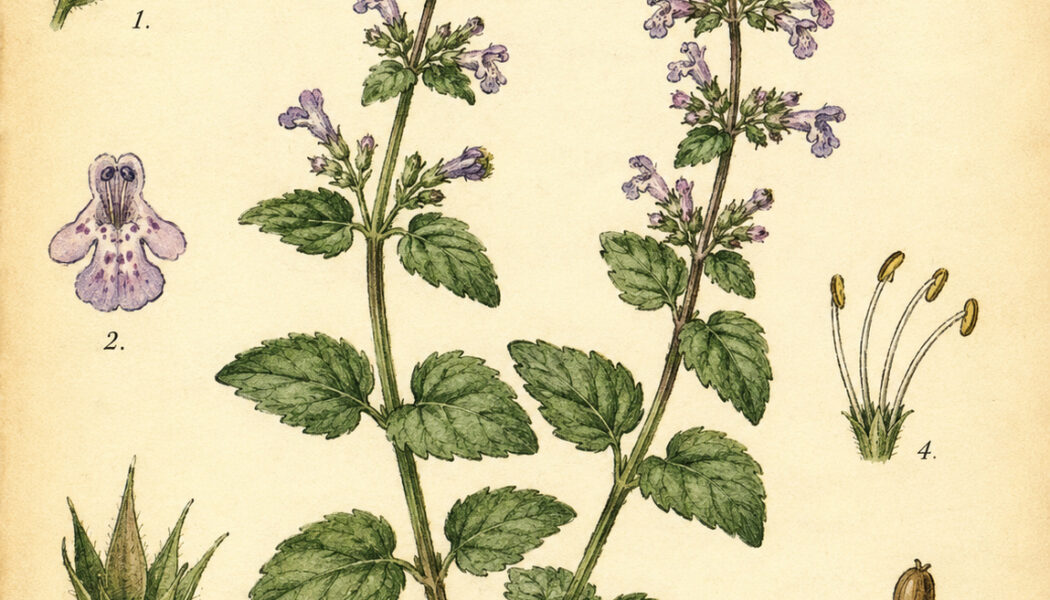

Calamint and Its Place in Witchcraft
Calamint (Calamintha spp.) is a fragrant herb belonging to the mint family, known for its delicate flowers and refreshing aroma. Native to parts of Europe, Asia, and the Mediterranean region, it has l...
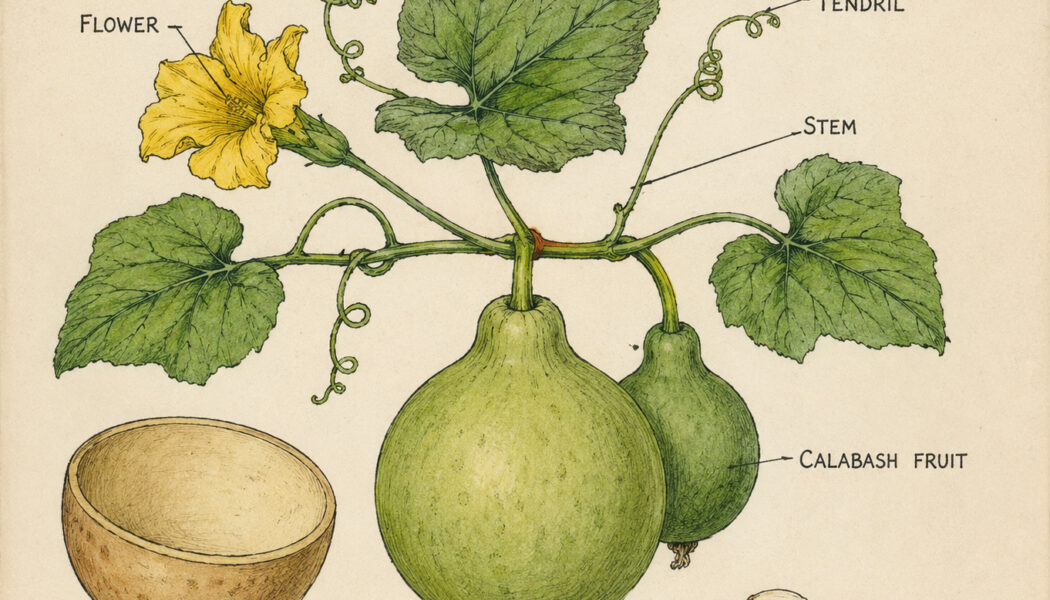

Calabash and Its Place in Witchcraft
The calabash is a versatile plant that has held cultural, spiritual, and magical significance in many societies around the world. Commonly referring to the fruit of the calabash tree (Crescentia cujet...
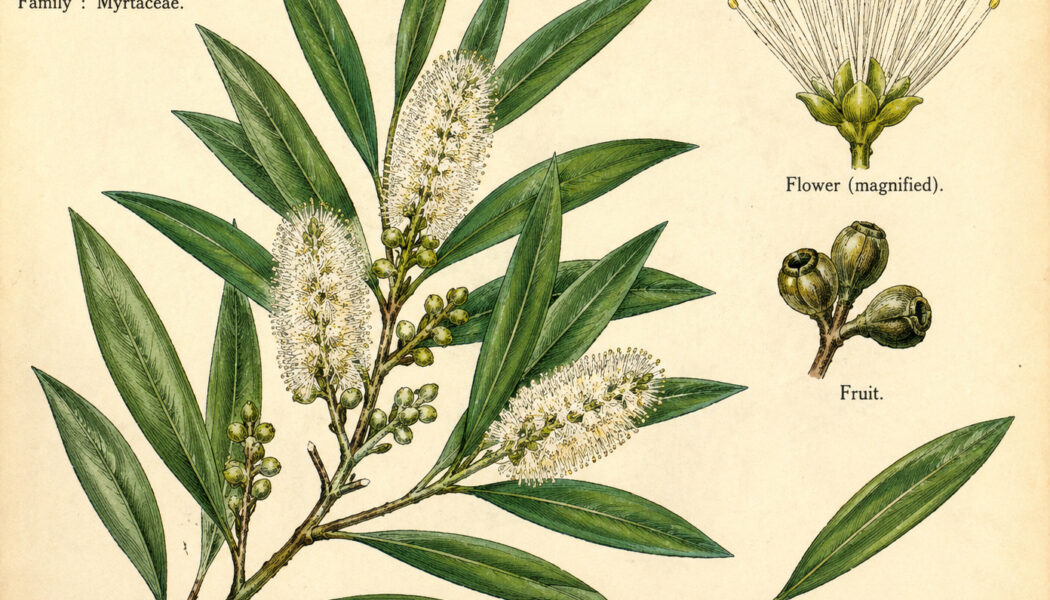

Cajeput and Its Place in Witchcraft
Cajeput (Melaleuca cajuputi) is an evergreen tree native to Southeast Asia and northern Australia. Closely related to tea tree and eucalyptus, it is best known for its aromatic leaves and the essentia...
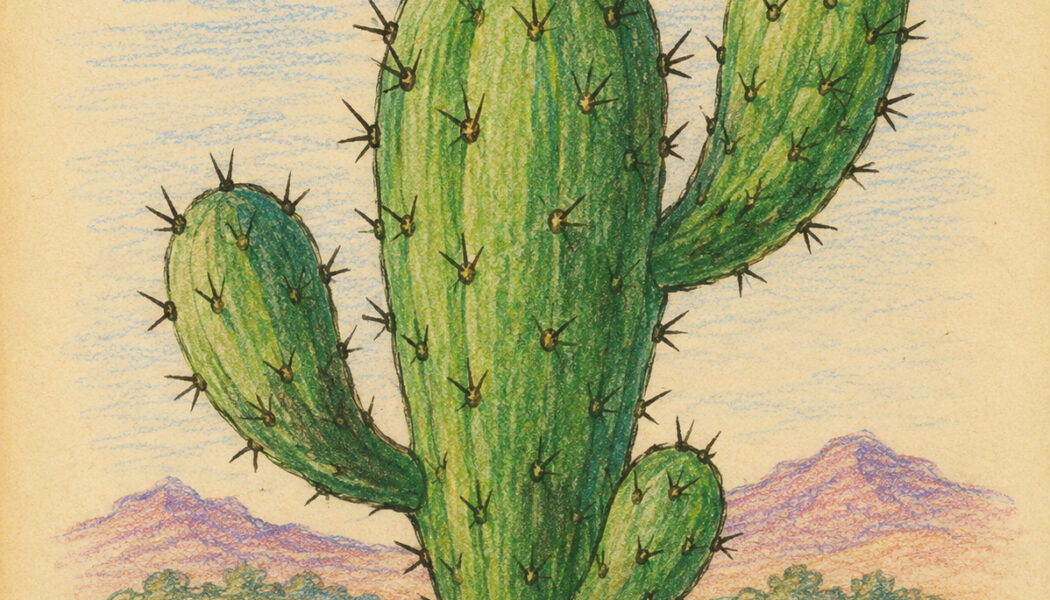

Cactus and Its Place in Witchcraft
The cactus is one of the most distinctive plants in the world, known for its thick, water-storing stems and protective spines. Native primarily to the deserts of the Americas, cacti have adapted to su...
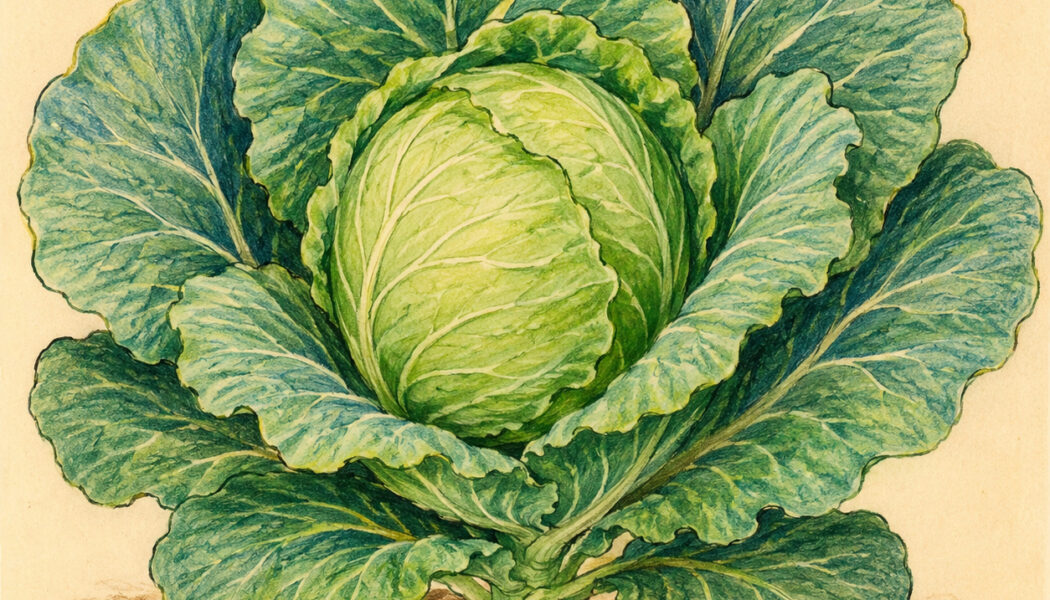

Cabbage and Its Place in Witchcraft
Cabbage (Brassica oleracea) is a humble garden vegetable that has nourished people for centuries, but beyond its culinary value, it also holds a place in folklore, magic, and witchcraft traditions. Th...
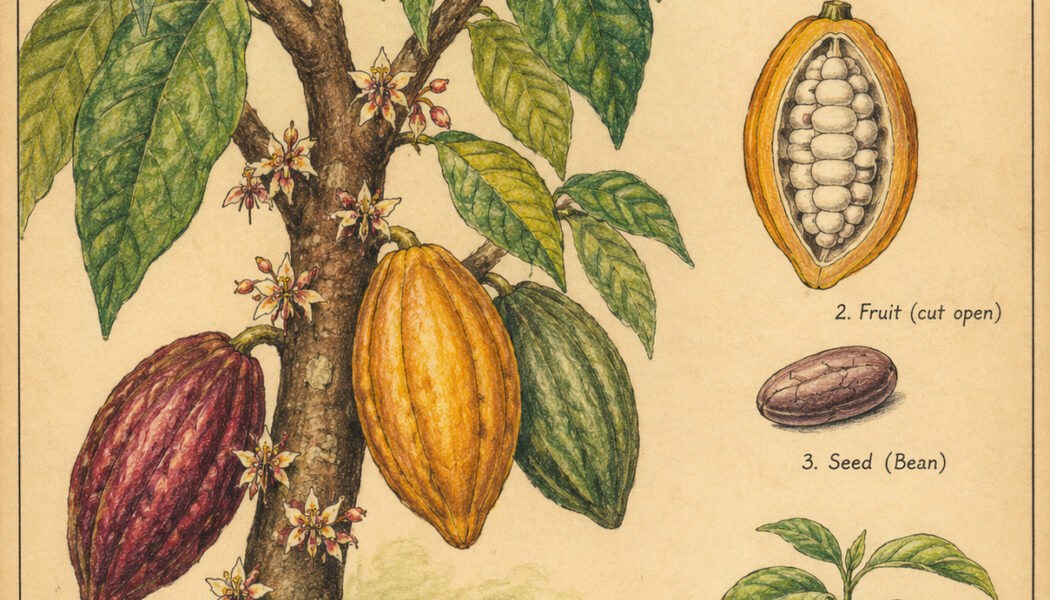

Cacao and Its Place in Witchcraft
Cacao (Theobroma cacao), the tropical plant from which chocolate is made, has long been valued for both its physical and spiritual significance. Native to Central and South America, cacao was revered ...
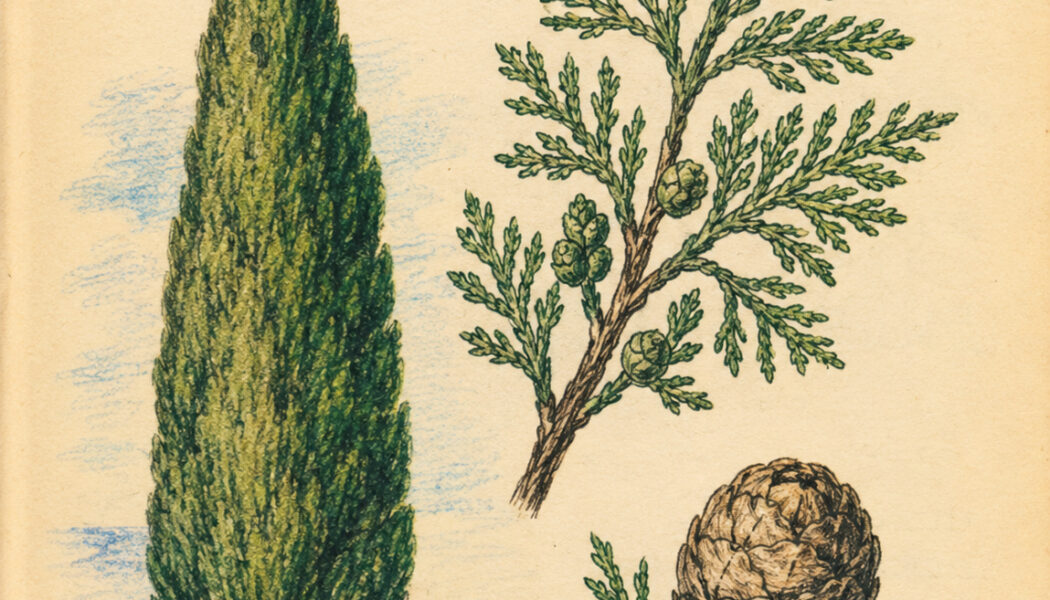

Cypress and Its Place in Witchcraft
The cypress tree (Cupressus spp.) is an evergreen conifer that has long held a place of importance in folklore, spirituality, and magical traditions. Recognized for its tall, slender form and dark gre...
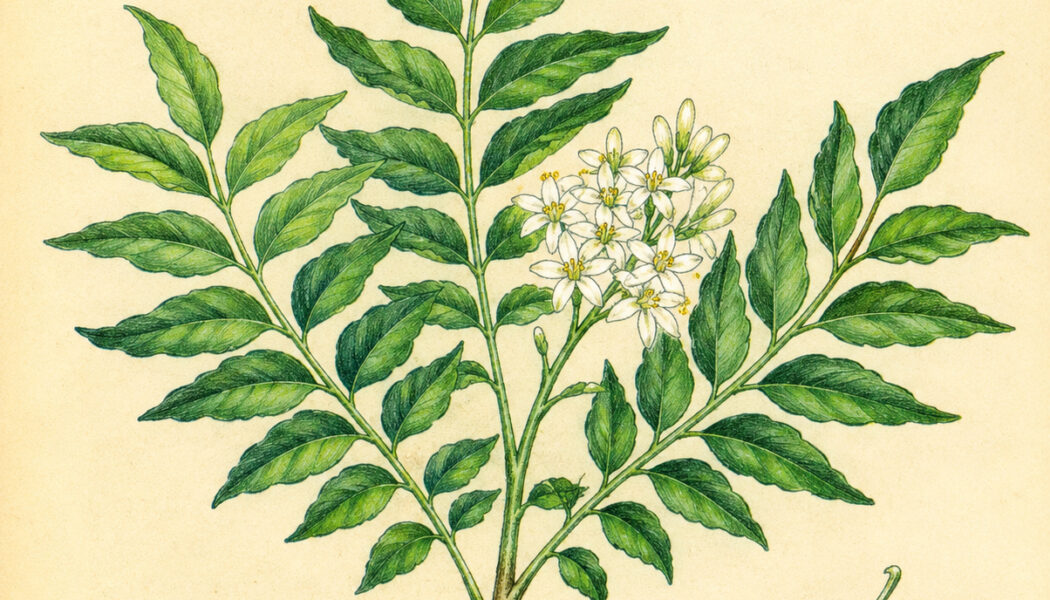

Curry Leaf and Its Place in Witchcraft
The curry leaf plant (Murraya koenigii) is a small tropical tree native to India and Sri Lanka. Best known for its fragrant leaves, which are widely used in South Asian cuisine, the plant has also hel...
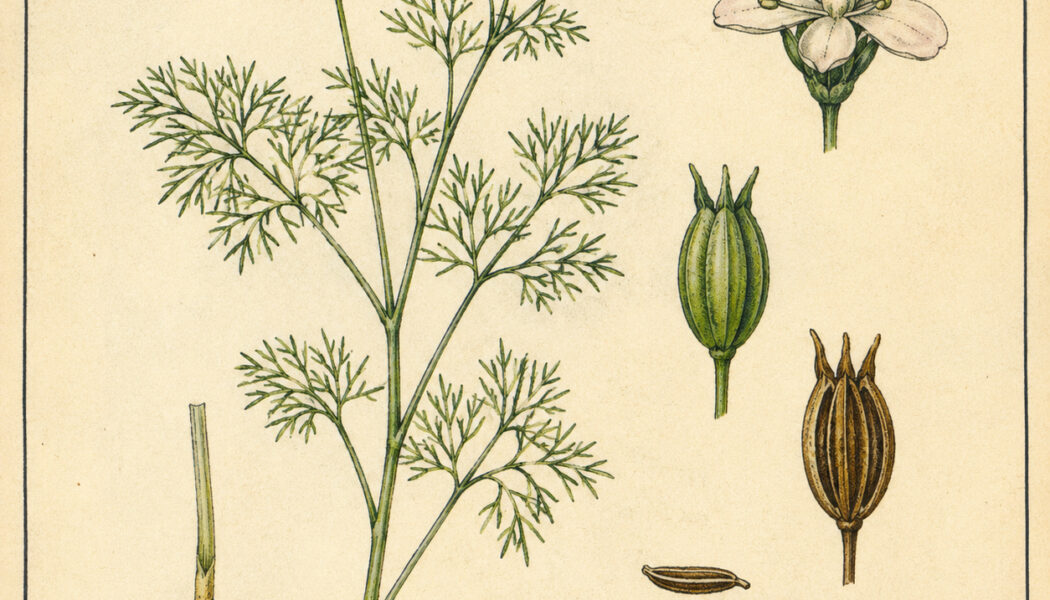

Cumin and Its Place in Witchcraft
The cumin plant (Cuminum cyminum) is a flowering herb belonging to the parsley family, Apiaceae. Native to the eastern Mediterranean region and parts of South Asia, cumin is widely cultivated for its ...
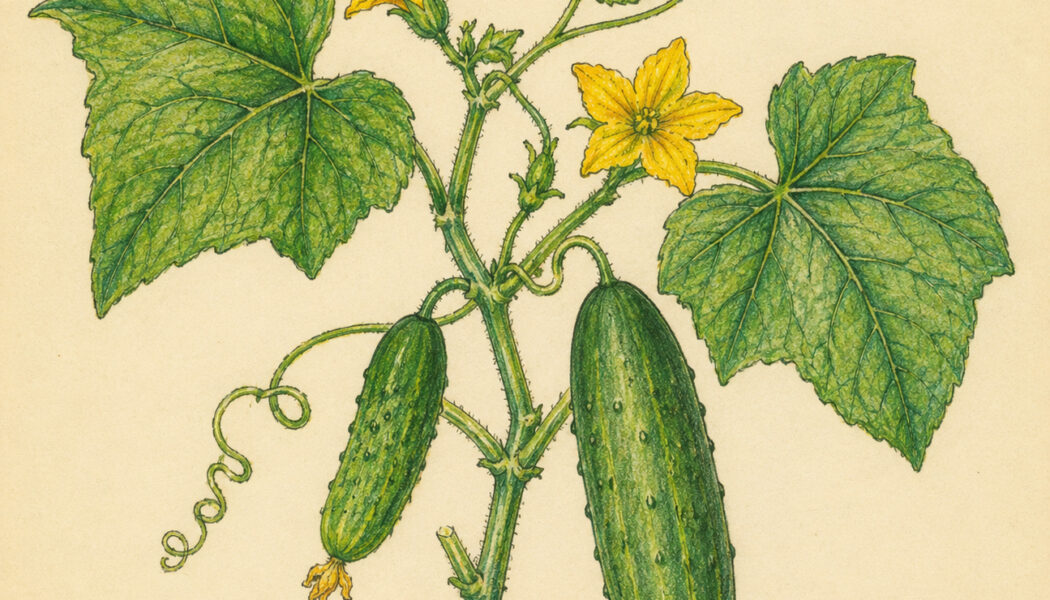

Cucumber and Its Place in Witchcraft
The cucumber (Cucumis sativus) is a widely cultivated plant known for its refreshing fruit and high water content. Native to South Asia, it has been grown for thousands of years and is valued in cuisi...
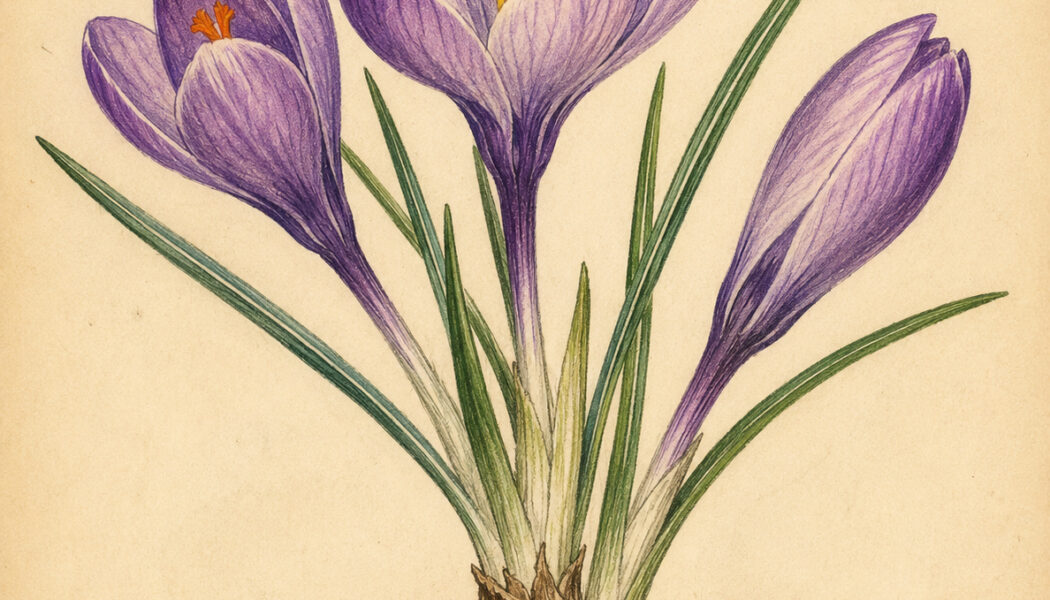

Crocus and Its Place in Witchcraft
The crocus is a delicate flowering plant that has captivated people for centuries with its vibrant colors and early spring blooms. Belonging to the iris family, crocuses are among the first flowers to...
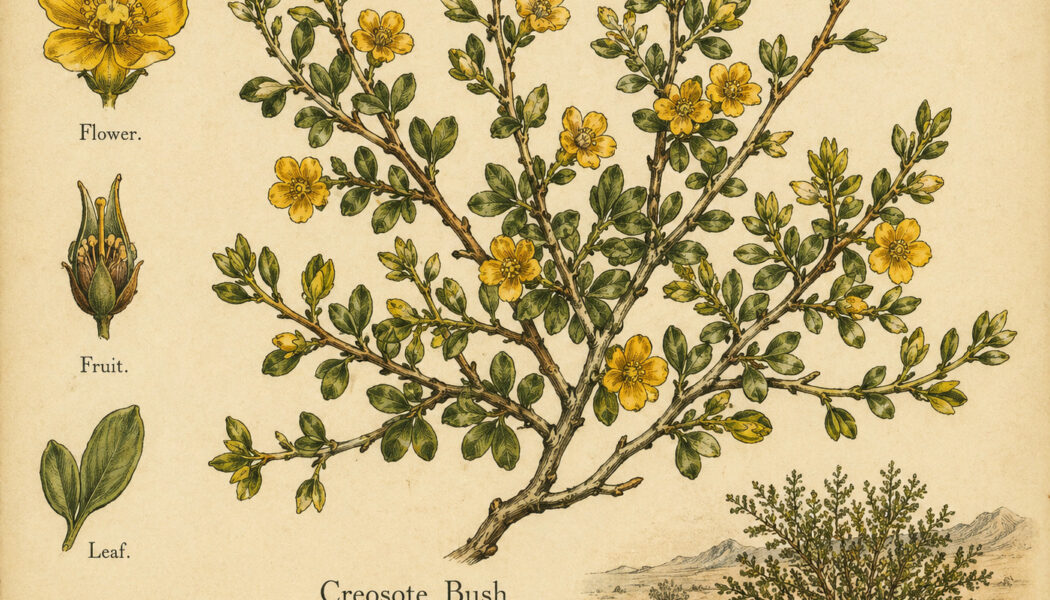

Creosote and Its Place in Witchcraft
Creosote (Larrea tridentata), commonly known as the creosote bush, is one of the most iconic plants of the deserts of the southwestern United States and northern Mexico. Recognizable by its small waxy...
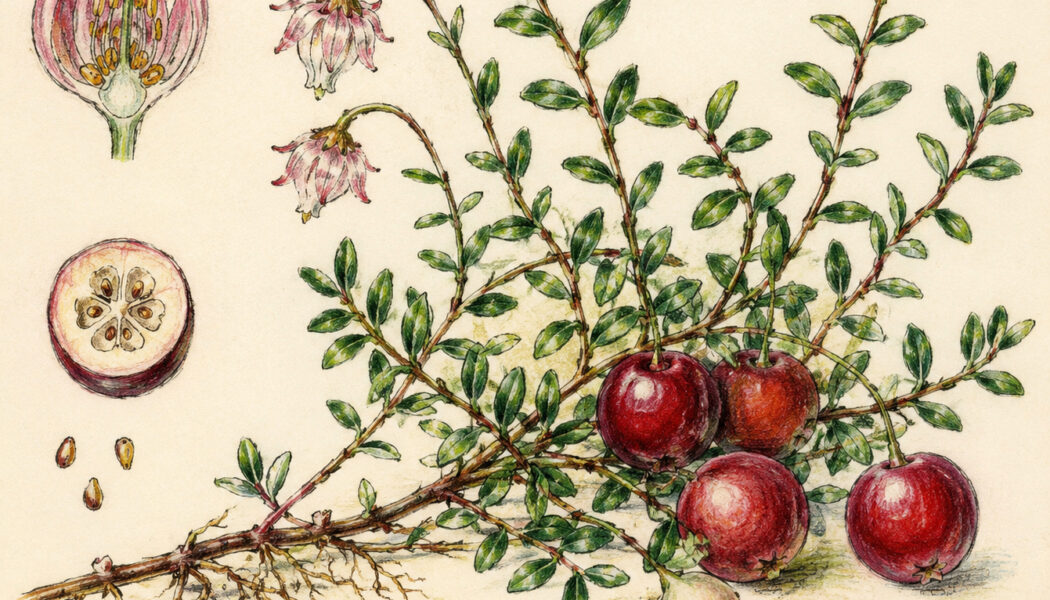

Cranberry and Its Place in Witchcraft
The cranberry (Vaccinium macrocarpon) is a small, tart red berry native to North America. Known for its medicinal properties, nutritional value, and vibrant color, the cranberry has also found a place...
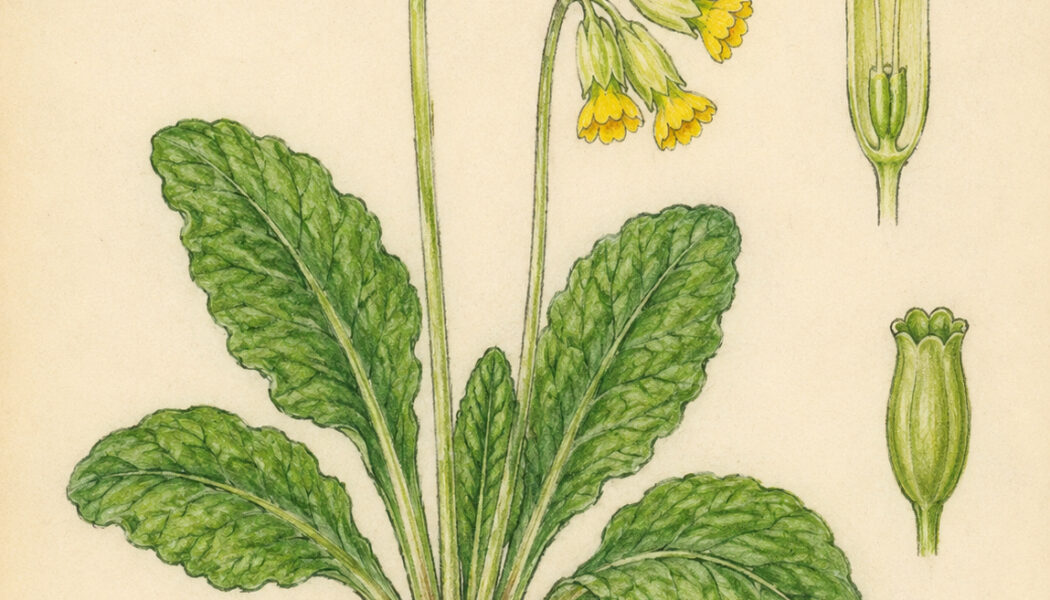

Cowslip and Its Place in Witchcraft
The cowslip (Primula veris) is a charming wildflower native to much of Europe and parts of Asia. Recognized by its clusters of drooping, golden-yellow flowers and sweet fragrance, it has long been ass...

Along the Wheel of Time: Sacred Stories for Nature Lovers by Judith Laxer
Judith Laxer’s Along the Wheel of Time: Sacred Stories for Nature Lovers is a thoughtful and inspiring collection that invites readers to reconnect with nature through storytelling, spirituality, and ...

Bonewits’s Essential Guide to Witchcraft and Wicca by Isaac Bonewits
Isaac Bonewits’s Bonewits’s Essential Guide to Witchcraft and Wicca is an insightful and accessible introduction to the complex world of modern Paganism, Witchcraft, and Wicca. Written by one of the m...
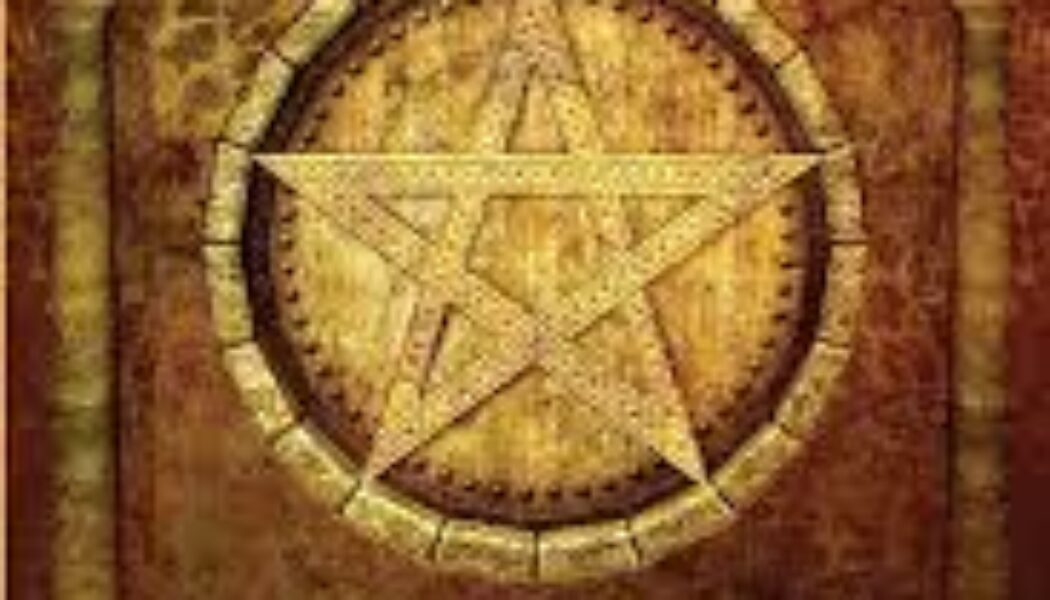

Essential Guide to Witchcraft and Wicca
Essential Guide to Witchcraft and Wicca is an informative and accessible introduction to the beliefs, practices, and history of modern witchcraft and Wicca. Written in a clear and engaging style, the ...
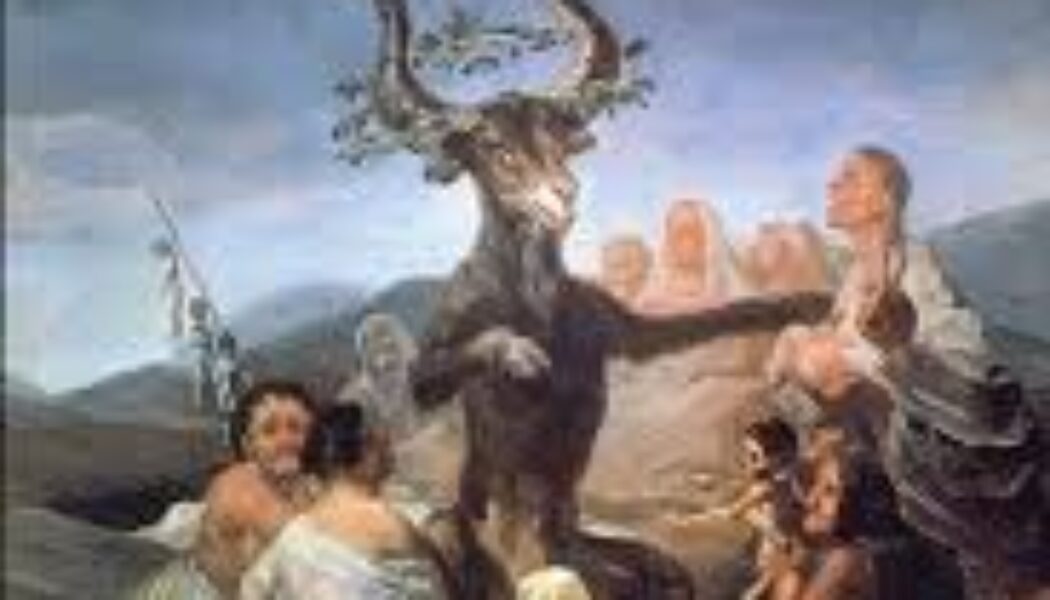

The Witch-Cult in Western Europe by Margaret Alice Murray
Published in 1921, The Witch-Cult in Western Europe by Margaret Alice Murray is one of the most influential and controversial works in the study of witchcraft and European religious history. In this b...
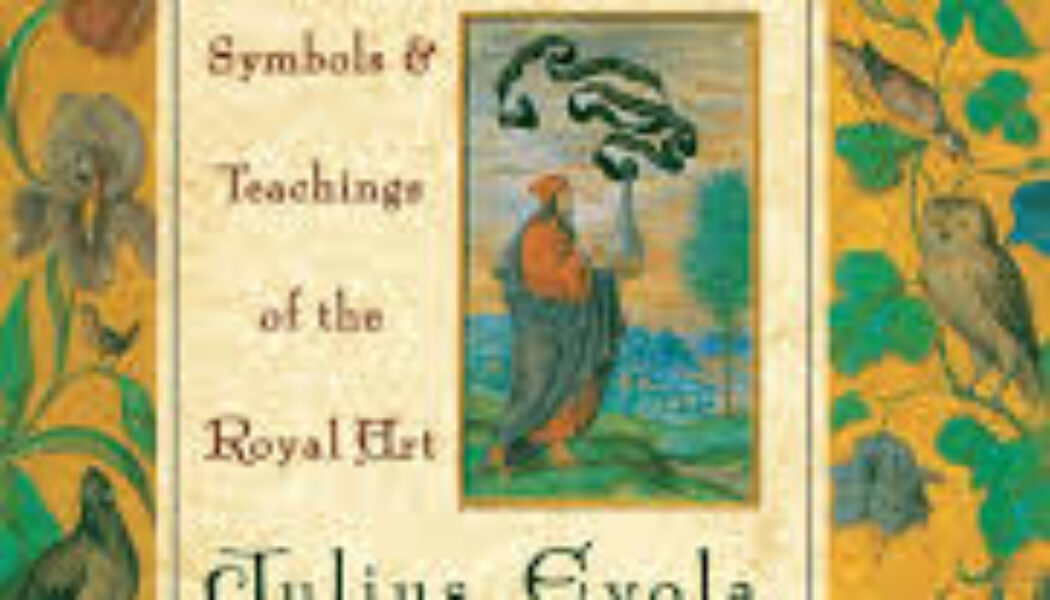

The Hermetic Tradition: Symbols and Teachings of the Royal Art by Julius Evola
The Hermetic Tradition: Symbols and Teachings of the Royal Art is one of Julius Evola’s most influential and intellectually demanding works. Originally published in 1931, the book explores the princip...


Circle of Nine: Beltany (Circle of Nine Series Book 1) by Valerie Biel
Circle of Nine: Beltany, the first installment in Valerie Biel’s young adult fantasy series, is an enchanting blend of Celtic mythology, coming-of-age drama, and magical adventure. The novel follows f...


Wandlore: A Guide for the Apprentice Wandmaker by K.P. Theodore
K.P. Theodore’s Wandlore: A Guide for the Apprentice Wandmaker is an engaging and informative exploration of the ancient craft of wandmaking. Rather than presenting wands as purely fictional objects p...
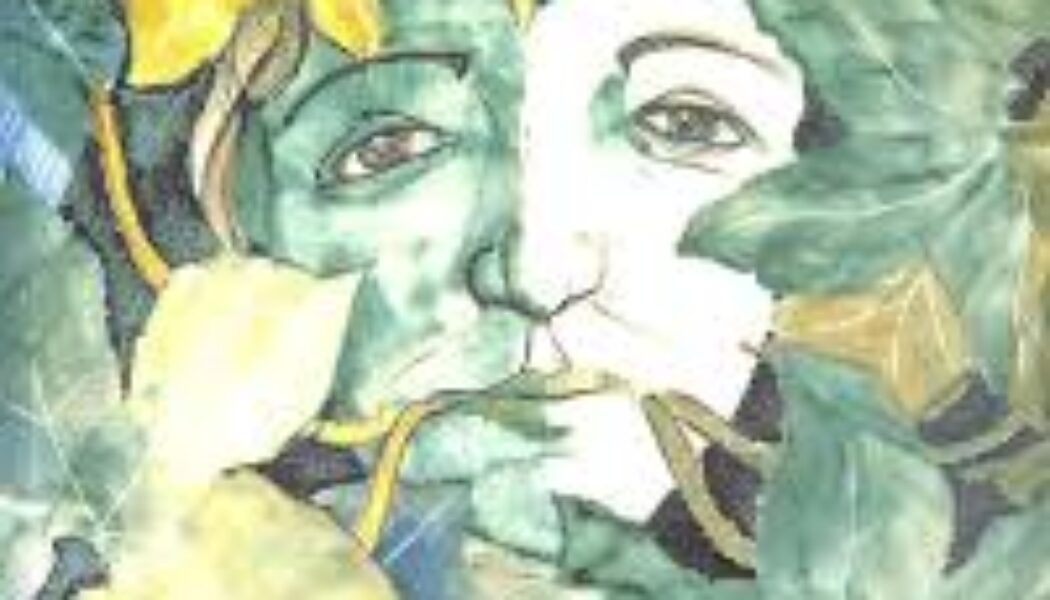

Green Man: The Archetype of Our Oneness with the Earth by William Anderson
William Anderson’s Green Man: The Archetype of Our Oneness with the Earth is a fascinating exploration of one of the most enduring symbols in mythology, folklore, and spirituality. The book examines t...

The Mindful Witch a daily journal
The Mindful Witch: A Daily Journal is a beautifully crafted guide that combines mindfulness, self-reflection, and modern witchcraft practices into a daily journaling experience. Designed for both begi...


The Book of the Moon: A Guide to Our Closest Neighbor by Maggie Aderin-Pocock
The Book of the Moon: A Guide to Our Closest Neighbor is an engaging and informative exploration of Earth’s only natural satellite, written by renowned space scientist and science communicator Maggie ...


Flight of the Goose by Lesley Thomas
Lesley Thomas’s Flight of the Goose: A Story of the Far North is a powerful and thought-provoking novel that combines romance, cultural exploration, environmental concerns, and spirituality within the...


Aradia or the Gospel of the Witches Paperback Charles Godfrey
Aradia, or the Gospel of the Witches is one of the most intriguing and controversial books in the study of folklore, witchcraft, and pagan traditions. First published in 1899 by Charles Godfrey Leland...


164Working Magic as Active Meditation
Meditation and magical practice share many of the same foundations. Both begin by guiding the mind into a calm, focused, and peaceful state. Before many magical exercises can be effective, it is impor...
163Receiving Guidance from the Universe
Many people believe that guidance is available to anyone willing to pause, listen, and remain open to new insights. The idea of receiving guidance from the Universe begins with the simple principle th...
162Setting Daily Goals Through Meditation
Meditation can be a valuable tool for planning and organizing the day ahead. When practiced in the morning, it provides an opportunity to begin the day with a calm, focused, and clear mindset. Rather ...
181Using Meditation to Gain Clarity and Resolve Challenges
Life often presents situations that require careful thought, whether it is making an important decision, solving a difficult problem, or navigating an unexpected challenge. While it is natural to seek...
160Empowering Yourself Through Meditation
Meditation can be much more than a practice of relaxation. It can also be a powerful tool for personal growth, self-development, and inner empowerment. By using meditation intentionally, it becomes po...
159Discovering Your Authentic Self
Many people spend time exploring their goals, dreams, and desires, but an even deeper question often remains unanswered: Who are you at your core? Self-discovery begins by creating a quiet space free ...
158Deciding What You Truly Want
Many people spend years pursuing goals without ever stopping to consider whether those goals reflect what they genuinely want. One of the most common obstacles to achieving meaningful success is a lac...
157Releasing Emotional Issues: Letting Go of What No Longer Serves You
Many people carry emotional burdens that quietly influence their thoughts, decisions, and behaviors. These may include unresolved feelings, past disappointments, emotional wounds, fears, limiting beli...
156The Benefits of Self-Conversation
Many people experience an ongoing flow of thoughts throughout the day. Rather than viewing this inner dialogue as something that needs to be silenced, it can be seen as a valuable source of insight an...
155Body Scanning: A Simple Path to Relaxation and Awareness
Body scanning is a popular meditation technique that helps develop greater awareness of the body while encouraging deep relaxation. It involves gently directing attention to different areas of the bod...
154Relaxation and Stress Relief Through Meditation
Modern life often brings a constant stream of responsibilities, worries, and distractions. Over time, these pressures can create mental fatigue, emotional tension, and physical stress. Meditation offe...
153Finding the Best Time to Meditate
One of the most important aspects of developing a meditation practice is setting aside regular time each day. While consistency can be helpful, there is no universal rule about the best time to medita...
152Finding a Meditation Practice That Works for You
Meditation is a highly personal practice, and there is no single method that works for everyone. The key to building a lasting meditation habit is discovering techniques that feel enjoyable, beneficia...
151Meditation: The Foundation of Personal Empowerment
Meditation is often described as one of the most valuable tools for personal growth, self-awareness, and mental focus. At its core, meditation is the practice of setting aside time to turn attention i...
150Enhancing Magical Confidence Through Visualization
Many magical traditions use visualization as a way to strengthen confidence, focus, and belief in personal abilities. One imaginative technique involves creating a symbolic representation of the self ...
Finding Lost Objects Through Visualization
Misplacing important items can be frustrating, especially when repeated searching fails to uncover them. A simple visualization exercise can help shift focus, reduce stress, and encourage a more effec...
149Reading Traffic Light Patterns
Traffic lights are an everyday part of modern life, controlled by systems that rely on timers, sensors, or programmed sequences to regulate the flow of vehicles. While some people explore unusual ways...
148Reading Information: Developing Intuitive Awareness
Many traditions teach that information can be accessed in ways that go beyond the five physical senses. Often referred to as second sight, intuitive perception, or inner awareness, this concept sugges...
147Projecting Energy: Using Focused Intention to Influence Atmospheres
Projecting energy is often described as the practice of directing focused intention toward a person, group, or environment with the aim of encouraging a desired outcome. While many people explore this...
146The Versatile Nature of Mind Magic
Mystery and wonder have fascinated people throughout history. From the workings of nature to the complexities of human thought, much of life can appear mysterious. The concept of Mind Magic is based o...
145Developing Greater Mobility, Agility, and Physical Ability
Physical skills such as flexibility, agility, balance, coordination, and overall mobility can often be improved through focused mental practice as well as physical training. This visualization exercis...
144Creating a Positive Self-Image Through Visualization
Visualization can be used as a personal development exercise to explore desired changes in appearance, confidence, posture, or overall self-image. Rather than focusing only on physical features, this ...
143Reconnecting with a More Youthful Self
Many people are familiar with the idea that the human body is constantly renewing itself. Over time, cells are replaced, tissues repair themselves, and the body continually adapts to its environment. ...
142Becoming Thinner Through Positive Visualization
Many approaches to weight management focus on the idea of “losing weight,” a phrase that can sometimes create feelings of frustration or remind people of past struggles. An alternative per...
141Understanding Body Image and Personal Transformation
The human body is a remarkable and complex creation, capable of incredible resilience, adaptation, and growth. Yet many people struggle with how they perceive their appearance. Body image is often sha...
140Creating Symbolic Links for Protection and Connection
A common technique in symbolic and visualization-based practices is the creation of a mental link between two people, two objects, or a person and an object. The purpose of this exercise is to strengt...
139Protecting Valued Objects with an Energetic Shield
Object shielding is a simple protective practice designed to focus intention and energy around a valued possession. Many people find it easier to work with objects than with people because objects gen...