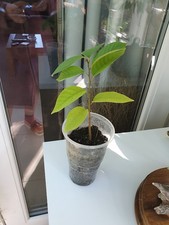
The custard apple (Annona squamosa) is a small tropical fruit-bearing tree native to the Americas and now cultivated throughout Asia, Africa, and other warm regions of the world. Known for its green, scaly skin and creamy, sweet flesh, the custard apple has been valued for centuries as both a food source and a medicinal plant. The tree typically grows between 3 and 8 meters tall and produces fragrant flowers that develop into round fruits filled with soft, custard-like pulp and dark seeds.
Traditionally, different parts of the custard apple tree have been used in folk medicine. Its leaves, bark, roots, and fruit have been employed in remedies for digestive complaints, skin conditions, and fevers. Because of its nourishing fruit and abundant growth, the custard apple has often been associated with fertility, prosperity, and the generosity of nature.
In pagan traditions, fruit-bearing trees frequently symbolize abundance, renewal, and the life-giving power of the Earth. While the custard apple does not have the extensive European folklore of trees such as oak or apple, modern pagans may view it as a symbol of sweetness, nourishment, and the rewards of patience. The tree’s ability to flourish in warm climates and produce plentiful fruit can represent personal growth, resilience, and the manifestation of goals.
In contemporary witchcraft, practitioners often assign magical correspondences based on a plant’s appearance, traditional uses, and symbolic qualities. Custard apple may be incorporated into spells or rituals focused on prosperity, fertility, happiness, and attracting positive energy. The fruit itself can be used in offerings to nature spirits, deities associated with abundance, or during seasonal celebrations that honor the harvest.
The fragrant flowers and lush green leaves may also be included in altar decorations or ritual work connected to growth and healing. As with many magical plant uses, these associations are largely part of modern folk practice rather than ancient documented traditions.
Today, the custard apple remains appreciated not only for its delicious fruit but also for the symbolism it inspires. In pagan and witchcraft traditions, it serves as a reminder of nature’s generosity, the importance of nurturing growth, and the sweet rewards that can come from patience and care.