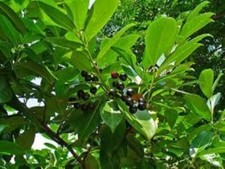
Cherry Laurel (Prunus laurocerasus) is an evergreen shrub known for its glossy leaves, fragrant white flowers, and dark berries. Native to regions around the Black Sea and widely cultivated throughout Europe, it has long been valued for its beauty, resilience, and ability to create protective hedges. In pagan and witchcraft traditions, Cherry Laurel is often associated with protection, boundaries, and the mysteries of life and death.
The evergreen nature of Cherry Laurel gives it symbolic significance in many nature-based spiritual paths. Because it remains green throughout the year, it is viewed as a symbol of endurance, continuity, and the persistence of life during the dark months of winter. Pagans often see evergreen plants as reminders of the eternal cycle of nature, representing rebirth and renewal even when the landscape appears dormant.
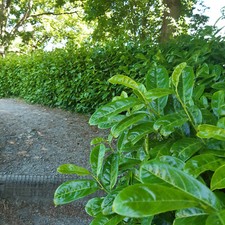
In magical practice, Cherry Laurel is primarily linked to protective workings. Traditionally planted around homes and sacred spaces, its dense growth creates a natural barrier, both physically and symbolically. Witches may incorporate its leaves into protective charms, boundary spells, or rituals intended to shield a person or place from harmful influences. The shrub’s strong, enclosing form reinforces its reputation as a guardian plant.
Cherry Laurel also carries an air of mystery because all parts of the plant contain compounds that can be toxic if ingested. This dual nature—beautiful yet dangerous—has led some practitioners to associate it with hidden knowledge, caution, and the liminal spaces between life and death. In this sense, it serves as a reminder that power often comes with responsibility and respect.
The plant’s white blossoms, which appear in spring, can symbolize purification and spiritual awakening. These flowers emerge from the dark green foliage, representing light emerging from shadow, a theme common in many pagan beliefs and seasonal celebrations.
While Cherry Laurel is not among the most commonly referenced magical herbs, its symbolism of protection, resilience, and hidden wisdom has earned it a place in modern witchcraft. As with all toxic plants, it should be handled carefully and never consumed. Instead, its spiritual value lies in its symbolism, presence, and enduring connection to the protective forces of nature.



![[x10] Cherry Laurel | Evergreen Hedging | Fast Growing |](https://i.ebayimg.com/images/g/B-cAAeSw8FxoXlws/s-l225.jpg)