Carob, a tree native to the Mediterranean region, has long been valued for both its practical uses and its mystical associations. Known scientifically as Ceratonia siliqua, the carob tree produces dark brown pods that have been used for food, medicine, and trade for thousands of years. In folklore and witchcraft traditions, carob is often linked with prosperity, endurance, grounding, and protection.
The carob tree itself is remarkably resilient. It thrives in dry climates, survives harsh conditions, and can live for many decades. Because of this strength, many magical traditions view carob as a symbol of perseverance and stability. Practitioners of folk magic sometimes carry pieces of carob pod or wood in charm bags to encourage endurance during difficult times or to maintain emotional balance.
Carob also has strong associations with abundance and wealth. Historically, the seeds of the carob pod were used as a standard measure of weight because of their unusually consistent size. This practice eventually gave rise to the term “carat,” used today to measure gemstones and gold. In magical symbolism, this connection made carob a favored ingredient in prosperity spells and rituals intended to attract financial success or secure business ventures.
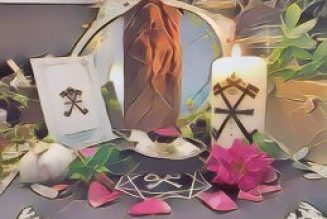
In witchcraft, carob may be burned as incense, added to herbal blends, or placed on altars dedicated to earth-centered deities and spirits of fertility. Some modern witches use carob powder as a substitute for chocolate in ritual foods, believing it carries calming and nurturing energies without the stimulating qualities of cacao. Its earthy scent and flavor are thought to encourage grounding, meditation, and inner peace.
Carob wood and leaves are also occasionally used in protective magic. Branches may be hung near doorways or incorporated into protective charms to ward off negativity and encourage harmony within the home. Because the tree remains green and productive even in difficult environments, it is considered a powerful emblem of survival and quiet strength.
Today, carob continues to hold a place in modern pagan and witchcraft practices, where it is appreciated not only for its historical significance but also for the enduring symbolism of resilience, prosperity, and protection.