We would like to disclose that this website may contain affiliate links. This means that if you click on a product link and make a purchase, we may earn a commission. As an Amazon & eBay Partner Network Associate, we earn from qualifying purchases.
Gerald Gardner (1884–1964) is widely regarded as the father of modern witchcraft and played a crucial role in the revival of Paganism during the twentieth century. His work helped bring witchcraft out of secrecy and into public awareness, laying the foundations for what is now known as Wicca, one of the world’s most influential modern Pagan religions.
Gardner claimed that he had been initiated into a surviving witch cult in England in 1939. Inspired by these experiences, he began collecting and preserving rituals, beliefs, and practices that he believed represented ancient Pagan traditions. At a time when witchcraft was often misunderstood and associated with superstition or evil, Gardner sought to present it as a legitimate spiritual path centred on nature, personal responsibility, and reverence for both the divine feminine and masculine.
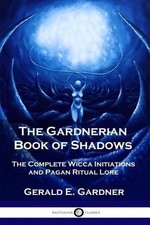
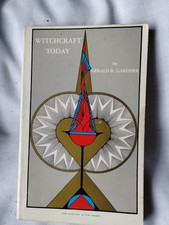
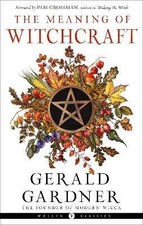
One of Gardner’s most significant achievements was the publication of books such as Witchcraft Today (1954) and The Meaning of Witchcraft (1959). These works introduced the public to modern witchcraft and challenged negative stereotypes. By writing openly about the subject, Gardner encouraged greater acceptance and sparked interest in Pagan spirituality across Britain and beyond.
Gardner also developed many of the rituals and practices that became the basis of Gardnerian Wicca, the earliest formal tradition of Wicca. His teachings emphasised seasonal festivals, known as Sabbats, as well as magical practices, ritual worship, and a deep connection with the natural world. Through his covens and students, these traditions spread internationally and inspired numerous other Pagan and witchcraft traditions.
Although some historians debate Gardner’s claims about the ancient origins of witchcraft, there is little doubt about his influence. His efforts helped create a modern Pagan movement that now includes millions of followers worldwide. Many contemporary Wiccans and Pagans continue to draw inspiration from his teachings, rituals, and vision of a nature-based spirituality.
In conclusion, Gerald Gardner’s greatest contribution was transforming witchcraft from a hidden and often feared practice into a recognised modern religion. Through his writings, teachings, and organisational efforts, he helped establish the foundations of contemporary Paganism and ensured its continued growth and development.