We would like to disclose that this website may contain affiliate links. This means that if you click on a product link and make a purchase, we may earn a commission. As an Amazon & eBay Partner Network Associate, we earn from qualifying purchases.
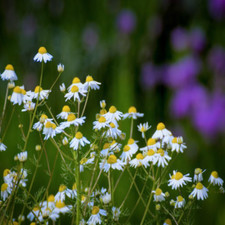
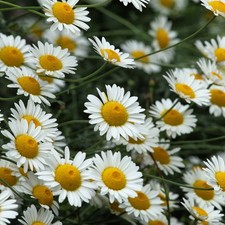
Chamomile is a delicate flowering plant best known for its calming scent and healing properties. Belonging to the daisy family, chamomile has been used for centuries in medicine, spiritual rituals, and magical practices. Ancient Egyptians dedicated the herb to the sun god Ra because they believed it held powerful healing energy. Today, chamomile remains one of the most respected herbs in both herbal medicine and witchcraft traditions.
In witchcraft, chamomile is strongly associated with peace, purification, luck, and prosperity. Many practitioners use the herb in spells meant to calm emotions, encourage restful sleep, or remove negative energy from a space. Chamomile tea is often consumed before meditation or divination because it is believed to relax the mind and strengthen spiritual awareness. The herb is also burned as incense or added to ritual baths to cleanse the body and spirit.
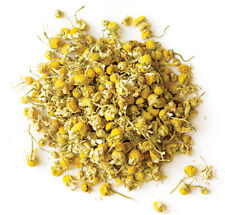
One of chamomile’s most famous magical uses is attracting luck and money. Folk magic traditions claim that washing the hands in chamomile-infused water before gambling or business dealings increases success and prosperity. Some witches carry dried chamomile flowers in charm bags or sprinkle them around the home to invite abundance and positive energy.
Chamomile is also connected with protection magic. In many traditions, it is placed near doors and windows to guard against harmful influences or spiritual negativity. Because of its soothing nature, the herb is often included in healing spells and emotional recovery rituals. It is considered especially helpful for easing grief, anxiety, and stress.
The gentle appearance of chamomile reflects its magical symbolism. Although small and fragile-looking, the plant is resilient and spreads easily, representing quiet strength and endurance. Its bright yellow center and white petals are linked to sunlight, purity, and hope.
Whether used in teas, charms, incense, or rituals, chamomile continues to hold an important place in witchcraft. Its long history as both a healing herb and a magical plant shows how deeply nature and spirituality have been connected throughout human history.