We would like to disclose that this website may contain affiliate links. This means that if you click on a product link and make a purchase, we may earn a commission. As an Amazon & eBay Partner Network Associate, we earn from qualifying purchases.
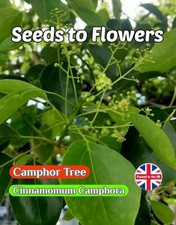
Camphor is a strong-smelling white substance taken from the wood of the camphor tree, most commonly the species Cinnamomum camphora. For centuries, it has been valued in medicine, religion, and spiritual practices across many cultures. In witchcraft and folk magic, camphor is especially respected for its cleansing, protective, and spiritual qualities.
The sharp scent of camphor is believed to drive away negative energy and harmful spirits. Because of this, witches and spiritual practitioners often burn camphor during rituals to purify a space before spellwork begins. The smoke is thought to remove emotional heaviness, spiritual pollution, and unwanted influences. In some traditions, small pieces of camphor are placed on charcoal and allowed to smolder while prayers or incantations are spoken.
Protection magic is one of camphor’s most common uses. It may be carried in charm bags, placed near doorways, or added to ritual oils intended to guard the home from evil or bad luck. Some practitioners believe camphor creates a barrier that prevents psychic attack and wards off curses. Because of its intense scent and fiery nature when burned, it is also associated with strength, courage, and purification by fire.
Camphor has connections to spiritual awakening and divination as well. In certain magical traditions, its aroma is used to sharpen the mind and improve concentration during meditation or spellcasting. Some witches burn camphor before tarot readings or spirit communication in order to heighten intuition and create a clearer spiritual atmosphere.
In hoodoo and folk practices, camphor is sometimes included in floor washes, spiritual baths, and cleansing powders. These are used to remove crossed conditions, bad luck, or lingering negativity from people and places. Its role in magical cleansing has made it one of the most enduring botanical ingredients in occult traditions.
Although camphor remains popular in spiritual work today, it must be handled carefully. Pure camphor can be toxic if swallowed in large amounts, so modern practitioners use it with caution while respecting its long history in magical and religious traditions.