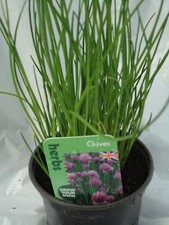
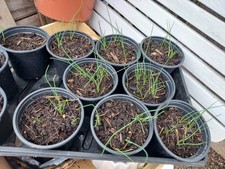
Chive, a small herb from the onion family, has long held a valued place in both cooking and folklore. Known scientifically as Allium schoenoprasum, chives are recognized by their thin green stalks and delicate purple flowers. While often used to flavor soups, potatoes, and salads, chives also carry a rich history of magical and spiritual symbolism in witchcraft traditions.
In European folklore, chives were believed to offer protection against evil spirits and harmful influences. Many households planted them near doors or windows to guard against negativity and illness. Because chives belong to the allium family, alongside garlic and onions, they were associated with purification and defense. Ancient herbalists believed the strong scent of these plants could repel unwanted energies in the same way they repelled insects.
Within modern witchcraft and pagan practices, chives are commonly linked with healing, prosperity, and emotional strength. Green herbs are often associated with growth and abundance, and chives are no exception. Some practitioners use chives in kitchen magic, where cooking becomes a form of spellwork. Adding chives to meals may symbolize inviting health, protection, and positive energy into the home.
Chives are also connected to balance and communication. Their tall, upright leaves are thought to represent clarity and openness, making them useful in rituals involving truth, friendship, or reconciliation. In some traditions, dried chives are placed in sachets or charm bags to encourage luck and ward off gossip or jealousy.
The flowers of the chive plant carry their own symbolism. Their soft purple color is often tied to spirituality, wisdom, and intuition. Some witches use the blossoms in altar decorations or seasonal celebrations during spring and summer, honoring nature’s renewal and the earth’s fertility.
Although modern science does not support magical claims, the spiritual use of chives continues as part of cultural traditions and personal belief systems. Today, the plant remains a meaningful symbol of protection, vitality, and harmony, blending practical herbal use with centuries of mystical tradition.