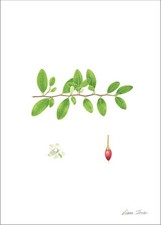
The coca plant (Erythroxylum coca) is a sacred shrub native to the Andes Mountains of South America. For thousands of years, Indigenous peoples in regions such as Peru, Bolivia, Colombia, and Ecuador have cultivated and revered coca for its spiritual, medicinal, and cultural significance. While modern discussions often focus on coca as the source of cocaine, the traditional plant itself occupies a very different role—one deeply rooted in sacred practices and folk spirituality.
In Indigenous Andean belief systems, coca is considered a gift from the spirits and the Earth. Its leaves are commonly offered to Pachamama, the revered Earth Mother, as a sign of gratitude and respect. During rituals, ceremonies, and divination practices, coca leaves may be scattered upon the ground, burned as offerings, or carefully read by spiritual practitioners to gain insight into the future or guidance from the spirit world.
From a pagan perspective, coca can be viewed as a plant ally associated with healing, communication with spirits, and maintaining harmony between humanity and nature. Modern pagans who study ethnobotanical traditions often admire coca’s role as a sacred plant of reciprocity and balance. Its connection to mountain spirits, ancestors, and the land itself reflects themes common in many nature-based spiritual paths.
In witchcraft, particularly traditions influenced by folk magic and plant lore, coca may be regarded as a magical herb linked to protection, endurance, and spiritual awareness. Some practitioners symbolically associate coca leaves with offerings, blessings, and rituals designed to strengthen one’s connection to the natural world. Because authentic coca leaves are regulated or restricted in many countries, modern witches often honor the plant through study, meditation, or symbolic representations rather than direct use.
It is important to distinguish traditional spiritual uses of coca from the industrial production of cocaine. Indigenous communities have long emphasized that the sacred plant and its ceremonial role should not be confused with the processed drug derived from it.
Today, coca remains a powerful symbol of cultural identity, resilience, and spiritual connection for many Andean peoples. Its place in pagan and witchcraft discussions highlights a broader respect for sacred plants and the enduring relationship between humans, nature, and the divine.







![Coca-Cola Classic/Diet [HuskyLite] HERB Group Soda Bottle CRATE CASE Vtg](https://i.ebayimg.com/images/g/ZLsAAOSwFT9fjt2j/s-l225.jpg)