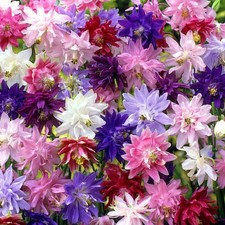
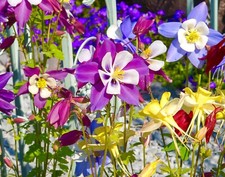
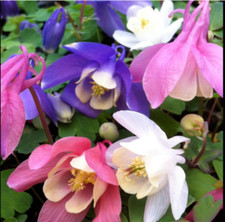
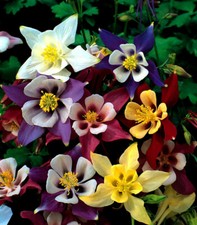
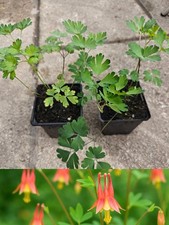
Columbine (Aquilegia) is a graceful flowering plant known for its delicate, bell-shaped blooms and distinctive spurred petals. Found in a variety of colors including purple, blue, pink, white, and yellow, columbine has long been admired for its beauty and symbolism. While it is widely appreciated in gardens and wildflower meadows, it also holds a special place within certain Pagan and witchcraft traditions.
In folklore, columbine is associated with transformation, courage, and spiritual growth. Its unique flower shape has inspired many symbolic interpretations throughout history. Some traditions viewed the blossom as a bridge between the earthly and spiritual realms, making it a suitable flower for meditation, divination, and magical workings focused on intuition and inner wisdom.
Within modern Paganism, columbine is often linked to the energies of the air element due to its light, delicate appearance and the way its flowers seem to dance in the breeze. Practitioners may include the blossoms in seasonal celebrations, particularly those honoring spring and the renewal of life. The plant’s vibrant colors and ability to attract pollinators such as bees, butterflies, and hummingbirds further connect it to themes of fertility, abundance, and the interconnectedness of nature.
In witchcraft, columbine is sometimes used in spellwork relating to love, courage, and personal empowerment. Dried flowers may be added to sachets, charm bags, or altar decorations to symbolize faith, hope, and the pursuit of higher understanding. Some witches believe the plant’s energy can encourage confidence when facing challenges or embarking on a new spiritual path.
Historically, herbal folklore occasionally attributed protective properties to columbine, though it was used more often as a symbolic plant than as a major magical herb. Modern practitioners generally value it for its spiritual associations rather than practical magical applications. It is important to note that parts of the plant can be toxic if ingested, so it should be handled with care and never consumed without expert knowledge.
Today, columbine remains a cherished flower among many Pagans and witches, admired for its elegance, symbolism, and connection to the cycles of nature. Its presence in gardens and sacred spaces serves as a reminder of growth, inspiration, and the enduring beauty of the natural world.