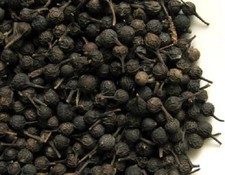
Cubeb (Piper cubeba), sometimes called tailed pepper or Java pepper, is a climbing plant native to Indonesia and other parts of Southeast Asia. Its small, dark berries resemble black peppercorns but are distinguished by a tiny stalk or “tail” attached to each fruit. Historically, cubeb was valued as both a culinary spice and a medicinal herb, traded across Asia, the Middle East, and Europe for centuries. Its warm, slightly bitter flavor and aromatic scent made it a prized ingredient in foods, remedies, and incense blends.
In pagan traditions and modern witchcraft, cubeb is often associated with protection, purification, and spiritual enhancement. Many practitioners believe that its strong fragrance and fiery nature help clear away unwanted energies and create a sacred atmosphere for magical work. Because of these qualities, cubeb is frequently burned as incense during rituals, meditations, and spellcasting.
Cubeb is commonly linked to the element of Fire, representing transformation, energy, courage, and personal power. Some magical practitioners use it in spells designed to strengthen determination, increase confidence, or encourage positive change. It may also be added to charm bags, sachets, or ritual blends intended to ward off negativity and promote spiritual protection.
Another traditional magical use of cubeb involves love and attraction workings. Its warming qualities are believed to stimulate passion and emotional connection. For this reason, it is sometimes included in love charms, incense mixtures, or candle magic focused on relationships and affection. At the same time, many witches view cubeb as a balancing herb that helps maintain healthy boundaries while encouraging meaningful connections.
In contemporary paganism, cubeb remains a popular ingredient for incense crafting and herbal magic. While its spiritual uses are based on folklore, tradition, and personal belief rather than scientific evidence, it continues to hold an important place in many magical practices. Its rich history, distinctive aroma, and symbolic associations with protection, empowerment, and transformation make cubeb a fascinating herb for those interested in the study of pagan and witchcraft traditions.