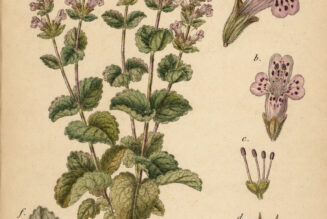
Foamflower (Tiarella cordifolia) is a charming woodland perennial native to eastern North America. It is admired for its delicate spikes of tiny white or pale pink flowers, which resemble soft foam rising above its lush, heart-shaped leaves. Blooming in spring, Foamflower thrives in cool, shaded forests where it spreads slowly to form beautiful ground cover. Its gentle appearance and ability to flourish in quiet woodland settings have made it a symbol of peace, renewal, and the hidden beauty of nature.
Although Foamflower does not have a large body of documented folklore compared to plants such as oak, mugwort, or yarrow, many modern pagans and witches appreciate it for the symbolic qualities it represents. Contemporary magical practices often assign meaning to plants based on their natural characteristics, seasonal growth, and traditional associations with the landscape.
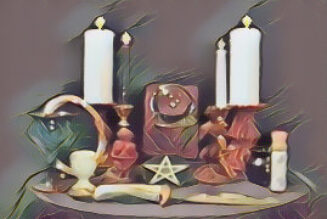
In pagan traditions that honor the changing seasons, Foamflower is connected with spring and the awakening of the earth after winter. Its blossoms appear as forests begin to come alive, making it a fitting symbol of rebirth, hope, and fresh beginnings. It can be included in seasonal altars celebrating spring festivals or used to decorate sacred spaces dedicated to nature spirits and woodland deities.
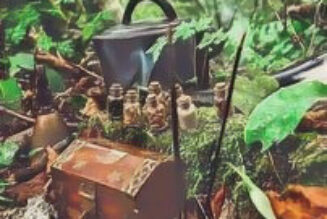
In modern witchcraft, Foamflower is commonly associated with gentle, nurturing energy rather than forceful or protective magic. Some practitioners use its flowers and leaves in spells or rituals focused on emotional healing, inner peace, harmony, and personal growth. Because it naturally spreads across the forest floor, it may also symbolize connection, community, and the quiet strength found in steady growth.
Foamflower can be placed on an altar, added to nature-inspired wreaths, or respectfully gathered for meditation and reflection. Many practitioners prefer to leave wild plants undisturbed, offering gratitude instead of harvesting them. If used in magical work, cultivated Foamflower is often considered the more environmentally responsible choice.
While there are few historical records linking Foamflower directly to ancient pagan rituals or traditional folk magic, it has found a meaningful place in modern nature-based spirituality. Its delicate flowers and resilient woodland nature remind practitioners that lasting growth often begins quietly, beneath the shelter of the forest canopy.