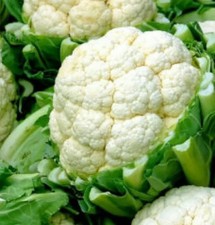
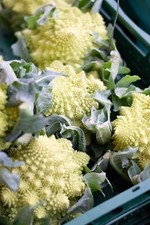
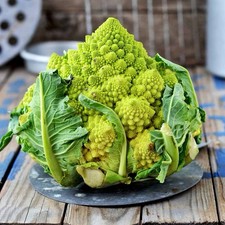
Cauliflower (Brassica oleracea var. botrytis) is a nutritious vegetable belonging to the cabbage family. Known for its dense white head, often called a “curd,” cauliflower has been cultivated for centuries and valued for both its culinary and medicinal properties. While it does not possess the extensive folklore associated with herbs such as sage, rosemary, or mugwort, cauliflower still holds symbolic significance within some modern Pagan and witchcraft traditions.
In Pagan symbolism, cauliflower is associated with abundance, growth, and transformation. Its tightly packed florets form intricate patterns that reflect the sacred geometry often found in nature. Many Pagans view these natural patterns as reminders of the interconnectedness of all life and the divine order present in the natural world. The vegetable’s ability to grow from a small seed into a large, complex plant also makes it a symbol of personal development and spiritual evolution.
Cauliflower’s connection to the Earth element is particularly strong. As a hardy garden crop that thrives in fertile soil, it is often used in seasonal celebrations honoring the harvest. During autumn festivals such as Mabon, a Pagan sabbat celebrating the second harvest, cauliflower may be included in feasts as a representation of gratitude, prosperity, and the bounty of the land.
In modern witchcraft practices, cauliflower can be incorporated into kitchen witchery, where everyday foods are imbued with magical intention. A meal prepared with cauliflower may be used in spells focused on health, protection, grounding, or abundance. Some practitioners believe that consuming vegetables grown close to the earth helps strengthen one’s connection to nature and promotes balance and stability.
The white color of traditional cauliflower also carries symbolic meaning. In many magical systems, white is associated with purification, clarity, healing, and spiritual protection. As a result, cauliflower may be included in ritual meals or offerings intended to cleanse negative energies and invite peace into the home.
Although cauliflower is not among the most prominent magical plants in folklore, its associations with growth, nourishment, abundance, and purification have earned it a modest but meaningful place within contemporary Pagan and witchcraft traditions.