We would like to disclose that this website may contain affiliate links. This means that if you click on a product link and make a purchase, we may earn a commission. As an Amazon & eBay Partner Network Associate, we earn from qualifying purchases.
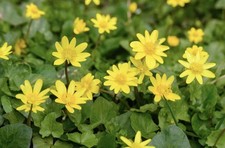
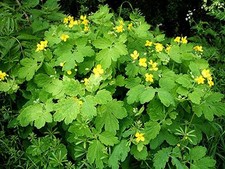
Celandine is a bright and cheerful wildflower that has long held a place in folklore, pagan traditions, and witchcraft. The name “celandine” is commonly applied to two plants: Greater Celandine (Chelidonium majus) and Lesser Celandine (Ficaria verna). In magical practice, however, Lesser Celandine is often associated with springtime energy, renewal, and the return of the sun after winter.
Blooming with golden-yellow flowers in early spring, celandine has become a symbol of rebirth and hope. Its appearance marks the awakening of the earth, making it a sacred plant in many nature-based spiritual paths. For pagans who celebrate the Wheel of the Year, celandine is closely linked with the season of Ostara, the spring equinox festival that honours balance, fertility, and new beginnings.
In folk magic and traditional witchcraft, celandine is associated with solar energies due to its bright yellow blossoms. It is often used in spells and rituals intended to bring joy, confidence, prosperity, and personal growth. Some practitioners carry dried celandine or place it on an altar to attract positive energy and encourage success in new ventures. Its connection to sunlight also makes it a popular herb for workings focused on illumination, inspiration, and spiritual awakening.
Historically, celandine was believed to possess protective qualities. Folk traditions held that it could ward off negativity and help reveal hidden truths. Witches and herbalists sometimes included the plant in charms or sachets designed to strengthen intuition and enhance magical sight. In some traditions, the flower was also linked to fairies and nature spirits, making it a suitable offering when working with the energies of the natural world.
While celandine carries rich symbolic meaning, practitioners should remember that some varieties, particularly Greater Celandine, can be toxic if misused. Modern witches generally focus on its symbolic and ritual value rather than medicinal use unless guided by qualified herbal knowledge.
Today, celandine remains a beloved plant among pagans and witches, celebrated as a vibrant emblem of renewal, sunlight, protection, and the enduring magic of spring.