We would like to disclose that this website may contain affiliate links. This means that if you click on a product link and make a purchase, we may earn a commission. As an Amazon & eBay Partner Network Associate, we earn from qualifying purchases.
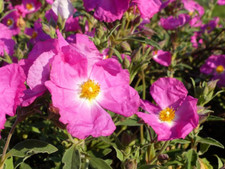
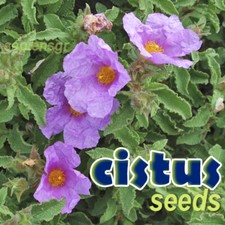
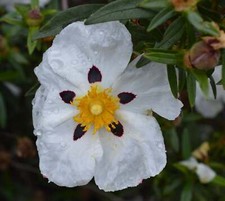
Cistus, commonly known as rockrose, is a flowering shrub native to the Mediterranean region. Recognized for its delicate pink or white blossoms and resinous leaves, the plant has long been valued in herbal traditions, perfumery, and spiritual practices. One of its most prized substances is labdanum, a fragrant resin extracted from the leaves and stems. Throughout history, Cistus has held a mystical reputation, making it an important plant in various forms of witchcraft and folk magic.
In magical traditions, Cistus is associated with purification, protection, and spiritual awareness. The resinous scent of labdanum is believed to heighten intuition and create a calming atmosphere during rituals and meditation. Many practitioners burn dried Cistus leaves or resin as incense to cleanse ritual spaces and invite peaceful energy. Its smoke is thought to strengthen psychic abilities and deepen spiritual focus, making it popular in divination and dream work.
Cistus is also linked to the element of fire because of its connection to the hot, dry Mediterranean climate where it thrives. In witchcraft, fire symbolism often represents transformation, courage, and personal strength. Because of this association, Cistus is sometimes used in spells designed to inspire confidence or encourage emotional healing after hardship.
Historically, the plant was considered sacred in ancient cultures. Labdanum was used in temples and religious ceremonies across Egypt and the Near East, where its sweet aroma symbolized holiness and divine connection. Modern witches and herbal practitioners continue to value Cistus for these spiritual associations, often including it in ritual oils, charm bags, and altar offerings.
Beyond its magical uses, Cistus also represents resilience. The plant flourishes in rocky, dry landscapes and is known for regenerating after wildfires. This natural endurance has given it symbolic meaning as a plant of survival and renewal. For many practitioners of witchcraft, Cistus serves as a reminder that growth and beauty can emerge even in difficult conditions, making it both a practical and deeply symbolic herb in spiritual practice.