We would like to disclose that this website may contain affiliate links. This means that if you click on a product link and make a purchase, we may earn a commission. As an Amazon & eBay Partner Network Associate, we earn from qualifying purchases.
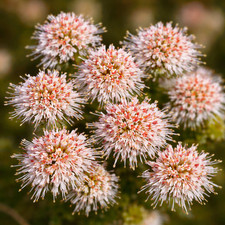
Buchu is a fragrant shrub native to the mountainous regions of South Africa, particularly the Western Cape. Belonging to the Rutaceae family, the plant has long been valued for both medicinal and spiritual purposes. Indigenous Khoisan peoples traditionally used buchu as a healing herb, applying it for stomach ailments, infections, and inflammation. Over time, its aromatic leaves became known not only for their medicinal value but also for their mystical associations within folk magic and modern witchcraft.
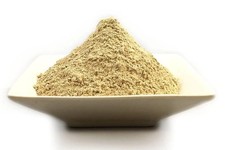
In magical traditions, buchu is strongly connected with purification, protection, and attraction. Because of its sharp, minty scent, practitioners often believe it clears away stagnant or negative energy. Dried buchu leaves are commonly burned as incense during cleansing rituals, especially before spellwork or divination. Some witches place the herb near doorways or windows to guard a home from harmful influences and unwanted spirits.
Buchu is also associated with prosperity and love magic. In some contemporary practices, the leaves are carried in charm bags or sprinkled around candles during abundance rituals. The herb’s pleasant aroma symbolizes attraction, making it useful in spells intended to draw romance, friendship, or positive opportunities. Certain practitioners steep buchu in ritual baths to encourage emotional healing and spiritual renewal.
Elementally, buchu is often linked with air because of its strong fragrance and cleansing qualities. Others associate it with water due to its soothing and restorative nature. Its planetary correspondence is sometimes connected to Venus, reflecting themes of harmony, beauty, and attraction.
Although buchu has a respected place in herbal magic, many practitioners emphasize the importance of cultural respect when using the plant. Since its roots lie in Indigenous South African traditions, ethical witches encourage learning about its history and sourcing it sustainably.
Today, buchu remains a fascinating example of how plants can bridge the worlds of healing and spirituality. Whether used medicinally, symbolically, or ritually, the herb continues to hold a meaningful role in modern witchcraft and herbal folklore around the world.