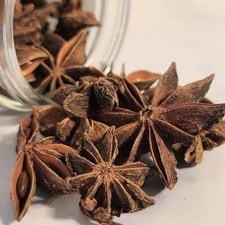
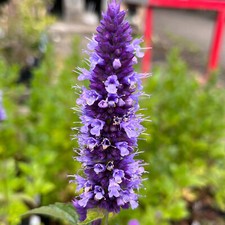
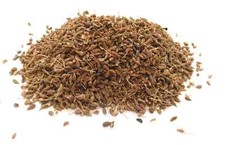
Anise, a fragrant herb known for its sweet licorice-like aroma, has long held a respected place in folklore, herbal medicine, and magical traditions. Derived from the plant Pimpinella anisum, anise seeds were valued in ancient civilizations such as Egypt, Greece, and Rome for both culinary and spiritual purposes. In witchcraft and folk magic, anise is often associated with protection, purification, divination, and spiritual awareness.
Throughout history, practitioners of magic believed that herbs carried unique energies, and anise was considered especially powerful due to its warm, uplifting scent. Many witches and healers burned anise seeds as incense during rituals to cleanse spaces of negative energy and invite peace and clarity. Its aroma was thought to strengthen psychic abilities and heighten intuition, making it useful in meditation and divination practices.
Anise also became a common ingredient in protective charms and sachets. Carried in small pouches or placed beneath pillows, the seeds were believed to ward off evil spirits, nightmares, and harmful intentions. Some traditions claimed that hanging bundles of anise near doors or windows could protect a household from curses or misfortune. Because of these associations, the herb earned a reputation as a guardian plant in many magical systems.
In love and prosperity spells, anise was sometimes added to candles, oils, or teas to attract harmony, luck, and emotional warmth. Its connection to the element of air and the planet Jupiter in certain occult traditions further linked it with expansion, wisdom, and spiritual growth.
Modern witchcraft continues to embrace anise as a versatile magical herb. Whether used in incense blends, spell jars, ritual baths, or herbal brews, anise remains valued for its calming and protective symbolism. Many contemporary practitioners appreciate it not only for its mystical reputation but also for the sense of comfort and focus it brings to spiritual work.
Although beliefs surrounding magical herbs vary across cultures and traditions, anise continues to hold an enduring place in witchcraft as a symbol of protection, intuition, and positive energy.