We would like to disclose that this website may contain affiliate links. This means that if you click on a product link and make a purchase, we may earn a commission. As an Amazon & eBay Partner Network Associate, we earn from qualifying purchases.
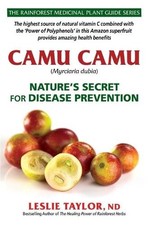
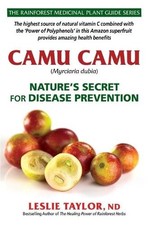
Camu camu (Myrciaria dubia) is a small shrub native to the flooded regions of the Amazon rainforest in Peru, Brazil, Colombia, and Venezuela. The plant is best known for its bright red-purple fruit, which contains one of the highest natural concentrations of vitamin C found in any fruit. While camu camu is primarily valued for its nutritional and medicinal benefits, it has also found a place in certain modern magical and spiritual practices.
In traditional Amazonian communities, many plants are regarded as possessing spiritual significance. Although camu camu does not have the extensive ceremonial history associated with sacred plants such as ayahuasca, it is respected as a gift of the rainforest and is often linked symbolically with vitality, healing, and resilience. These qualities have made it attractive to practitioners of contemporary witchcraft who incorporate botanical ingredients into their rituals.
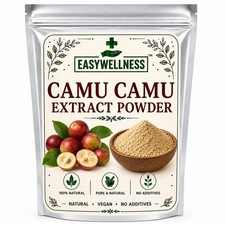
Within modern witchcraft, camu camu is commonly associated with health, purification, emotional renewal, and personal strength. Because of its remarkable vitamin C content and reputation as a powerful antioxidant, magical practitioners often view the fruit as a symbol of restoration and energetic cleansing. Dried camu camu powder may be added to spell jars, herbal blends, or ritual offerings intended to promote wellness and recovery.
Some witches use camu camu in rituals focused on self-care and personal empowerment. A small amount of the fruit or its powder may be placed on an altar dedicated to healing work, while others include it in herbal sachets designed to encourage vitality and positive energy. Its connection to the lush Amazon rainforest also links it symbolically to nature spirits, abundance, and the life-giving forces of water.
As with many plants used in modern magical traditions, the associations of camu camu are largely symbolic rather than historical. Different practitioners may assign different meanings based on personal experience, cultural influences, or spiritual beliefs. There is little evidence that camu camu played a central role in historical European witchcraft traditions.
Today, camu camu serves as an example of how contemporary witches blend botanical knowledge, symbolism, and personal intention, transforming a nutritious Amazonian fruit into a meaningful tool for healing, renewal, and spiritual connection.