We would like to disclose that this website may contain affiliate links. This means that if you click on a product link and make a purchase, we may earn a commission. As an Amazon & eBay Partner Network Associate, we earn from qualifying purchases.
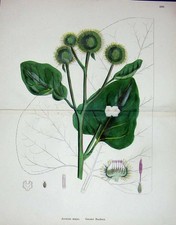
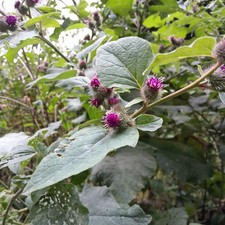
Burdock is a hardy plant recognized by its broad leaves and prickly burrs that cling stubbornly to clothing and animal fur. Found growing wild across Europe, Asia, and North America, burdock has long been valued in herbal medicine and folklore. In witchcraft and magical traditions, the plant is often associated with protection, purification, healing, and banishing negativity. Its deep roots and resilient nature symbolize endurance, grounding, and strength in difficult times.
Historically, burdock was used by herbal healers to cleanse the body and support healthy skin and circulation. These cleansing qualities naturally carried into magical practices. Many folk witches believed burdock could remove harmful energy, break curses, and protect against evil influences. Dried burdock root was commonly hung over doorways, carried in charm bags, or added to ritual baths to drive away negativity and restore balance.
The burrs of the plant also contributed to its magical symbolism. Because they cling tightly and are difficult to remove, some traditions viewed burdock as a plant of binding and attachment. In certain spells, it was used to strengthen commitments, maintain loyalty, or hold onto desired outcomes. However, practitioners were careful with such uses, as binding magic has long been considered serious and potentially risky.
Burdock also holds importance in nature-based spirituality because of its connection to the earth. Its long taproot reaches deeply into the soil, making it a symbol of grounding energy and stability. Many modern witches use burdock in rituals designed to reconnect with nature, regain emotional balance, or strengthen personal resilience during stressful periods.
Today, burdock remains a respected plant in both herbalism and contemporary witchcraft. Whether brewed into teas, used in incense blends, or placed upon altars, it continues to represent cleansing, protection, and perseverance. Its enduring presence in magical traditions demonstrates how ordinary wild plants can carry profound symbolic meaning and spiritual value across generations.