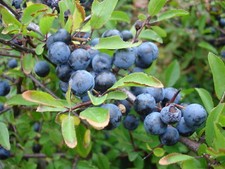
Blackthorn (Prunus spinosa) is a hardy, thorn-covered shrub native to Europe and parts of western Asia. Known for its dark bark, white spring blossoms, and deep purple sloes, the plant has long carried an air of mystery and protection in folklore and magical traditions. Growing thickly along hedgerows and woodland edges, blackthorn has historically formed natural barriers, and this defensive quality helped shape its symbolic importance in witchcraft.
In many pagan and folk traditions, blackthorn is associated with the darker half of the year, particularly Samhain, the ancient festival marking the transition into winter. The plant’s stark appearance in cold months, with sharp thorns standing against bare landscapes, linked it to death, endurance, and the hidden powers of the spirit world. Witches and cunning folk often viewed blackthorn as a tree of boundaries, both physical and spiritual, capable of guarding against evil forces or marking the threshold between worlds.
Blackthorn wood was traditionally used to make walking sticks and staffs, especially in Ireland and Scotland. In magical practice, these staffs were believed to offer protection, authority, and strength. However, blackthorn was approached with caution. Folklore warned that careless cutting of the tree could anger fairies or spirits believed to dwell within it. Because of its fierce thorns and associations with curses and conflict, blackthorn magic was often considered powerful but potentially dangerous.
The berries of the blackthorn, called sloes, also held significance. Beyond their culinary use in sloe gin and preserves, they were thought to possess protective and healing qualities. In some folk remedies, blackthorn was used to ward off illness or cleanse negative influences. The blossoms, arriving before the leaves in early spring, symbolized renewal emerging from hardship, giving the plant a dual nature of darkness and rebirth.
Today, blackthorn remains an important symbol in modern witchcraft and neopagan traditions. It represents protection, transformation, resilience, and the balance between destruction and renewal. Its enduring presence in folklore reflects humanity’s long fascination with the natural world and the hidden meanings found within it.