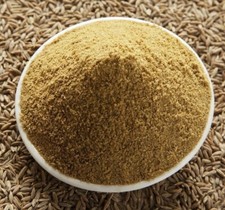
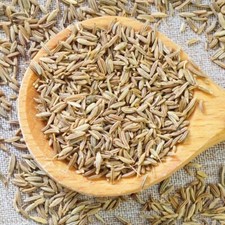
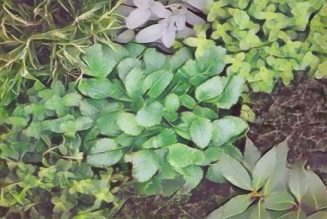
The cumin plant (Cuminum cyminum) is a flowering herb belonging to the parsley family, Apiaceae. Native to the eastern Mediterranean region and parts of South Asia, cumin is widely cultivated for its aromatic seeds, which are commonly used as a spice in cuisines around the world. The plant grows to about 30–50 centimeters in height and produces small white or pink flowers. Its seeds possess a warm, earthy flavor and have been valued for both culinary and medicinal purposes for thousands of years.
Beyond its practical uses, cumin has held an important place in folklore, magic, and witchcraft traditions across various cultures. Throughout history, many societies believed that plants possessed spiritual energies that could influence human affairs. Cumin was often associated with protection, fidelity, and prosperity.
In European folk magic, cumin seeds were carried in small pouches or sachets to ward off evil spirits, curses, and negative influences. It was believed that the strong scent of the seeds could repel harmful energies and safeguard both people and property. Some traditions recommended sprinkling cumin around a home or placing it near doorways to create a protective barrier against unwanted supernatural forces.
Cumin also became linked with faithfulness and loyalty. In medieval Europe, it was common for brides and grooms to carry cumin seeds during wedding ceremonies to ensure a lasting and devoted marriage. Soldiers departing for war were sometimes given cumin by loved ones as a symbol of fidelity and safe return.
In certain magical practices, cumin was included in spells and rituals designed to attract abundance and good fortune. Practitioners might add the seeds to charm bags, prosperity sachets, or ritual incense blends. Some traditions held that keeping cumin in a wallet, cash box, or business establishment could encourage financial success and prevent loss.
Modern practitioners of witchcraft, including some followers of contemporary pagan and Wiccan traditions, continue to use cumin in magical workings. It is often incorporated into protection spells, prosperity rituals, and herbal blends intended to strengthen commitment and trust.
While beliefs about cumin’s magical properties vary widely, its enduring presence in folklore highlights humanity’s long-standing fascination with the spiritual symbolism of plants and herbs.