We would like to disclose that this website may contain affiliate links. This means that if you click on a product link and make a purchase, we may earn a commission. As an Amazon & eBay Partner Network Associate, we earn from qualifying purchases.
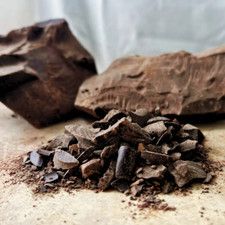
Cacao (Theobroma cacao), the tropical plant from which chocolate is made, has long been valued for both its physical and spiritual significance. Native to Central and South America, cacao was revered by ancient civilizations such as the Maya and Aztec, who considered it a sacred gift from the gods. Its rich history and symbolic associations have earned it a respected place in modern witchcraft and spiritual practices.
In magical traditions, cacao is often associated with love, abundance, joy, healing, and emotional balance. Because chocolate has long been linked to pleasure and comfort, cacao is frequently used in spells and rituals aimed at attracting love, strengthening relationships, and encouraging self-love. A cup of ceremonial cacao may be consumed before meditation or ritual work to open the heart and deepen spiritual awareness.
Many witches view cacao as a powerful heart-centered plant ally. Its energy is believed to promote compassion, emotional healing, and connection with others. During rituals, cacao can be offered to deities, ancestors, or spirits as a gesture of gratitude and respect. It is also used in offerings to earth and fertility goddesses because of its associations with growth, nourishment, and prosperity.
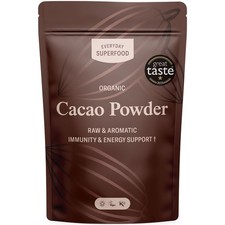
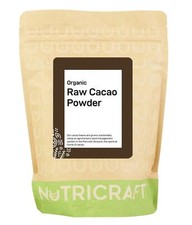
Cacao is commonly incorporated into spellwork through candles, sachets, charm bags, and kitchen witchcraft. Powdered cacao may be added to abundance spells, while chocolate treats can be blessed with magical intentions before being shared with loved ones. Some practitioners use cacao during moon rituals, particularly those focused on self-care, manifestation, and emotional renewal.
The plant’s scientific name, Theobroma, means “food of the gods,” reflecting the reverence it has inspired throughout history. This sacred reputation continues in contemporary witchcraft, where cacao is valued not only for its flavor but also for its symbolic and energetic qualities.
Whether used in ceremonial drinks, offerings, or magical recipes, cacao serves as a reminder of sweetness, gratitude, and the interconnectedness of body, mind, and spirit. Its enduring presence in spiritual traditions highlights its role as a powerful symbol of love, abundance, and sacred nourishment.