Sage has long held a significant place in pagan traditions and modern witchcraft practices, where it is valued for its cleansing, protective, and spiritual properties. Often derived from the Salvia genus, particularly white sage, it is commonly used in rituals intended to purify spaces, objects, and individuals. In many neopagan paths, sage is considered a sacred herb that bridges the physical and spiritual worlds, allowing practitioners to clear stagnant or negative energy before performing spells, meditations, or seasonal ceremonies.
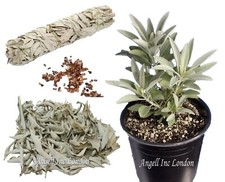
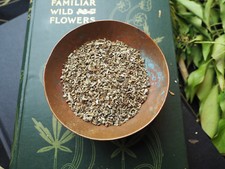
Historically, sage has been used across various indigenous and folk traditions, some of which have influenced contemporary pagan practices, though cultural origins are important to respect. In witchcraft, particularly within Wicca and eclectic traditions, sage is often burned as smudge sticks, a practice believed to carry smoke that dispels unwanted energies and restores balance. Practitioners may also use dried sage leaves in charm bags, floor washes, or herbal infusions to enhance spiritual clarity and protection. The plant’s association with wisdom is reflected in its Latin name, salvia, meaning “to heal,” which reinforces its symbolic connection to knowledge and purification rituals.
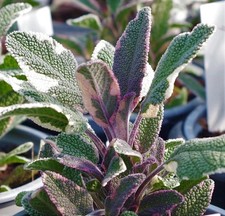
Beyond ritual use, sage also plays a role in meditation practices, where its aroma is thought to promote focus and calmness. Many practitioners incorporate sage into altar setups, pairing it with crystals, candles, or other herbs to amplify intention during spellwork. While white sage is most widely recognized in modern witchcraft, other varieties such as garden sage are also used for similar purposes, especially in regions where wild white sage is not available. Ethical sourcing has become an important consideration within contemporary pagan communities, as overharvesting of wild sage can impact indigenous ecosystems and cultural traditions. As a result, many practitioners now prefer sustainably grown or locally sourced alternatives. Ultimately, sage continues to symbolize purification, wisdom, and transition, making it a central element in both historical and modern spiritual frameworks.
In many modern covens, sage remains a versatile tool that connects ritual intention with sensory experience, reinforcing mindfulness, spiritual grounding, and a sense of continuity with ancient earth-centered traditions across diverse cultural and magical practices today in contemporary practice and belief systems.