We would like to disclose that this website may contain affiliate links. This means that if you click on a product link and make a purchase, we may earn a commission. As an Amazon & eBay Partner Network Associate, we earn from qualifying purchases.
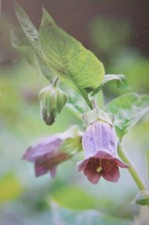
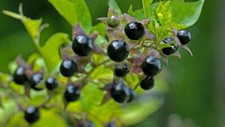
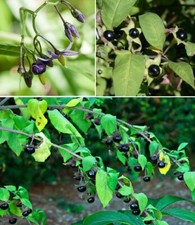
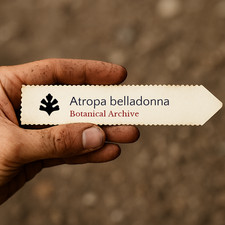
Belladonna, also known as deadly nightshade, is one of the most infamous plants in the history of witchcraft and herbal lore. Native to Europe, North Africa, and parts of Western Asia, the plant is recognized by its dark purple flowers and shiny black berries. Despite its beauty, belladonna is highly poisonous and has long been associated with danger, mystery, and the supernatural.
The name “belladonna” means “beautiful lady” in Italian. During the Renaissance, women sometimes used drops made from the plant to dilate their pupils, believing it made them appear more attractive. However, even small amounts could cause blindness, hallucinations, or death. Because of these effects, belladonna became linked with magic and occult practices.
In European folklore and medieval witchcraft traditions, belladonna was considered one of the primary “witches’ herbs,” alongside mandrake, henbane, and datura. Historical accounts describe witches using ointments containing belladonna to induce vivid dreams, altered states of consciousness, and sensations of flying. These experiences may have contributed to legends of witches riding broomsticks or attending supernatural gatherings known as sabbats.
Belladonna contains powerful alkaloids such as atropine and scopolamine, chemicals that affect the nervous system. In small doses, these substances can create hallucinations and feelings of detachment from reality. Ancient healers and cunning folk sometimes used the plant medicinally for pain relief or muscle relaxation, but the line between medicine and poison was dangerously thin.
Modern practitioners of witchcraft and pagan spirituality often treat belladonna with caution and respect. While it still appears symbolically in rituals, spellcraft, and herbal studies, responsible practitioners avoid handling or ingesting it without expert knowledge. Today, the plant is more commonly valued for its historical and symbolic significance than for practical magical use.
Belladonna remains a powerful symbol of the dual nature of witchcraft itself: beauty and danger, healing and harm, wisdom and temptation. Its dark reputation continues to fascinate historians, herbalists, and those interested in the mysteries of the occult.