We would like to disclose that this website may contain affiliate links. This means that if you click on a product link and make a purchase, we may earn a commission. As an Amazon & eBay Partner Network Associate, we earn from qualifying purchases.
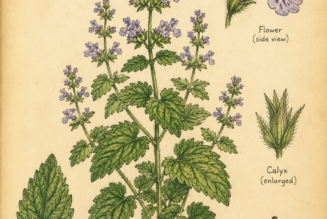
Mint is one of the most well-known and widely used herbs in the world. With its refreshing scent and bright green leaves, it has long been valued for both practical and spiritual purposes. Across many cultures and traditions, mint has held a special place in folklore, healing, and witchcraft.
Historically, mint was associated with purification and protection. Ancient Greeks and Romans used it to freshen homes and cleanse sacred spaces. In magical traditions, witches and herbalists believed that mint could drive away negative energy and invite peace into the home. Because of its strong aroma and vigorous growth, it became a symbol of vitality, renewal, and abundance.
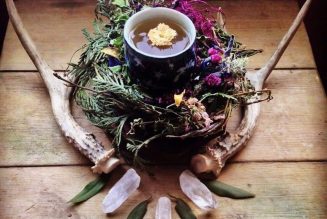
In witchcraft, mint is commonly used in spells related to prosperity, healing, luck, and communication. Many practitioners place mint leaves in sachets or wallets to attract money and success. Others burn dried mint as incense during rituals to clear away harmful influences and strengthen spiritual focus. Mint tea is also popular in calming and healing practices, believed to soothe both the body and the spirit.
Different types of mint can carry slightly different meanings. Peppermint is often linked with energy, clarity, and purification, while spearmint is connected to gentleness, emotional healing, and harmony. Some witches grow mint near their homes because it is thought to create a protective barrier against negativity and unwanted spirits.
Mint is also connected to the element of air and the planet Mercury in many magical systems. This association ties the herb to intellect, communication, travel, and quick thinking. Because of this, mint is sometimes used before divination, meditation, or spell work that requires concentration and mental clarity.
Today, mint remains an important herb in modern witchcraft and pagan practices. Whether used in candles, oils, teas, baths, or charms, it continues to symbolize cleansing, healing, and prosperity. Beyond its magical uses, mint reminds practitioners of the close relationship between nature and spiritual practice, showing how ordinary plants can hold deep cultural and mystical meaning.