Camas is a flowering plant native to North America, known for its striking blue-purple blossoms and deep cultural significance. Belonging to the genus Camassia, it has long been valued by Indigenous peoples for its edible bulbs, which served as an important food source. Beyond its practical uses, camas has also found a place in modern spiritual and magical traditions, where it is associated with abundance, grounding, and connection to the earth.
In witchcraft and folk magic, plants are often valued not only for their physical properties but also for their symbolic energies. Camas, with its nourishing roots and seasonal cycle of growth, is commonly linked to prosperity and sustenance. Practitioners may use the plant in rituals designed to attract stability, ensure a plentiful harvest, or encourage personal growth. Its strong connection to the soil makes it a symbol of resilience and the ability to thrive even in challenging conditions.
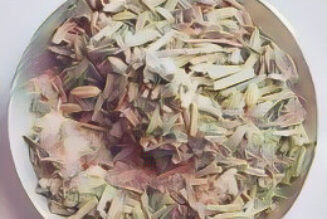
The vibrant blue flowers of camas are also associated with intuition, spiritual awareness, and peaceful communication. Some witches incorporate dried flowers into spell jars, altar decorations, or seasonal celebrations to invoke calmness and harmony. Because the plant emerges in spring and early summer, it is often connected with renewal, fertility, and the awakening energies of the natural world.
Respect for camas is especially important due to its historical and cultural significance. Many Indigenous communities have maintained traditional knowledge about the cultivation and harvesting of camas for generations. Ethical practitioners of witchcraft recognize this heritage and approach the plant with gratitude and mindfulness rather than treating it merely as a magical ingredient.
In contemporary pagan and nature-based spiritual practices, camas is often viewed as a bridge between physical nourishment and spiritual well-being. Its roots symbolize the support and resources needed for growth, while its blossoms represent beauty, transformation, and the rewards of patience. Whether used symbolically in rituals or simply appreciated in the landscape, camas serves as a reminder of humanity’s enduring relationship with the earth and the cycles of nature that sustain all life.
Today, camas remains a cherished plant, admired for both its ecological value and its rich place within spiritual traditions.