The pestle and mortar is one of the oldest and most recognizable tools associated with Paganism, witchcraft, herbalism, and folk magic. While it is a practical tool used for grinding herbs, resins, and powders, many practitioners also see it as a symbol of transformation, intention, and sacred craft.
In modern witchcraft and Pagan traditions, the pestle and mortar bridges the ordinary and the magical. It connects kitchen work, healing, ritual, and spiritual practice into a single act of creation.
Symbolism
The mortar — the bowl — is often associated with:
- Earth
- receptivity
- containment
- manifestation
The pestle — the grinding tool — is associated with:
- action
- directed will
- transformation
- energy
Together, they symbolize the blending of forces to create change. Some traditions interpret this as the union of masculine and feminine energies, while others focus more generally on balance, creativity, or alchemical transformation.
The grinding process itself is spiritually important in many forms of witchcraft. Whole materials are broken down and reshaped into something new, mirroring magical ideas about personal growth, manifestation, and transformation.
Historical Background
Mortars and pestles have been used for thousands of years in medicine, cooking, perfumery, and religious practice. Ancient healers, herbalists, priests, and folk practitioners used them to prepare remedies, incense, oils, and ritual mixtures.
Historically, they appeared in:
- Ancient Egypt
- Greece and Rome
- medieval European herbal traditions
- Middle Eastern alchemy
- folk medicine across Europe and Asia
Because early magical traditions were closely tied to healing and herbal knowledge, the pestle and mortar naturally became associated with occult practice.
In medieval Europe, wise women, cunning folk, and healers often prepared herbs while reciting prayers, charms, or blessings. The act of grinding ingredients became linked not only to physical medicine but also to spiritual intention.
Herb Magic and Spellwork
The most common magical use of the pestle and mortar is grinding herbs for spellwork.
Practitioners use herbs in:
- spell jars
- incense blends
- sachets
- ritual powders
- oils
- candle magic
- teas
- offerings
As herbs are crushed and mixed, many witches focus on a specific intention through visualization, chanting, prayer, or meditation.
Common magical herbs include:
- rosemary for protection
- lavender for peace
- cinnamon for prosperity
- rose petals for love
- sage for cleansing
Many practitioners believe grinding releases both the physical scent and the spiritual energy of the plant.
For example, a protection blend might combine rosemary, bay leaf, and black pepper while the practitioner concentrates on safety and warding off negativity.
Incense and Ritual Blends
Handmade incense is an important part of many Pagan and witchcraft traditions. A mortar and pestle is often used to grind:
- frankincense
- myrrh
- copal
- dried flowers
- bark
- herbs
- resins
Some practitioners believe homemade incense carries stronger personal energy because it is crafted intentionally by hand.
The preparation process itself can become ritualized. A practitioner may cleanse the space first, light candles, say prayers, or grind ingredients in a particular direction depending on the purpose of the working.
In some traditions:
- clockwise motions attract or build energy
- counterclockwise motions banish or remove energy
These interpretations vary widely between traditions.
Potions, Oils, and Healing Work
The pestle and mortar is also connected to potion-making and folk healing traditions.
It may be used to prepare:
- ritual oils
- salves
- healing teas
- bath blends
- dream mixtures
- floor washes
- herbal remedies
Historically, magical practice and herbal medicine often overlapped. Many folk healers treated illness using both physical remedies and spiritual methods such as blessings, charms, or prayers.
Because of this connection, the pestle and mortar became a symbol of the “wise woman,” herbalist, healer, or witch.
Transformation and Energy Work
In many traditions, the grinding motion itself carries symbolic meaning.
The process can represent:
- breaking down obstacles
- destroying negativity
- transforming emotions
- reshaping circumstances
- focusing intention
The repetitive movement may also help induce concentration or a meditative state.
Some practitioners perform banishing rituals by grinding sharp or protective ingredients such as:
- black salt
- thorny herbs
- ash
- pepper
- protective plants
The physical act reinforces the symbolic goal of breaking harmful influences apart.
Materials and Their Meanings
Different materials are believed to carry different energetic qualities.
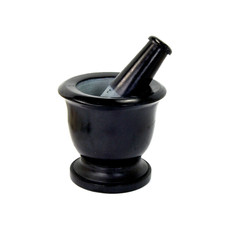
Stone
Stone mortars are associated with:
- grounding
- endurance
- Earth energy
- stability
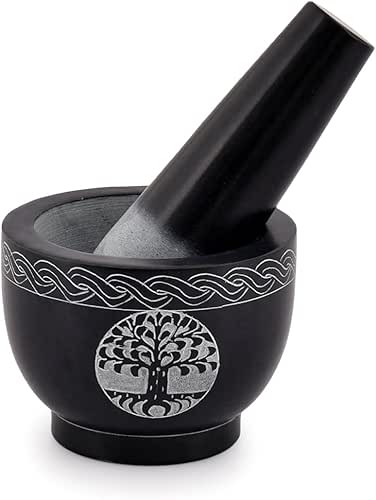
Granite is especially popular because it is durable and effective for grinding herbs and resins.
Wood
Wooden sets are often linked to:
- nature
- hearth magic
- folk traditions
- tree symbolism
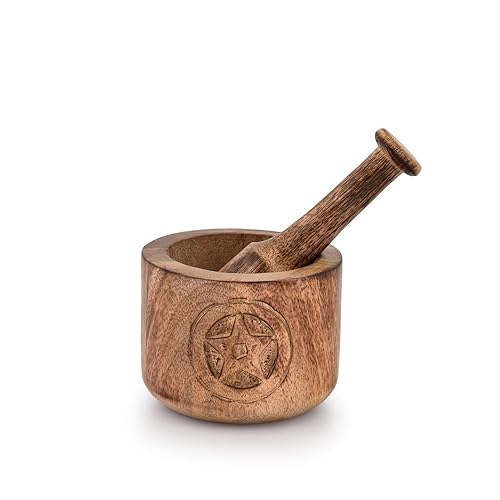
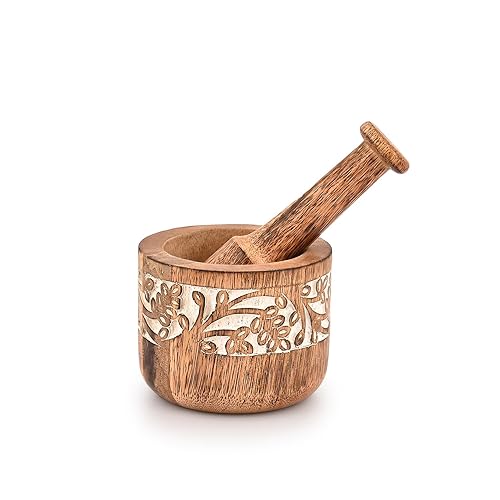
They are commonly used in kitchen witchcraft.
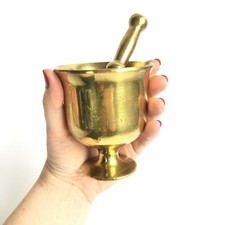
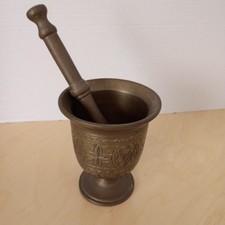
Metal
Metal mortars are associated with:
- alchemy
- ceremonial magic
- planetary symbolism
- traditional apothecaries
Ceramic or Clay
Ceramic tools are often connected to:
- domestic spirituality
- lunar symbolism
- kitchen rituals
- simplicity
Use in Modern Pagan Traditions
In Wicca, the pestle and mortar is commonly used for incense, herbs, oils, and ritual preparation. Some Wiccans also view the tool symbolically as representing creative or complementary energies.
Traditional witchcraft tends to use the tool in a more practical way, emphasizing folk herbalism, local plants, and everyday magic rather than formal ceremony.
In Alchemy, grinding and refining substances symbolized spiritual purification and inner transformation. This symbolism strongly influenced later occult traditions.
Ritual Care and Cleansing
Some practitioners dedicate their pestle and mortar solely to magical use. Others use separate tools for spiritual and culinary purposes.
Common cleansing methods include:
- incense smoke
- moonlight
- salt
- herbal washes
- spoken blessings
Some believe frequently used tools absorb spiritual energy over time, especially if they are inherited or used regularly in ritual work.
Kitchen Witchcraft
In kitchen witchcraft, preparing food itself is viewed as a sacred act. Grinding herbs and spices with intention can become a form of spellwork or prayer.
A practitioner may use a mortar and pestle while:
- blessing meals
- making healing teas
- preparing seasonal recipes
- creating protective spice blends
The rhythmic action can become meditative, turning ordinary cooking into spiritual practice.
Conclusion
The pestle and mortar remains one of the most enduring symbols of witchcraft and Pagan practice because it combines practicality with spiritual meaning. It is both a real working tool and a symbol of transformation.
Across history and modern practice, it has been used to prepare herbs, incense, oils, remedies, and ritual blends while helping practitioners focus intention and energy. Whether viewed as sacred, symbolic, or simply useful, the pestle and mortar continues to represent the heart of magical craft: transforming raw materials — and sometimes the self — into something new.