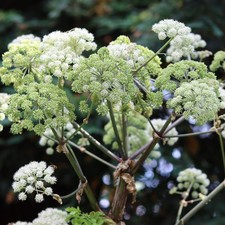
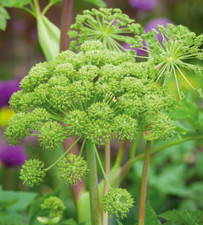
Angelica is a tall, aromatic herb that has long held an important place in folklore, herbal medicine, and witchcraft traditions. Known scientifically as Angelica archangelica, the plant grows in cool climates and is recognized by its hollow stems, broad leaves, and clusters of pale green or white flowers. Throughout history, many cultures believed Angelica possessed divine and protective powers, making it one of the most respected magical herbs in European folk magic.
The name “Angelica” is believed to come from legends claiming the herb was revealed to humanity by an angel during times of plague and disease. Because of this association, the plant became linked with purity, healing, and spiritual protection. During the Middle Ages, people carried Angelica roots or hung the herb in homes to ward off evil spirits, curses, and illness. Some even burned it as incense during rituals intended to cleanse spaces of negative energy.
In witchcraft, Angelica is commonly associated with protection magic. Practitioners may place dried Angelica root near doorways, carry it in charm bags, or use it in protective spell jars. It is also believed to strengthen courage and increase spiritual awareness. In some traditions, Angelica is connected with the element of fire because of its warming energy and strong scent.
Angelica is often used in rituals focused on healing and purification. Herbal practitioners once brewed teas or tonics from the plant, though modern use requires caution because certain parts can be harmful if improperly prepared. In magical practice, its symbolic value is usually more important than physical consumption.
The herb also appears in love and blessing spells, although its primary role remains one of defense and spiritual strength. Many witches view Angelica as a guardian plant that creates a barrier against harmful influences while inviting peace and balance.
Today, Angelica continues to be respected in modern pagan and witchcraft communities. Whether used in ritual work, herbal traditions, or folklore studies, the plant remains a powerful symbol of protection, healing, and sacred connection between nature and spirituality.