We would like to disclose that this website may contain affiliate links. This means that if you click on a product link and make a purchase, we may earn a commission. As an Amazon & eBay Partner Network Associate, we earn from qualifying purchases.
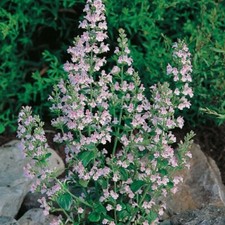
Calamint (Calamintha spp.) is a fragrant herb belonging to the mint family, known for its delicate flowers and refreshing aroma. Native to parts of Europe, Asia, and the Mediterranean region, it has long been valued for both its medicinal and magical properties. While less famous than herbs such as rosemary or sage, calamint holds a respected place in folk magic and modern witchcraft traditions.
Historically, calamint was used in herbal medicine to aid digestion, soothe respiratory ailments, and promote general well-being. Its pleasant scent and healing reputation naturally led to its incorporation into magical practices. In many traditions, plants that supported physical health were also believed to strengthen spiritual health, making calamint a useful herb for protective and cleansing rites.
In witchcraft, calamint is most commonly associated with purification, protection, and attracting positive energy. Practitioners often use dried calamint in sachets, charm bags, or incense blends designed to clear away negativity and create a peaceful atmosphere. The herb’s mint-like fragrance is believed to uplift the spirit and encourage mental clarity, making it a popular addition to meditation and divination rituals.
Calamint is also linked to love and happiness. Some folk traditions suggest carrying the herb to attract a compatible partner or to strengthen harmony within existing relationships. Because of its gentle and soothing energy, it is often included in spells aimed at reconciliation, emotional healing, and fostering understanding between individuals.
Elementally, many modern practitioners associate calamint with the element of Air due to its aromatic qualities and its connection to communication and thought. Others see influences of Fire because of its energizing properties. Its magical correspondences may vary among traditions, but its core themes of cleansing, protection, and positivity remain consistent.
Today, calamint continues to be appreciated by herbalists, gardeners, and witches alike. Whether used in spellwork, ritual incense, or simply grown in a magical garden, the herb serves as a reminder of the enduring relationship between plants and spiritual practice. Its subtle yet powerful presence demonstrates how even lesser-known herbs can hold a meaningful place in the rich tapestry of witchcraft traditions.