We would like to disclose that this website may contain affiliate links. This means that if you click on a product link and make a purchase, we may earn a commission. As an Amazon & eBay Partner Network Associate, we earn from qualifying purchases.
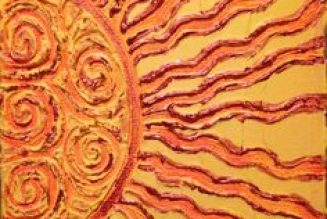
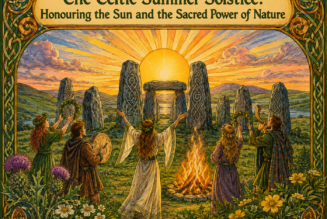
The Summer Solstice has long held a special place in Pagan beliefs and magical traditions. Marking the longest day and shortest night of the year, this powerful celestial event is celebrated as a time of abundance, vitality, and spiritual energy. Among modern Pagans, the festival of Litha is one of the most significant observances, beginning on the eve of the Summer Solstice and honouring the height of the sun’s power.
Litha is a celebration of midsummer, fertility, and the life-giving strength of the sun. Many Pagans view this period as a sacred moment when nature reaches its peak, with the earth flourishing under the sun’s warmth. It is also believed to be a time when magical energies are especially potent, making it ideal for rituals, spellwork, and spiritual practices.
According to Pagan folklore, the Summer Solstice is a period when the boundary between the physical world and the spirit realm becomes unusually thin. This heightened connection is thought to allow supernatural beings and spirits to move more freely between worlds. While some of these entities are considered benevolent, others are believed to bring mischief or harm. To protect themselves, people traditionally wear garlands made from herbs and flowers known for their protective qualities.
One of the most revered plants associated with midsummer is St. John’s Wort, often referred to in folklore as the “chase devil” herb. Because of its strong association with protection, it has long been used to ward off negative influences and evil spirits during this spiritually charged season.
Bonfires also play an important role in Summer Solstice celebrations. The ashes from these sacred fires are believed to possess protective and blessing-giving properties. People often carry them in amulets to guard against bad luck or scatter them across fields and gardens to encourage healthy crops and a plentiful harvest.
Another traditional midsummer custom involves the use of “sunwheels.” These wheels or balls of straw were set alight and rolled down hillsides toward rivers. The ritual symbolised the sun’s journey across the sky, and it was believed that if the flaming wheel reached the water without extinguishing, it would ensure prosperity and a successful harvest in the months ahead.