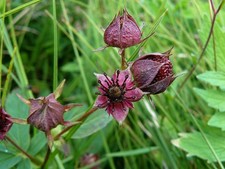
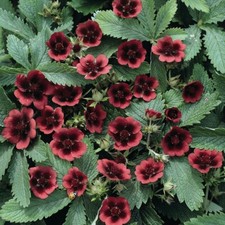
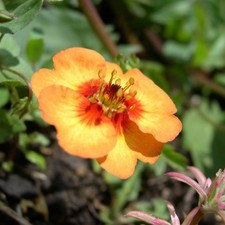
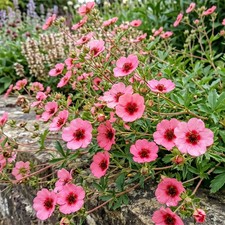
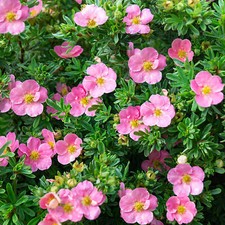
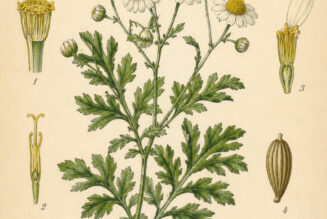
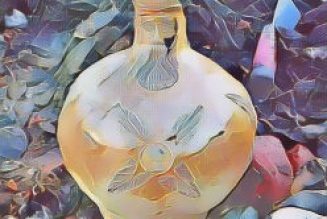
Cinquefoil, a small flowering plant belonging to the genus Potentilla, has long held a place in folklore, herbalism, and magical traditions. Known for its five-petaled flowers and five-lobed leaves, the plant’s appearance naturally connected it with mystical symbolism. The number five was often associated with protection, balance, and the human body in medieval and Renaissance occult thought, giving cinquefoil an important role in witchcraft and folk magic.
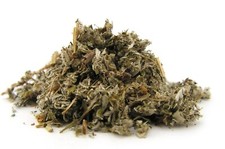
Historically, cinquefoil grew widely across Europe and parts of Asia, thriving in meadows and along roadsides. Because it was common and hardy, it became a familiar plant in village medicine and magical practice. Herbalists used it in teas and poultices to treat wounds, fevers, and digestive troubles, believing the herb carried both physical and spiritual healing properties. In magical traditions, these healing qualities expanded into protection against curses, evil spirits, and harmful intentions.
In European witchcraft, cinquefoil was often called “five-finger grass.” Practitioners believed the plant’s five leaves represented the five senses or the five elements—earth, air, fire, water, and spirit. It was commonly carried in charm bags or hung above doors to ward off negativity. Some traditions claimed it could attract prosperity and favor from others, making it useful in spells involving luck, love, or influence. Gamblers reportedly carried cinquefoil to improve their fortune, while travelers used it as a safeguard during journeys.
The plant also appeared in ceremonial magic and grimoires. Occult texts from the Middle Ages mention cinquefoil as an herb associated with Venus, linking it to harmony, affection, and beauty. In some spellcraft traditions, it was burned as incense or added to ritual baths for purification and empowerment. Because of its reputation as a protective herb, it often accompanied rituals meant to strengthen personal boundaries or spiritual defenses.
Today, modern pagan and Witchcraft practitioners continue to value cinquefoil for its symbolic and magical associations. While contemporary witchcraft varies greatly between traditions, cinquefoil remains a respected herb for protection, healing, and luck. Its enduring presence in magical folklore reflects humanity’s long fascination with the hidden meanings and powers found within the natural world.