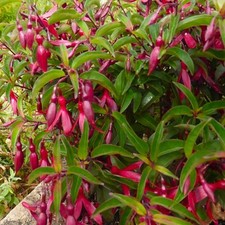
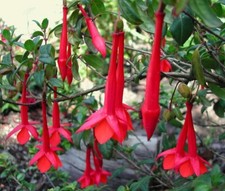
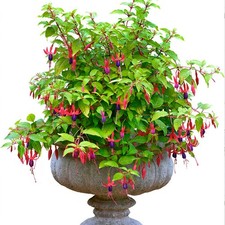
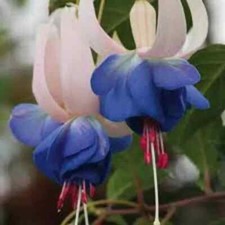
Fuchsia is a beautiful flowering plant admired for its graceful, bell-shaped blossoms that hang like tiny lanterns. Native to Central and South America, as well as New Zealand, it grows well in cool, damp climates and is a favorite in gardens because of its vibrant pink, purple, red, and white flowers. The plant is named after the 16th-century German botanist Leonhart Fuchs, whose work helped advance the study of plants. Fuchsia attracts bees, butterflies, and hummingbirds, making it an important plant for supporting wildlife as well as adding color to outdoor spaces.
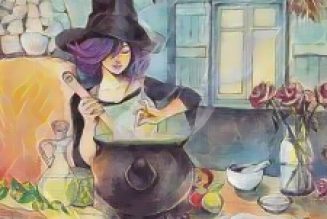
Although fuchsia is not one of the oldest or most commonly mentioned plants in historical pagan traditions, many modern pagans and witches have embraced it because of its unique appearance and symbolic qualities. Its delicate flowers, which seem to dance in the breeze, are often associated with joy, grace, and the balance between strength and gentleness. The bright colors of the blossoms also symbolize creativity, passion, and emotional healing.
In modern witchcraft, fuchsia is often used in spells and rituals focused on protection, self-confidence, and intuition. Some practitioners place fresh or dried flowers on an altar to encourage positive energy or to inspire creative thinking. Others grow fuchsia near their homes, believing it helps create a peaceful environment and keeps away unwanted negative influences. Because the flowers hang downward like tiny lanterns, they are sometimes seen as symbols of guidance, helping people find clarity during times of uncertainty.
Fuchsia also has a strong connection to the element of Water due to its love of moist conditions and its association with emotions, intuition, and inner reflection. It is sometimes included in seasonal celebrations that honor the beauty and abundance of nature, reminding practitioners to appreciate life’s fleeting moments and the changing cycles of the seasons.
While there is little evidence that fuchsia played a significant role in ancient pagan rituals, its symbolism has grown within modern spiritual practices. Today it is valued as a flower that encourages emotional balance, beauty, protection, and personal growth, making it a meaningful addition to many contemporary pagan and witchcraft traditions.