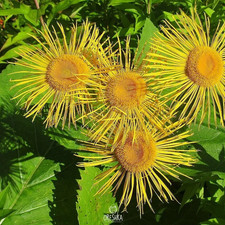
Elecampane (Inula helenium) is a tall, striking perennial herb with bright yellow, daisy-like flowers and large, textured leaves. Native to Europe and parts of Asia, it has been valued for thousands of years as both a medicinal plant and a magical herb. Its thick, aromatic root has traditionally been used in herbal remedies to support respiratory health, aid digestion, and soothe coughs, making it a well-known plant in traditional folk medicine.
In folklore, Elecampane is closely associated with strength, vitality, and protection. Ancient legends claim the plant sprang from the tears of Helen of Troy, giving it an air of mystery and romance. Throughout the centuries, it was often planted near homes or gathered by herbalists who believed it could guard against illness and harmful influences.
Within modern paganism, Elecampane is respected as a solar herb because of its brilliant golden flowers, which symbolize the life-giving energy of the sun. Many practitioners associate it with confidence, personal power, healing, and positive transformation. It is sometimes placed on altars during seasonal celebrations that honor the sun, especially around midsummer, to represent abundance, warmth, and renewed energy.
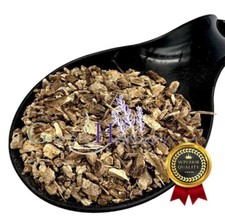
In witchcraft, Elecampane is commonly used in spells and rituals focused on protection, purification, and healing. Dried roots may be carried in charms or sachets to encourage courage, good health, and spiritual resilience. Some witches burn small amounts as incense or add the herb to ritual blends intended to clear away negative energy and invite blessings. Others include it in spell jars or protective talismans designed to strengthen personal boundaries and promote emotional balance.
Like many magical herbs, Elecampane’s significance varies between traditions and individual practitioners. While historical evidence confirms its long use in herbal medicine and European folklore, many of its magical associations come from later folk magic, modern pagan practices, and contemporary witchcraft rather than ancient religious texts.
Whether appreciated for its traditional medicinal qualities, its rich folklore, or its symbolic role in magical practice, Elecampane remains a fascinating herb that continues to inspire herbalists, pagans, and witches alike as a symbol of healing, protection, resilience, and the enduring power of nature.