The European Ash (Fraxinus excelsior) is a tall, graceful deciduous tree native to much of Europe and parts of western Asia. It can grow up to 40 metres (130 feet) in height and is easily recognised by its smooth grey bark, black winter buds, and compound leaves made up of several leaflets. In spring, the tree produces small purple flowers before its leaves appear, followed by winged seeds known as “keys,” which are carried by the wind. The ash thrives in fertile, well-drained soils and has long been valued for its strong, flexible wood, traditionally used to make tool handles, furniture, bows, and sporting equipment.
Beyond its practical uses, the European Ash has held deep spiritual significance throughout European history, especially in pagan traditions. In Norse mythology, the mighty world tree Yggdrasil is often described as an ash tree. It connected the Nine Worlds and symbolised the link between the heavens, the earth, and the underworld. Because of this association, the ash became a symbol of strength, endurance, wisdom, and the interconnectedness of all life.
In Celtic and other European pagan beliefs, ash trees were regarded as sacred guardians. They were often planted near homes or holy wells, where they were believed to offer protection against harmful spirits and misfortune. Many communities considered it unlucky to cut down a mature ash without good reason, reflecting the respect given to the tree.
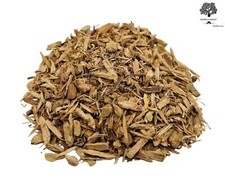
In modern witchcraft and contemporary pagan practices, the European Ash remains an important magical tree. Its wood is commonly used to craft wands, staffs, and ritual tools because it is believed to channel energy effectively and strengthen magical intention. Ash leaves, bark, and seeds may be included in charms or spellwork focused on protection, healing, spiritual growth, and gaining wisdom. The tree is also associated with journeys between the physical and spiritual worlds, making it popular in meditation and ancestor work.
Today, the European Ash continues to inspire nature-based spiritual traditions, serving as a powerful reminder of resilience, knowledge, and the enduring bond between humanity and the natural world.