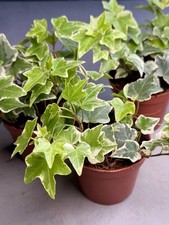
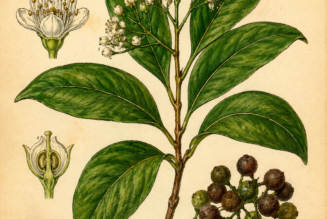
English Ivy (Hedera helix) is a hardy evergreen climbing plant native to Europe and western Asia. It is well known for its glossy, dark green leaves and its ability to climb walls, trees, and fences using tiny aerial rootlets. Because it remains green throughout the year, English Ivy has long been admired as a symbol of endurance, resilience, and eternal life. In the wild, it provides valuable shelter for birds, insects, and small animals, while its flowers offer a late-season source of nectar for pollinators.
In pagan traditions, English Ivy has been associated with protection, fidelity, and the cycle of life and death. Ancient Europeans often viewed the plant as a reminder that life continues even through the darkest seasons, thanks to its evergreen nature. It was also linked with celebrations of the changing seasons, particularly winter festivals, when its vibrant leaves symbolized hope, renewal, and the promise of spring. Ivy was sometimes woven into wreaths or garlands to decorate sacred spaces and homes during seasonal celebrations.
In witchcraft and modern magical practices, English Ivy is valued for its protective and binding energies. Many practitioners believe it can help strengthen friendships, encourage loyalty, and create lasting emotional bonds. It is often included in protective charms, wreaths, and spell work intended to guard a home from unwanted influences. Some witches also use ivy in rituals focused on personal growth, determination, and overcoming obstacles, drawing inspiration from the plant’s ability to cling firmly and thrive in challenging environments.
English Ivy is also connected to the element of Water due to its flowing, climbing nature and its association with emotional resilience. Some traditions associate it with feminine energy and the quiet strength of persistence rather than force. While the berries and leaves are toxic if eaten, making the plant unsuitable for consumption, it remains a respected magical herb when handled safely and used for symbolic purposes.
Today, English Ivy continues to be appreciated by pagans and witches alike as a plant representing protection, perseverance, loyalty, and the enduring power of nature’s cycles. Its evergreen beauty serves as a reminder that growth and renewal are always possible, even in difficult times.