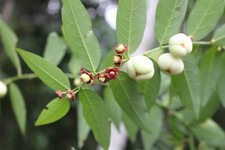
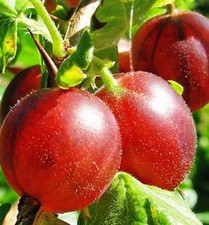
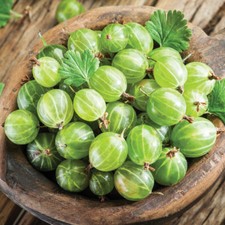
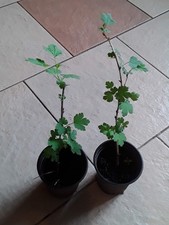
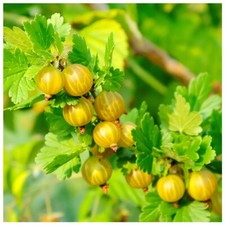
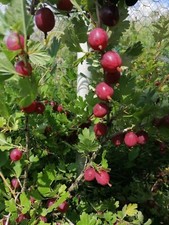
The gooseberry (Ribes uva-crispa) is a hardy, thorny shrub that has long been valued for its nourishing fruit and protective qualities. Although it is not as commonly featured in magical traditions as herbs such as mugwort or rosemary, gooseberry has found a place in modern paganism and folk witchcraft through its symbolism of resilience, abundance, and protection.
In many nature-based spiritual paths, thorn-bearing plants are believed to create energetic boundaries. The gooseberry’s sharp thorns are therefore associated with warding off harmful influences, negative energy, and unwanted spiritual attention. Some practitioners plant gooseberry bushes around gardens or homes as a symbolic form of magical protection, while others use small branches in seasonal altar displays to represent strength and the ability to withstand adversity.
The fruit itself is linked with abundance, fertility, and gratitude. Gooseberries ripen during the height of summer, making them a fitting offering during midsummer celebrations such as Litha. Their plentiful harvest symbolizes prosperity, the rewards of patience, and the blessings of the growing season. In contemporary pagan practice, fresh gooseberries may be placed on an altar as an offering to nature spirits, land guardians, or deities associated with agriculture and the harvest.
In folk magic, gooseberry leaves and fruit have occasionally been included in charms intended to attract good fortune and encourage personal growth. Because the plant thrives despite its protective thorns, it also represents the balance between vulnerability and strength. Some witches meditate with the plant as a reminder that healthy boundaries can coexist with kindness and generosity.
Gooseberry wood and branches may also be incorporated into handcrafted ritual decorations or protective wreaths, particularly during seasonal festivals celebrating the turning of the Wheel of the Year. These uses are largely symbolic and reflect the practitioner’s personal beliefs rather than any historical requirement.
It is important to note that many magical associations with gooseberry come from modern pagan and contemporary folk magic traditions rather than extensive historical documentation. As with many plants used in witchcraft, its meaning varies between traditions and individual practitioners. Today, gooseberry continues to be appreciated as a symbol of protection, resilience, abundance, and the enduring connection between people and the natural world.