
Plants G
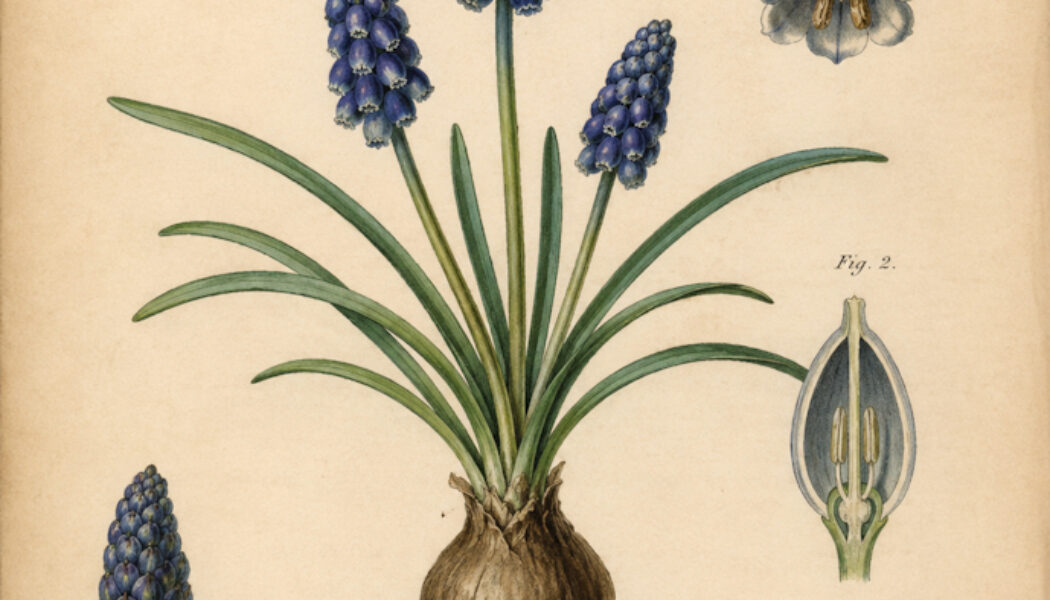

Grape Hyacinth in Paganism and Witchcraft
The grape hyacinth (Muscari spp.) is a charming spring flower known for its clusters of deep blue or purple bell-shaped blossoms that resemble tiny bunches of grapes. Although it is not as widely docu...
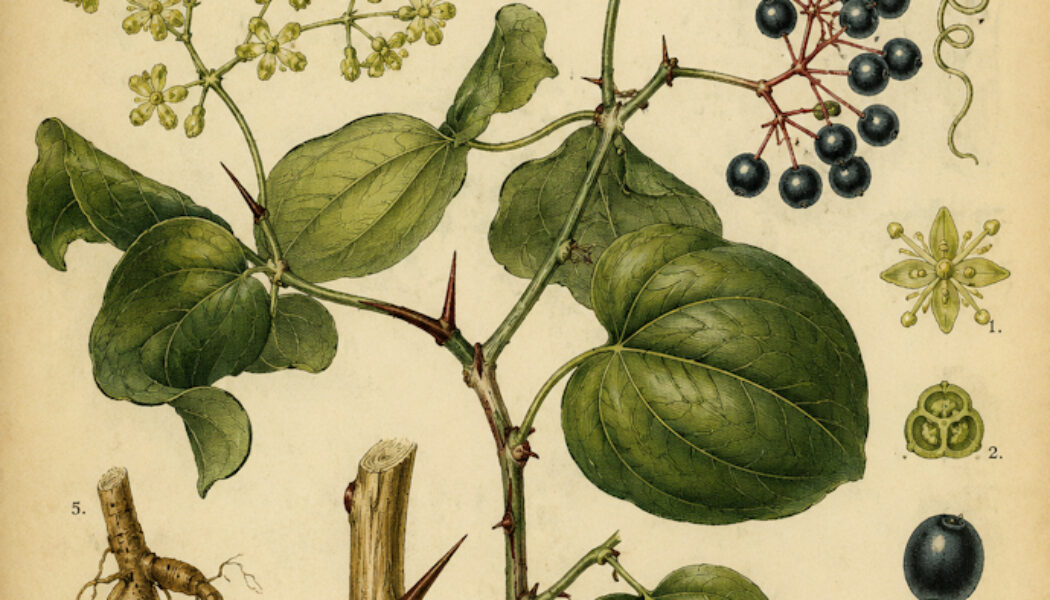

Greenbrier (Smilax) in Paganism and Witchcraft
Greenbrier (Smilax spp.) is a hardy, thorny vine found throughout many parts of the world, particularly in North America. While it is often regarded simply as a wild woodland plant, Greenbrier has als...
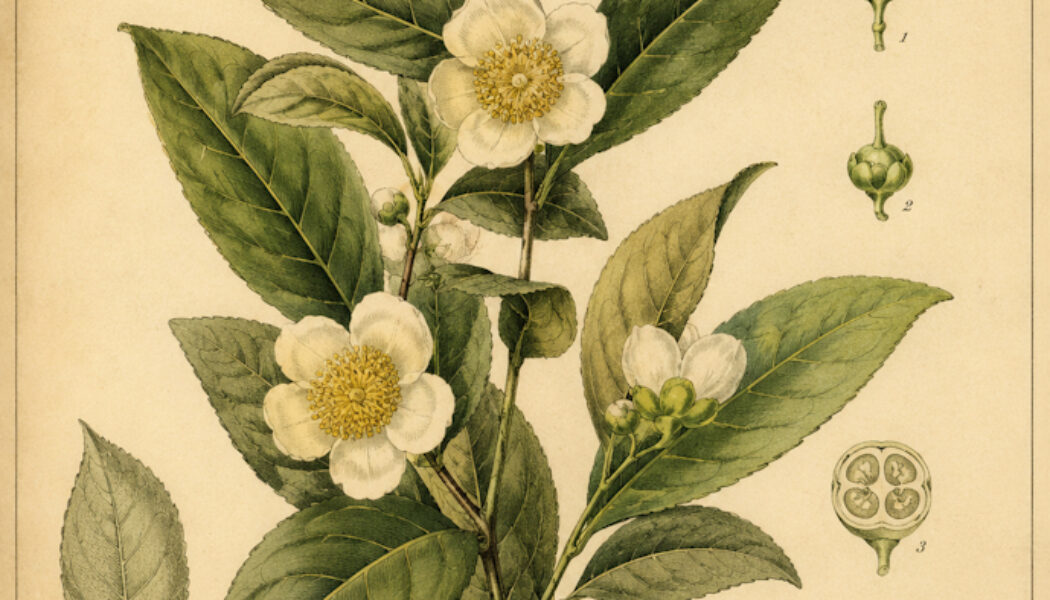

Green Tea in Paganism and Witchcraft
Green tea, derived from the leaves of the Camellia sinensis plant, is widely celebrated for its health benefits, but it also holds a meaningful place in modern pagan and witchcraft traditions. While g...
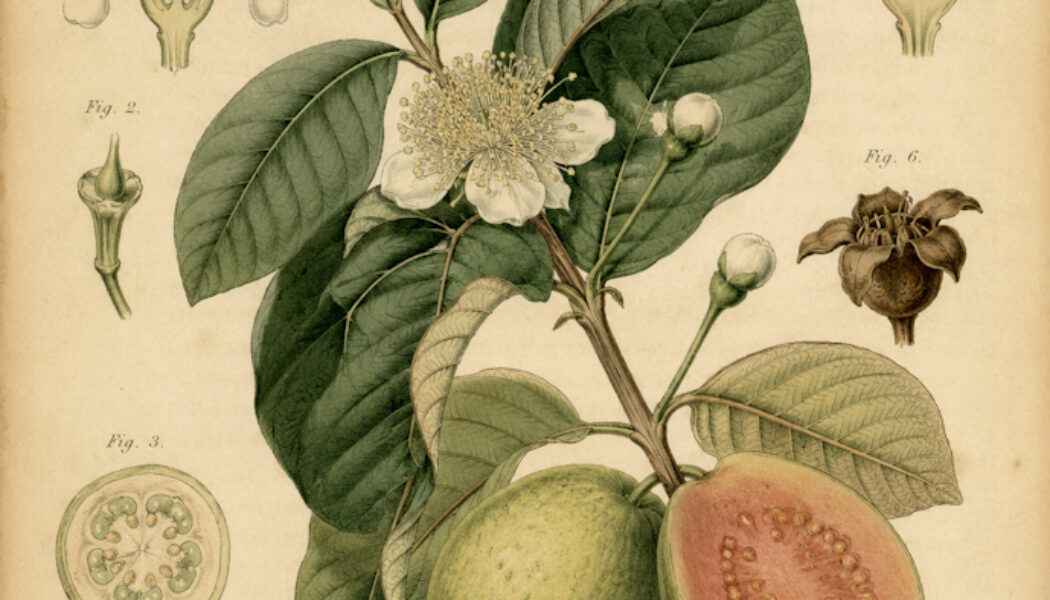

Guava in Paganism and Witchcraft
Guava (Psidium guajava) is best known as a tropical fruit tree valued for its nutritious fruit and medicinal leaves. Although it does not occupy the same prominent place in European pagan traditions a...
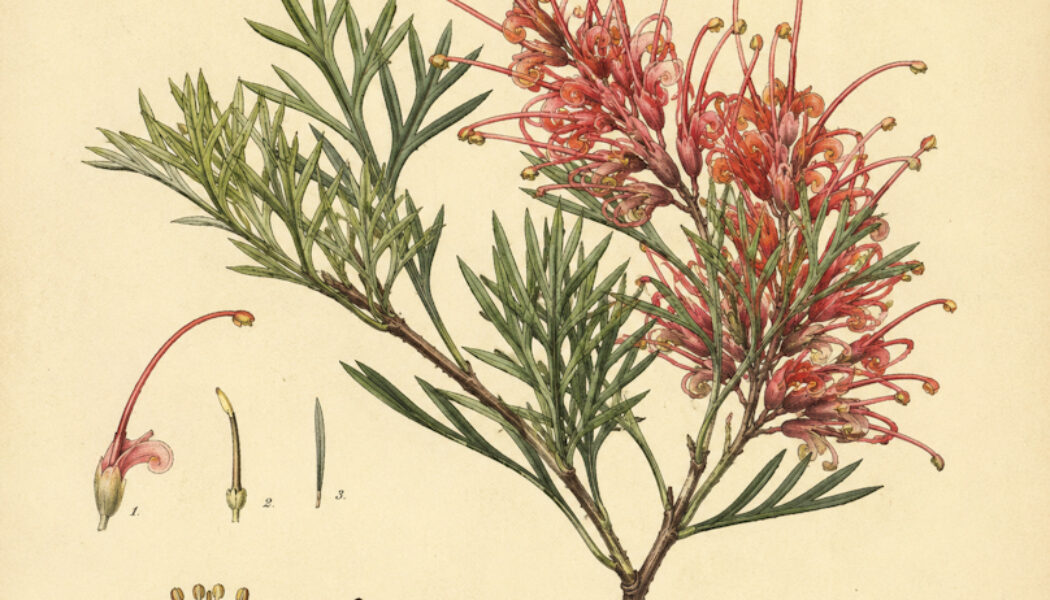

Grevillea in Paganism and Witchcraft
Grevillea is a diverse genus of flowering shrubs and trees native primarily to Australia. Known for its striking, nectar-rich blossoms and evergreen foliage, it is admired not only for its beauty but ...
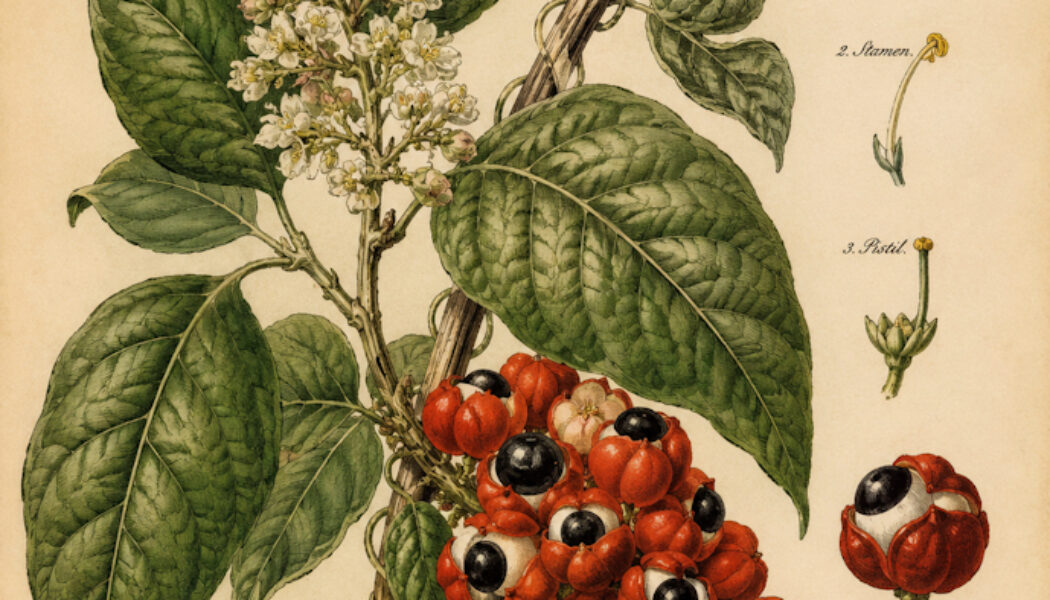

Guarana in Paganism and Witchcraft
Guarana (Paullinia cupana) is a climbing plant native to the Amazon rainforest, where it has been valued for centuries by Indigenous peoples for its stimulating and medicinal properties. Although guar...
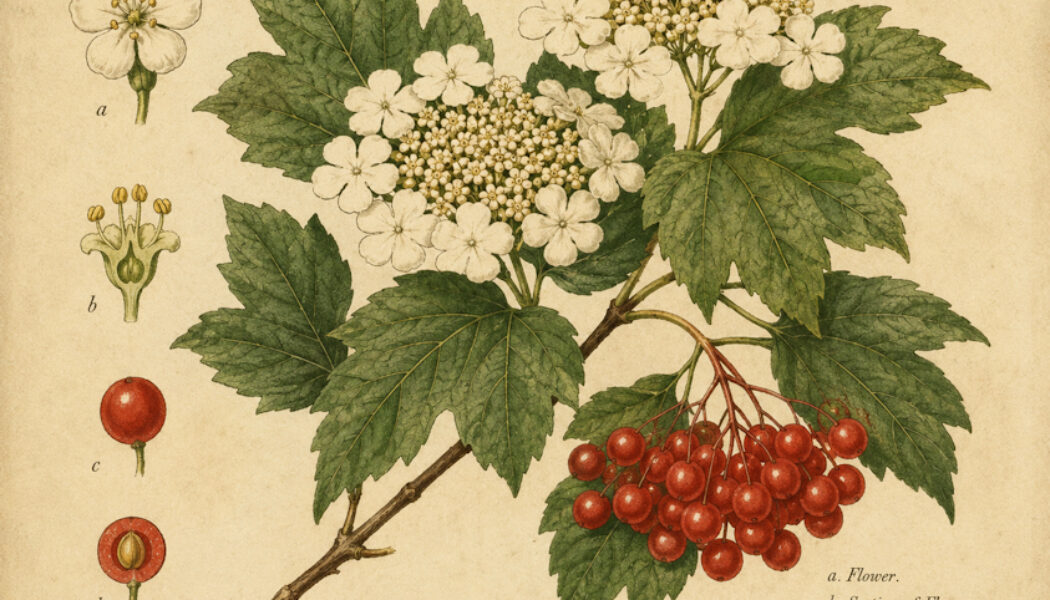

The Guelder Rose in Paganism and Witchcraft
The Guelder Rose (Viburnum opulus) has long been admired for its striking white blossoms, bright red berries, and rich symbolism. Although it is not as widely associated with magical traditions as pla...
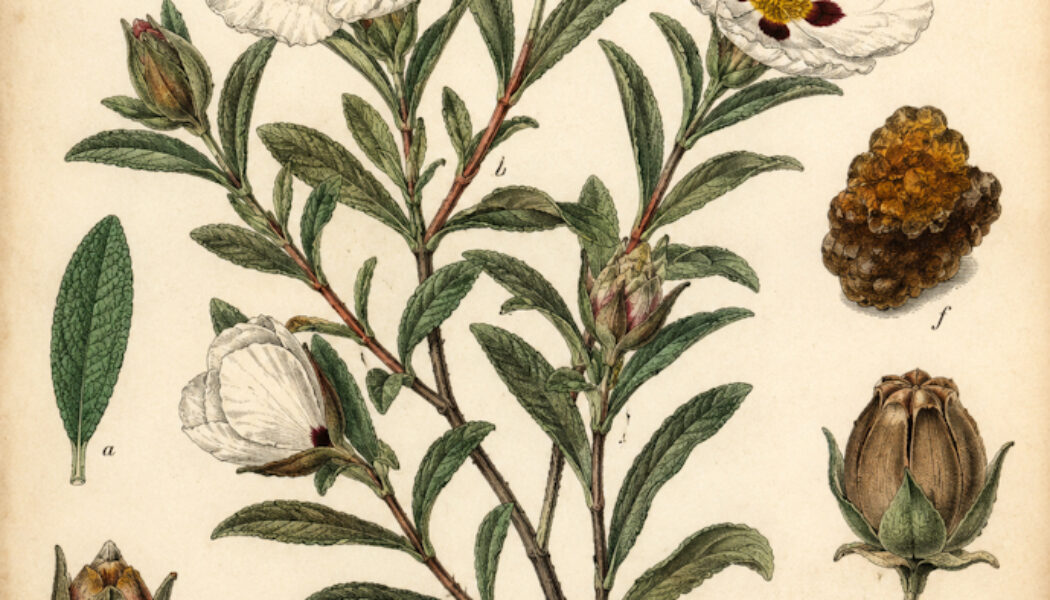

The Use of Gum Cistus in Paganism and Witchcraft
Gum Cistus, also known as labdanum, is a fragrant resin obtained from the leaves and stems of the Cistus shrub, commonly called the rockrose. Valued since ancient times for its rich, amber-like aroma,...
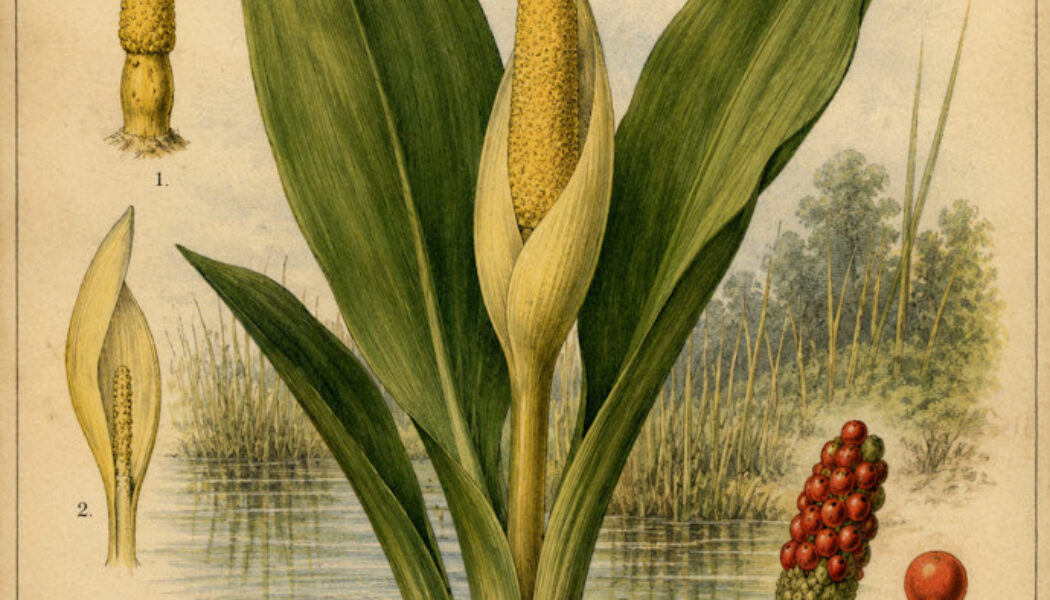

The Golden Club Plant in Paganism and Witchcraft
The Golden Club (Orontium aquaticum) is a distinctive aquatic plant native to wetlands in eastern North America. Recognized by its long, spear-shaped leaves and striking golden flowering spike, it has...
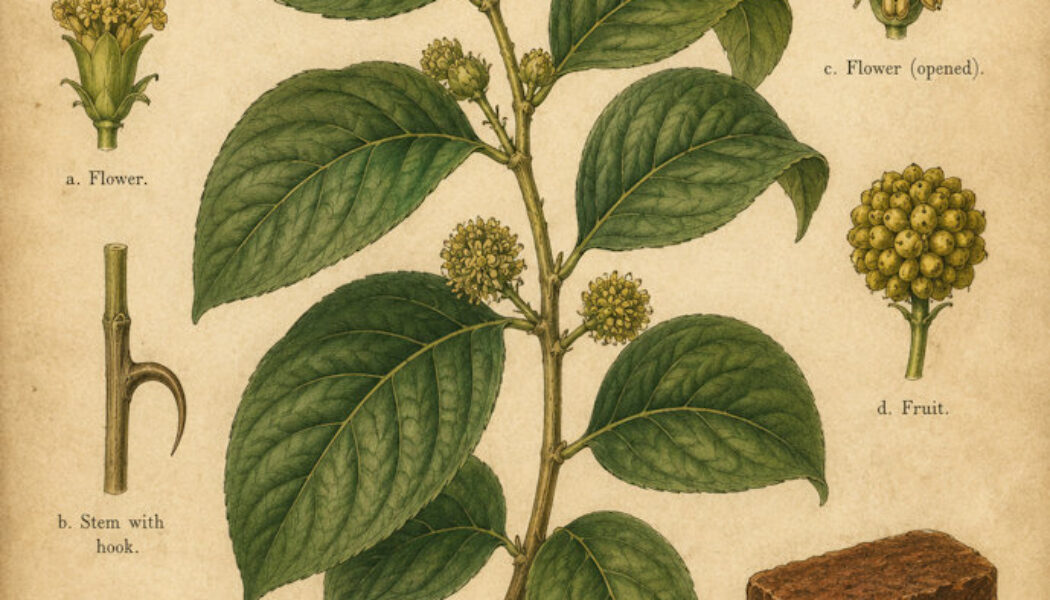

Gambir in Paganism and Witchcraft
Gambir, a plant derived primarily from Uncaria gambir, has long been valued throughout Southeast Asia for its medicinal, tanning, and dyeing properties. While its documented historical uses are largel...
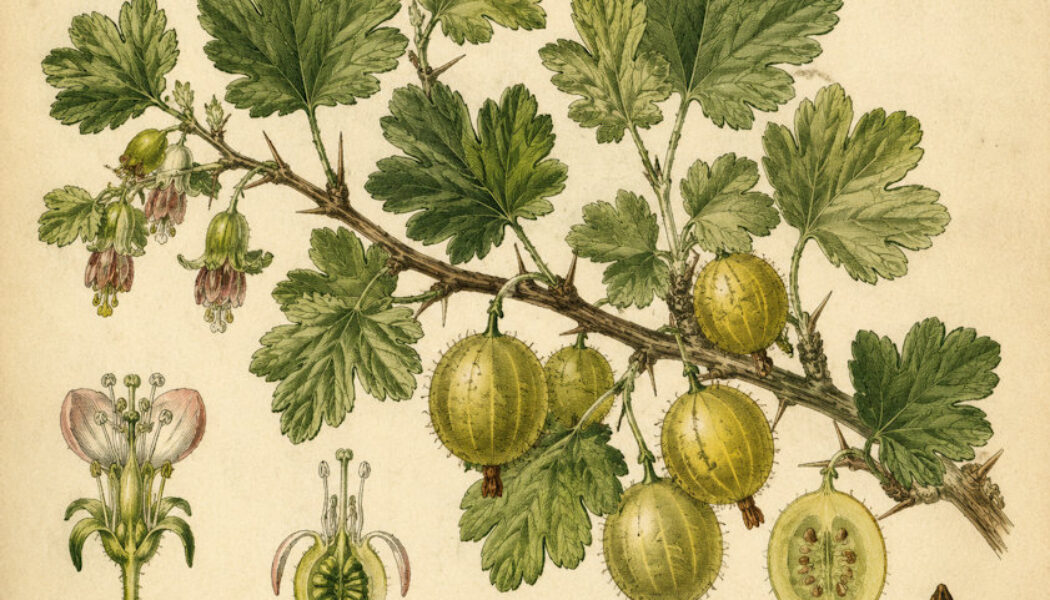

Gooseberry in Paganism and Witchcraft
The gooseberry (Ribes uva-crispa) is a hardy, thorny shrub that has long been valued for its nourishing fruit and protective qualities. Although it is not as commonly featured in magical traditions as...
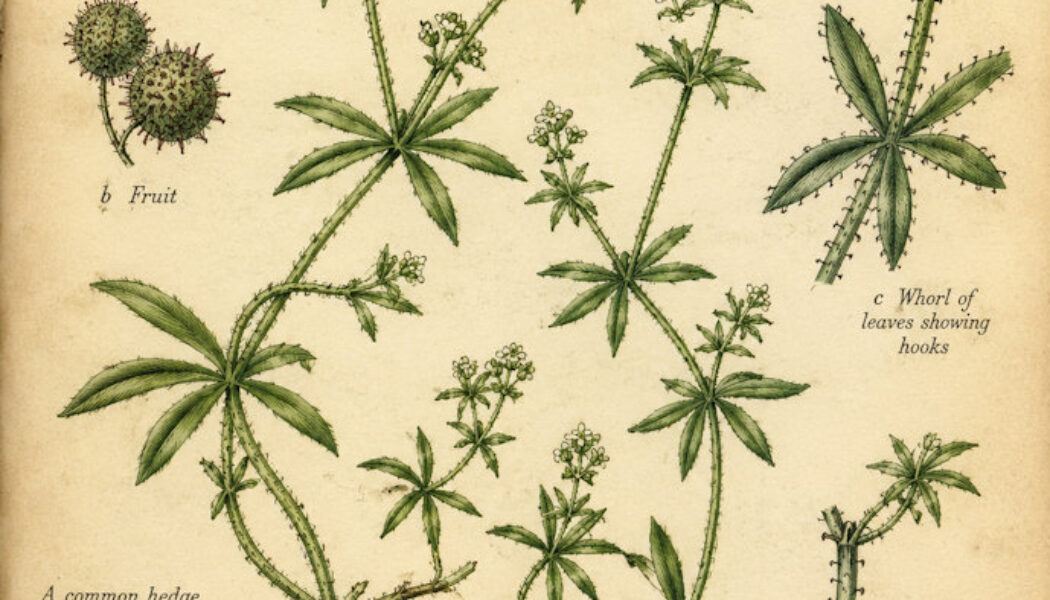

Goosegrass in Paganism and Witchcraft
Goosegrass (Galium aparine), also known as cleavers, sticky weed, or catchweed, is a common hedgerow plant that has long held a place in European folk traditions. While it is best known today as a med...
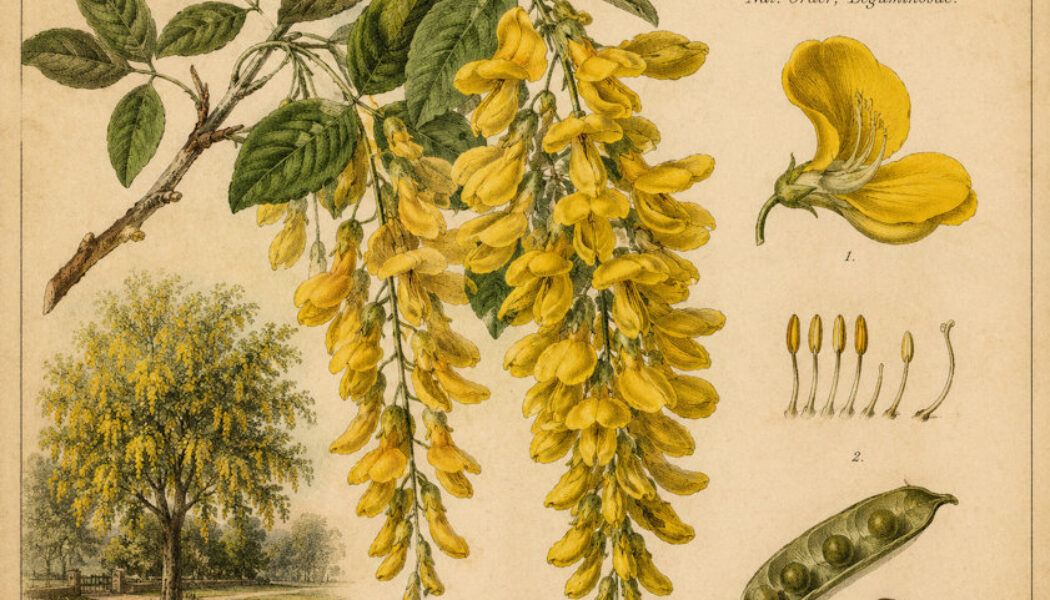

The Golden Chain Tree in Paganism and Witchcraft
The Golden Chain Tree (Laburnum anagyroides), admired for its cascading clusters of brilliant yellow flowers, has long captured the imagination of those who practice modern paganism and witchcraft. Al...
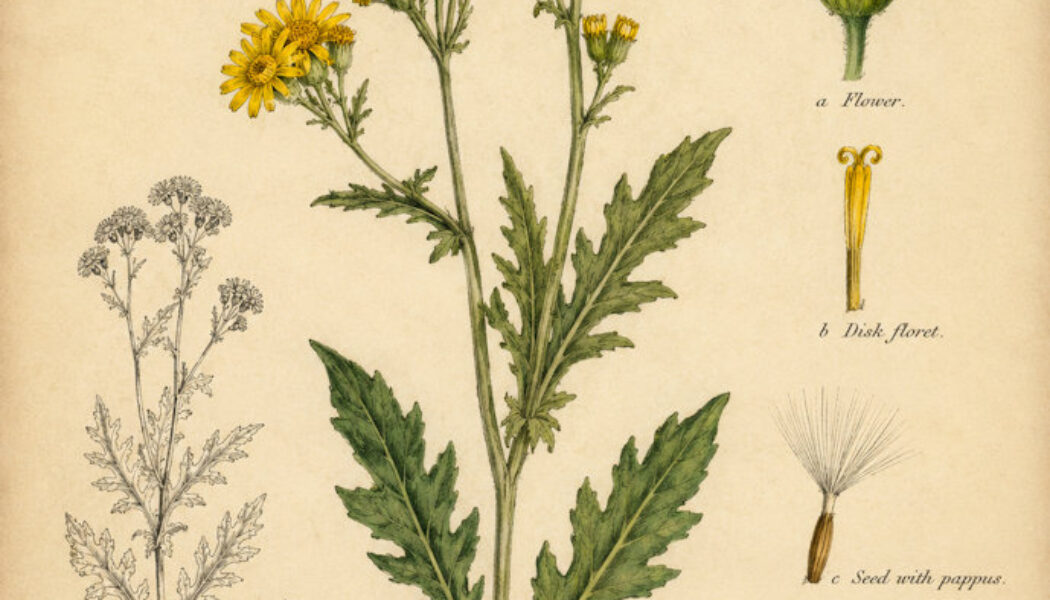

Golden Ragwort in Paganism and Witchcraft
Golden Ragwort (Packera aurea, formerly Senecio aureus) is a bright yellow wildflower that blooms in spring and has long been admired for its vibrant appearance and connection to the changing seasons....
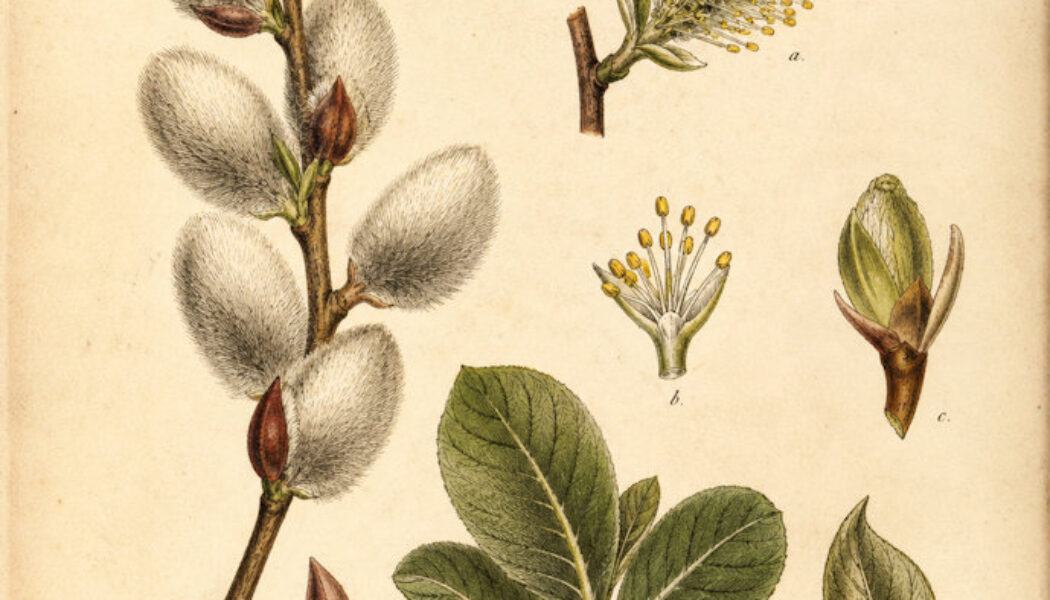

The Use of Goat Willow in Paganism and Witchcraft
Goat Willow (Salix caprea), sometimes known as pussy willow because of its soft spring catkins, has long held symbolic and spiritual significance in various pagan traditions and modern witchcraft. As ...
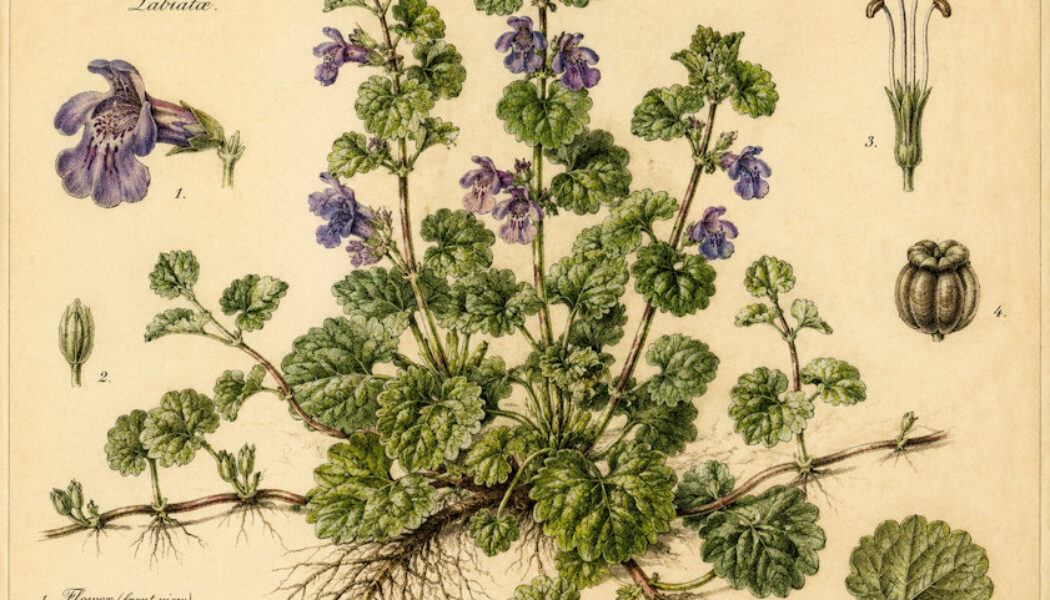

Gill-over-the-Ground (Glechoma hederacea) in Paganism and Witchcraft
Gill-over-the-ground (Glechoma hederacea), also known as ground ivy, creeping charlie, or alehoof, is a humble woodland herb that has long held a place in European folk magic, pagan traditions, and mo...
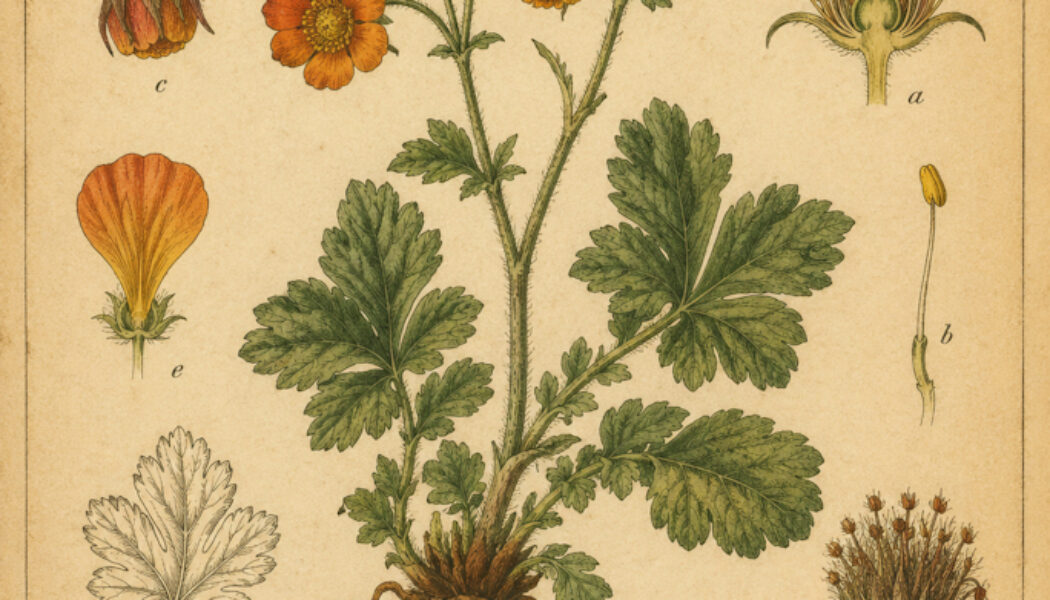

The Use of Geum in Paganism and Witchcraft
Geum is a flowering perennial herb belonging to the rose family (Rosaceae). Known for its bright yellow, orange, or red blossoms and clove-scented roots in some species, Geum has long been valued in E...
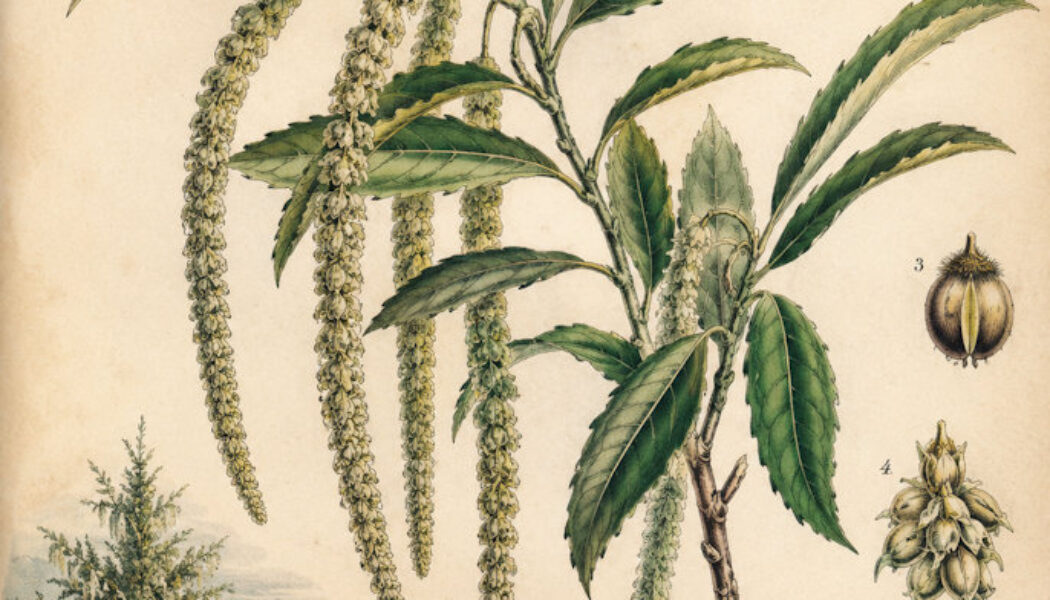

Garrya in Paganism and Witchcraft
Garrya is a genus of evergreen shrubs and small trees native to North and Central America. Known for its graceful, dangling catkins and hardy nature, it has become appreciated not only as an ornamenta...
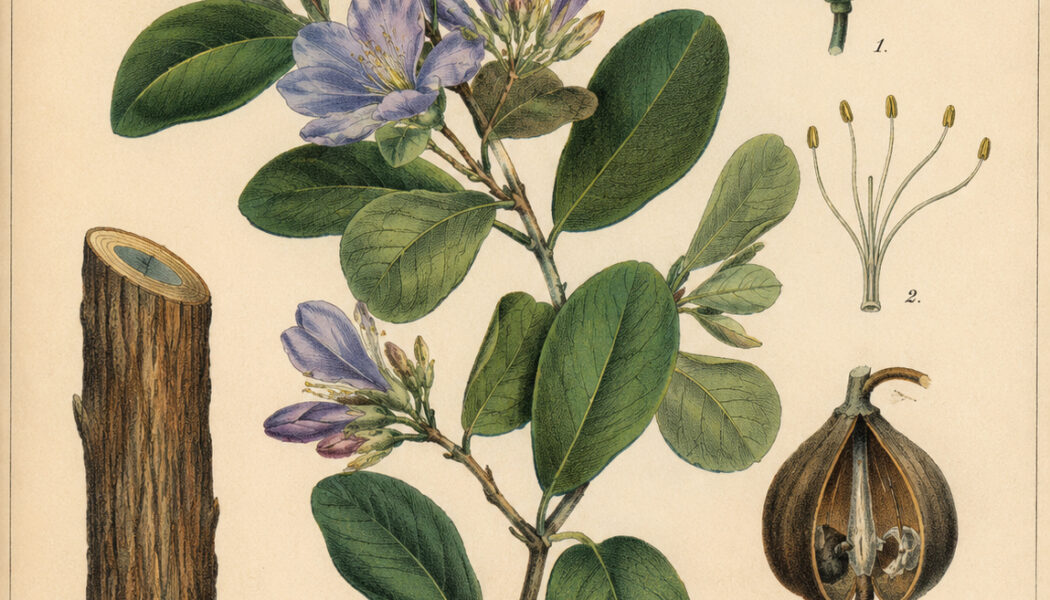

Guaiacum in Paganism and Witchcraft
Guaiacum, often called lignum vitae or the “wood of life,” is a slow-growing tree native to the Caribbean and parts of Central and South America. While it is best known for its exceptional...
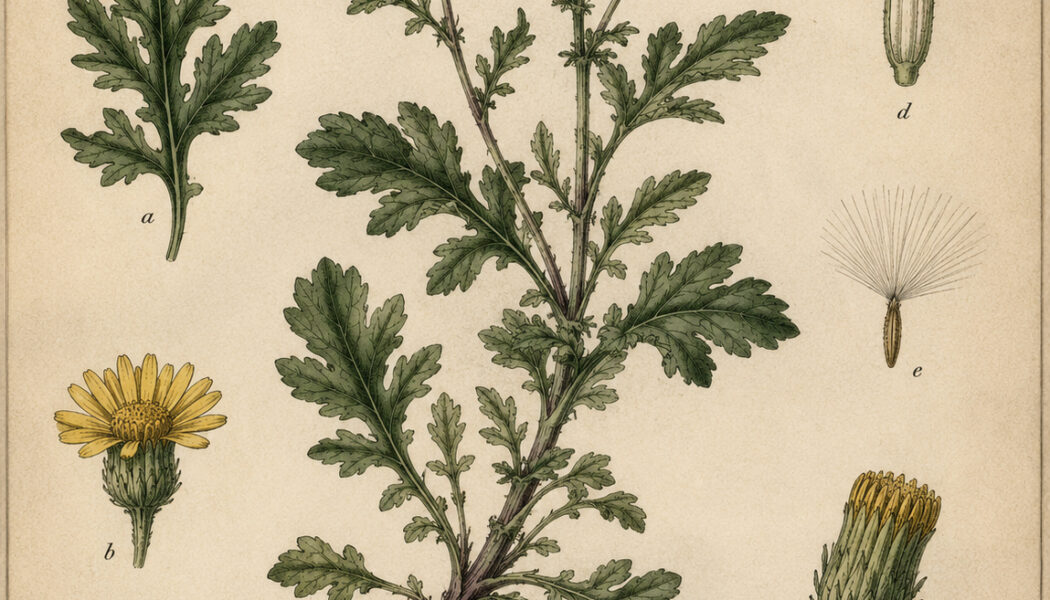

Groundsel in Paganism and Witchcraft
Groundsel (Senecio vulgaris) is a humble wild herb that has long been associated with folk magic, pagan traditions, and certain forms of modern witchcraft. Although often dismissed as a common weed, G...
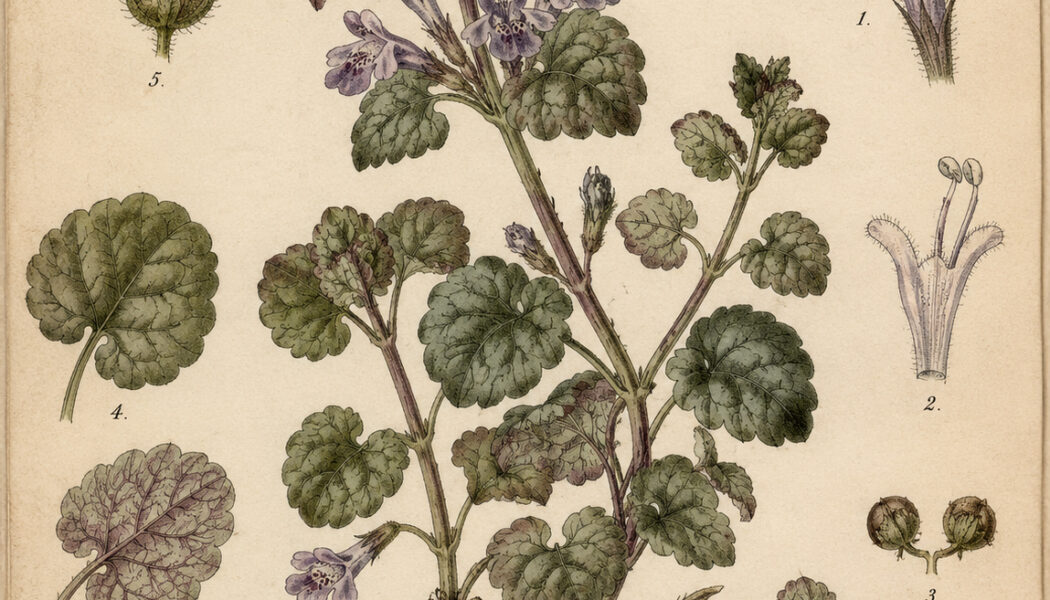

Ground Ivy in Paganism and Witchcraft
Ground ivy (Glechoma hederacea), also known as Creeping Charlie, Gill-over-the-Ground, and Alehoof, has long been valued in European folklore, traditional herbalism, and magical practice. Its ability ...
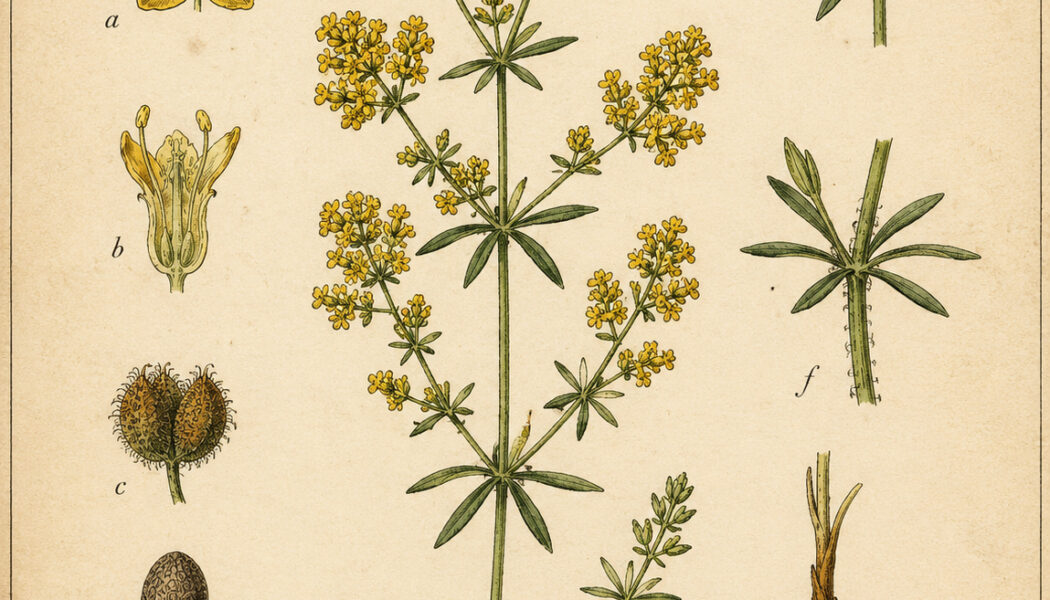

Galium in Paganism and Witchcraft
The plant Galium, commonly known as bedstraw or cleavers depending on the species, has long held a place in European folklore, pagan traditions, and magical practices. Valued for both its practical an...
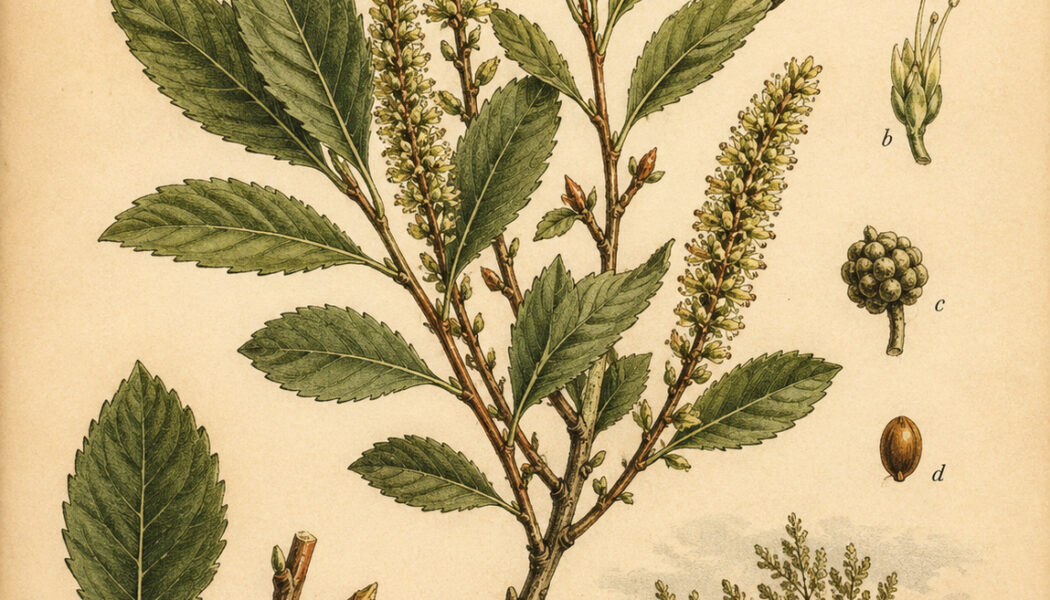

Sweet Gale in Paganism and Witchcraft
Sweet Gale (Myrica gale), sometimes called bog myrtle, is a fragrant shrub that has long been valued in European folklore, traditional herbalism, and magical practice. Growing naturally in wetlands an...
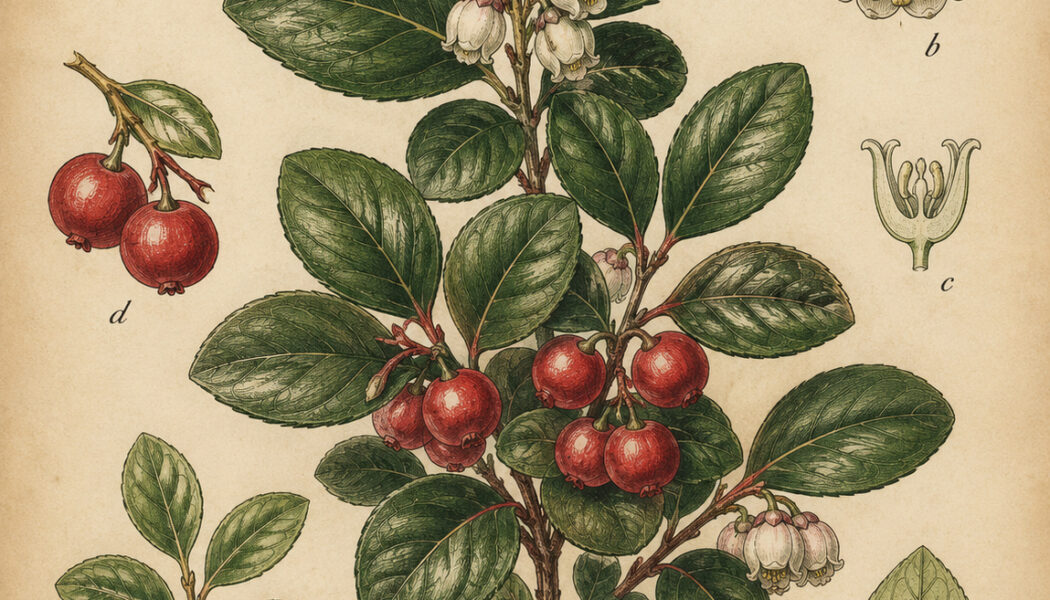

Gaultheria in Paganism and Witchcraft
Gaultheria, commonly known as wintergreen or teaberry, is a low-growing evergreen plant valued for its aromatic leaves and bright red berries. While it is widely recognized for its medicinal and culin...
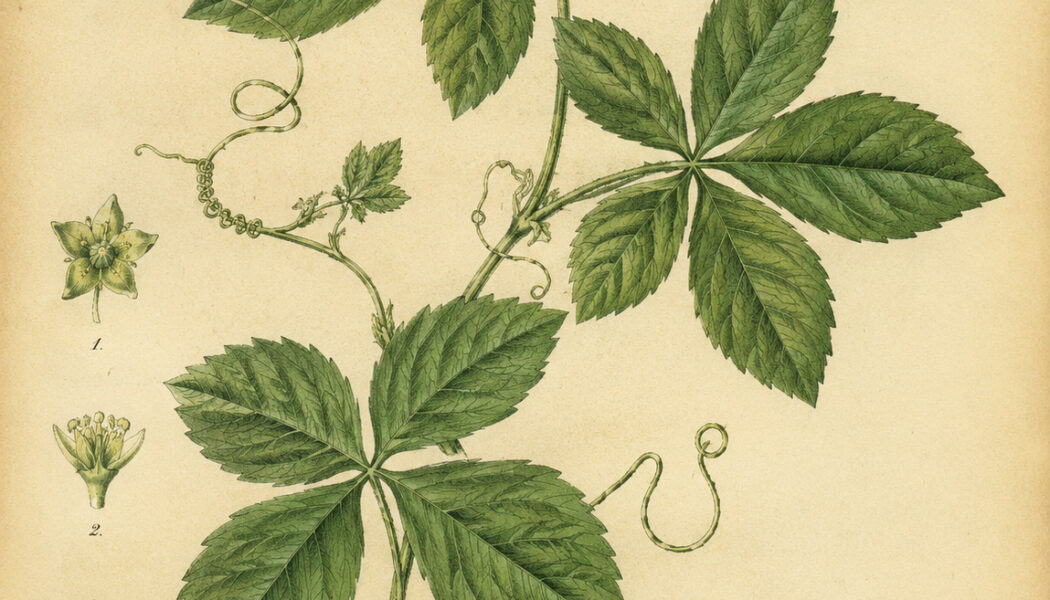

Gynostemma in Paganism and Witchcraft
Gynostemma (Gynostemma pentaphyllum), often called “Jiaogulan” or the “herb of immortality,” is primarily known in traditional Asian herbal practices for its reputed health-sup...
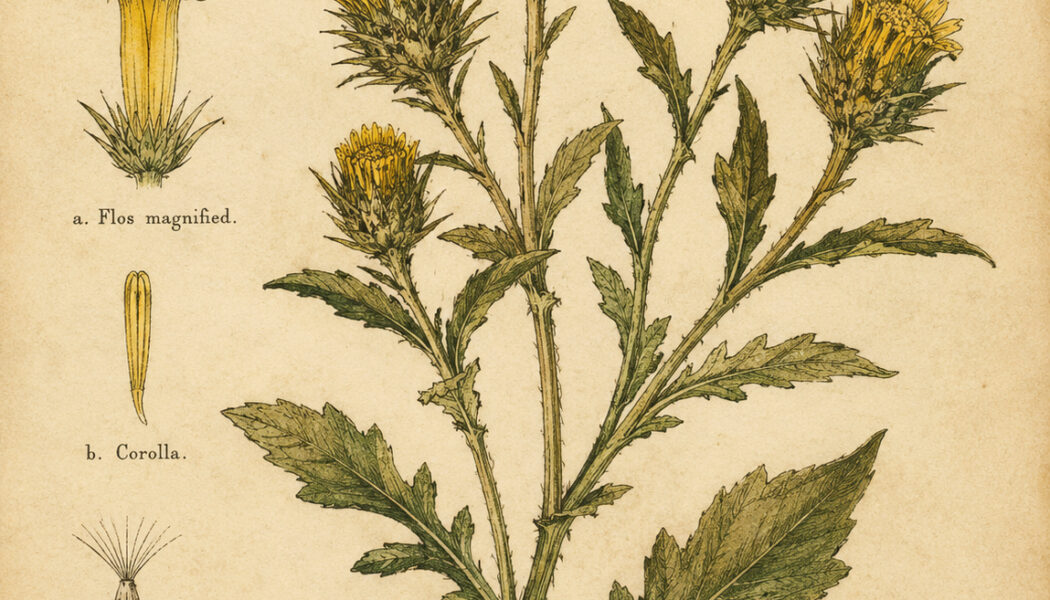

Gumweed in Paganism and Witchcraft
Gumweed (Grindelia spp.) is a hardy flowering plant native to North and South America, recognized by its bright yellow daisy-like blossoms and sticky, resin-coated buds. While it is best known in herb...
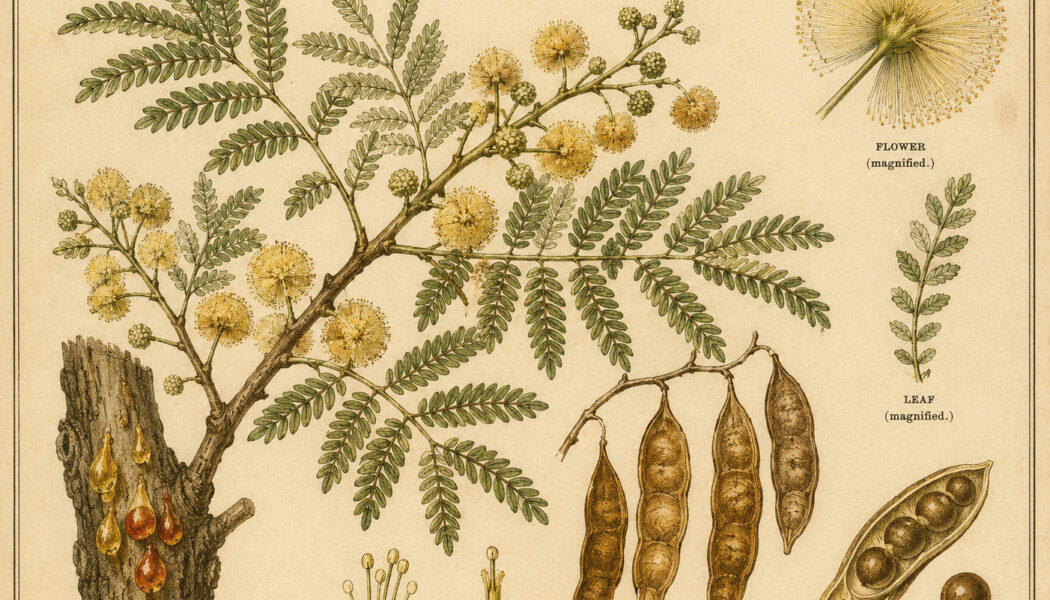

Gum Arabic in Paganism and Witchcraft
Gum Arabic is a natural resin obtained primarily from Acacia trees, especially Acacia senegal and Acacia seyal. For centuries it has been valued for its many practical uses in food, medicine, art, and...
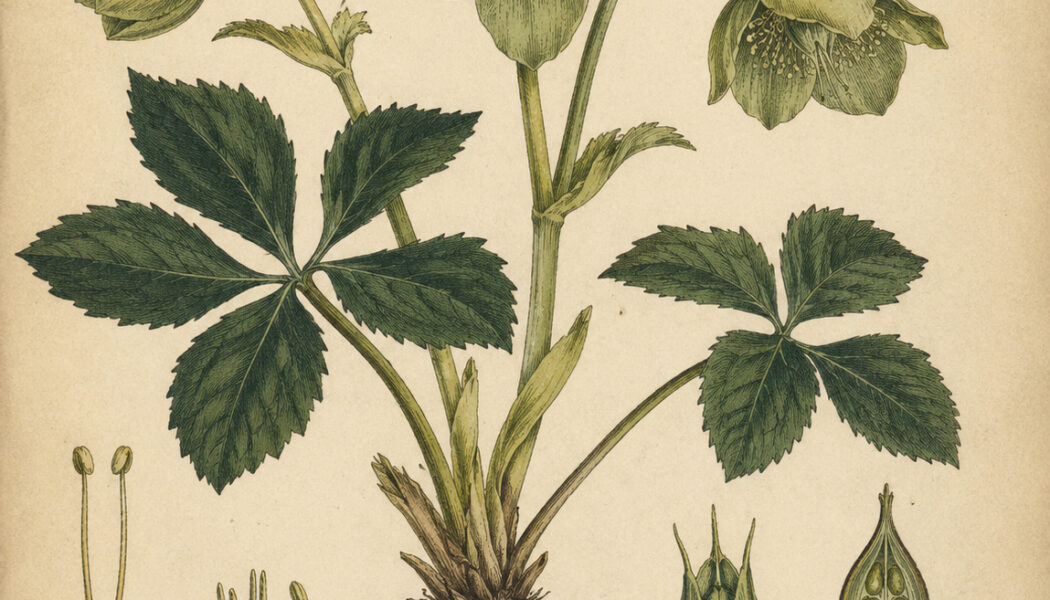

Green Hellebore in Paganism and Witchcraft
Green Hellebore (Helleborus viridis) is a perennial flowering plant that has long been associated with folklore, mystery, and magical traditions. Native to parts of Europe, it has attracted attention ...
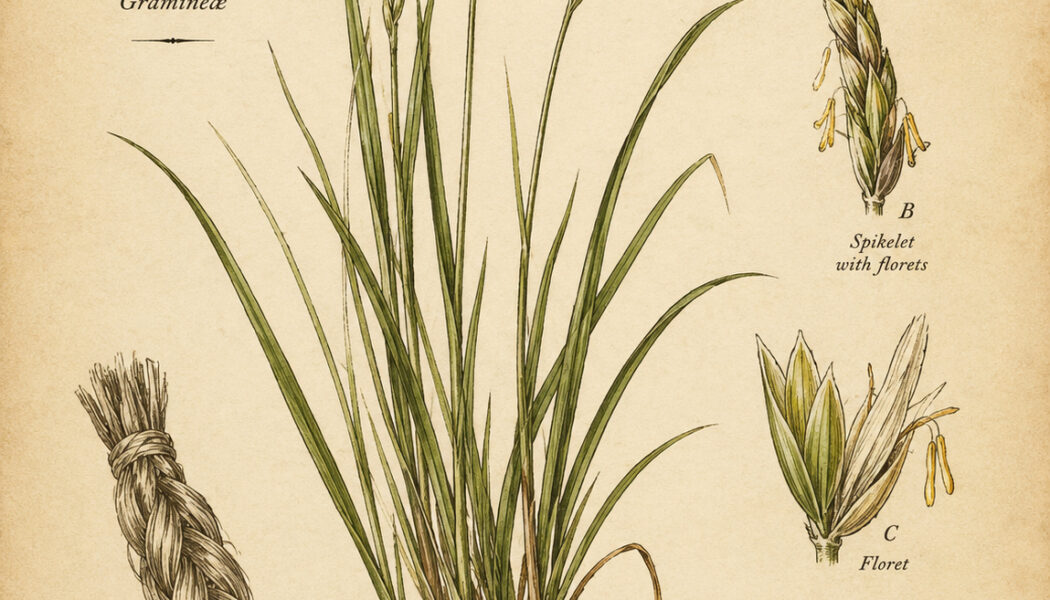

Sacred Grasses in Paganism and Witchcraft
Sacred grasses have held an important place in paganism and witchcraft for centuries, symbolizing life, protection, fertility, and the enduring connection between humanity and nature. Across many anci...
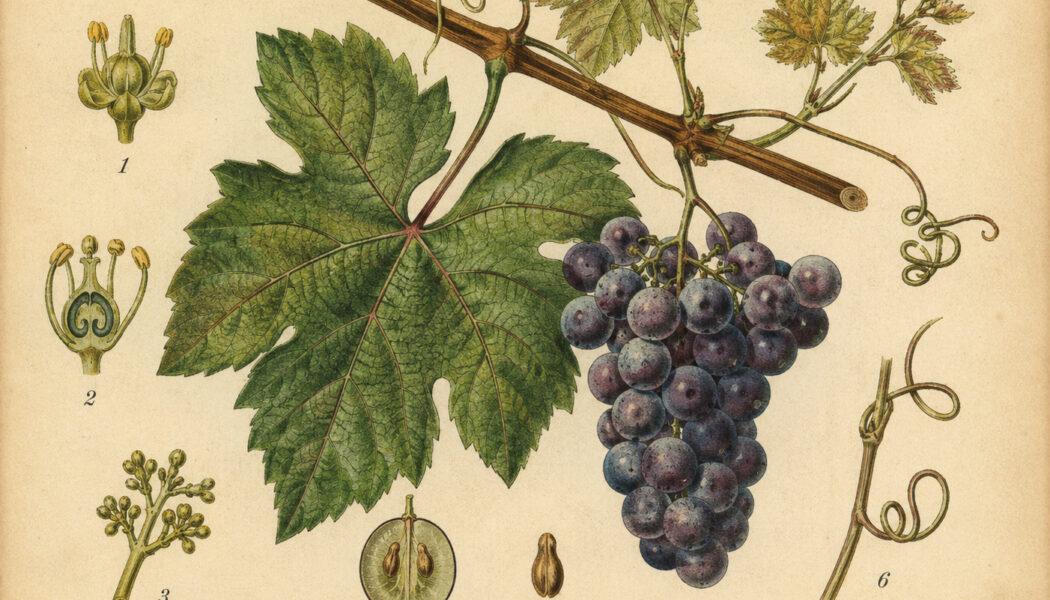

Grapevine in Paganism and Witchcraft
The grapevine (Vitis vinifera) has long been regarded as a sacred and magical plant in many pagan traditions and forms of modern witchcraft. Valued for its ability to produce abundant fruit while endu...
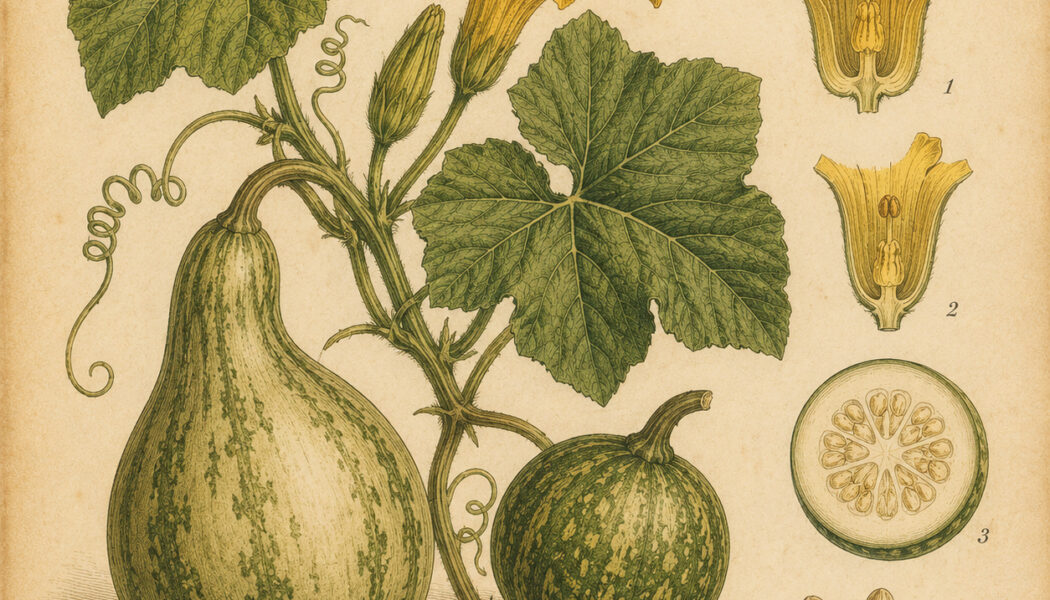

The Use of Gourd in Paganism and Witchcraft
Throughout history, the gourd has held symbolic and practical significance in many pagan traditions and forms of folk magic. While it is best known as a useful plant for food and crafting containers, ...
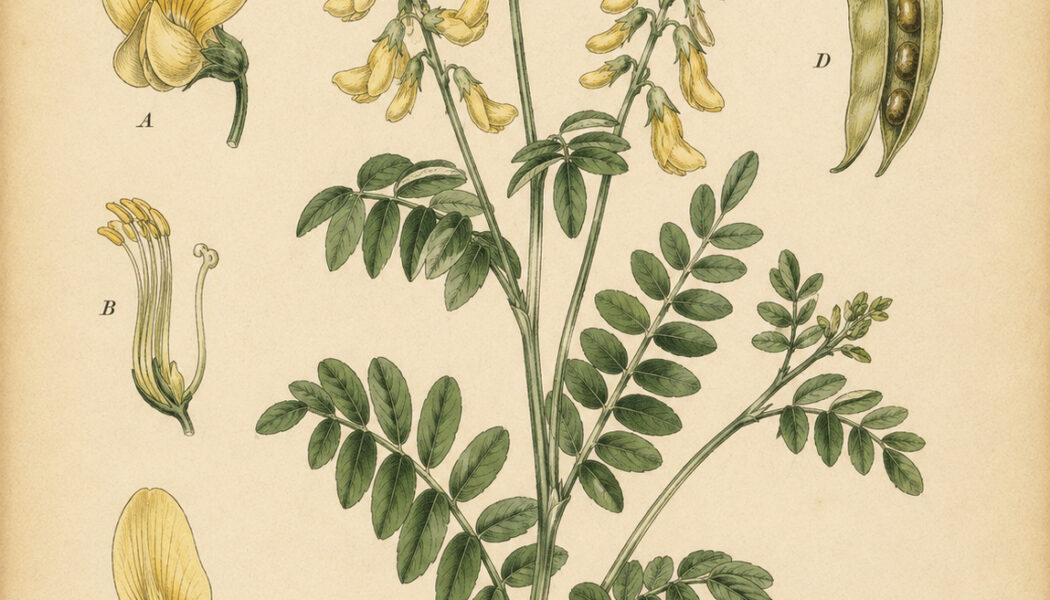

Goat’s Rue in Paganism and Witchcraft
Goat’s Rue (Galega officinalis) is a flowering herb with a long history in European folk traditions. Although it is best known for its historical use in herbal medicine and agriculture, some mod...
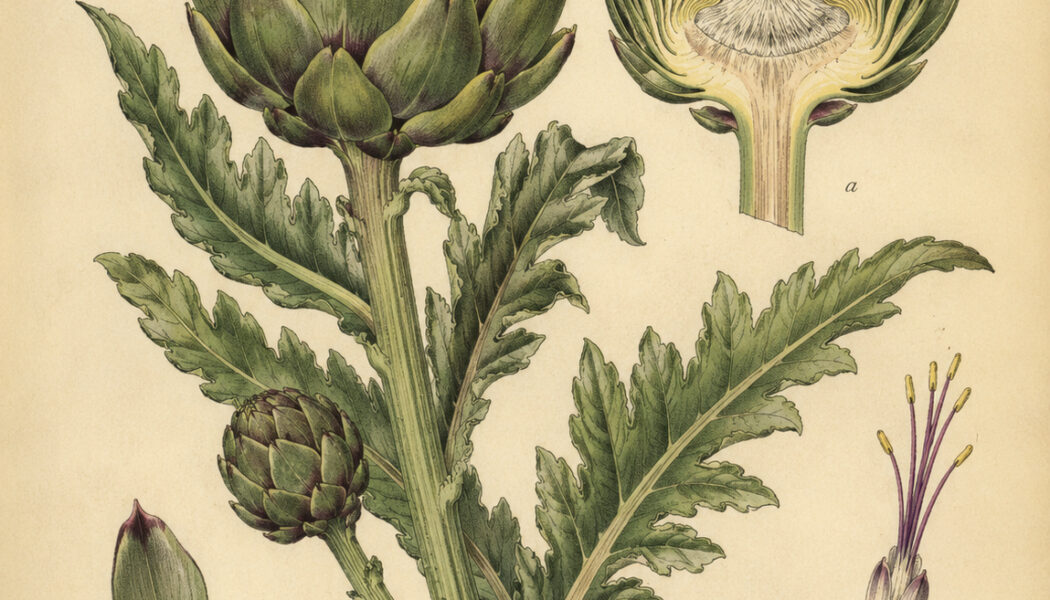

The Use of Globe Artichoke in Paganism and Witchcraft
The globe artichoke (Cynara scolymus) is best known as a nutritious vegetable, but it also holds symbolic significance in certain pagan and modern witchcraft traditions. Although it does not have as e...
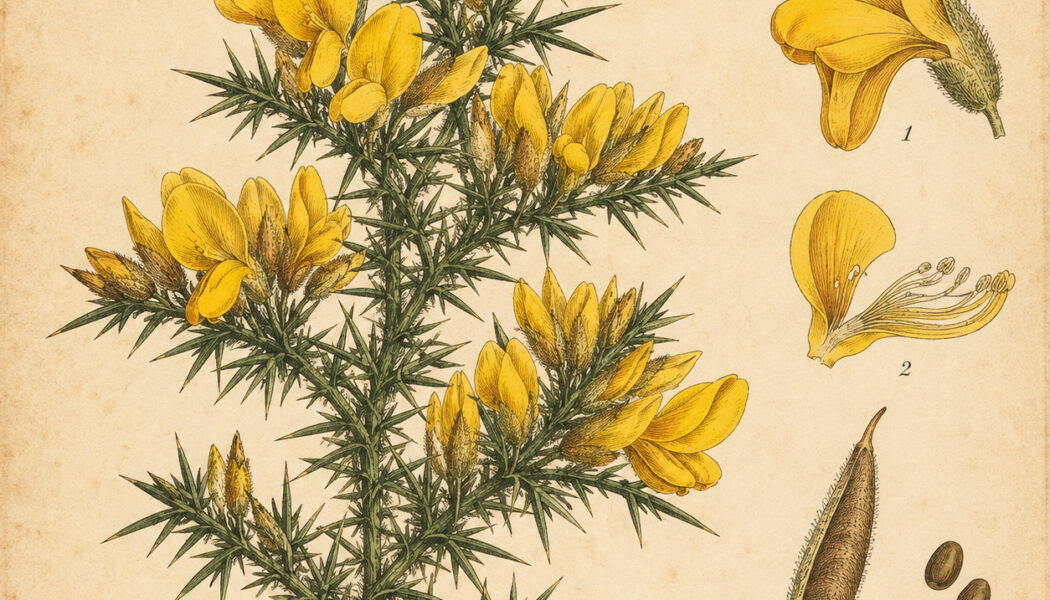

Gorse in Paganism and Witchcraft
Gorse (Ulex europaeus) is a hardy, evergreen shrub covered in brilliant golden-yellow flowers that bloom across much of the year. Found throughout Europe, particularly in coastal and heathland landsca...
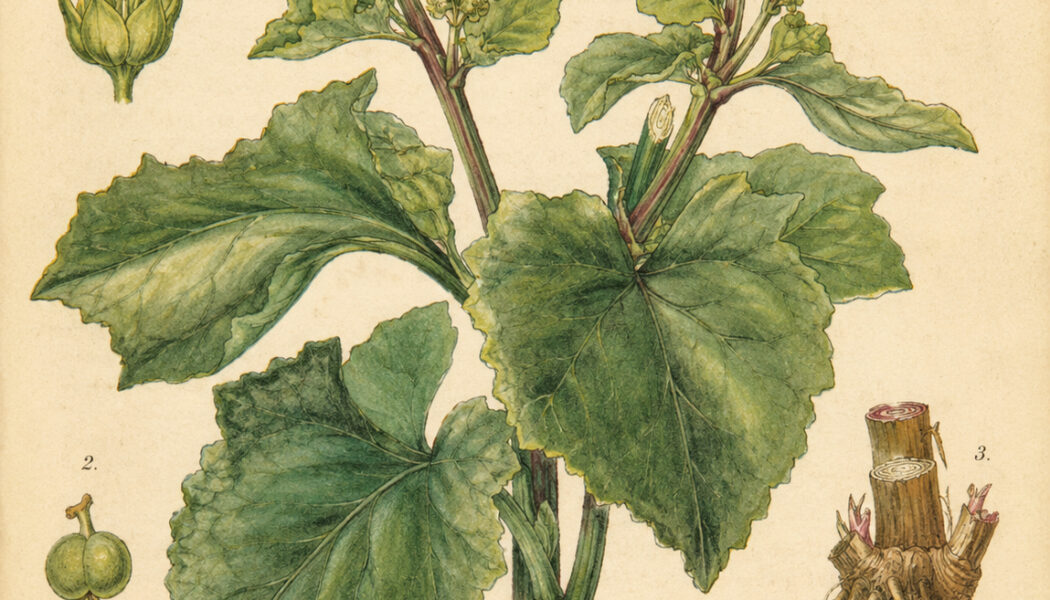

Good King Henry in Paganism and Witchcraft
Good King Henry (Blitum bonus-henricus), sometimes called Poor Man’s Asparagus or Lincolnshire Spinach, is a hardy perennial herb that has long been valued for both its practical and symbolic qu...
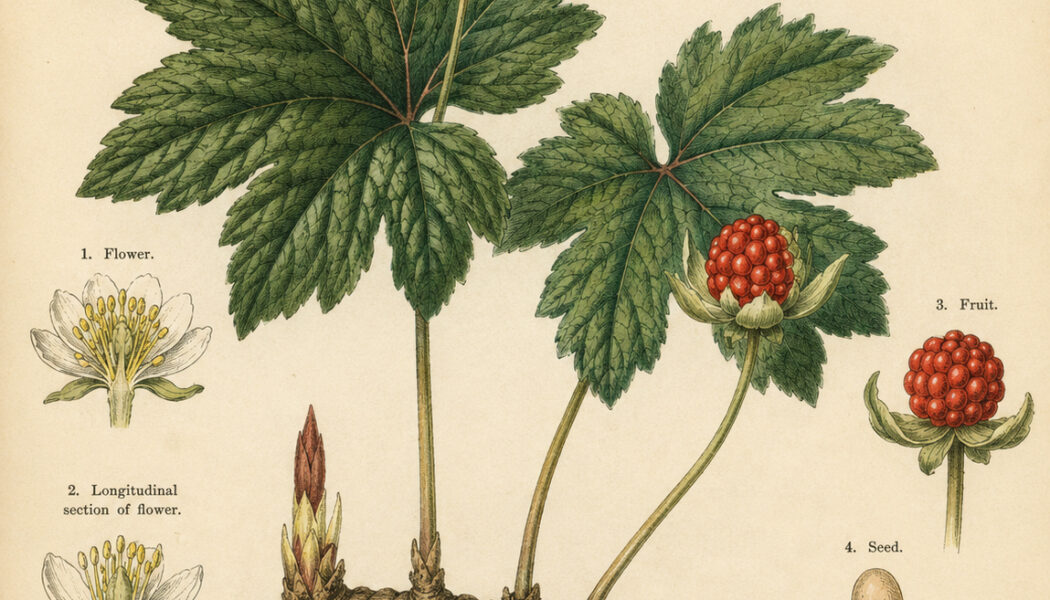

Goldenseal in Paganism and Witchcraft
Goldenseal (Hydrastis canadensis) is a perennial herb native to eastern North America. While it is best known for its traditional medicinal uses, it also holds a place in some modern pagan and witchcr...
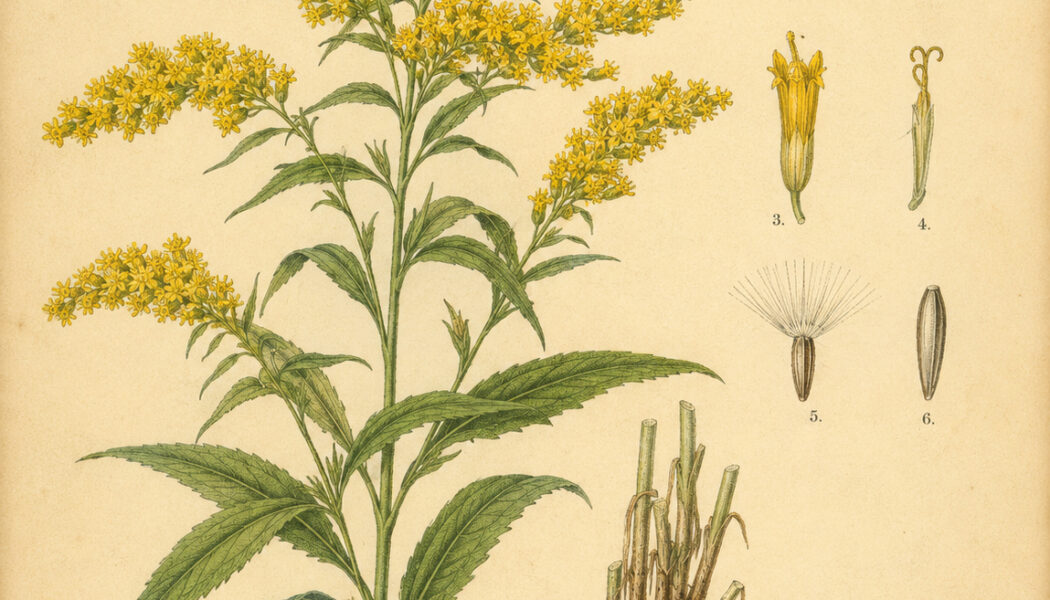

Goldenrod in Paganism and Witchcraft
Goldenrod (Solidago spp.) has long been valued in many modern pagan and witchcraft traditions for its bright golden flowers and symbolic associations with abundance, prosperity, protection, and positi...
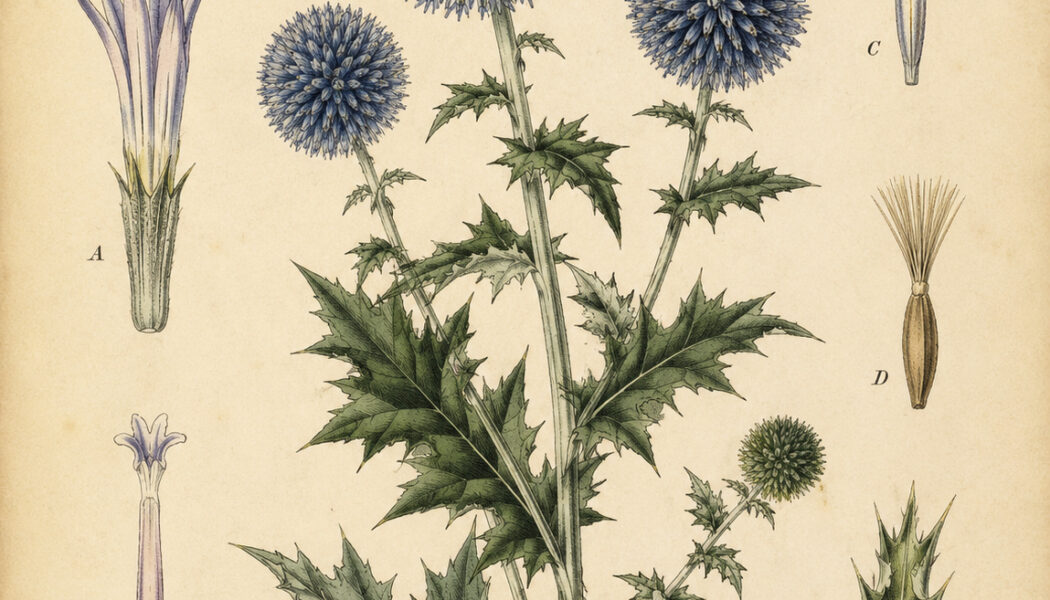

Globe Thistle in Paganism and Witchcraft
Globe thistle (Echinops spp.) is a striking plant recognized for its spherical blue or purple flower heads and spiny foliage. While it is better known as an ornamental garden plant, many modern Pagans...
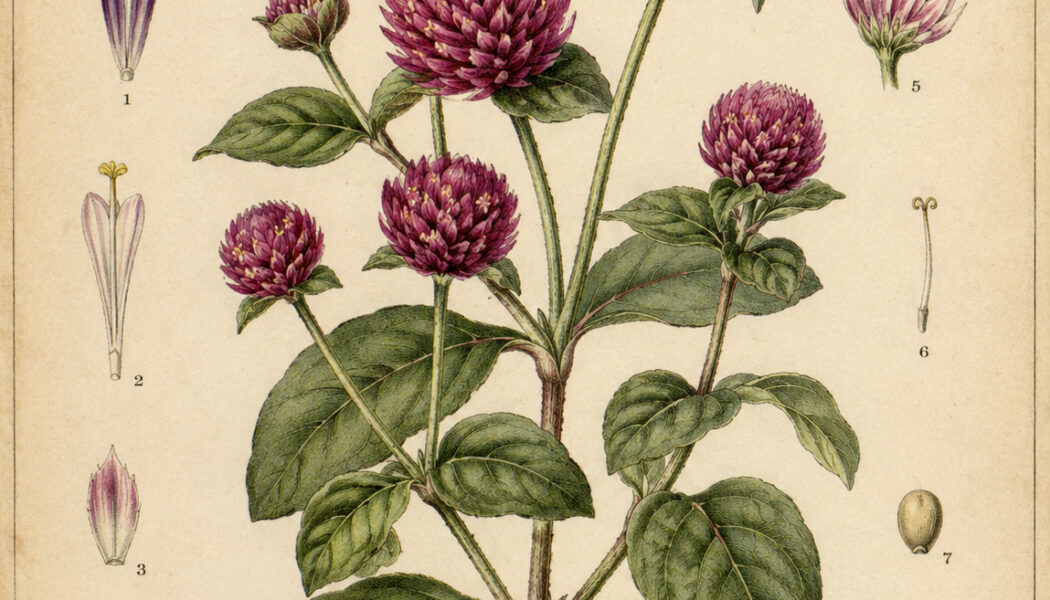

Globe Amaranth in Paganism and Witchcraft
Globe amaranth (Gomphrena globosa) is a vibrant flowering plant admired for its round, clover-like blooms that retain their color long after being harvested. While it is best known as an ornamental an...
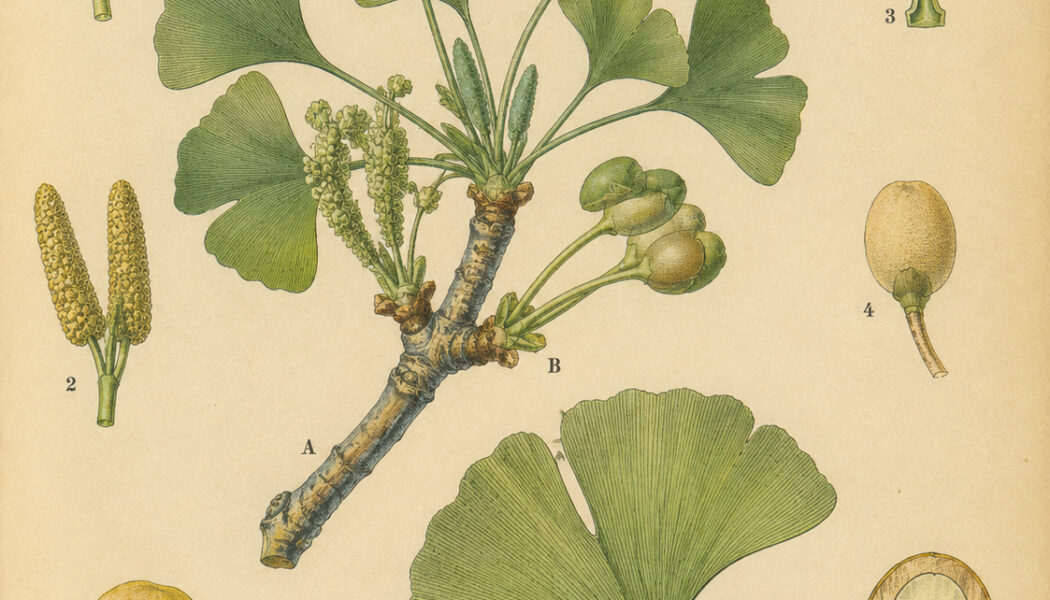

Ginkgo in Paganism and Witchcraft
Ginkgo (Ginkgo biloba), often called the maidenhair tree, is one of the oldest living tree species on Earth. Its remarkable resilience and long history have made it a powerful symbol in many spiritual...
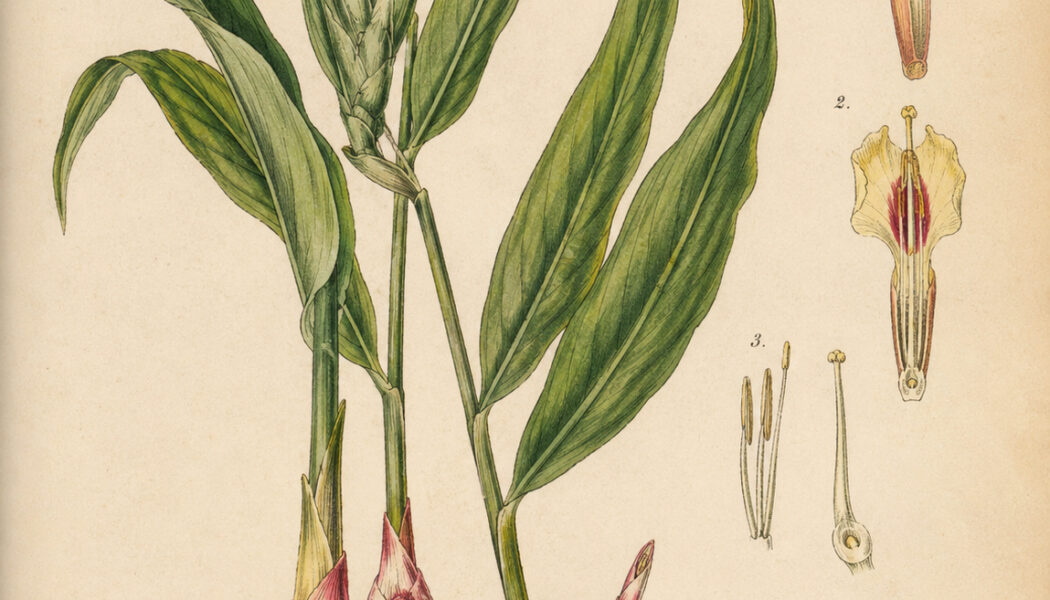

Ginger in Paganism and Witchcraft
Ginger has long been valued in many spiritual traditions for its warmth, vitality, and powerful symbolic associations. In modern paganism and various forms of witchcraft, it is often regarded as an he...
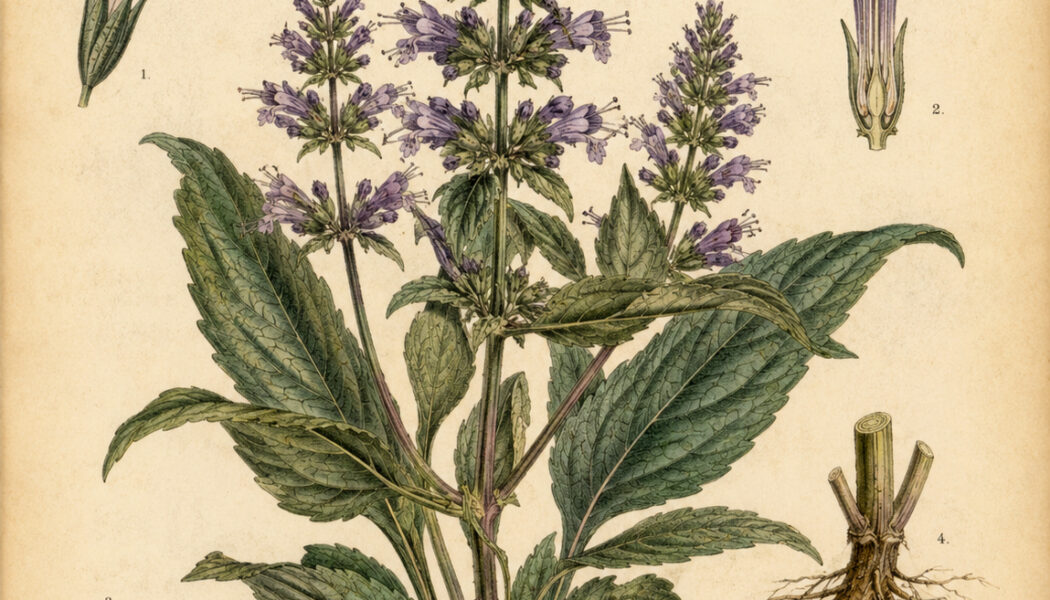

Giant Hyssop in Paganism and Witchcraft
Giant hyssop (Agastache species) is a fragrant flowering herb valued for its beauty, medicinal properties, and symbolic significance in many modern Pagan and witchcraft traditions. Although it is dist...
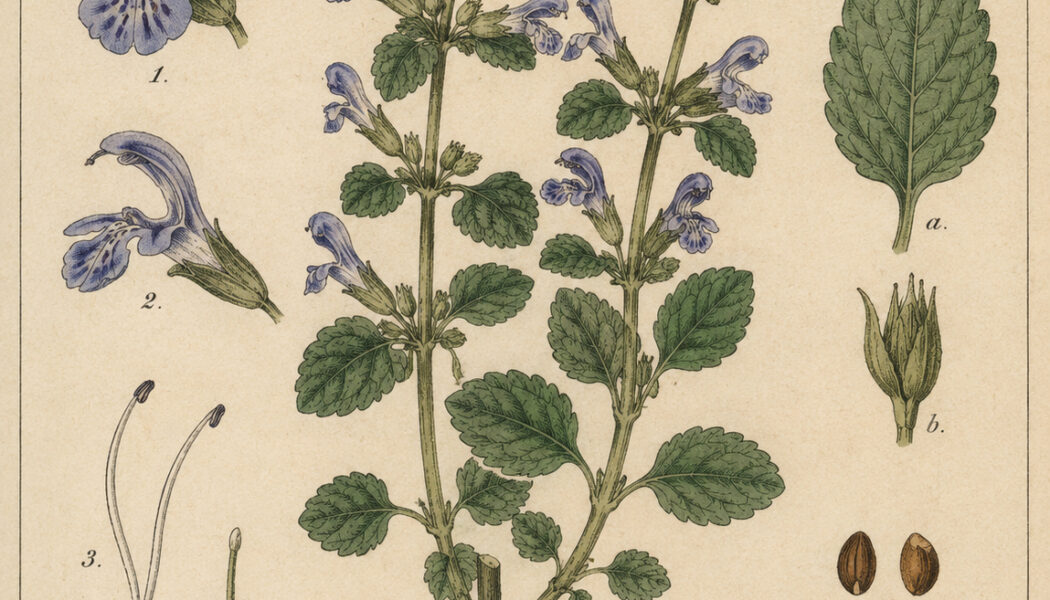

Germander in Paganism and Witchcraft
Germander (genus Teucrium) is a small flowering herb that has been valued for centuries in both traditional herbal practices and spiritual traditions. While it is not as widely known as herbs such as ...
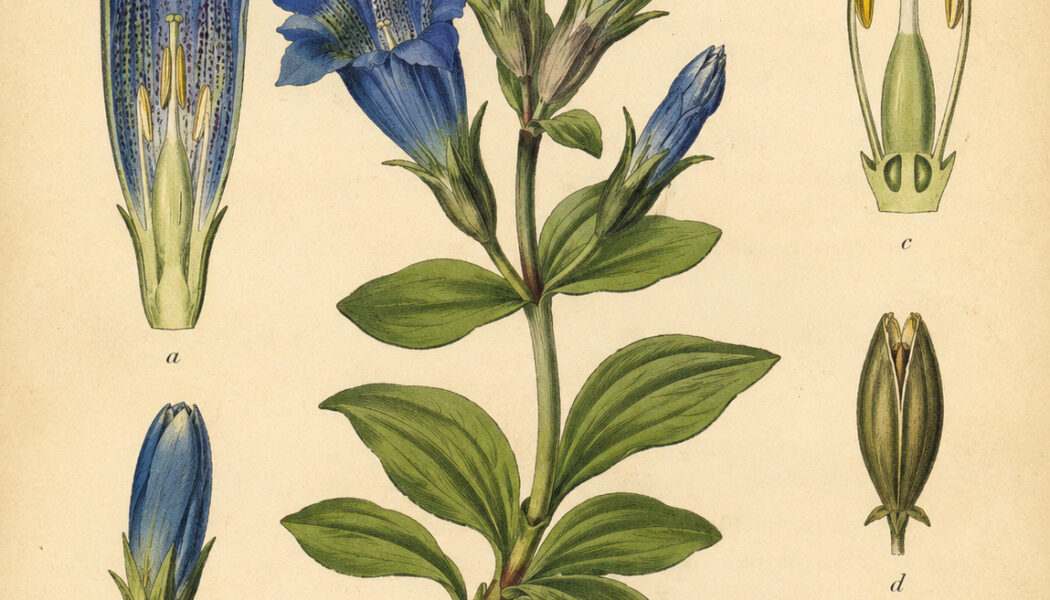

Gentian in Paganism and Witchcraft
Gentian is a striking mountain plant known for its vivid blue flowers and intensely bitter roots. Throughout European folklore, traditional herbalism, and modern Pagan practices, gentian has earned a ...
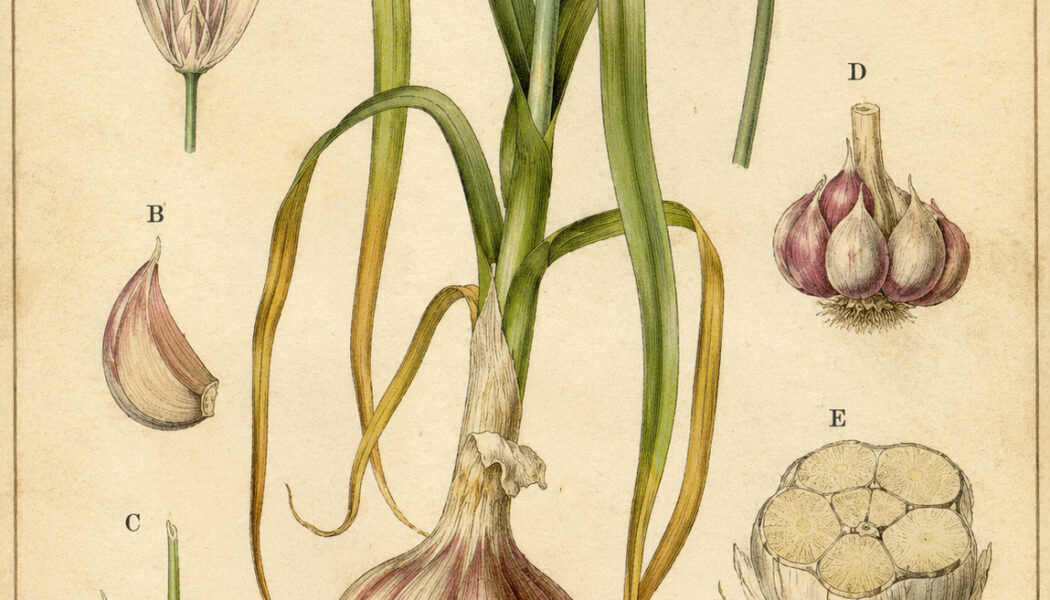

Garlic in Paganism and Witchcraft
Garlic has long been regarded as one of the most powerful magical herbs in paganism and witchcraft. Beyond its well-known culinary and medicinal uses, it has been valued for centuries as a symbol of p...
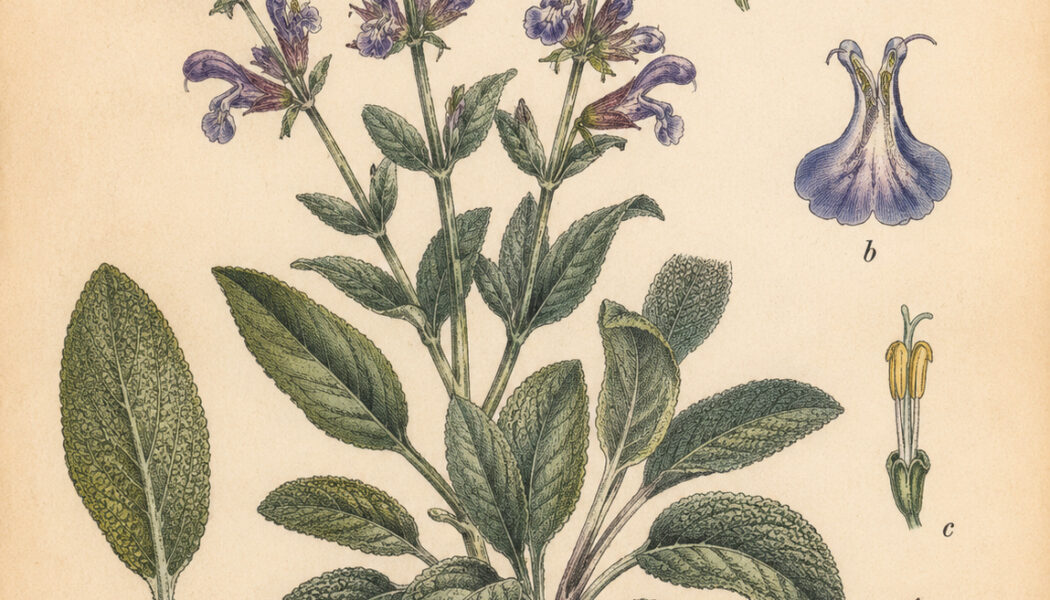

Garden Sage in Paganism and Witchcraft
Garden sage (Salvia officinalis) has long held a place of honor in many pagan and witchcraft traditions. Valued for its earthy aroma, healing properties, and symbolic associations, this common herb is...
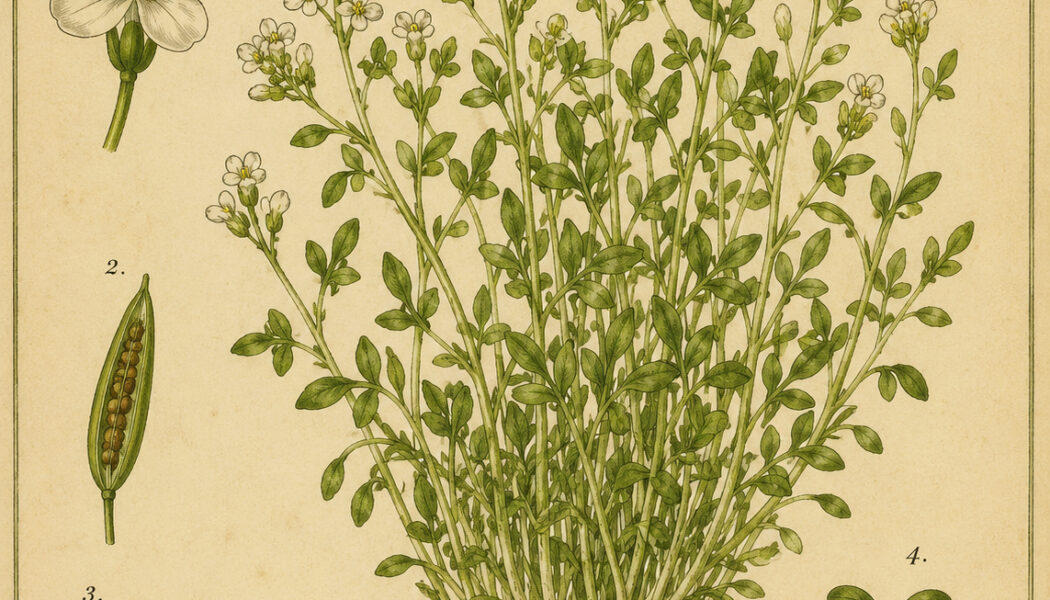

Garden Cress in Paganism and Witchcraft
Garden cress (Lepidium sativum) is a fast-growing herb that has long been appreciated for its culinary and medicinal qualities. In modern paganism and various forms of folk witchcraft, it is also valu...
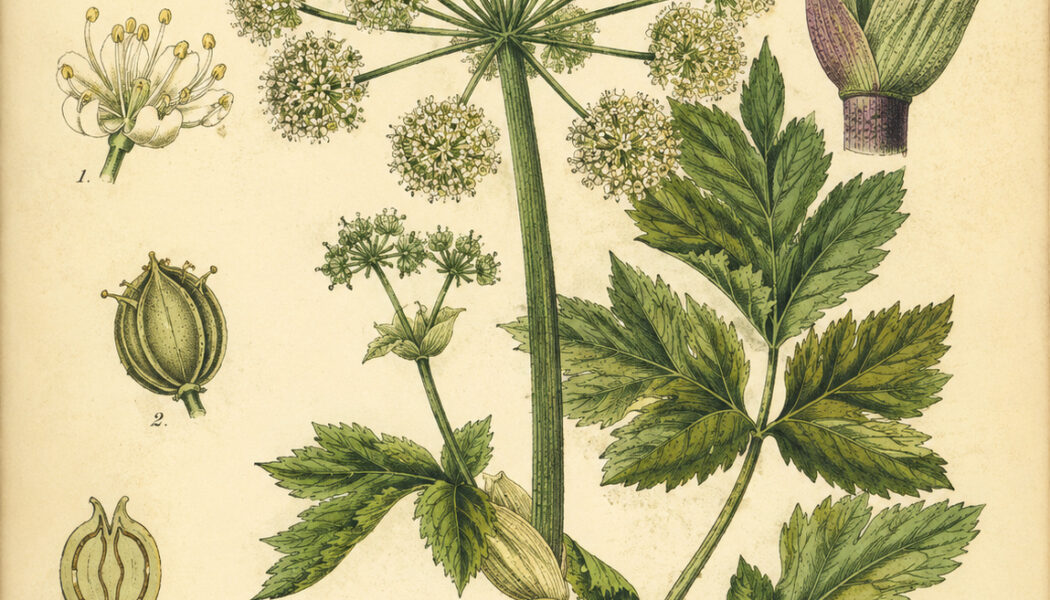

Garden Angelica in Paganism and Witchcraft
Garden Angelica (Angelica archangelica) has long held a special place in European folklore, pagan traditions, and modern witchcraft. Known for its tall stems, fragrant leaves, and umbrella-shaped clus...
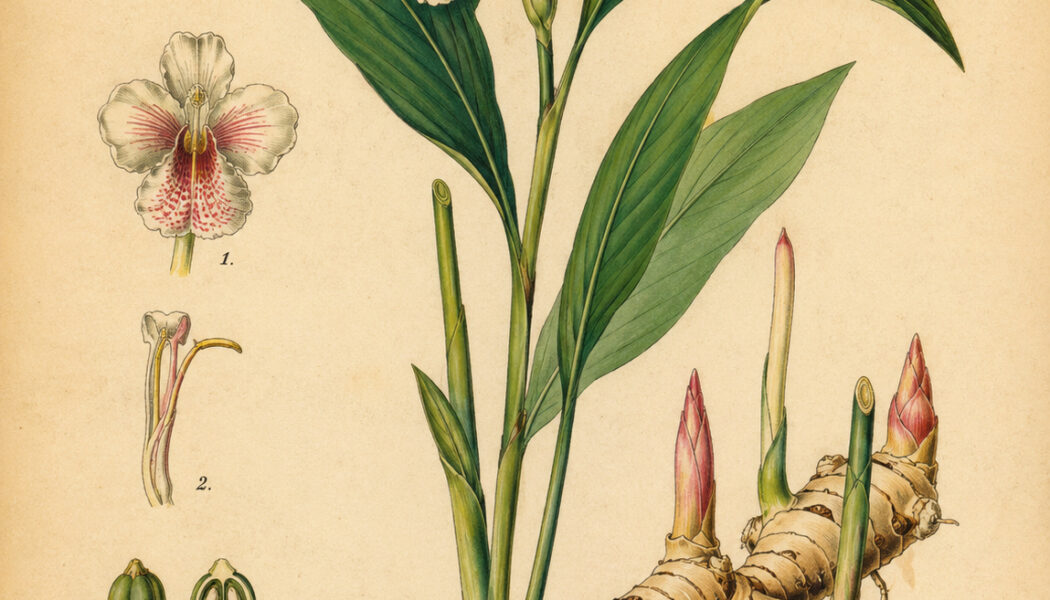

Galangal in Paganism and Witchcraft
Galangal, a fragrant root belonging to the ginger family, has long been valued not only for its culinary and medicinal qualities but also for its place in various folk magic traditions. In many modern...
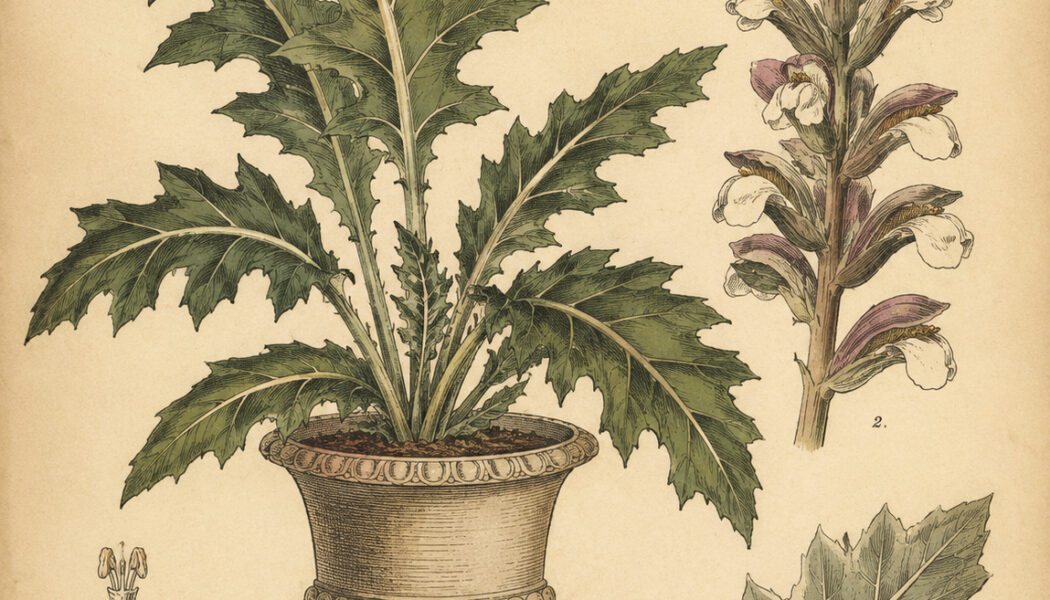

Grecian Plant: Its Importance in Paganism and Witchcraft
The Grecian plant, often associated with herbs and flowers native to ancient Greece, holds a special place in pagan traditions and the practice of witchcraft. Among the plants commonly linked to Greci...