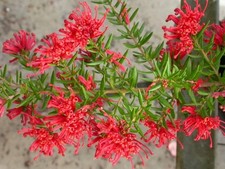
Grevillea is a diverse genus of flowering shrubs and trees native primarily to Australia. Known for its striking, nectar-rich blossoms and evergreen foliage, it is admired not only for its beauty but also for the symbolic qualities it holds in some modern Pagan and witchcraft traditions. Unlike herbs such as sage, mugwort, or rosemary, Grevillea does not have a long, well-documented history in ancient European magical practices. Instead, its spiritual associations have developed more recently, particularly among contemporary practitioners who work with local plants and regional ecosystems.
In modern Paganism, Grevillea is often viewed as a symbol of resilience, adaptability, and harmony with nature. Many species thrive in poor soils and withstand drought, making them representative of endurance and the ability to flourish despite challenges. These qualities make the plant a popular choice for rituals focused on personal strength, perseverance, and overcoming obstacles.
The vibrant flowers of Grevillea also attract birds, bees, and butterflies, leading some witches to associate the plant with communication, community, and the interconnectedness of all living beings. It may be included in garden rituals or seasonal celebrations to honour local wildlife and encourage a balanced relationship between humans and the natural world.
Some practitioners use Grevillea blossoms or leaves in altar displays, nature offerings, or meditation spaces. The flowers may be gathered respectfully and placed on an altar to represent gratitude, abundance, or the life-giving energy of the land. Others incorporate fallen leaves or blossoms into handmade charms, wreaths, or decorative spell work intended to promote growth, confidence, or positive transformation. These uses are largely symbolic rather than based on historical folklore.
Because Grevillea contains compounds that can cause skin irritation in some people, it is generally not used in teas, incense, or body preparations without proper botanical knowledge. Many practitioners instead prefer to appreciate the living plant in the garden, connecting with its energy through observation, meditation, or mindful care.
As with many native plants, Grevillea reminds modern Pagans and witches of the importance of respecting local landscapes and traditions. Its role in contemporary spiritual practice reflects a growing appreciation for working with regional flora, encouraging a deeper connection to place, seasonal cycles, and the living environment.