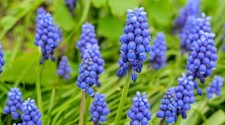
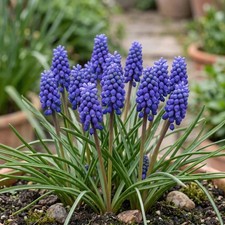
The grape hyacinth (Muscari spp.) is a charming spring flower known for its clusters of deep blue or purple bell-shaped blossoms that resemble tiny bunches of grapes. Although it is not as widely documented in historical magical texts as herbs such as mugwort or rosemary, modern pagan and witchcraft traditions often associate the grape hyacinth with themes of renewal, hope, fertility, and spiritual awakening.
Blooming in early spring, grape hyacinths symbolize the return of life after winter. Many contemporary pagans use the flowers during seasonal celebrations, particularly those marking the spring equinox or Beltane. Their appearance is seen as a reminder of nature’s cycle of rebirth, making them a fitting addition to altars, garden shrines, or ritual spaces dedicated to growth and new beginnings.
In modern witchcraft practices, the grape hyacinth is commonly linked to peaceful energy, emotional healing, and gentle transformation. Practitioners may place fresh or dried flowers on an altar to encourage calmness during meditation, spellwork, or personal reflection. The flower’s rich blue color is also associated with communication, intuition, and spiritual insight, aligning it symbolically with the throat chakra in some contemporary spiritual traditions.
Some witches incorporate grape hyacinths into seasonal wreaths, floral offerings, or decorative spell jars intended to represent prosperity, happiness, or fresh opportunities. Because the plant naturally multiplies over time, it is sometimes viewed as a symbol of abundance and the steady growth of intentions planted through magical work. It may also be used as an offering to deities or nature spirits connected with spring, fertility, or gardens, depending on an individual’s tradition.
It is important to note that many of these magical associations come from modern folklore and contemporary pagan practice rather than extensive historical evidence. Different traditions may assign different symbolic meanings, and there is no universal interpretation of the plant within paganism or witchcraft.
Whether appreciated for its beauty, seasonal significance, or symbolic qualities, the grape hyacinth serves as a gentle reminder of renewal, resilience, and the quiet power of growth. For many modern practitioners, it represents the promise that even after the darkest winter, new life and fresh possibilities will always emerge with the coming of spring.